Priming Operations in Outsole Process: Outsole (Stock Fitting) Assembly Series
Building a Strong Chemical Foundation for Reliable Bonding
Modern footwear manufacturing demands consistently high bond strength between the upper and outsole. Although adhesive selection receives considerable attention, many bonding failures originate long before cement is applied. One of the most important yet frequently underestimated stages is priming.
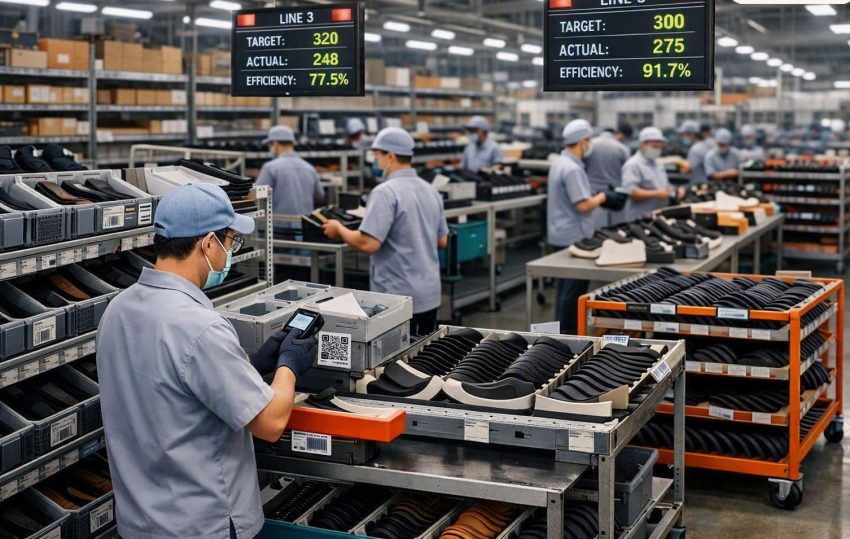
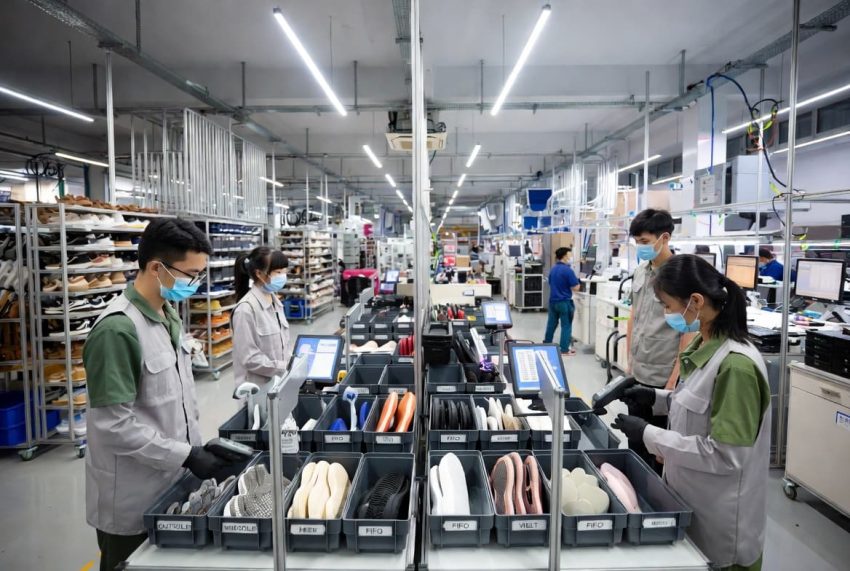
In our previous article, “Feeding to Assembly Line Operations in Outsole Process”, we explained how organized material flow ensures that the correct outsole reaches the right assembly station at the right time. Once the outsole reaches the priming station, the focus shifts from logistics to surface preparation. At this stage, the objective is no longer movement—it is creating a chemically compatible surface that allows adhesives to develop maximum bond strength.
Priming acts as the chemical bridge between the outsole material and the adhesive system. It modifies the surface characteristics, improves wettability, and enhances adhesion, particularly for materials that naturally resist bonding. Without proper priming, even premium adhesives may fail to achieve the required peel strength or long-term durability.
What Is Priming in Footwear Outsole Assembly?
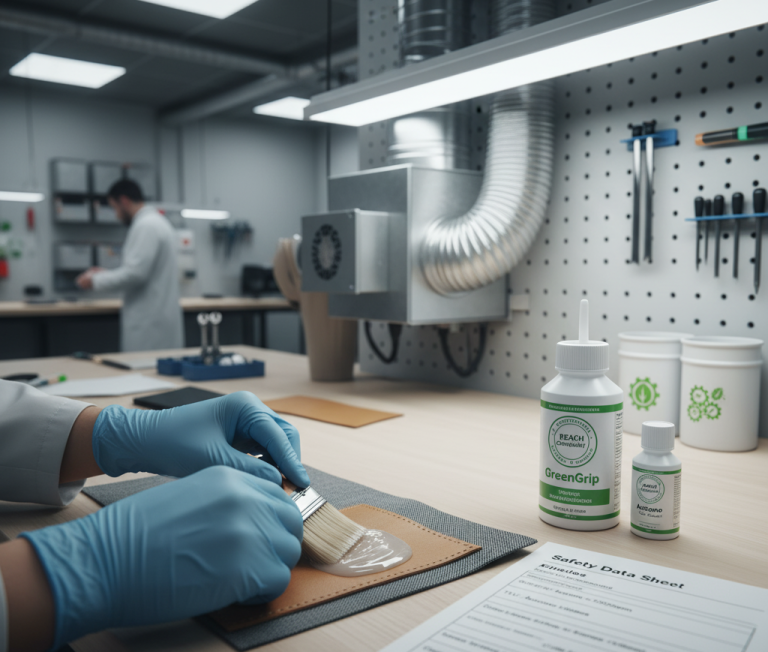
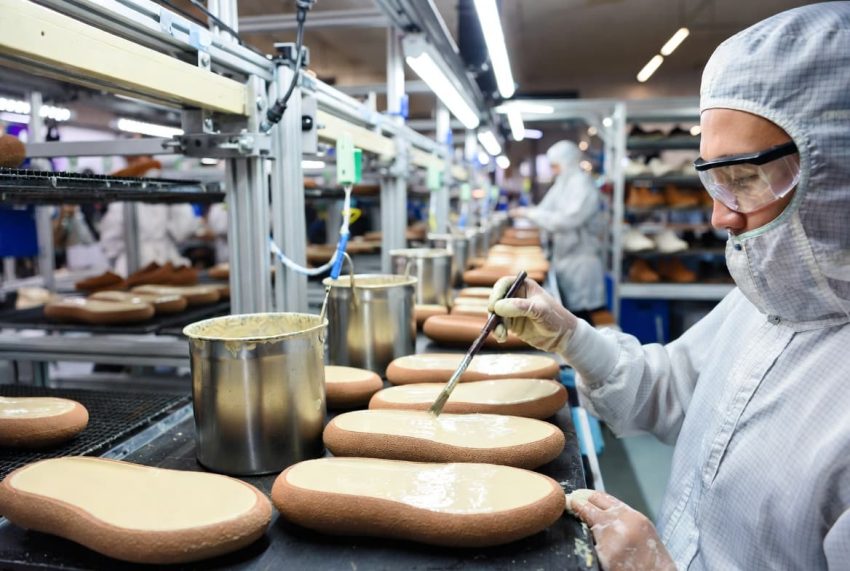
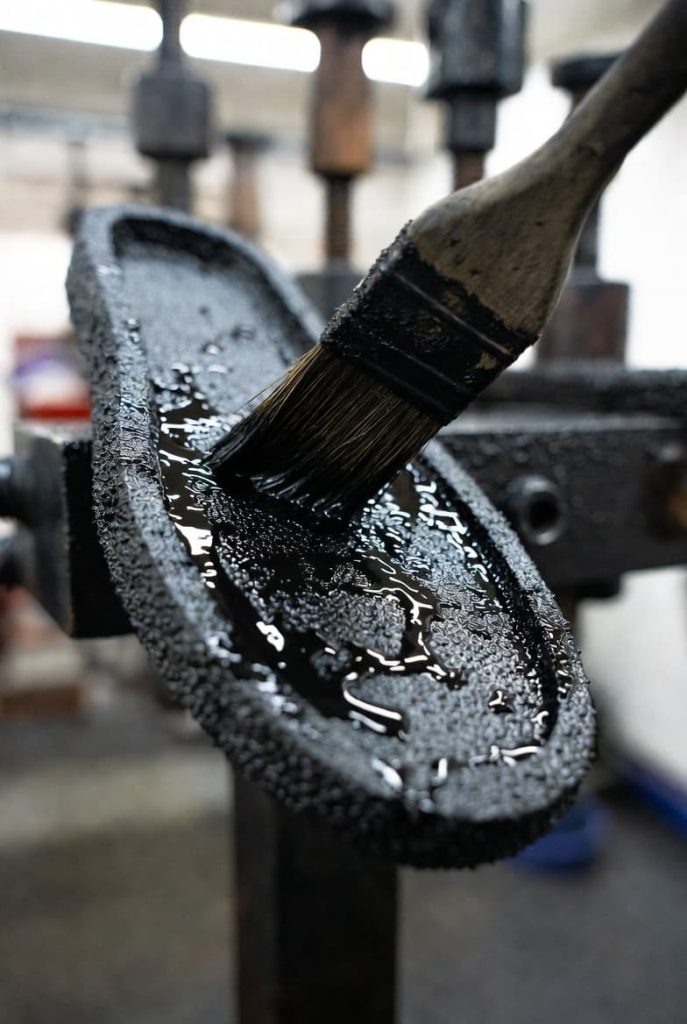
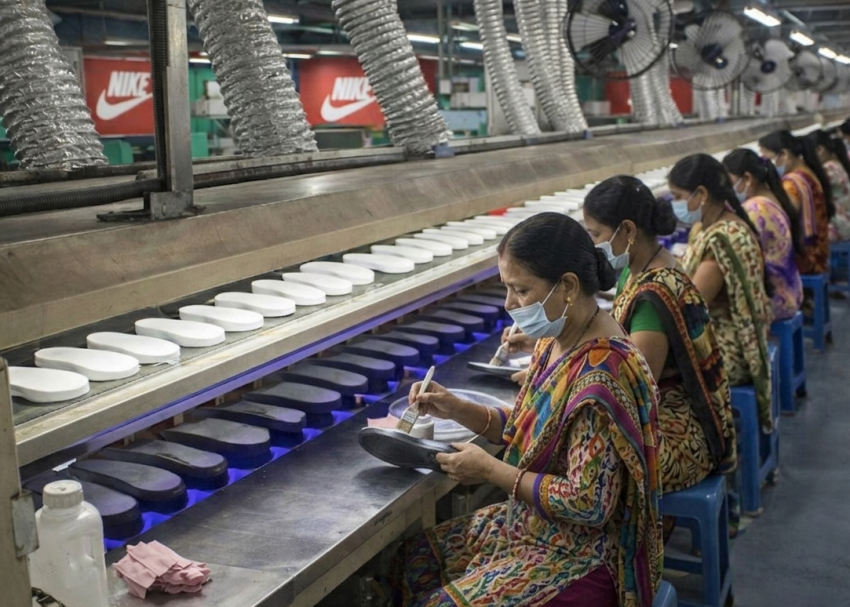
Priming is the controlled application of a specially formulated chemical coating onto the prepared bonding surface before cement application.
Unlike adhesives, primers are not intended to join two components directly. Instead, they condition the outsole surface so that the adhesive can wet, penetrate, and chemically interact with the material more effectively.
Different outsole materials possess different surface energies and chemical structures. Some materials readily accept adhesives, while others exhibit low surface energy that prevents proper bonding. Primers modify these surfaces, making them more receptive to adhesive systems.
The primer used depends entirely on the outsole material, adhesive chemistry, and manufacturing process. A primer developed for rubber cannot automatically be used on TPU or EVA because each material behaves differently during bonding.
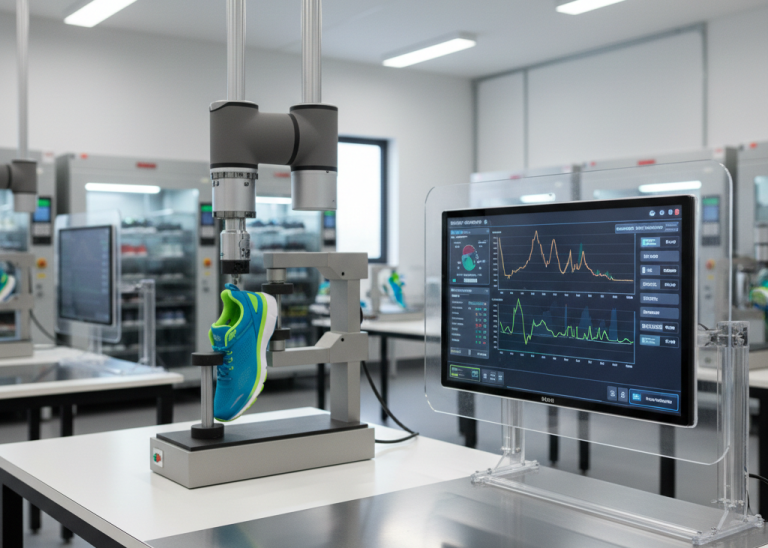
In footwear manufacturing, primer systems are validated during product development through laboratory testing before production begins. Only approved primer-adhesive combinations should enter mass production.
Expert Tip:
Always mix primers according to supplier recommendations before use.
Replace contaminated primer immediately instead of filtering repeatedly.
Why Priming Is Critical for Strong Footwear Bonding
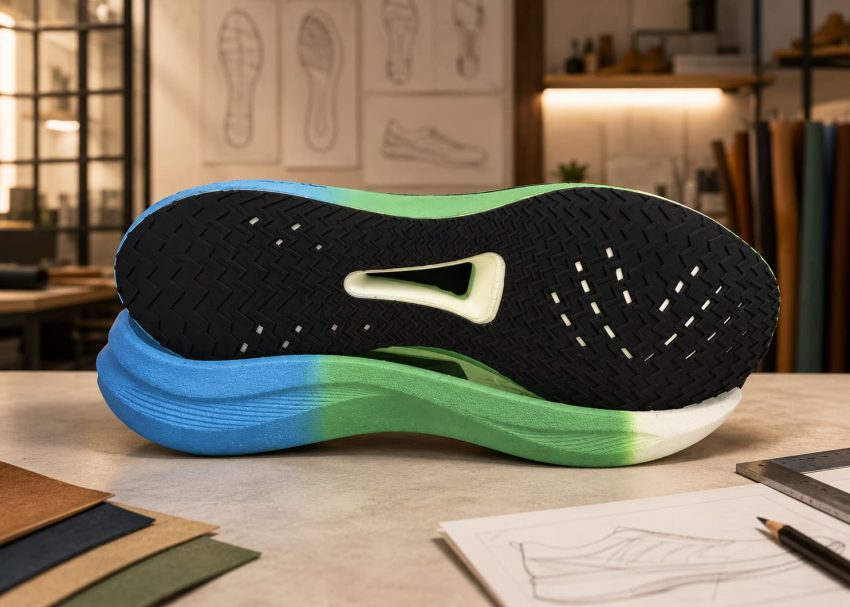
The objective of priming extends beyond simply coating the outsole surface. It prepares the material chemically so that adhesives can achieve their designed performance.
Many outsole materials contain release agents, oils, processing additives, waxes, or molded surface layers that reduce adhesion. Even after roughing and chemical washing, these materials may still exhibit insufficient surface activity. Primers compensate for these limitations by increasing chemical compatibility between the substrate and adhesive.
A properly primed outsole provides improved adhesive wetting, stronger molecular interaction, and greater resistance to environmental stresses such as moisture, heat, flexing, and aging.
Benefits of Proper Priming
- Improves adhesive compatibility
- Enhances chemical bonding
- Increases bond durability
- Improves peel strength
- Reduces bond failures
- Improves resistance to moisture
- Improves heat resistance
- Extends product life
Expert Tip:
Use dedicated brushes or applicators for each primer type.
Control room temperature and humidity for consistent drying.
How Primers Improve Adhesion at the Molecular Level
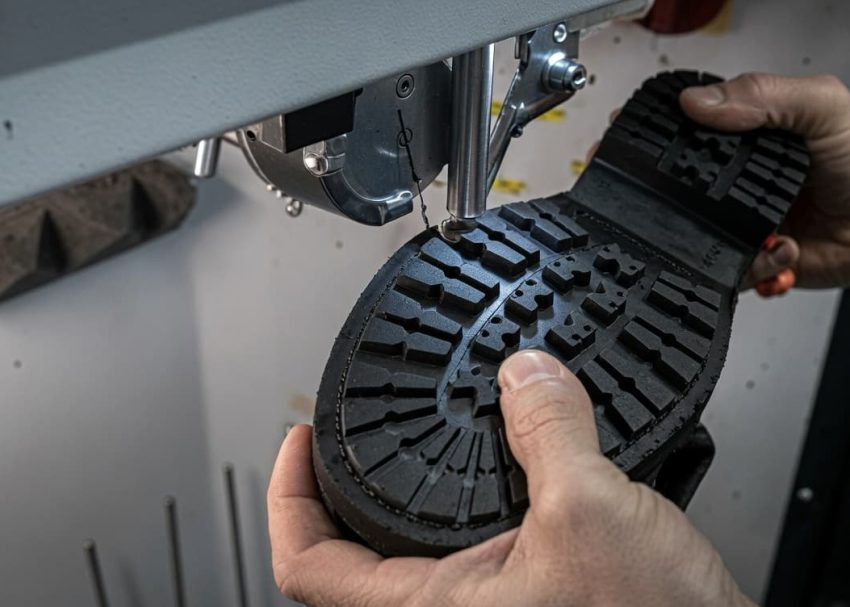
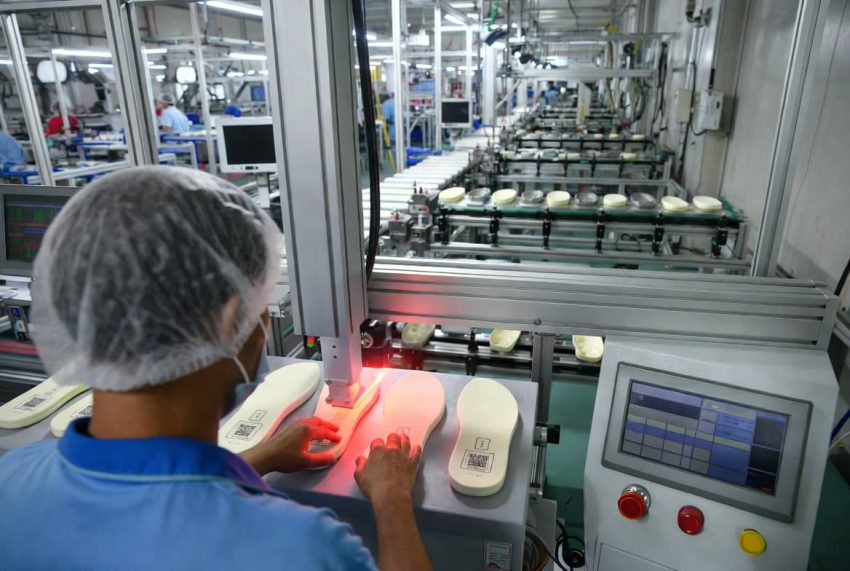
Although primers appear as thin transparent liquids, they perform sophisticated chemical functions on the bonding surface.
After application, the solvent begins evaporating while the active components remain attached to the outsole surface. These active ingredients interact with both the substrate and the adhesive. Some primers slightly soften the surface, allowing improved mechanical anchoring, while others create reactive chemical groups that participate in adhesive curing.
This chemical interface significantly increases the effective bonding area without noticeably changing the outsole dimensions. For polyurethane adhesive systems, primers often contain reactive components that improve cross-linking during adhesive curing. This produces stronger and more durable bonds than adhesive alone.
The effectiveness of priming depends on maintaining correct application quantity, solvent evaporation, drying time, and environmental conditions. Excess primer can weaken the bond, while insufficient primer leaves untreated areas vulnerable to failure.
Expert Tip: Think of primer as a chemical foundation rather than an adhesive. Just as a building requires a stable foundation before construction, footwear adhesives require a properly prepared surface before bonding. Strong adhesion begins with excellent surface preparation—not with extra adhesive.
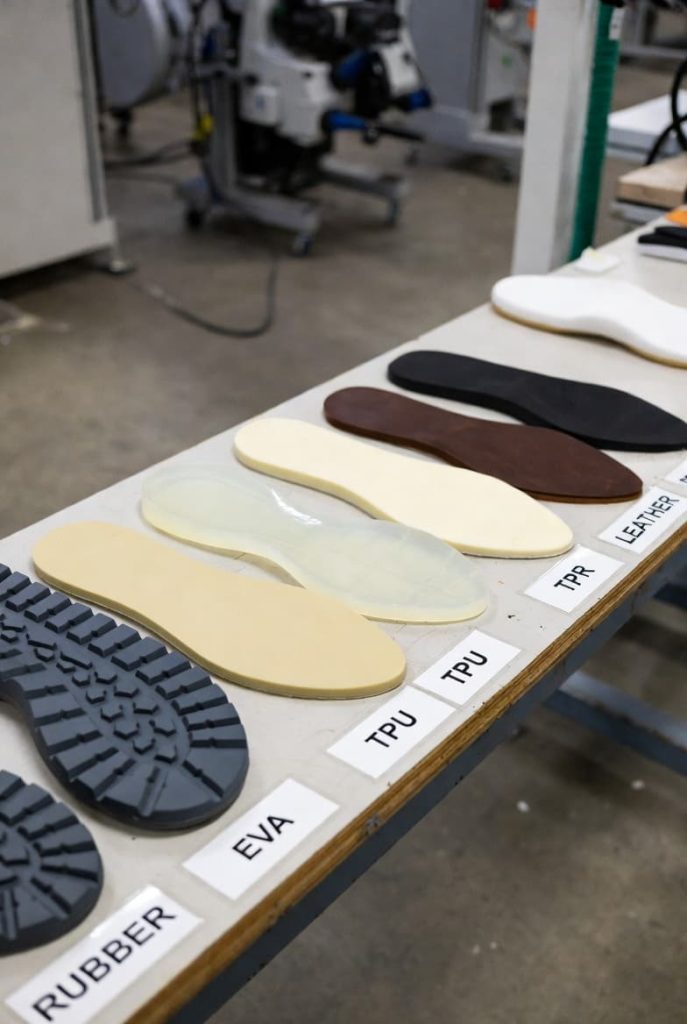
Materials Commonly Requiring Priming
Not every outsole material behaves the same during bonding. Surface chemistry varies significantly, making primer selection one of the most critical decisions during process development.
Rubber Outsoles
Rubber remains one of the most widely used outsole materials because of its excellent abrasion resistance and durability. However, molded rubber often contains waxes, mold-release agents, and antioxidants that reduce adhesion.
After roughing and chemical washing, rubber primers improve compatibility between the rubber substrate and polyurethane adhesive.
Key Control Points
- Remove mold-release residues completely.
- Use rubber-specific primer.
- Maintain recommended drying time.
- Avoid surface contamination before cementing.
EVA Outsoles
EVA offers lightweight cushioning but naturally exhibits relatively low surface energy. Without suitable priming, adhesive wetting becomes inconsistent, increasing the risk of bond failure. Special EVA primers improve adhesive penetration while increasing bonding consistency.
Factories producing running shoes and casual footwear frequently validate multiple primer formulations before production because EVA grades vary among suppliers.
Key Control Points
- Select primer approved for EVA grade.
- Apply uniformly over the bonding area.
- Prevent excessive solvent retention.
- Follow supplier flash-off recommendations.
Expert Tip: Never exceed the recommended open time after priming.
TPU Outsoles
Thermoplastic polyurethane provides excellent wear resistance, flexibility, and appearance. However, TPU surfaces can be difficult to bond due to their chemical composition.
Special TPU primers increase chemical compatibility and improve adhesive anchorage.
Key Control Points
- Use TPU-approved primer only.
- Verify compatibility through laboratory testing.
- Maintain clean bonding surfaces.
- Monitor primer shelf life carefully.
TPR Outsoles
Thermoplastic rubber combines rubber-like flexibility with thermoplastic processing advantages. Although easier to manufacture, TPR may exhibit inconsistent bonding behavior depending on formulation. Proper priming ensures improved surface activation and stable production quality.
Key Control Points
- Verify material grade before priming.
- Follow approved primer specification.
- Maintain proper flash-off time.
- Store primers correctly.
Expert Tip: Train operators to recognize uneven primer coverage.
Leather Soles
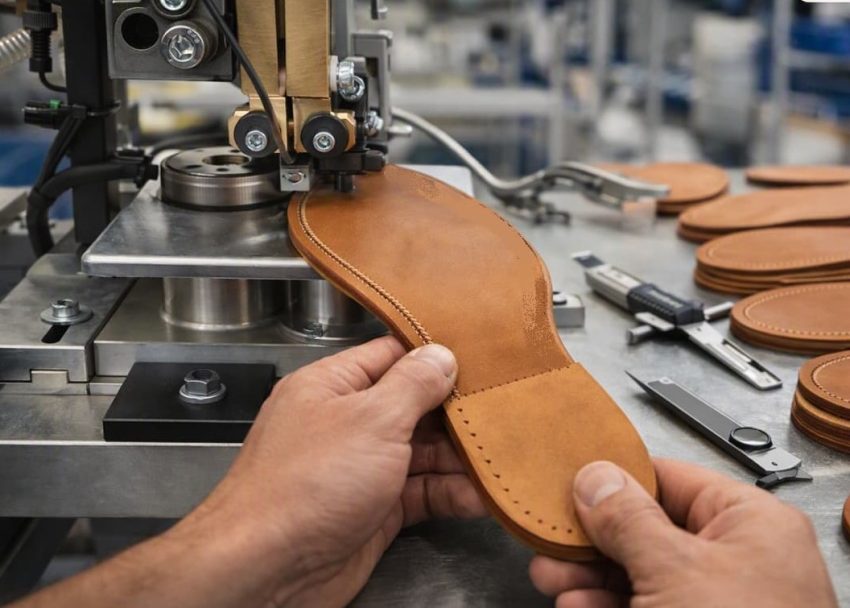
Leather possesses natural fibers capable of absorbing moisture and contaminants. Priming stabilizes the prepared bonding surface and promotes stronger adhesive penetration into the leather structure.
Premium leather footwear often specifies dedicated leather primers for improved durability.
Key Control Points
- Keep leather moisture under control.
- Avoid over-application.
- Prime immediately before cementing.
- Protect from dust contamination.
PU Outsoles
Polyurethane outsoles generally bond well with polyurethane adhesives, yet certain molded grades still benefit from priming due to surface additives and release agents.
Production trials determine whether priming is required for specific outsole constructions.
Key Control Points
- Validate during product development.
- Monitor surface cleanliness.
- Apply uniform primer coating.
- Follow adhesive supplier recommendations.
Expert Tip: Validate every new outsole supplier before mass production.
Selecting the Correct Primer for Different Outsole Materials
Primer selection is never based solely on the outsole material name. Manufacturers evaluate several technical factors before approving a primer system for production. These include material formulation, hardness, molding process, adhesive type, expected service conditions, and regulatory compliance. A primer that performs exceptionally on one TPU compound may produce poor results on another because polymer formulations differ among suppliers.
For this reason, footwear manufacturers conduct peel tests, flex tests, heat aging, hydrolysis testing, and environmental exposure evaluations before approving any primer system for production. Large footwear brands typically specify approved primer-adhesive combinations within their manufacturing standards to ensure consistent global quality.
Factors Influencing Primer Selection
- Outsole material
- Adhesive chemistry
- Surface preparation method
- Bond strength requirement
- Environmental exposure
- Production line speed
- Drying capability
- Brand specifications
Expert Tip: Audit primer consumption against production output regularly.
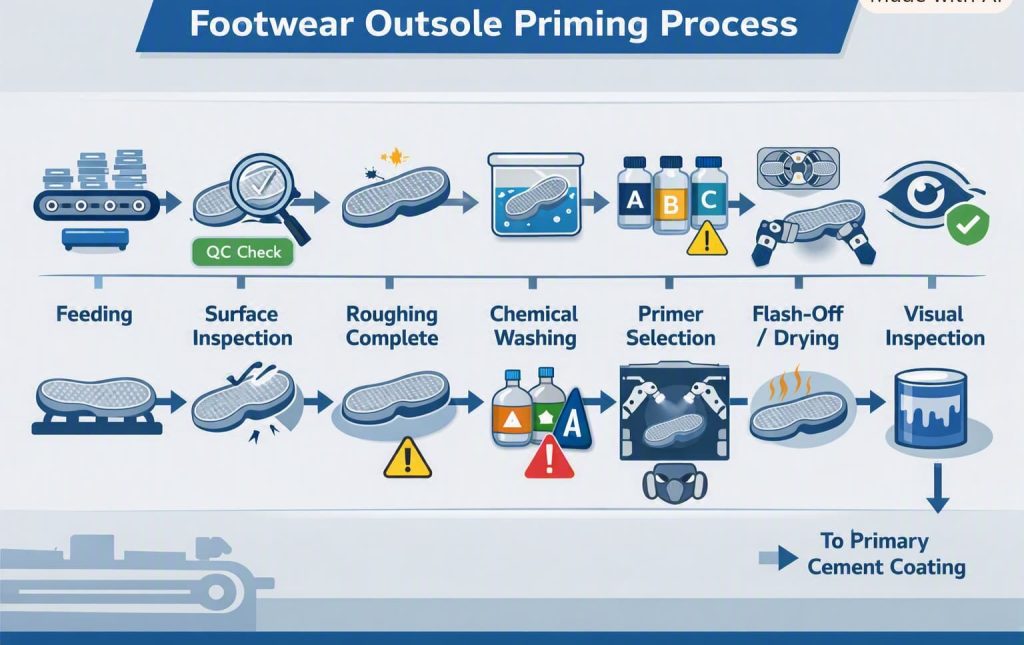
Priming Process Flow in Footwear Outsole Assembly
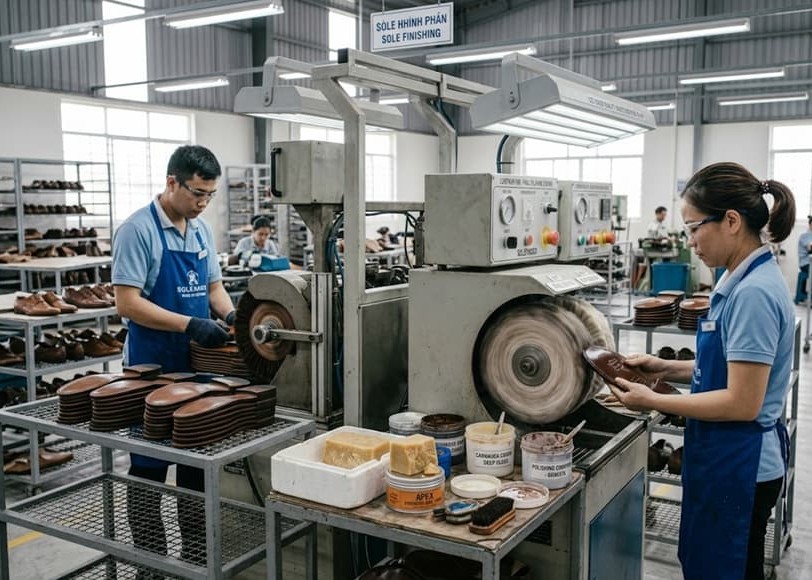
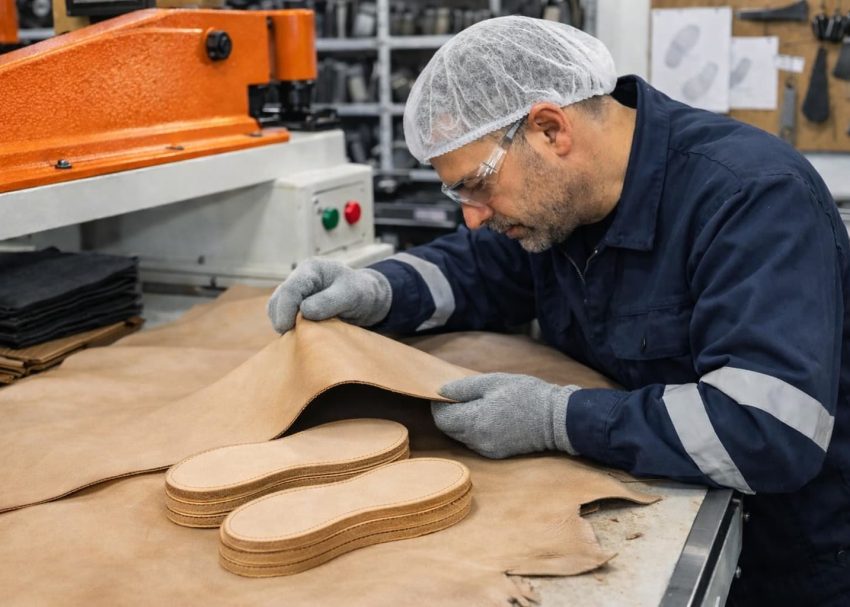
A well-controlled priming process ensures that every outsole entering the cementing station has an activated and chemically compatible bonding surface. Although the exact sequence may vary depending on factory standards, outsole material, and adhesive system, the fundamental process remains consistent across most footwear manufacturing plants.
Priming should always be performed immediately after surface preparation operations such as roughing and chemical washing. Delays between these processes may allow dust, moisture, or airborne contaminants to settle on the prepared surface, reducing adhesion performance.
Operators must also work within the approved production window. If the primed outsole remains unused beyond the specified open time, the primer may lose effectiveness, requiring reactivation or reprocessing depending on factory procedures. A standardized process minimizes operator variation and helps maintain consistent bond strength across production batches.
Typical Priming Process Flow
- Receive cleaned outsole from feeding station.
- Verify correct outsole style and material.
- Inspect roughed and washed bonding surface.
- Mix or stir primer according to supplier instructions.
- Apply primer uniformly over the bonding area.
- Avoid primer overflow beyond the bonding line.
- Allow solvent flash-off under specified conditions.
- Visually inspect primer coverage.
- Transfer outsole to the cement coating station.
- Record batch details if required by the quality system.
Expert Tip: The best primer cannot compensate for poor application. A properly selected primer applied uniformly will consistently outperform an expensive primer applied unevenly or outside its recommended process window.
Drying and Flash-Off Requirements
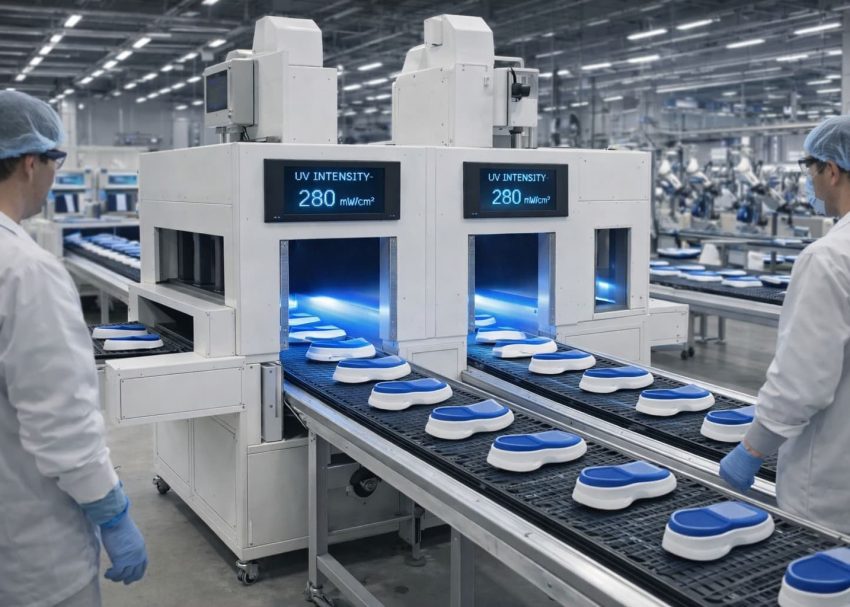
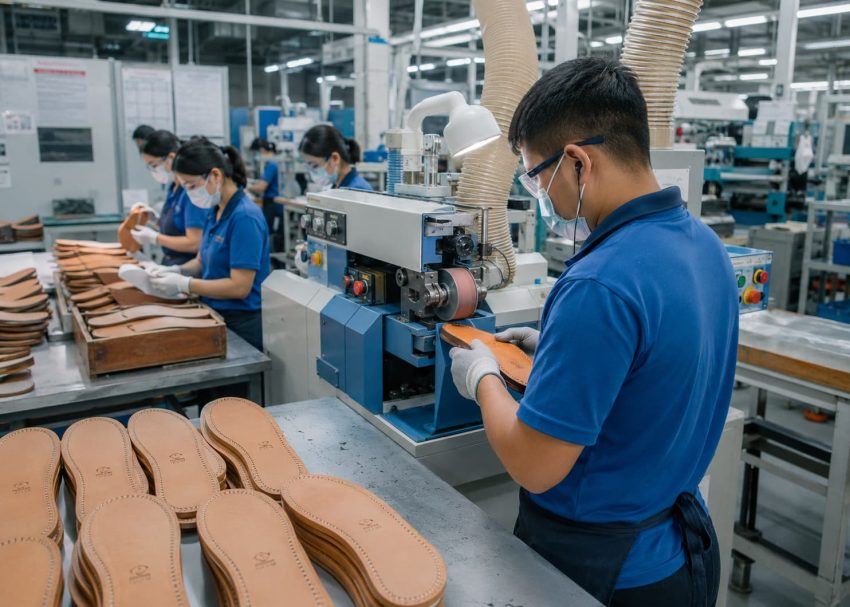
After primer application, sufficient drying or flash-off time is essential before cement coating. During this stage, the solvent evaporates while the active primer components remain on the bonding surface. Applying adhesive too early traps residual solvent, weakening the bond. Waiting excessively long may reduce surface activity, depending on the primer formulation.
Manufacturers specify flash-off time based on: Primer chemistry, Ambient temperature, Relative humidity, Air circulation, Coating thickness. Most factories control environmental conditions to maintain consistent drying performance throughout production. Forced-air drying tunnels or ventilated racks may be used for higher production volumes.
Factors Affecting Drying Performance
- Ambient temperature
- Relative humidity
- Airflow
- Primer thickness
- Solvent volatility
- Production speed
Common Priming Defects and Their Solutions
Despite using approved materials, priming defects can still occur if process controls are not maintained. Early detection reduces rework, scrap, and customer complaints.
Uneven Primer Coverage
Non-uniform application creates areas with insufficient chemical activation, resulting in localized bond failure.
Possible Causes
- Poor operator technique
- Worn brush
- Insufficient primer
- Inconsistent application speed
Corrective Actions
- Improve inspection.
- Retrain operators.
- Replace applicators.
- Standardize application method.
Excessive Primer Application
Thick primer layers may trap solvent and interfere with adhesive performance.
Possible Causes
- Overloaded brush
- Multiple unnecessary coats
- Incorrect viscosity
Corrective Actions
- Apply a single thin coat.
- Check viscosity regularly.
- Follow supplier recommendations.
Poor Adhesion After Cementing
Even when primer is present, inadequate bonding may occur if compatibility or drying requirements are ignored.
Possible Causes
- Incorrect primer selection
- Insufficient flash-off
- Expired primer
- Surface contamination
Corrective Actions
- Validate primer system.
- Improve process timing.
- Replace expired material.
- Improve housekeeping.
Contaminated Primed Surface
Dust, oil, fingerprints, or moisture reduce primer effectiveness before adhesive application.
Possible Causes
- Poor workplace cleanliness
- Improper handling
- Long storage after priming
Corrective Actions
- Improve handling practices.
- Cover drying racks.
- Minimize waiting time.
Quality Control in Priming Operations
Effective quality control ensures that priming consistently supports the required bond strength throughout production.
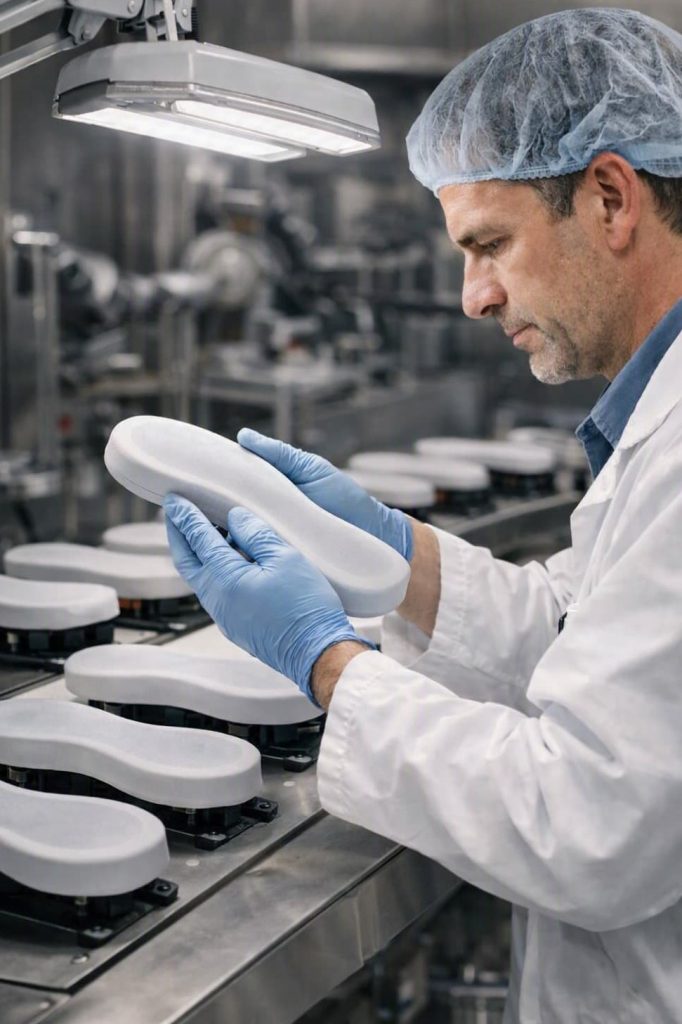
Inspection begins before primer application by confirming that the outsole has been correctly roughed and chemically cleaned. After priming, inspectors verify complete coverage, uniform appearance, and absence of contamination.
Many factories also perform periodic bond strength testing to confirm that the complete bonding system continues to perform within specification. Where traceability systems are implemented, primer batch numbers, expiry dates, and application records are maintained for every production lot.
Typical Quality Checks
- Primer batch verification
- Shelf-life confirmation
- Mixing ratio verification (if applicable)
- Visual coverage inspection
- Drying time monitoring
- Bond strength testing
- Peel testing
- Production traceability
Expert Tip: Most bonding failures are process-related rather than material-related. Consistent inspection, standardized work methods, and disciplined housekeeping are often more valuable than changing primer brands.
Safety and Environmental Practices
Primers commonly contain volatile organic solvents (VOCs), making safe handling essential. Proper workplace practices protect operators while maintaining product quality. Production areas should be well ventilated to prevent solvent accumulation. Operators must wear appropriate personal protective equipment (PPE), including chemical-resistant gloves, safety glasses, and masks where required.
Chemical containers should remain tightly sealed when not in use to reduce solvent evaporation and contamination. Spill kits, fire protection systems, and approved waste disposal procedures should be readily available. Many footwear manufacturers are also transitioning toward lower-VOC and environmentally compliant primer systems to meet customer sustainability requirements and regulatory standards.
Safe Handling Practices
- Store primers in approved chemical cabinets.
- Keep containers tightly closed.
- Avoid ignition sources.
- Ensure effective local exhaust ventilation.
- Wear appropriate PPE.
- Dispose of waste according to regulations.
- Maintain updated Safety Data Sheets (SDS).
- Train employees in emergency response.
Conclusion
Priming is far more than a simple chemical coating. It is a critical surface preparation process that establishes the chemical foundation for durable footwear bonding. By selecting the correct primer for each outsole material, applying it uniformly, and maintaining proper drying conditions, manufacturers can significantly improve bond strength, reduce production defects, and enhance long-term product reliability.
As footwear materials continue to evolve, primer technologies will also advance to support lightweight constructions, sustainable manufacturing, and increasingly demanding performance requirements.
Continue the Outsole (Stock Fitting) Assembly Series Next Blog: Primary Cement Coating Operations in Outsole Process: Outsole (Stock Fitting) Assembly Series.

Frequently Asked Questions (FAQs)
Primer prepares the outsole surface chemically, improving compatibility between the outsole material and adhesive to produce stronger, longer-lasting bonds.
No. The requirement depends on the outsole material, adhesive system, and validated manufacturing process. Rubber, TPU, EVA, TPR, leather, and some PU outsoles commonly require primers.
Yes. Using an incompatible primer may result in poor chemical interaction, weak adhesion, premature outsole separation, or complete bond failure.
Primer should be applied as a thin, continuous, and uniform coating over the prepared bonding area using approved brushes, pads, or automated spray systems.
Flash-off allows solvents to evaporate while leaving the active primer components on the surface. Insufficient or excessive drying can reduce adhesive performance.
Common defects include uneven coverage, excessive primer thickness, surface contamination, incorrect primer selection, and inadequate drying before adhesive application.
Factories should standardize work instructions, validate primer systems, train operators, control environmental conditions, monitor shelf life, and perform regular quality audits.