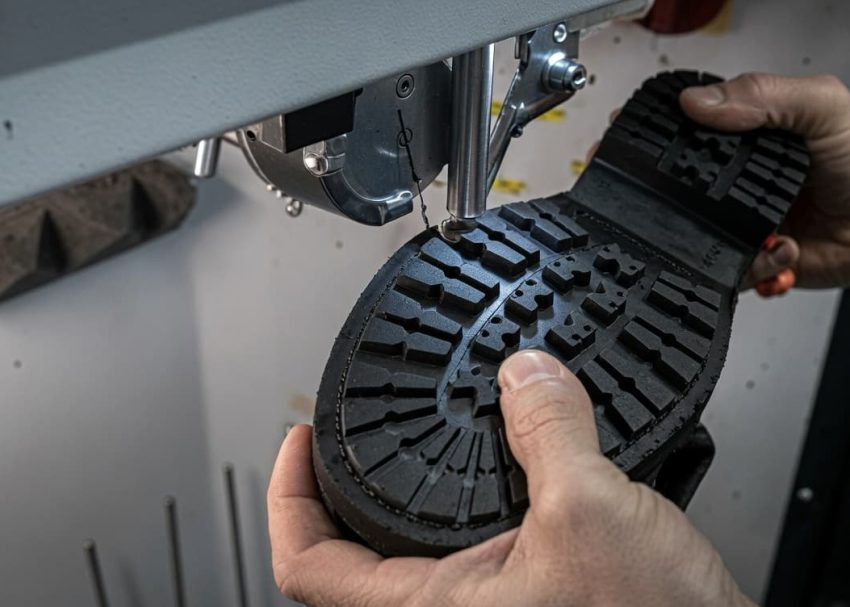
Outsole Stitching Operations in Outsole Process: Outsole (Stock Fitting) Assembly Series
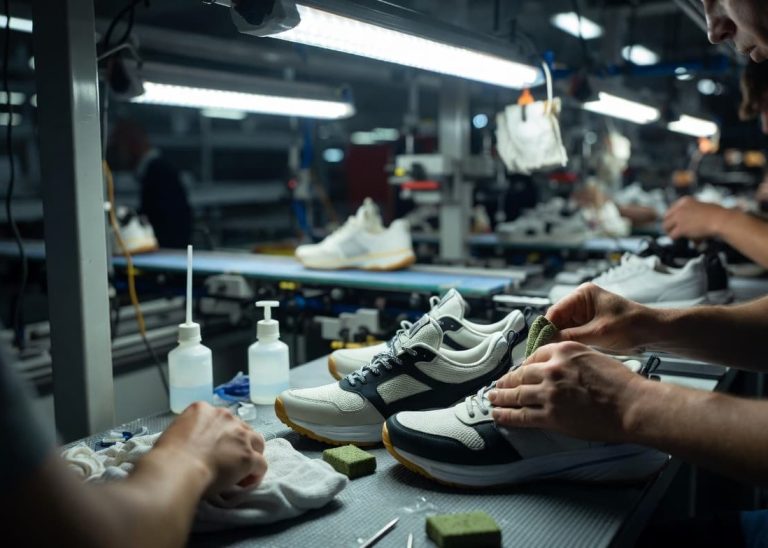
Outsole stitching is one of the most recognizable operations in premium footwear manufacturing. While many modern shoes rely entirely on adhesive bonding, several constructions continue to use stitching to provide additional mechanical strength, improve durability, and create a premium handcrafted appearance. Properly executed stitching not only enhances the structural integrity of the shoe but also contributes significantly to its visual appeal.
In the previous blog, we discussed Embossing Operations in Outsole Process, where logos, decorative patterns, and branding elements were permanently pressed onto the outsole surface. Once embossing is completed, certain footwear constructions proceed to outsole stitching, depending on the product design and construction method.
Unlike decorative upper stitching, outsole stitching involves sewing through relatively hard materials such as leather soles, rubber midsoles, welt strips, or sidewalls. Consequently, this operation requires specialized heavy-duty machinery, high-strength threads, robust needles, and skilled operators capable of maintaining precise stitch paths under demanding production conditions.
This article explains the complete outsole stitching process, common stitching methods, factory controls, quality inspection, defects, and industrial best practices used by premium footwear manufacturers worldwide..
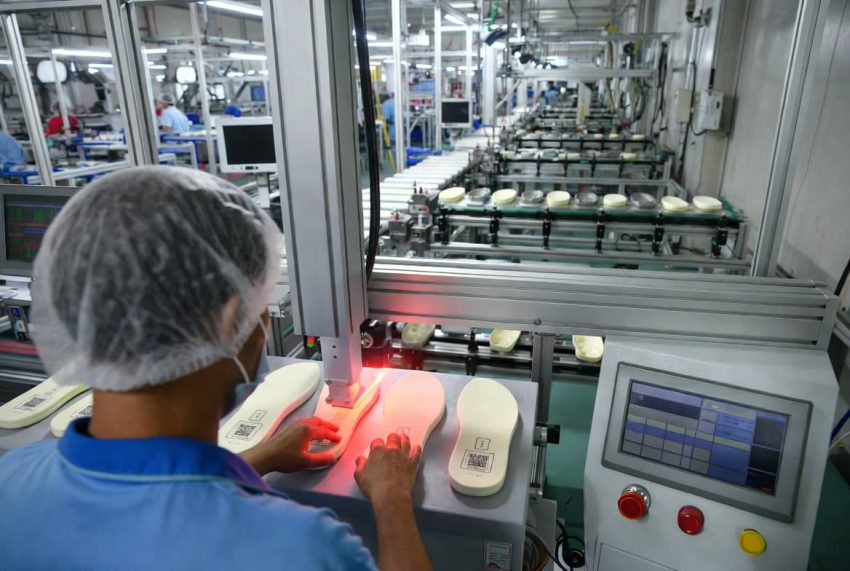
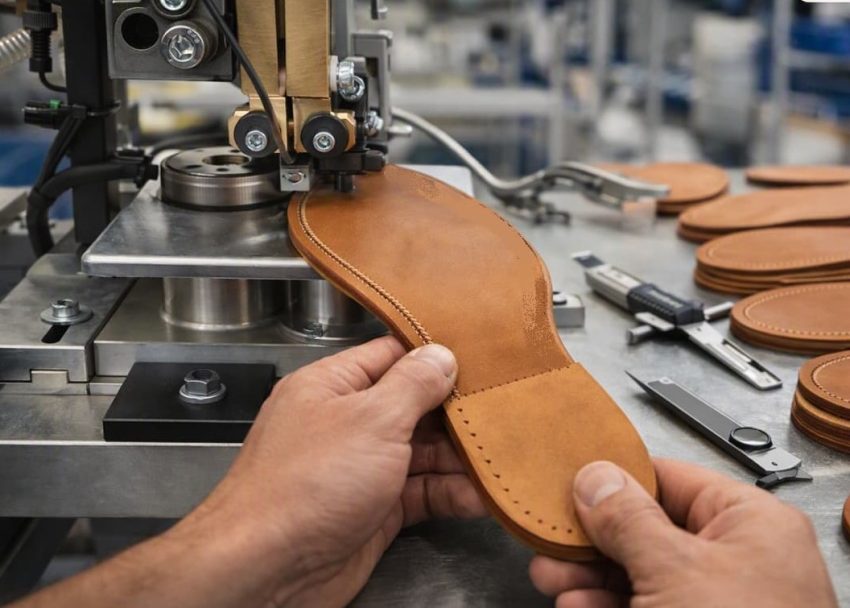
Understanding Outsole Stitching Operations
Outsole stitching is the process of sewing together outsole components using heavy-duty industrial stitching machines after outsole preparation or attachment, depending on the footwear construction. The stitching may serve a structural function, a decorative purpose, or both, depending on the design requirements.
Unlike ordinary stitching performed on leather uppers, outsole stitching penetrates thick, dense materials that offer significant resistance. As a result, the operation demands specialized equipment capable of producing uniform stitch formation without damaging the outsole or breaking the thread.
Manufacturers typically use outsole stitching in: Leather dress shoes, Goodyear welt footwear, Stitch-down construction, Outdoor hiking footwear, Military boots, Work safety shoes, Heritage footwear, Premium casual footwear. Besides strengthening the bond between components, visible stitching often becomes an important design feature that differentiates premium footwear from fully cemented constructions.
Why Outsole Stitching Remains Important
Although modern adhesives provide excellent bonding performance, stitching continues to be preferred for many premium products because it delivers additional mechanical reinforcement while creating a distinctive handcrafted appearance.
The operation offers several manufacturing advantages:
- Improves long-term structural durability
- Helps secure outsole components under repeated flexing
- Reduces the likelihood of outsole separation in demanding applications
- Enhances premium product perception
- Supports repairability in welted constructions
- Creates distinctive visual aesthetics
- Increases customer confidence in product quality
Heavy-duty boots and leather footwear intended for years of service often combine adhesive bonding with outsole stitching to achieve maximum reliability.
Expert Tip: Use bonded nylon or bonded polyester thread with high abrasion resistance when stitching leather outsoles or heavy-duty boots. This significantly improves long-term durability under repeated flexing.
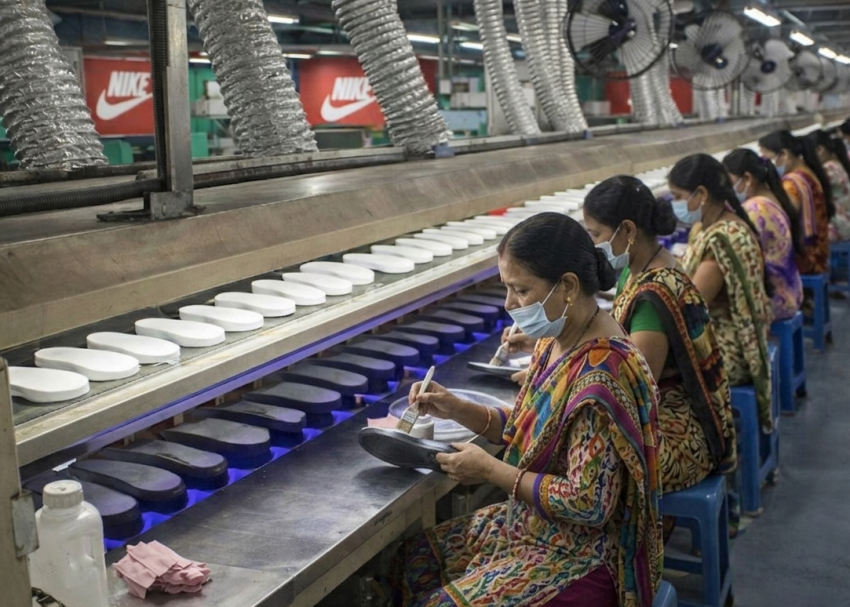
Sidewall Stitching
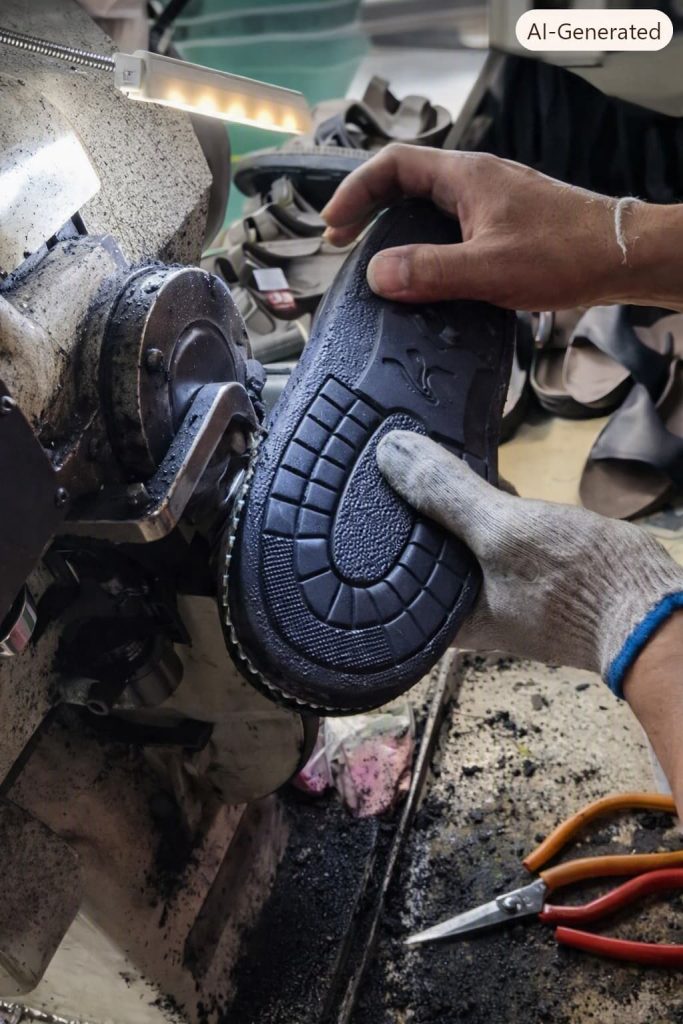
Sidewall stitching is one of the most common outsole stitching methods used in premium casual footwear, boots, and outdoor shoes. Instead of sewing directly through the bottom surface of the outsole, the stitch line runs around the sidewall, connecting the upper, midsole, or outsole components into a continuous mechanical joint. The stitch is usually visible around the shoe perimeter and often becomes a distinctive design feature associated with high-quality craftsmanship.
Manufacturers carefully control stitch spacing, penetration depth, and alignment to ensure the stitch follows the shoe profile consistently without waviness.
Sidewall stitching is commonly used in: Outdoor footwear, Casual leather shoes, Premium sneakers, Hiking footwear, Safety footwear, Lifestyle boots. During production, the operator guides the shoe along a rotating stitching mechanism while maintaining a consistent feed speed. Any sudden movement may cause uneven stitch spacing or deviation from the approved stitch line.
Proper synchronization between the feed mechanism, needle penetration, and thread tension ensures the stitches remain uniform around the entire circumference of the shoe. Factory technicians also inspect stitch penetration regularly because insufficient penetration weakens the joint, while excessive penetration may damage the outsole or expose thread inside the shoe.
Advantages of Sidewall Stitching
- Adds mechanical reinforcement
- Enhances premium appearance
- Improves resistance against outsole separation
- Maintains flexibility during walking
- Supports long product life
- Creates recognizable craftsmanship
Key Control Points
- Maintain uniform stitch distance from outsole edge.
- Monitor stitch density throughout production.
- Check thread tension at regular intervals.
- Inspect stitch penetration after machine adjustments.
Expert Tip: Replace stitching needles based on production quantity rather than waiting for visible damage. Slightly worn needles are a major cause of skipped stitches and inconsistent stitch quality.
Welt Stitching
Welt stitching is one of the most respected and durable footwear construction methods used in premium leather shoes and boots. Rather than attaching the outsole directly to the upper, manufacturers first stitch a leather welt around the shoe perimeter. The outsole is subsequently stitched to this welt, creating an exceptionally strong yet repairable construction. This method is widely associated with high-end dress shoes, luxury footwear, military boots, and heavy-duty work footwear because it combines excellent durability with long service life.
During production, the welt provides a stable stitching platform that allows the outsole to be securely attached without compromising upper integrity. Since the outsole is stitched to the welt instead of directly to the upper, worn outsoles can often be replaced during refurbishment, significantly extending the life of the footwear. Executing welt stitching requires highly accurate machine setup and experienced operators. The stitch line must remain perfectly parallel to the welt edge throughout the entire shoe circumference.
Even slight deviations become immediately visible on finished footwear and can negatively affect both appearance and structural performance.
Benefits of Welt Stitching
- Exceptional structural strength
- Premium craftsmanship
- Long service life
- Resole capability
- High resistance to outsole separation
- Excellent dimensional stability
Key Control Points
- Verify welt alignment before stitching.
- Maintain consistent stitch spacing around the entire shoe.
- Replace worn needles immediately.
- Ensure thread lock is properly formed inside the construction.
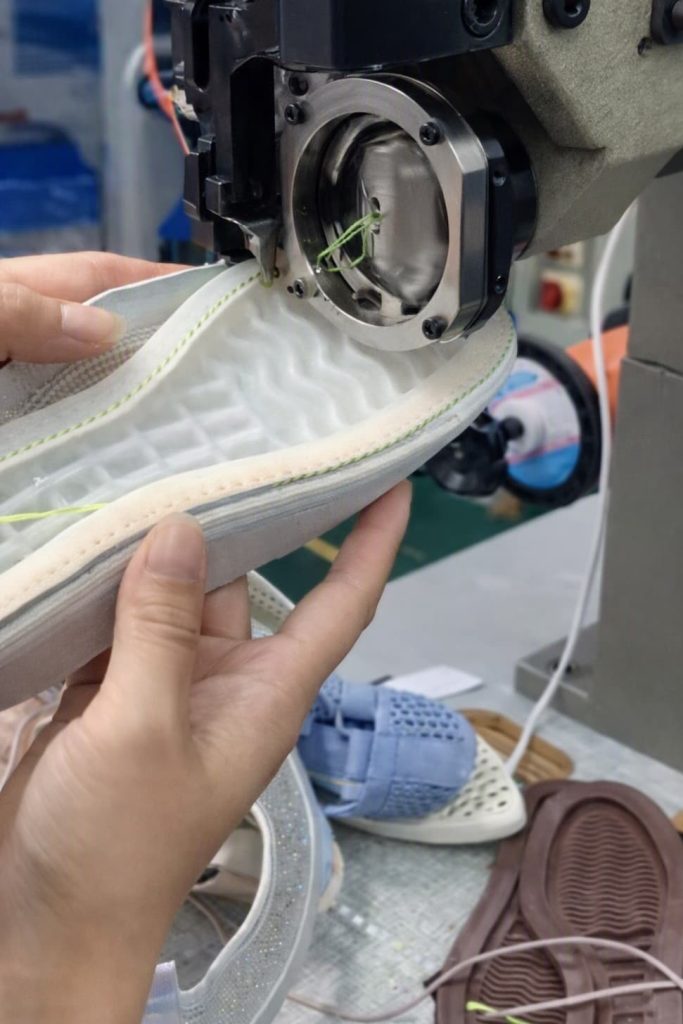
Expert Tip: Conduct a first-piece approval after every thread, needle, or machine adjustment to verify stitch density, penetration depth, and alignment before mass production begins.
Decorative Stitching
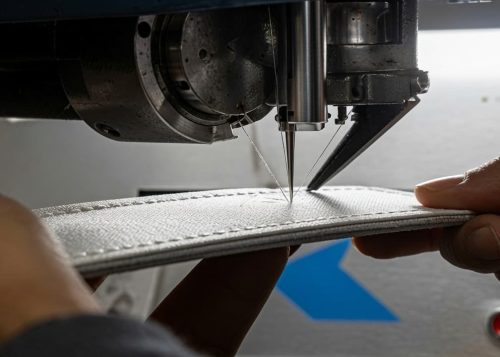
Decorative stitching is primarily used to enhance the visual appeal of footwear while reinforcing the brand’s design identity. Although it may contribute a small amount of additional strength, its main purpose is to create an attractive appearance that differentiates premium products from standard footwear.
Manufacturers carefully design decorative stitch patterns during the product development stage. These patterns may include single-row, double-row, contrasting thread colors, geometric designs, or custom brand-specific stitch layouts. Decorative stitching is especially popular in premium casual shoes, fashion footwear, leather sneakers, boots, and handcrafted collections where aesthetics play a significant role in customer purchasing decisions.
Decorative stitching is especially popular in premium casual shoes, fashion footwear, leather sneakers, boots, and handcrafted collections where aesthetics play a significant role in customer purchasing decisions. Unlike structural stitching, decorative stitching requires exceptional precision because any deviation is immediately visible on the finished product. Operators must follow the approved stitch path accurately while maintaining consistent stitch length, thread tension, and edge distance throughout the operation.
Common Applications
- Premium leather shoes
- Fashion footwear
- Luxury sneakers
- Casual leather footwear
- Heritage collections
- Brand signature designs
Key Control Points
- Verify stitch pattern against approved design drawings.
- Maintain equal stitch spacing throughout the shoe.
- Ensure thread color matches the approved sample.
Expert Tip: Operators should rotate the shoe smoothly during curved stitching sections. Abrupt changes in feed speed frequently result in uneven stitch length and visible stitch waviness.
Reinforcement Stitching
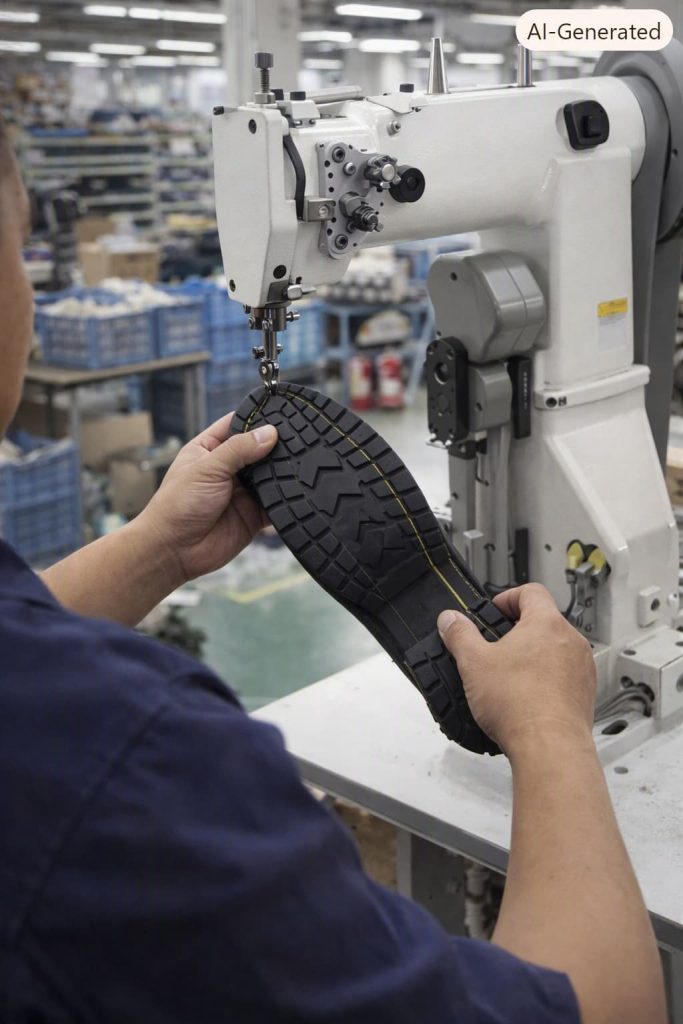
Reinforcement stitching is performed when additional mechanical strength is required to withstand demanding service conditions. Unlike decorative stitching, reinforcement stitches are specifically engineered to improve structural integrity and reduce the likelihood of component separation during prolonged use. This stitching method is widely used in military boots, industrial safety shoes, trekking footwear, mountaineering boots, and heavy-duty outdoor footwear where shoes are subjected to repeated flexing, heavy loads, moisture, and abrasive environments.
Manufacturers generally combine reinforcement stitching with adhesive bonding. The adhesive provides continuous bonding across the interface, while the stitching acts as a mechanical backup that continues to hold components together even if localized adhesive degradation occurs during long-term use.
Thread selection becomes particularly important for reinforcement stitching. Factories typically use high-tenacity bonded nylon or bonded polyester threads because these materials provide excellent tensile strength, abrasion resistance, and resistance to moisture and chemicals.
Operators must ensure that stitches penetrate both materials uniformly without damaging the outsole structure. Excessively deep penetration may weaken certain outsole materials, whereas shallow penetration reduces mechanical holding strength.
Typical Applications
- Military boots
- Industrial safety shoes
- Hiking footwear
- Outdoor boots
- Tactical footwear
- Heavy-duty work shoes
Key Control Points
- Verify thread specification before production.
- Maintain correct penetration depth.
- Inspect reinforcement areas after stitching.
- Reject shoes with incomplete stitch formation.
Expert Tip: Standardize thread specifications across production lines to reduce machine adjustments, simplify inventory management, and improve stitch consistency.

Machines Used in Outsole Stitching Operations
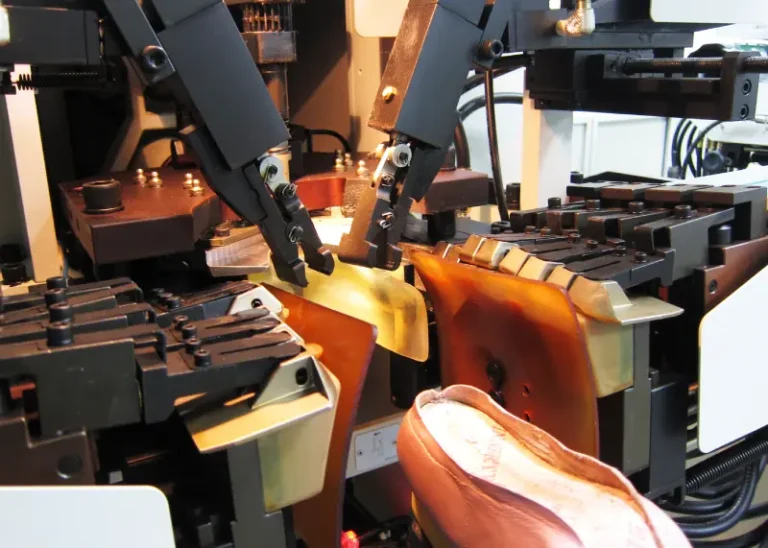
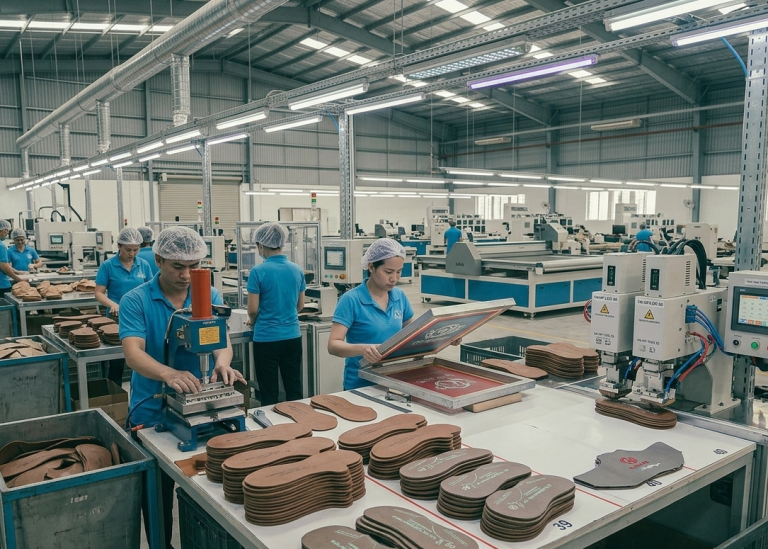
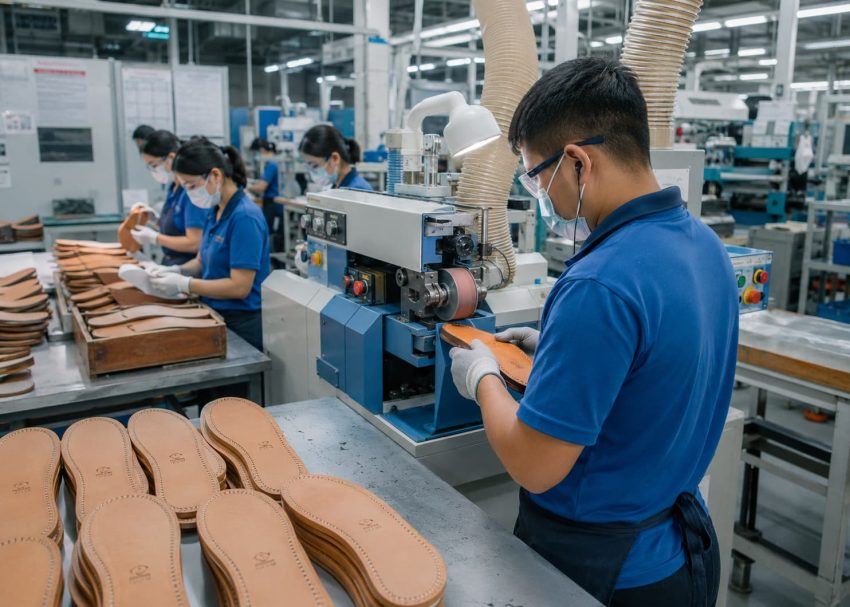
Outsole stitching requires specialized industrial equipment capable of sewing through dense outsole materials while maintaining accurate stitch formation and consistent production quality.
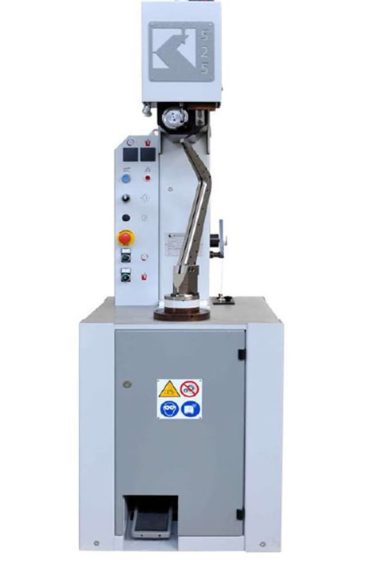
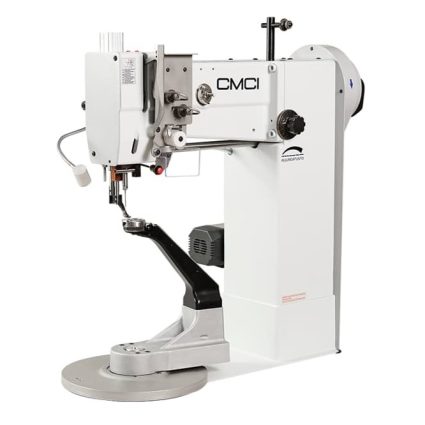
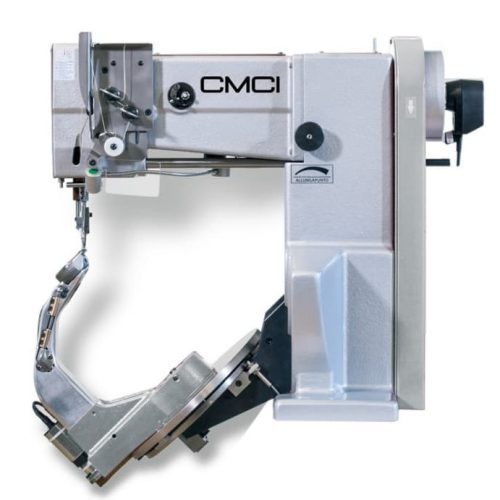
Littleway Stitching Machine
Littleway stitching machines are widely used for sidewall stitching, stitch-down construction, and premium casual footwear. Their rotating feed mechanism allows operators to stitch around complex shoe contours while maintaining excellent stitch consistency.
Typical Features
- Sidewall stitching capability
- Adjustable stitch length
- Heavy-duty feeding system
- Suitable for leather and rubber outsoles
- High production reliability
Heavy-Duty Sole Stitching Machine
Heavy-duty sole stitching machines are designed for thick outsole constructions commonly found in boots, industrial footwear, and outdoor shoes. These machines provide high needle penetration force while maintaining consistent stitch formation through multiple material layers.
Typical Features
- High penetration capacity
- Thick thread compatibility
- Adjustable presser mechanisms
- Industrial-duty construction
- Long operational life
Outsole Lockstitch Machine
Lockstitch machines specifically designed for outsole applications produce secure stitch locking that resists thread loosening during repeated flexing.
These machines are frequently used in premium leather footwear and Goodyear welt constructions.
Typical Features
- Precise lockstitch formation
- Uniform stitch density
- High sewing accuracy
- Excellent thread control
- Premium finishing quality
Expert Tip: Record stitch quality trends by operator and machine. This data helps identify recurring issues, optimize training, and schedule preventive maintenance before quality deteriorates.
Typical Machine Settings
| Parameter | Typical Range |
|---|---|
| Stitch Density | 3–5 stitches per Inches |
| Needle Size | #180–#250 (application dependent) |
| Thread Type | Bonded Nylon / Bonded Polyester |
| Thread Size | Tex 135–Tex 270 |
| Machine Speed | 300–800 stitches/minute |
| Presser Foot Pressure | Adjust according to outsole hardness |
| Needle Penetration | Full penetration without material damage |
Actual machine settings should always be validated through production trials and machine manufacturer recommendations.
Expert Tip: Maintain spare needles, hooks, bobbins, and thread guides at each production line to minimize downtime caused by routine wear or unexpected breakage.
Common Defects in Outsole Stitching Operations
Even with advanced machinery and experienced operators, stitching defects can occur if machine settings, materials, or operating practices are not properly controlled. Early detection and corrective action are essential to prevent customer complaints and costly rework.
| Defect | Possible Causes | Corrective Action |
|---|---|---|
| Skipped stitches | Worn needle, incorrect timing, improper needle installation | Replace needle, verify hook timing, reinstall correctly |
| Uneven stitch length | Inconsistent feeding, incorrect feed mechanism adjustment | Adjust feed system and operator technique |
| Broken thread | Excessive tension, damaged needle eye, poor-quality thread | Reduce tension, replace needle, use approved thread |
| Misaligned stitching | Incorrect shoe positioning, operator error, guide misalignment | Reposition guides, retrain operator, verify fixtures |
| Loose stitches | Low thread tension, improper lock formation | Adjust upper and bobbin tension |
| Needle marks | Excessive penetration or incorrect needle size | Select appropriate needle specification |
| Frayed thread | Abrasive thread path or damaged guides | Polish or replace thread guides |
| Stitch waviness | Uneven shoe movement during sewing | Maintain smooth, constant feed speed |
Expert Tip: Inspect stitch quality under both normal lighting and angled LED inspection lights. Minor stitch irregularities that are difficult to see under standard lighting often become visible under directional illumination.
Quality Inspection Checklist
Quality inspectors should evaluate every production batch using standardized acceptance criteria.
Visual Inspection
Functional Inspection
- Stitch locking is secure.
- Thread withstands manual pull test.
- No separation along stitched areas.
- Stitch remains intact after flexing.
- Reinforcement areas meet design specifications.
Documentation
- Record defect type and quantity.
- Monitor machine performance.
- Track operator quality trends.
- Implement corrective actions promptly.
Conclusion
Outsole stitching remains one of the defining operations in premium footwear manufacturing. Although modern adhesive technologies provide excellent bonding performance, mechanical stitching continues to deliver superior durability, repairability, and visual appeal in applications such as leather footwear, work boots, outdoor shoes, and heritage constructions.
Consistent stitch quality depends on selecting the appropriate stitching method, maintaining properly calibrated machines, using suitable threads and needles, and implementing disciplined quality control throughout production. When supported by preventive maintenance and skilled operators, outsole stitching contributes significantly to both product reliability and customer perception of quality.
In the next blog, we will explore Wheeling Operations in Outsole Process: Outsole (Stock Fitting) Assembly Series, where decorative rolling patterns and edge finishing techniques enhance outsole appearance and premium product aesthetics.

Frequently Asked Questions (FAQs)
Adhesives provide excellent bonding, but stitching adds mechanical reinforcement, improves durability, enhances appearance, and allows certain footwear constructions to be resoled.
Leather dress shoes, Goodyear welt footwear, hiking boots, military boots, work safety shoes, premium casual shoes, and stitch-down constructions commonly use outsole stitching.
Factories generally use high-strength bonded nylon or bonded polyester thread because of their excellent abrasion resistance, tensile strength, and durability.
Decorative stitching mainly improves product appearance, whereas reinforcement stitching is specifically designed to increase structural strength and long-term durability.
Skipped stitches are usually caused by worn needles, incorrect hook timing, poor machine adjustment, improper needle installation, or unsuitable thread selection.
Inspectors evaluate stitch density, stitch alignment, penetration depth, thread tension, stitch locking, cosmetic appearance, and overall durability through visual and functional inspections.
Goodyear welt construction is one of the best-known premium footwear constructions because it offers exceptional durability, repairability, and long service life.