Different Types of Knitting Used in Footwear Uppers: Complete Guide to Warp Knitting, Circular Knitting and TPU Molded Textiles
Modern footwear manufacturing has undergone a significant transformation over the past two decades. Traditional footwear uppers were primarily built using leather, synthetic leather, woven textiles, foam laminations, and numerous stitched components. While these constructions remain important in many footwear categories, knitted textile technology has become one of the most influential innovations in footwear upper development.
Today’s footwear designers can engineer ventilation zones, support structures, stretch areas, cushioning regions, and decorative patterns directly into a textile during the knitting process. This capability allows manufacturers to reduce the number of upper components, improve production efficiency, lower material waste, and enhance wearer comfort.
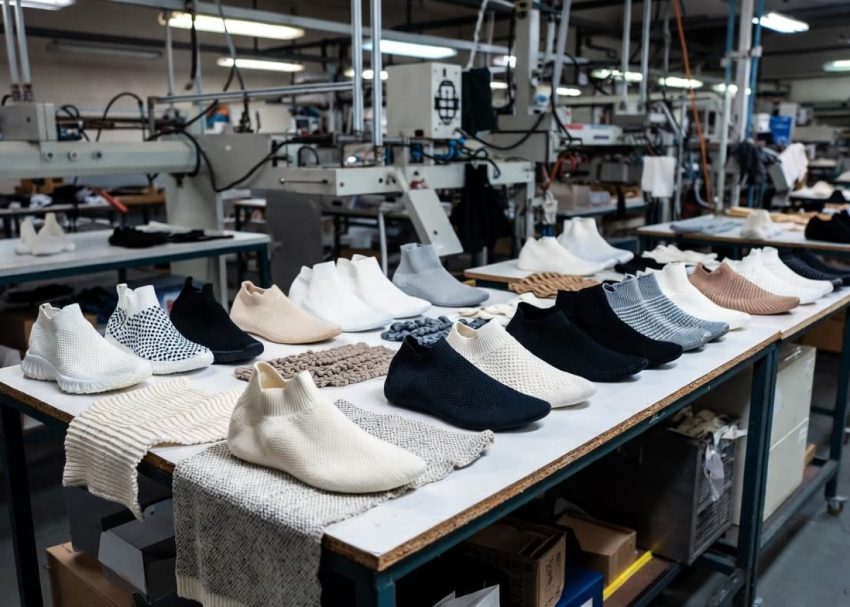
The growth of performance running footwear, athleisure products, walking shoes, and lightweight sports footwear has accelerated the adoption of advanced knitting technologies. As footwear brands seek lighter, more breathable, and more sustainable products, knitted upper materials have become a preferred solution.
Within the footwear industry, knitted uppers are primarily produced through three major technologies:
- Warp Knitting
- Circular Knitting
- TPU Molded Textile Technology
Warp Knitting
Why Warp Knitting Became a Major Footwear Technology
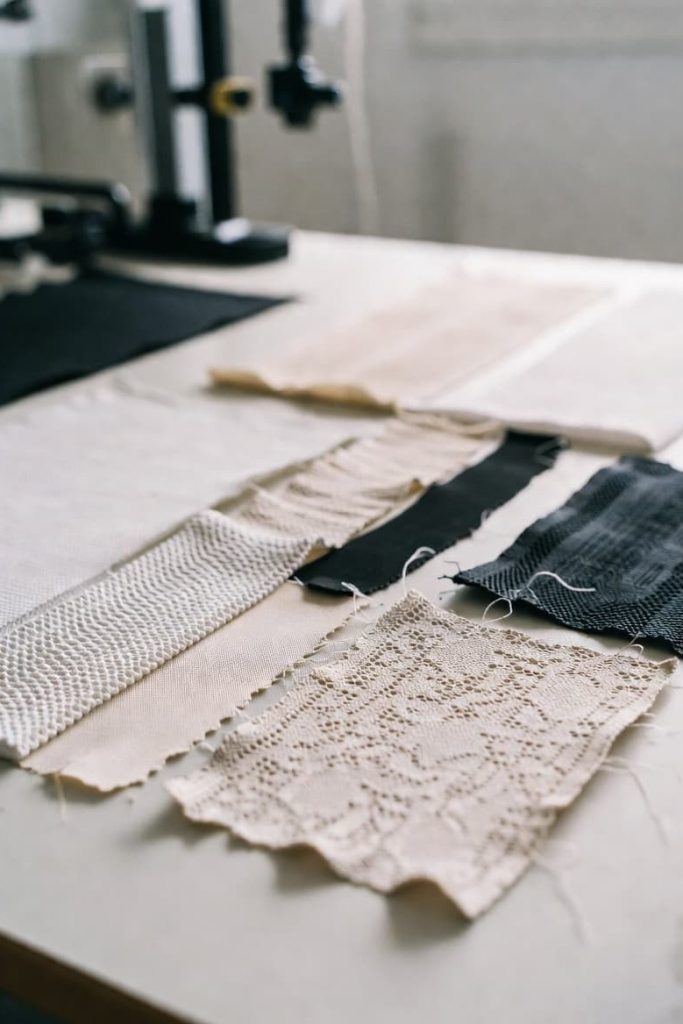
Warp knitting is one of the most important textile technologies used in modern footwear manufacturing. Unlike weft knitting, where a single yarn moves horizontally across the fabric, warp knitting uses multiple yarns running lengthwise through the fabric structure. Each needle receives its own yarn, allowing the machine to create highly stable textile constructions with excellent production efficiency.
The footwear industry values warp knitting because it provides superior dimensional stability compared to many traditional knitted fabrics. During shoe manufacturing, upper materials are exposed to stretching, lasting, bonding, heating, and repeated handling operations. Materials that distort excessively can create fitting issues, assembly defects, and appearance inconsistencies.
Warp knitted fabrics maintain their structure more effectively, making them highly suitable for footwear applications.
Another major advantage is the ability to create highly engineered textile structures. Manufacturers can develop lightweight open meshes, supportive double-layer constructions, spacer fabrics, and complex jacquard patterns while maintaining production efficiency. As a result, warp knitting has become one of the dominant technologies for athletic footwear uppers.
Key Control Points
- Control yarn tension consistency across all beams.
- Verify machine gauge suitability for the intended construction.
- Monitor dimensional stability after finishing.
- Check mesh opening uniformity throughout production.
Expert Tip: Always evaluate mesh fabrics after lasting, not only in flat form.


Tricot Fabric
Smooth, Stable and Versatile Construction
Tricot is one of the oldest and most widely used warp knitted structures in footwear textiles. Although relatively simple compared with engineered jacquard constructions, tricot remains highly valuable because of its balanced performance characteristics.
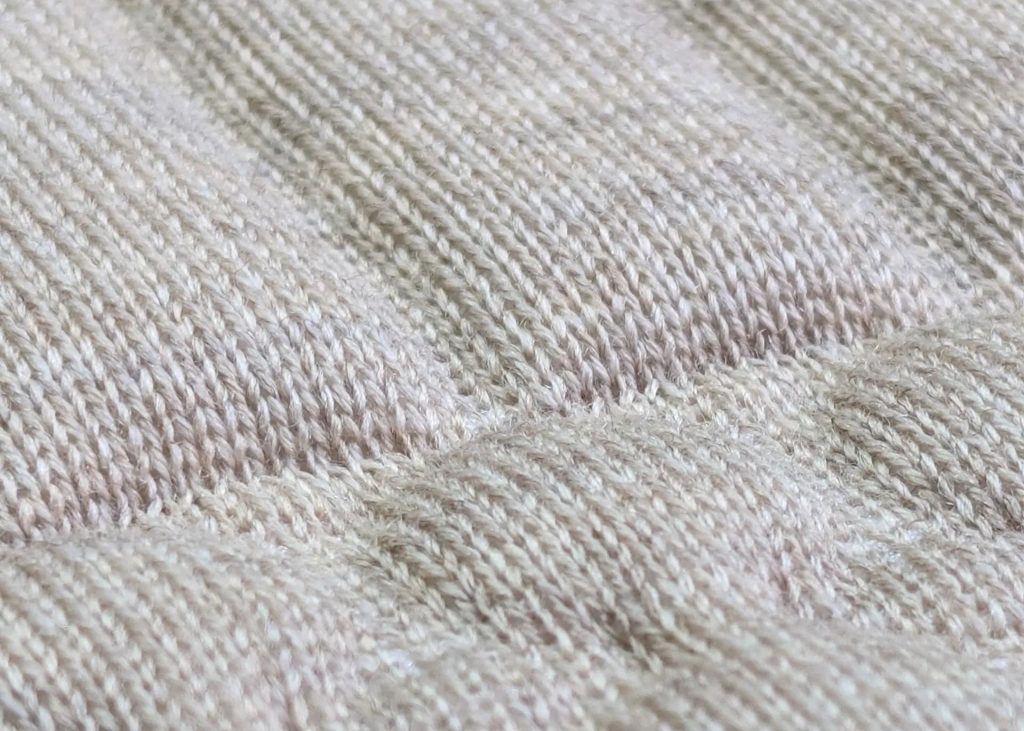
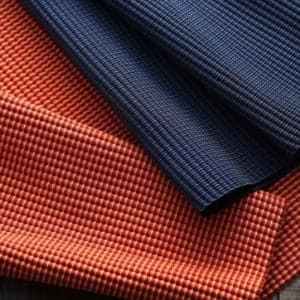
The face side of a tricot fabric typically exhibits fine vertical wales, while the backside contains horizontal underlap patterns. This construction creates a smooth surface appearance and excellent dimensional stability. Unlike highly elastic knit structures, tricot fabrics maintain their shape well during footwear manufacturing processes.
Footwear developers often use tricot fabrics as lining materials because they provide a soft hand feel against the foot while maintaining sufficient durability. The smooth surface also allows efficient lamination with foams, films, and reinforcement materials.
In upper development, tricot can serve as a base layer for composite constructions. It can be combined with TPU films, reinforcement materials, foam laminations, or printed graphics. The stable structure helps maintain appearance quality during lasting operations.
For manufacturers, tricot fabrics also offer consistent processing characteristics. Cutting, sewing, bonding, and forming operations can be performed with minimal distortion, helping improve production efficiency and reducing manufacturing defects.
For manufacturers, tricot fabrics also offer consistent processing characteristics. Cutting, sewing, bonding, and forming operations can be performed with minimal distortion, helping improve production efficiency and reducing manufacturing defects.
Key Control Points
- Verify surface smoothness before lamination.
- Monitor fabric weight consistency.
- Control shrinkage during finishing.
- Inspect for needle lines and yarn defects.
Pro Tip: Verify airflow performance using finished upper assemblies.

Engineered Jacquard Warp Knitting
Creating Multiple Functions Within a Single Textile
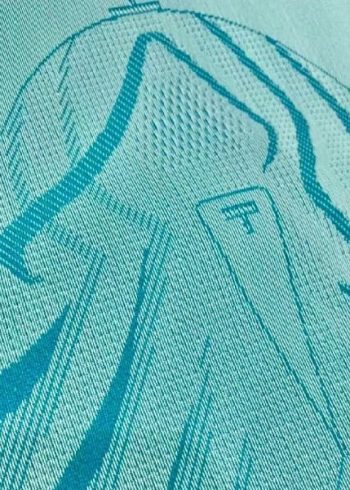
Engineered jacquard technology represents one of the most significant advances in footwear upper development. Traditional footwear uppers often require multiple material pieces to achieve different performance characteristics. Separate mesh panels may provide ventilation, while reinforcement overlays deliver support. Decorative components add visual appeal, and additional materials improve structural performance.
Engineered jacquard changes this approach completely. Instead of assembling numerous components, designers create multiple functional zones directly during the knitting process.
Different yarns, stitch structures, densities, and patterns can be integrated into one continuous textile.
This capability allows footwear developers to design: High-airflow ventilation zones, Midfoot support areas, Stretch regions, Decorative graphics, Logo elements, Reinforcement structures, within a single knitted upper material.
The result is a significant reduction in component count. Fewer components generally mean reduced labor requirements, lower inventory complexity, faster assembly operations, and improved manufacturing consistency. From a consumer perspective, engineered jacquard also improves comfort because the upper becomes more seamless and adapts better to foot movement.
Pro Tip: Consider support requirements before selecting mesh openness.
Combining Cushioning and Breathability in One Textile Structure
As footwear design evolved toward lighter and more comfortable products, material developers faced a challenge. Traditional foam laminations could provide cushioning and thickness, but they often increased weight, reduced breathability, and complicated manufacturing processes. Spacer fabrics emerged as a solution to these limitations.
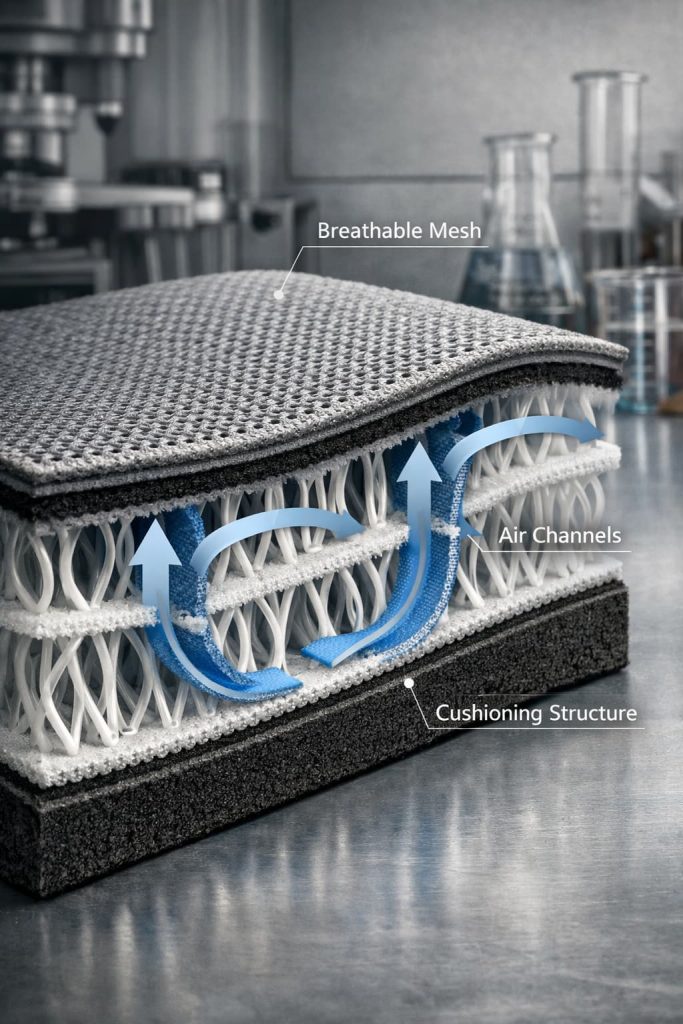
Jacquard spacer fabrics are three-dimensional textile constructions consisting of two fabric surfaces connected by internal spacer yarns. These connecting yarns create a controlled air gap between the upper and lower fabric layers, producing a structure that combines cushioning, ventilation, and support.
Unlike conventional laminated textiles, spacer fabrics generate thickness through the textile construction itself rather than through the addition of foam materials. This approach provides significant advantages in both performance and sustainability.
In footwear applications, spacer fabrics are commonly used in areas where comfort is critical. Tongues, collars, heel regions, and certain upper panels frequently utilize spacer constructions because they improve cushioning without introducing excessive bulk. The internal air channels promote airflow and help regulate temperature during wear.
Another important advantage is moisture management. The three-dimensional structure allows perspiration vapor to move more effectively through the textile. This characteristic helps maintain foot comfort, especially in athletic and performance footwear.
Key Control Points
- Verify spacer height consistency.
- Monitor compression recovery performance.
- Check airflow characteristics.
- Evaluate long-term structural stability.
Pro Tip: Use spacer fabrics strategically in comfort zones rather than throughout the entire upper.
Posts you make Like

Troubleshooting Adhesive Bond Failures in Footwear Manufacturing…
Double Layer Mesh
Building Structural Support Without Sacrificing Breathability
Many footwear categories require upper materials that provide more support than traditional open meshes. Running shoes, training footwear, hiking products, and performance athletic shoes often experience higher stresses during use. In these situations, designers need a textile that combines ventilation with structural integrity.
Double layer mesh fabrics address this requirement by incorporating two interconnected textile layers within a single construction. Unlike single-layer meshes, which primarily focus on breathability, double-layer structures create additional strength and dimensional stability. The second layer helps distribute forces more effectively across the upper while maintaining airflow through engineered openings.
One of the major advantages of double-layer mesh is its ability to reduce deformation during wear. As the foot flexes, twists, and expands, the interconnected layers provide support that helps the upper maintain its intended shape. This characteristic contributes to better fit retention and longer product life.
Double-layer meshes are particularly valuable in performance footwear because they can deliver support without requiring additional overlays or reinforcement materials. This reduces component count while still achieving desired structural performance.
Footwear developers frequently use these materials in: Midfoot support areas, Quarter panels, Running shoe uppers, Training footwear, Outdoor footwear. The construction can also be engineered with different densities and yarn combinations, allowing designers to customize support levels according to product requirements.
Key Control Points
- Monitor inter-layer bonding integrity.
- Verify thickness consistency.
- Check support performance after lasting.
- Evaluate abrasion resistance.
Pro Tip: Conduct repeated flex testing on engineered jacquard constructions.

Single Layer Mesh
The Foundation of Lightweight Footwear Design
Single layer mesh remains one of the most widely used textile constructions in the footwear industry. Despite the development of increasingly sophisticated textile technologies, single-layer mesh continues to play a critical role because of its simplicity, efficiency, and performance advantages.
The primary purpose of single-layer mesh is to maximize airflow while minimizing weight. The open construction allows air to circulate freely through the upper, helping maintain foot comfort during physical activity.
In athletic footwear, temperature regulation is an important factor influencing user experience. Excessive heat buildup inside the shoe can reduce comfort and contribute to moisture accumulation. Single-layer mesh helps address these challenges by creating a highly breathable upper structure.
Beyond ventilation, single-layer meshes also contribute significantly to weight reduction. Because the construction uses less material than multi-layer alternatives, it allows manufacturers to create lightweight footwear without compromising essential functionality.
The versatility of single-layer mesh is another reason for its popularity. Developers can vary: Yarn types, Mesh opening sizes, Fabric weights, Stretch characteristics, Surface appearances, to achieve specific product objectives. Many modern running shoes utilize engineered single-layer meshes that provide targeted performance while maintaining a minimalist construction philosophy.
Key Control Points
- Verify mesh opening consistency.
- Monitor tear strength performance.
- Check airflow characteristics.
- Evaluate edge stability during cutting.
Pro Tip: Evaluate abrasion resistance in high-contact areas.
Fine Gauge Warp Knits
Delivering Premium Appearance and Precision Performance
As footwear products move toward premium market segments, material appearance becomes increasingly important. Consumers often associate finer textile surfaces with higher quality and greater sophistication. Fine gauge warp knitting addresses this demand by producing dense, refined textile constructions with superior aesthetics.
Fine gauge knitting uses a higher number of needles per unit width compared with conventional constructions. This creates a tighter, smoother, and more detailed fabric surface. One of the most significant benefits of fine gauge fabrics is their ability to provide a premium visual appearance while maintaining lightweight performance. The dense structure creates a clean and refined surface that supports high-quality product presentations.
From a functional perspective, fine gauge fabrics can also improve comfort. The smaller stitch structures create a smoother surface that feels softer against the foot while maintaining flexibility. In footwear applications, fine gauge warp knits are commonly used in: Premium running footwear, Lifestyle footwear, Fashion sneakers, Athletic training products, High-end knitted uppers.
These fabrics also work well with advanced finishing technologies such as printing, embossing, coating, and lamination because the smooth surface provides an excellent substrate. Although production costs are generally higher than standard gauge constructions, many footwear brands accept this investment because of the improved appearance and consumer perception.
Key Control Points
- Check dimensional stability after finishing.
- Inspect needle condition regularly.
- Monitor yarn breakage frequency.
- Verify surface uniformity.
Pro Tip: Review stitch density consistency across production lots.
Comparing Major Warp Knitting Constructions
Although all warp knitted fabrics originate from similar machine technologies, their performance characteristics differ significantly depending on construction design.
Tricot fabrics emphasize stability and versatility. Spacer fabrics focus on comfort and cushioning. Double-layer meshes provide enhanced support, while single-layer meshes maximize breathability. Fine gauge constructions deliver premium aesthetics, and engineered jacquards integrate multiple functions into a single textile. For footwear developers, material selection should always begin with product requirements rather than fashion trends.
A lightweight running shoe may prioritize: Breathability, Weight reduction, Flexibility. An outdoor hiking product may prioritize: Durability, Abrasion resistance, Structural support. A lifestyle sneaker may prioritize: Visual appeal, Comfort, Surface quality.
Understanding these differences allows development teams to choose materials that align with both performance objectives and manufacturing capabilities. Selecting the correct knitting construction early in the development process can significantly improve product performance while reducing later engineering adjustments.
Pro Tip: Balance appearance and performance when selecting fine-gauge constructions.
Circular Knitting
Why Circular Knitting Became Essential for Modern Footwear
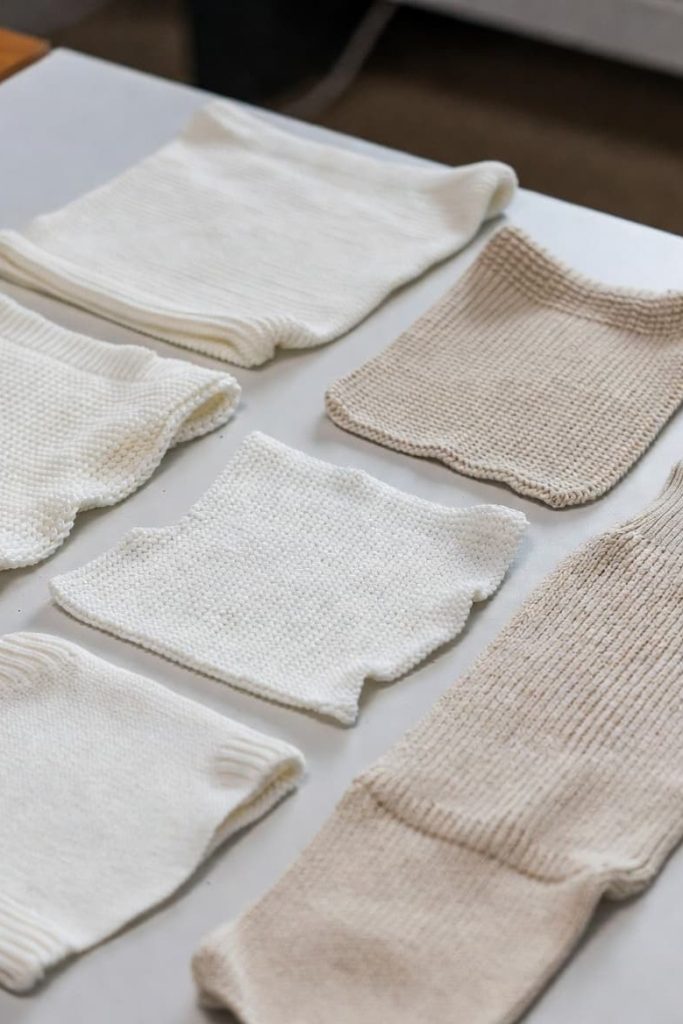
While warp knitting dominates many technical footwear applications, circular knitting has become equally important in the development of flexible and comfort-oriented footwear products. Circular knitting machines create fabric using needles arranged around a cylinder. As the cylinder rotates, loops are formed continuously to produce tubular or open-width textile structures.
Compared with warp knitted fabrics, circular knitted materials generally provide greater elasticity and softer hand feel. These characteristics make them particularly attractive for footwear categories that emphasize comfort, adaptability, and sock-like fit.
The rapid growth of knitted footwear over the past decade has significantly increased demand for circular knitted materials. Consumers increasingly prefer shoes that feel natural on the foot and move comfortably during daily activities. Circular knitting technology supports this trend by creating materials that conform more closely to foot anatomy.
The resulting products often deliver improved comfort while reducing pressure points and enhancing overall fit. Another advantage of circular knitting is its versatility. The technology supports numerous fabric structures including: Single Jersey, Double Knits, Interlock, Pique, French Terry, Circular Spacer Fabrics, Engineered Jacquards.
Each construction provides different performance characteristics, allowing footwear developers to tailor materials to specific product categories. As footwear continues to evolve toward lightweight and seamless constructions, circular knitting remains one of the industry’s most important textile technologies.
Key Control Points
- Monitor loop consistency.
- Verify fabric elasticity.
- Control shrinkage behavior.
- Evaluate dimensional stability after finishing.
Pro Tip: Balance comfort objectives with durability requirements.
Single Jersey
The Simplest Yet Most Versatile Circular Knit Structure
Among all circular knitted constructions, single jersey is the most widely used and recognized structure. Despite its simplicity, it remains a cornerstone of footwear textile development because of its exceptional versatility.
Single jersey fabrics are created using a single set of needles. This produces a lightweight structure with a distinct face and back appearance. The resulting fabric offers excellent flexibility and natural stretch characteristics.
In footwear applications, single jersey is often selected when comfort and softness are primary objectives. The material conforms easily to foot movement and provides a comfortable wearing experience. Many sock-like footwear constructions utilize single jersey because of its ability to stretch and recover efficiently. The fabric adapts naturally to different foot shapes while maintaining a secure fit.
Additionally, single jersey fabrics can be engineered using different yarn combinations to enhance moisture management, durability, or aesthetic performance. Their relatively low production cost also makes them attractive for high-volume footwear programs.
Key Control Points
- Monitor spirality levels.
- Check fabric weight consistency.
- Verify stretch recovery.
- Control shrinkage during finishing.
Pro Tip: Match fabric stretches characteristics with footwear fit requirements.

Weft Knitted Fabric
Understanding the Foundation of Flexible Footwear Textiles
Weft knitting is one of the most widely used textile manufacturing methods in the world and forms the basis of many footwear knit constructions. Unlike warp knitting, where each needle is supplied by its own yarn, weft knitting uses a yarn that travels horizontally across the fabric width, creating interconnected loops row by row.
This loop-based structure gives weft knitted fabrics their characteristic flexibility and elasticity. Because the loops can expand and contract easily, the fabric naturally adapts to foot movement and shape changes during walking, running, and athletic activities.
In footwear manufacturing, comfort has become a primary design objective. Consumers increasingly expect shoes to feel lightweight, flexible, and unrestricted. Weft knitted constructions help achieve these goals by providing natural stretch without requiring excessive elastomeric yarn content.
Another advantage is design adaptability. Manufacturers can create numerous fabric structures, textures, and performance characteristics while using the same fundamental knitting principle. This versatility makes weft knitting suitable for a wide range of footwear categories.
The footwear industry frequently uses weft knitted constructions in: Athletic footwear, Walking shoes, Lifestyle sneakers, Casual footwear, Knit-to-shape uppers, Sock-like shoe constructions. Because of their comfort-oriented characteristics, weft knitted fabrics continue to play an essential role in modern footwear development.
Key Control Points
- Monitor loop formation consistency.
- Verify stretch recovery performance.
- Check fabric distortion levels.
- Evaluate dimensional stability after finishing.
Pro Tip: Avoid excessive elasticity in areas requiring structural support.
Double Knitted Fabric
Achieving Greater Stability Through Dual-Layer Construction
While lightweight knit fabrics offer excellent comfort, certain footwear applications require additional support and structure. Double knitted fabrics were developed to address this requirement.
Unlike single jersey constructions, double knitted fabrics use two needle beds that create interconnected fabric layers. This construction produces a thicker and more stable material with improved durability and dimensional control.
One of the biggest advantages of double knitting is its ability to provide structural support without sacrificing comfort. The dual-layer configuration creates a fabric that feels substantial while maintaining the softness associated with knitted materials.
For footwear developers, this balance is extremely valuable. Many athletic and lifestyle products require upper materials that can maintain shape during repeated use while still providing flexibility. Double knitted fabrics are commonly used in: Midfoot support areas, Lifestyle sneaker uppers, Performance training footwear, Comfort footwear, Premium knit constructions.
Another important benefit is improved appearance retention. Because the structure is inherently more stable, double knitted fabrics resist distortion and stretching better than lighter constructions. Manufacturers often use double knits when they want to reduce the amount of external reinforcement materials while maintaining adequate upper support.
Key Control Points
- Verify fabric thickness consistency.
- Monitor dimensional stability.
- Check weight variation between lots.
- Evaluate compression recovery.
Pro Tip: Evaluate knitted fabrics after upper assembly rather than only in flat form.
Interlock Knit
Premium Comfort Through Balanced Construction
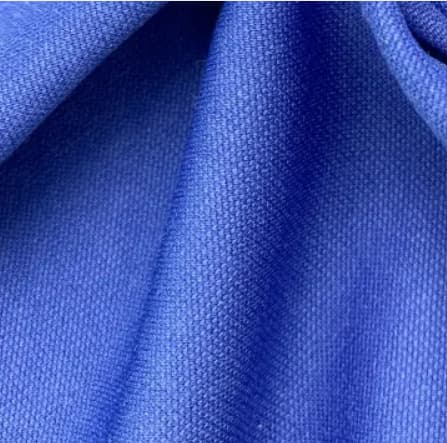
Interlock is a specialized double-knit structure that has gained widespread acceptance in footwear applications requiring a premium combination of comfort, appearance, and durability. The interlock construction creates identical surfaces on both sides of the fabric. This characteristic distinguishes it from many other knit structures and provides several practical advantages for footwear development.
The smooth and uniform appearance creates an upscale visual impression. At the same time, the fabric maintains excellent flexibility and wearer comfort. Because both surfaces are balanced, interlock fabrics tend to resist curling and distortion more effectively than simpler knit structures. This characteristic simplifies material handling during cutting and assembly operations.
In footwear applications, interlock fabrics are frequently selected for: Premium athletic footwear, Lifestyle products, Sock-like constructions, Collar materials, Tongue components, Comfort-focused footwear.
The fabric’s balanced structure also improves durability. Repeated flexing during walking and running places significant stress on upper materials. Interlock fabrics distribute these stresses effectively, helping maintain appearance and performance over time.
Key Control Points
- Monitor surface uniformity.
- Verify stretch recovery.
- Check shrinkage after finishing.
- Evaluate long-term durability.
Pro Tip: Conduct repeated flex testing during development.
Pique Knit
Enhancing Ventilation and Surface Texture
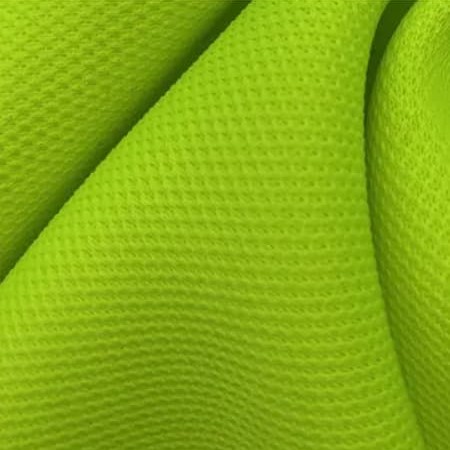
Pique fabrics are easily recognized by their textured surface appearance. Unlike smooth knit constructions, pique fabrics incorporate raised geometric structures that create visual depth and functional benefits. Although pique fabrics are widely known in apparel applications, they also provide valuable advantages for footwear upper development.
One of the primary benefits is improved airflow. The textured surface creates micro-channels that enhance air circulation and moisture movement. This contributes to improved wearer comfort, particularly in warm environments and active-use footwear.
The distinctive appearance also provides designers with additional aesthetic possibilities. Instead of relying solely on prints or overlays, developers can create visual interest directly through the textile structure.
Pique constructions are commonly utilized in: Lifestyle footwear, Casual athletic shoes, Walking footwear, Fashion sneakers, Comfort-oriented products. The fabric can also be engineered with varying texture densities, allowing manufacturers to balance appearance, comfort, and performance according to specific product requirements.
Key Control Points
- Verify texture consistency.
- Monitor yarn coverage.
- Check moisture management performance.
- Inspect visual appearance after finishing.
Pro Tip: Verify moisture management performance under actual wear conditions.
French Terry
Softness and Cushioning for Comfort-Focused Footwear
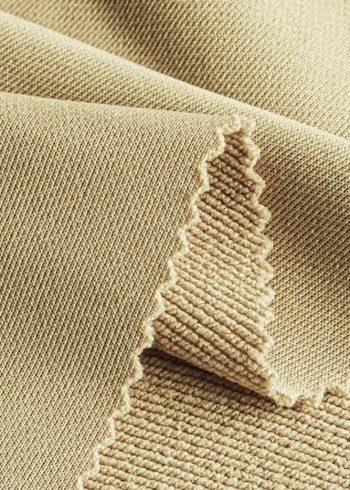
French Terry is a specialized knit structure that combines a smooth outer surface with loop formations on the opposite side. This unique construction creates a fabric that offers both comfort and cushioning while maintaining flexibility.
The loop structure increases fabric bulk without adding excessive weight. As a result, French Terry can provide a soft and comfortable feel while preserving the lightweight characteristics expected in modern footwear.
In footwear applications, French Terry is rarely used as the primary upper material. Instead, it is commonly incorporated into comfort-sensitive areas where cushioning and softness are particularly important.
Examples include: Tongue constructions, Collar linings, Heel contact zones, Internal comfort panels, Specialized comfort footwear.
The looped structure also contributes to moisture management by increasing the fabric’s ability to absorb and disperse perspiration. For premium comfort footwear, French Terry offers a practical solution for enhancing wearer experience without introducing complex component assemblies. Its ability to improve perceived comfort often makes it a preferred material in footwear designed for extended daily wear.
Key Control Points
- Monitor loop consistency.
- Verify softness levels.
- Check fabric weight stability.
- Evaluate abrasion resistance.
Pro Tip: Consider spacer fabrics as alternatives to foam laminates.
Circular Knit Spacer
Replacing Traditional Foam with Textile Engineering
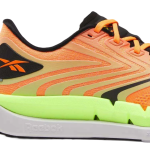
As sustainability and weight reduction become increasingly important, footwear developers are exploring alternatives to conventional foam-based constructions. Circular knit spacer fabrics have emerged as one of the most promising solutions.
These fabrics consist of two textile surfaces connected by internal spacer yarns that create a controlled three-dimensional structure. The resulting air gap delivers cushioning, breathability, and comfort while reducing dependence on foam materials. Compared with traditional foam laminates, circular knit spacers offer several advantages.
First, airflow is significantly improved because air can move through the spacer structure. Second, moisture management improves because perspiration vapor can escape more easily. Third, the textile-based construction often reduces material weight. Circular knit spacer fabrics are particularly useful in: Running footwear, Walking shoes, Comfort footwear, Athletic training shoes, Collar and tongue. constructions. As footwear brands pursue lightweight and environmentally responsible designs, spacer technologies are expected to play an increasingly important role.
Key Control Points
- Verify spacer thickness consistency.
- Monitor compression performance.
- Check air permeability.
- Evaluate recovery after repeated loading.
Pro Tip: Assess appearance retention after long-term use.
Small Circular Knit Structures
Precision Knitting for Seamless Components
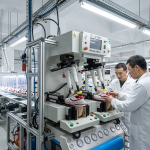
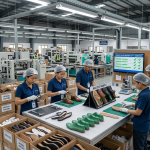
Small circular knitting machines produce tubular textile constructions that are widely used in footwear components requiring stretch, comfort, and precise shaping. Unlike larger circular knitting systems, these machines create smaller-diameter structures that can closely match footwear component dimensions.
This capability enables manufacturers to develop: Sock uppers, Collar components, Stretch cuffs, Elastic support zones, Seamless tubular constructions. The technology has become particularly important in the development of sock-like footwear, where minimizing seams is a key design objective.
Seam reduction offers several advantages. Comfort improves because there are fewer pressure points against the foot. Manufacturing efficiency can also improve because fewer assembly operations may be required. Small circular knit structures are often combined with advanced yarn technologies to enhance support, elasticity, moisture management, and durability.
As footwear design continues moving toward seamless constructions, these specialized knitting systems remain highly valuable.
Key Control Points
- Verify tube dimensions.
- Monitor elasticity consistency.
- Check shape retention.
- Evaluate seam-free performance.
Pro Tip: Include wear testing in all material approval processes.
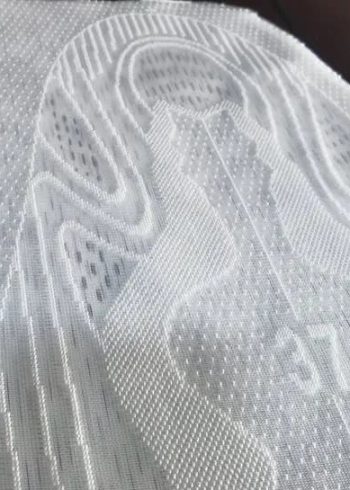
Woven Jacquard Hybrid Constructions
Combining Woven Durability with Knitted Comfort
Footwear developers often face a trade-off between durability and flexibility. Woven materials generally provide excellent abrasion resistance and dimensional stability, while knitted materials offer superior comfort and adaptability.
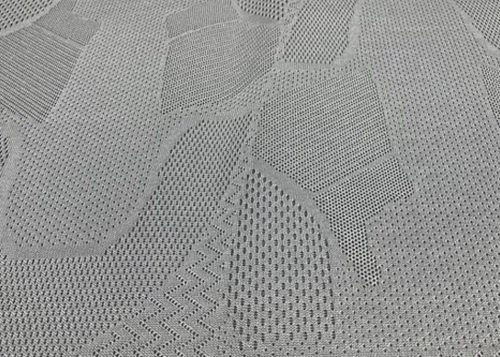
Woven jacquard hybrid constructions attempt to combine the strengths of both technologies. These materials integrate woven-inspired structures and jacquard capabilities within textile constructions that maintain some of the comfort advantages associated with knitted fabrics.
The resulting materials provide: Enhanced durability, Premium visual appearance, Better abrasion resistance, Greater design flexibility, Improved shape retention.
Because of these characteristics, woven jacquard hybrids are frequently used in footwear categories where durability and aesthetics are equally important.
Common applications include: Outdoor footwear, Hiking shoes, Lifestyle sneakers, Premium casual footwear, Fashion-oriented products. The ability to create complex patterns directly within the textile also reduces reliance on additional decorative components, supporting cleaner and more efficient upper designs.
Key Control Points
- Evaluate abrasion resistance performance.
- Verify pattern accuracy.
- Monitor yarn integration quality.
- Check dimensional stability.
Pro Tip: Select knitting technology based on performance requirements rather than appearance alone.
Comparing Major Circular Knitting Constructions
Circular knitting encompasses a wide range of fabric structures, each optimized for different footwear objectives.
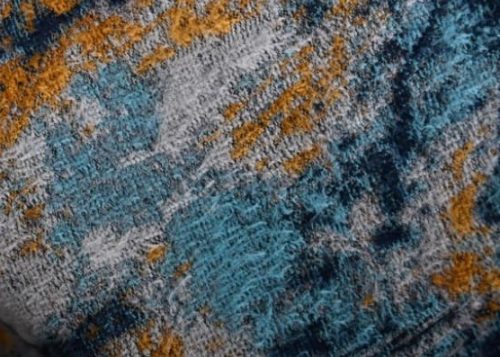
Single jersey focuses on lightweight comfort and flexibility. Double knits provide additional support and stability. Interlock enhances appearance and durability. Pique fabrics introduce texture and airflow improvements. French Terry emphasizes softness and cushioning. Spacer fabrics improve comfort through three-dimensional textile engineering. Small circular knits support seamless constructions, while woven jacquard hybrids combine durability with sophisticated aesthetics.
The best material choice depends on the intended product category and performance requirements.
For example:
- Running footwear typically prioritizes lightweight comfort and breathability.
- Walking footwear often emphasizes cushioning and softness.
- Training shoes require balanced support and flexibility.
- Outdoor products demand durability and abrasion resistance.
- Lifestyle footwear may focus more heavily on appearance and comfort.
Understanding these distinctions enables footwear development teams to make more effective material decisions and improve overall product performance.
Pro Tip: Evaluate materials after lasting and assembly.
TPU Molded Textile Technology
The Next Evolution of Knitted Footwear Uppers
The footwear industry continuously seeks methods to reduce manufacturing complexity while improving product performance. Traditional footwear uppers often require multiple textile pieces, reinforcement overlays, stitched components, welded films, and laminated structures. While these constructions can deliver excellent performance, they also increase manufacturing steps, labor requirements, inventory complexity, and material waste.
TPU Molded Textile Technology represents a significant advancement in upper engineering because it integrates textile construction and reinforcement into a more streamlined process. Instead of producing individual components and assembling them later, the technology allows various upper features to be created directly through a molding process performed on a knitted textile base.
The concept is simple but highly effective. A knitted textile serves as the foundation, while specially designed molds create reinforcement zones, structural elements, decorative features, and support components during a single molding operation.
This approach offers several advantages for footwear manufacturers: Reduced component count, Lower assembly complexity, Improved production consistency, Reduced material waste, Faster manufacturing flow, Enhanced design flexibility.
The technology is particularly attractive for athletic footwear, lifestyle products, performance sneakers, and innovative upper constructions where weight reduction and manufacturing efficiency are important priorities.
Key Control Points
- Check molded feature accuracy.
- Verify textile suitability before molding.
- Control mold temperature consistency.
- Monitor pressure distribution.
Pro Tip: Conduct flex testing early during development.
TPU One-Time Molded Jacquard
Creating Functional Uppers Through a Single Molding Operation
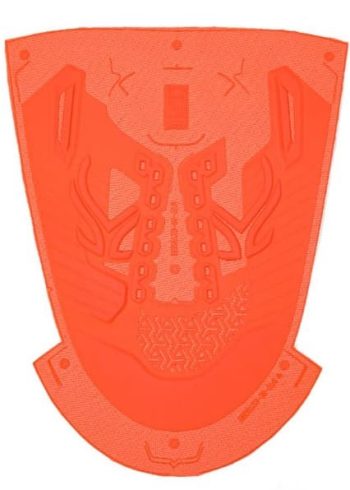
One-time molded jacquard technology combines engineered knitted textiles with advanced molding processes to create highly integrated footwear uppers. Instead of adding separate overlays, support pieces, and decorative components after knitting, many of these functions are incorporated during molding.
The process begins with the development of a knitted jacquard base textile. Designers engineer ventilation areas, stretch zones, and aesthetic patterns into the fabric during knitting. Once the textile is produced, it is positioned within a specialized mold.
During molding, the system creates various structural features directly on the textile surface. These may include: Toe reinforcement zones, Eyestay structures, Midfoot support areas, Heel reinforcement sections, Decorative surface details, Branding elements.
Because multiple functions are created simultaneously, the resulting upper contains fewer individual components than conventional constructions.
Another important advantage is improved durability. Traditional overlays may rely on bonding or stitching, which can deteriorate over time. Molded structures become integrated into the upper system, reducing the likelihood of separation or delamination.
Key Control Points
- Evaluate durability after flex testing.
- Verify mold alignment accuracy.
- Monitor textile positioning.
- Check molded feature dimensions.
Pro Tip: Verify breathability using finished upper constructions.
TPU Textile
Integrating Thermoplastic Performance into Knitted Structures
TPU textiles combine knitted textile technology with thermoplastic polyurethane materials to achieve enhanced mechanical performance. Rather than functioning solely as a decorative upper material, the textile becomes an active contributor to footwear performance.
One of the primary reasons TPU has gained popularity in footwear is its ability to provide strength while maintaining flexibility. Traditional reinforcement materials often add stiffness and weight. TPU-based systems can achieve support without significantly compromising comfort.
Modern TPU textiles can deliver: Increased tensile strength, Enhanced abrasion resistance, Improved tear resistance, Better dimensional stability, Long-term durability. These properties make TPU textiles particularly valuable in high-stress footwear zones where ordinary knit structures may not provide sufficient support.
Another advantage is design flexibility. TPU can be incorporated into knitted constructions in numerous ways, allowing developers to customize performance characteristics according to footwear category requirements. Running shoes may prioritize lightweight support, while outdoor footwear may focus on durability and protection. TPU textiles can be engineered to support both objectives.
Key Control Points
- Evaluate long-term flex durability.
- Verify tensile strength performance.
- Monitor TPU distribution consistency.
- Check abrasion resistance values.
Pro Tip: Consider spacer fabrics as alternatives to foam laminations.
TPU Yarn Technology
Transforming Textile Performance at the Yarn Level
One of the most innovative developments in modern footwear textiles is the introduction of TPU-based yarn systems. Rather than applying TPU after fabric production, these yarns integrate TPU characteristics directly into the textile structure.
The yarn construction typically combines a high-strength polyester core with an external TPU layer. This hybrid design creates a material capable of delivering both textile flexibility and thermoplastic performance.
The technology offers numerous benefits for footwear applications. High-strength performance allows the yarn to withstand demanding usage conditions. The TPU layer contributes durability while maintaining flexibility. Designers can also achieve different visual effects because TPU coatings can support various coloration methods.
In addition, TPU yarns can provide: Waterproof characteristics, Improved abrasion resistance, Excellent bending performance, Enhanced durability, Visual transparency effects, Breathable mesh possibilities. These capabilities allow footwear developers to create innovative upper constructions that would be difficult to achieve using traditional yarn systems.
Key Control Points
- Evaluate flex resistance performance.
- Verify yarn strength consistency.
- Monitor coating uniformity.
- Check color consistency.
Pro Tip: Use engineered jacquards to reduce component count.
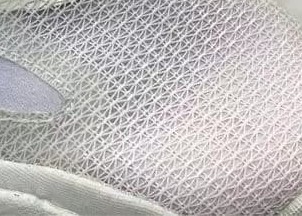
TPU Mesh
Combining Breathability and Structural Performance
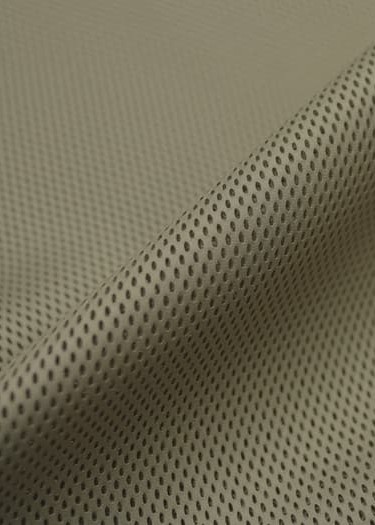
Breathability remains one of the most important requirements in modern footwear. However, increasing airflow often reduces structural integrity. TPU mesh technology addresses this challenge by combining open mesh constructions with the performance characteristics of TPU yarn systems.
The resulting material maintains airflow through engineered openings while delivering significantly greater durability than many conventional mesh constructions. This balance makes TPU mesh particularly attractive for athletic footwear applications. Running shoes, training products, and sports footwear frequently require materials that can withstand repeated flexing while maintaining comfort.
TPU mesh structures can also support unique visual effects. Transparent and semi-transparent constructions create opportunities for innovative product aesthetics without sacrificing functionality. Another important benefit is shape retention. Because TPU contributes structural stability, the mesh can maintain its intended geometry more effectively during wear.
Key Control Points
- Evaluate shape retention after flexing.
- Monitor mesh opening accuracy.
- Verify airflow performance.
- Check abrasion resistance.
Pro Tip: Validate TPU molding parameters before production.
TPU Upper Technology
From Textile Material to Finished Upper
One of the most significant advantages of TPU molding technology is its ability to transform textile materials directly into upper structures. Instead of producing separate components that require assembly, the process converts textile materials into highly functional upper systems through controlled molding operations.
The process typically begins with textile selection. Developers choose the most appropriate knitted construction based on product requirements. Once the textile is prepared, it is cut according to predetermined dimensions and positioned within a mold.
The molding system applies carefully controlled temperature, pressure, and time parameters. These conditions allow the material to adopt the desired three-dimensional shape while simultaneously creating reinforcement and support features.
The resulting upper may contain: Structural support zones, Decorative patterns, Reinforcement elements, Functional design details, Three-dimensional textures. This approach reduces the need for many traditional assembly operations while creating a highly integrated product.
Key Control Points
- Check finished upper dimensions.
- Verify mold design accuracy.
- Control heating parameters.
- Monitor pressure consistency.
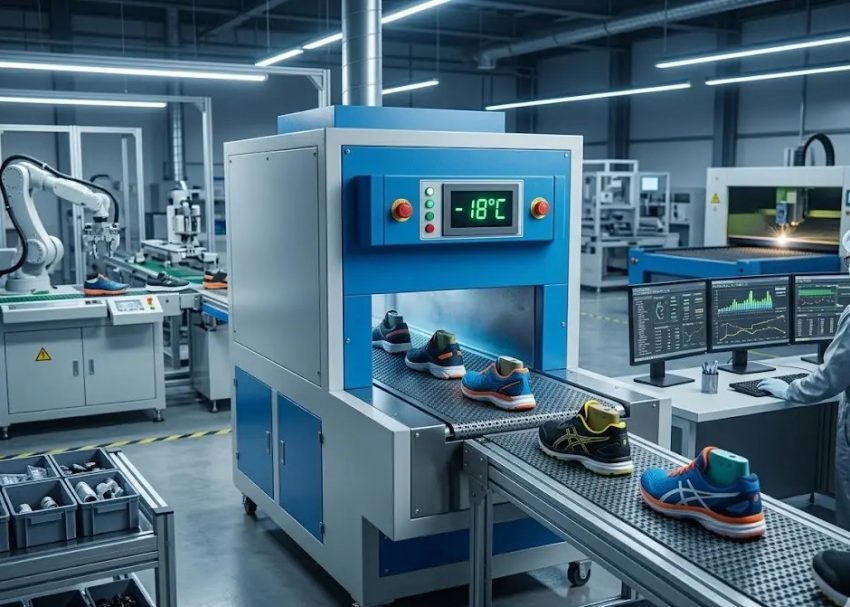
One-Shot Textile-to-Upper Manufacturing Process
Simplifying Upper Production
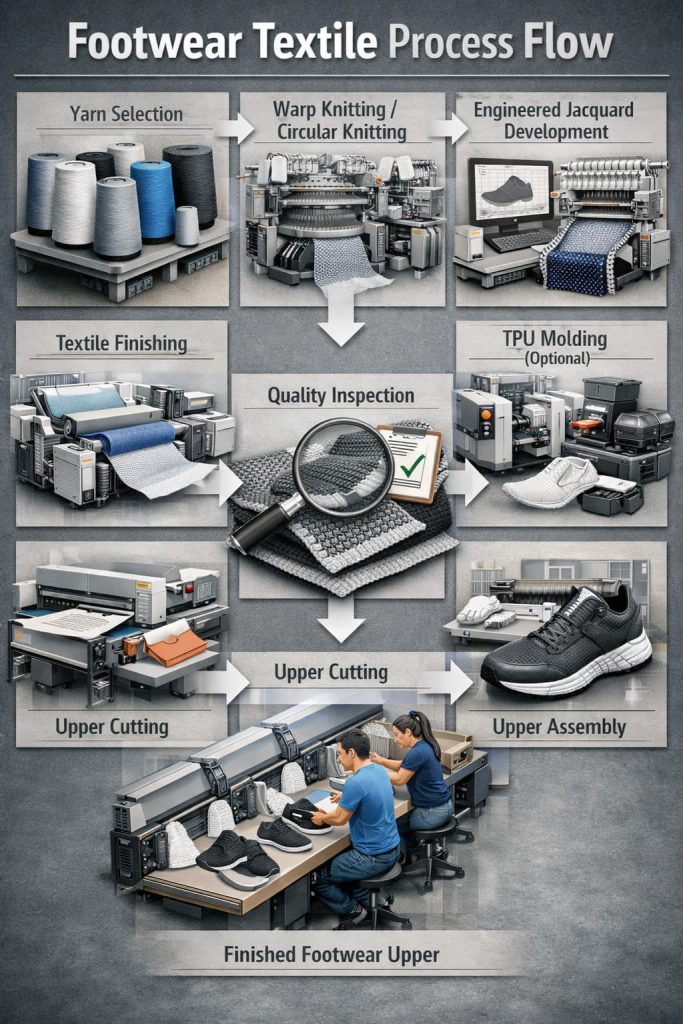
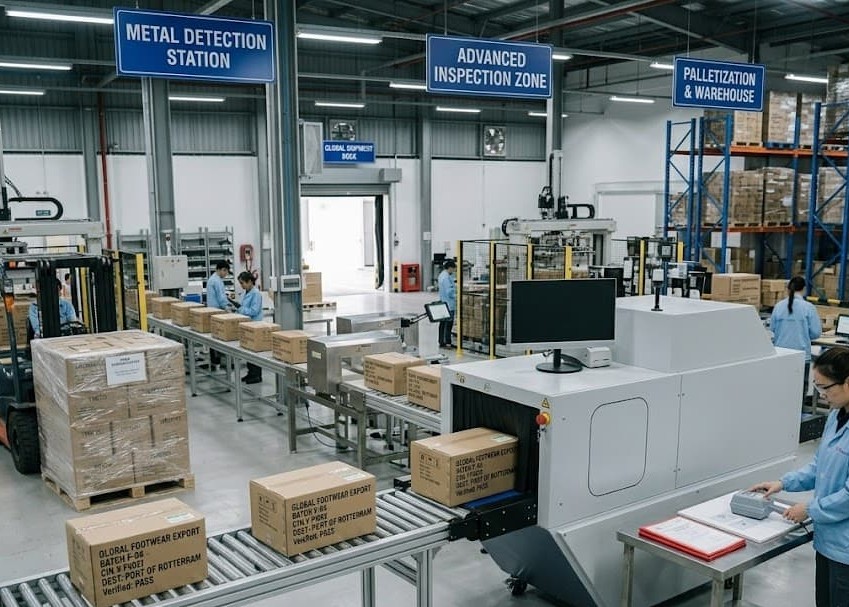
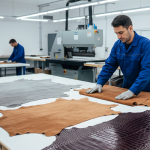
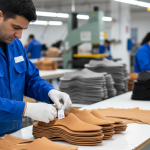
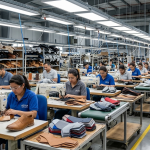
Traditional upper manufacturing often requires multiple production stages including cutting, stitching, laminating, printing, reinforcement application, and assembly. Each step introduces additional labor, equipment requirements, and quality risks.
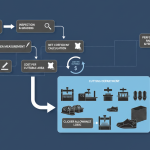
The one-shot textile-to-upper process significantly simplifies this workflow. According to the technology described in the source material, the process converts textile material directly into upper structures through a single integrated molding sequence.
A typical production flow includes:
- Textile development
- Textile knitting
- Material inspection
- Cutting preparation
- Mold loading
- Heat pressing
- Controlled cooling
- Upper removal
- Final inspection
Because multiple upper features are created simultaneously, manufacturers can reduce process variation and improve production efficiency. The simplified workflow also supports sustainability objectives because fewer components generally result in lower material consumption and reduced waste generation.
Key Control Points
- Verify finished upper performance.
- Validate process parameters.
- Monitor mold cycle consistency.
- Check feature replication quality.
Future Trends in Footwear Knitting
Where Knitted Footwear Technology Is Heading
The future of footwear knitting extends far beyond simple upper production. Material developers are increasingly focusing on creating multifunctional textiles that deliver superior performance while supporting sustainability goals.
Several major trends are expected to shape the next generation of footwear textiles. First, engineered knitting will continue becoming more sophisticated. Future fabrics will incorporate increasingly complex support, ventilation, and cushioning zones within a single textile construction.
Second, high-performance yarn technologies will expand. Stronger, lighter, and more durable yarn systems will enable thinner constructions without sacrificing performance. Third, sustainability will become a primary development driver.
The industry is already exploring: Recycled polyester yarns, Dope-dyed yarn systems, Plant-based fibers, Bio-based materials, Reduced-water manufacturing methods.
Fourth, seamless upper technologies will continue growing. Manufacturers increasingly seek methods to reduce component count and simplify assembly operations. Finally, digital manufacturing technologies will enable greater customization. Future knitting systems may allow product-specific engineering with minimal production complexity.
Conclusion
Knitting technology has fundamentally changed how footwear uppers are designed and manufactured. What once required numerous components and complex assembly operations can now be achieved through highly engineered textile structures.
Warp knitting provides exceptional dimensional stability, technical performance, and advanced mesh constructions. Circular knitting delivers flexibility, comfort, and seamless possibilities that align perfectly with modern consumer expectations. TPU molded textile technologies extend these capabilities further by integrating reinforcement, support, and design features directly into the upper structure.
Each knitting technology serves a unique purpose within footwear development. Success depends on selecting the correct material for the intended application rather than pursuing a one-size-fits-all approach.
Frequently Asked Questions (FAQs)
What is the main difference between warp knitting and circular knitting?
Warp knitting offers better dimensional stability and support, while circular knitting provides greater flexibility, comfort, and stretch.
Why is engineered jacquard widely used in footwear?
Engineered jacquard allows multiple functional zones such as ventilation, support, and aesthetics to be integrated into a single textile construction.
What is the purpose of spacer fabric in footwear?
Spacer fabrics provide cushioning, breathability, and comfort without relying heavily on foam laminations.
Are knitted uppers durable enough for sports footwear?
Yes. Modern engineered knit constructions can provide excellent durability when appropriate yarns, structures, and reinforcements are used.
What are the advantages of TPU yarn technology?
TPU yarns can improve strength, abrasion resistance, flexibility, waterproof performance, and durability while maintaining textile characteristics.
Why are seamless knitted uppers becoming popular?
Seamless constructions reduce pressure points, improve comfort, decrease component count, and simplify manufacturing.
Which footwear categories use knitted uppers most frequently?
Running shoes, walking footwear, training shoes, lifestyle sneakers, casual footwear, and performance athletic products commonly utilize knitted uppers.