Painting Operations in Outsole Process: Outsole (Stock Fitting) Assembly Series
In the previous blog, Wheeling Operations in Outsole Process, we explained how wheeling removes flash and smooths outsole edges before finishing. Once the outsole is clean and dimensionally correct, the next operation is painting. This process enhances the outsole’s appearance with decorative colors, highlights, and branding effects while maintaining durability. Proper painting requires controlled surface preparation, paint application, drying, and inspection to deliver a premium finish that withstands daily wear.
Painting Operations in Outsole Process
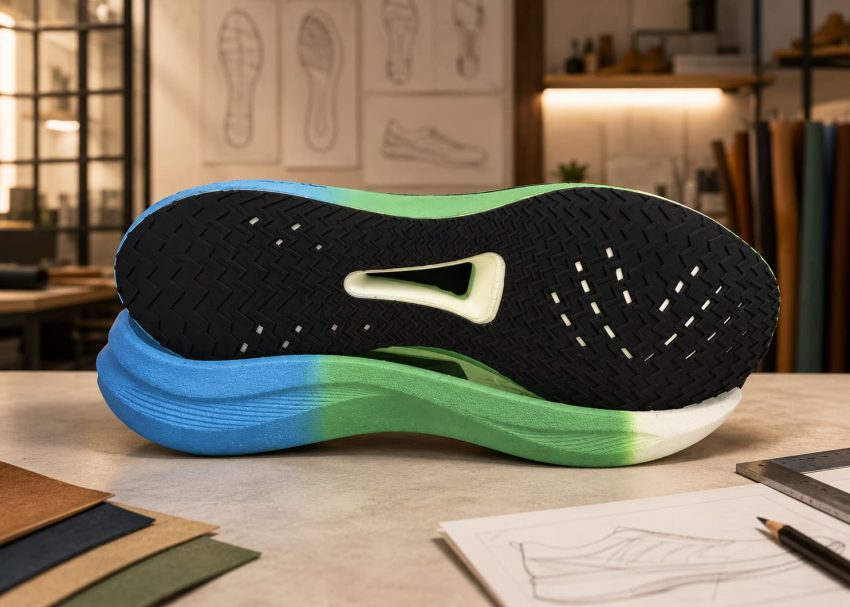
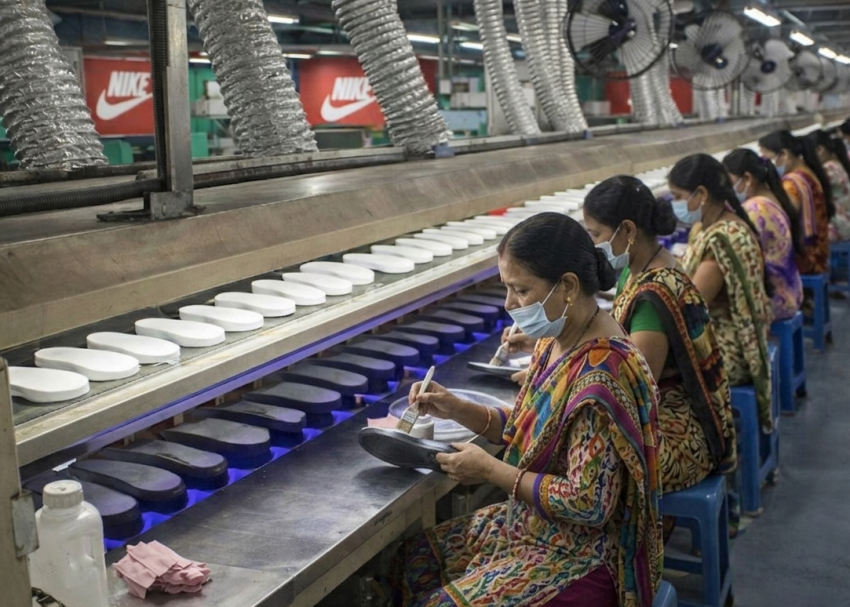
Painting is the application of specialized coatings onto selected outsole areas or the complete or Partially outsole to improve aesthetics and reinforce brand identity. Unlike molded colors, painting allows manufacturers to create multiple design variations using the same outsole mold, reducing tooling costs and increasing design flexibility. Common finishes include solid colors, metallic effects, matte or gloss coatings, gradients, vintage looks, and decorative highlights.
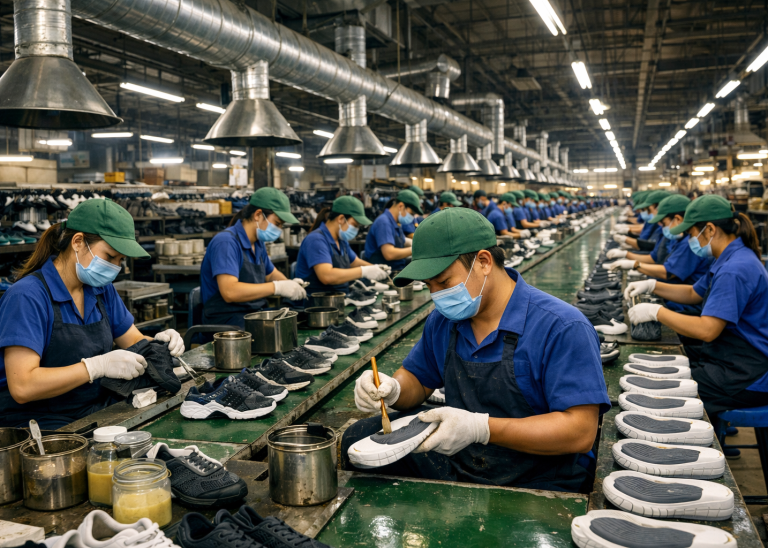
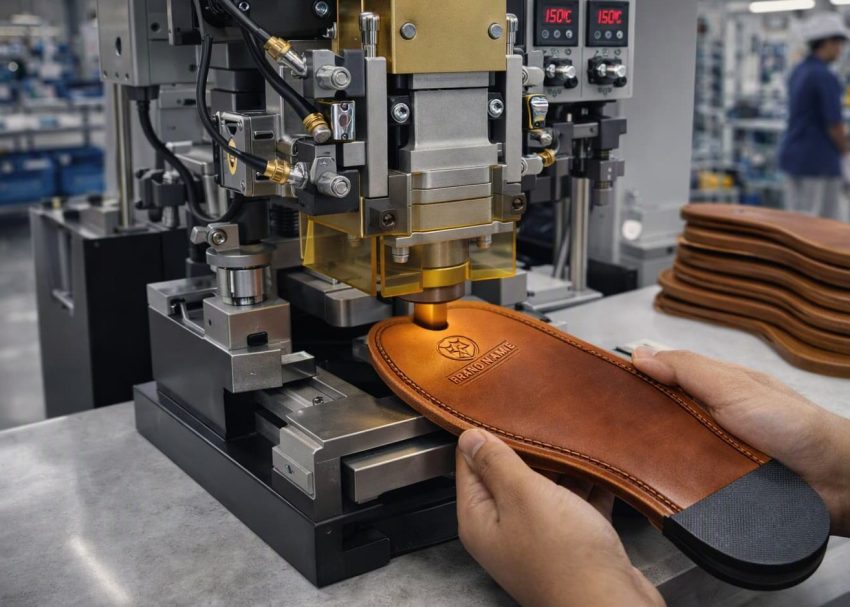
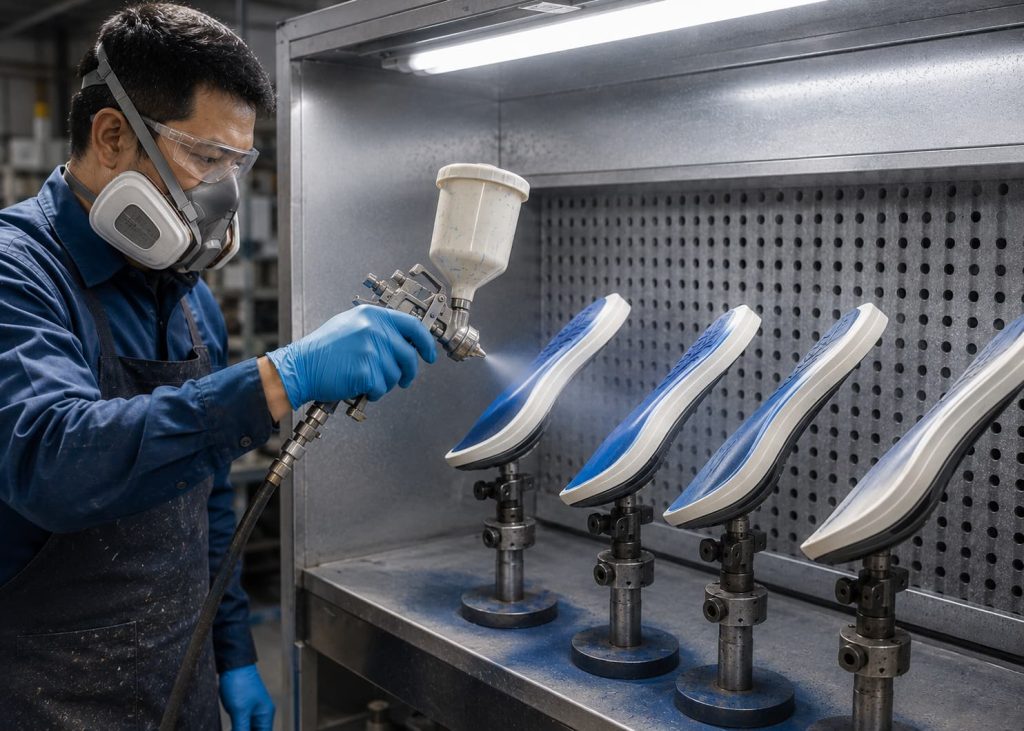
Modern factories use HVLP spray guns, automated spray systems, and controlled drying ovens to ensure consistent quality throughout production.
Key Control Points
- Use customer-approved color standards.
- Verify paint compatibility with outsole material.
- Keep surfaces clean before painting.
- Control temperature and humidity.
Expert Tip:
Always approve the first painted pair under standardized lighting before beginning mass production. Early approval prevents costly rework later.
Never rely solely on visual color matching inside the production area. Compare every batch against the approved master sample under controlled lighting conditions.
Common Applications
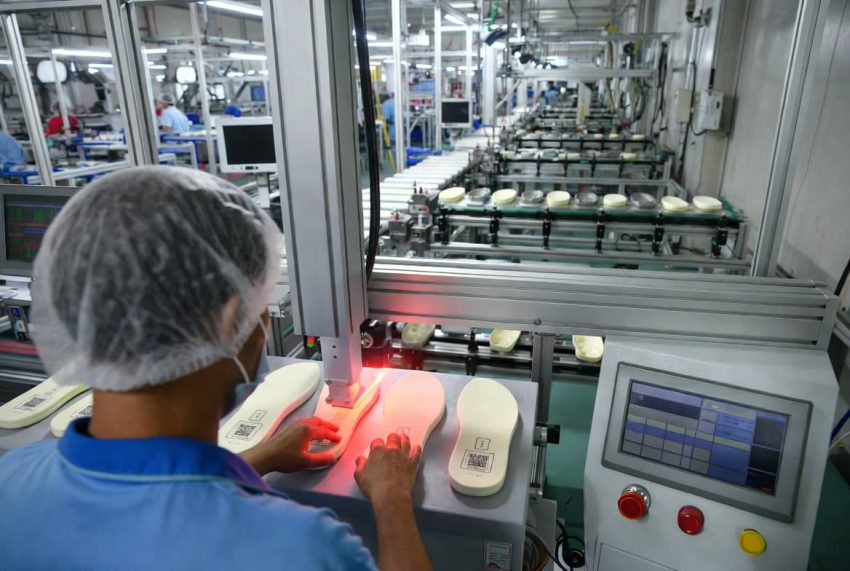
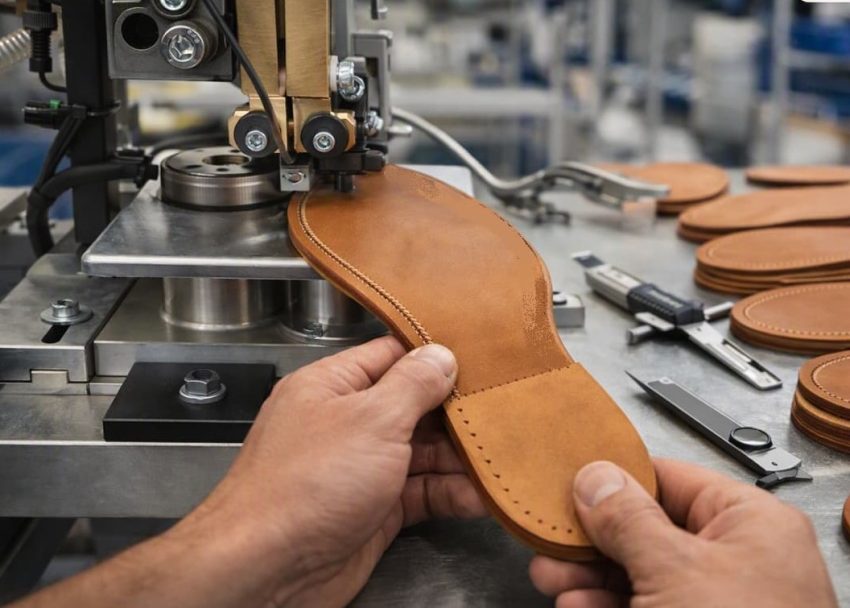
Painting is widely used across sports, casual, fashion, and formal footwear to create attractive products without modifying outsole molds.
Decorative Effects
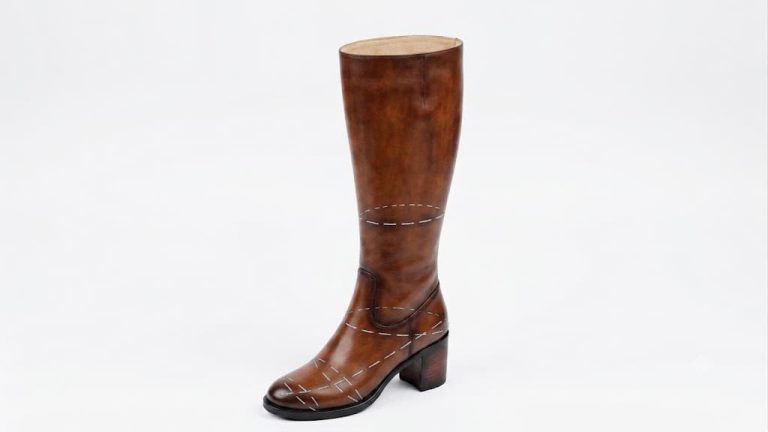
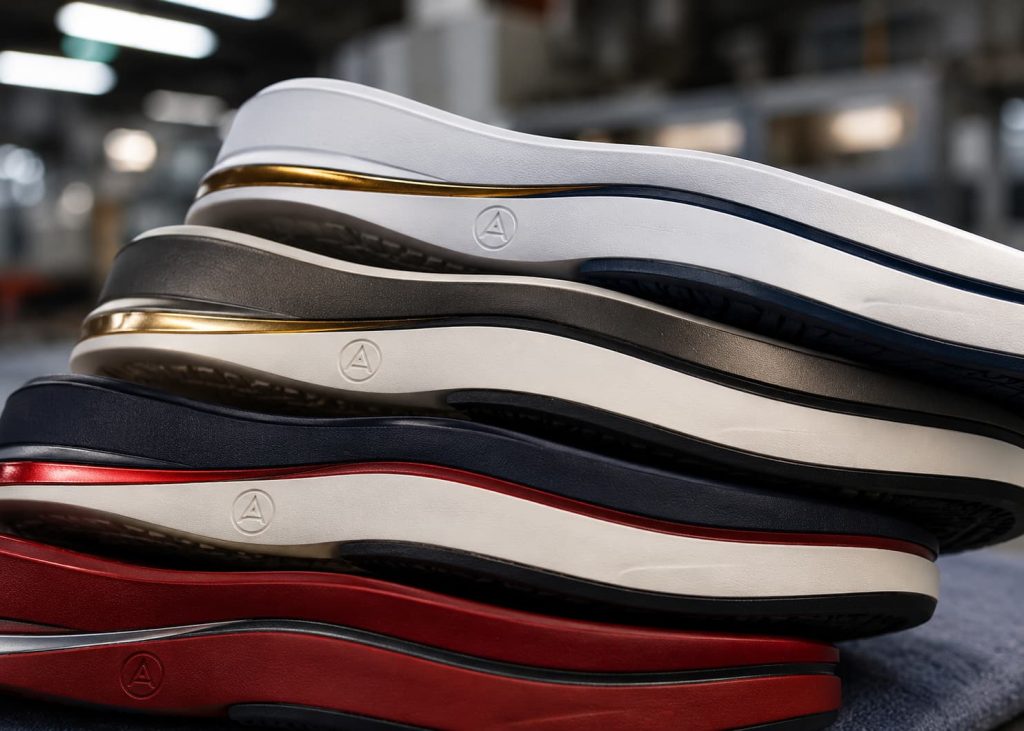
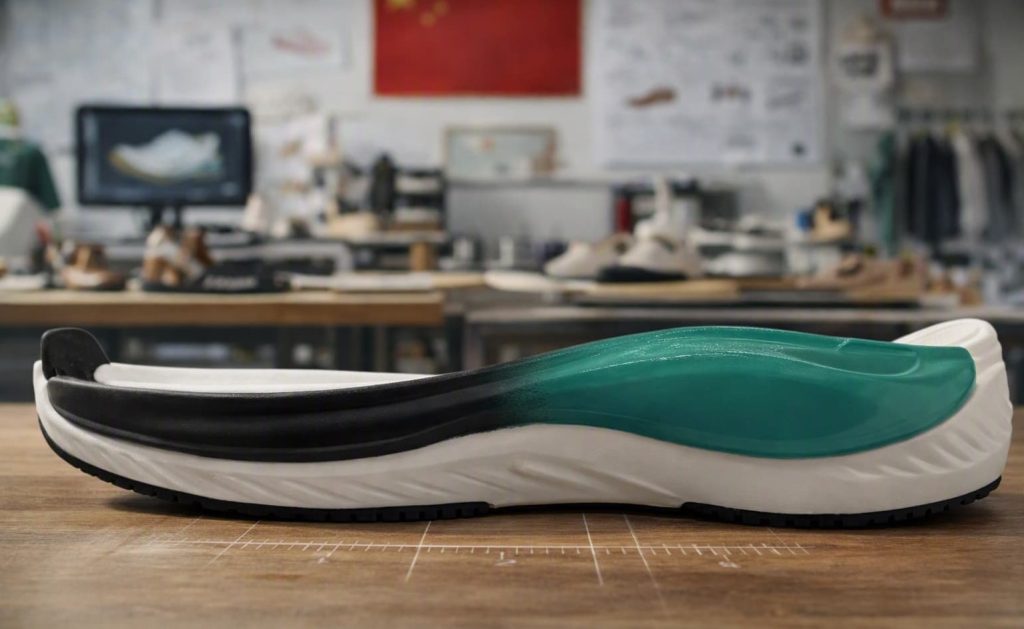
Decorative finishes such as metallic coatings, antique effects, gradients, and textured appearances improve shelf appeal and increase product value.
Brand Styling
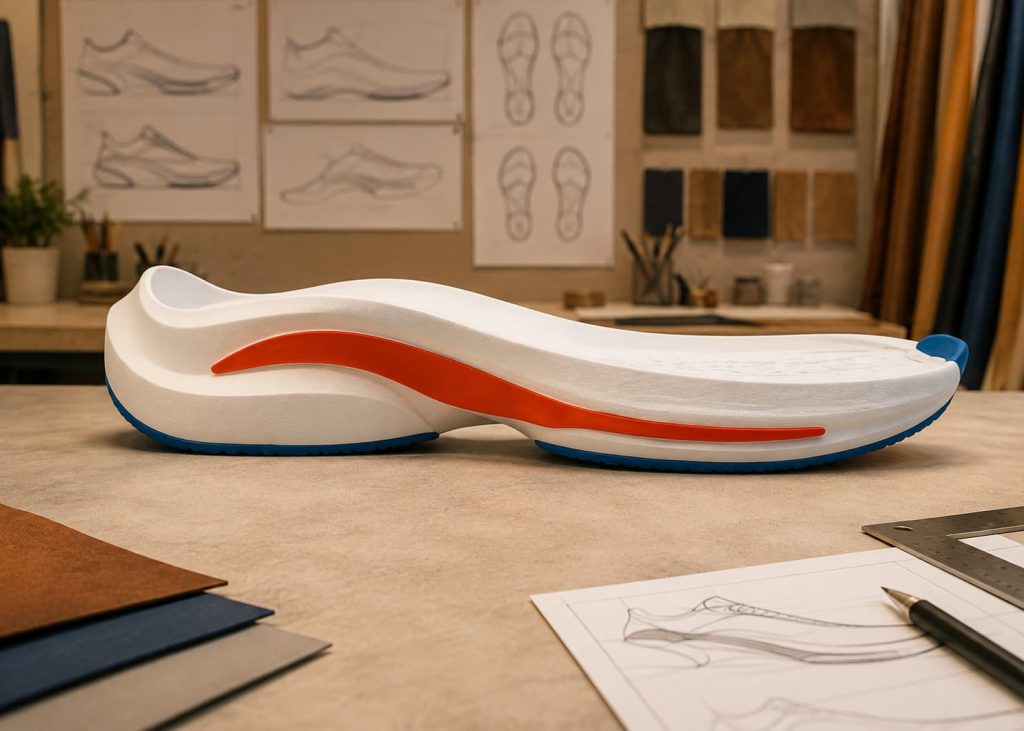
Many footwear brands use painted logos, colored edges, and signature finishes to strengthen product recognition and maintain a consistent visual identity.
Color Highlights
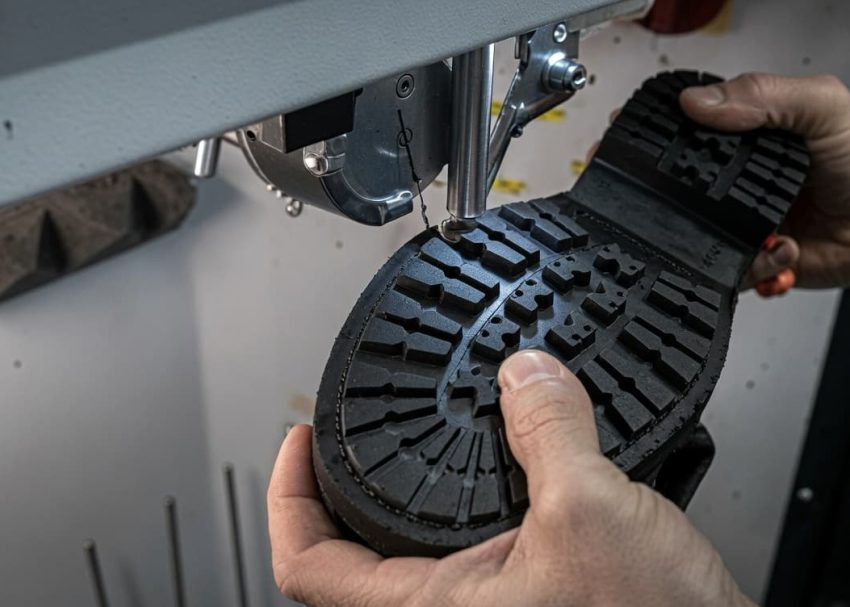
Selected grooves, sidewalls, logos, and heel areas are painted with contrasting colors to emphasize outsole design details.
Fashion Detailing
Seasonal collections frequently introduce new painted effects, allowing designers to follow market trends without investing in new molds.
Expert Tip:
Use dedicated spray guns for each color family whenever possible. This minimizes contamination and reduces cleaning time during production changeovers.
Record paint viscosity at regular intervals because solvent evaporation gradually changes spray characteristics during long production runs.
Painting Process
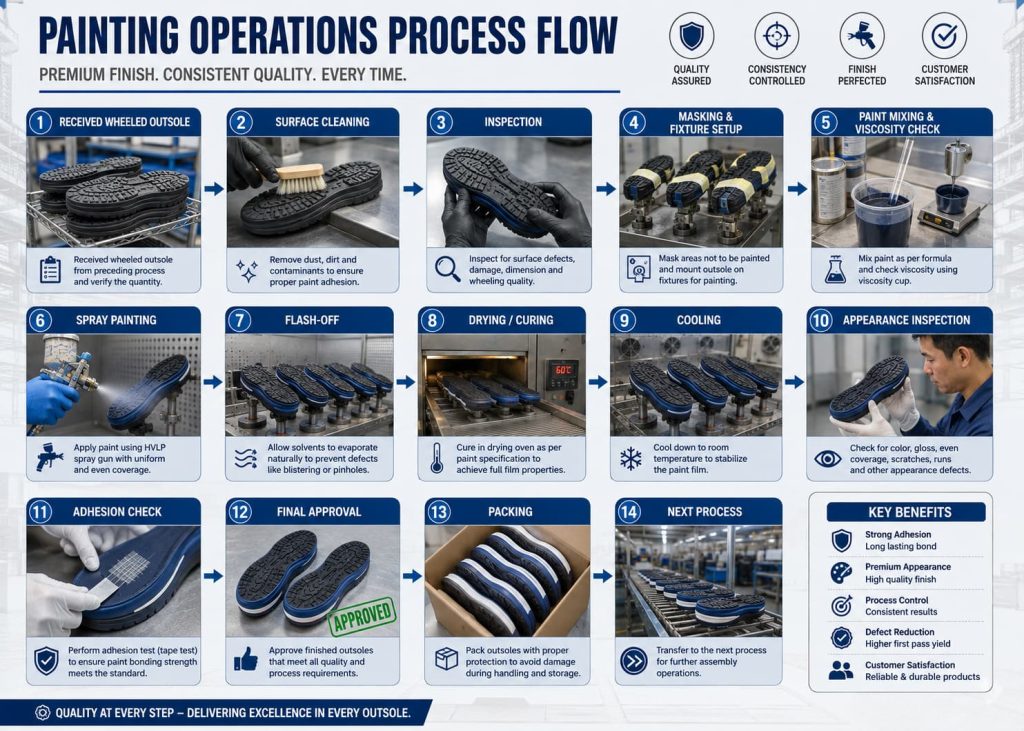
The painting process follows a controlled sequence to ensure consistent appearance and long-term durability.
Surface Preparation
Remove mold release agents, oil, dust, and fingerprints using approved cleaning solutions. A clean surface is essential for strong paint adhesion.
Masking
Areas that should remain unpainted are protected using masking tape, reusable fixtures, or silicone templates. Accurate masking creates sharp decorative lines.
Paint Preparation
Paint, hardener, and thinner are mixed according to supplier recommendations. Viscosity is checked regularly because it directly affects spray quality.
Spray Application
Most factories use HVLP spray guns or automatic spray systems. Multiple thin coats provide better adhesion and a smoother finish than one thick coat.
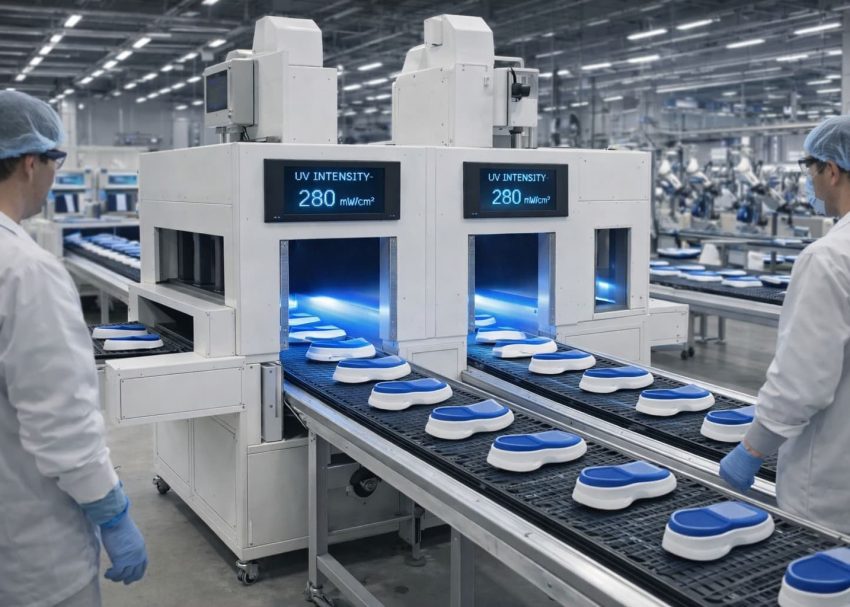
Drying and Curing
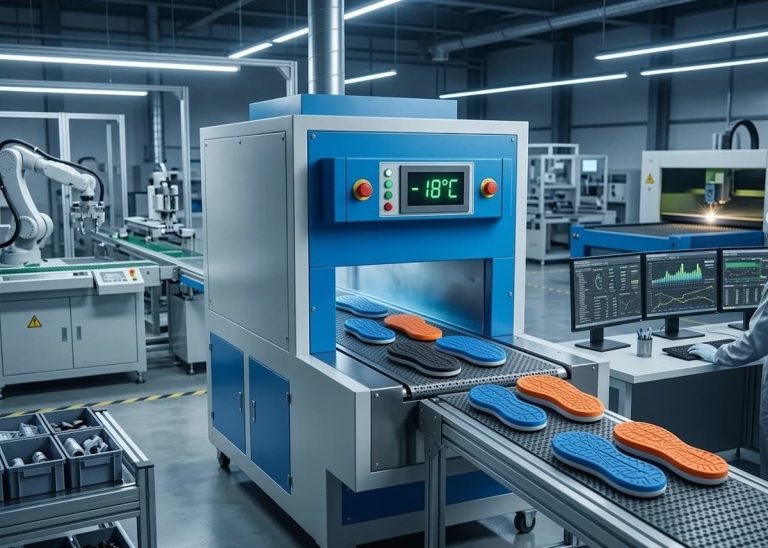
Painted outsoles pass through drying tunnels or curing ovens where controlled temperature and airflow allow the coating to fully harden before inspection.
Key Control Points
- Clean surfaces thoroughly.
- Apply multiple thin coats.
- Maintain correct spray distance.
- Follow validated curing conditions.
Common Defects and Corrective Actions
Consistent process control minimizes painting defects and reduces costly rework.
| Defect | Cause | Corrective Action |
|---|---|---|
| Color mismatch | Incorrect mixing or batch variation | Verify color before production |
| Overspray | Poor masking or high pressure | Improve masking and adjust spray settings |
| Poor adhesion | Dirty surface or improper curing | Improve cleaning and follow curing schedule |
| Uneven coverage | Incorrect viscosity or spray technique | Standardize paint preparation and operator training |
Key Control Points
- Conduct routine adhesion tests.
- Compare every batch with the approved master sample.
- Monitor spray pressure and paint viscosity.
- Replace damaged masking fixtures.
Expert Tip:
Always approve the first painted pair under standardized lighting before beginning mass production. Early approval prevents costly rework later.
Inspection and Quality Control
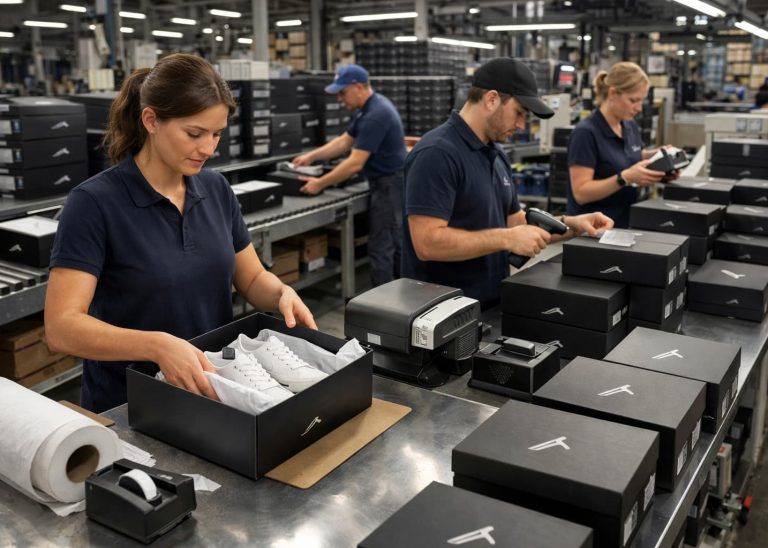
Every painted outsole should be inspected before moving to the next production stage. Visual inspection verifies color, gloss, coverage, edge definition, and overall appearance. Depending on customer requirements, additional laboratory tests such as adhesion, flex resistance, and abrasion resistance may also be performed.
Factories typically inspect painted parts under standardized lighting and compare them with approved reference samples to ensure consistency across production lots.
Key Control Points
- Inspect under standard lighting.
- Compare with approved master samples.
- Record inspection results.
- Segregate non-conforming products immediately.
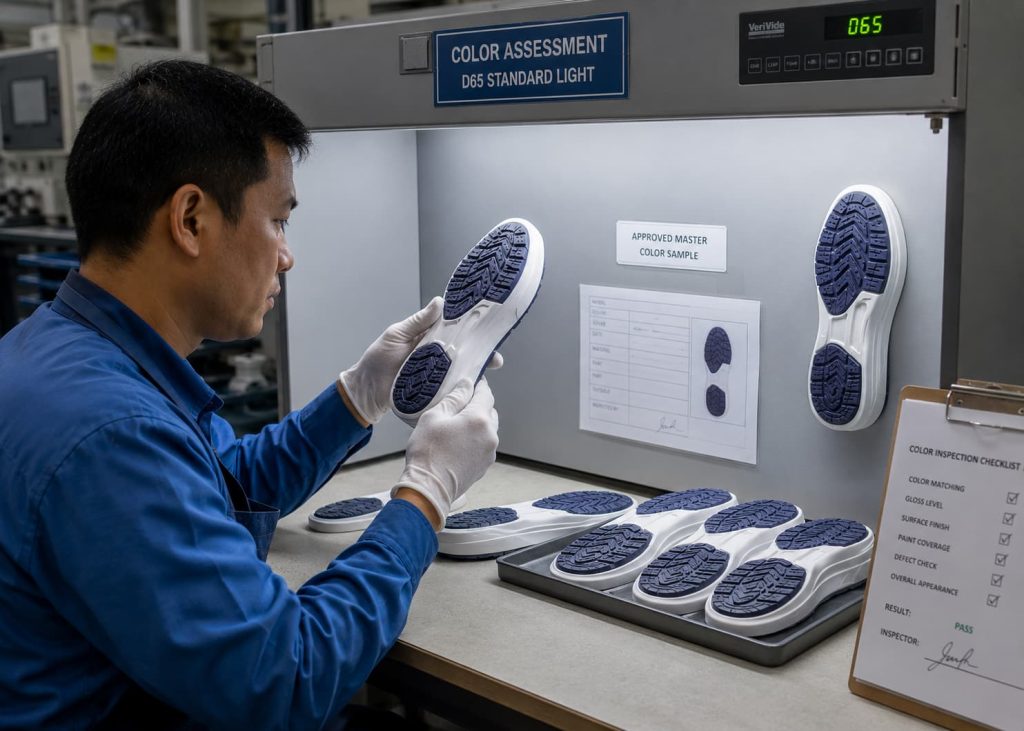
Expert Tip: Never rely solely on visual color matching inside the production area. Compare every batch against the approved master sample under controlled lighting conditions.

Conclusion
Painting operations play a vital role in improving outsole appearance, enhancing brand identity, and increasing product value. A controlled process that includes proper cleaning, masking, paint preparation, spraying, drying, and inspection ensures consistent decorative quality and durable performance. By following standardized factory procedures and maintaining strict quality control, manufacturers can produce attractive outsoles that meet customer expectations while minimizing defects and rework.
Next in the Series: Transfer Foil Application in Outsole Process: Outsole (Stock Fitting) Assembly Series

Frequently Asked Questions (FAQs)
Painting enhances aesthetics, highlights design features, supports brand identity, and allows multiple color variations using the same outsole mold.
Rubber, TPU, TPR, PU, PVC, EVA, and leather outsoles can all be painted using compatible coating systems and proper surface preparation.
HVLP spray painting is the most widely used method because it provides excellent finish quality, good transfer efficiency, and consistent coating thickness.
Poor adhesion is typically caused by inadequate surface cleaning, incompatible paint systems, incorrect curing, or improper primer selection.
Factories evaluate color consistency, appearance, gloss, adhesion, coating thickness, flex resistance, and abrasion resistance according to customer specifications.
Proper masking, optimized spray pressure, correct spray distance, trained operators, and well-maintained spray equipment significantly reduce overspray.
Correct viscosity ensures proper atomization, uniform coating thickness, smooth appearance, and reliable adhesion throughout production..