Final AQL Audit in Footwear Manufacturing – Full Shoe Assembly Series
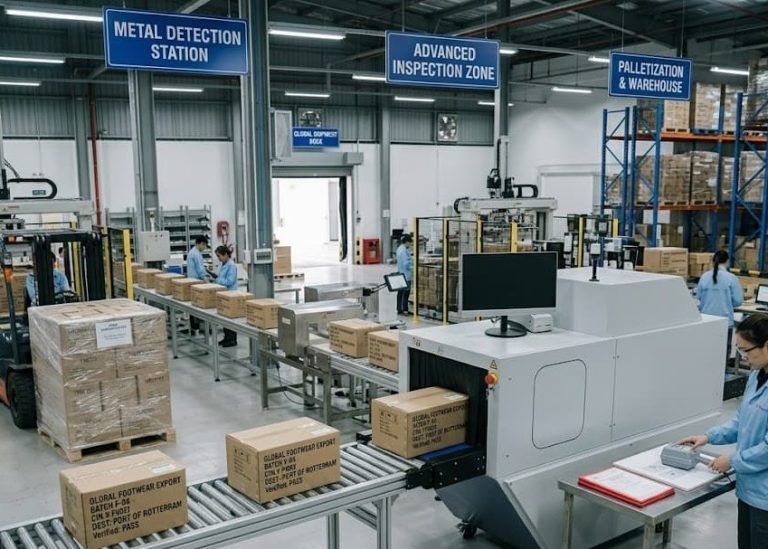
By the time a pair of shoes reaches the finished goods warehouse, it has already passed through dozens of manufacturing and quality control operations. Materials have been inspected, components assembled, workmanship verified, packaging completed, and safety checks performed. Yet for most global footwear brands, none of these activities alone is enough to authorize shipment release.
Before products can move from the factory to retailers, distribution centers, or consumers, the entire shipment must pass one final evaluation known as the Final AQL Audit. This audit serves as the last independent quality assessment before export documentation is approved and goods are cleared for dispatch.
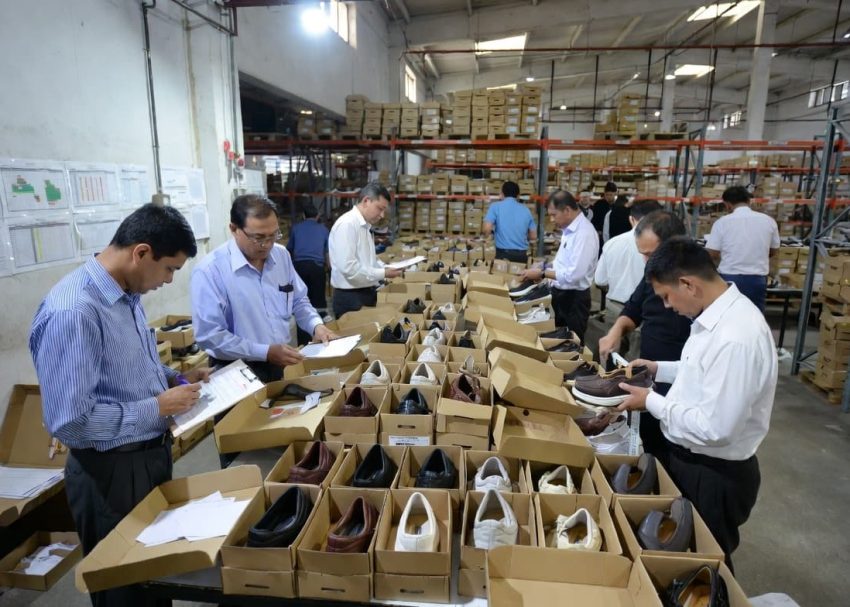
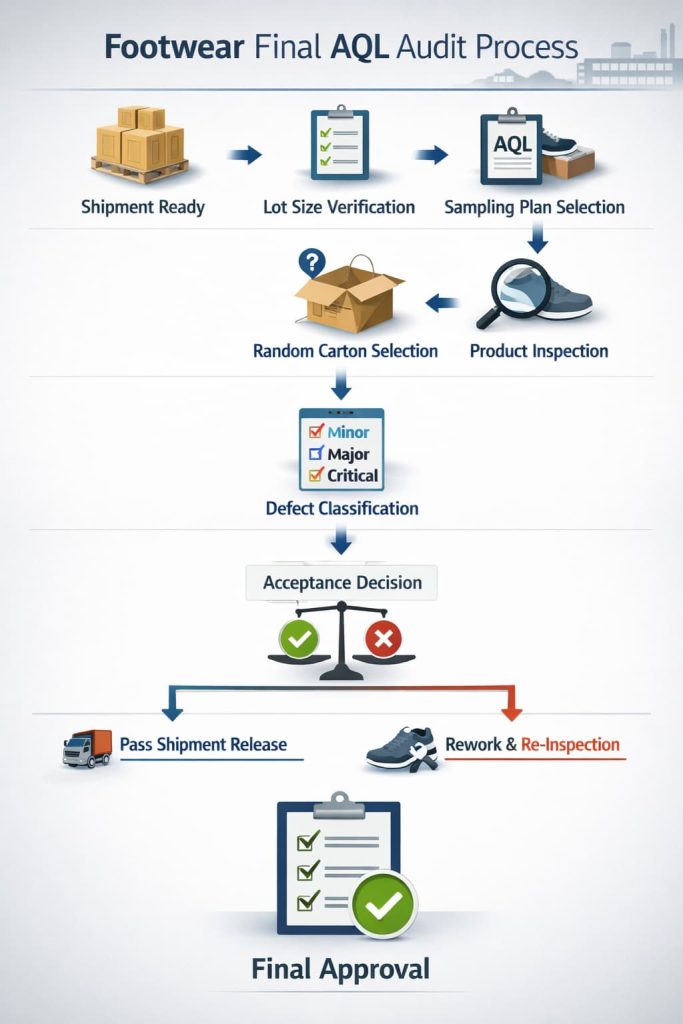
Unlike production inspections that focus on individual manufacturing processes, a Final AQL Audit evaluates the shipment as a complete lot. Using internationally recognized statistical sampling methods, auditors select finished cartons at random, inspect footwear against approved standards, classify defects according to severity, and determine whether the lot meets the agreed quality requirements.
The outcome of this audit carries significant operational and commercial consequences. A successful result provides confidence that the shipment meets customer expectations and can proceed to the next stage of the supply chain. A failed audit, however, may trigger shipment delays, additional inspections, rework activities, increased costs, and potential impacts on supplier performance ratings.
In this article, we will examine how Final AQL Audits are conducted in footwear manufacturing, including sampling standards, defect classification, inspection procedures, shipment approval criteria, and the role of audit data in driving continuous quality improvement.


Understanding Final AQL Audit in Footwear Manufacturing
The Final AQL Audit is a statistical quality evaluation conducted on finished footwear before shipment release. The term AQL stands for Acceptable Quality Limit, which represents the maximum level of defects considered acceptable within a production lot.
In footwear manufacturing, inspecting every pair in a large shipment would be impractical and extremely costly. A factory may produce tens of thousands of pairs for a single purchase order. Examining every pair would require extensive resources while significantly delaying shipments. Statistical sampling provides a practical alternative by allowing auditors to evaluate a representative sample and draw conclusions about the overall lot quality.
The effectiveness of this approach depends on two important principles. First, the samples must be selected randomly. Second, the evaluation must follow a standardized methodology. When both conditions are satisfied, the audit provides a reliable indication of shipment quality while maintaining reasonable inspection costs.
A Final AQL Audit normally evaluates multiple quality characteristics simultaneously. Auditors assess footwear appearance, workmanship, construction quality, measurements, functionality, labeling, packaging, carton markings, and compliance requirements.
Rather than focusing on one specific process, the audit examines the finished product exactly as the customer will receive it.
For footwear factories, the audit serves an additional purpose. Beyond shipment approval, it provides valuable information about the effectiveness of production controls. Repeated audit findings often reveal weaknesses in stitching operations, assembly processes, material management, packaging activities, or operator training programs. Therefore, many world-class manufacturers use AQL results not only to approve shipments but also to drive continuous improvement initiatives.
Key Control Points
- Audit only completed shipment lots.
- Use approved customer standards.
- Ensure random sample selection.
- Maintain complete audit records.
Expert Tip: Build a digital defect database that links audit findings to: Production line, Shift, Operator group, Machine number, Material batch, Purchase order. Over time, this information becomes a powerful tool for identifying recurring quality issues and improving process capability.


Why Final AQL Audit Is the Most Important Shipment Gate
Among all quality checkpoints within a footwear factory, the Final AQL Audit carries unique significance because it directly determines whether products can be shipped to customers.
A defect discovered during stitching can often be corrected before assembly. A defect identified during assembly may still be repaired before packing. However, when defects are discovered during the Final AQL Audit, the shipment is already complete. The cost of correction is therefore substantially higher.
This reality explains why global footwear brands place considerable emphasis on final audit performance. The audit provides an independent assessment of the overall shipment rather than isolated process evaluations. From the customer’s perspective, the final shipment quality matters more than individual production activities because consumers ultimately judge the finished product. The audit also protects brand reputation. Modern consumers have high expectations regarding footwear quality.
Even minor workmanship problems can generate product returns, negative reviews, warranty claims, and customer dissatisfaction. By identifying quality issues before shipment release, the Final AQL Audit reduces the likelihood of such problems reaching the marketplace.
Furthermore, AQL performance often influences supplier scorecards. Many international brands track audit pass rates as a key supplier performance indicator (KPI). Consistently strong results demonstrate manufacturing discipline and quality system effectiveness. Over time, this performance can strengthen business relationships and increase opportunities for future orders.
Key Control Points
- Verify shipment readiness before audit.
- Ensure lot segregation and traceability.
- Maintain approved reference standards.
- Review historical defect trends.
Pro Tip: Do not analyze only the number of defects. Also track: Defect frequency by production line
Defect frequency by style, Defect frequency by material supplier, Defect frequency by machine type
Defect frequency by operator group, Trend analysis often reveals problems that individual audits cannot identify.


AQL Standards, Sampling Plans, and Inspection Levels
The credibility of any Final AQL Audit depends on the sampling methodology used. Without standardized sampling rules, inspection results would vary significantly between auditors, factories, and customers. To avoid inconsistency, footwear manufacturers generally follow internationally recognized sampling systems such as MIL-STD-105E, ANSI/ASQ Z1.4, ISO 2859, or customer-specific audit protocols. Although the terminology may differ slightly between standards, the underlying principles remain similar.
The process begins with determining the shipment lot size. The lot size represents the total quantity of footwear included within the shipment under inspection. This quantity is verified using packing records, warehouse inventory reports, and shipping documentation.
Once the lot size has been confirmed, the inspection level is selected. Most footwear audits use General Inspection Level II because it provides a practical balance between inspection effort and statistical confidence. However, brands may require stricter or lighter inspection levels depending on supplier performance, product risk, or customer expectations.
The selected inspection level generates a code letter that determines sample size. Larger shipments generally require larger samples, while smaller shipments require fewer samples. The sample quantity is then obtained from approved AQL tables.
At this stage, auditors also establish acceptance and rejection numbers. These values define the maximum allowable defects within each classification category. If defect counts exceed rejection limits, the shipment fails inspection. This structured approach ensures that shipment decisions remain objective, consistent, and statistically justified.
Key Control Points
- Verify actual shipment quantity.
- Use approved sampling tables.
- Confirm inspection level requirements.
- Apply customer-specific acceptance criteria.
Pro Tip: When recurring bonding defects appear during an audit, immediately review: Adhesive preparation records, Primer application procedures, Activation temperatures, Pressing parameters
Humidity conditions, Material storage controls. Early investigation can significantly reduce rework time if corrective action becomes necessary.

Preparing a Shipment for Final AQL Inspection
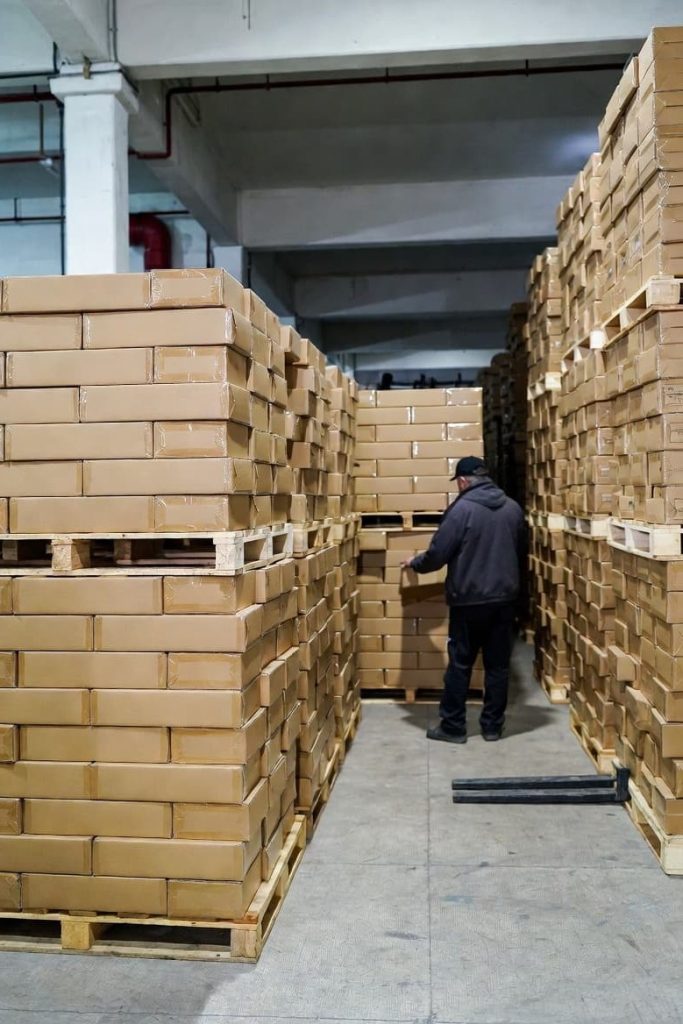
Many audit failures originate long before the auditor arrives. In most cases, the root cause can be traced to inadequate preparation rather than inspection execution itself. Effective preparation begins once production is nearing completion. Quality teams should review shipment readiness, verify packing status, confirm documentation accuracy, and assess historical defect trends. The objective is to identify potential risks before they appear during official inspection.
Most successful footwear factories conduct internal pre-final inspections using the same standards that external auditors will apply. This internal verification allows quality teams to evaluate the shipment objectively and implement corrective actions before customer inspection begins. Preparation activities typically involve multiple departments. Production teams verify manufacturing completion.
Warehouse personnel confirm carton quantities and storage conditions. Packaging teams ensure labeling compliance. Quality departments review workmanship standards and perform verification checks.
Shipment readiness is particularly important. Auditors generally expect the lot to be substantially complete before inspection starts. Conducting an audit on a partially completed shipment can produce inaccurate results because later-produced pairs may contain different defect levels. Factories that establish structured audit readiness programs generally achieve higher pass rates because quality concerns are addressed proactively rather than reactively.
Key Control Points
- Complete internal pre-final inspections.
- Verify shipment readiness percentage.
- Review packaging compliance.
- Confirm documentation accuracy.
Pro Tip: Maintain a digital AQL dashboard that tracks: Audit pass rates, Top defect categories, Line-wise performance, Supplier quality trends, CAPA effectiveness, Repeat audit failures. This information often reveals improvement opportunities before customers notice quality issues.

Defect Classification in Footwear Manufacturing
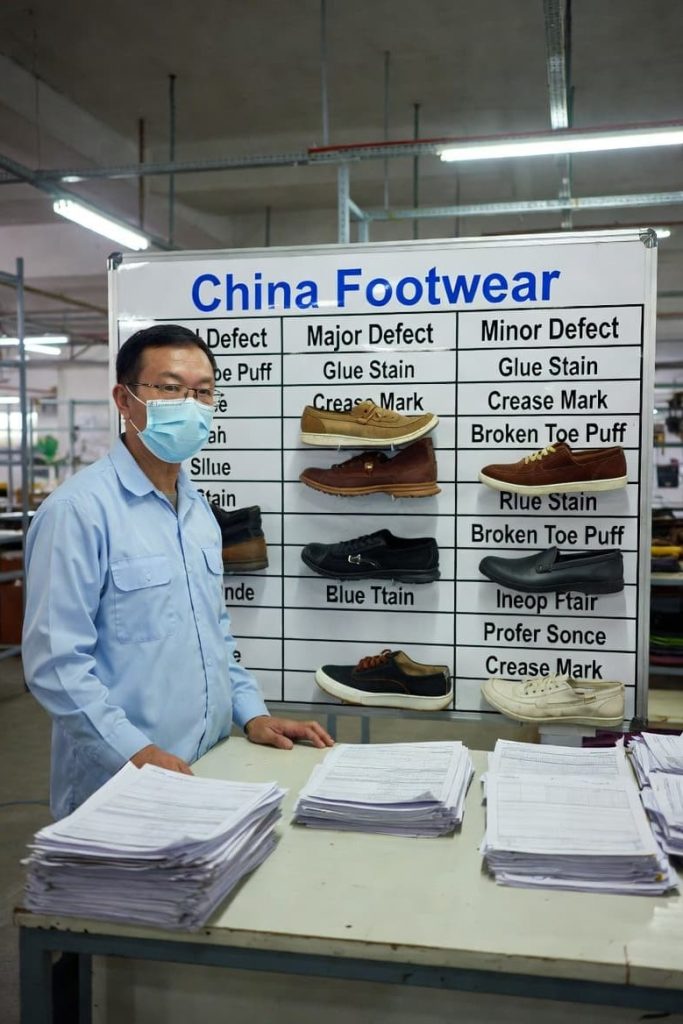
Defect classification forms the foundation of every Final AQL Audit. Without a standardized classification system, auditors would struggle to evaluate findings consistently, and shipment approval decisions would become subjective.
In footwear manufacturing, defects are typically categorized as critical, major, or minor based on their severity and potential impact on the customer. Each category carries different acceptance criteria and influences the final audit outcome differently.
Critical defects represent the highest level of concern because they involve safety risks, regulatory violations, or conditions that could potentially harm the consumer. Most footwear brands apply a zero-tolerance approach to critical defects. A single critical defect is often sufficient to fail the entire shipment.
Major defects are less severe than critical defects but still significantly affect product usability, performance, durability, or customer satisfaction. Examples may include open bonding, incorrect sizing information, significant stitching failures, or component misalignment. Because major defects directly influence product quality, they receive considerable attention during audits. Minor defects generally involve cosmetic imperfections that do not significantly affect product functionality.
Small glue marks, minor appearance inconsistencies, or slight finishing issues often fall into this category. Although minor defects are less serious individually, excessive quantities may still result in shipment rejection.
Consistent defect classification requires detailed auditor training and clear customer-approved defect manuals. The same defect should always receive the same classification regardless of who performs the inspection. This consistency is essential for maintaining confidence in the audit process. Ultimately, defect classification transforms individual observations into measurable quality data that supports objective shipment approval decisions.
Key Control Points
- Follow customer-approved defect manuals.
- Train auditors regularly.
- Maintain classification consistency.
- Review disputed defects promptly.

Conducting the Final Footwear Inspection
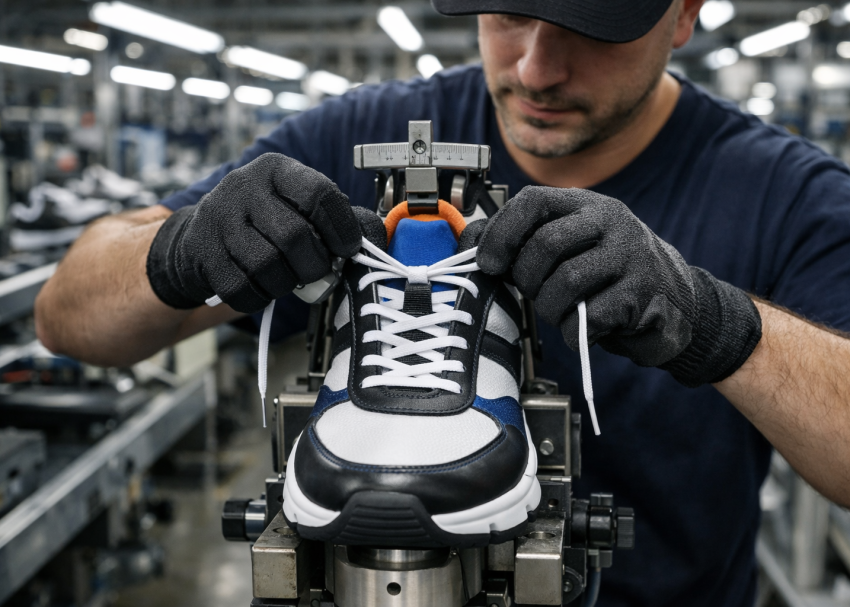
Once the shipment has been prepared, the sampling plan established, and the inspection samples selected, the actual audit begins. This stage represents the most visible part of the Final AQL process because it is where auditors evaluate the physical product against customer expectations and approved standards.
Although many people associate AQL audits with simply counting defects, a professional footwear inspection is far more comprehensive. Auditors examine the footwear from multiple perspectives, compare it against approved references, verify functionality, assess packaging compliance, and evaluate workmanship consistency across the selected sample.
The objective is not merely to identify defective pairs. Instead, auditors seek to determine whether the overall shipment quality level is acceptable for customer release. A systematic inspection sequence helps ensure consistency. Most auditors begin by reviewing approved reference samples and technical specifications before examining the selected footwear. This step establishes a clear benchmark and minimizes subjective judgments.
Throughout the inspection process, findings are documented immediately. Delayed recording increases the risk of errors and can compromise audit integrity. Therefore, disciplined documentation practices are just as important as the physical inspection itself.
Key Control Points
- Verify approved references before inspection.
- Follow a standardized inspection sequence.
- Record findings immediately.
- Maintain sample traceability throughout the audit.


Visual Quality Assessment
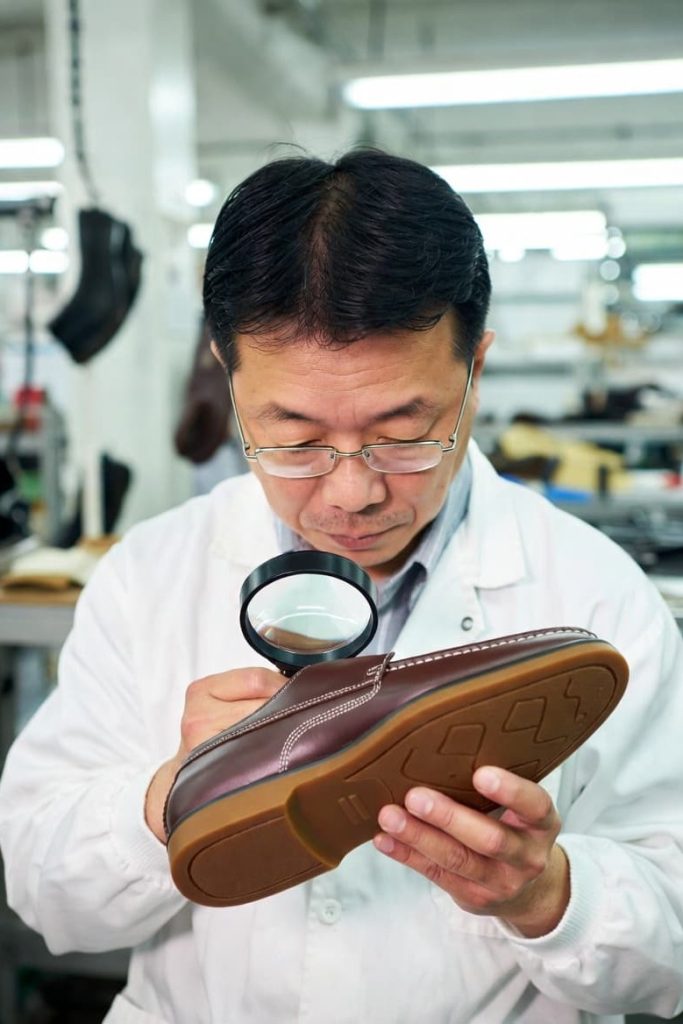
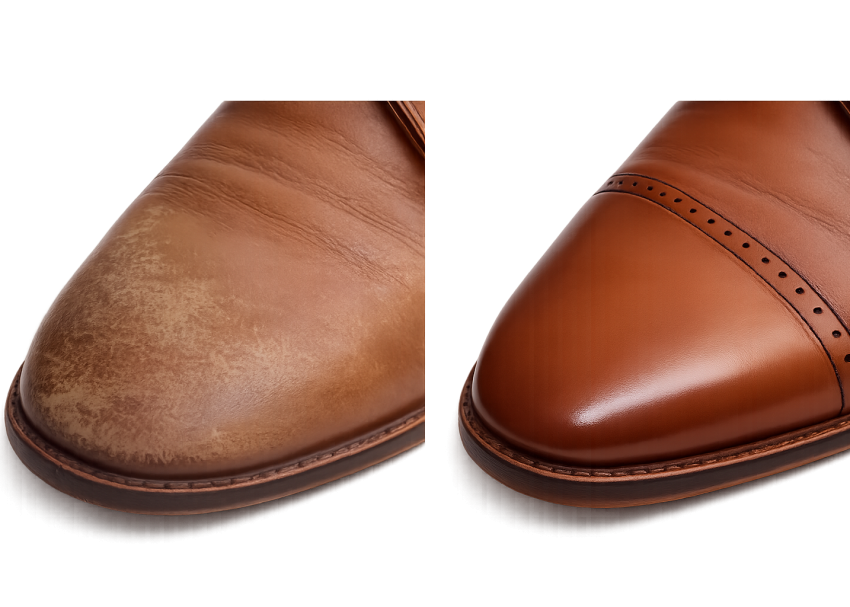
Visual appearance remains one of the most influential factors affecting consumer perception of footwear quality. Even when a shoe performs perfectly, visible workmanship issues can significantly reduce customer satisfaction. For this reason, visual inspection receives considerable attention during Final AQL audits.
Auditors evaluate footwear under controlled lighting conditions to ensure consistent defect detection. The examination typically covers all visible surfaces, including the vamp, quarter, tongue, collar, heel area, outsole, midsole, lining, and branding elements.
Rather than searching for isolated flaws, inspectors assess the overall presentation of the product. They examine whether the footwear reflects the quality level expected by the customer and whether workmanship remains consistent throughout the inspected sample.
Common appearance concerns include surface contamination, scratches, material damage, glue marks, wrinkles, color inconsistencies, poor finishing, and branding defects. While some issues may appear minor individually, repeated occurrence across multiple samples often indicates inadequate process control.
Visual inspection also provides insight into upstream manufacturing performance. For example, recurring cosmetic defects may suggest weaknesses in material handling procedures, assembly operations, finishing processes, or packaging controls.
Key Control Points
- Inspect under approved lighting conditions.
- Evaluate all visible footwear surfaces.
- Compare appearance with approved samples.
- Record cosmetic defects consistently.


Construction Quality Evaluation
While appearance influences first impressions, construction quality determines how well the footwear performs throughout its service life. Construction evaluation focuses on how effectively individual components have been assembled into a finished product. Auditors examine structural integrity, component alignment, assembly accuracy, and overall workmanship quality.
One of the primary objectives is to confirm that manufacturing processes have produced a stable and durable product. Even small construction inconsistencies can eventually develop into customer complaints if left undetected.
Inspectors carefully review stitching quality, upper assembly, lasting performance, sole attachment, component positioning, and symmetry between left and right shoes. Particular attention is given to areas that experience repeated stress during normal wear.
The evaluation also considers overall product balance. A shoe may satisfy dimensional requirements yet still exhibit construction inconsistencies that affect appearance or performance. Therefore, auditors assess the product as a complete system rather than as a collection of individual components.
Construction quality often reflects the effectiveness of process controls established during stitching, lasting, assembly, and finishing operations. Consequently, recurring construction defects frequently indicate broader manufacturing issues that require investigation.
Key Control Points
- Verify structural integrity.
- Evaluate component alignment.
- Compare left and right shoe consistency.
- Review workmanship throughout the entire shoe.
Sole Bonding and Assembly Integrity Assessment
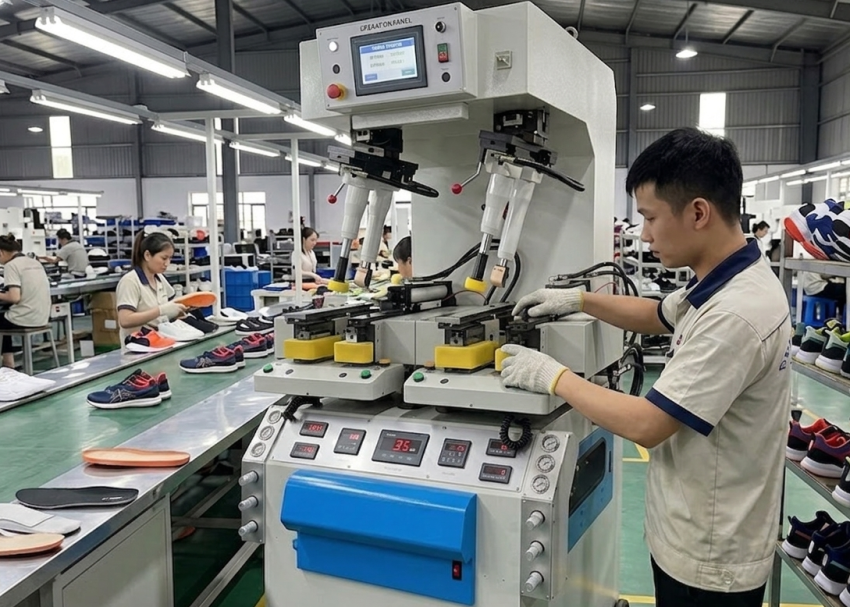
Among all assembly characteristics, sole bonding quality remains one of the most important evaluation criteria during Final AQL inspections. Consumers expect footwear to maintain its structural integrity throughout normal use. Therefore, even minor indications of bonding weakness can create significant concerns regarding product durability.
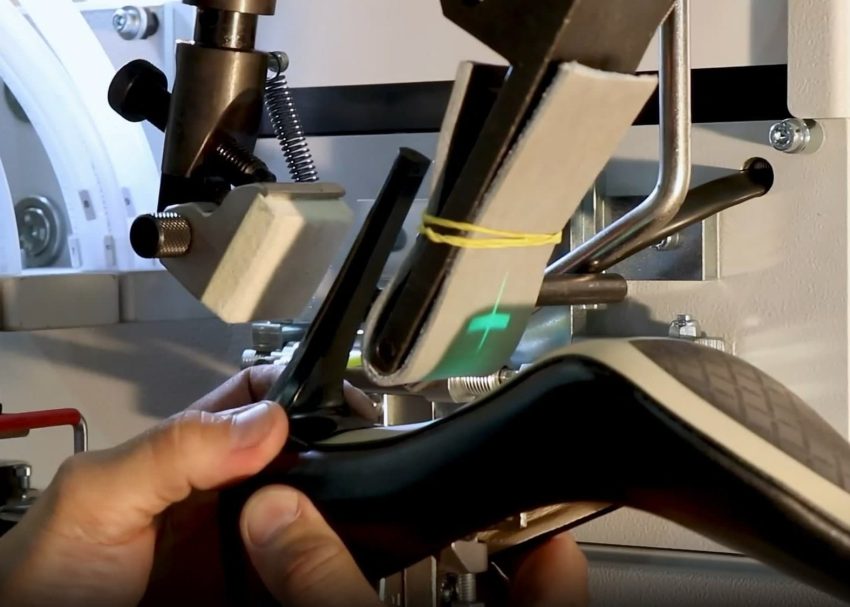
Auditors inspect the entire bonding perimeter of the footwear, paying particular attention to high-flex and high-stress zones. These areas often include the toe region, ball area, waist section, and heel seat. The objective is to identify early signs of separation, incomplete adhesive coverage, lifting edges, irregular bonding lines, or other conditions that may compromise performance. In many cases, inspectors also perform manual flexing to assess bonding stability.
Strong bonding performance is rarely achieved by chance. It typically reflects effective control of adhesive preparation, activation temperatures, pressing parameters, material storage conditions, and operator practices. When bonding defects appear repeatedly during Final AQL audits, factories should investigate upstream assembly processes immediately because these issues often originate well before final inspection.
Key Control Points
- Inspect the complete bonding perimeter.
- Focus on high-stress flex areas.
- Evaluate bonding consistency.
- Document all separation-related findings.
Measurement Verification and Specification Compliance
A footwear product may appear visually acceptable and still fail inspection if critical dimensions fall outside approved tolerances. Measurement verification therefore serves as an important confirmation that the footwear complies with customer specifications and fit requirements.
Auditors verify selected dimensions according to approved measurement methods. Consistency is critical because different measurement techniques can produce different results. Measurements commonly reviewed include overall length, width-related dimensions, collar height, tongue dimensions, sole thickness, heel height, and other customer-defined characteristics.
Beyond technical compliance, dimensional accuracy directly affects consumer satisfaction. Consistent sizing improves fit reliability and reduces product returns, particularly for global brands that sell footwear across multiple markets.
Factories that maintain strong process capability generally experience fewer dimensional issues during final inspections because specification control is integrated throughout production rather than being left solely to end-stage verification.
Key Control Points
- Use calibrated measuring equipment.
- Follow approved measurement procedures.
- Apply specified tolerances consistently.
- Document all dimensional deviations.


Functional Testing of Finished Footwear
Visual and dimensional compliance alone cannot guarantee product performance. Therefore, Final AQL audits also include functional evaluations designed to confirm that the footwear operates as intended. Functional testing varies according to product type, customer requirements, and footwear category. However, the underlying objective remains consistent: verifying that the consumer can use the product without difficulty.
Auditors evaluate closure systems, fastening components, adjustment mechanisms, branding attachments, and other functional features incorporated into the footwear design. For example, lace systems should operate smoothly, hook-and-loop fasteners should engage properly, zippers should function without obstruction, and decorative components should remain securely attached.
The inspection also confirms that all accessories supplied with the footwear are present and correctly installed. Functional failures often create significant customer dissatisfaction because they directly affect usability. Consequently, many brands classify functional issues as major defects even when visual appearance remains acceptable.
Key Control Points
- Verify operation of all functional components.
- Confirm accessory completeness.
- Evaluate closure systems carefully.
- Record usability-related concerns accurately.
Packaging and Carton Inspection
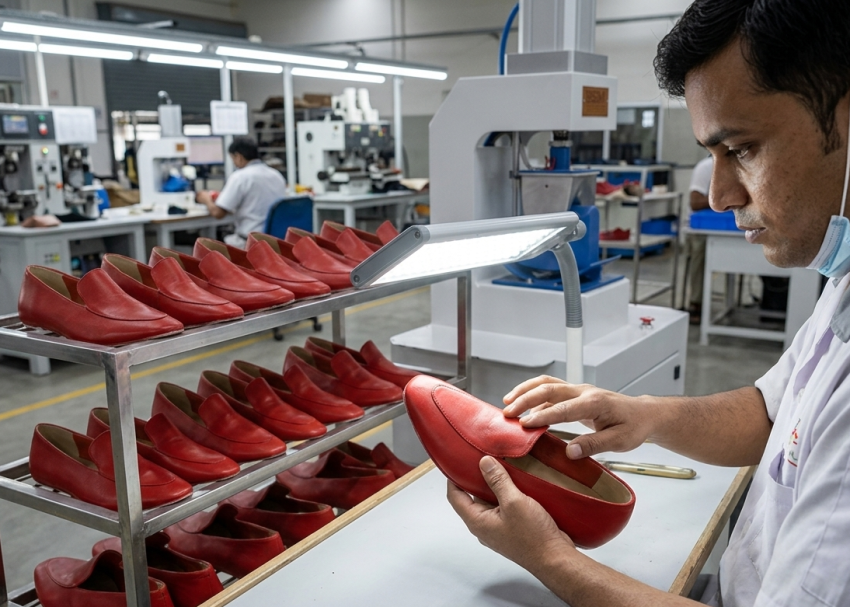
The quality journey does not end with the footwear itself. Packaging quality plays an important role in protecting the product throughout transportation, warehousing, retail handling, and consumer delivery. Auditors therefore inspect both internal packaging and external shipping cartons.
The internal packaging review confirms compliance with approved specifications. Tissue paper, stuffing materials, polybags, silica gel packets, information inserts, and hangtags are checked for accuracy and completeness.
Proper packaging protects footwear appearance and helps ensure customers receive products in acceptable condition. Packaging also contributes to the overall consumer experience and brand perception.
Carton inspections focus on logistics compliance and shipment protection. Auditors verify carton construction quality, shipping marks, destination information, barcode labels, quantity markings, and sealing integrity. Incorrect carton information can create warehouse handling errors, customs delays, and distribution problems even when product quality is acceptable. For this reason, packaging and carton verification remain essential components of every Final AQL Audit.
Key Control Points
- Verify packaging specification compliance.
- Confirm accessory completeness.
- Review shipping marks and labels.
- Check carton integrity and sealing quality.

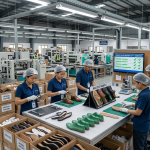
Audit Decision and Shipment Release
After all inspection activities have been completed, auditors consolidate the findings and compare defect counts against the applicable acceptance criteria. This stage determines whether the shipment can proceed to the next step of the export process.
The decision must remain objective and strictly follow the approved sampling plan. Production schedules, delivery pressures, and commercial considerations should never influence the outcome.
If defect levels remain within allowable limits, the shipment passes inspection and can proceed toward final release documentation. A successful audit provides confidence that the shipment meets customer expectations and agreed quality standards.
If defect levels exceed rejection criteria, the shipment fails and must enter the corrective action process. The Final AQL Audit therefore serves as the ultimate quality gate before shipping documentation is finalized and goods are released for export.
Key Control Points
- Document final disposition clearly.
- Verify defect calculations.
- Follow approved acceptance criteria.
- Maintain objective decision-making.
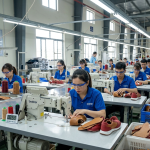

Managing Audit Failures and Re-Inspection Activities
Despite extensive quality controls, audit failures occasionally occur. When this happens, the factory’s response becomes critically important. The first priority is containment. The affected shipment should be immediately segregated to prevent accidental release. Relevant stakeholders must be informed, and the findings reviewed in detail.
Most customers require 100% re-inspection following an AQL failure. Unlike statistical sampling, this process involves evaluating every pair within the affected lot. The objective is to identify and remove all defects associated with the failure category. Depending on the issue, corrective actions may involve cleaning, re-labeling, repairing, re-gluing, replacing components, or updating packaging.
Although re-inspection increases costs, it also provides an opportunity to gather valuable information regarding process weaknesses and recurring quality concerns. Factories that treat audit failures as learning opportunities generally achieve stronger long-term quality performance than those focused solely on passing the next inspection.
Key Control Points
- Maintain detailed rework records.
- Segregate failed lots immediately.
- Perform complete re-inspection.
- Verify corrective action effectiveness.


CAPA and Continuous Improvement
A strong Corrective and Preventive Action (CAPA) system transforms audit findings into long-term process improvements. Corrective actions address existing problems, while preventive actions reduce the likelihood of future recurrence. Together, they form the foundation of sustainable quality management.
Following an audit failure, quality teams should investigate root causes rather than focusing solely on symptom correction. Tools such as 5 Why Analysis, Fishbone Diagrams, Pareto Analysis, and Process Mapping can help identify underlying process weaknesses.
The most effective CAPA programs involve multiple departments because quality issues rarely originate from a single source. Materials, machines, methods, manpower, environmental conditions, and measurement systems may all contribute to audit findings. When implemented correctly, CAPA activities reduce defect rates, improve process stability, and strengthen future audit performance.
Key Control Points
- Monitor recurring defect trends.
- Investigate root causes thoroughly.
- Assign clear action ownership.
- Verify corrective action effectiveness.


Using Digital AQL Systems for Quality Excellence
Modern footwear manufacturers increasingly use digital AQL systems to transform audit results into strategic business intelligence. Traditionally, audit reports were archived after shipment approval. Today, leading factories recognize that these reports contain valuable information capable of driving continuous improvement.
A centralized digital database allows organizations to track defect trends across factories, production lines, styles, materials, suppliers, operators, and time periods. This broader perspective helps identify recurring issues that may not be visible when reviewing individual audits.
The greatest value comes from traceability. When audit findings are linked to production shifts, machines, material batches, and process conditions, quality teams can identify root causes much faster and implement more targeted improvements. This approach aligns perfectly with the continuous improvement culture adopted by many world-class footwear manufacturers.
Key Control Points
- Link findings to production sources.
- Standardize defect coding systems.
- Maintain centralized quality databases.
- Track defect trends continuously.


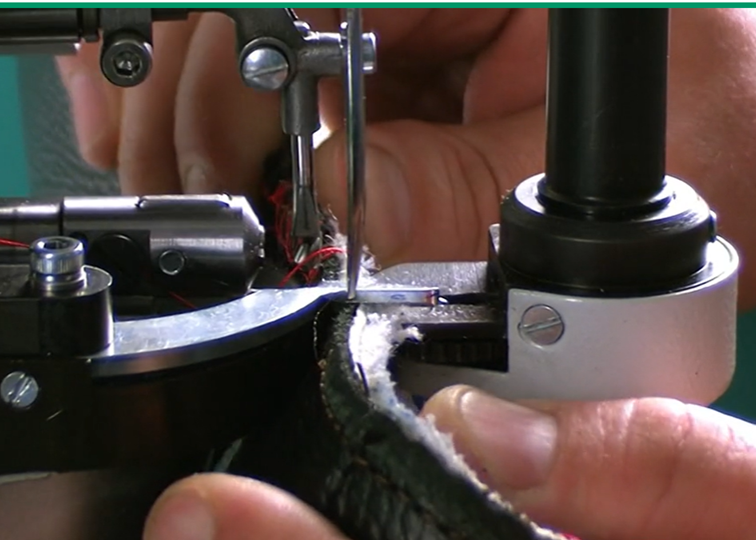
Conclusion
The Final AQL Audit represents the final confirmation that a footwear shipment is ready for the global marketplace. It verifies that finished products satisfy customer expectations, comply with approved specifications, and meet established quality standards before export release.
More importantly, the audit reflects the effectiveness of the entire manufacturing system. Strong audit performance typically indicates robust process controls throughout stitching, assembly, finishing, packing, and shipment preparation. Conversely, recurring failures often reveal opportunities for improvement within upstream operations.
The most successful footwear manufacturers view AQL audits as more than shipment approval activities. They use audit findings to strengthen quality systems, improve process capability, reduce defects, and enhance customer satisfaction.
In the next article of the Full Shoe Assembly Series, we will discuss Documentation & Shipping Readiness in Footwear Manufacturing, covering export documentation, shipment approvals, compliance requirements, logistics coordination, container readiness, and final dispatch controls before footwear products leave the factory.

Frequently Asked Questions (FAQs)
What is the purpose of a Final AQL Audit?
- To determine whether a completed shipment meets agreed quality standards before shipment release.
What does AQL mean?
- Acceptable Quality Limit, the maximum defect level considered acceptable within a production lot.
Why is random sampling important?
- It ensures statistically valid results and prevents inspection bias.
What happens if a shipment fails AQL inspection?
- The shipment is segregated, re-inspected, corrected, and typically re-audited before release.
What are critical defects?
- Defects involving safety risks, regulatory non-compliance, or conditions that may harm consumers.
Why do brands monitor supplier AQL performance?
- Audit performance is often used to evaluate supplier quality capability and reliability.
How can factories improve audit pass rates?
Through stronger process controls, internal audits, CAPA implementation, operator training, and digital defect tracking.