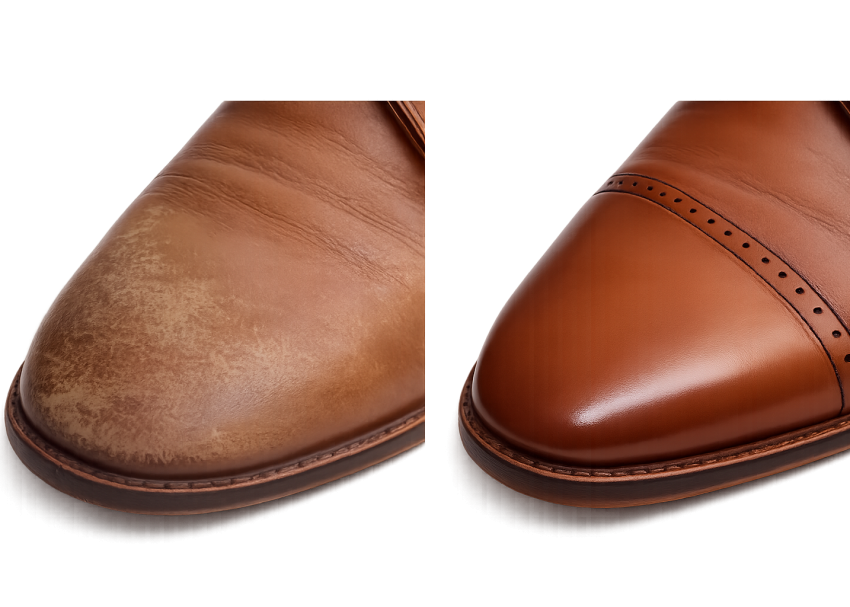
Intermediate Finishing (Creams / Sprays / Dyes) in Footwear Manufacturing – Full Shoe Assembly Series
IIn the previous blog, Ironing / Wrinkle Chasing in Footwear Manufacturing – Full Shoe Assembly Series, we discussed how factories remove wrinkles and upper distortion after lasting operations. However, even after wrinkle correction, the upper may still show shade variation, edge fading, handling marks, or surface dullness. Therefore, footwear factories perform intermediate finishing before final finishing and packing.
Intermediate finishing is a controlled cosmetic correction process where operators apply creams, sprays, dyes, or restorative chemicals to improve upper appearance and restore visual consistency. Although the process mainly improves aesthetics, it also affects outsole bonding reliability because finishing chemicals can contaminate cement margins if applied incorrectly.
Leather footwear especially requires intermediate finishing because lasting and heat exposure often reduce surface richness. Similarly, synthetic uppers may develop whitening marks or uneven gloss after assembly handling.
Modern footwear factories treat intermediate finishing as a controlled technical process requiring proper masking, brush selection, polishing speed, viscosity control, spray direction, and drying stability. Premium brands expect clean edges, uniform appearance, and excellent left-right consistency across all pairs.
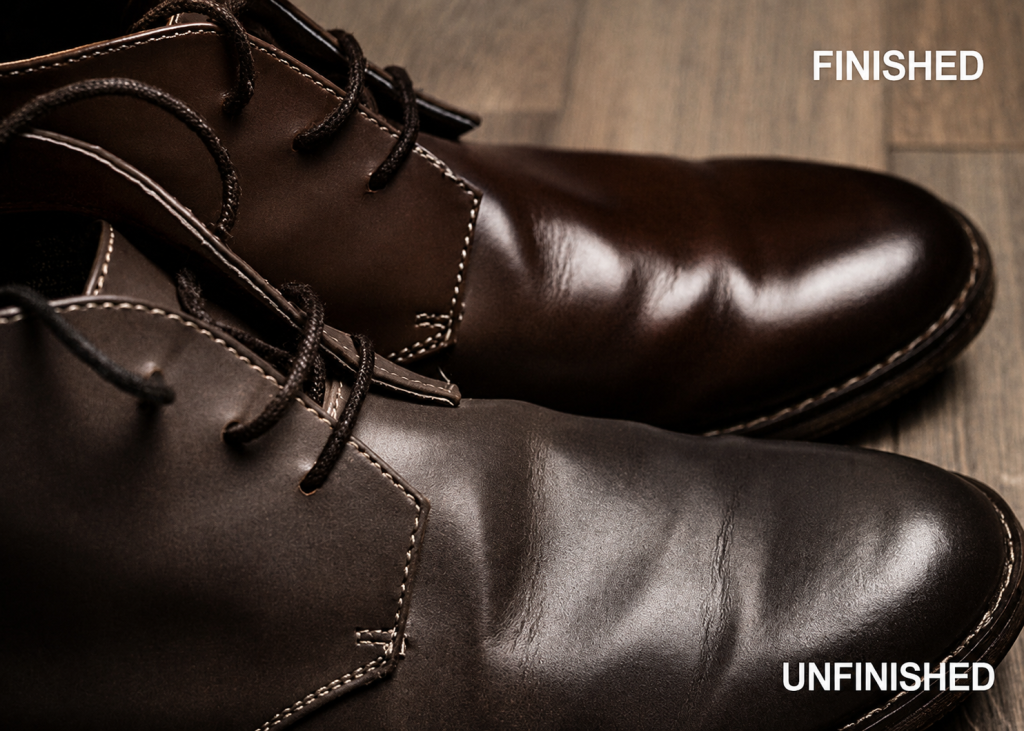
Importance of Intermediate Finishing in Footwear Manufacturing
Intermediate finishing improves the commercial appearance of footwear before final inspection. During assembly, the upper passes through heating, stretching, cementing, and repeated handling operations. Consequently, the surface may lose its original visual consistency.
Leather footwear may appear dry or faded after heat exposure, while synthetic materials may show pressure whitening or dullness. Therefore, factories use creams, sprays, and dyes to restore cosmetic quality and improve uniformity.
The process also reduces rejection rates because operators can correct minor cosmetic imperfections before packing. Additionally, appearance quality strongly influences customer perception, especially in premium footwear categories. Intermediate finishing improves – Surface richness, shade consistency, Edge appearance, Product presentation & Final acceptance rate.
However, excessive finishing may create artificial appearance or bonding issues. Therefore, factories maintain strict finishing standards and operator training systems.
Key Control Points
- Verify left-right shade consistency
- Prevent bonding margin contamination
- Follow approved finishing standards
- Reject major defects before correction
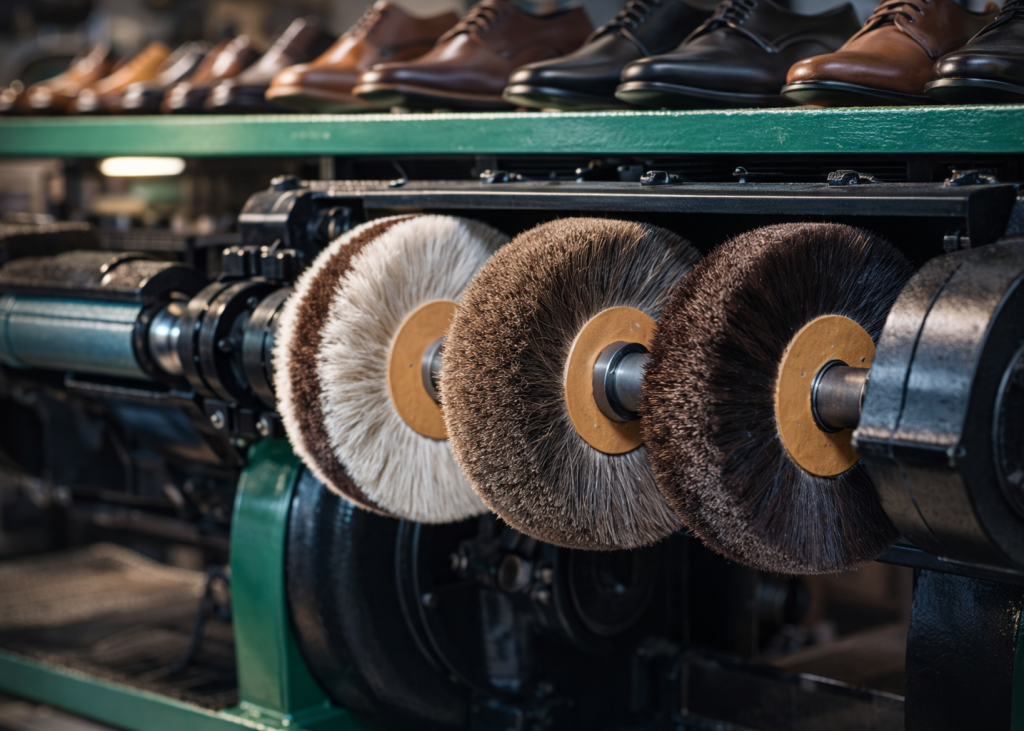
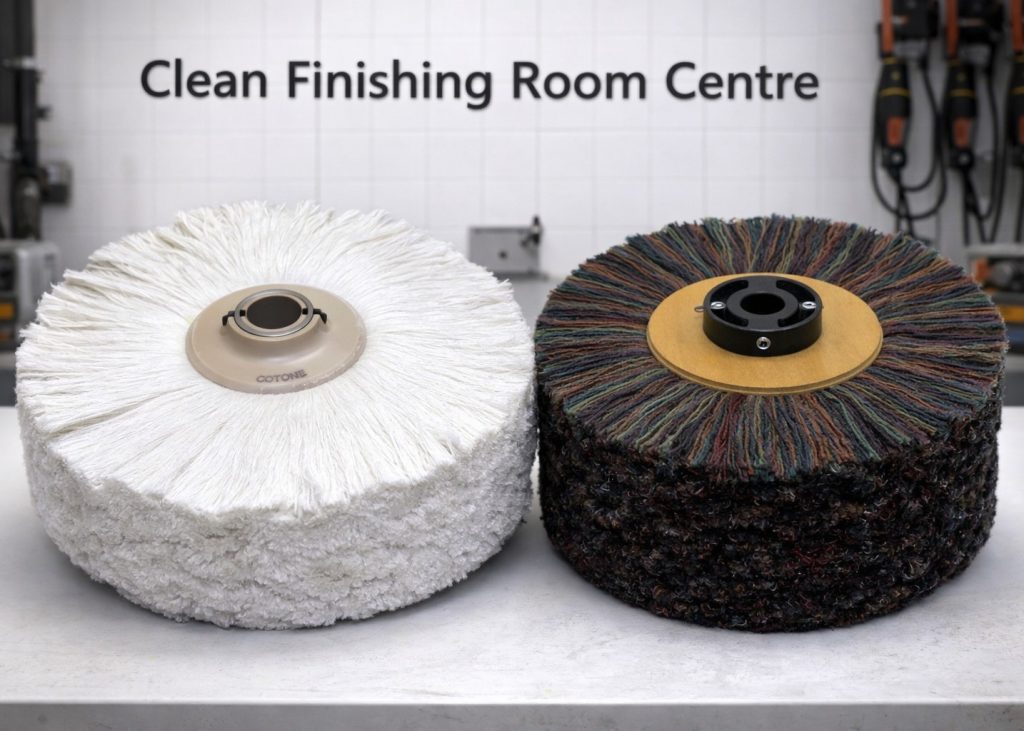
Expert Tip: Use soft cotton brushes for gloss polishing and hard cotton brushes for burnishing operations.

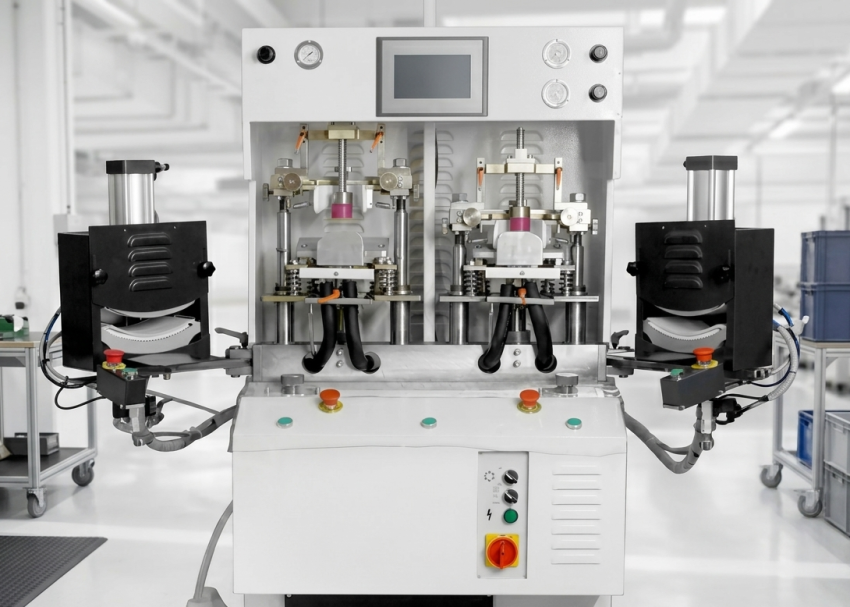
Surface Preparation Before Intermediate Finishing
Surface preparation is critical because finishing quality depends heavily on upper cleanliness and material condition. Even high-quality chemicals cannot produce stable results if the upper contains dust, cement stains, oil marks, or handling contamination.
Before finishing begins, operators inspect the upper under controlled lighting conditions. This inspection identifies cosmetic defects requiring correction before chemicals are applied. The inspection focuses on – Surface contamination, Shade inconsistency, Handling marks, Edge fading, Stitch discoloration & Cement residue.
After inspection, operators clean the upper using microfiber cloths, compressed air, soft brushes, or approved cleaning solutions. Factories avoid aggressive cleaning because excessive rubbing may damage leather grain or delicate materials. Temperature stabilization is equally important. If the upper remains too hot after heat treatment, finishing chemicals may evaporate too quickly and create uneven absorption.
Humidity also affects process stability. High humidity slows drying, while extremely dry conditions may create uneven surface appearance. Proper preparation improves – Chemical absorption, Shade blending, Surface smoothness & Appearance uniformity.
Key Control Points
- Remove all dust before finishing
- Stabilize upper temperature properly
- Use approved cleaning materials only
- Maintain clean workstations
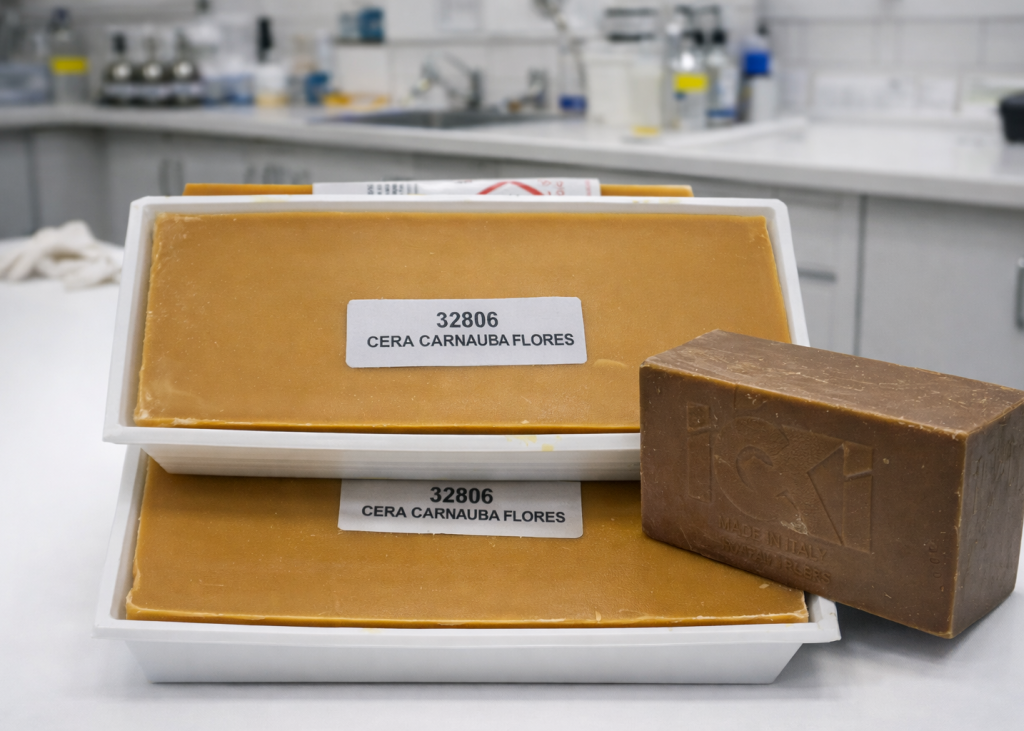
Pro Tip: Always compare left and right shoes under identical lighting conditions before approving finishing quality.
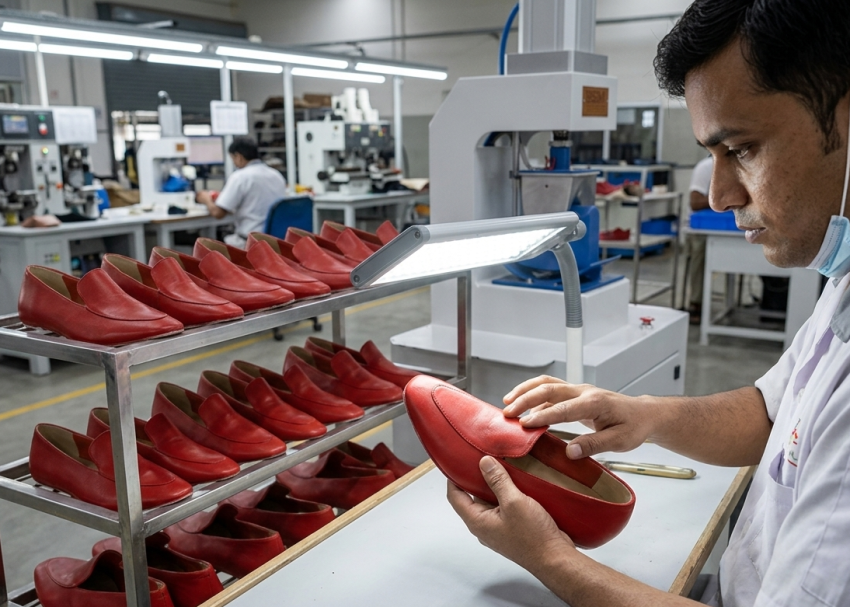
Application of Finishing Creams in Footwear Manufacturing
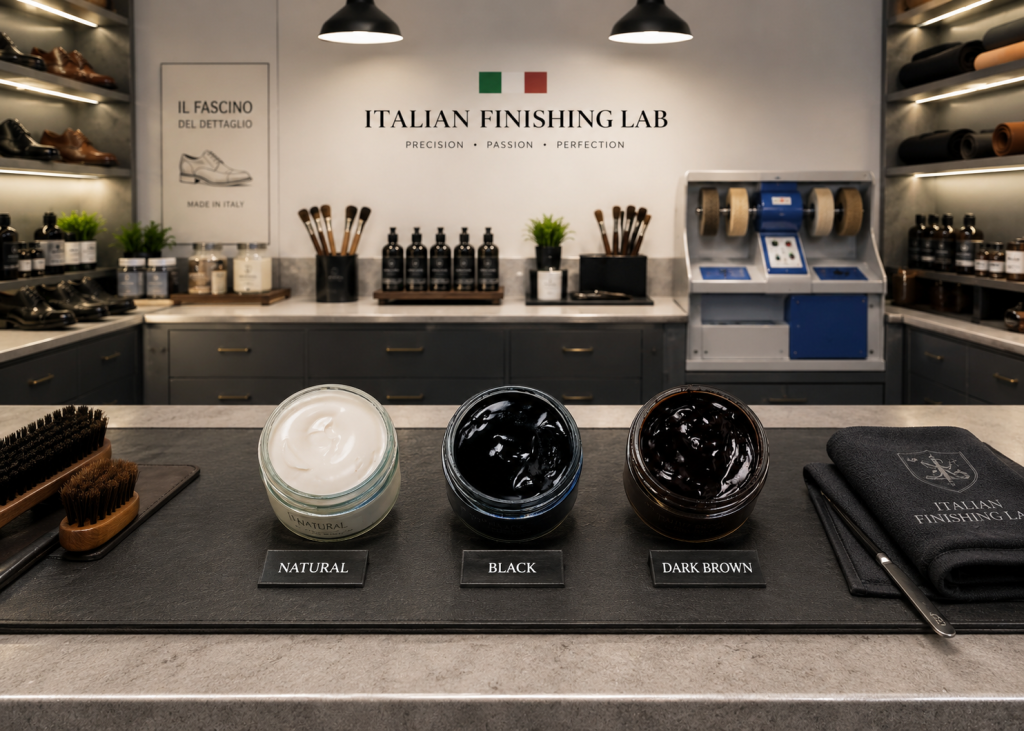
Finishing creams are widely used in leather footwear manufacturing to restore richness, improve smoothness, and enhance upper appearance after assembly operations. During lasting and heating, leather surfaces may become dry or slightly faded. Therefore, factories apply finishing creams to recover premium appearance quality.
Cream application is usually performed manually because operators need precise control over quantity and blending quality. Depending on the product category, factories use sponge pads, cotton cloths, foam applicators, or polishing brushes. Finishing creams are commonly used for – Full-grain leather footwear, Burnished Shoes, Formal Leather Shoes, Premium fashion Footwear.
Operators apply a controlled quantity evenly across the upper using circular hand movements. Uniform pressure is important because inconsistent rubbing creates uneven gloss and patch formation. After application, shoes remain under controlled drying conditions before buffing begins. Buffing removes excess residue and improves gloss consistency.
Improper cream application may create – Sticky surfaces, Dark Patches, Excessive gloss, Uneven appearance. Therefore, factories train operators carefully and compare finished shoes against approved standards during production.
Key Control Points
- Apply cream in thin layers
- Maintain equal treatment on both shoes
- Avoid excessive rubbing pressure
- Perform controlled buffing after drying
Pro Tip: Use multiple thin spray coats instead of one heavy application because thin layers improve blending quality and drying stability.
Brush Selection and Polishing Systems in Footwear Finishing
Brush selection directly affects gloss quality, surface smoothness, burnishing effect, and overall cosmetic consistency. Different brush materials produce different finishing effects. Therefore, factories select brushes according to leather type, finish requirement, and polishing operation.
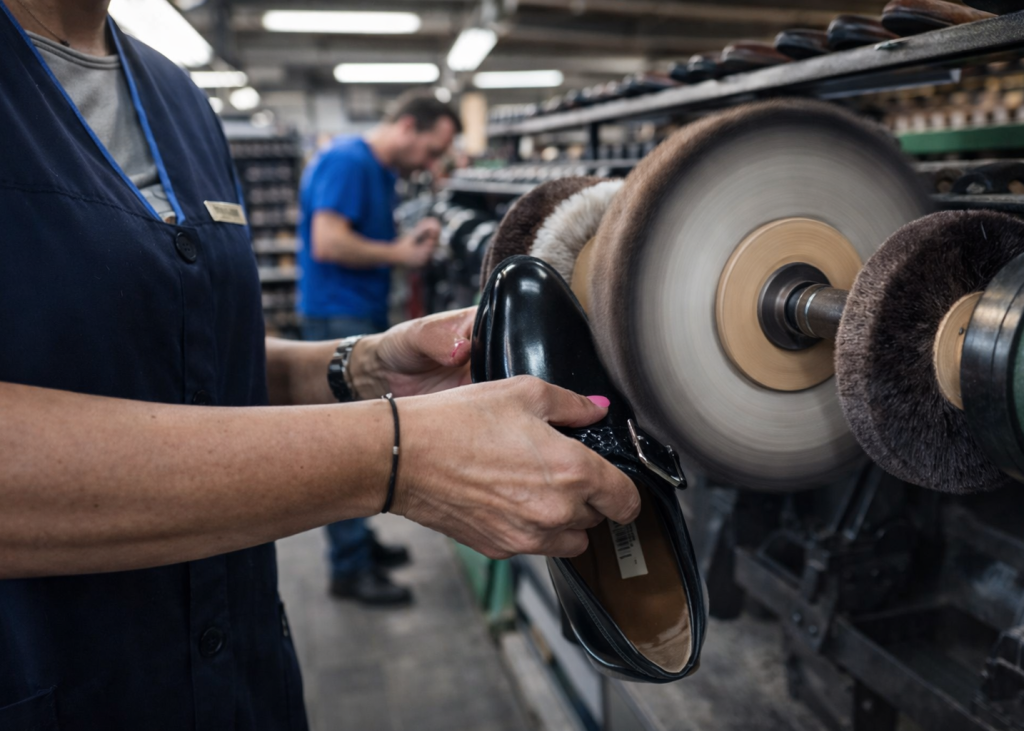
Premium footwear factories commonly use horsehair, nylon, sisal, and cotton brushes during intermediate finishing and polishing operations. Horsehair brushes are soft and flexible. They are mainly used for premium leather polishing because they improve gloss without damaging natural grain appearance. These brushes are suitable for formal shoes and luxury leather footwear.
Nylon brushes provide stronger surface contact and are mainly used for synthetic materials, edge cleaning, or heavier polishing operations. Excessively hard nylon may scratch delicate leather surfaces. Sisal brushes are more aggressive and are mainly used for heavy wax leveling or edge preparation. Factories avoid using sisal on delicate finished leather because friction may damage the finish layer.
Cotton brushes are widely used during final buffing and gloss correction. However, cotton brushes also vary according to hardness and density. Soft cotton brushes are mainly used for, High-gloss polishing, Final buffing, Luxury leather finishing, Shine enhancement
Soft cotton creates smooth gloss development without generating excessive friction heat. Hard cotton brushes are commonly used for, Burnishing operations, Wax leveling, Antique finishing, Heavy cream polishing
Hard cotton produces stronger friction and deeper polishing effect, which helps create darker burnished appearance on premium leather footwear. Factories also control polishing machine speed carefully because excessive RPM generates heat and may damage upper finish. Typical polishing speeds:
- Soft leather polishing: 600–900 RPM
- Standard leather buffing: 900–1200 RPM
- Synthetic polishing: 1200–1800 RPM
- Heavy burnishing: 1800–2500 RPM
Excessive speed may create, Surface burns, Excessive gloss, Shade darkening, Wax smearing. Low speed may produce inconsistent gloss and weak polishing quality.
Key Control Points
- Match brush hardness with leather type
- Use soft cotton for gloss polishing
- Use hard cotton for burnishing effects
- Verify polishing RPM before production

Pro Tip: Replace contaminated masking templates immediately because chemical transfer reduces outsole adhesion reliability.

Spray Finishing Operations in Footwear Manufacturing
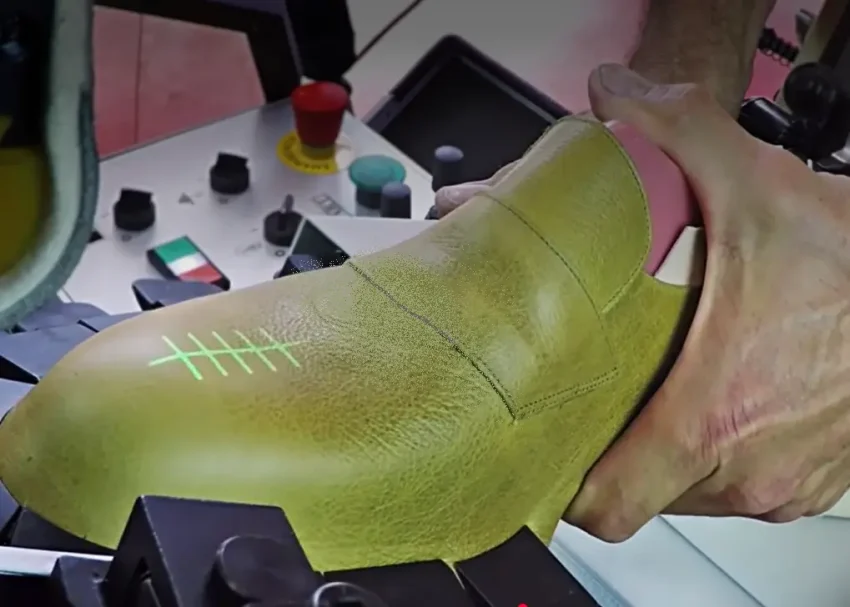
Spray finishing provides fast and uniform cosmetic correction during footwear assembly. Factories use spray systems to improve upper appearance, restore shade consistency, and correct minor surface defects.
Spray finishing materials include pigmented sprays, matte coatings, gloss correction sprays, and protective coatings. Operators apply these materials using pneumatic spray guns or automated robotic spray equipment.
During spray application, operator technique directly affects cosmetic consistency. The spray gun must move at stable speed while maintaining proper overlap between spray passes. Factories carefully control, Spray pressure, Gun distance, Spray angle, Airflow direction, Chemical viscosity
If the spray gun remains too close, excessive chemical concentration creates wet spots or dark shading. Conversely, excessive distance produces rough texture.
Spray booths usually contain controlled ventilation systems that stabilize airflow and remove overspray particles. Premium factories often apply multiple thin layers instead of one heavy coat because thin applications provide smoother blending and better drying stability.
Spray finishing commonly corrects, Surface dullness, Pressure whitening, Minor shade mismatch, Edge fading. However, overspray contamination remains a major risk. Therefore, factories implement strict masking systems and airflow controls.
Key Control Points
- Maintain stable spray movement
- Apply multiple thin layers
- Control airflow carefully
- Prevent overspray contamination
Pro Tip: Maintain separate finishing stations for dark and light colors to reduce contamination risk.
Dye Application and Edge Color Restoration
Dye application focuses on localized cosmetic correction requiring deeper penetration and stronger color restoration. Unlike sprays, dyes penetrate the material surface and provide longer-lasting correction.
During lasting and trimming operations, exposed leather edges often lose original color depth and appear lighter than surrounding areas. Consequently, edge restoration becomes necessary to maintain premium appearance standards.
Factories commonly use dyes for, Cut edge coloring, burnishing effect, Scratch correction, Edge Restoration. Operators apply dyes using fine brushes, felt applicators, precision pens, or edge rollers depending on correction requirements.
Application accuracy is extremely important because uncontrolled dye spreading creates permanent cosmetic defects. Therefore, operators must maintain precise hand control and follow approved correction limits.
Drying control after dye application is equally important because wet dye may bleed into surrounding areas and create shade migration. Proper dye application improves, Edge richness, Surface depth, Cosmetic consistency, Premium appearance.
Drying control after dye application is equally important because wet dye may bleed into surrounding areas and create shade migration. Proper dye application improves, Edge richness, Surface depth, Cosmetic consistency, Premium appearance.
Key Control Points
- Verify dye compatibility before use
- Apply dye only on approved areas
- Prevent bleeding into adjacent surfaces
- Maintain left-right consistency
Pro Tip: Maintain separate finishing stations for dark and light colors to reduce contamination risk.
Masking and Protection of Bonding Margins
Masking protection is one of the most critical requirements during intermediate finishing because cosmetic chemicals can weaken outsole bonding if they contaminate cement margins. Factories commonly use masking tape, reusable templates, rubber shields, and edge masking films to isolate sensitive areas during finishing operations.
The masking system protects, Lasting margins, Outsole bonding zones, Strobel attachment areas, Sidewall cement surfaces. Without proper masking, finishing chemicals create surface barriers that reduce adhesive penetration. Consequently, outsole bonding strength decreases during wear testing and field usage.
Spray finishing operations require especially strict masking because airborne overspray particles can spread beyond visible application areas. Therefore, factories use enclosed spray booths and controlled airflow systems to reduce contamination risk. Masking also improves cosmetic precision by creating clean finishing boundaries.
Key Control Points
- Verify contamination-free bonding areas
- Protect all cement margins completely
- Inspect masking alignment before spraying
- Remove masking carefully after drying
Pro Tip: Allow leather footwear sufficient cooling time after heat treatment before applying creams or dyes.
Drying and Stabilization After Finishing Application
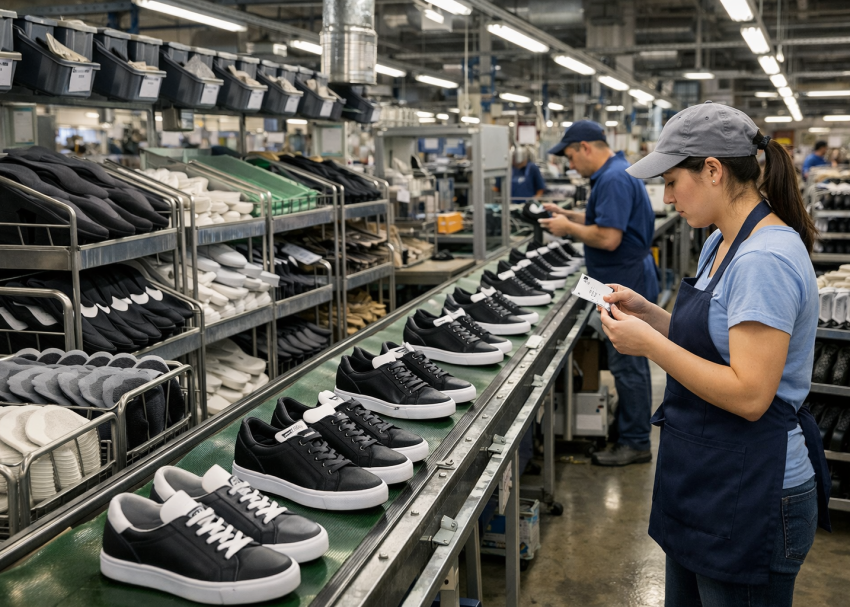
Drying stabilization directly affects finishing durability, shade consistency, and final appearance. Even properly applied creams or sprays may fail if drying conditions remain uncontrolled. After finishing application, shoes pass through ambient drying areas, heated tunnels, infrared systems, or controlled air circulation chambers depending on factory setup.
Factories carefully control drying conditions because excessive heat may damage upper materials and destabilize finishing layers. High temperatures can create gloss variation, cracking, or shade distortion. Conversely, insufficient drying leaves tacky surfaces that attract dust contamination and handling marks.
Drying parameters depend on, Chemical type, Layer thickness, Material absorption, Room humidity, Production speed. Leather footwear generally requires slower controlled drying because rapid heating may damage natural appearance characteristics. Proper drying improves, Finish durability, Surface smoothness, Shade stability, Cosmetic consistency
Drying parameters depend on, Chemical type, Layer thickness, Material absorption, Room humidity, Production speed. Leather footwear generally requires slower controlled drying because rapid heating may damage natural appearance characteristics. Proper drying improves, Finish durability, Surface smoothness, Shade stability, Cosmetic consistency
Key Control Points
- Verify complete drying before inspection
- Control drying temperature carefully
- Prevent dust contamination during curing
- Avoid premature handling
Common Defects in Intermediate Finishing
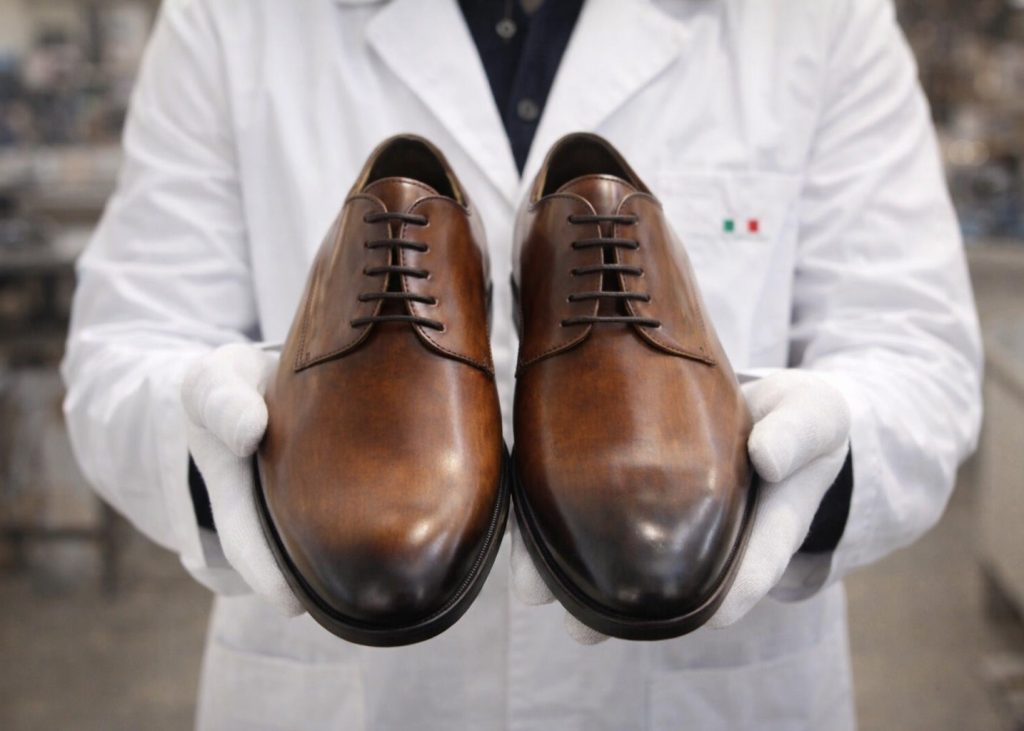
Intermediate finishing defects directly influence customer perception because cosmetic appearance strongly affects product acceptance. Overspray defects are among the most common finishing problems. These defects usually occur due to poor masking, unstable spray movement, or excessive spray pressure. Overspray contamination may also weaken outsole bonding if chemicals reach cement margins.
Patchy appearance is another common defect generated by uneven cream application or inconsistent spray overlap. Similarly, left-right shade mismatch represents a major rejection category in premium footwear manufacturing. Common finishing defects include, Overspray marks, Patchy appearance, Shade mismatch, Uneven gloss, Edge bleeding, Surface streaking.
Drying-related issues may also create whitening, finish cracking, or uneven reflection. Factories reduce defect rates through disciplined process control, operator training, standardized chemical mixing, and controlled lighting inspection.
Key Control Points
- Verify complete surface stabilization
- Inspect left-right pairs together
- Reject overspray immediately
- Monitor gloss consistency continuously
Conclusion
Intermediate finishing is an important cosmetic and technical operation in footwear manufacturing because it directly affects appearance quality, product acceptance, and outsole bonding reliability. The process restores surface uniformity, improves shade consistency, and corrects visual defects generated during assembly.
Successful finishing requires careful control of surface preparation, brush selection, polishing speed, chemical viscosity, masking systems, spray application, drying stabilization, and inspection procedures. When executed correctly, intermediate finishing significantly enhances the commercial value and premium appearance of footwear products.
In the next blog, we will discuss Heat Setting in Footwear Manufacturing – Full Shoe Assembly Series, where we will explain how controlled heat stabilizes upper shape and overall shoe structure before final inspection and packing.

Frequently Asked Questions – FAQs
What is intermediate finishing in footwear manufacturing?
Intermediate finishing is a cosmetic correction process where factories apply creams, sprays, or dyes to improve upper appearance and shade consistency.
Why are different brushes used during polishing?
Different brush materials create different gloss, burnishing, and polishing effects depending on leather type and finish requirement.
What is the difference between soft and hard cotton brushes?
Soft cotton brushes are used for gloss polishing, while hard cotton brushes create stronger friction for burnishing and wax leveling.
Why is masking important during finishing operations?
Masking protects bonding margins from contamination that may weaken outsole adhesion.
What causes overspray defects?
Overspray defects usually result from poor masking, unstable spray movement, excessive pressure, or uncontrolled airflow.
Why do factories apply multiple thin spray layers?
Thin layers improve blending quality, drying consistency, and cosmetic smoothness.