Outsole Marking in Footwear Manufacturing – Full Shoe Assembly Series
Every successful outsole attachment begins long before adhesive is applied or pressing operations start. One of the key preparation steps is outsole marking, a process that creates the alignment references used throughout bottom assembly. While often viewed as a simple operation, outsole marking plays an important role in helping factories achieve consistent outsole positioning, balanced appearance, and repeatable assembly results across production batches.
As footwear designs become more complex, with sculpted sidewalls, visible cushioning systems, multi-density constructions, and intricate tread patterns, accurate positioning becomes increasingly important. A clearly defined marking line helps operators and automated equipment locate the outsole correctly, reducing variation and supporting consistency from pair to pair.
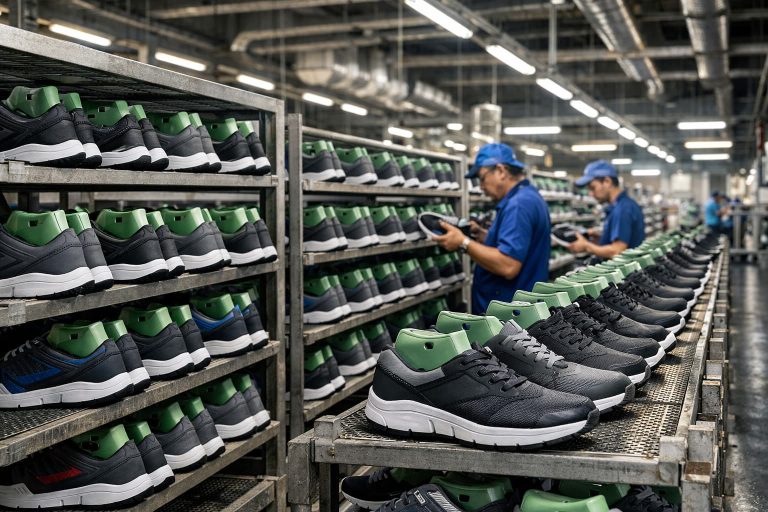
Modern footwear factories use a range of marking technologies based on production requirements. Smaller production environments may rely on manual marking methods, while high-volume manufacturing facilities often utilize automated 360° rotary marking systems equipped with precision controls and dedicated fixtures. Regardless of the method used, the objective remains the same: creating reliable reference points that support accurate assembly and quality control.
Outsole marking also serves as an important link between lasting operations and subsequent bottom assembly processes. The quality of the marking directly influences activities such as roughing, adhesive application, outsole positioning, and final visual inspection. For this reason, many manufacturers treat outsole marking as a process-control operation rather than a simple identification task.
Purpose of Outsole Marking in Footwear Manufacturing
Outsole marking establishes the exact reference location where the outsole must align with the lasted upper during sole attaching operations. The process transfers alignment geometry onto the upper bottom edge or sidewall area to guide precise outsole placement.
The marking line acts as a visual positioning reference for operators, robotic pressing systems, adhesive application zones, and quality inspectors. Without accurate marking, outsole placement becomes dependent on operator judgment, which increases assembly variation significantly.
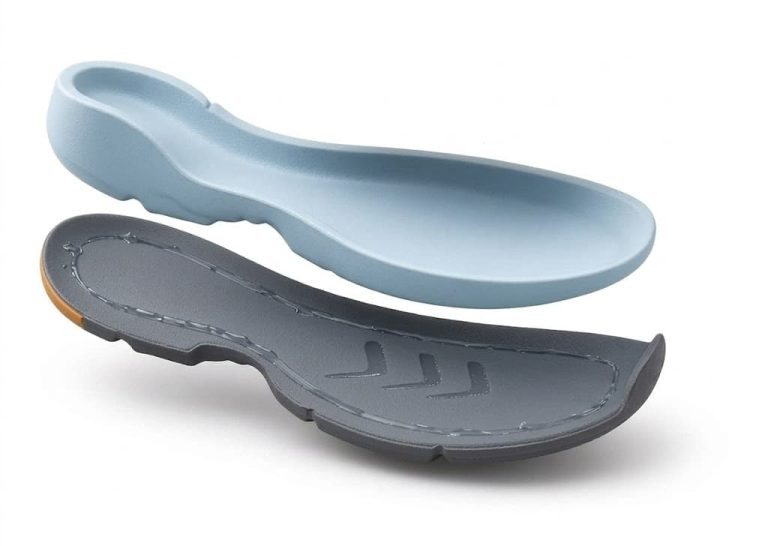
In athletic footwear manufacturing, outsole marking becomes even more critical because modern outsole designs contain complex tread patterns, segmented rubber zones, visible cushioning windows, sculpted sidewalls, and asymmetrical performance structures. Any misalignment becomes immediately visible to consumers.
Additionally, outsole marking ensures, Centerline alignment between upper and outsole, Toe spring balance, Heel seat symmetry, Lateral-medial positioning accuracy, Consistent outsole exposure, Proper tread orientation, Balanced shoe appearance. Factories treat outsole marking as a geometry-control operation rather than a simple line-marking process because the entire downstream bottom assembly depends on this reference accuracy.
Key Control Points
- Verify shoe centerline before marking
- Ensure proper last positioning inside marking jig
- Maintain consistent marking pressure
- Confirm marking visibility before sole attaching
Expert Tip: For multi-density or translucent outsoles, always perform a test mark on a sacrificial pair under full-spectrum production lighting before releasing the batch. UV ink remains invisible until activation, and early validation prevents carton-level rejection later in the assembly line.
Types of Outsole Marking Methods
Different footwear factories use different marking systems depending on production volume, outsole complexity, material type, and automation level. The marking method must provide clear, repeatable, and distortion-free reference lines without damaging the upper material.
Manual Refill Pen Marking
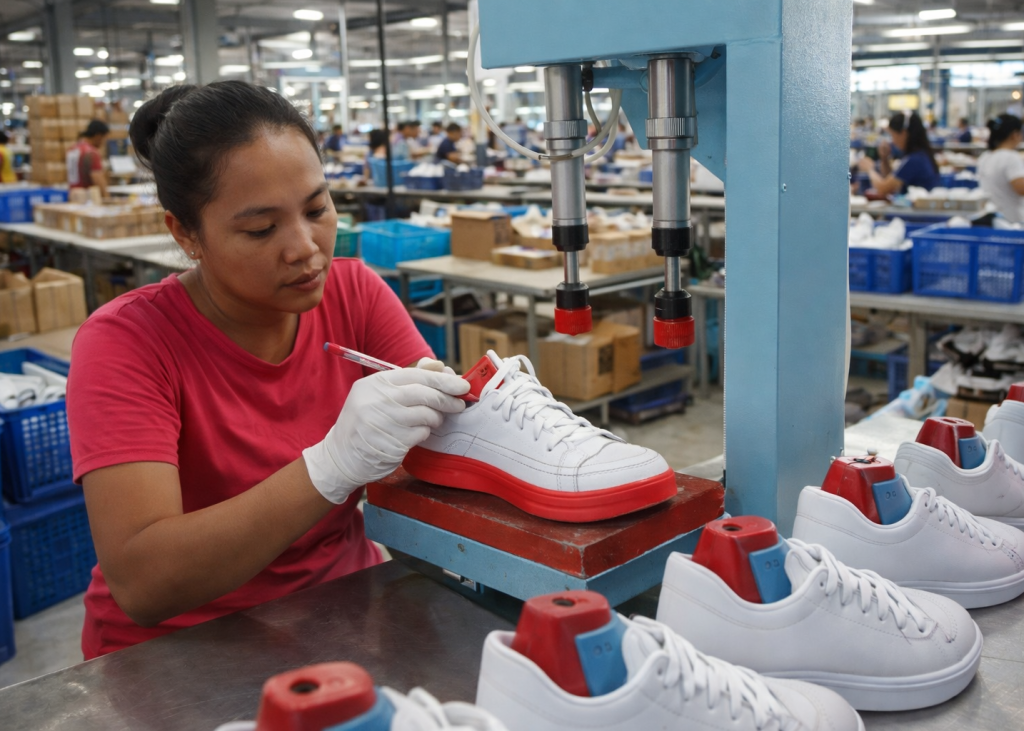
Manual refill pen marking remains common in medium-volume footwear factories. Operators use refill-based industrial marking pens to draw outsole positioning lines around the lasted upper bottom edge.
This method offers flexibility for varied outsole constructions and frequent style changes. Moreover, operators can quickly adjust marking positions for sample development or low-volume production. However, manual marking heavily depends on operator skill, consistency, and concentration. Uneven pressure or inaccurate rotation can create visible alignment deviation.
Key Control Points
- Use fine-tip industrial refill pens
- Replace damaged pen tips immediately
- Maintain equal rotation speed during marking
- Check line continuity around full perimeter
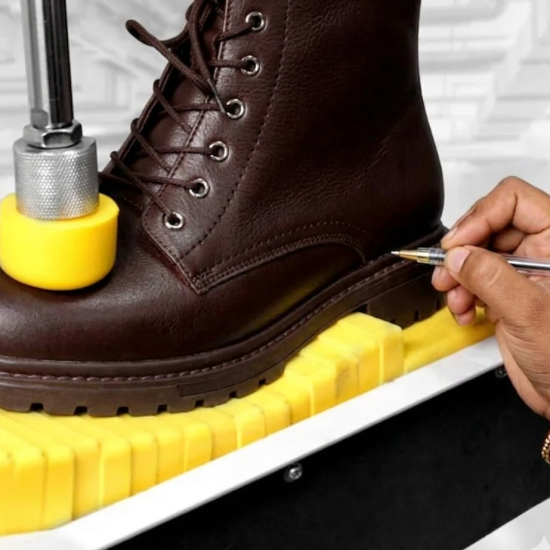
Pro Tip: Always standardize operator hand positioning for manual marking. Inconsistent wrist rotation creates uneven contour geometry around curved heel areas.

UV-Reactive Marking Systems
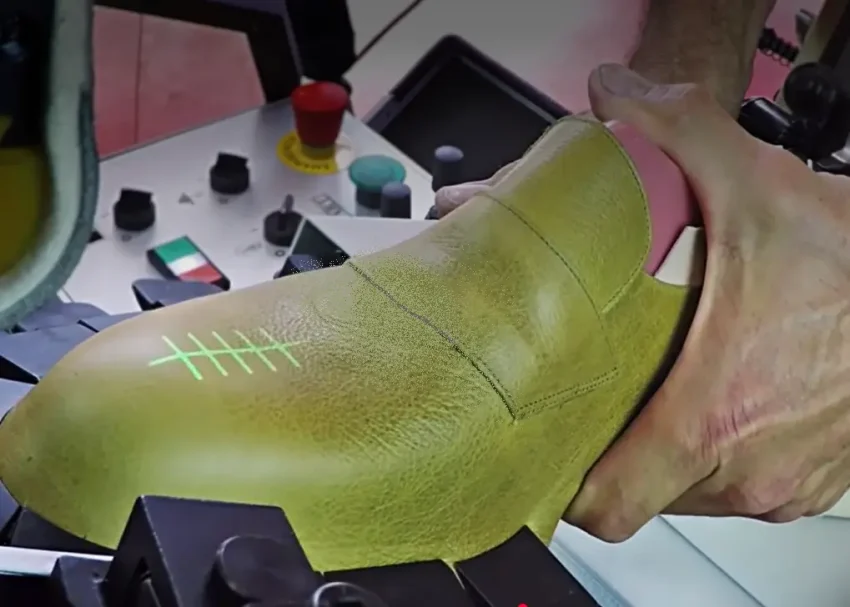
Factories use UV-reactive pens for dark-colored uppers, translucent materials, or premium products where visible ink must remain hidden during production.
Under standard lighting, UV markings remain invisible. However, inspectors activate UV light during outsole positioning to confirm alignment accuracy.
This system prevents visible contamination on finished footwear while maintaining precise positioning control.
Additionally, UV marking is highly useful for, Black uppers, Reflective materials, Knit footwear, Transparent outsole constructions, Luxury footwear assembly.
Key Control Points
- Verify UV visibility under inspection lamps
- Perform lighting validation before bulk production
- Avoid excessive UV ink application
- Store UV pens away from direct sunlight
Pro Tip: Install periodic fixture calibration schedules for rotary marking stations. Fixture wear gradually shifts outsole geometry over time.
Negative Mold Transfer Marking
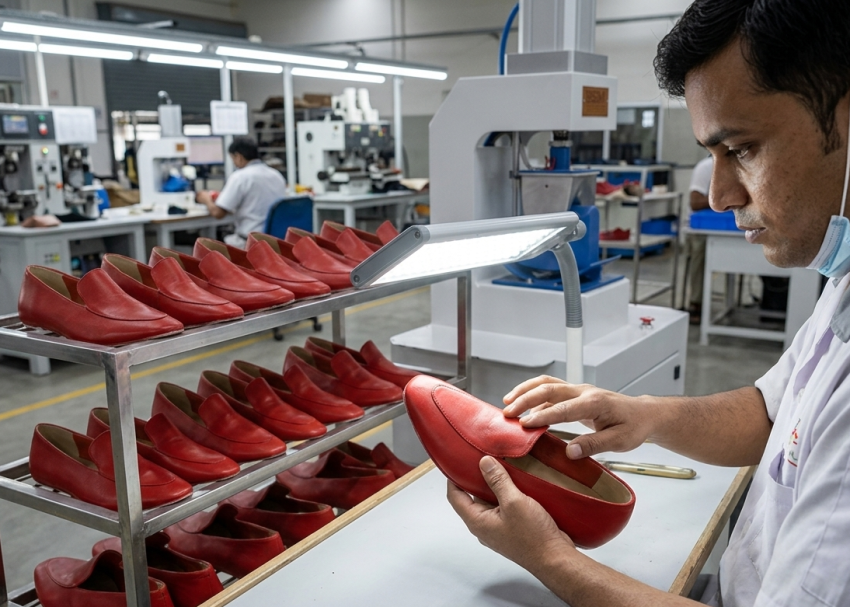
Some factories use negative contour molds or transfer jigs that apply complete outsole geometry in a single operation. The lasted shoe is pressed into a calibrated contour mold containing the outsole profile. The system transfers the reference line uniformly around the shoe perimeter.
This method reduces operator variation significantly while improving production speed. Furthermore, contour transfer systems improve, Heel symmetry, Curved sidewall consistency, Toe positioning repeatability, Alignment stability in high-volume production.
Key Control Points
- Clean transfer molds frequently
- Verify mold wear condition
- Calibrate contour position regularly
- Check contour transfer completeness
Pro Tip: Use separate marking pens for different material families. Rubber contamination on pen tips can affect marking visibility on synthetic uppers.

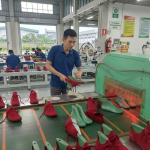
360° Rotary Outsole Marking Machines
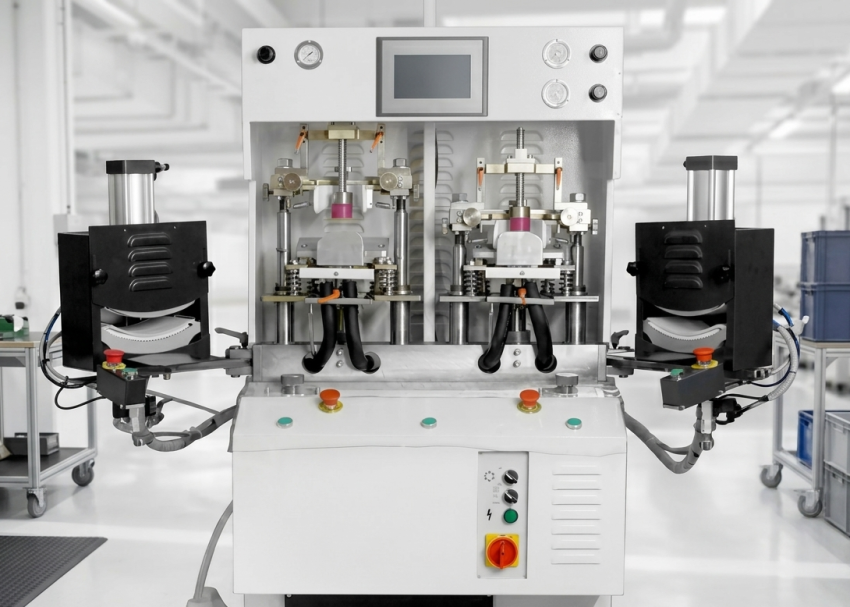
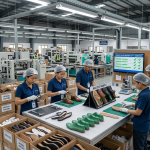
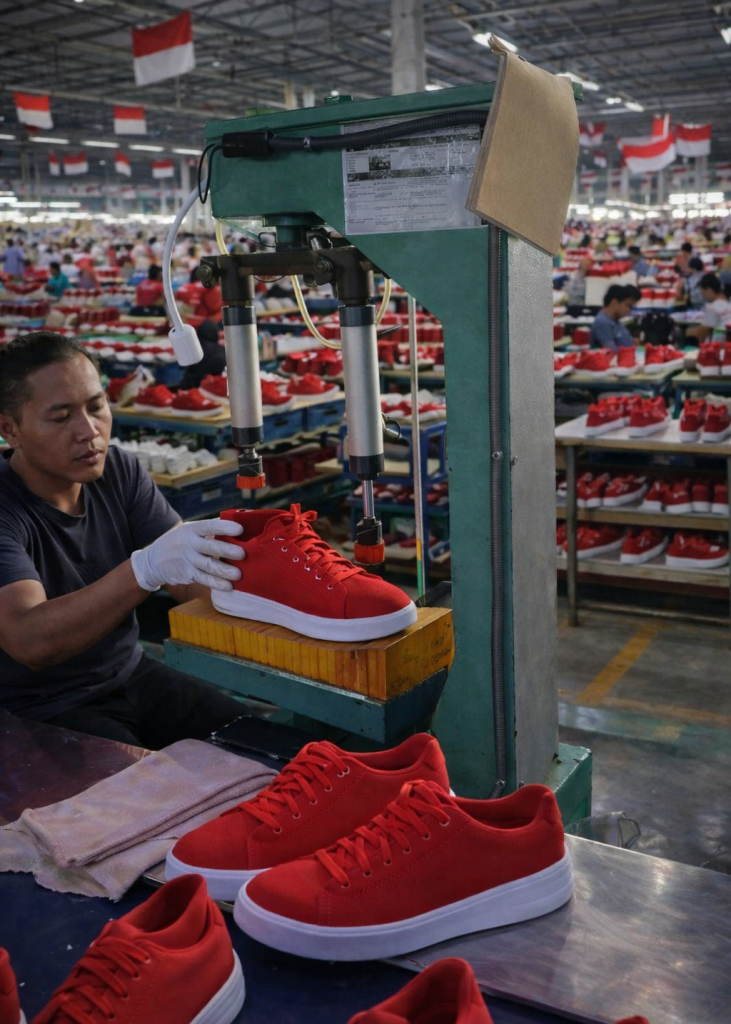
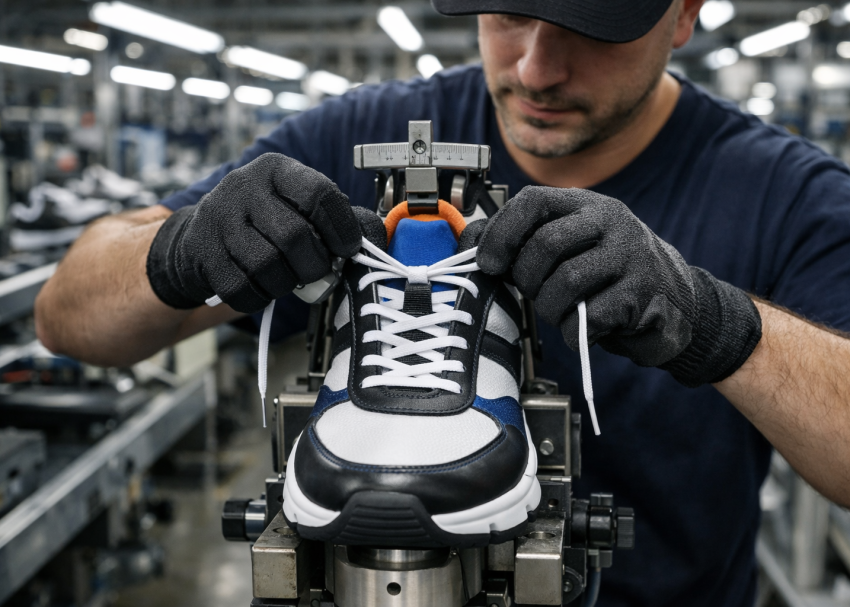
High-volume footwear factories increasingly use automated 360° rotary outsole marking stations to achieve consistent geometry control across mass production lines.
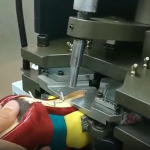
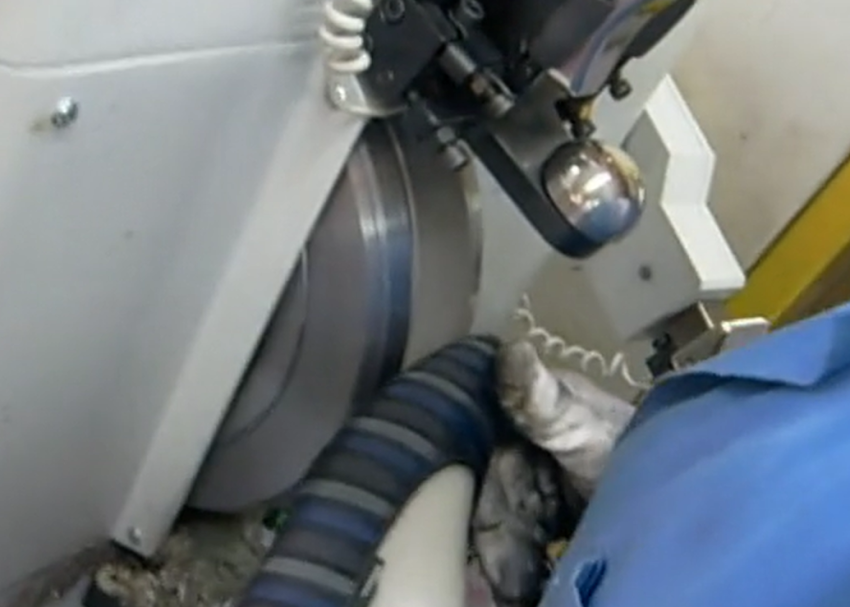
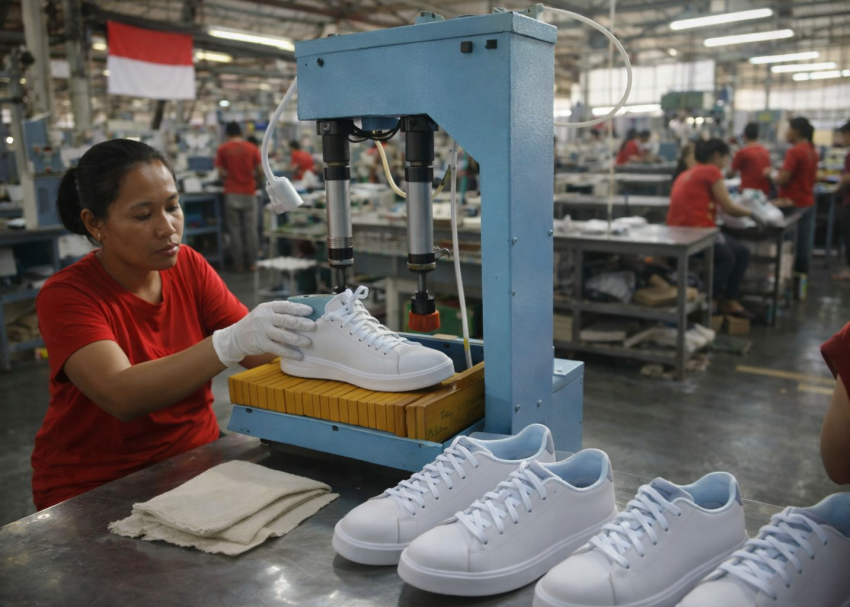
These machines rotate the lasted shoe while controlled marking heads apply continuous alignment lines around the shoe perimeter. Servo-driven positioning systems ensure precise angular control, while pneumatic pressure pads stabilize the shoe during rotation.
Unlike manual marking, rotary systems minimize operator influence and maintain highly repeatable positioning accuracy. Factories prefer automated rotary systems because they improve, Productivity, Consistency, Alignment repeatability, Labor efficiency, Defect reduction, High-volume scalability. Additionally, rotary marking becomes essential for footwear containing complex outsole geometry or sculpted sidewalls where manual marking inconsistency becomes highly visible.
Key Control Points
- Verify digital angle calibration daily
- Monitor pneumatic pressure consistency
- Ensure shoe fixation stability
- Check servo rotation smoothness
Pro Tip: Verify outsole CAD profile updates whenever tooling modifications occur. Old marking templates create systematic alignment deviation.
Rotary Marking Machine Working Procedure
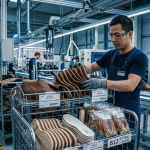
The operator first positions the lasted shoe onto the machine fixture using predefined centerline references. Pneumatic pads then secure the shoe to prevent movement during rotation. After stabilization, the marking head contacts the upper edge at a calibrated pressure level. The rotary platform begins controlled rotation while the marking head applies a continuous positioning line around the perimeter.
Advanced systems automatically adjust marking pressure based on shoe contour variation to avoid distortion around the toe spring and heel curve. Once marking completes, the operator visually inspects,
Line continuity, Symmetry, Centerline consistency, Heel alignment, Toe curve accuracy. Finally, approved pairs move to roughing and adhesive preparation operations.
Key Control Points
- Confirm shoe seating before machine cycle start
- Avoid excessive pressure on soft uppers
- Inspect toe curve marking carefully
- Remove incomplete markings immediately
Pro Tip: Control factory lighting intensity near UV marking stations. Poor visibility increases positioning errors significantly.
Importance of Centerline Alignment During Marking
Centerline alignment is one of the most important factors in outsole marking because outsole positioning depends entirely on geometric symmetry.
If the marking shifts slightly toward the medial or lateral side, the outsole will appear visually off-center after attachment. Even a minor deviation becomes highly visible in sports footwear with sculpted midsoles or aggressive tread designs.
Proper centerline control ensures, Balanced outsole exposure, Straight heel alignment, Symmetrical toe shape, Correct outsole orientation, Stable walking mechanics, Improved visual appearance.
Factories normally establish centerline references during lasting operations. Outsole marking operators must align precisely with these existing references.
Moreover, automated vision systems in advanced factories now verify centerline geometry before marking approval.
Key Control Points
- Verify lasting centerline before marking
- Check toe-to-heel alignment visually
- Avoid rotational shoe positioning errors
- Reject shifted centerline markings immediately
Pro Tip: For knitted uppers, reduce marking pressure slightly because flexible materials deform more easily during contour transfer
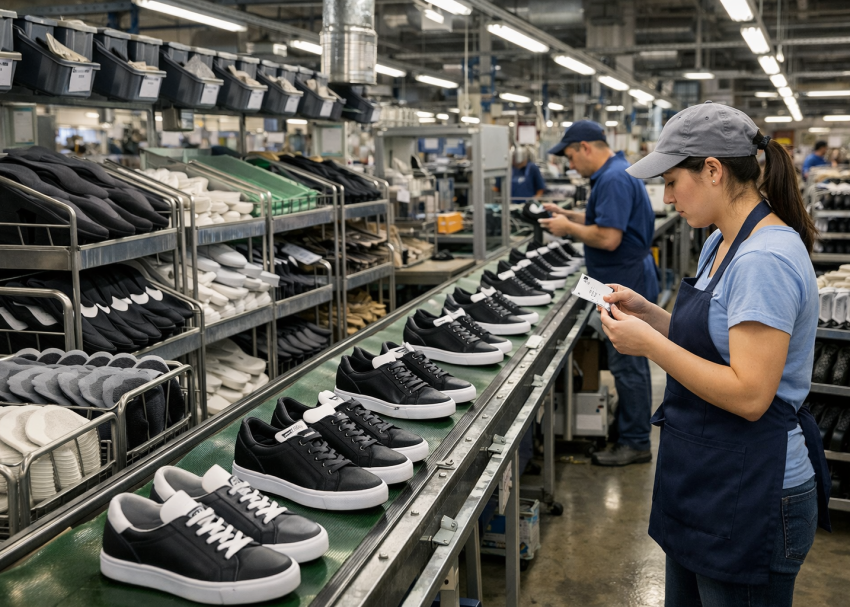
Common Outsole Marking Defects
Outsole marking defects often create downstream assembly rejection because incorrect geometry transfers directly into outsole attachment.
Incomplete Marking
Interrupted marking lines prevent accurate outsole positioning during sole attaching. This defect usually occurs because of poor pen contact, unstable shoe fixation, or damaged marking heads.
Off-Center Marking
Improper shoe positioning during marking shifts the outsole alignment geometry away from the centerline.
Excessive Ink Transfer
Over-marking contaminates upper materials and may remain visible after assembly.
Double Marking
Double lines create operator confusion during outsole positioning and increase misalignment risk.
Distorted Toe Curve
Uneven pressure around the toe spring area causes irregular contour geometry.
Key Control Points
- Inspect full perimeter marking quality
- Monitor toe spring contour carefully
- Replace worn marking components
- Conduct hourly alignment verification
Role of Outsole Marking in Final AQL Performance
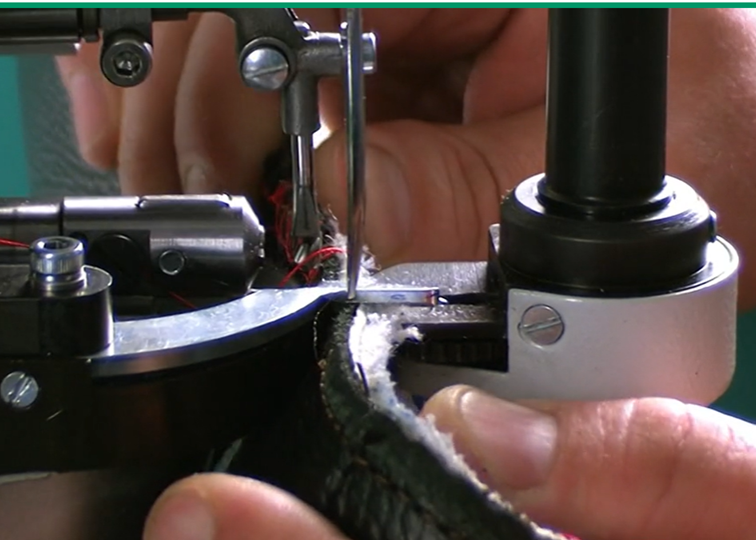
Outsole marking strongly influences final AQL acceptance because outsole alignment defects remain highly visible in finished footwear. Poor marking directly contributes to, Crooked outsole positioning, Uneven outsole exposure, Heel imbalance, Asymmetrical sidewall appearance, Misaligned tread patterns, Visual mismatch between left and right shoes.
Additionally, many global footwear brands maintain strict outsole alignment tolerances during final inspection audits.
Therefore, factories treat outsole marking as a preventive quality-control operation rather than a simple preparatory step.
Key Control Points
- Conduct random batch validation checks
- Audit alignment symmetry frequently
- Compare left-right pair consistency
- Verify outsole exposure tolerance
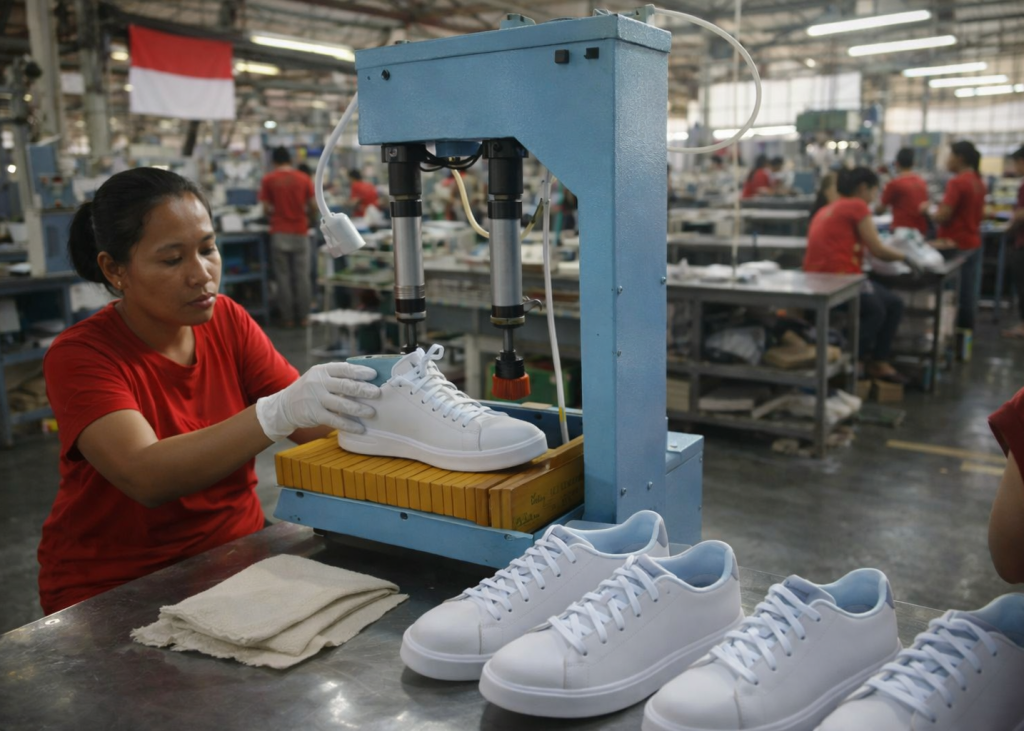
Pro Tip: Maintain dedicated golden sample pairs near marking stations for hourly operator comparison.
Conclusion
Outsole marking is one of the most important geometry-control operations in full shoe assembly because it establishes the positioning reference for all downstream outsole attachment activities. Although the process may appear straightforward, its influence extends directly into outsole symmetry, visual balance, tread orientation, and final AQL acceptance performance.
Modern factories increasingly rely on automated rotary marking systems to reduce variation, improve repeatability, and stabilize production quality across high-volume assembly lines. Nevertheless, operator discipline, fixture calibration, centerline control, and marking verification remain equally important for maintaining consistent footwear quality.
As outsole constructions become more complex with translucent materials, sculpted midsoles, and asymmetrical tread designs, marking precision becomes even more critical for premium footwear manufacturing.
In the next blog, we will discuss Roughing / Buffing (Upper & Outsole) in Footwear Manufacturing – Full Shoe Assembly Series, where surface preparation directly influences adhesive bonding strength and outsole attachment durability.

Frequently Asked Questions – FAQs
Why is outsole marking important in footwear manufacturing?
Outsole marking establishes the alignment reference required for accurate outsole positioning. Incorrect marking causes outsole asymmetry, poor appearance, and final inspection rejection.
What pens are used for outsole marking?
Factories commonly use refill marking pens, UV-reactive pens, and contour transfer systems depending on material type and production requirements.
What is a 360° rotary outsole marking machine?
It is an automated marking station that rotates the shoe while applying continuous reference lines using servo-controlled positioning and pneumatic stabilization systems.
Why are UV-reactive markings used?
UV markings help maintain invisible alignment references on dark or translucent materials while preventing visible contamination on finished footwear.
What are the common outsole marking defects?
Typical defects include off-center marking, incomplete lines, excessive ink transfer, double marking, and distorted toe curves.
How does outsole marking affect AQL inspection?
Incorrect marking creates outsole misalignment that remains visible in finished footwear, leading to rejection during final quality audits.
How often should rotary marking machines be calibrated?
Most factories perform daily verification checks and scheduled weekly or monthly calibration depending on production volume and machine usage.