Side Wall / Littleway Stitching in Footwear Manufacturing – Full Shoe Assembly Series
In many footwear constructions, adhesive bonding alone is not sufficient to guarantee long-term durability under demanding wear conditions. Footwear designed for industrial work environments, outdoor activities, military applications, premium leather markets, and heavy-duty use often requires an additional level of reinforcement to withstand continuous flexing, impact, moisture exposure, and mechanical stress throughout its service life.
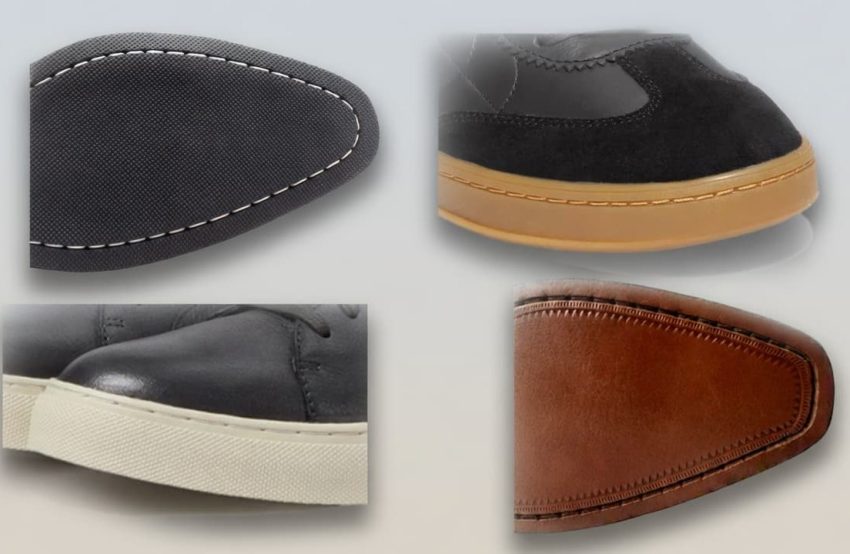
This additional reinforcement is achieved through Side Wall Stitching, commonly known as Littleway Stitching. The process creates a mechanical connection between key footwear components such as the upper, welt, midsole, and outsole, helping the assembly maintain its integrity even under challenging operating conditions. Beyond its functional role, the visible stitch line also contributes to the perception of craftsmanship and quality, making it an important feature in many premium footwear products.
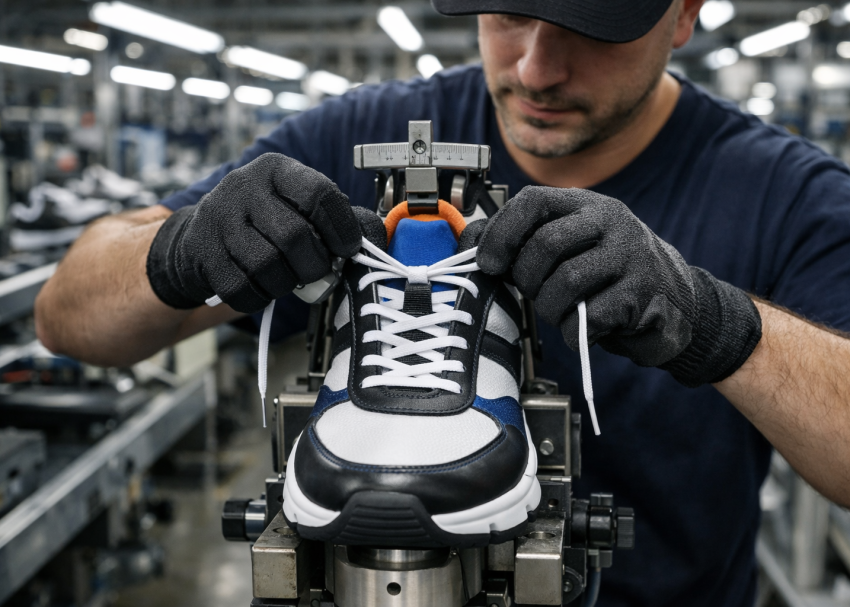
Unlike conventional stitching operations performed on flat components, Side Wall Stitching is executed on a fully assembled three-dimensional shoe. As a result, the operation demands specialized machinery, precise machine settings, and skilled operator control. The stitch must follow complex shoe contours while maintaining consistent spacing, penetration depth, and thread tension around the entire perimeter.
A successful stitching operation delivers more than visual appeal. It enhances outsole retention, improves structural stability, supports long-term durability, and helps reduce the risk of separation failures during product use. However, achieving these benefits requires strict control of stitch density, needle selection, thread tension, material feeding, and machine calibration.
Even small variations can lead to puckering, skipped stitches, alignment issues, or weakened seam performance.
For manufacturers producing high-performance and premium footwear, Side Wall Stitching remains one of the most effective methods for combining mechanical strength, durability, and aesthetic quality within a single operation.
Courtesy – CMCI
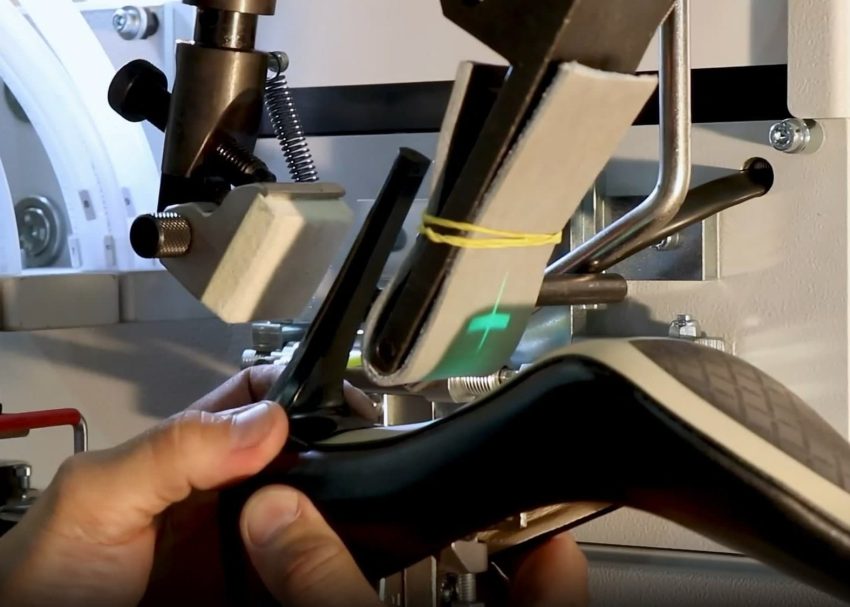
Understanding Side Wall / Littleway Stitching
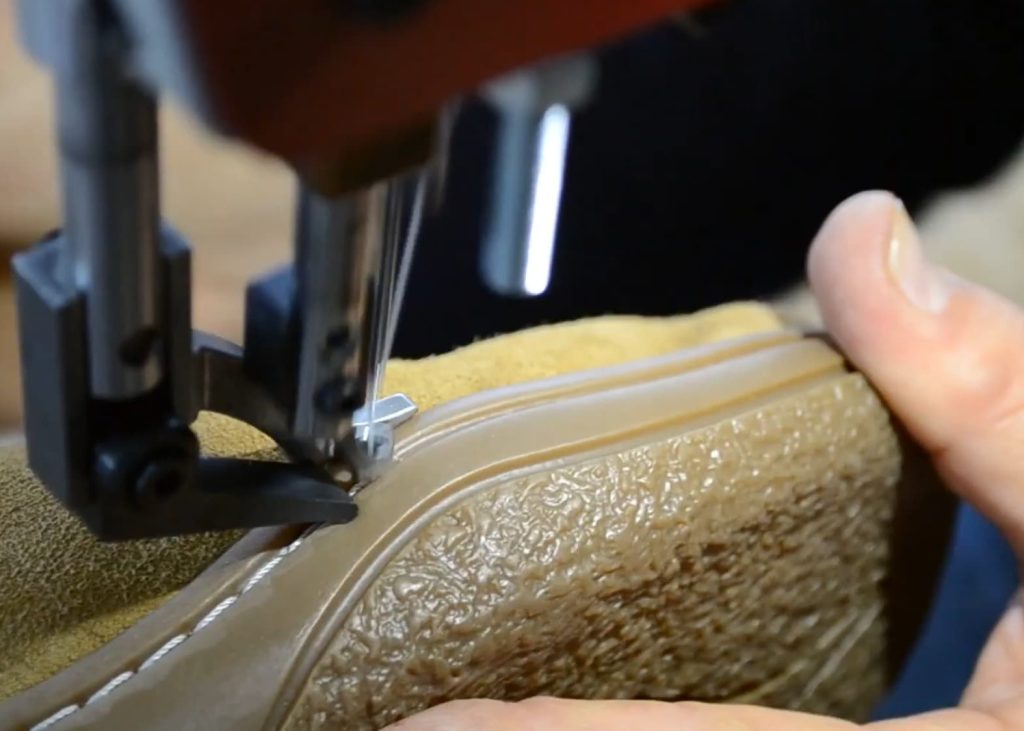
Side Wall Stitching is a specialized sewing operation performed around the perimeter of the shoe to mechanically secure footwear components together. Depending on the construction method, the stitch may connect the upper directly to the outsole, connect the upper to a welt, or reinforce an already bonded outsole assembly.
Unlike conventional upper stitching operations performed before lasting, Side Wall Stitching takes place after the footwear structure has largely been assembled. As a result, the machine must work around a three-dimensional shoe shape rather than flat material pieces.
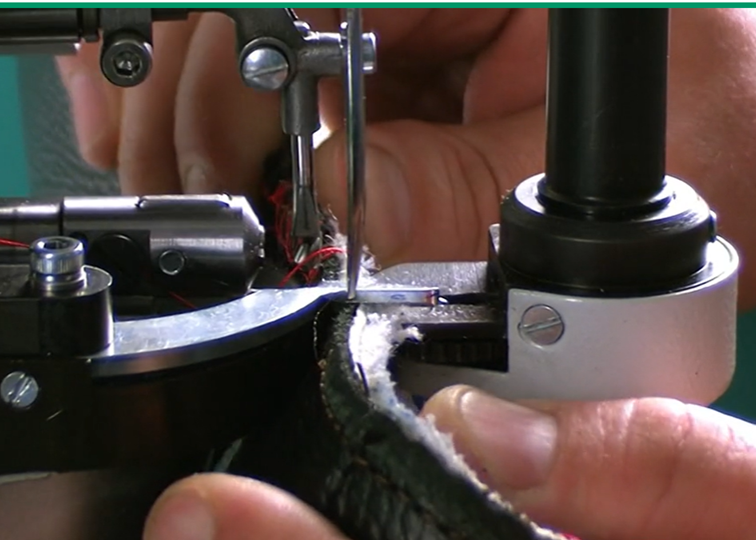
The term Littleway Stitching originates from the specialized machines designed for this operation. These machines allow the needle to penetrate through thick footwear assemblies while maintaining consistent stitch quality around curved surfaces.
The machine rotates the shoe during sewing, enabling operators to follow the perimeter accurately without compromising stitch appearance.
The process is particularly important in constructions where footwear is expected to endure heavy use, repeated flexing, harsh environmental conditions, or extended service life. Outdoor boots, safety shoes, military footwear, hiking footwear, and premium leather shoes often utilize this reinforcement method.
Key Control Points
- Ensure correct shoe positioning before stitching begins
- Verify stitch line follows approved construction path
- Maintain consistent stitch visibility around the perimeter
- Prevent stitch wandering during curved sections
Expert Tip: Perform pull-test sampling at regular intervals rather than waiting until final inspection.
Why Side Wall Stitching Remains Important in Modern Footwear Manufacturing
Modern adhesive technology has significantly improved outsole bonding performance. However, many footwear manufacturers continue to use Side Wall Stitching because mechanical reinforcement provides benefits that adhesives alone cannot fully guarantee.
During product usage, footwear experiences thousands of flexing cycles. Walking, running, climbing, kneeling, and bending generate continuous stress at the interface between the upper and outsole. Over time, environmental conditions such as moisture, heat, dirt, oil, and chemicals may gradually affect adhesive performance.
Mechanical stitching acts as a secondary retention system that continues supporting the assembly even when adhesive strength decreases. This additional reinforcement dramatically improves long-term durability and reduces the likelihood of outsole separation during product life.
Another important advantage is improved consumer confidence. Many buyers perceive visible stitching as evidence of premium construction quality. Consequently, stitched footwear often commands higher market value compared to similar cemented products.
In Goodyear welted constructions, stitching becomes even more important because it forms part of the structural assembly system. The stitch helps secure the welt and creates a construction method that allows outsole replacement during future repairs. This repairability extends product lifespan and supports sustainability objectives.
Safety footwear manufacturers also benefit from Side Wall Stitching because industrial work environments place extreme demands on footwear. Mechanical reinforcement helps maintain assembly integrity under conditions involving abrasion, impact, chemicals, and repetitive flexing.
Key Control Points
- Verify reinforcement requirements according to product specification
- Ensure stitch placement matches engineering drawings
- Monitor durability performance through testing
- Maintain consistent appearance standards
Pro Tip: Use approved needle-thread combinations for every footwear construction.
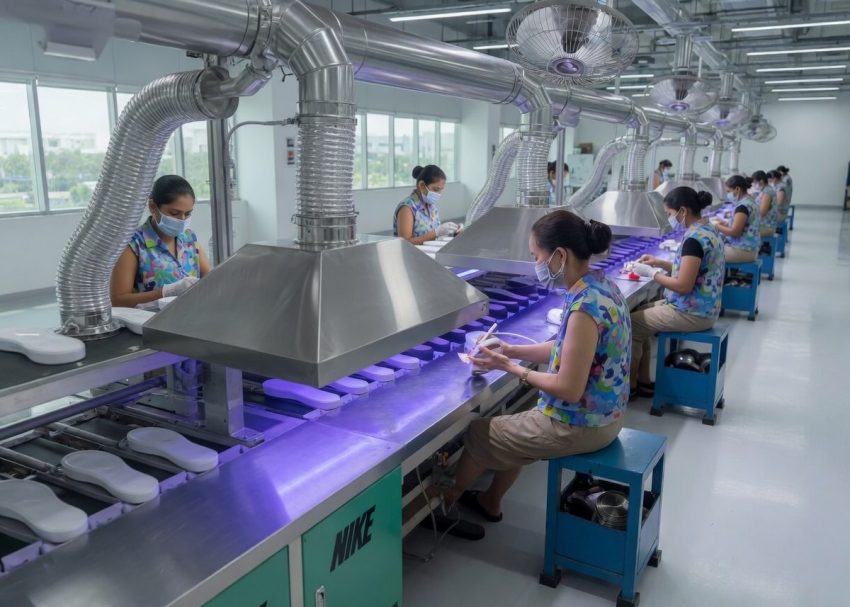
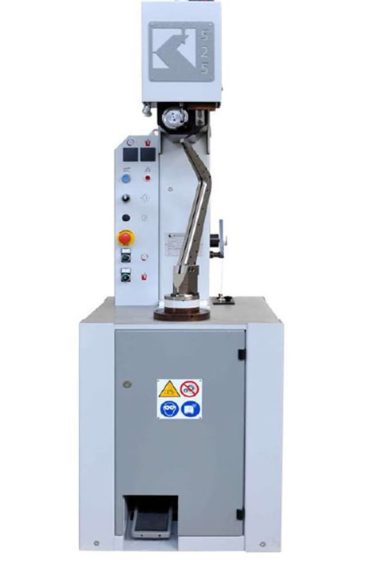
Side Wall / Littleway Stitching Machine and Working Principles
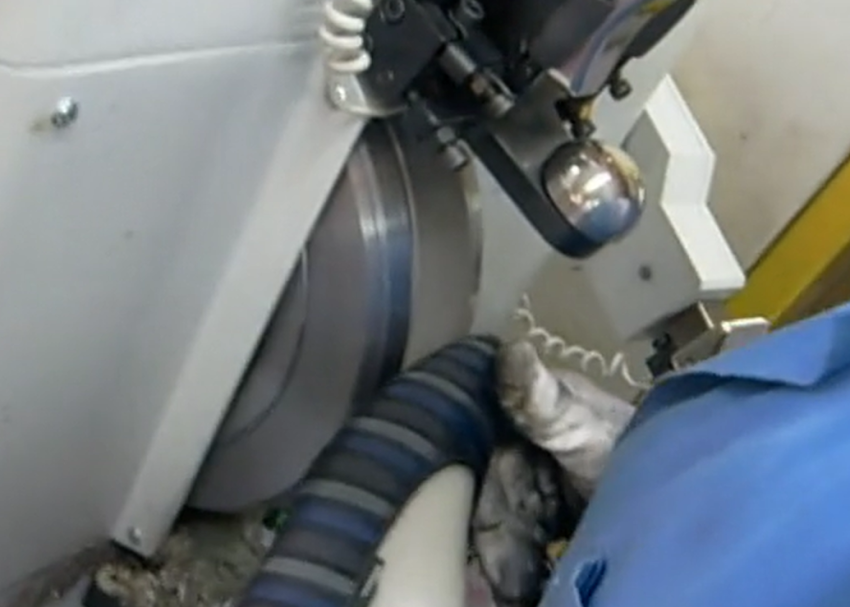
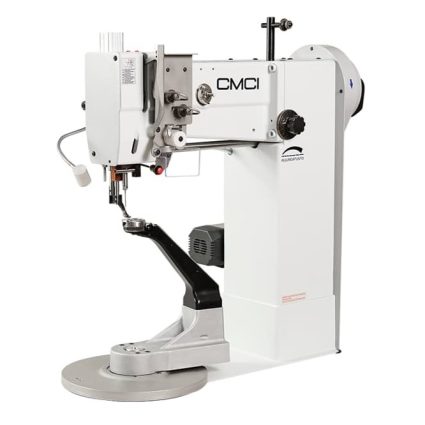
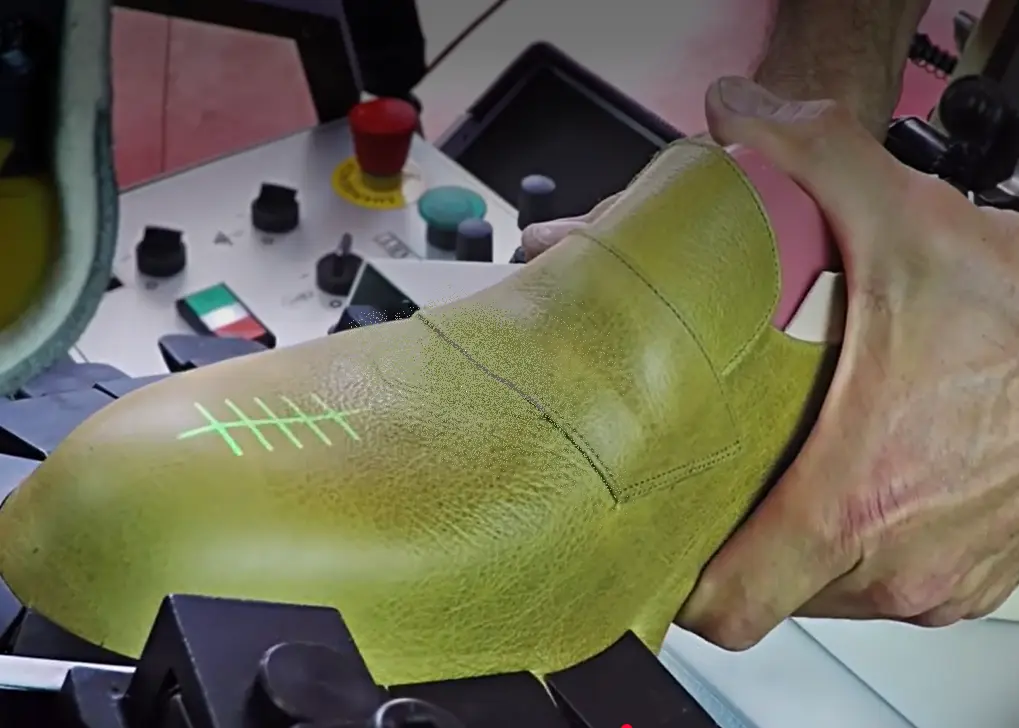
Littleway stitching machines differ significantly from conventional sewing machines used in upper stitching departments. These specialized machines are designed to handle thick, rigid footwear assemblies while maintaining precision around complex three-dimensional shapes. The machine incorporates a rotating shoe support system that allows the operator to guide the shoe through the stitching path.
Unlike flat sewing operations, Side Wall Stitching requires continuous adjustment as the shoe rotates through toe, waist, and heel sections.
The needle system must penetrate multiple layers consistently without damaging materials. Depending on construction type, the needle may pass through leather, rubber, PU, EVA, welt material, textile reinforcement layers, or combinations of these materials.
Thread feeding systems play an equally important role. The machine must deliver consistent thread tension regardless of stitching direction or material resistance. Inconsistent feeding can produce loose stitches, thread breakage, or visible seam irregularities.
Modern machines may include automated stitch control systems, programmable stitch density settings, and digital monitoring features. Advanced production facilities increasingly use integrated quality monitoring systems that detect tension variation, stitch skipping, and alignment issues during production. The overall goal is to create a stitch line that is structurally strong, visually attractive, and consistent across every pair produced.
Key Control Points
- Inspect machine condition before each production shift
- Verify stitch density settings before production start
- Check thread path and tension adjustment
- Confirm needle alignment and penetration depth
Courtesy – FALAN
Pro Tip: Inspect stitch quality immediately after machine setup changes.
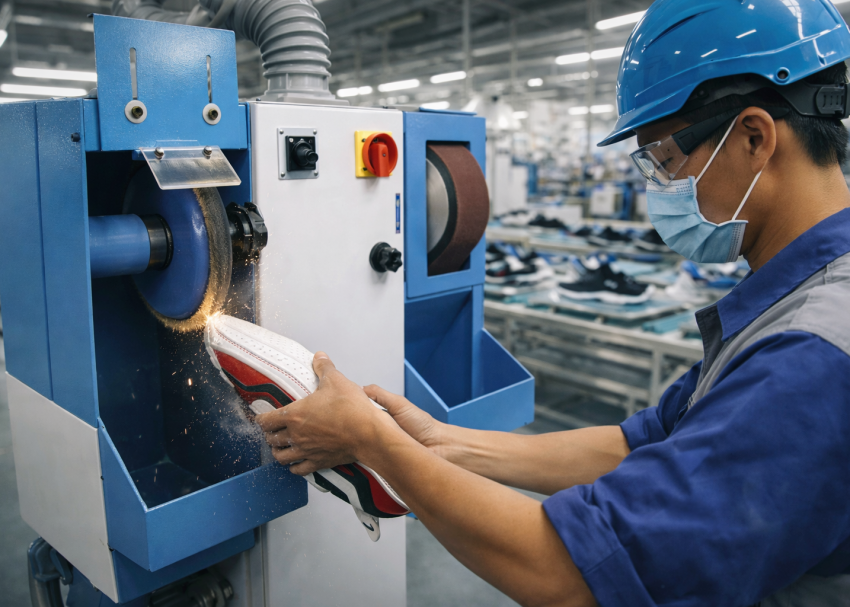
Stitch Density and Its Impact on Product Performance
Stitch density is one of the most critical technical parameters in Side Wall Stitching. It determines the number of stitches placed within a specified length and directly influences both seam strength and product appearance.
If stitch density is too low, the seam may lack sufficient reinforcement strength. The distance between stitches becomes excessive, reducing the ability of the seam to distribute stress evenly. Under heavy use conditions, these areas may become weak points that contribute to failure.
Conversely, excessively high stitch density can create too many perforations in the material. Instead of strengthening the assembly, excessive perforation may weaken the structure by reducing material integrity. Furthermore, dense stitching increases production time and may create an overly crowded appearance.
The optimal stitch density depends on several factors including footwear category, material thickness, construction method, thread specification, and brand requirements. Heavy-duty safety boots typically use different stitch density settings than premium dress shoes because their performance requirements differ significantly.
The optimal stitch density depends on several factors including footwear category, material thickness, construction method, thread specification, and brand requirements. Heavy-duty safety boots typically use different stitch density settings than premium dress shoes because their performance requirements differ significantly.
Maintaining consistent stitch density around curved shoe sections presents an additional challenge. Toe and heel areas require careful control because material feeding speed changes continuously as the shoe rotates through tight radii.
Key Control Points
- Measure stitch density during production
- Verify SPI matches approved specifications
- Monitor stitch consistency in curved areas
- Recheck settings after machine adjustments
Pro Tip: Monitor curved toe areas closely because they generate the highest defect risk.
Thread Tension Control and Stitch Quality
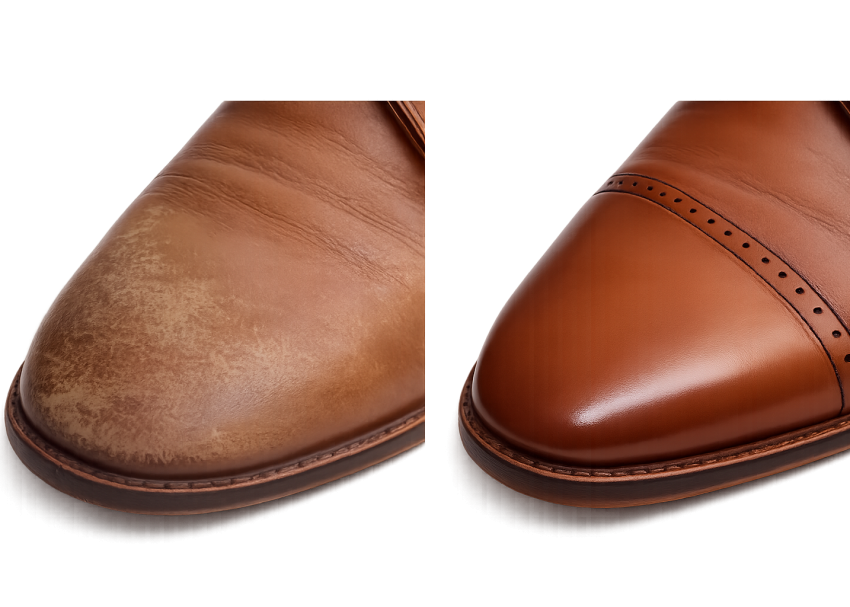
Thread tension has a direct influence on both the appearance and performance of the finished stitch. Even when stitch density is correct, improper tension can create serious quality issues. When thread tension is excessively high, the stitch pulls material surfaces together too aggressively. This condition often creates puckering, distortion, wrinkling, and visible deformation around the stitch line. In severe cases, excessive tension may damage delicate materials or reduce waterproofing performance.
Low thread tension creates a different set of problems. Loose stitches may not lock properly, allowing movement within the seam. This condition reduces structural strength and can produce an untidy appearance. Loose loops, floating threads, and inconsistent stitch formation often indicate insufficient tension. Maintaining stable tension becomes particularly challenging during Side Wall Stitching because material thickness and resistance may vary around the shoe perimeter.
Toe areas, heel sections, and overlapping material zones often require careful monitoring.
Key Control Points
- Monitor thread tension throughout production
- Prevent material puckering and distortion
- Check locking consistency regularly
- Investigate repeated thread breakage immediately
Pro Tip: Introduce inline camera inspection where production volumes justify investment.
Needle and Thread Selection for Different Footwear Constructions
Selecting the proper needle and thread combination is essential for achieving reliable Side Wall Stitching performance. The choice depends on material characteristics, construction requirements, durability expectations, and aesthetic objectives.
Needles must be strong enough to penetrate thick material assemblies without bending or breaking. However, they should not be so large that they create unnecessary damage or oversized holes. Needle selection therefore requires balancing penetration capability with material protection.
Similarly, thread selection must consider seam strength, abrasion resistance, environmental durability, and appearance requirements. Different footwear categories often require different thread specifications.
Premium leather footwear frequently uses waxed threads that provide enhanced durability and traditional visual appeal. Safety footwear may utilize high-strength synthetic threads designed to withstand demanding working environments. Outdoor footwear often requires moisture-resistant thread materials capable of maintaining performance under wet conditions.
Thread color consistency is another important consideration. Since Side Wall Stitching is typically visible, even minor shade variation can become highly noticeable. Manufacturers therefore implement strict controls over thread sourcing, storage, and batch approval.
Key Control Points
- Match needle size to material thickness
- Use approved thread specifications only
- Verify thread shade consistency
- Replace worn or damaged needles immediately
Source – CMCI
Pro Tip: Maintain strict preventive maintenance schedules to avoid hidden quality issues.
Side Wall Stitching Production Process
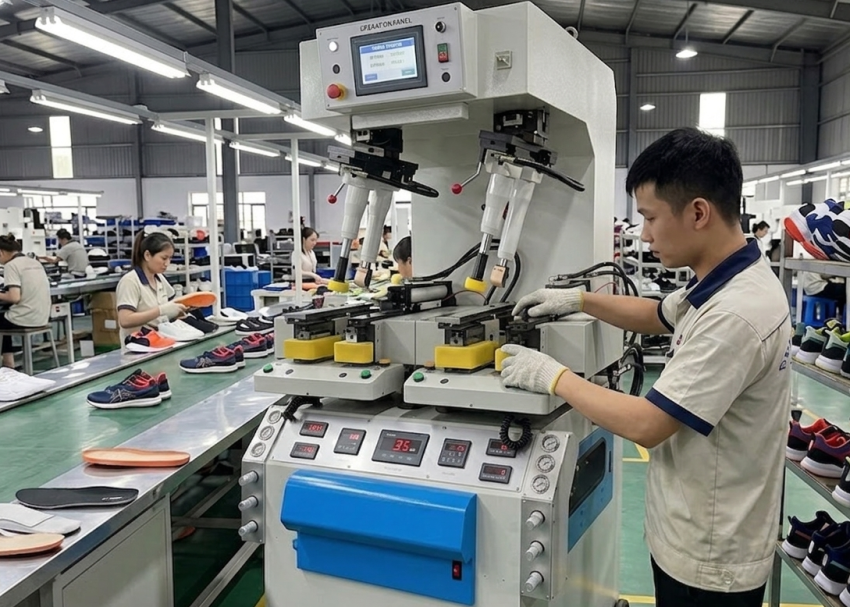
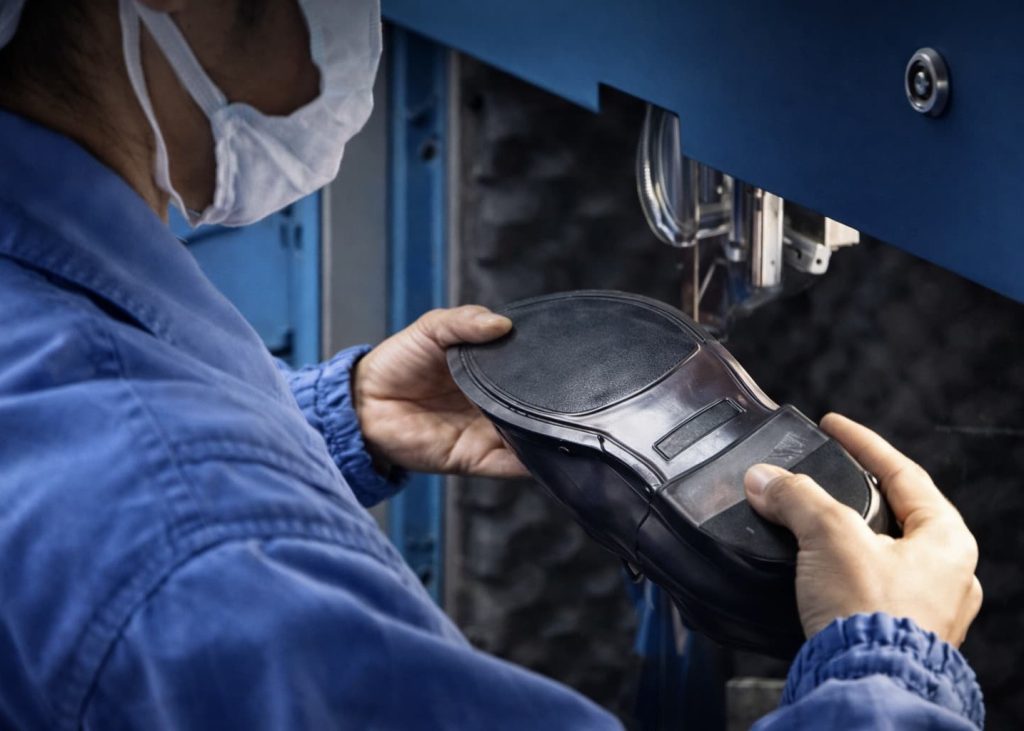
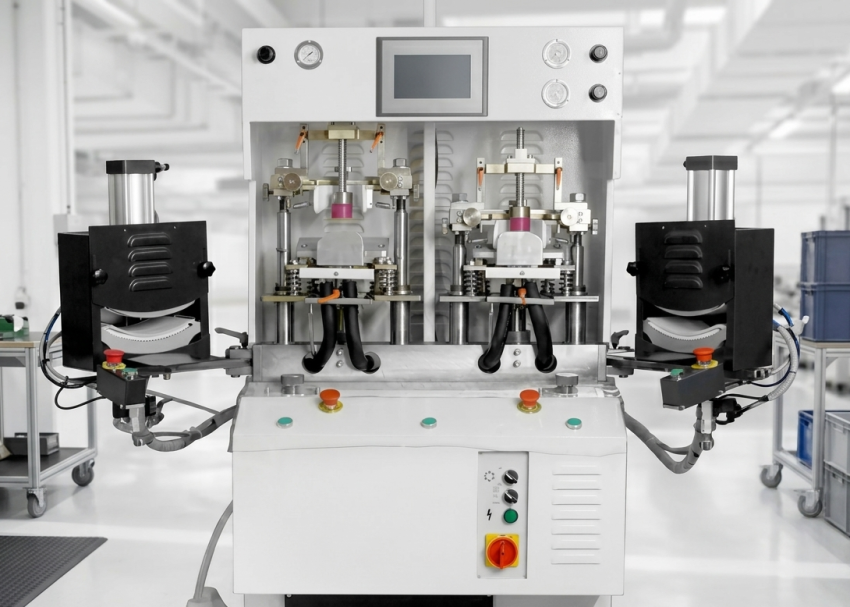
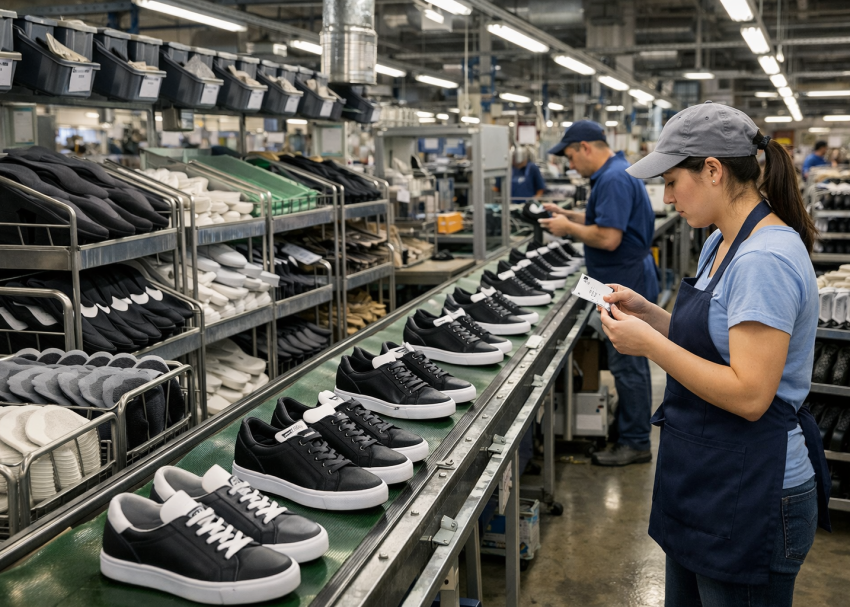
Before stitching begins, operators inspect the footwear assembly to ensure all previous processes meet quality requirements. The outsole must be correctly positioned, bonding must be stable, and edge preparation must be complete. Machine setup follows. Technicians establish approved settings for stitch density, thread tension, needle penetration depth, and feed control. Trial samples are produced and inspected before bulk production begins.
During stitching, the operator carefully rotates the shoe through the machine. The goal is to maintain smooth movement while ensuring the stitch follows the designated path. Particular attention is required in toe and heel areas where curvature changes rapidly.
After stitching is completed, the footwear undergoes immediate visual inspection. Inspectors verify stitch spacing, alignment, tension consistency, and overall appearance. Any defects are identified before the product proceeds to subsequent operations. Many factories also perform periodic pull testing and process audits throughout production to verify that quality standards remain stable.
Many factories also perform periodic pull testing and process audits throughout production to verify that quality standards remain stable.
Key Control Points
- Verify assembly quality before stitching
- Approve machine setup through sample evaluation
- Monitor stitching performance continuously
- Inspect finished seams immediately
Courtesy : CMCI
Pro Tip: Train operators to recognize early warning signs of tension variation.
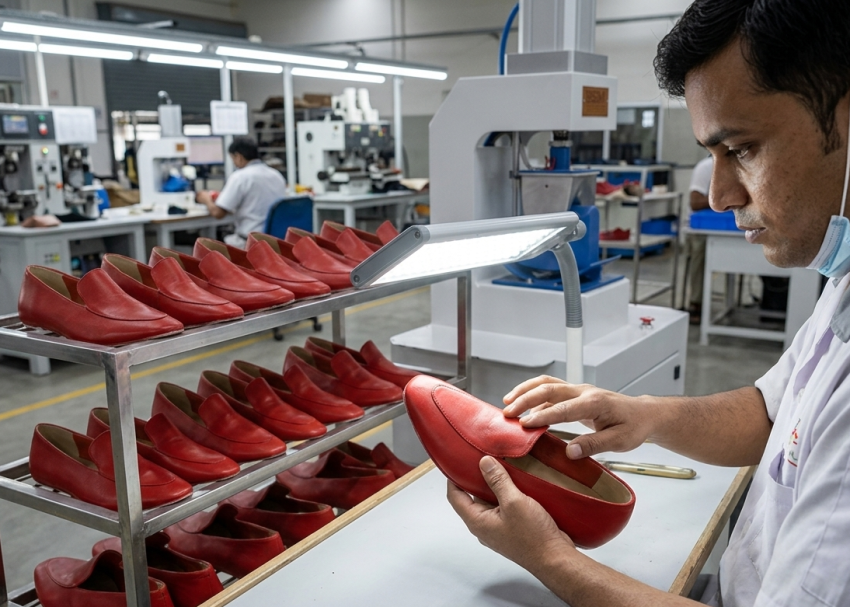
Common Side Wall Stitching Defects and Corrective Actions
Despite careful control, stitching defects can occur when machine conditions, material characteristics, or operator practices deviate from approved standards. Uneven stitch spacing is among the most common defects. It usually results from inconsistent feeding, operator handling variation, or machine wear. The defect affects both appearance and perceived quality.
Thread breakage may occur due to excessive tension, poor thread quality, damaged needles, or improper machine setup. Frequent thread breakage reduces productivity and increases defect risk. Material puckering often develops when thread tension is too high or feeding conditions are unstable. The defect creates an unattractive appearance and may compromise footwear aesthetics.
Skipped stitches represent a serious structural concern because they interrupt seam continuity. Causes commonly include bent needles, incorrect timing, material feeding issues, or improper penetration angles. Stitch wandering occurs when the stitch line deviates from its intended path. This defect is particularly visible and often results in rejection.
Key Control Points
- Monitor defect trends daily
- Correct machine issues immediately
- Replace worn components promptly
- Verify corrective actions through reinspection
Pro Tip: Analyze defect trends weekly and implement corrective actions proactively.
Quality Inspection and Performance Verification
Quality inspection ensures that Side Wall Stitching fulfills both structural and visual requirements before footwear progresses to final packing. Visual inspection remains the first line of defense. Inspectors evaluate stitch alignment, stitch density, tension consistency, thread trimming quality, and overall appearance. Because the stitch line is highly visible, aesthetic standards are typically strict.
Mechanical performance verification follows. Pull testing measures seam strength and confirms that stitching meets engineering requirements. Flex testing evaluates the ability of the seam to withstand repeated movement without failure.
For outdoor and waterproof footwear categories, additional testing may be required to verify that stitching does not create unacceptable water entry pathways. Many advanced factories have introduced automated vision systems that continuously inspect stitch quality during production. These technologies improve detection speed and reduce dependency on manual inspection alone.
Key Control Points
- Perform regular visual inspection
- Conduct scheduled pull testing
- Verify seam durability through flex testing
- Record inspection results for analysis
Preventive Maintenance for Littleway Stitching Machines
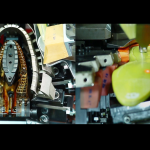
Machine condition directly influences stitch quality. Even highly skilled operators cannot consistently produce acceptable results using poorly maintained equipment. Preventive maintenance programs focus on maintaining needle systems, thread guides, feeding mechanisms, rotating supports, timing systems, and lubrication components. Regular inspection allows maintenance teams to identify wear before it causes quality problems.
Needles require frequent replacement because wear gradually affects penetration quality. Thread guides and tension systems must remain clean and properly adjusted to ensure consistent thread delivery. Lubrication is equally important. Insufficient lubrication increases friction, accelerates component wear, and may create irregular machine performance. Factories that implement disciplined preventive maintenance programs generally experience lower defect rates, higher productivity, and more stable quality performance.
Maintenance records also provide valuable traceability information that supports troubleshooting and process control activities.
Key Control Points
- Follow preventive maintenance schedules
- Replace wear parts proactively
- Maintain proper lubrication practices
- Document maintenance activities consistently
Conclusion
Side Wall / Littleway Stitching remains one of the most important reinforcement operations in premium and heavy-duty footwear manufacturing. The process directly influences structural durability, outsole retention strength, waterproof performance, and final product aesthetics.
Although modern adhesives provide strong bonding performance, mechanical stitching still offers critical long-term reinforcement for demanding footwear constructions. Therefore, factories must carefully control stitch density, thread tension, needle selection, machine calibration, and inline inspection systems to maintain consistent product quality.
Moreover, preventive maintenance and continuous quality monitoring help manufacturers avoid latent seam failures that may appear after customer usage.
In the next blog of TheFootwearEdge Full Shoe Assembly Series, we will discuss Footbed / Sock Attaching in Footwear Manufacturing – Full Shoe Assembly Series. This process plays a major role in footwear comfort, finishing appearance, branding presentation, and in-shoe fit consistency.
Frequently Asked Questions – FAQs
What is Littleway stitching in footwear manufacturing?
Littleway stitching is a perimeter stitching process that mechanically joins the outsole, welt, or upper assembly to improve shoe durability and structural strength.
Which footwear constructions commonly use side wall stitching?
Goodyear welted shoes, outdoor boots, safety footwear, stitch-down constructions, and vulcanized shoes commonly use side wall stitching.
Why is stitch density important in side wall stitching?
Correct stitch density ensures balanced seam strength, appearance quality, and material integrity without excessive perforation.
What causes skipped stitches during production?
Bent needles, timing issues, improper feeding, and incorrect penetration angles are common causes of skipped stitches.
How do factories check stitching strength?
Factories perform pull testing, flex testing, and visual inspections to verify seam integrity and durability.
Which thread types are commonly used for Littleway stitching?
Factories commonly use nylon, polyester, bonded synthetic, and wax-coated industrial stitching threads.
Why is thread tension control critical?
Incorrect tension can create loose seams, puckering, weak locking, thread breakage, and poor waterproofing performance.