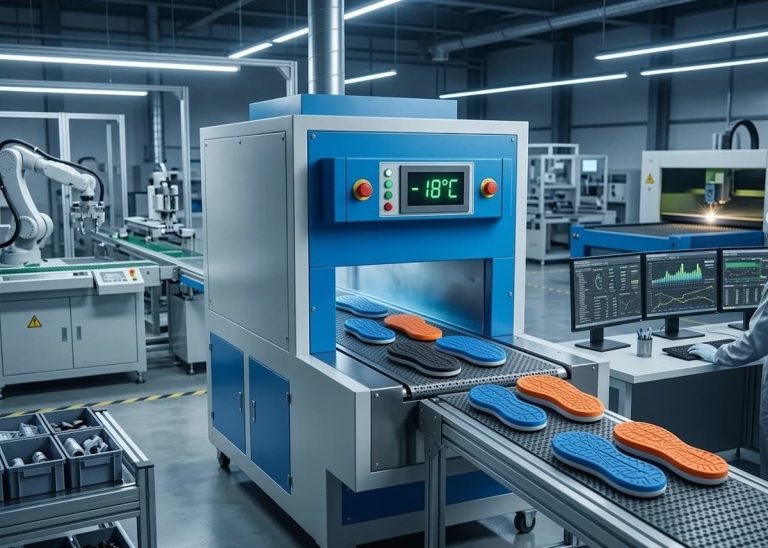
Heel / Seat Pressing & Crowning in Footwear Manufacturing – Full Shoe Assembly Series
In the previous blog, Lace Tightening & Positioning in Footwear Manufacturing – Full Shoe Assembly Series, we discussed how proper lace balancing stabilizes the upper after lasting and helps maintain correct upper positioning before post-lasting correction processes begin. However, even after successful lasting and lace adjustment, the heel seat area still contains internal stress, uneven upper tension, localized deformation, and minor contour irregularities. Therefore, footwear factories perform heel / seat pressing and crowning operations to stabilize the heel structure and refine the final back-part geometry before downstream assembly stages continue.
Heel / seat pressing is one of the most important post-lasting operations because the heel area strongly influences both visual quality and structural performance. Consumers immediately notice heel contour smoothness, back-part symmetry, and overall finishing quality during retail inspection. Even when the shoe performs well technically, poor heel shaping creates a low-quality appearance perception and negatively affects product value.
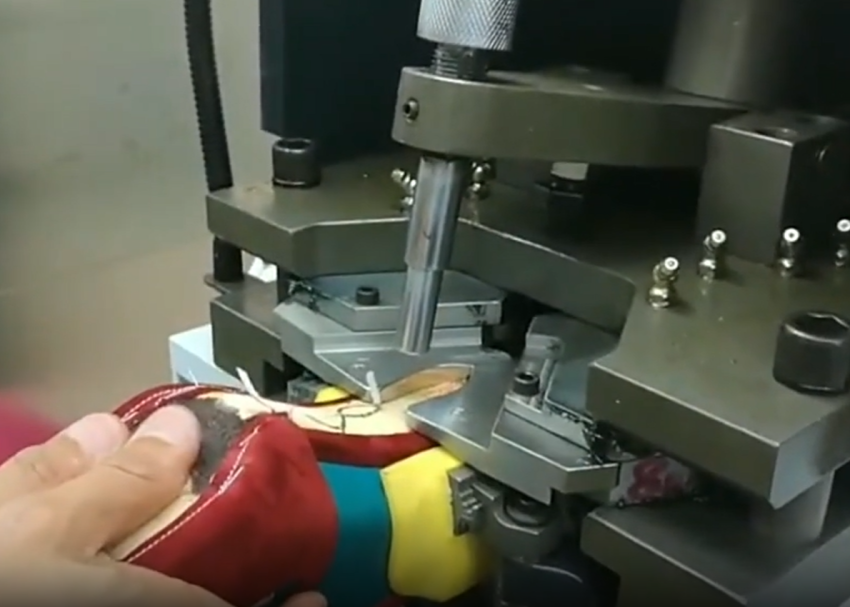
During this operation, hydraulic or pneumatic presses apply controlled compression around the heel seat area. The compression helps flatten lasting margins, eliminate wrinkles, improve upper-to-insole conformity, stabilize the counter structure, and reduce material rebound after lasting. Simultaneously, crowning refines the heel contour and creates a smooth, symmetrical back-part profile without visible deformation or uneven surface transitions.
Modern footwear factories carefully control pressure, dwell time, mold geometry, temperature, and material compression behavior to maintain consistent production quality across large manufacturing volumes. The process becomes especially critical in leather footwear, safety shoes, athletic footwear, boots, and premium fashion constructions where heel stability and contour retention directly influence product performance and appearance.
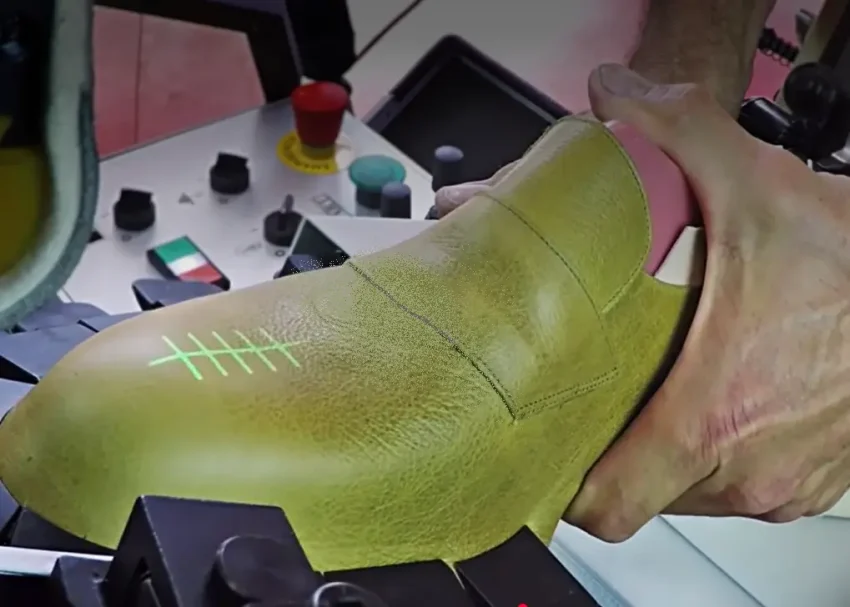
Purpose of Heel / Seat Pressing in Footwear Manufacturing
Heel / seat pressing is primarily performed to stabilize the heel region after lasting. During lasting, the upper stretches tightly around the last shape and conforms to the basic footwear geometry. However, although the upper appears visually stable immediately after lasting, the heel area still retains internal stress and material memory. If these stresses remain uncontrolled, the heel may later develop wrinkles, contour deformation, counter instability, or dimensional inconsistency during cooling, handling, or wear.
The pressing operation compresses the upper, lining, counter, insole, and lasting margins together under controlled force so that all components settle into a stable configuration. As pressure is applied, trapped air gaps reduce and intimate contact between materials improves significantly. Consequently, the heel area maintains better dimensional stability throughout downstream assembly processes.
This operation also improves adhesive contact performance inside the heel seat area. Better material conformity reduces the possibility of internal lifting or weak bonding during sole attaching and finishing operations. In addition, proper compression improves the overall structural integrity of the heel region and enhances long-term shape retention.
In structured footwear constructions such as leather shoes and safety footwear, heel pressing additionally improves heel support performance and counter stiffness. The operation helps maintain correct foot positioning inside the shoe during walking and reduces excessive movement around the back-part area.
Without proper heel pressing, factories commonly experience heel wrinkles, back-part asymmetry, lasting margin lifting, loose fitting, and unstable heel geometry. Therefore, the process serves both structural and aesthetic purposes within footwear manufacturing.
Key Control Points
- Ensure correct heel alignment before compression
- Position the shoe centrally inside the machine
- Verify wrinkle-free upper positioning
- Maintain stable pressure consistency
Expert Tip: Always separate machine settings according to upper material category instead of using a single standard setup.
Role of Crowning in Heel Contour Refinement
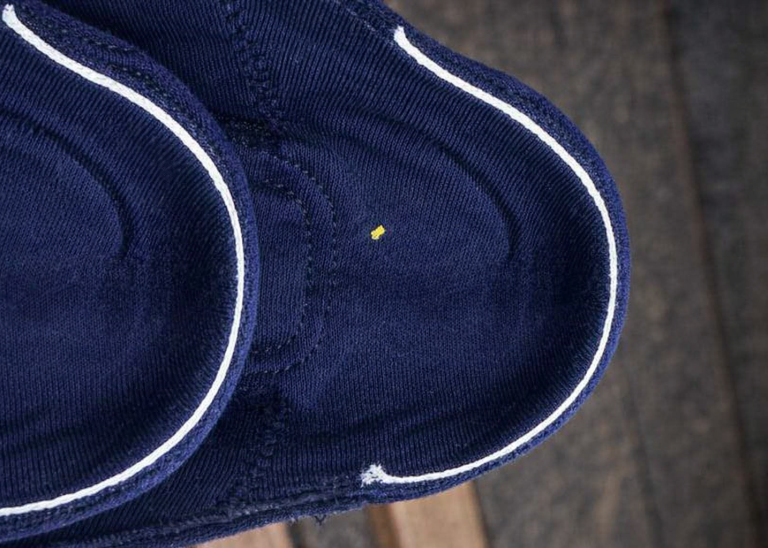
Crowning is closely connected to heel seat pressing, although its primary purpose focuses on contour refinement rather than compression stabilization alone. During crowning, specially designed molds apply balanced pressure around the heel contour to smoothen the back-part profile and eliminate contour irregularities generated during lasting operations.
After lasting, the heel region may contain localized bumps, sharp contour transitions, counter edge visibility, uneven compression zones, or material overlap irregularities. Crowning corrects these imperfections by reshaping the heel area under controlled compression. As a result, the shoe develops a cleaner, smoother, and more symmetrical heel profile.
This operation becomes extremely important in formal footwear and fashion shoes because consumers visually inspect the heel region immediately during product evaluation. Even small asymmetry or contour distortion reduces perceived craftsmanship quality and negatively affects commercial presentation.
Modern footwear factories normally use crown molds designed specifically according to the shoe last geometry, heel height, material thickness, and footwear category. Some factories additionally use heat-assisted crowning systems to improve contour memory and reduce rebound behavior in difficult materials such as thermoplastic counters or dense leather constructions.
Beyond appearance improvement, crowning also contributes to better heel fitting and improved foot stability. A well-shaped heel provides stronger counter conformity and helps maintain stable foot positioning during walking. Consequently, crowning should not be viewed only as a cosmetic operation. It is also an important structural stabilization process within modern footwear assembly systems.
Key Control Points
- Match crown mold with last contour
- Avoid excessive compression on soft uppers
- Inspect left-right symmetry continuously
- Verify back seam alignment after crowning
Pro Tip: Inspect heel symmetry during first-piece approval before bulk production starts.
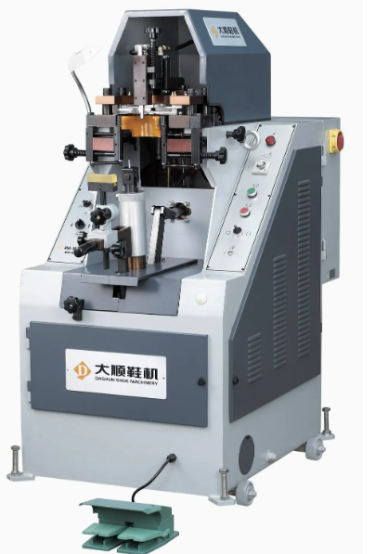
Heel / Seat Press Machine Construction and Operation
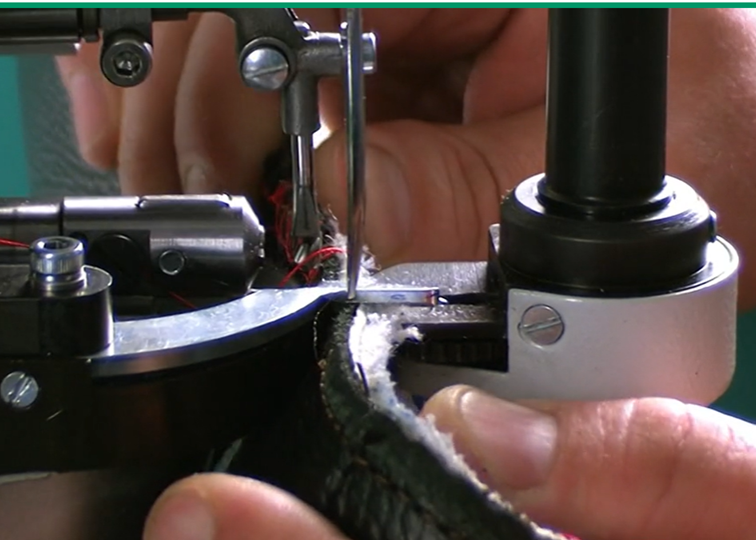
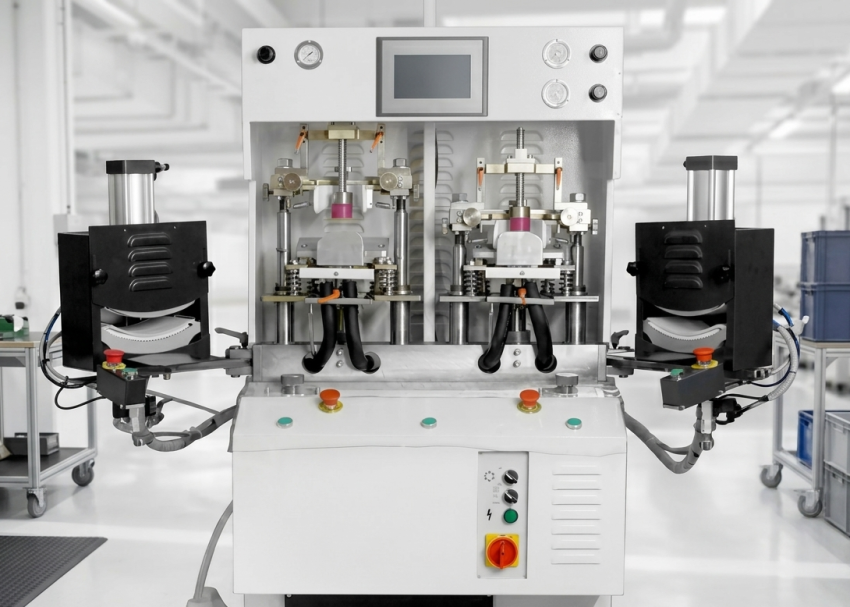
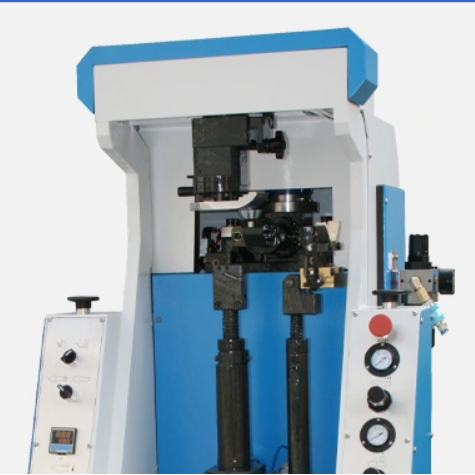
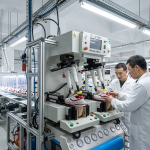
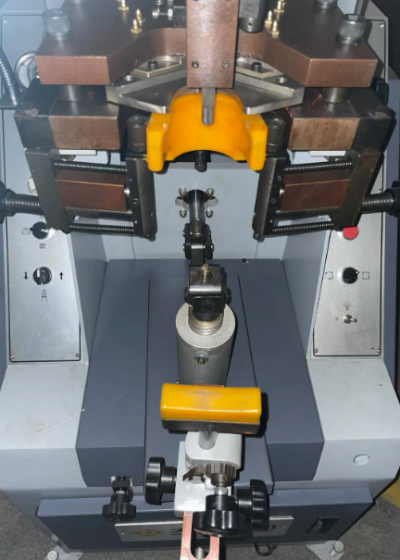
Heel seat pressing machines use hydraulic, pneumatic, or servo-assisted systems to generate controlled compression force around the heel region. Although machine designs differ between manufacturers, most industrial systems follow the same basic operating principle.
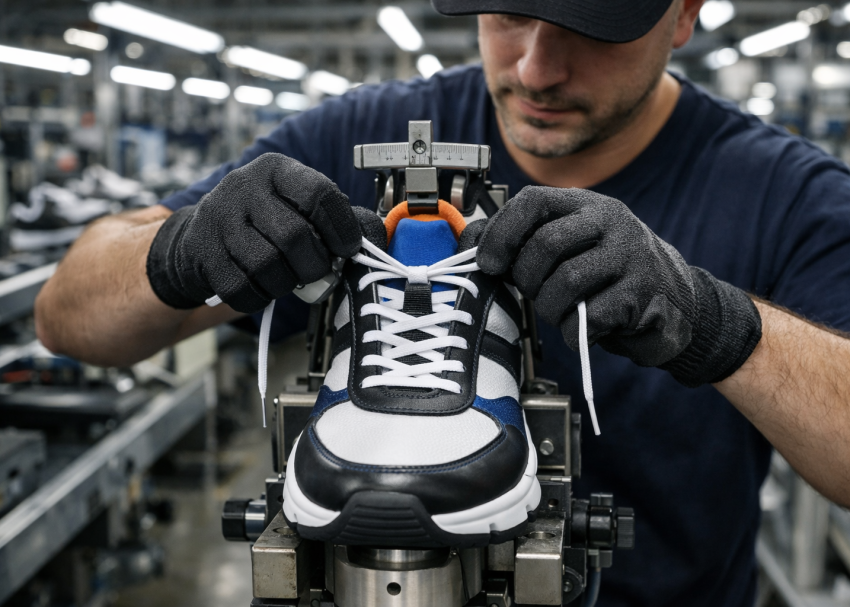
The lasted shoe is positioned carefully on the support platform so that the heel aligns accurately with the compression molds. Once the machine cycle starts, the pressing heads move inward and apply controlled force around the heel seat area according to pre-set pressure and dwell settings. After maintaining compression for the required duration, the machine releases automatically and the shoe moves to inspection or the next assembly stage.
Most machines include heel support platforms, compression molds, side pressure jaws, crown shaping heads, pressure regulators, cylinders, and timing systems. The design of the pressing mold plays a major role in contour quality because mold geometry directly influences the final heel profile.
Hydraulic systems are generally preferred for leather shoes, safety footwear, and boots because they provide stronger and more stable compression force. Pneumatic systems, however, are commonly used for sports footwear and lightweight casual constructions because they offer faster cycle times and easier pressure adjustment.
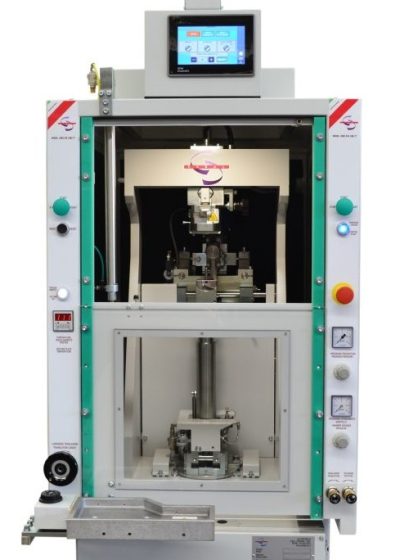
Modern footwear factories increasingly use digitally controlled systems capable of storing style-specific production parameters. Advanced machines may additionally include:
- PLC controls
- Heated molds
- Multi-pressure zones
- Digital pressure displays
- Automatic centering systems
- Programmable dwell cycles
Machine stability is extremely important because even minor pressure fluctuation can create visible heel inconsistency across production pairs.
Key Control Points
- Calibrate pressure gauges regularly
- Keep molds clean during production
- Verify mold alignment daily
- Inspect pneumatic leakage frequently
Courtesy : SABEL GROUP
Pro Tip: Validate heated mold temperature using external thermometers periodically.
Pressure Management in Heel / Seat Pressing
Pressure is the most critical parameter in heel / seat pressing because it directly influences heel contour formation, counter stabilization, upper conformity, and long-term shape retention. During the pressing operation, controlled compression force pushes the upper, lining, counter, lasting margin, and insole into a stable configuration around the heel seat area. If pressure becomes too low, the materials fail to settle properly and the heel may later develop wrinkles, rebound deformation, or loose contour geometry. Conversely, excessive pressure can permanently damage upper materials, collapse foam structures, distort counters, or create visible surface impressions.
Most footwear factories operate around an average pressure of approximately 5 bar, although the actual setting depends heavily on material behavior and footwear construction. Lightweight sports footwear normally requires lower pressure because mesh materials and foam-backed uppers compress easily under force. Leather footwear and safety shoes, however, require stronger compression because dense materials and rigid counters resist deformation more aggressively. Therefore, process engineers normally validate pressure settings during pilot production before approving bulk manufacturing.
Stable pressure distribution is equally important during continuous production. Even if the nominal pressure setting remains correct, unstable pneumatic systems or hydraulic fluctuation can create inconsistent heel contours between left and right shoes.
For this reason, engineering teams regularly monitor regulator stability, cylinder performance, compressor consistency, and mold alignment throughout production shifts.
Pressure also affects downstream assembly performance. Proper heel compression improves intimate contact between upper components and reduces internal gaps inside the heel seat area.
As a result, the shoe maintains better dimensional stability during sole attaching, finishing, packing, transportation, and consumer usage. Factories typically adjust pressure according to:
- Upper material softness
- Counter rigidity
- Sole construction
- Heel design
- Material thickness
Courtesy : WENZHOU
Typical industrial pressure ranges include:
| Footwear Type | Average Pressure |
|---|---|
| Sports Footwear | 3–4 bar |
| Casual Shoes | 4–5 bar |
| Leather Shoes | 5–6 bar |
| Safety Footwear | 5–7 bar |
Key Control Points
- Avoid universal settings for all materials
- Reduce pressure for mesh and foam-backed uppers
- Monitor compressor stability continuously
- Verify left-right heel contour consistency
Pro Tip: Use softer molds for mesh and foam-backed constructions to avoid surface impressions.
Temperature-Controlled Heel Pressing Systems
Certain footwear constructions require heat-assisted pressing systems to improve contour formation and material conformity. These systems combine thermal softening with controlled compression force so that difficult materials conform more effectively to the required heel geometry.
Heat primarily softens thermoplastic counters, leather fibers, reinforcement sheets, adhesive films, and foam structures. Once softened, these materials adapt more easily to the mold shape and maintain improved contour memory after cooling.
Temperature-controlled pressing becomes common in premium leather footwear, boots, molded counter constructions, fashion shoes, and high-end formal footwear where sharp contour retention and refined heel geometry remain critical quality requirements.
Despite its advantages, thermal management requires extremely careful control because excessive temperature can damage upper materials rapidly. Overheating may create scorching, gloss variation, material shrinkage, foam deformation, adhesive instability, or color migration. Consequently, factories validate heat settings carefully during pilot production before approving production parameters.
Modern heated systems use digital sensors and programmable controls to maintain stable mold temperature during continuous operation. Some advanced machines additionally use zone-controlled heating systems to protect sensitive upper areas from excessive thermal exposure.
Proper thermal management significantly improves shape retention, counter conformity, surface smoothness, and overall heel contour accuracy. However, operators must still monitor material response continuously because different materials react differently under heat-assisted compression.
Key Control Points
- Monitor mold temperature continuously
- Avoid overheating coated materials
- Validate heat tolerance during trials
- Clean heated molds regularly
Pro Tip: Conduct inline comparison using approved master samples every production hour.
Common Defects in Heel / Seat Pressing
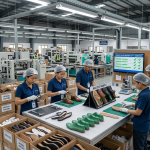
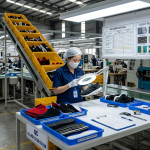
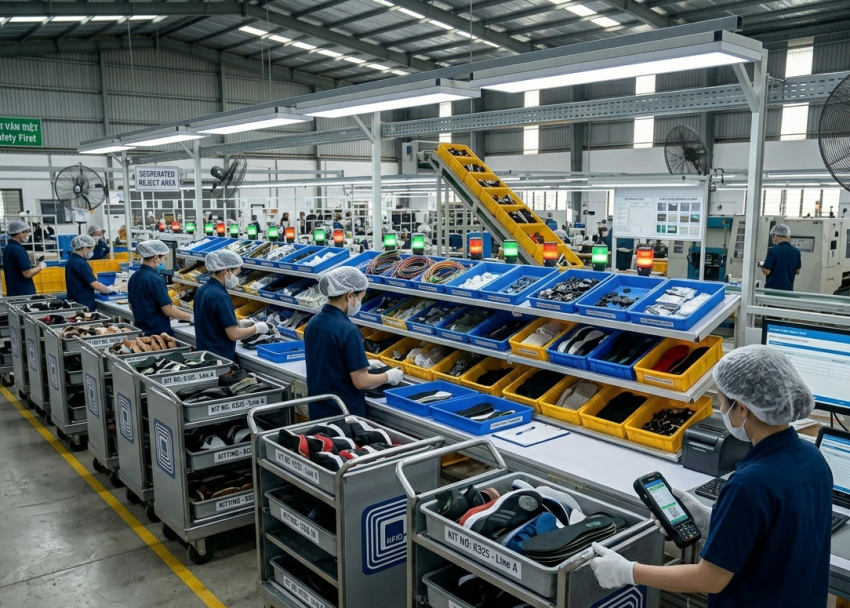
Heel seat pressing defects normally originate from unstable pressure, incorrect dwell time, poor positioning, or inadequate thermal control. Because the heel area remains highly visible in finished footwear, even small defects may result in product rejection.
Heel wrinkles are among the most common problems during production. These wrinkles usually appear when compression becomes insufficient or the upper is positioned incorrectly before pressing. Poor lasting tension may also contribute to wrinkle formation around the heel quarters. Counter collapse occurs when pressure or temperature becomes excessive. Severe collapse reduces structural integrity and weakens heel support performance during walking.
Pressure marks develop when molds become too hard, contaminated, or excessively hot. Delicate synthetic materials and coated uppers remain particularly sensitive to this issue. Heel asymmetry occurs when the shoe is not centered correctly inside the machine. As a result, one side receives greater compression force than the other and the heel contour becomes visually uneven.
Scorching defects appear mainly in heated systems where mold temperature exceeds material tolerance limits. Lasting margin lifting develops when compression fails to stabilize upper-to-insole contact properly. Factories normally conduct immediate inline inspection after pressing so that defects are identified before downstream assembly continues.
Key Control Points
- Inspect heel symmetry immediately after pressing
- Check surface gloss variation carefully
- Monitor back seam alignment
- Reject shoes with visible pressure marks
Pro Tip: Train operators to identify early-stage counter collapse before downstream processing.
Quality Inspection After Heel / Seat Pressing
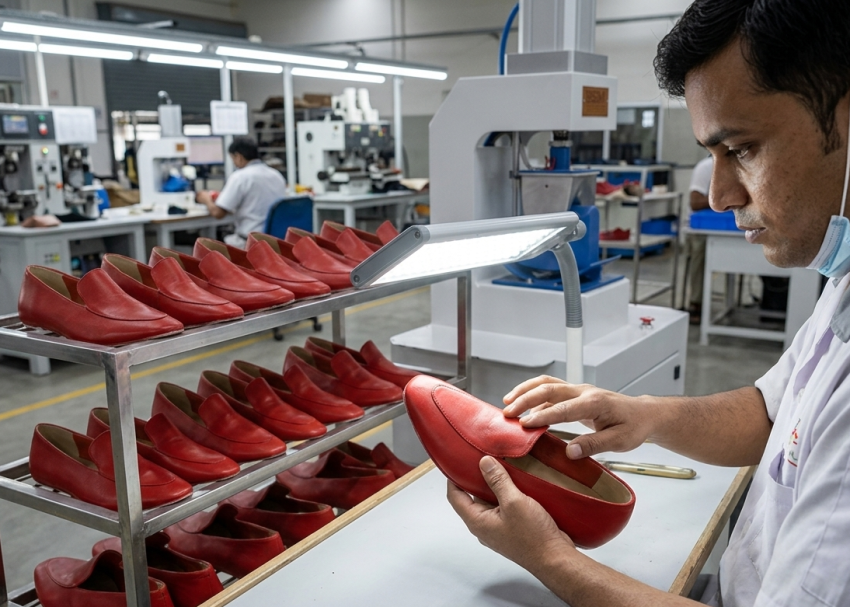
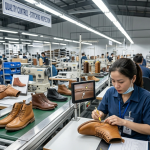
Post-pressing inspection ensures that the shoe maintains correct heel geometry, contour smoothness, and structural stability before moving into downstream assembly stages. Inspectors carefully evaluate the heel region because this area strongly influences overall product appearance and customer perception. Inspection normally focuses on wrinkle elimination, heel smoothness, counter stability, surface appearance, back seam alignment, and left-right symmetry.
Factories usually compare production output against approved master samples to maintain consistency throughout manufacturing. Under controlled lighting conditions, inspectors additionally check for surface impressions, gloss variation, contour distortion, material shrinkage, and edge lifting around the heel seat area. Premium factories may also conduct dimensional verification using contour templates or digital measuring systems to maintain tighter tolerance control.
Immediate defect detection significantly reduces downstream rejection costs because corrective action becomes more difficult after sole attachment and finishing operations continue. Well-structured inline inspection systems also help engineering teams identify machine instability before major quality losses occur.
Key Control Points
- Compare output with approved samples
- Use proper lighting conditions
- Check hidden edge lifting carefully
- Verify left-right contour consistency
Pro Tip: Clean molds frequently to prevent adhesive transfer marks onto uppers.
Conclusion
Heel / seat pressing and crowning are essential stabilization processes in footwear assembly because they directly influence heel geometry, counter integrity, shape retention, and overall product appearance. Controlled pressure, proper dwell time, accurate shoe positioning, and stable machine performance together determine whether the final heel structure remains smooth, symmetrical, and durable.
Modern footwear factories increasingly depend on programmable hydraulic and pneumatic systems to maintain consistency across high-volume production. Furthermore, proper material handling, preventive maintenance, and inline inspection significantly reduce defects such as wrinkles, counter collapse, pressure marks, and heel asymmetry.
In the next blog of the Full Shoe Assembly Series, we will discuss Toe Pounding / Setting in Footwear Manufacturing, including toe shape stabilization, upper conformity correction, and dimensional control after lasting.
Pro Tip: Monitor compressor pressure stability continuously during high-volume production
Frequently Asked Questions – FAQs
What is heel / seat pressing in footwear manufacturing?
Heel / seat pressing is a post-lasting operation where controlled pressure stabilizes the heel area by compressing the upper, counter, lining, and insole together.
Why is crowning important in shoe manufacturing?
Crowning improves heel contour smoothness, symmetry, and overall back-part appearance while enhancing structural stability.
What pressure is normally used for heel pressing?
Most factories operate around 5 bar average pressure, although actual settings vary according to footwear construction and material type.
What causes heel wrinkles after pressing?
Heel wrinkles usually result from insufficient pressure, poor positioning, short dwell time, or unstable lasting tension.
Why do factories use heated heel pressing systems?
Heated systems improve contour formation and material conformity for leather shoes, thermoplastic counters, and premium footwear constructions.
What defects occur due to excessive pressure?
Excessive pressure may cause pressure marks, foam collapse, counter deformation, and upper surface shine.
How do factories maintain pressing consistency?
Factories maintain consistency through machine calibration, operator training, preventive maintenance, and inline quality inspection.