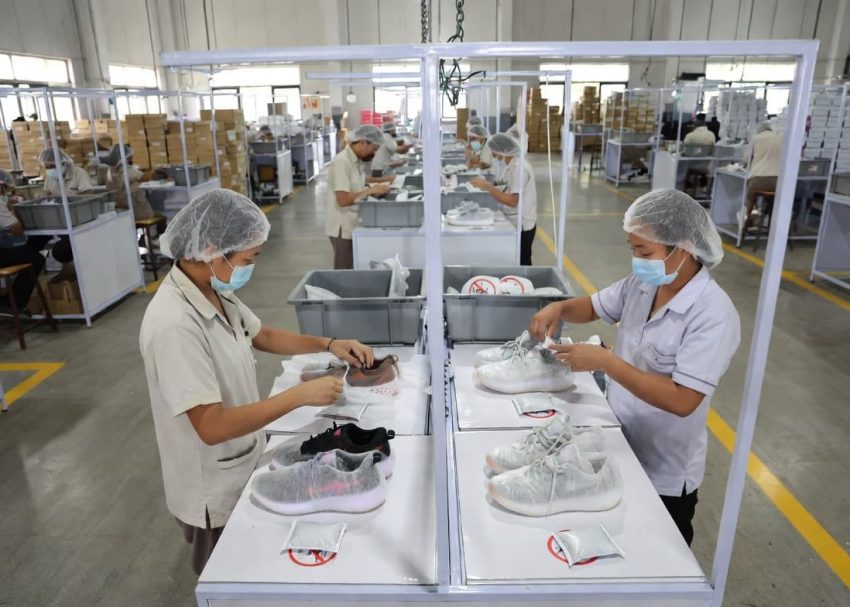
Wrapping Paper, Desiccants, and Anti-Mold Protection in Footwear Manufacturing – Full Shoe Assembly Series
Packaging is often perceived as the final step in footwear manufacturing, carried out only after production and quality inspections have been completed. In reality, it serves a much greater purpose than simply preparing shoes for shipment. Effective packaging protects the product’s quality, appearance, and structural integrity throughout storage, transportation, distribution, and retail handling.
A well-manufactured shoe can still reach the customer in unacceptable condition if it is not properly protected. Scratches, deformation, moisture exposure, mold growth, dust contamination, and damage during transit can significantly affect customer satisfaction and brand reputation. For this reason, footwear manufacturers treat packaging as an essential quality preservation process rather than a routine packing activity.
Today’s global footwear supply chains often involve long transit times, multiple handling points, varying climatic conditions, and extended warehouse storage. To ensure products arrive in the same condition in which they left the factory, brands establish detailed packaging standards covering wrapping materials, shoe bags, stuffing systems, desiccants, anti-mold protection, carton specifications, and labeling requirements.
Proper packaging not only safeguards the product but also supports efficient logistics, inventory management, retail presentation, and sustainability objectives. As a result, packaging has become an important technical function within modern footwear manufacturing operations, requiring careful planning, material selection, and quality control.
In this article, we will examine the complete footwear packaging process, the materials commonly used, quality requirements, and the best practices manufacturers follow to protect footwear from the factory floor to the end consumer.

Why Shoe Wrapping Is Important in Footwear Manufacturing
Once shoes pass final inspection, the next objective is preserving product quality until the footwear reaches the consumer. Manufacturing quality alone does not guarantee customer satisfaction. If a shoe becomes scratched, dirty, moldy, or deformed during transportation, the consumer will judge the product based on its delivered condition rather than its manufacturing quality.
Footwear consists of multiple materials that can easily be damaged through contact and movement. Leather surfaces can develop abrasion marks. Synthetic materials can become scratched. Decorative trims may create pressure marks. Light-colored uppers can absorb dirt or color transfer from adjacent materials. Even slight movement inside packaging can create visible defects.
Wrapping creates a protective barrier around the footwear and isolates sensitive surfaces from external contact. Proper wrapping also helps maintain product cleanliness and preserves the premium appearance expected by consumers.
Another important reason for wrapping is moisture management. Many footwear materials absorb moisture from the surrounding environment. Excess moisture can cause mold growth, odor development, material deterioration, adhesive degradation, and corrosion of metal components. Therefore, wrapping materials work together with desiccants and anti-mold systems to create a controlled packaging environment.
Footwear brands also recognize that packaging influences customer perception. A neatly wrapped product creates an impression of quality, care, and professionalism. Therefore, wrapping serves both protective and marketing functions.
Key Control Points
- Follow customer packaging specifications.
- Protect all exposed footwear surfaces.
- Use approved packaging materials only.
- Maintain packaging area cleanliness.
- Prevent contamination during handling.
Expert Tip: Standardize packaging specifications across all factories.
Understanding the Footwear Wrapping Process
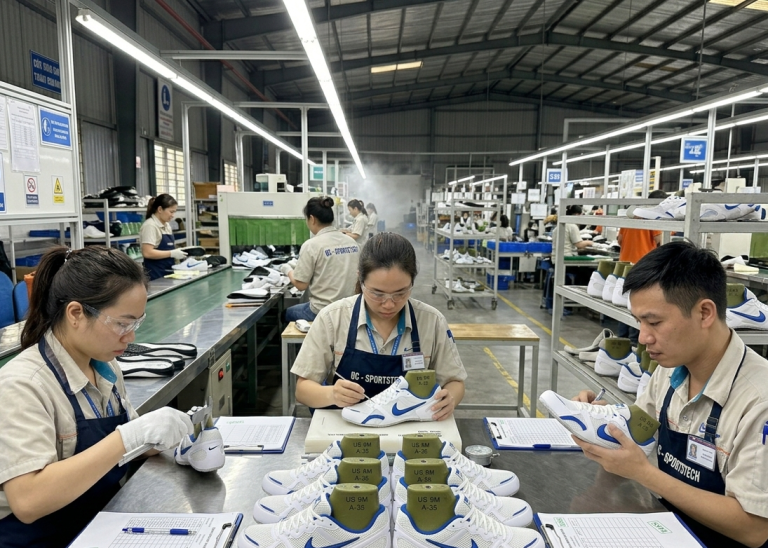
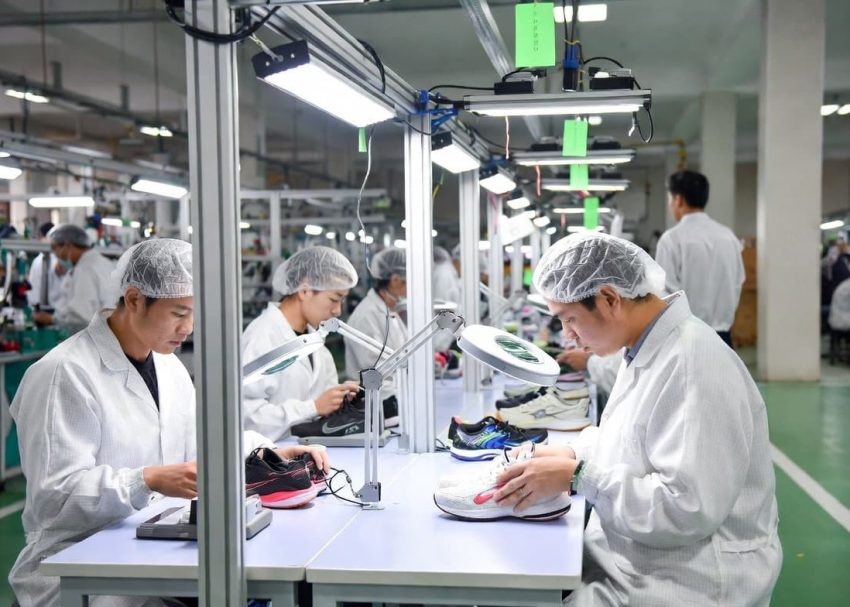
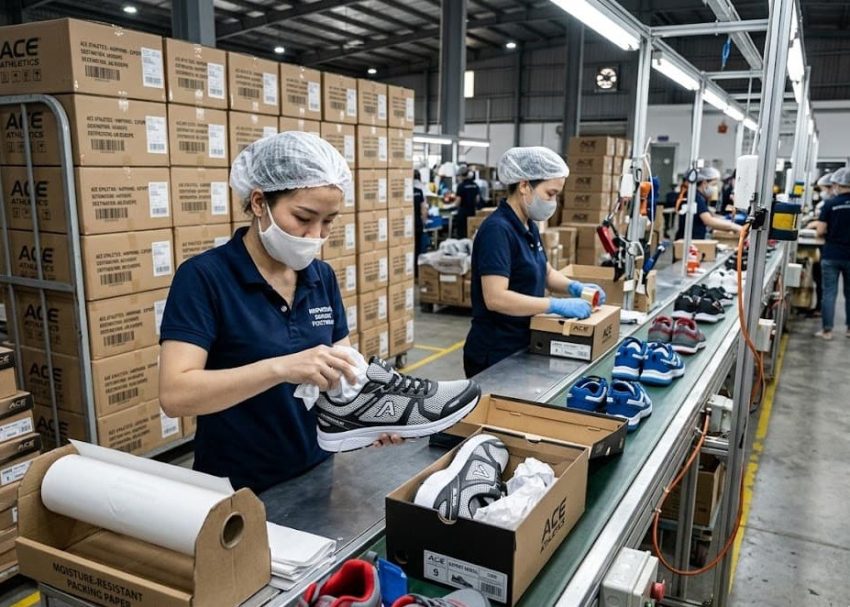
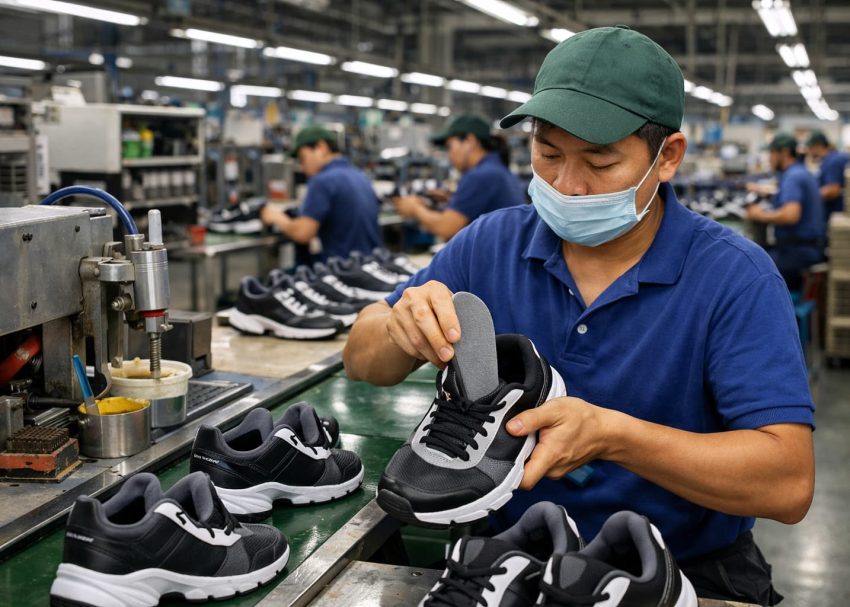
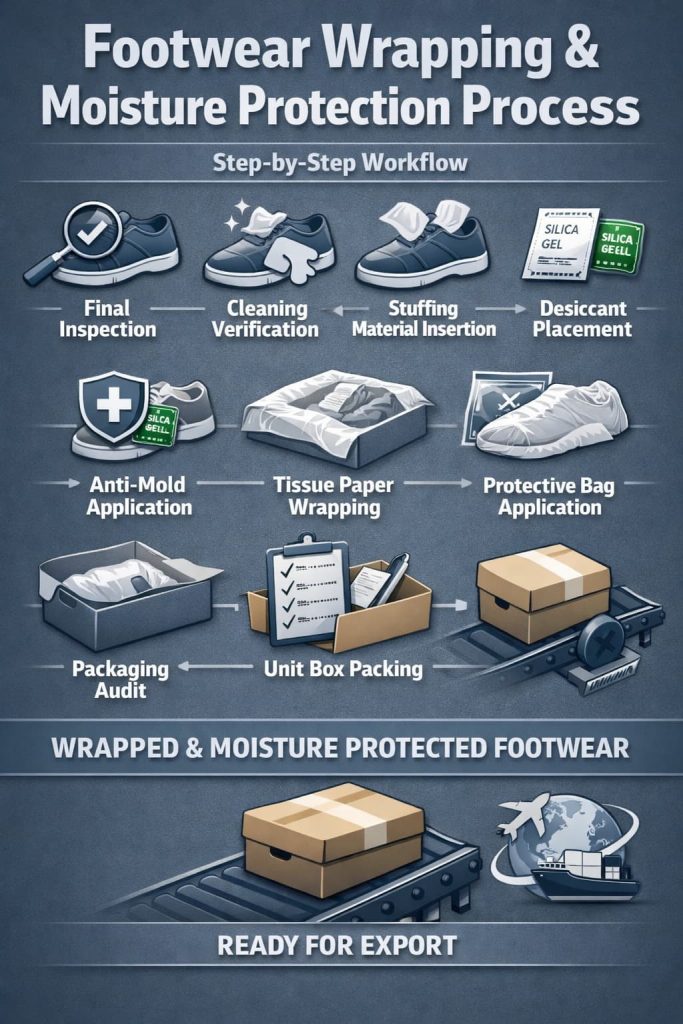
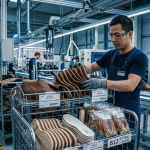
The wrapping process begins after footwear has passed final inspection and cleaning verification. Operators first confirm that the correct product, size, color, and packaging materials are available. The footwear is then prepared using stuffing materials to maintain shape before protective wrapping materials are applied. Depending on customer requirements, shoes may be wrapped individually or as a pair.
Additional protective components such as foam sheets, tissue paper, shoe bags, desiccants, and anti-mold stickers may be incorporated before the product enters the next packaging stage.
The wrapping process must achieve a balance between protection and efficiency. Insufficient wrapping can lead to product damage, while excessive wrapping increases packaging cost, material consumption, and packing time.
A well-designed wrapping process protects the product without creating unnecessary complexity. Therefore, packaging engineers carefully evaluate material selection, application methods, transportation conditions, and customer expectations before approving packaging standards.
Key Control Points
- Verify product identity before wrapping.
- Confirm correct packaging specification.
- Ensure consistent wrapping method.
- Avoid excessive material usage.
Pro Tip: Use approved anti-mold systems for export markets.
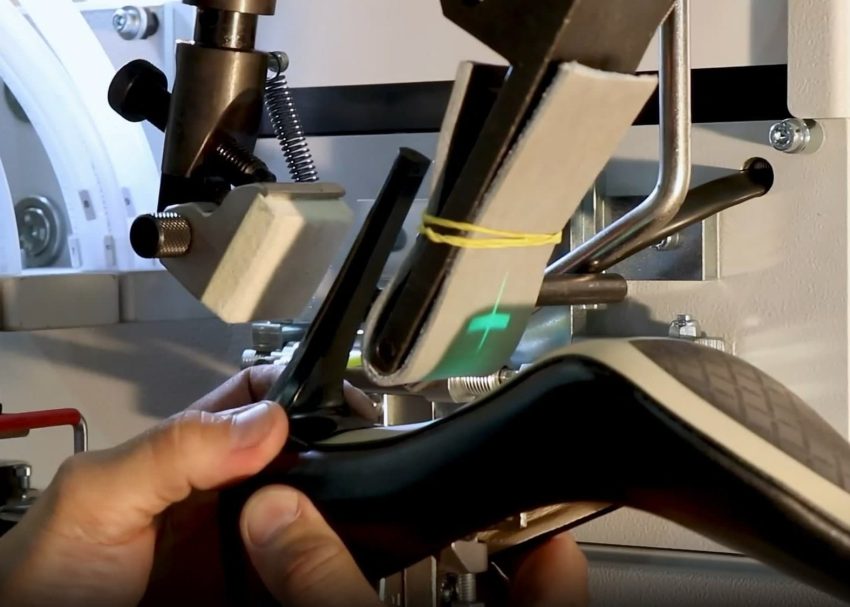
Tissue Wrapping Paper in Footwear Manufacturing
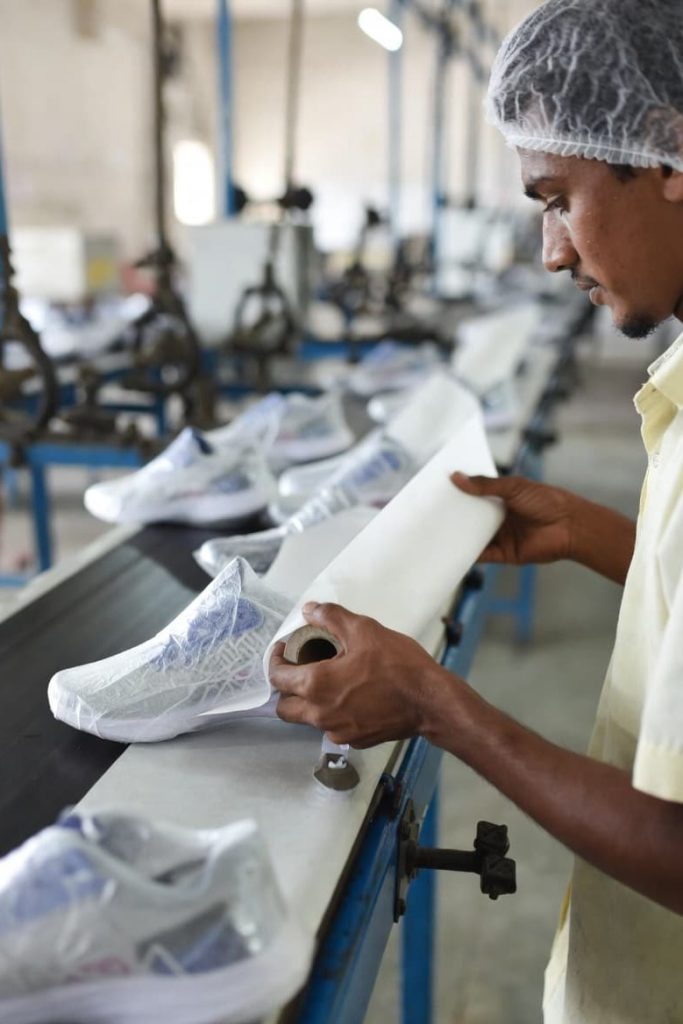
Tissue paper is the most widely used wrapping material in the footwear industry. Although it appears simple, tissue paper performs several important functions that directly affect product protection and presentation.
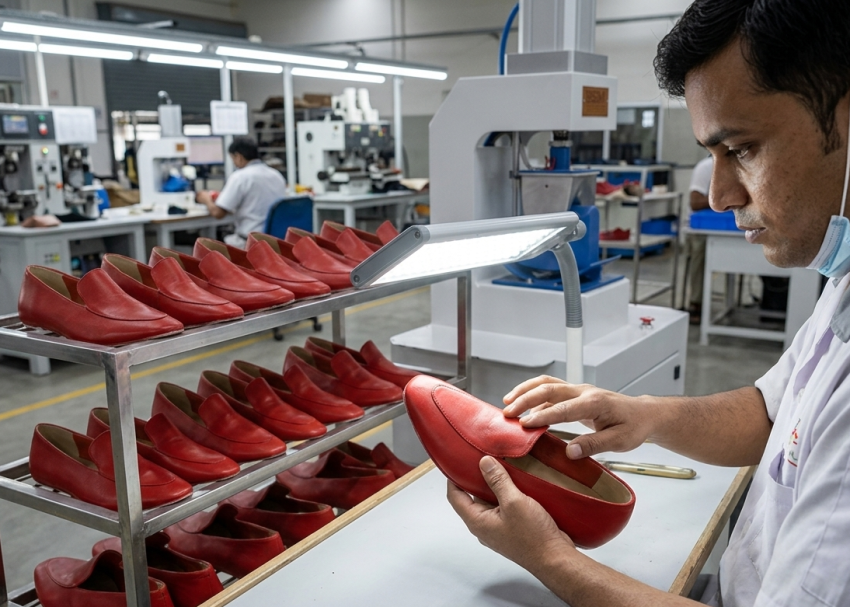
The primary purpose of tissue paper is preventing direct contact between footwear surfaces. During transportation, products experience vibration, movement, and handling. Without tissue paper, shoe components may rub against each other and create scratches, abrasion marks, or finish damage especially on the Formal shoes and Surface sensitivity materials.
Tissue paper also improves product presentation. When consumers open a shoe box, neatly wrapped footwear immediately creates a premium perception. Many global brands consider tissue paper an important element of the customer experience.
Footwear manufacturers select tissue paper specifications based on product category, material sensitivity, transportation conditions, and customer requirements. Premium products often require higher-quality tissue papers that provide better protection and appearance.
Pro Tip: Validate packaging under real transportation conditions.
Types of Tissue Paper Used in Footwear Packaging
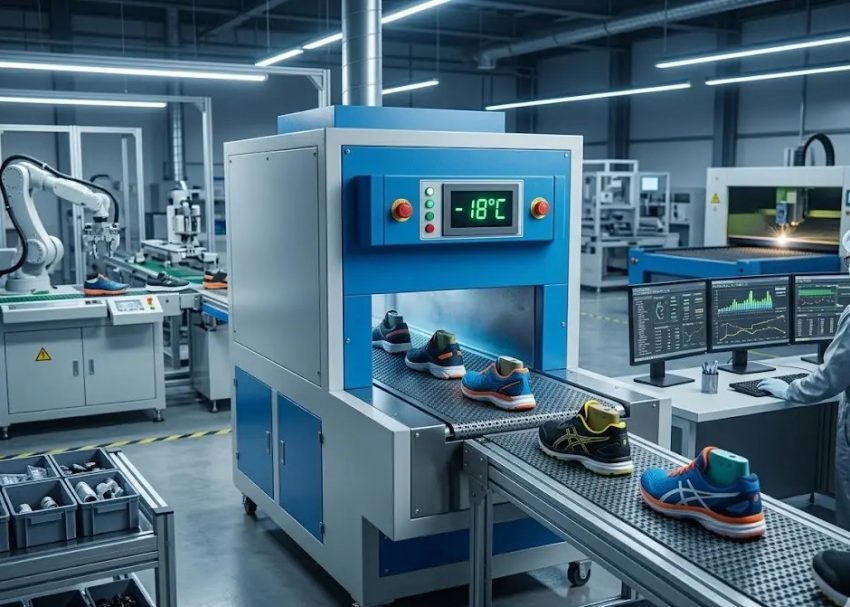
Different footwear products require different tissue paper specifications. The selection depends on product materials, brand positioning, transportation requirements, and environmental objectives.
White Tissue Paper
White tissue paper is the most commonly used packaging paper in footwear manufacturing. It provides basic protection against scratches and contamination while maintaining a clean and professional appearance.
This paper is widely used for:
- Sports footwear
- Casual footwear
- School shoes
- Children’s footwear
Acid-Free Tissue Paper
Premium leather products frequently require acid-free tissue paper. Standard paper may contain chemicals that interact with leather finishes during long-term storage. Acid-free paper minimizes this risk and helps preserve product appearance.
Common applications include:
- Leather footwear
- Luxury footwear
- Premium fashion shoes
Printed Tissue Paper
Many brands use printed tissue paper to strengthen brand identity and enhance customer experience. Logos, graphics, and brand messaging are printed directly onto the paper.
Recycled Tissue Paper
Sustainability initiatives have increased the use of recycled packaging materials. Recycled tissue paper provides similar protection while supporting environmental goals.
Key Control Points
- Verify paper GSM.
- Check paper cleanliness.
- Prevent ink transfer.
- Ensure complete product coverage.
Pro Tip: Conduct incoming inspections on packaging materials.
Foam Sheets and Surface Protection Materials
Certain footwear categories require protection beyond standard tissue paper. Delicate finishes, metallic components, glossy coatings, and decorative trims may be vulnerable to pressure marks and abrasion during transportation.
Foam sheets provide an additional cushioning layer between sensitive surfaces. Unlike tissue paper, foam materials absorb impact energy and reduce concentrated pressure points.
Premium sports footwear, fashion footwear, and luxury products often utilize foam protection around decorative elements, logo applications, buckles, and painted components. Packaging engineers must carefully select foam density and thickness because excessive cushioning may increase packaging volume and transportation costs.
Pro Tip: When evaluating foam materials, conduct long-term storage trials. Some low-quality foam materials may react with footwear finishes after extended storage periods.
Shoe Bags and Protective Pouches
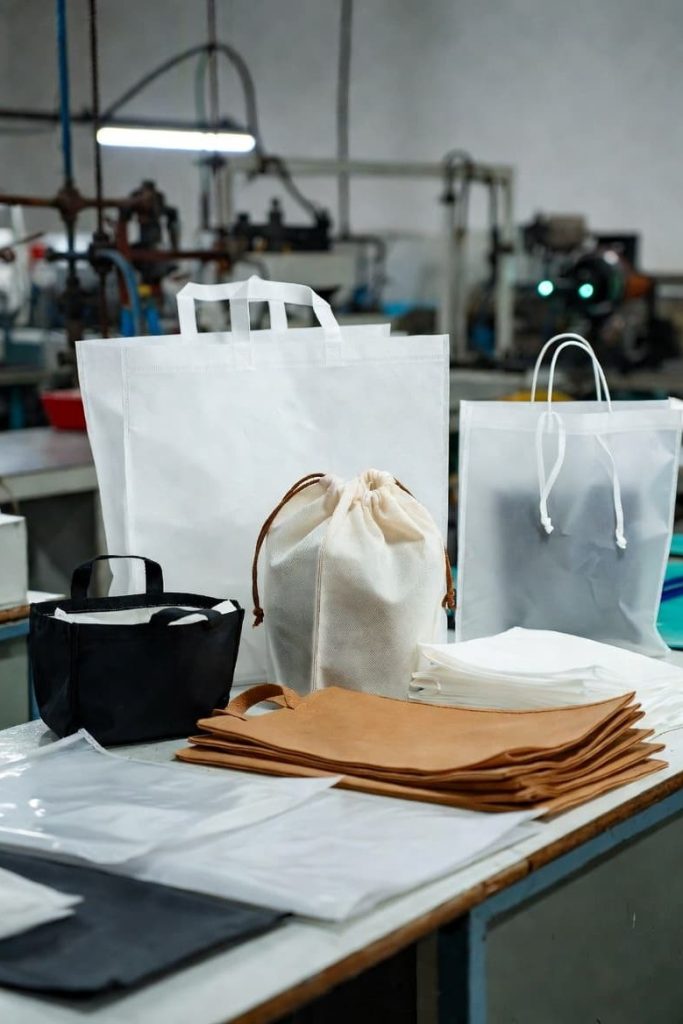
Protective bags serve as a secondary barrier against dust, moisture, and handling damage. These bags are particularly valuable for premium products and export shipments.
Non-woven bags are commonly used because they provide dust protection while allowing airflow. This breathability reduces the risk of moisture accumulation around the footwear. Polybags provide greater moisture resistance and contamination protection. They are frequently used for sports footwear, outdoor footwear, and work footwear that may experience extended transportation periods.
Luxury footwear brands often include reusable fabric bags that improve product presentation and increase perceived customer value. The selection of shoe bags depends on transportation conditions, customer requirements, product sensitivity, and sustainability objectives.
Key Control Points
- Verify bag dimensions.
- Ensure correct material specification.
- Check print quality.
- Confirm sealing integrity.
Pro Tip: Optimize box dimensions to minimize movement.
Internal Stuffing Materials and Shape Retention
Shape retention is one of the most important objectives during footwear packaging. A shoe that loses its intended shape during transportation can create a poor customer experience and generate product complaints.
To prevent deformation, footwear manufacturers use various stuffing materials inside the shoe. These materials support the upper structure and help maintain the original shape throughout storage and transportation.
Paper stuffing remains the most common solution because it is cost-effective, recyclable, and easy to apply. Premium products may utilize molded paper supports, cardboard inserts, or engineered shape-retention systems.
Proper stuffing prevents toe collapse, vamp distortion, collar deformation, and overall shape loss. However, excessive stuffing can also create pressure marks. Therefore, footwear manufacturers establish detailed stuffing specifications for each product category.
Key Control Points
- Use approved stuffing materials.
- Verify stuffing quantity.
- Maintain consistent application.
- Avoid excessive pressure.
Pro Tip: Audit packaging lines regularly.
Monitor mold claims and packaging-related customer complaints.
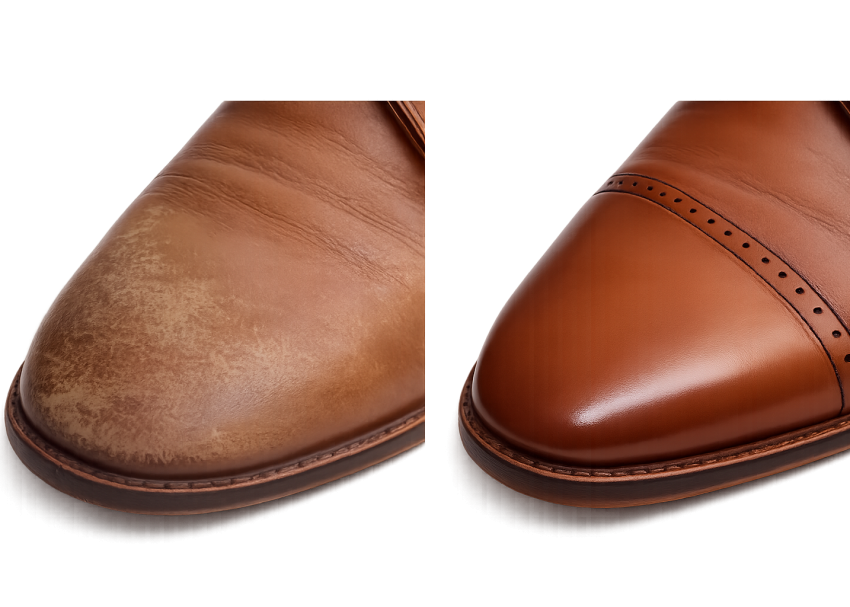
Moisture and Mold Risks in Footwear Packaging
Moisture remains one of the biggest challenges facing footwear manufacturers. Mold-related claims can create significant financial losses and damage brand reputation.
Several factors contribute to mold growth:
- High humidity
- Warm temperatures
- Organic materials
- Extended storage periods
- Poor ventilation
Many footwear materials, including leather, textiles, adhesives, and packaging components, provide conditions that support fungal growth when moisture is present.
International transportation increases this risk because shipping containers frequently experience temperature fluctuations that generate condensation. This phenomenon, often called container rain, can expose products to significant moisture levels during transit.
As global supply chains become longer and more complex, footwear manufacturers must implement comprehensive moisture-control strategies to protect product quality.
Pro Tip: Train operators on packaging standards.
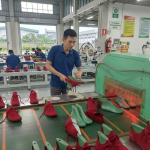
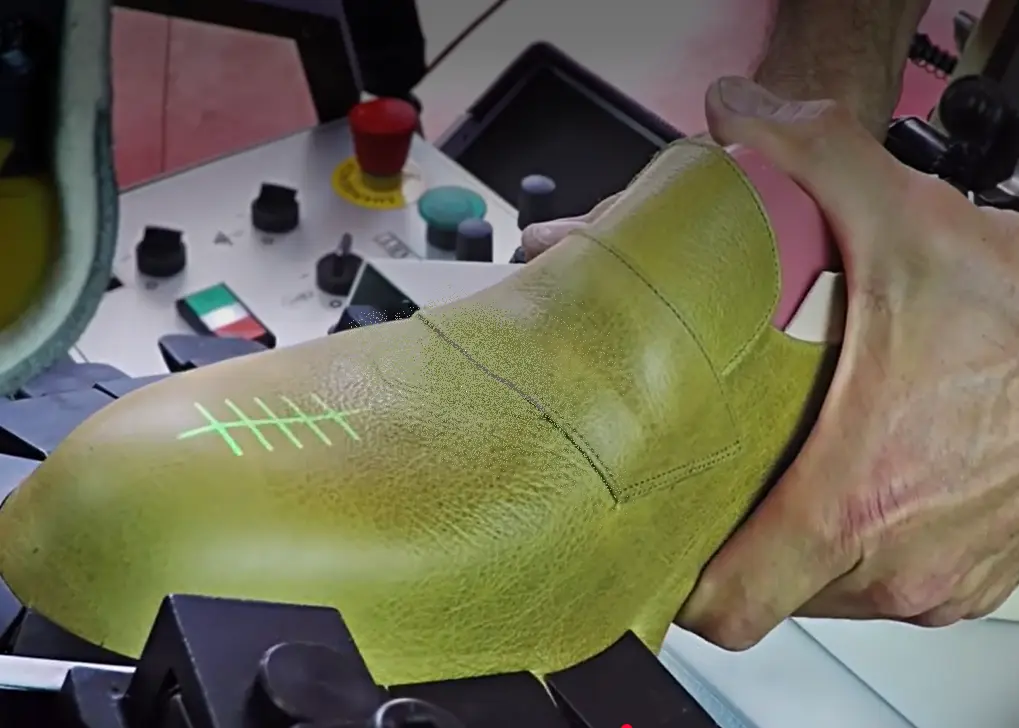
Silica Gel and Desiccants in Footwear Packaging
Desiccants are materials that absorb moisture from the surrounding environment. In footwear packaging, they play a critical role in controlling humidity levels and reducing mold risk.
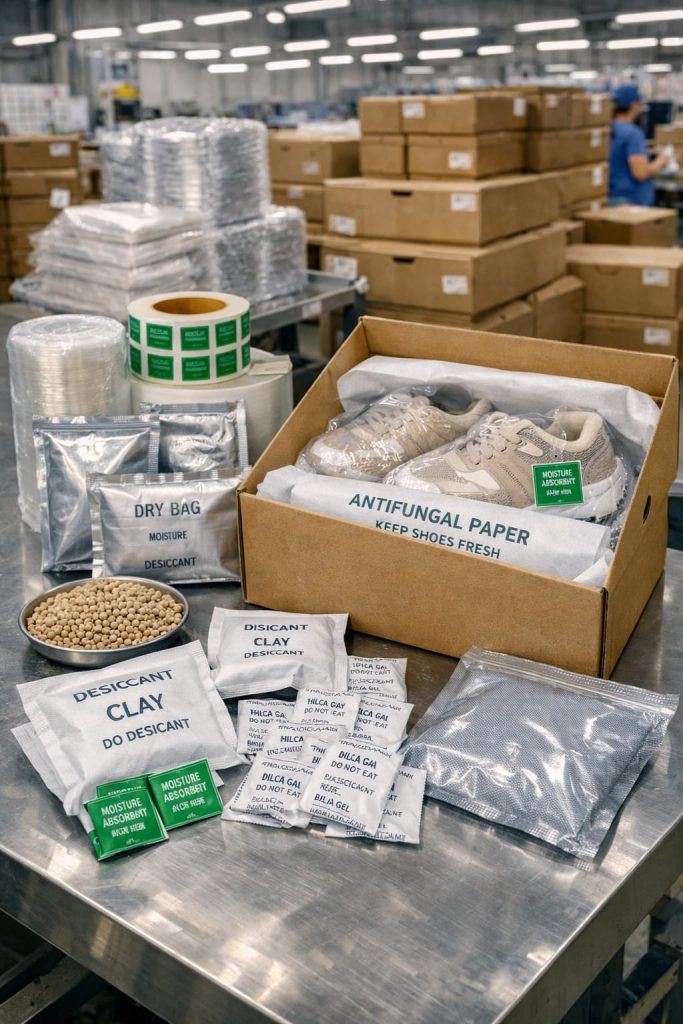
Silica gel is the most widely used desiccant in the footwear industry. These small packets absorb moisture trapped inside packaging systems and help create a more stable environment around the product.
Silica gel is particularly important for: Leather footwear, Export products, Ocean shipments, Tropical destinations, Long-term storage.
The quantity of desiccant required depends on package volume, transportation duration, destination climate, and customer specifications.
Pro Tip: Monitor mold claims and packaging-related customer complaints.

Types of Desiccants Used in Footwear Packaging
Various desiccant technologies are available depending on product requirements.
White Silica Gel
The most common desiccant used in footwear packaging. It provides reliable moisture absorption and cost-effective protection.
Indicating Silica Gel
This desiccant changes color when moisture absorption reaches a predetermined level. It allows visual monitoring of desiccant performance.
Clay Desiccants
Clay-based products offer an environmentally friendly alternative and are widely used in sustainable packaging programs.
Molecular Sieve Desiccants
These advanced materials provide high moisture absorption performance under demanding conditions.
Key Control Points
- Verify desiccant type.
- Confirm correct quantity.
- Ensure packet integrity.
- Follow customer requirements.
Anti-Mold Stickers and Anti-Mold Protection Systems
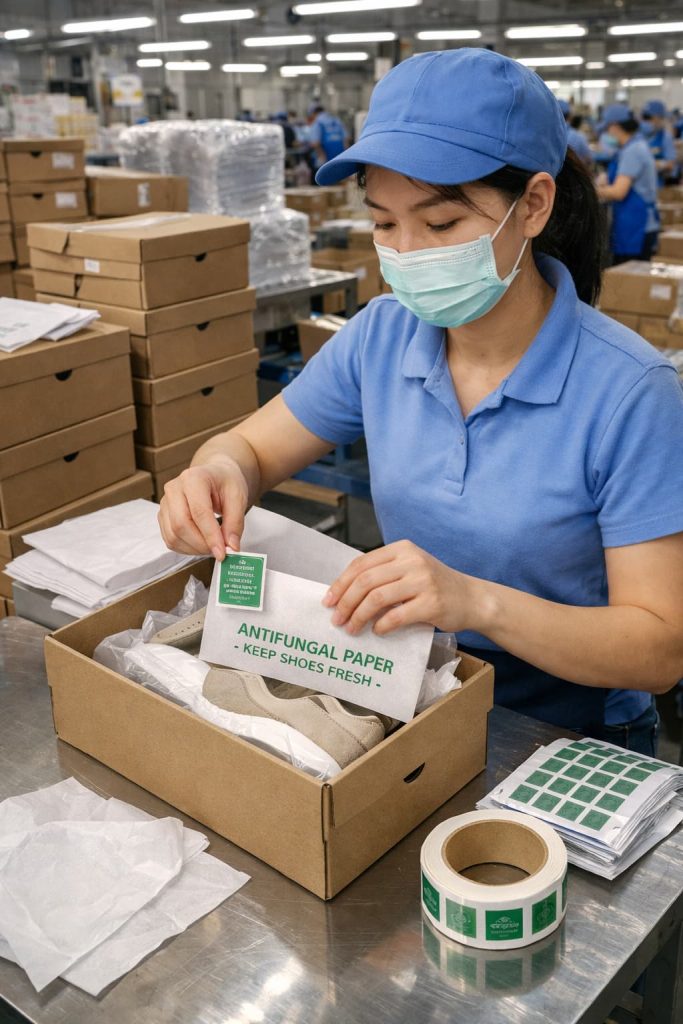
While desiccants absorb moisture, anti-mold protection systems actively inhibit fungal growth inside the packaging environment. Many global footwear brands require anti-mold stickers, anti-mold sheets, or anti-fungal packaging materials for export products.
These systems are particularly important when footwear is shipped through humid climates or stored for extended periods.
Anti-mold stickers are typically placed inside packaging where they can create a protective environment around the footwear. Their effectiveness depends on proper placement, correct dosage, and adherence to supplier recommendations.
Modern anti-mold technologies significantly reduce mold-related claims and improve product reliability throughout global supply chains. As footwear brands continue expanding into tropical and high-humidity markets, anti-mold protection has become a standard packaging requirement rather than an optional enhancement.
Key Control Points
- Use approved anti-mold products.
- Follow placement instructions.
- Monitor expiration dates.
- Maintain traceability records.

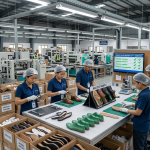
Testing Requirements for Wrapping and Protective Materials
Packaging materials must be evaluated before approval for production use. Testing ensures that protective materials perform consistently throughout transportation and storage. Tissue papers are evaluated for weight, strength, cleanliness, and color transfer resistance. Foam materials undergo compression and compatibility testing. Polybags are tested for thickness, tear strength, seal integrity, and durability.
Desiccants are evaluated for moisture absorption capacity and performance consistency. Anti-mold systems undergo effectiveness testing under controlled environmental conditions. Packaging engineers also conduct transportation simulations to verify that packaging systems perform adequately under real-world logistics conditions.
Common Packaging Material Tests
- GSM testing
- Tensile strength testing
- Tear resistance testing
- Seal strength testing
- Compression testing
- Moisture absorption testing
- Compatibility testing
- Environmental exposure testing
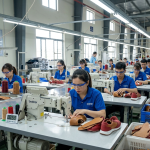
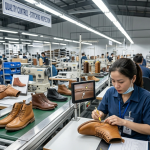
Common Wrapping and Packaging Defects
Packaging defects can occur when materials, methods, or controls are inadequate. Even minor packaging failures may result in customer complaints and product returns.
Insufficient wrapping can lead to scratches and abrasion. Missing desiccants increase mold risk. Incorrect stuffing may result in shape loss. Poor-quality packaging materials can create contamination or appearance issues. Many packaging defects originate from inconsistent operator practices rather than material failures.
Therefore, training, standardization, and auditing remain essential components of packaging quality management.
Common Defects
- Scratched uppers
- Abrasion marks
- Mold contamination
- Missing desiccants
- Missing anti-mold stickers
- Shape deformation
- Dirty packaging materials
- Incorrect wrapping application
Standardize wrapping methods across all production lines.Validate packaging materials before bulk approval.Monitor humidity inside packaging areas.Train operators on packaging specifications.Audit packaging stations regularly.Verify desiccant placement during inspections.Track mold claims and corrective actions.Review transportation conditions when designing packaging systems.
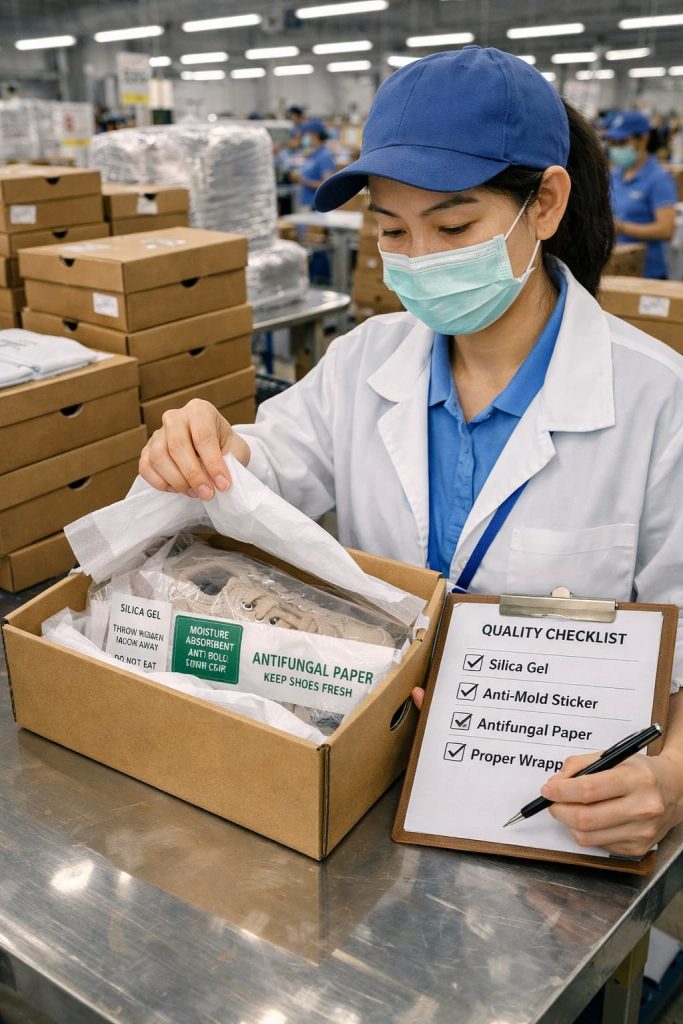
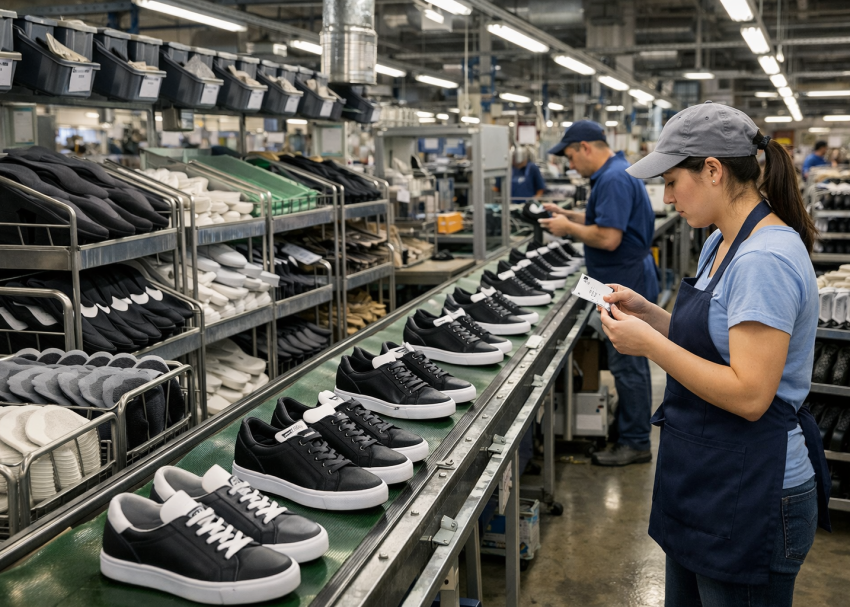
Pro Tip: Packaging audits should be performed throughout production rather than only at the end of the process. Early detection prevents large-scale packaging defects and reduces rework costs.
Conclusion
Wrapping and anti-mold protection represent a critical stage in footwear manufacturing. While production teams focus on building quality into the product, packaging teams ensure that this quality is preserved throughout transportation, warehousing, and retail distribution.
Tissue paper, protective bags, stuffing materials, desiccants, and anti-mold systems work together to create a protective environment that safeguards footwear against scratches, contamination, moisture, mold growth, and deformation. When properly implemented, these systems significantly reduce product claims, improve customer satisfaction, and strengthen brand reputation.
As global footwear supply chains continue expanding, packaging performance becomes increasingly important. Manufacturers that invest in robust packaging specifications, testing programs, and quality controls are better positioned to deliver consistent product quality across international markets.
In the next article of the Full Shoe Assembly Series, we will explore Unit Box Packing in Footwear Manufacturing, including box design, material selection, dimensions, testing requirements, labeling standards, and packaging engineering principles that protect footwear throughout the distribution chain.
Frequently Asked Questions – FAQs
Why is tissue paper used in footwear packaging?
- Prevents scratches and abrasion.
- Improves product presentation.
- Reduces direct surface contact.
What is the purpose of shoe stuffing materials?
- Maintains footwear shape.
- Prevents collapse during transportation.
- Protects upper structure.
Why is silica gel used inside shoe packaging?
- Absorbs moisture.
- Reduces mold risk.
- Improves storage stability.
Are anti-mold stickers necessary for all footwear?
- Not always.
- Commonly required for export shipments and humid markets.
What causes mold growth inside shoe packaging?
- High humidity.
- Temperature fluctuations.
- Extended storage periods.
- Inadequate moisture control.
What is the most common packaging defect?
- Surface scratches caused by inadequate wrapping protection.
Why are packaging audits important?
- Verify compliance with specifications.
- Prevent customer complaints.
- Improve consistency.