The Complete Guide to Footwear Welts: Types, Materials, Construction, Manufacturing & Design Engineering
The welt is far more than a decorative strip around the edge of a shoe. It influences the appearance, durability, repairability, and manufacturing process of footwear. In traditional constructions, such as Goodyear welting, it forms a structural connection between the upper, insole, and outsole. In modern cemented footwear, decorative welts create the visual appeal of classic shoemaking while improving edge finishing and, in some cases, increasing the bonding surface.
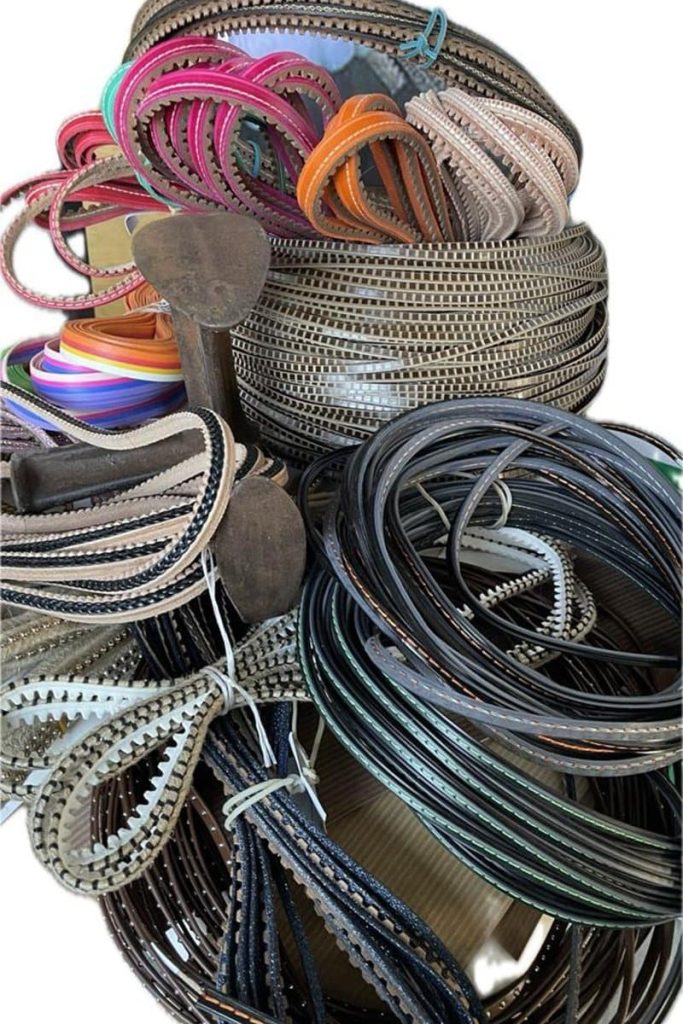
Today’s footwear industry uses a wide variety of welt profiles and materials, including leather, leather fibreboard (Salpa), rubber, thermoplastic rubber (TPR), PVC, TPU, and engineered polymer compounds. Each material is selected based on performance requirements, manufacturing efficiency, cost, and the intended style of the shoe.
Why Welts Matter in Modern Footwear
Walk into any shoe store and compare a handcrafted Oxford, a rugged hiking boot, and a fashion sneaker. Despite their obvious differences, each shoe has a carefully designed transition where the upper meets the outsole. This transition is often finished with a welt—a component that may be structural, decorative, or a combination of both.
Although the welt occupies only a small portion of the shoe, it has a significant influence on product quality. It affects the shoe’s visual profile, outsole attachment, water resistance, repairability, and even production efficiency. For footwear designers, the welt is an important styling element. For manufacturing engineers, it is a component that must meet strict dimensional and bonding requirements.
As footwear manufacturing has evolved from hand-sewn construction to highly automated production, the role of the welt has also changed. Modern footwear increasingly uses decorative polymer welts that replicate the appearance of traditional leather welts while supporting high-volume manufacturing. Understanding these differences allows designers and product developers to choose the right welt for each footwear category.
Factory Insight
In many footwear factories, edge lifting is initially blamed on adhesive failure. However, investigations often reveal that the root cause is an unsuitable welt profile, poor dimensional accuracy, or insufficient contact between the welt and the lasted upper.
The Evolution of the Footwear Welt
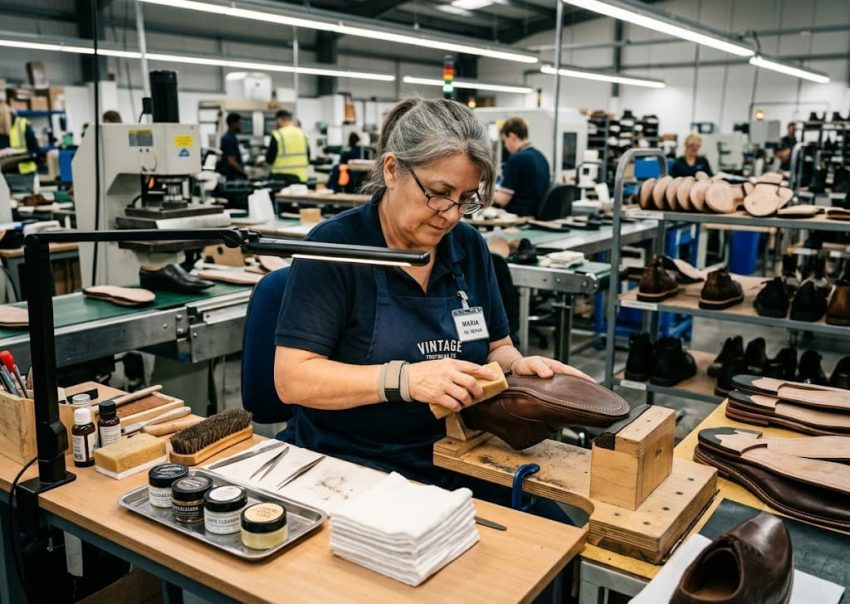
History of the footwear welt reflects the evolution of shoemaking itself. Long before modern adhesives and automated machinery, shoemakers relied entirely on stitching to secure the upper to the sole. The welt emerged as a practical solution that improved durability while making shoes easier to repair.
Early Hand-Welted Footwear
Traditional shoemakers stitched a narrow strip of leather between the upper and outsole, creating a durable mechanical connection. This strip—the welt—allowed worn outsoles to be replaced without disturbing the upper, significantly extending the life of the shoe. Because the process required exceptional craftsmanship, hand-welted footwear became synonymous with premium quality and bespoke shoemaking.
The Goodyear Revolution
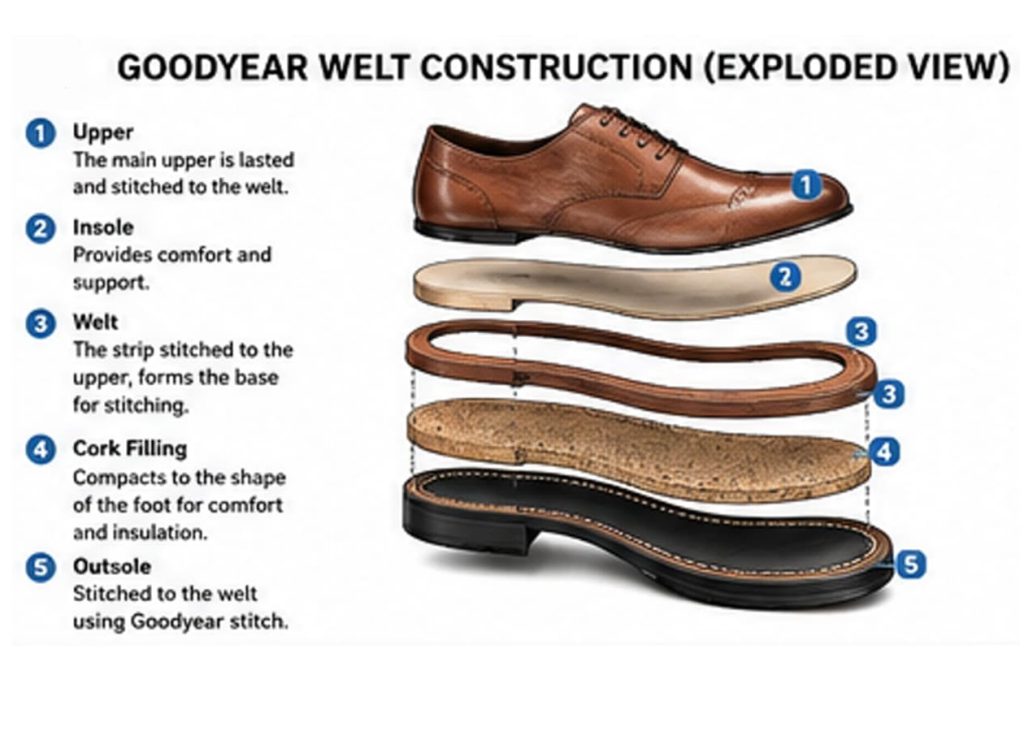
In 1869, Charles Goodyear Jr. developed the Goodyear welting machine, transforming footwear manufacturing. The machine mechanised the attachment of the welt to the upper and insole, dramatically increasing production while preserving the advantages of welted construction.
Goodyear welting soon became the benchmark for high-quality leather footwear and remains one of the most respected construction methods today.
The Rise of Cemented Footwear
During the twentieth century, advances in adhesives enabled footwear manufacturers to replace stitched constructions with cemented methods. Cemented footwear offered lower production costs, lighter weight, and greater design flexibility.
Although structural welts became unnecessary for many products, consumer demand for the classic appearance of welted shoes remained. Manufacturers responded by introducing decorative welts, bonded around the edge of the shoe to recreate the premium aesthetic of traditional constructions.
Today, decorative polymer welts are widely used in school shoes, casual footwear, fashion shoes, and safety footwear, demonstrating how the welt has evolved from a structural necessity into both a functional and design-driven component.
Did You Know?
Many modern dress shoes feature decorative stitching embossed directly into the welt. While it resembles traditional hand stitching, the decorative pattern is often moulded or embossed during manufacturing rather than sewn.
What Is a Footwear Welt?
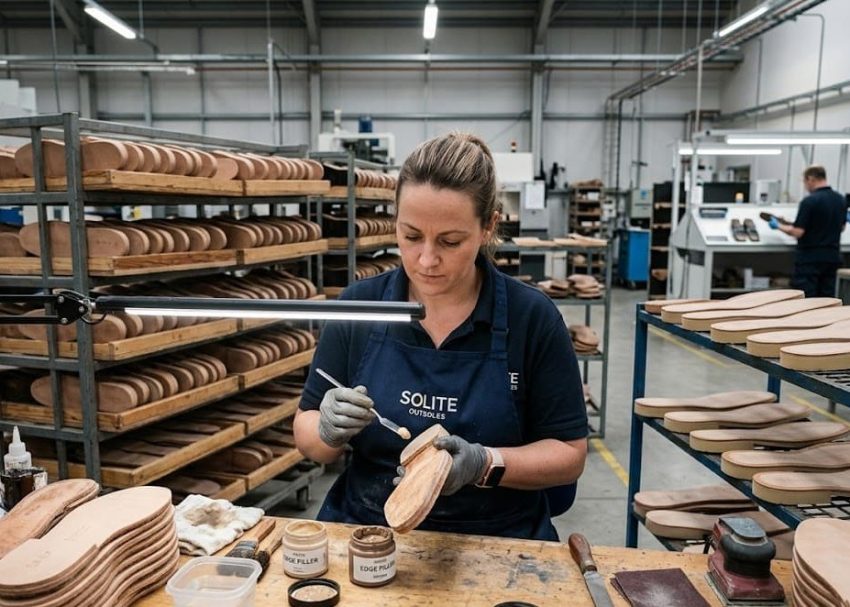
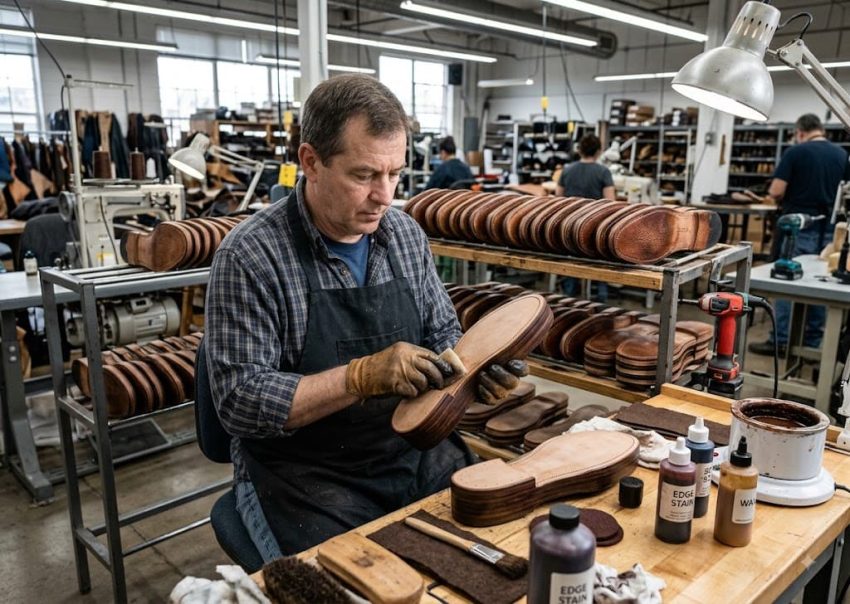
A footwear welt is a strip of material positioned around the perimeter of a shoe where the upper meets the outsole. Depending on the construction method, it may serve as a structural component that secures the shoe together or as a decorative element that enhances the finished appearance.
In traditional constructions, the welt becomes part of the shoe’s structural assembly. In modern cemented footwear, it is generally bonded to the shoe after lasting and before outsole attachment or finishing.
Regardless of the construction method, a well-designed welt contributes to:
- A clean and professional edge finish.
- Improved visual depth and definition.
- Additional protection for the edge of the upper.
- Better transition between the upper and outsole.
- A premium appearance associated with high-quality footwear.
While the welt itself occupies only a narrow band around the shoe, its design influences both manufacturing efficiency and the overall perception of product quality.
Functional vs Decorative Welts
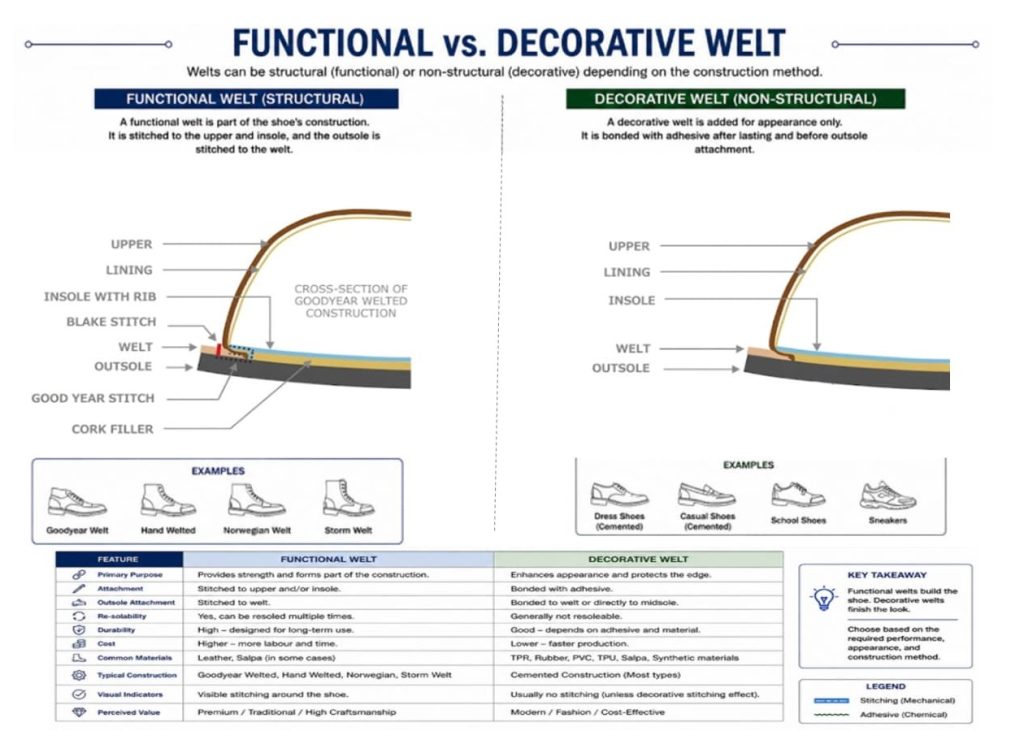
One of the most common misconceptions in footwear is that every welt is structural. In reality, the function of a welt depends entirely on the construction method used.
| Feature | Functional Welt | Decorative Welt |
|---|---|---|
| Primary Purpose | Structural connection | Visual appearance |
| Used In | Goodyear, Hand-Welted, Storm Welt | Cemented footwear |
| Outsole Attachment | Stitched | Bonded |
| Resole Capability | Yes | Generally No |
| Common Materials | Leather | TPR, PVC, Rubber, Salpa, Synthetic Polymers |
| Typical Footwear | Heritage boots, premium dress shoes | Casual, school, fashion, safety footwear |
Decorative welts have become increasingly sophisticated over the past two decades. Modern extrusion and moulding technologies allow manufacturers to reproduce stitched effects, fudged patterns, and leather textures with remarkable accuracy, enabling cemented footwear to achieve the appearance of traditional craftsmanship at a fraction of the production cost.
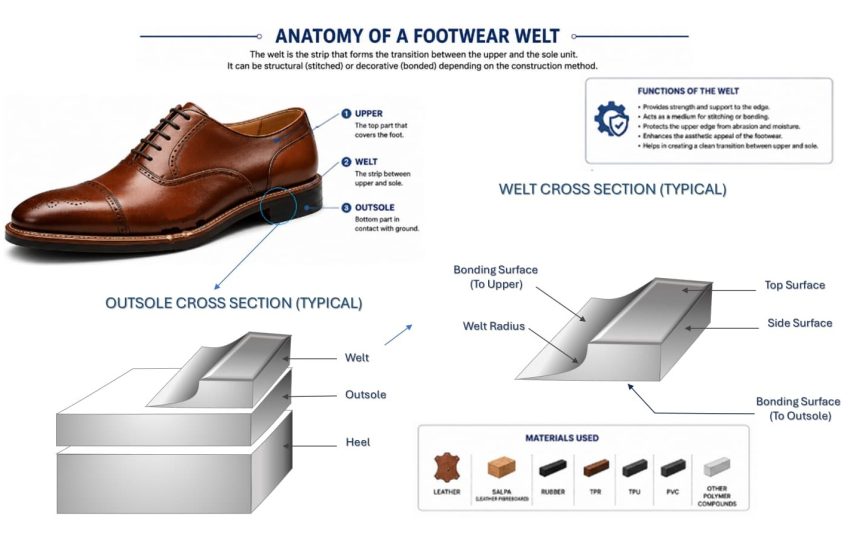
Anatomy of a Footwear Welt
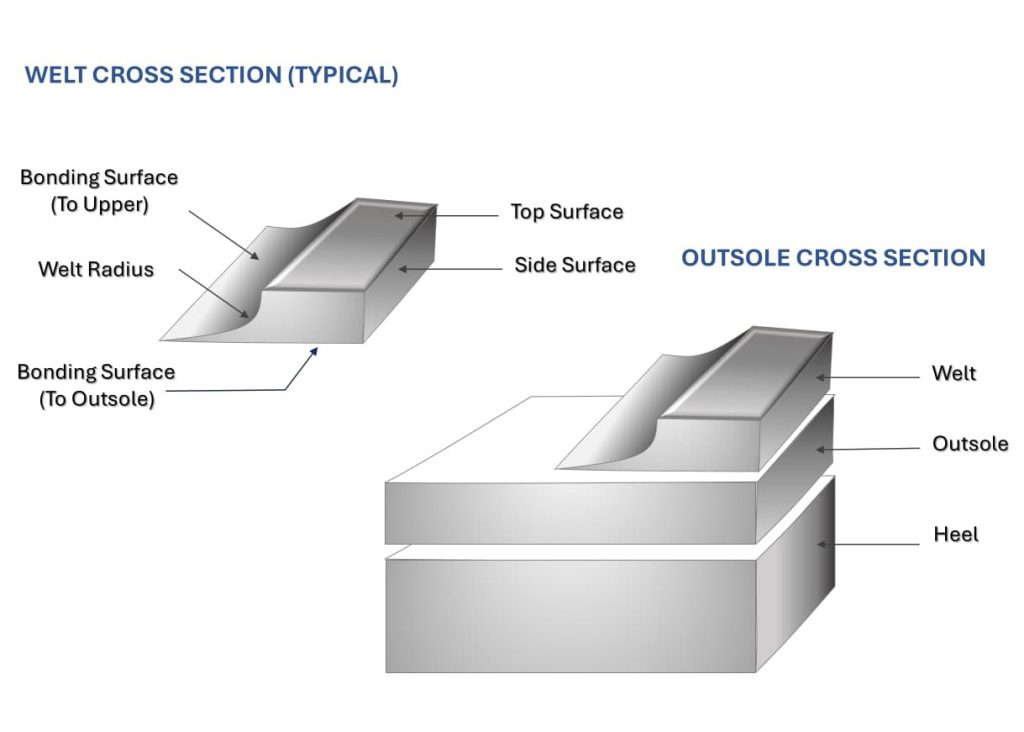
Although welt profiles vary considerably, most are designed around the same engineering principles. Understanding these features helps designers select a profile that is compatible with both the footwear construction and manufacturing process.
Outer Face/Top Surface
The outer face is the visible portion of the welt after assembly. It defines the visual character of the shoe and may feature smooth finishes, decorative grooves, embossed textures, or simulated stitching.
Upper Contact Surface
This surface rests against the lasted upper. Dimensional accuracy is critical to ensure full contact during bonding or stitching. Poor contact can result in visible gaps, inconsistent finishing, or premature separation.
Bonding Surface (To Outsole)
In cemented footwear, the lower face of the welt provides the bonding area for the outsole. Adequate surface width and material compatibility are essential for reliable adhesive performance.
Inner Radius
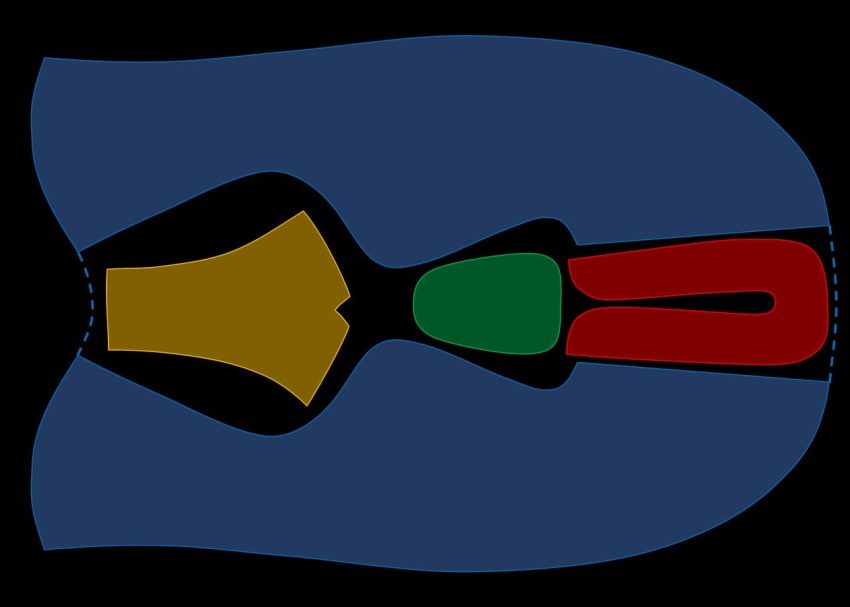
The inner radius is one of the most important—but often overlooked—features of a welt profile. It allows the welt to conform smoothly to the curved edge of the lasted upper, improving adhesive contact and reducing stress during flexing.
An inner radius that is too sharp can create microscopic gaps between the welt and upper, increasing the likelihood of edge lifting. This critical design feature will be examined in detail later in this guide.
Decorative Profile
Many welt designs include bevels, grooves, stitched effects, or embossed textures that contribute to the shoe’s aesthetic identity without altering its structural function.
Expert Tip: When selecting a decorative welt, evaluate not only its appearance but also its profile geometry. A visually attractive welt that cannot achieve consistent contact with the upper may create bonding problems during production.
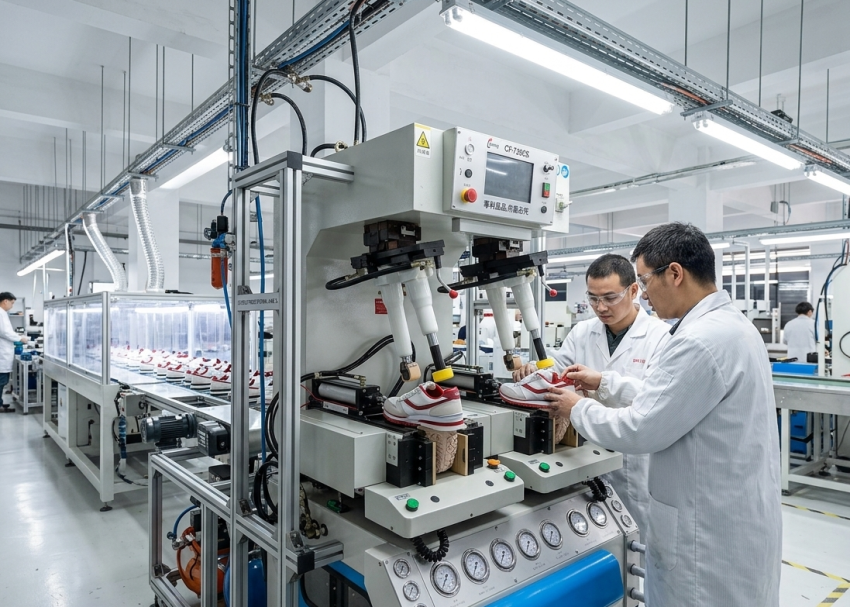
Where Welts Fit in Different Shoe Construction Methods
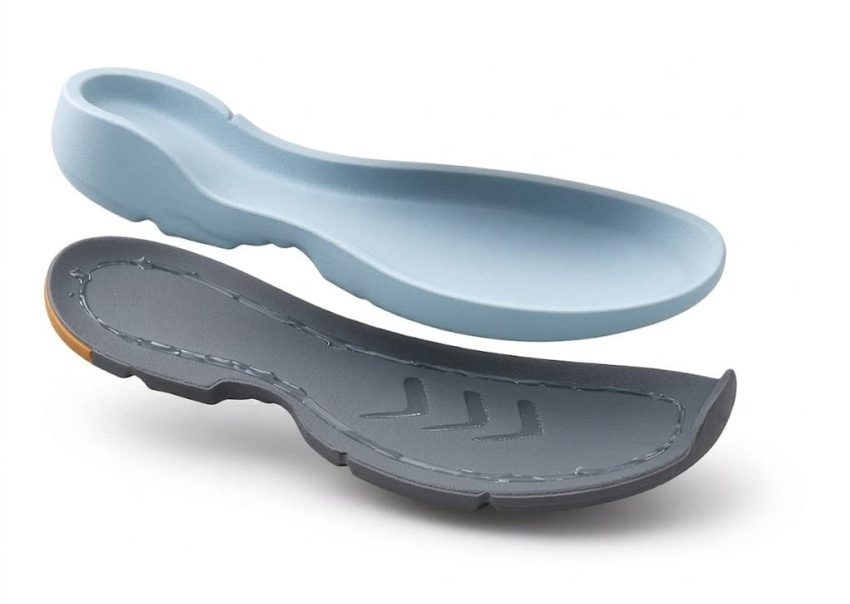
Not every footwear construction uses a welt in the same way. Understanding the relationship between construction methods and welt design helps explain why some shoes require structural welts while others use decorative alternatives.
| Construction Method | Welt Used | Purpose |
|---|---|---|
| Hand-Welted | Yes | Structural |
| Goodyear Welted | Yes | Structural |
| Storm Welted | Yes | Structural and weather protection |
| Stitchdown | Optional | Structural depending on design |
| Norwegian Welt | Yes | Structural and water resistance |
| Blake Stitch | Usually No | Direct stitching replaces welt |
| Cemented Construction | Decorative in most cases | Appearance and edge finishing |
| Direct Injection | Rare | Mostly decorative if used |
In premium stitched constructions, the welt forms part of the shoe’s load-bearing assembly. In contrast, most modern cemented footwear relies on advanced adhesives for structural integrity, allowing the welt to focus primarily on appearance and finishing.
The choice of construction method therefore determines not only whether a welt is required, but also the material, profile, and manufacturing process used to produce it.
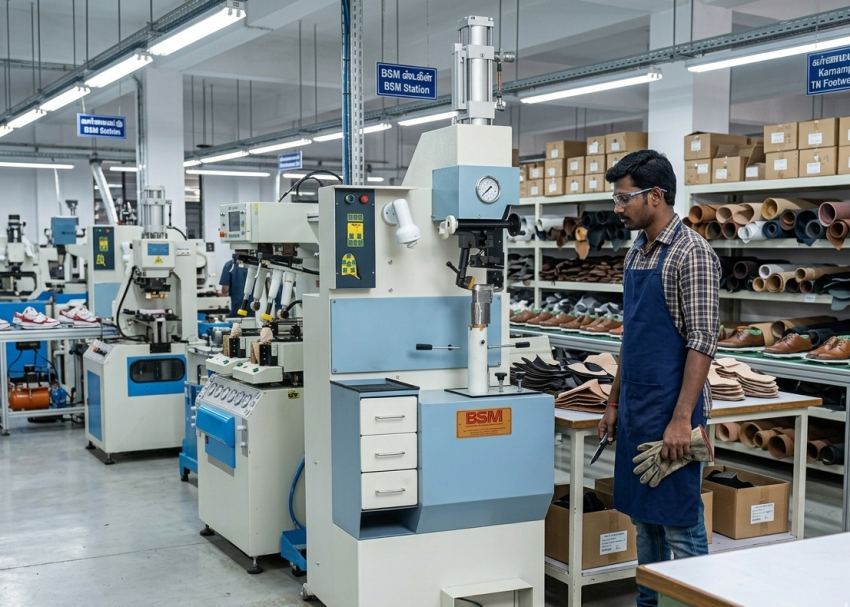
How Footwear Welts Are Manufactured
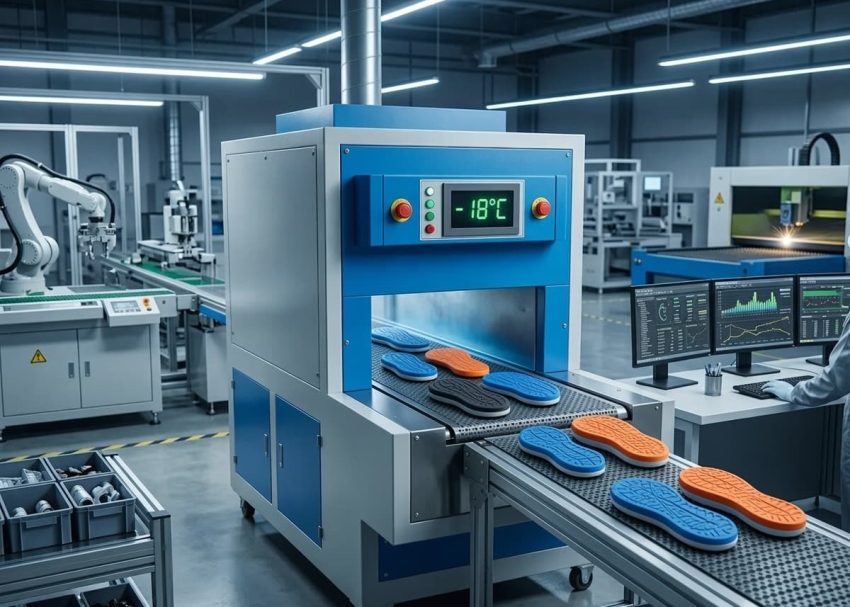
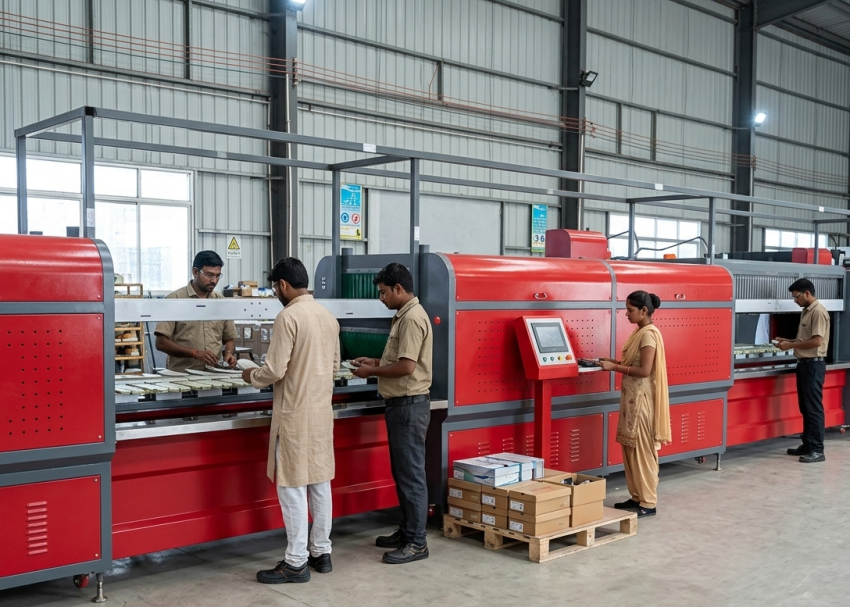
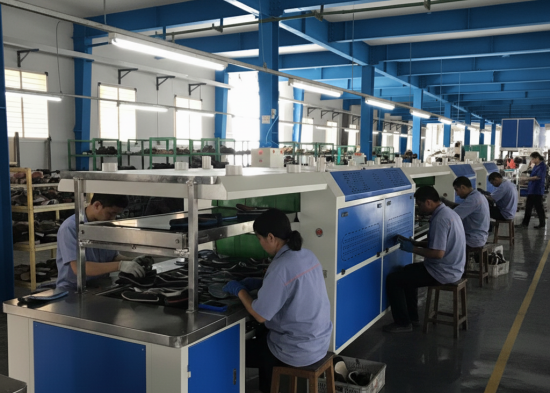
Although a welt may appear to be a simple strip running around the edge of a shoe, its production requires careful control of material properties, dimensional accuracy, and profile geometry. The manufacturing method varies according to the material, but the objective remains the same: producing a consistent profile that fits the shoe precisely and performs reliably throughout its service life.
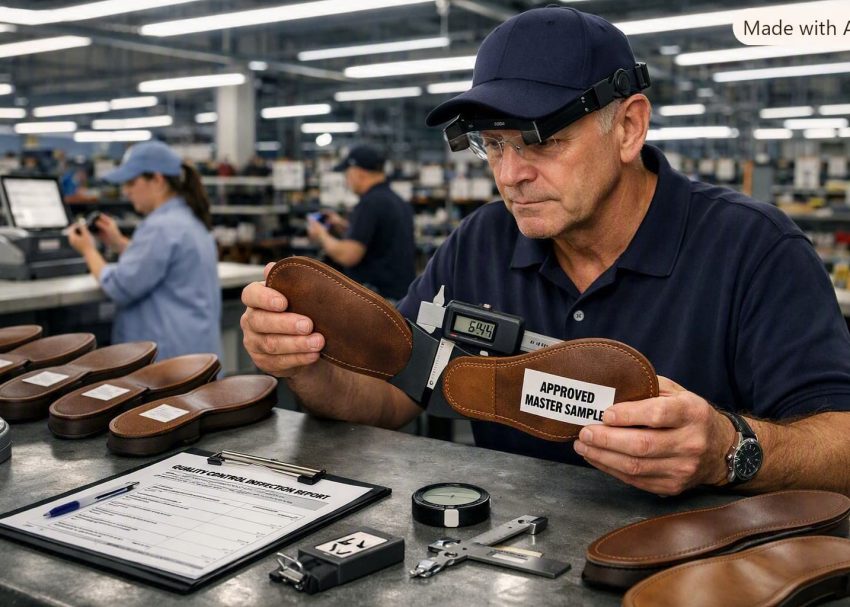
A poorly manufactured welt can lead to dimensional inconsistencies, difficult assembly, poor adhesive contact, visible gaps, or premature edge lifting. For this reason, reputable welt manufacturers maintain tight quality tolerances throughout the production process.
Leather Welt Manufacturing
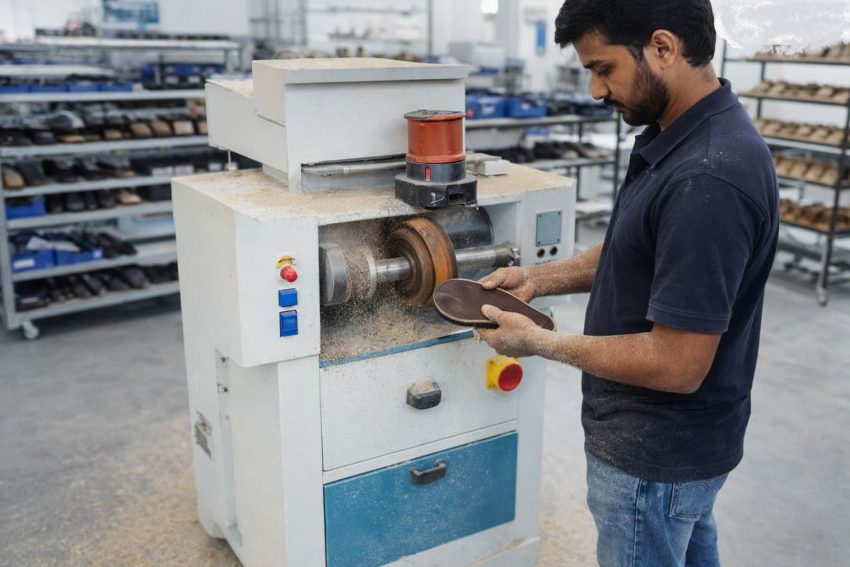
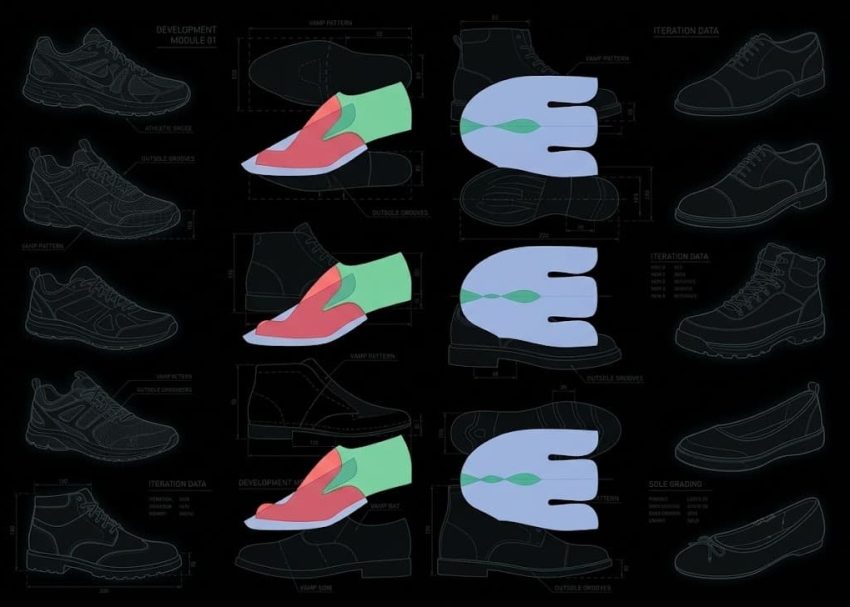
Leather remains the benchmark for premium welt production due to its natural appearance, durability, and excellent machining characteristics. The process begins with carefully selected vegetable-tanned or chrome-tanned leather hides. These hides are split to achieve the required thickness before being cut into continuous strips. Precision profiling machines then create the desired cross-sectional shape, including bevels, decorative grooves, or stitching channels.
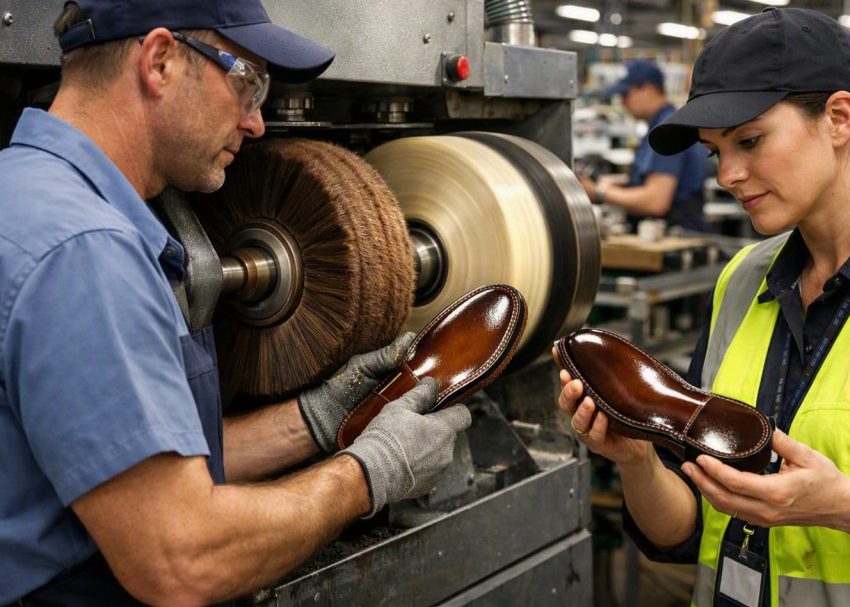
If the design requires a fudged effect, a heated fudge wheel compresses the leather surface to create evenly spaced impressions. Finally, the leather may be dyed, waxed, polished, or coated before being cut into production lengths. Leather welts are commonly used in Goodyear welted shoes, handmade footwear, luxury boots, and heritage collections where craftsmanship is a key selling point.
Factory Insight
Premium leather welts are often conditioned before machining to maintain moisture balance. Excessively dry leather can crack during profiling, while overly moist leather may distort after drying.
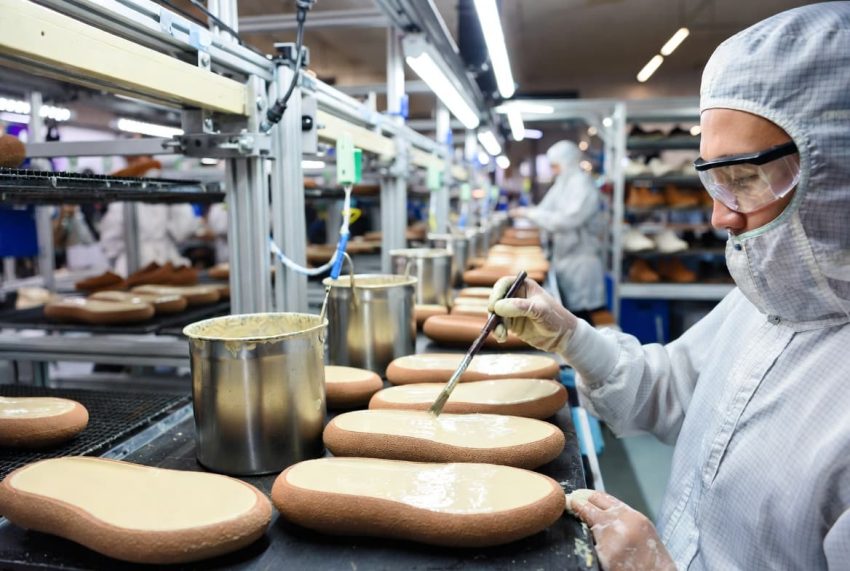
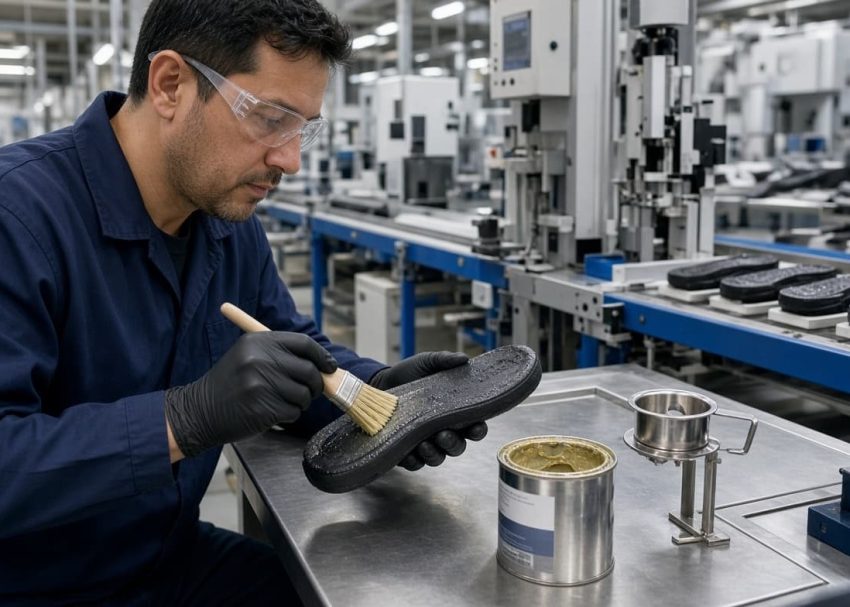
Leather Fibreboard (Salpa) Welt Manufacturing
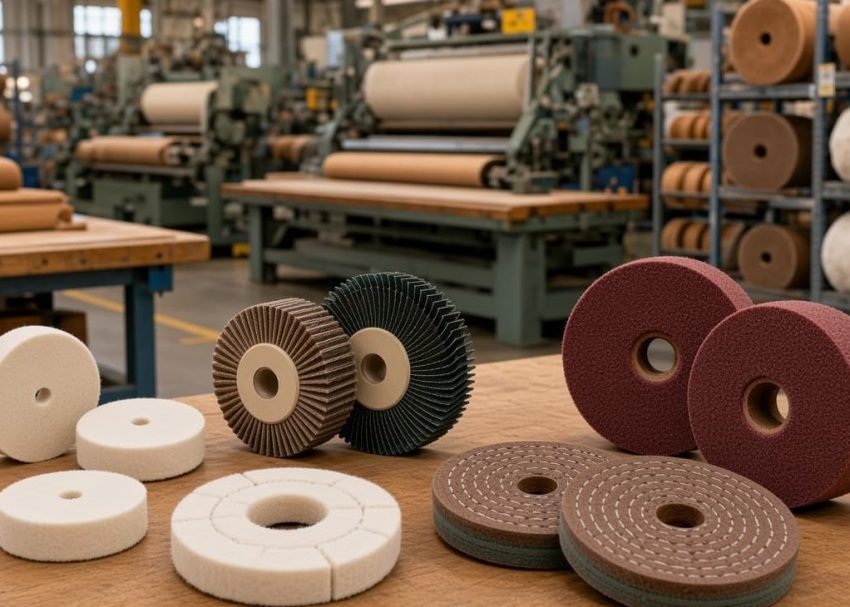
Salpa, more accurately known as leather fiberboard, is produced by compressing recycled leather fibers with latex or synthetic binders into dense sheets. Unlike leather, Salpa is supplied in flat sheet form and later machined into welt profiles. The production process includes:
- Cutting sheets into continuous strips.
- Precision milling or profiling.
- Edge shaping.
- Decorative embossing where required.
- Surface coating for improved moisture resistance.
- Inspection and packaging.
Because Salpa machines similarly to leather while offering greater dimensional consistency, it is widely used in formal footwear and decorative cemented constructions.
Rubber Welt Manufacturing
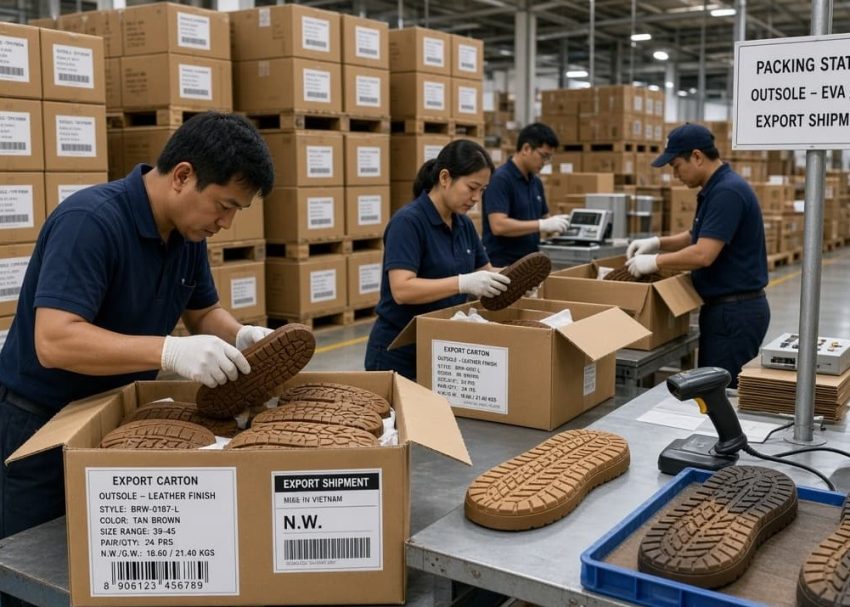
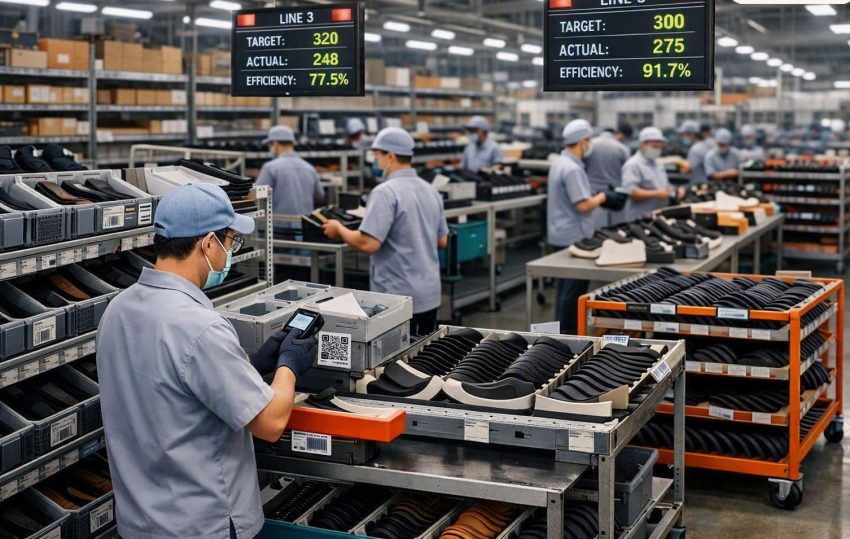
Rubber welts are generally manufactured using an extrusion process. After compounding natural or synthetic rubber with reinforcing additives, the material is forced through a specially designed die that creates the required welt profile. The extruded strip then passes through cooling systems to stabilise its dimensions before being cut into production lengths.
Additional finishing may include surface texturing, decorative grooves, or colour treatment. Rubber welts provide excellent flexibility and wear resistance, making them suitable for safety footwear, work boots, and outdoor shoes.
TPR and TPU Welt Manufacturing
Thermoplastic Rubber (TPR) and Thermoplastic Polyurethane (TPU) combine the flexibility of rubber with the processing efficiency of plastics.
Depending on the profile, these materials are manufactured using either extrusion or injection moulding. Because colour pigments are blended directly into the compound, manufacturers achieve excellent colour consistency throughout large production runs.
Modern TPR welts can accurately imitate leather textures, stitched effects, and decorative grooves while reducing production costs and simplifying manufacturing.
PVC and Engineered Polymer Welts
PVC and proprietary polymer blends are frequently used in fashion footwear where appearance, production speed, and cost efficiency are priorities. These materials are processed using extrusion techniques that allow highly detailed profiles to be manufactured with remarkable dimensional consistency. Compared with natural materials, polymer welts offer:
- Reduced maintenance during storage.
- Excellent colour repeatability.
- Low production waste.
- Good adhesive compatibility.
- High-volume manufacturing efficiency.
Understanding Different Types of Footwear Welts
Over more than a century of footwear development, manufacturers have introduced numerous welt profiles to satisfy different functional and aesthetic requirements. Some improve durability and weather resistance, while others exist purely to enhance the visual character of the shoe.
Plain Welt
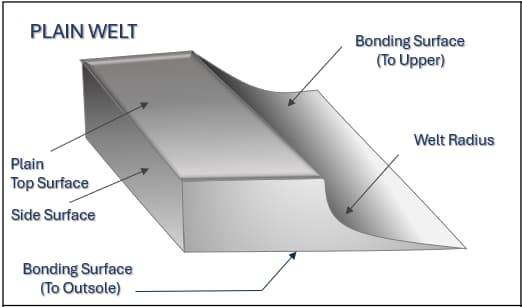
The Plain Welt is the simplest and most widely used profile. Its smooth, clean surface complements both formal and casual footwear while allowing designers to emphasize the upper material rather than decorative edge details.
Because of its straightforward geometry, the plain welt is relatively easy to manufacture and bond consistently, making it popular in both stitched and cemented constructions.
Common Applications
- Premium casual shoes
- Dress shoes
- School shoes
- Minimalist footwear
Fudged Welt
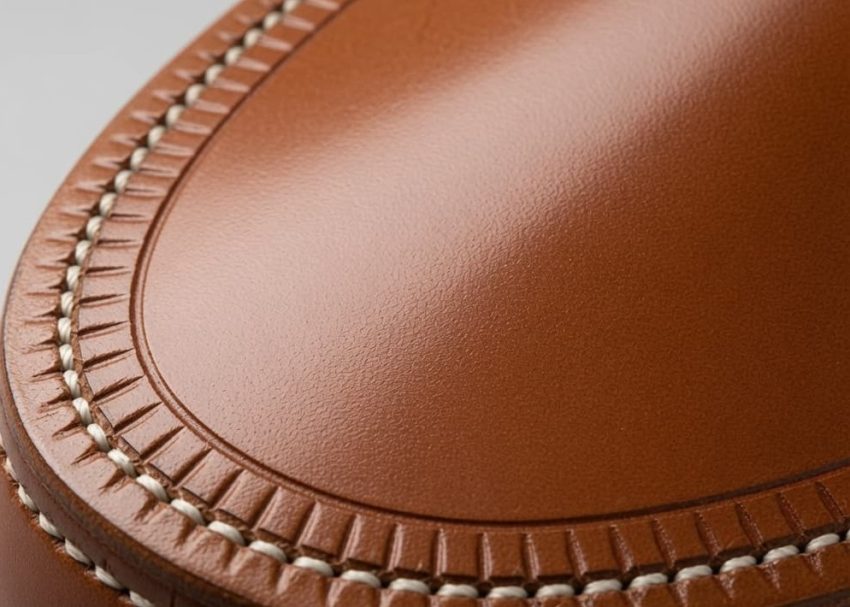
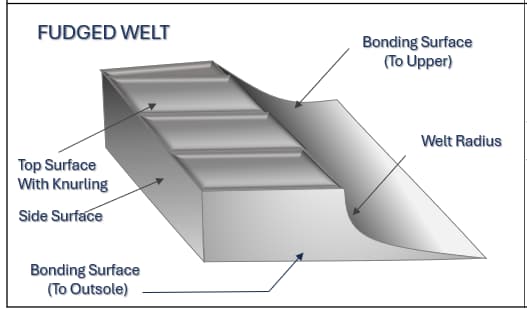
Among traditional shoemakers, the term fudged welt refers to a welt finished using a fudge wheel.
A heated wheel compresses the leather surface, creating evenly spaced impressions that resemble hand stitching. The effect is entirely decorative but has long been associated with premium craftsmanship.
Today, many moulded polymer welts reproduce this appearance directly during manufacturing, eliminating the need for manual finishing.
Knurled Welt
The term knurled welt is frequently confused with a fudged welt, but they are not technically identical. Knurling uses a toothed roller to emboss a textured surface rather than simulated stitch marks. Depending on the pattern, the result may appear diamond-shaped, cross-hatched, or finely ribbed.
Modern footwear factories often use the terms interchangeably, although traditional shoemaking distinguishes between the two processes.
Did You Know?
In many footwear factories, “fudged” has become a generic term for almost any decorative edge pattern, even when the texture is actually produced by moulding or knurling rather than a traditional fudge wheel.

Stitched Welt
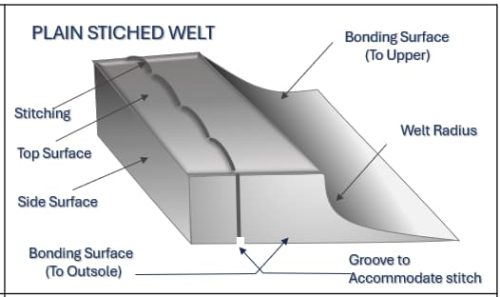
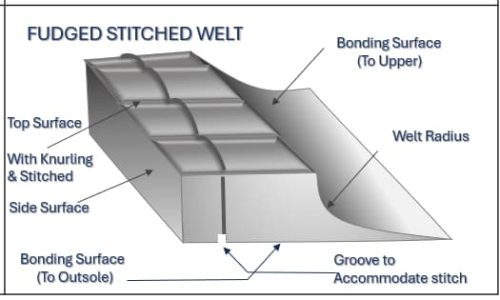
A stitched welt features visible stitching around the shoe perimeter. In Goodyear, Norwegian, or Hand-Welted constructions, the stitching performs a structural function by securing the welt to the upper and insole. In cemented footwear, however, the stitches are often decorative, added to reproduce the appearance of premium welted footwear. The distinction is important because visible stitching does not necessarily indicate structural construction.
Storm Welt
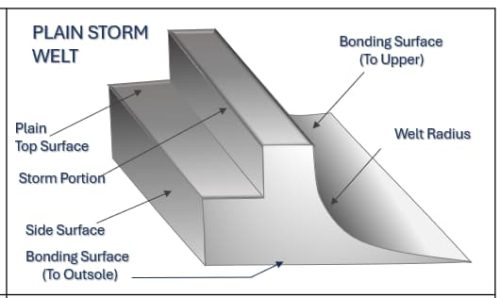
The Storm Welt incorporates a raised lip that extends upward toward the upper. This additional barrier increases resistance to water penetration and prevents dirt or debris from entering the joint between the upper and outsole.
Storm welts are commonly found in:
- Hiking boots
- Outdoor footwear
- Military boots
- Heavy-duty work boots
Although visually more robust than standard welts, their primary purpose is functional rather than decorative.

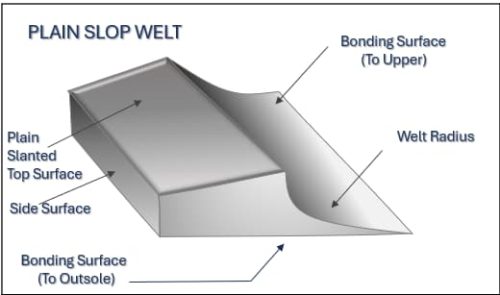
Sloped (Bevel) Welt
A Sloped Welt, sometimes called a Bevel Welt, features an angled outer edge instead of a square profile. This subtle modification reduces the visual bulk around the shoe while creating a more elegant silhouette.
Luxury dress shoes often incorporate sloped welts to complement refined lasts and slimmer outsole profiles.
Goodyear Welt
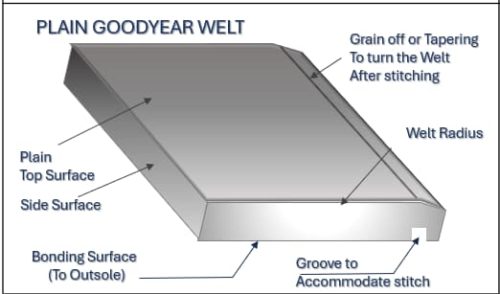
Strictly speaking, Goodyear Welt describes a construction method rather than a profile.
The welt is stitched to the upper and rib before the outsole is attached with a second row of stitching. This creates a durable, repairable construction that can often be re-soled multiple times.
The process is more labour-intensive than cemented construction but remains the benchmark for premium leather footwear.
Rubber Welt
Rubber welts are commonly used where impact resistance, flexibility, and durability are more important than achieving the appearance of traditional leather. Their resilience makes them particularly suitable for:
- Safety footwear
- Industrial boots
- Outdoor shoes
- Children’s footwear
Decorative TPR Welt
Decorative TPR welts dominate today’s cemented footwear industry. Through precision extrusion or moulding, manufacturers can reproduce leather grain, stitched effects, fudged patterns, or custom textures with excellent repeatability.
Their combination of flexibility, affordability, and production efficiency has made them one of the industry’s most widely used welt materials.
Welt Type Comparison
| Welt Type | Primary Purpose | Common Material | Typical Footwear |
|---|---|---|---|
| Plain | Clean appearance | Leather, TPR | Dress, school, casual |
| Fudged | Decorative stitch effect | Leather, TPR | Formal shoes |
| Knurled | Decorative texture | Leather, Rubber | Fashion footwear |
| Stitched | Structural or decorative | Leather | Premium footwear |
| Storm | Water protection | Leather, Rubber | Boots |
| Sloped | Elegant appearance | Leather | Luxury footwear |
| Goodyear | Structural construction | Leather | Heritage footwear |
| Rubber | Durability | Rubber | Work & safety shoes |
| Decorative TPR | Decorative | TPR | Cemented footwear |
Choosing the Right Welt
Selecting a welt involves more than choosing an attractive profile. Designers must balance appearance, manufacturing efficiency, durability, and cost while considering the intended construction method.
For example, a luxury Oxford shoe may require a leather sloped welt to reinforce its premium image, whereas a school shoe benefits from a TPR decorative welt that offers consistent quality and lower production costs. Outdoor footwear often prioritises storm or rubber welts for enhanced protection, while fashion collections may favour moulded polymer profiles that replicate traditional craftsmanship without increasing manufacturing complexity.
The most effective welt is therefore not the most expensive one, but the one that aligns with the product’s performance requirements, production process, and target market.
Expert Tip
When developing a new shoe, finalise the welt profile only after confirming the last, outsole geometry, and construction method. Designing these elements independently can lead to alignment issues, difficult assembly, or inconsistent edge finishing.
Choosing the Right Welt Material
Selecting the right welt material is one of the most important decisions during footwear development. While the welt contributes significantly to the shoe’s appearance, its material also influences flexibility, bonding performance, durability, machinability, production cost, and long-term product quality.
There is no universal “best” welt material. The ideal choice depends on several factors, including the footwear category, construction method, expected service life, manufacturing process, and market positioning.
For example, a Goodyear welted Oxford prioritizes natural leather for its premium appearance and repairability, whereas a school shoe or fashion sneaker may use TPR or PVC to achieve consistent quality at scale. Safety boots often require durable rubber compounds capable of withstanding demanding working environments.
Understanding the strengths and limitations of each material allows designers and sourcing teams to make informed decisions that balance performance with commercial objectives.
Common Welt Materials
Leather
Leather remains the traditional benchmark for high-quality welt production. It offers excellent durability, natural aesthetics, and superior finishing characteristics.
Well-manufactured leather welts age gracefully, developing a distinctive patina that is highly valued in premium footwear.
Advantages
- Premium appearance
- Excellent durability
- High repairability
- Natural flexibility
- Easy to polish and finish
Limitations
- Higher material cost
- Natural variation between hides
- Moisture sensitivity
- Requires skilled machining
Typical Applications
- Heritage collections
- Goodyear welted shoes
- Handmade footwear
- Luxury boots
Leather Fibreboard (Salpa)
Often referred to simply as Salpa, leather fiberboard is manufactured by compressing recycled leather fibres with natural latex or synthetic binders. It closely resembles leather while offering greater dimensional consistency and lower production costs.
Because it machines similarly to leather, Salpa is frequently used for decorative welts, insoles, heel lifts, and reinforcement components.
Advantages
- Consistent dimensions
- Sustainable use of recycled leather fibres
- Good machinability
- Lower cost than leather
- Uniform quality
Limitations
- Less durable than premium leather
- Reduced moisture resistance without coating
- Limited premium perception
Typical Applications
- Decorative welts
- Formal footwear
- Fashion footwear
- Mid-range leather shoes
Material Spotlight
Salpa is one of the footwear industry’s earliest examples of circular manufacturing. By converting leather waste into usable structural materials, it supports resource efficiency while maintaining the appearance expected in leather footwear.
Rubber
Rubber is widely selected where durability and flexibility are critical.
Natural and synthetic rubber compounds provide excellent wear resistance and maintain flexibility across a wide range of temperatures.
Advantages
- Excellent durability
- High flexibility
- Good impact resistance
- Reliable outdoor performance
Limitations
- Higher weight
- More limited colour range
- Can increase manufacturing cost
Typical Applications
- Military boots
- Safety footwear
- Hiking boots
- Outdoor footwear
Thermoplastic Rubber (TPR)
TPR combines the appearance of rubber with the processing advantages of thermoplastics.
Today, it is one of the most widely used decorative welt materials in cemented footwear.
Advantages
- Excellent dimensional consistency
- Wide colour selection
- Easy processing
- Cost-effective
- Flexible
Limitations
- Lower premium perception than leather
- Heat sensitivity compared with vulcanised rubber
Typical Applications
- Cemented construction
- School shoes
- Casual footwear
- Fashion shoes
Thermoplastic Polyurethane (TPU)
TPU offers higher abrasion resistance than TPR while maintaining excellent flexibility.
Although more commonly associated with outsoles, TPU is increasingly used for premium decorative welts where durability and design precision are important.
Advantages
- High abrasion resistance
- Excellent colour stability
- Premium surface finish
- Strong dimensional stability
Typical Applications
- Luxury casual footwear
- Premium sports footwear
- Safety footwear
- Fashion shoes
PVC (Polyvinyl Chloride)
PVC remains a widely used material for decorative footwear components due to its affordability and ease of processing.
Modern formulations offer improved flexibility and surface quality compared with earlier generations.
Advantages
- Low cost
- Excellent colour consistency
- Easy extrusion
- Good production efficiency
Limitations
- Less premium appearance
- Lower flexibility than TPR
- Environmental concerns with some formulations
Engineered Polymer Compounds
Many footwear component manufacturers produce proprietary polymer blends designed specifically for decorative welts. Although marketed under different trade names, these compounds generally combine elastomers, thermoplastics, fillers, and pigments to achieve a balance of flexibility, durability, and processing efficiency.
They are widely used in OEM footwear production because they can replicate the appearance of leather while maintaining excellent consistency across large production volumes.
Welt Material Comparison
| Material | Appearance | Durability | Flexibility | Bonding | Cost | Best For |
|---|---|---|---|---|---|---|
| Leather | ★★★★★ | ★★★★★ | ★★★★☆ | ★★★★★ | High | Premium footwear |
| Salpa | ★★★★☆ | ★★★☆☆ | ★★★☆☆ | ★★★★☆ | Medium | Formal shoes |
| Rubber | ★★★★☆ | ★★★★★ | ★★★★★ | ★★★★☆ | Medium | Safety & outdoor |
| TPR | ★★★★☆ | ★★★★☆ | ★★★★★ | ★★★★★ | Medium | Cemented footwear |
| TPU | ★★★★★ | ★★★★★ | ★★★★☆ | ★★★★★ | Medium–High | Premium casual |
| PVC | ★★★☆☆ | ★★★☆☆ | ★★★☆☆ | ★★★★☆ | Low | Fashion footwear |
Why the Inner Radius Matters for Bonding
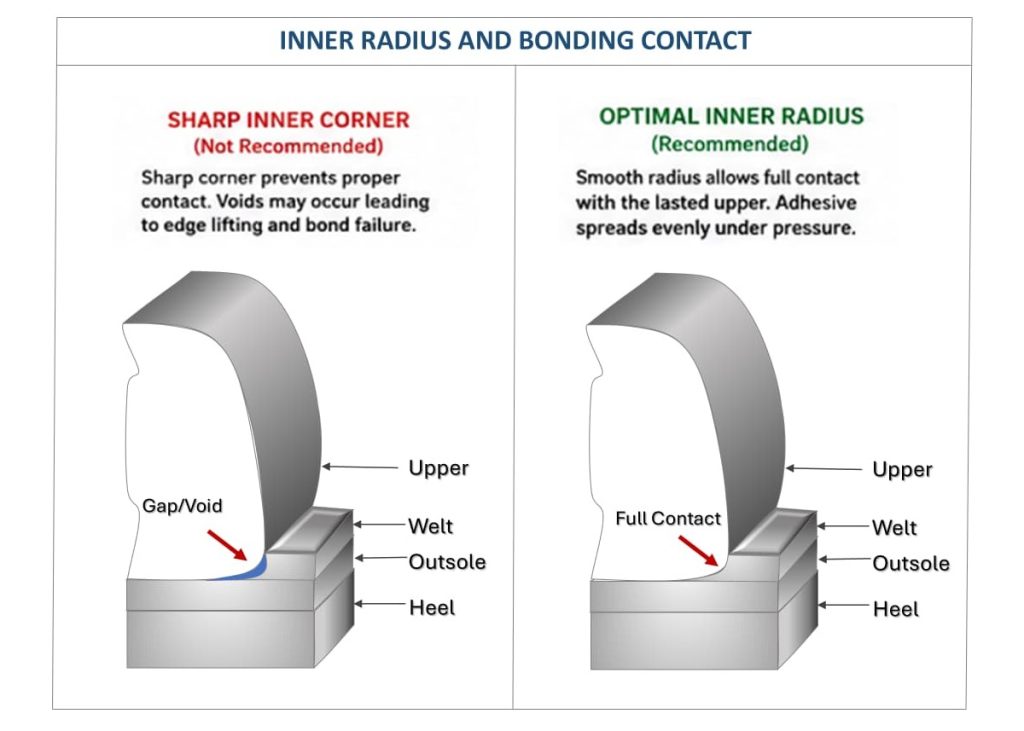
The inner radius is one of the most underestimated design features of a footwear welt. Although almost invisible in the finished shoe, it has a direct influence on bonding performance, assembly consistency, and long-term durability.
The inner radius is the curved transition between the vertical face of the welt and the surface that contacts the upper. When this radius is properly designed, the welt conforms naturally to the contours of the lasted upper, allowing the adhesive layer to spread evenly under pressure.
If the radius is too sharp, however, the welt cannot seat correctly against the upper. Small voids may form, reducing the effective bonding area and increasing stress concentrations during repeated flexing. Over time, these localized stresses can contribute to edge lifting or premature bond failure. A correctly engineered inner radius offers several advantages:
- Maximises adhesive contact.
- Reduces trapped air during pressing.
- Improves pressure distribution.
- Minimises edge lifting.
- Produces cleaner edge finishing.
- Reduces production rejects.
Factory Insight
Increasing adhesive strength cannot compensate for poor profile geometry. Optimising the welt’s inner radius is often a more effective solution than changing adhesive formulations.
Design Engineering Considerations
Selecting a welt profile is not simply an aesthetic decision. Designers and engineers must consider how the welt interacts with every stage of the manufacturing process. Key design considerations include:
- Compatibility with the shoe last.
- Outsole geometry.
- Adhesive system.
- Flex characteristics.
- Material hardness.
- Colour consistency.
- Profile repeatability.
- Manufacturing efficiency.
- Cost targets.
A welt that looks attractive on a CAD drawing may prove difficult to bond or finish during production if these engineering factors are overlooked.
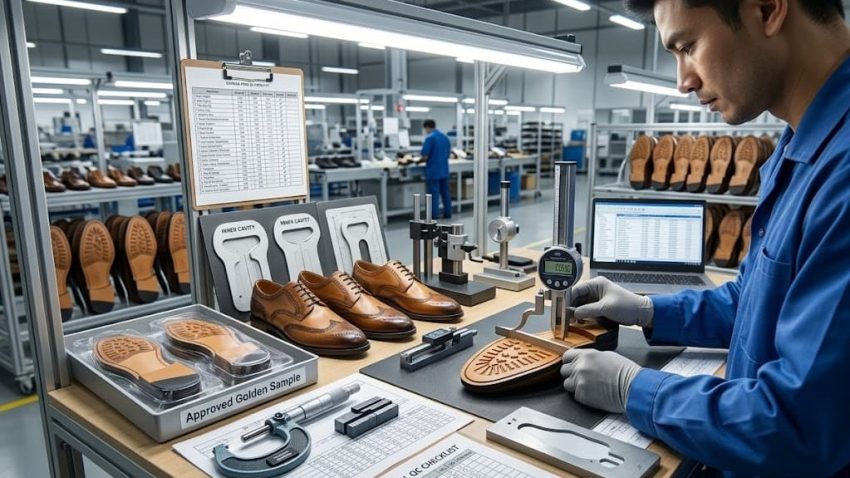
Manufacturing Tolerances
Maintaining dimensional accuracy is essential for consistent footwear production. Typical quality characteristics include:
| Inspection Item | Why It Matters |
|---|---|
| Width | Consistent edge appearance |
| Thickness | Proper outsole alignment |
| Inner radius | Reliable bonding |
| Straightness | Easy assembly |
| Profile accuracy | Uniform appearance |
| Colour consistency | Visual quality |
| Surface finish | Premium aesthetics |
| Hardness | Flexibility and durability |
Even small dimensional variations can affect outsole positioning and increase finishing time.
Common Welt Defects & Troubleshooting
Like any footwear component, welts can develop defects during manufacturing or assembly. Early identification helps reduce waste and improve production efficiency.
| Defect | Likely Cause | Recommended Solution |
|---|---|---|
| Edge lifting | Poor bonding contact or sharp inner radius | Optimise profile and adhesive application |
| Visible gap | Incorrect profile dimensions | Improve dimensional control |
| Colour variation | Material inconsistency | Standardise raw material batches |
| Warping | Uneven cooling or storage | Improve conditioning process |
| Surface scratches | Poor handling | Better packaging and handling |
| Poor flexibility | Incorrect material selection | Select lower hardness compound |
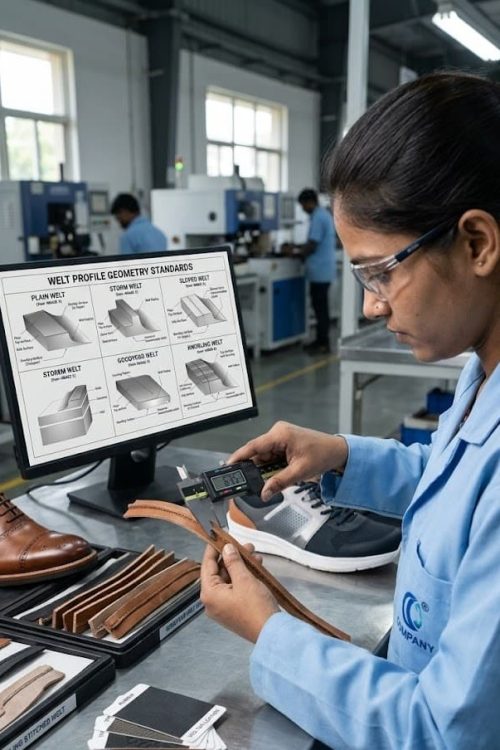
Quality Inspection Checklist
Before approving welt production, quality inspectors should verify:
- Profile dimensions
- Width and thickness
- Inner radius consistency
- Straightness
- Surface quality
- Decorative pattern accuracy
- Colour consistency
- Material hardness
- Bonding compatibility
- Packaging condition
Consistent inspection at this stage significantly reduces downstream manufacturing issues.
Sustainability in Welt Manufacturing
Sustainability has become a key consideration in footwear manufacturing, influencing material selection, production methods, and supply chain decisions. Although the welt is a relatively small component, its material and manufacturing process can contribute to the overall environmental footprint of a shoe.
Traditionally, leather welts were produced from full-grain leather, providing exceptional durability but relying on virgin raw materials. Today, many manufacturers seek alternatives that reduce waste while maintaining performance.
One of the earliest examples of circular material use in footwear is leather fibreboard (Salpa). Instead of discarding leather offcuts generated during tanning and cutting, manufacturers recover leather fibres and combine them with binders to produce dense sheets suitable for welts, insoles, heel lifts, and reinforcement components. This approach extends the useful life of leather waste and reduces the demand for new raw materials.
Thermoplastic materials such as TPR and TPU also contribute to improved manufacturing efficiency because production scrap can often be reprocessed and reintroduced into the manufacturing cycle, depending on the formulation and quality requirements. Looking ahead, the footwear industry is investing in:
- Bio-based thermoplastic compounds.
- Recycled polymer blends.
- Water-based finishing systems.
- Lower-VOC adhesives.
- REACH-compliant raw materials.
- Manufacturing processes that reduce energy consumption and material waste.
For footwear brands, sustainability is no longer limited to the upper or outsole. Every component—including the welt—plays a role in developing more responsible products.
Industry Insight
Sustainability should be evaluated across the entire lifecycle of a welt, including raw material sourcing, production efficiency, service life, repairability, and end-of-life disposal.
Future Trends in Footwear Welts
Although the basic purpose of a welt has remained unchanged for generations, the materials and technologies used to manufacture them continue to evolve. Several trends are shaping the future of welt production:
Lightweight Engineering
Modern footwear increasingly demands lighter constructions without sacrificing durability. New polymer formulations allow manufacturers to reduce component weight while maintaining profile stability and bonding performance.
Advanced Surface Textures
Extrusion and moulding technologies now reproduce leather grain, stitched effects, and decorative patterns with remarkable accuracy, reducing the need for secondary finishing operations.
Sustainable Materials
Demand continues to grow for recycled leather fibreboard, bio-based polymers, and recycled thermoplastics that meet both performance and environmental objectives.
Digital Colour Matching
Automated colour management systems enable component suppliers to achieve highly consistent colour reproduction across multiple production batches and manufacturing locations.
Precision Profile Engineering
Computer-aided profile design and CNC tooling enable manufacturers to optimise welt geometry, improving adhesive contact, reducing material consumption, and simplifying assembly.
Looking Ahead
Future welt development is likely to focus less on changing the appearance of the component and more on improving sustainability, manufacturing precision, and compatibility with automated footwear production.
Key Takeaways
- A trusted supplier contributes to both product quality and manufacturing efficiency.
- A welt can be structural, decorative, or both, depending on the construction method.
- Leather remains the benchmark for premium welted footwear, while TPR and engineered polymers dominate modern cemented construction.
- The inner radius is a critical design feature that directly influences adhesive performance and long-term durability.
- Material selection should balance appearance, manufacturing efficiency, durability, and cost.
- Dimensional accuracy and profile consistency are essential for reliable production.
Final Thoughts
The footwear welt may appear to be a simple edge detail, but it represents the intersection of design, engineering, and manufacturing. From handcrafted leather shoes to high-volume cemented footwear, the welt influences aesthetics, durability, assembly efficiency, and overall product quality.
For designers, developers, and manufacturers, understanding welt construction is not simply about selecting an attractive profile—it is about making informed engineering decisions that enhance both product performance and manufacturing efficiency.
Frequently Asked Questions (FAQs)
A welt creates the transition between the upper and outsole. Depending on the construction method, it may provide structural support, improve durability, or enhance the appearance of the shoe.
No. Structural welts used in Goodyear or Hand-Welted footwear are stitched, while most decorative welts used in cemented footwear are bonded with adhesive.
A fudged welt uses decorative grooves that imitate stitching, traditionally produced with a heated fudge wheel. A knurled welt features a textured surface created using a toothed embossing wheel. In modern manufacturing, both effects are often moulded directly into polymer welts.
Salpa offers the appearance and machinability of leather while providing greater dimensional consistency and lower production costs, making it suitable for formal and fashion footwear.
A properly designed inner radius improves adhesive contact, distributes pressure more evenly during bonding, and reduces the likelihood of edge lifting during wear.
The best material depends on the application. Leather is preferred for premium footwear, while TPR, rubber, TPU, and engineered polymers are commonly selected for high-volume production, safety footwear, or fashion shoes.
Although decorative welts primarily enhance appearance, they can also protect the edge of the upper from abrasion and provide a cleaner transition between the upper and outsole. However, they should not be considered structural unless incorporated into a stitched construction.