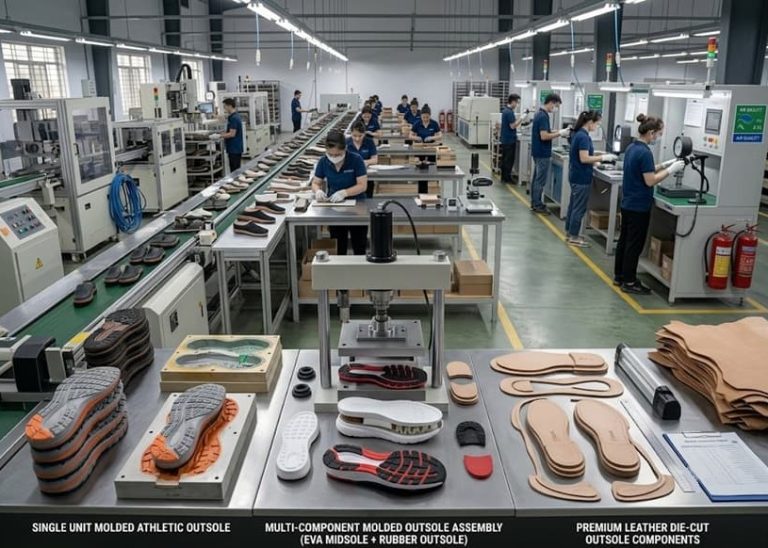
Packing Operations in Outsole Process: Outsole (Stock Fitting) Assembly Series
In the previous blog, we discussed Final Inspection Operations in Outsole Process, where every outsole passed the last quality verification before release. Only approved outsoles are transferred to the packing department.
Packing is much more than placing outsoles inside a carton. A well-designed packing process protects product quality, maintains traceability, prevents mixing of sizes or colors, and ensures customers receive defect-free products in the correct quantity. Even a perfectly manufactured outsole can become a customer complaint if packing is performed incorrectly.
Preparing Approved Outsoles for Packing
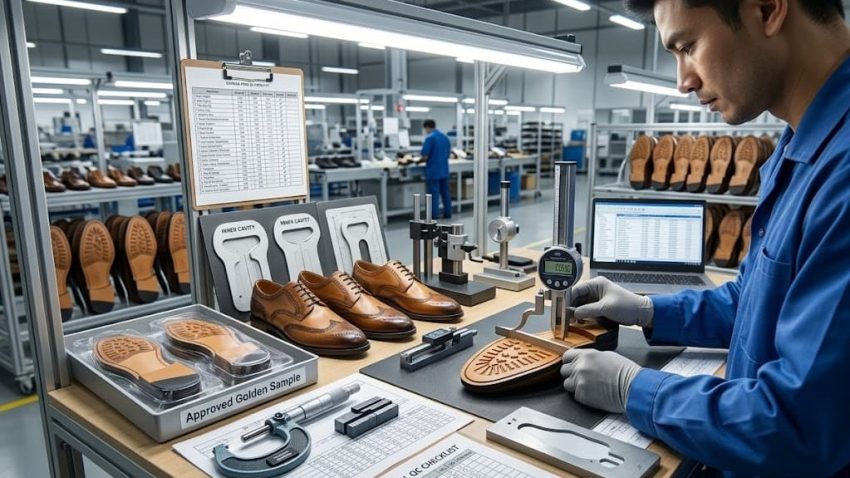
Once final inspection is completed, only accepted outsoles are released to the packing area. Rejected or repair items must never enter the packing line. Operators first organize approved outsoles according to style, size, color, customer order, and production batch.
Before packing begins, operators verify production documents, packing specifications, and customer instructions. This preparation minimizes mistakes during packing and improves overall productivity.
Key Control Points
- Pack only approved outsoles.
- Separate repaired and rejected pieces.
- Verify style, size, color, and customer code.
- Confirm packing specification before starting.
Expert Tip: Use pallet wrapping immediately after palletization to reduce carton movement during forklift transportation.
Cleaning Before Packing
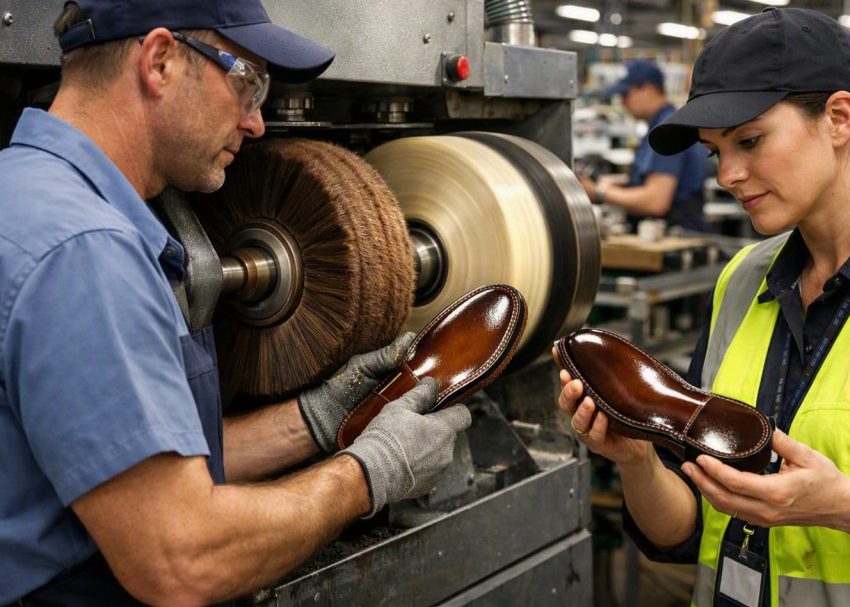
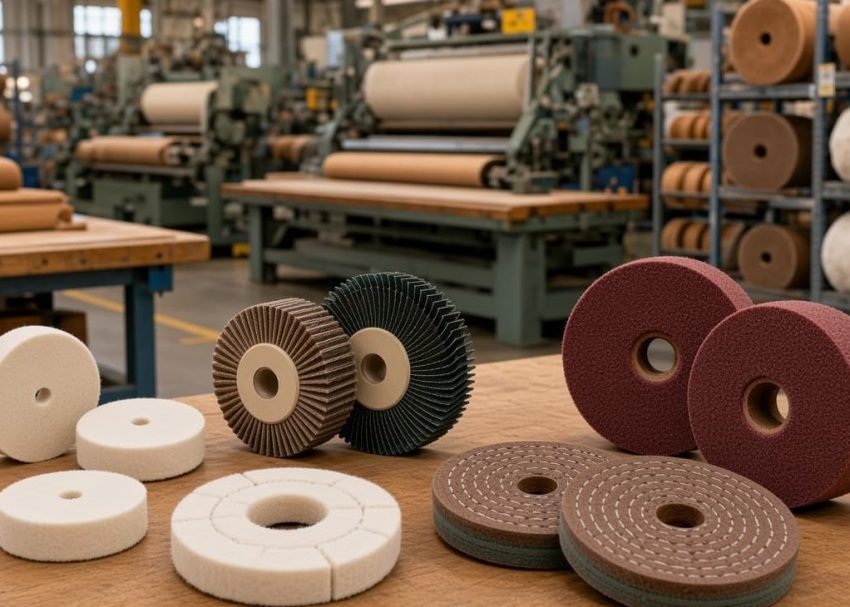
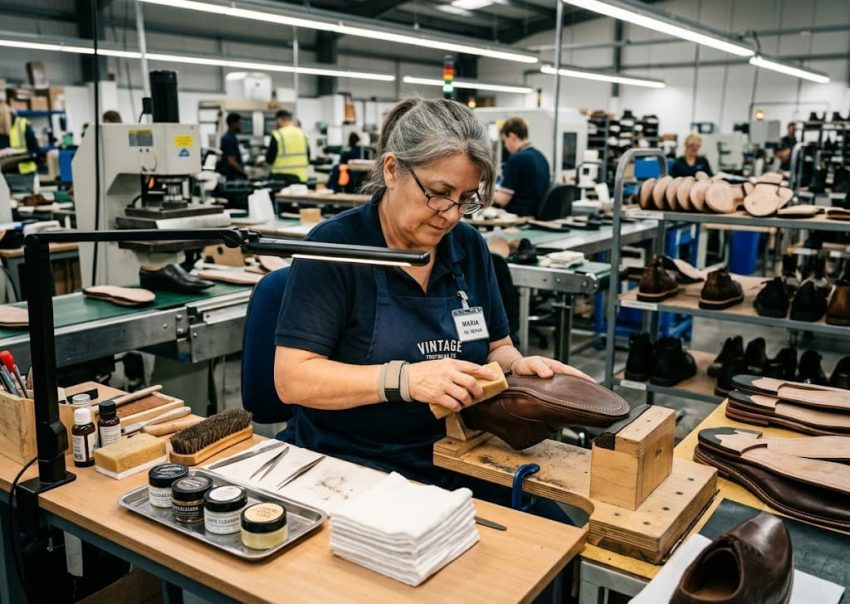
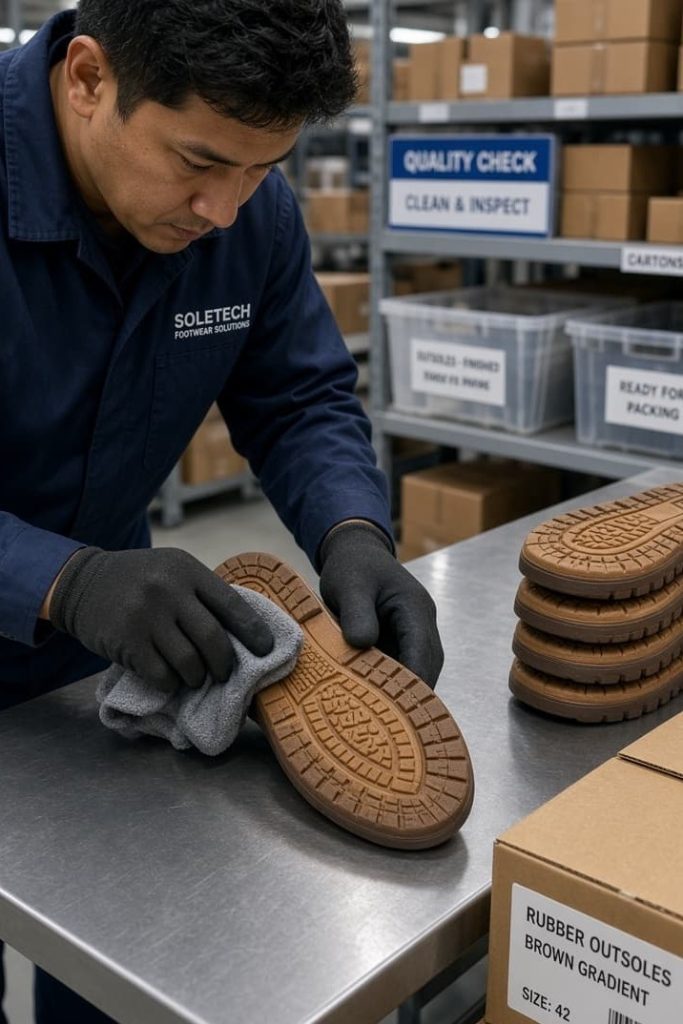
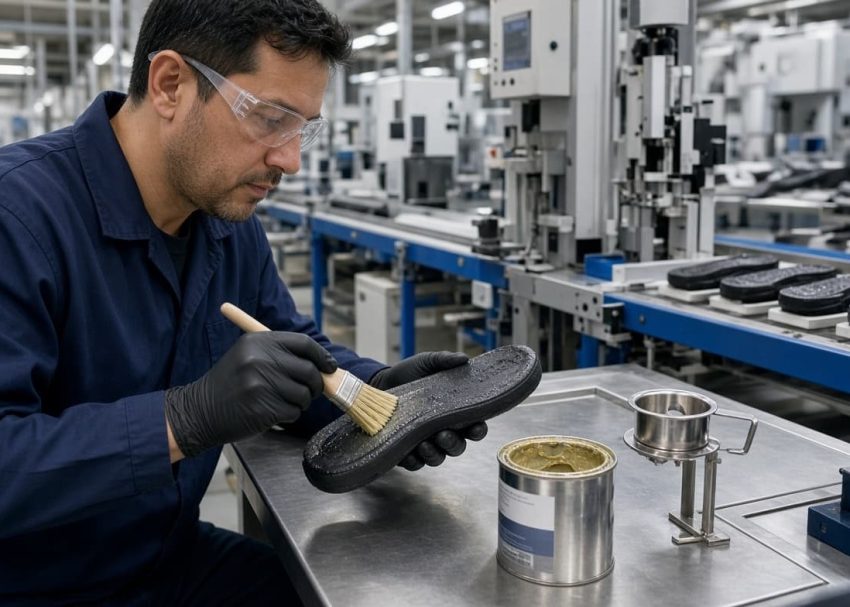
Although inspection has already confirmed product quality, operators perform a final cleaning before packing. Dust, adhesive residue, fingerprints, loose rubber particles, or trimming waste can accumulate while handling products.
Operators use clean microfiber cloths, compressed air, or approved cleaning solutions depending on outsole material. Proper cleaning enhances product appearance and prevents customer complaints.
Key Control Points
- Remove dust and loose particles.
- Avoid aggressive chemicals.
- Handle glossy surfaces carefully.
- Wear clean gloves whenever required.
Expert Tip: Never pack dirty outsoles expecting the customer to clean them. Packaging preserves product quality—it does not improve it.
Counting and Quantity Verification
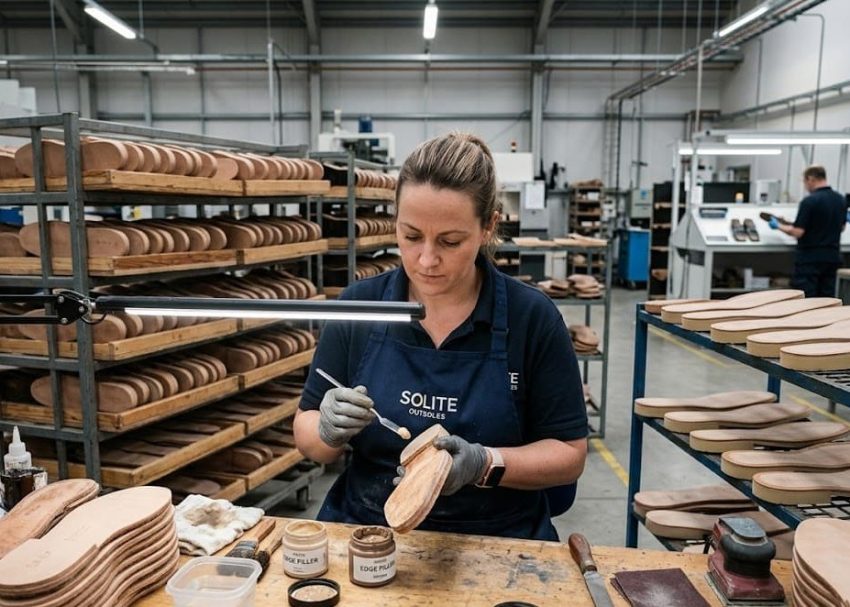
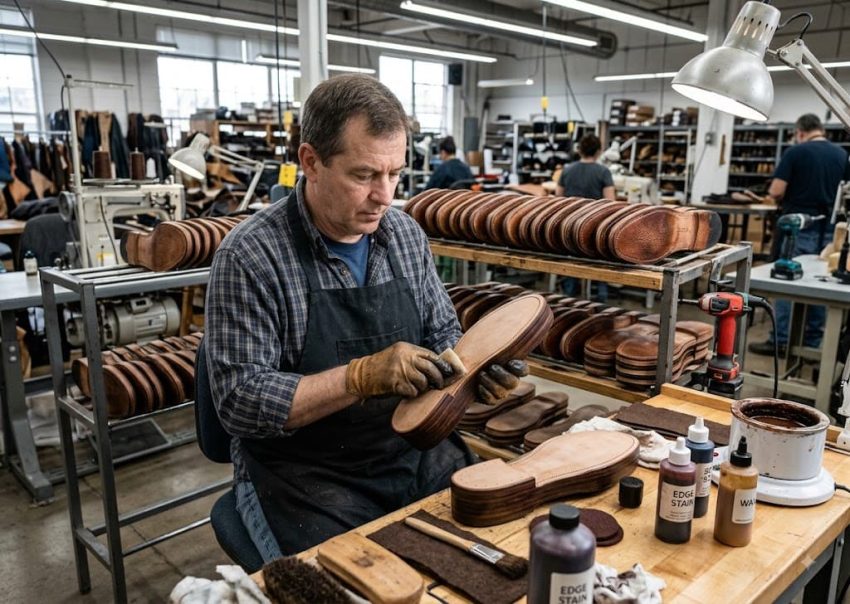
Correct quantity is one of the most important customer requirements. Operators count every outsole according to the approved packing specification. Some customers require pair packing, while others specify bulk packing.
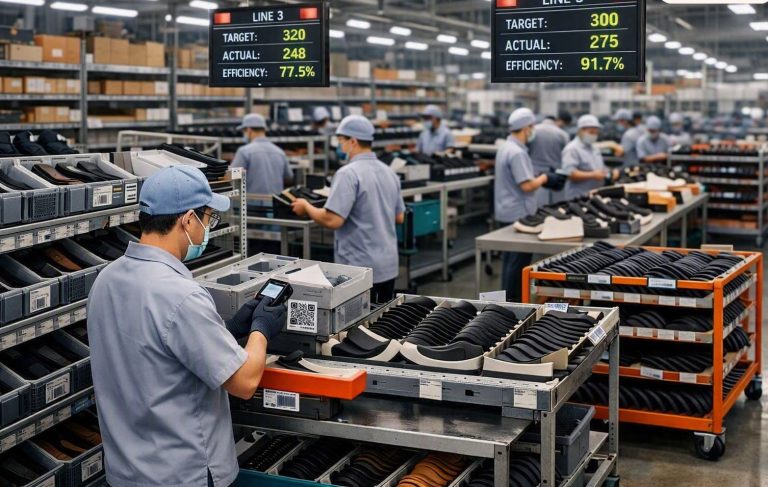
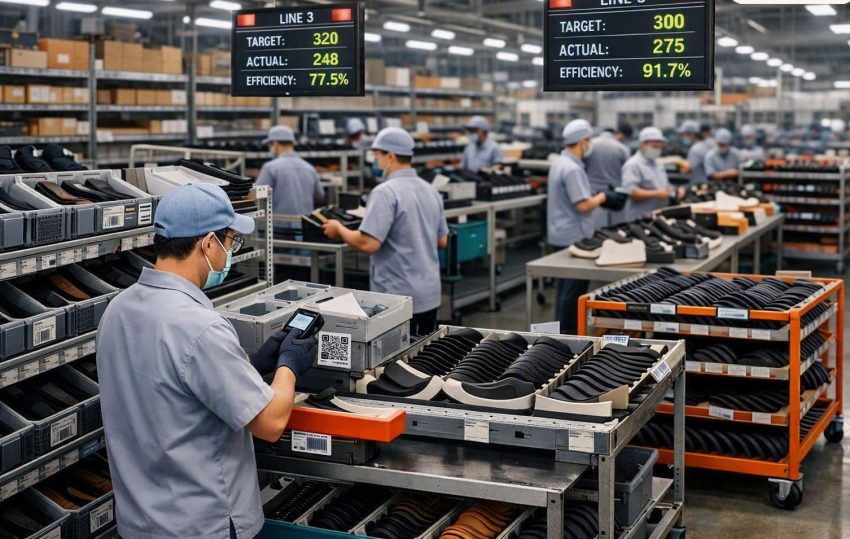
Many factories use barcode systems or electronic counting to reduce manual counting errors. Incorrect quantities increase customer claims and require expensive rework after shipment.
Key Control Points
- Count according to customer requirements.
- Verify left and right outsole quantities.
- Avoid mixing production batches.
- Record packing quantities accurately.
Expert Tip: Introduce a “two-person verification” before carton sealing for export orders. A second check significantly reduces packing mistakes.
Size, Color, and Style Segregation
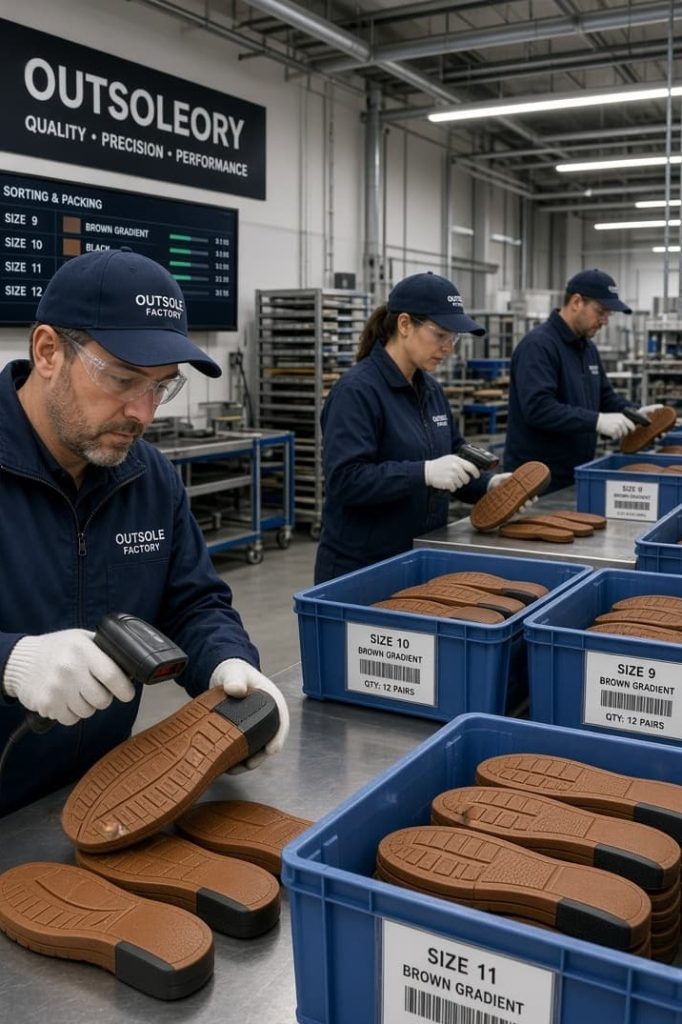
Packing operators must ensure that every carton contains only the specified size, color, and outsole style. Mixing products creates serious problems for customers and distributors.
Color coding, barcode labels, and dedicated packing bins help operators maintain proper segregation throughout the process.
Key Control Points
- One size per designated packing lot.
- Confirm color before sealing.
- Verify style number.
- Use clearly identified storage bins.
Expert Tip: Always perform a random drop test on packed cartons during production to verify packaging strength before shipment.

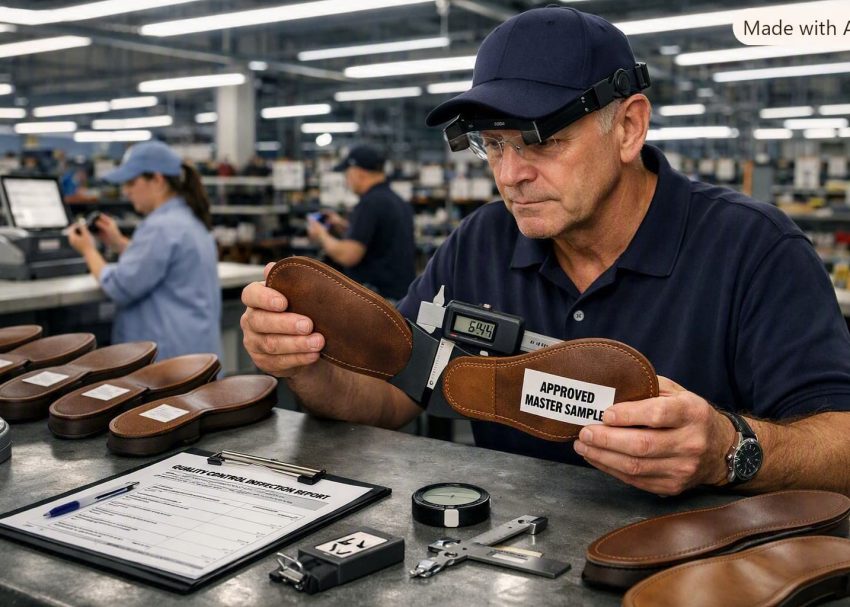
Packing Materials Selection
Packing materials protect outsoles during transportation, storage, and export handling. The selection depends on outsole material, shipment method, and customer requirements. Typical packing materials include:
- Polybags
- PE sheets
- Corrugated cartons
- Partition sheets
- Moisture barriers
- Silica gel (when specified)
- Carton tapes
- Stretch wrapping
Strong packaging reduces deformation and protects logos, decorative parts, and finished surfaces during transportation.
Expert Tip: Use pallet wrapping immediately after palletization to reduce carton movement during forklift transportation.

Carton Packing Procedure
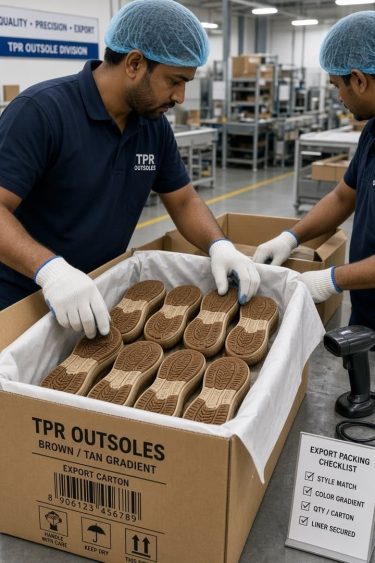
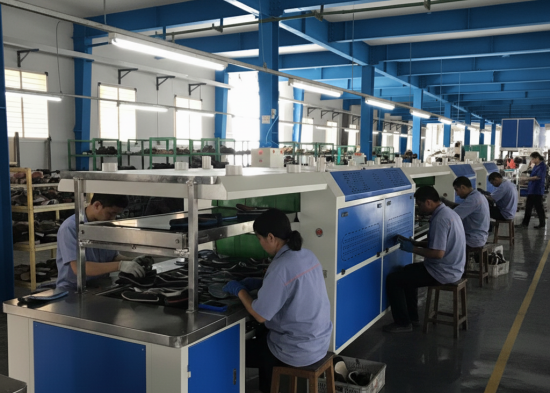
Operators arrange outsoles inside cartons according to the approved packing method. Products should fit securely without excessive compression or unnecessary movement.
Heavy stacking should never deform soft EVA or lightweight soles. Carton weight should also comply with customer and shipping requirements. Proper carton arrangement improves warehouse efficiency and prevents transportation damage.
Labeling and Traceability
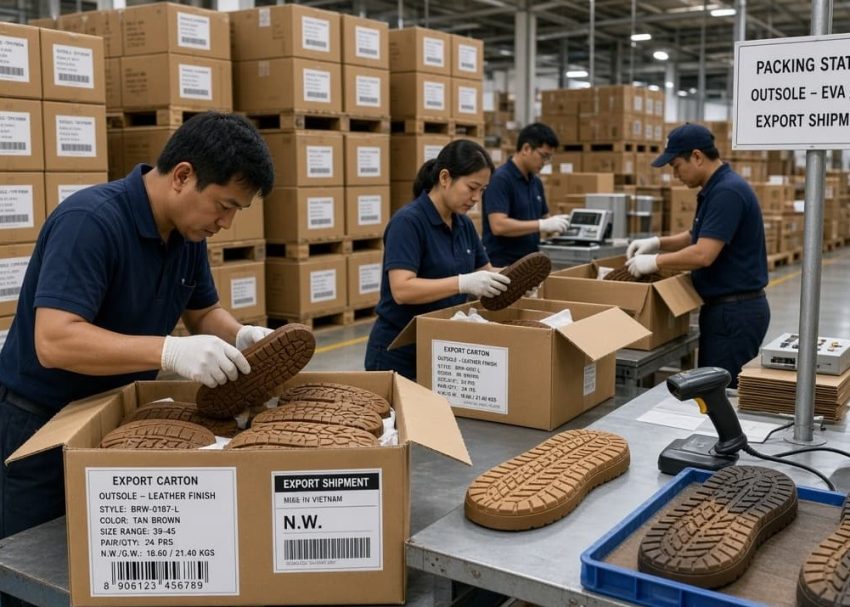
Every carton must carry complete identification information. Accurate labels allow factories to trace products quickly if customer complaints occur.
Typical label information includes:
- Customer name
- Style number
- Size
- Color
- Quantity
- Production batch
- Manufacturing date
- Carton number
- Barcode or QR code
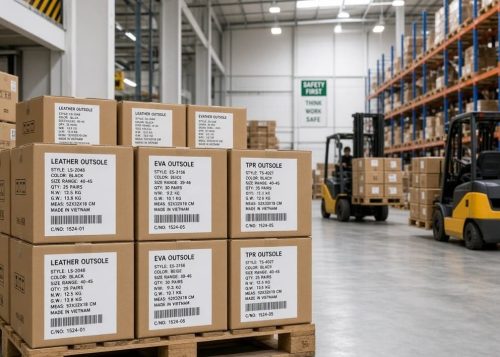
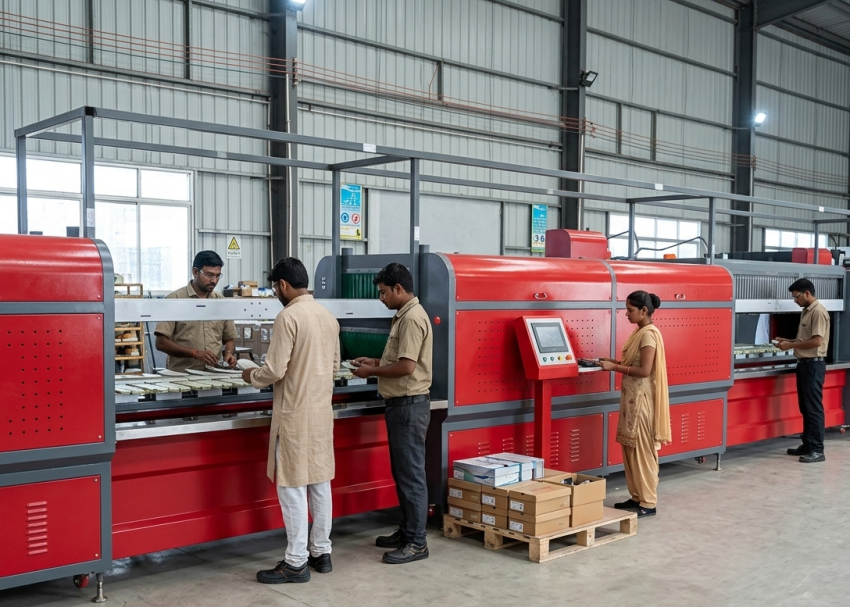
Modern factories integrate ERP systems with barcode scanners for complete production traceability.
Storage Before Shipment
Packed cartons move to the finished goods warehouse after verification. Storage conditions should prevent moisture absorption, deformation, contamination, and accidental damage.
Warehouse personnel arrange cartons according to FIFO (First-In, First-Out) or customer shipping schedules. Proper storage preserves product quality until dispatch.

Packing Documentation
Documentation confirms that packing complies with customer requirements and shipping standards. Accurate records also support quality audits and shipment verification. Typical documents include:
- Packing list
- Carton count
- Production batch record
- Inspection approval
- Dispatch record
- Barcode report
Proper documentation improves traceability throughout the supply chain.
Conclusion
Packing operations form the final manufacturing activity before products leave the factory. A systematic packing process protects outsole quality, ensures complete traceability, prevents customer complaints, and guarantees that every shipment reaches the customer in perfect condition.
This concludes the Outsole (Stock Fitting) Assembly Series, covering the complete journey from outsole receipt through inspection, assembly, quality control, and final packing.

Frequently Asked Questions (FAQs)
Packing protects product quality, maintains traceability, and ensures correct delivery to customers
Style, size, color, quantity, batch number, customer code, manufacturing date, and barcode.
Rejected products can cause customer complaints, shipment rejection, and costly recalls.
Corrugated cartons with polybags are the most common combination for outsole packing.
It enables quick identification of production batches and simplifies quality investigations.
Dry, clean warehouses with controlled stacking and FIFO inventory management.
Mixing sizes, colors, or styles inside the same carton.