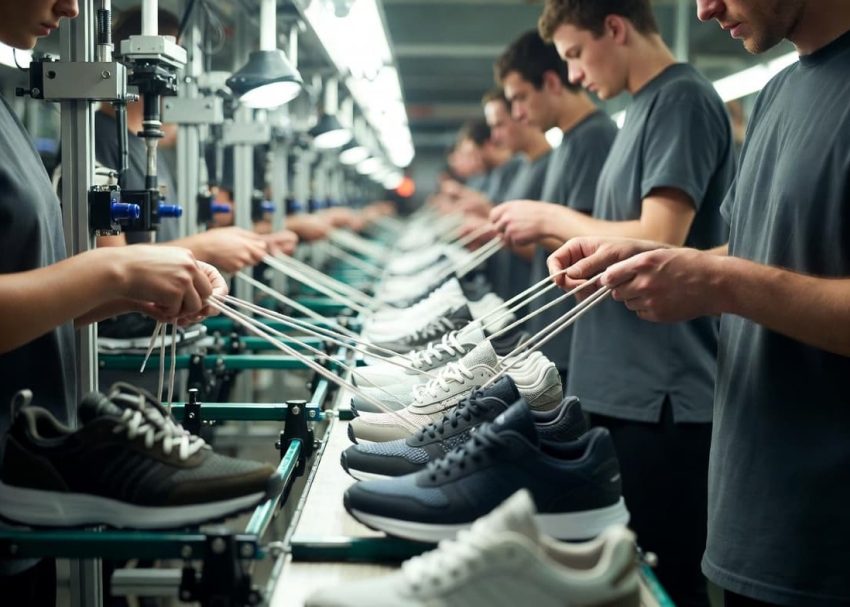
Lacing in Footwear Manufacturing – Full Shoe Assembly Series
After paper stuffing is completed in footwear manufacturing, the shoe enters the finishing line where its final presentation is prepared for inspection, packaging, and shipment. As explained in the previous article, paper stuffing helps maintain the internal shape of the footwear and prevents deformation during handling and storage. Once this stability is ensured, the next important step is lacing.
Lacing is often considered a simple manual operation, but in industrial footwear production it plays a significant role in product presentation and consistency. It directly affects how the shoe looks when displayed in retail stores, packed in boxes, or presented to customers. Proper lacing ensures that the upper sits evenly, the tongue is correctly positioned, and the overall structure appears clean and balanced.
Inconsistent or careless lacing can immediately reduce the visual quality of even a well-made shoe. Uneven lace tension, twisted patterns, or improper alignment can create a perception of poor workmanship. On the other hand, standardized lacing improves symmetry, enhances product appeal, and supports brand-level presentation consistency across large production volumes.
For this reason, footwear manufacturers define clear lacing standards covering lace type, length, threading sequence, and final appearance. These guidelines help ensure that every pair leaving the finishing line maintains a uniform and professional look, suitable for retail display and customer delivery.
The Role of Lacing in Full Shoe Assembly
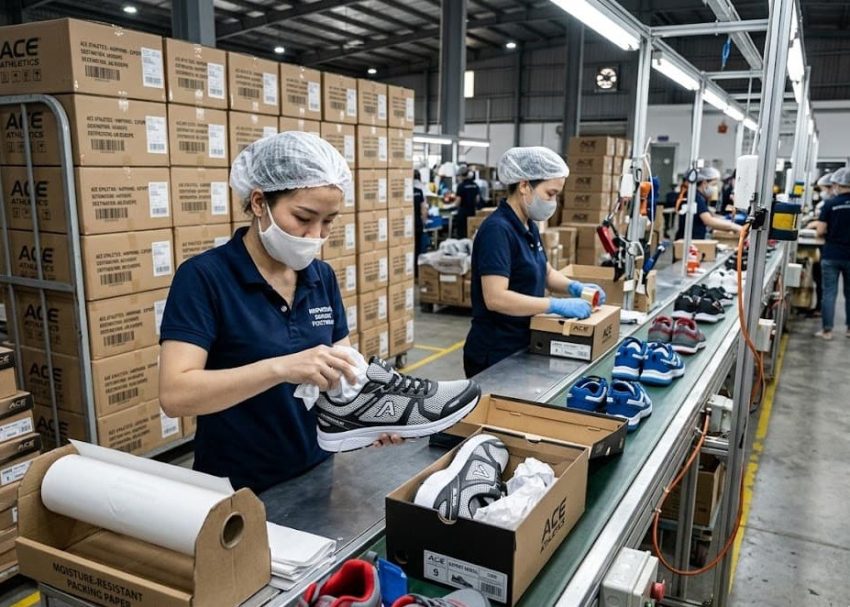
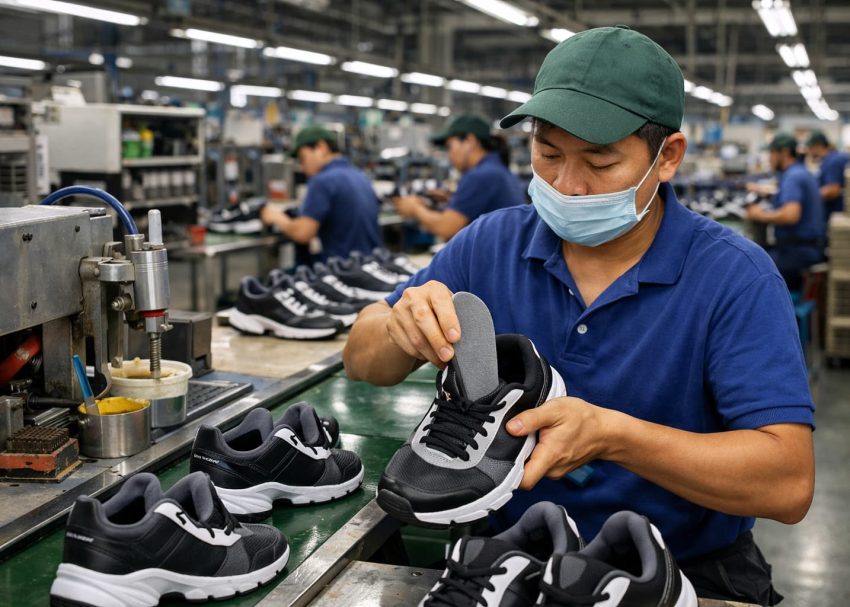
Lacing is one of the final operations performed before footwear enters final inspection and packing. By this stage, the shoe has already undergone upper assembly, lasting, sole attachment, finishing, cleaning, and paper stuffing. The purpose of lacing is not only to provide functional closure but also to complete the visual presentation of the product.
From a functional perspective, laces allow consumers to adjust the fit of the shoe according to their comfort requirements. Proper lacing helps secure the foot, reduce movement inside the shoe, improve stability, and enhance overall wear performance. This becomes particularly important in athletic footwear, outdoor footwear, and performance sports products where fit directly affects user experience.
From a manufacturing perspective, however, lacing serves a much broader purpose. It helps create uniform presentation across all pairs produced in a factory. Retailers expect shoes to arrive with identical lace positioning, tension levels, tongue exposure, and bow appearance. Even minor variations can create the impression of inconsistent manufacturing quality.
In addition, footwear photography for catalogs, websites, and e-commerce platforms often highlights the lace area prominently. Therefore, brands pay close attention to lace alignment, knot presentation, and overall symmetry. Many consumers unconsciously evaluate footwear quality based on visual details such as lace neatness, tongue positioning, and bow consistency before examining any other part of the shoe.
Key Control Points
- Use approved lace specifications only
- Maintain consistent presentation across all pairs
- Ensure symmetrical appearance between left and right shoes
- Prevent twisted or loose lace sections
Expert Tip: Maintain approved visual reference samples at every lacing workstation.
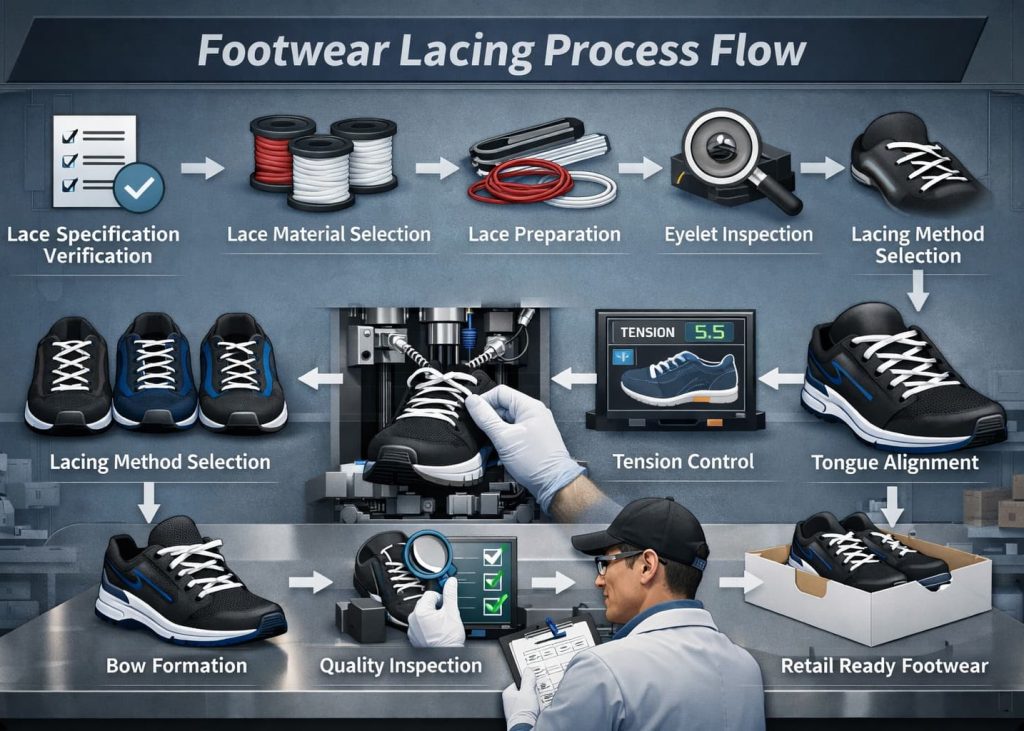
Lace Specification Verification Before Production
Before operators begin threading laces into footwear, factories must first verify that the correct lace specifications have been issued to the production line. This verification process helps eliminate mistakes that could result in rework, customer complaints, or shipment delays.
The lace specification is usually defined in the product technical package provided by the brand. This document includes detailed information regarding lace construction, material composition, color, length, diameter or width, aglet type, branding requirements, and any special finishes such as wax coatings or reflective treatments.
Different footwear categories require significantly different lace specifications. A lightweight running shoe may require engineered polyester oval laces designed to reduce weight and improve knot retention. A formal leather shoe may use wax-coated round cotton laces that provide a more premium appearance. Outdoor footwear often requires high-strength round laces capable of withstanding repeated abrasion and exposure to harsh environments.
Factories also verify lace color carefully because even small shade differences become highly visible once the laces are threaded through the upper. Color approval typically takes place under controlled lighting conditions to ensure consistency with approved standards.
Length verification is equally important. Laces that are too short make adjustment difficult for consumers, while excessively long laces create presentation problems and increase the risk of tangling during transport. Therefore, footwear manufacturers maintain strict tolerances for lace length and routinely inspect incoming materials before production begins.
Aglets, the protective tips attached to the ends of shoelaces, also receive attention during specification verification. Poor-quality aglets can crack, detach, or create threading difficulties during production. Since aglets are handled repeatedly throughout the manufacturing and retail process, their quality plays an important role in overall lace performance.
Key Control Points
- Verify lace material and construction
- Confirm lace length according to specification
- Check color consistency under standard lighting
- Inspect aglet quality and attachment strength
Pro Tip: Inspect aglets before production to prevent threading difficulties.
Understanding Different Types of Laces Used in Footwear Manufacturing
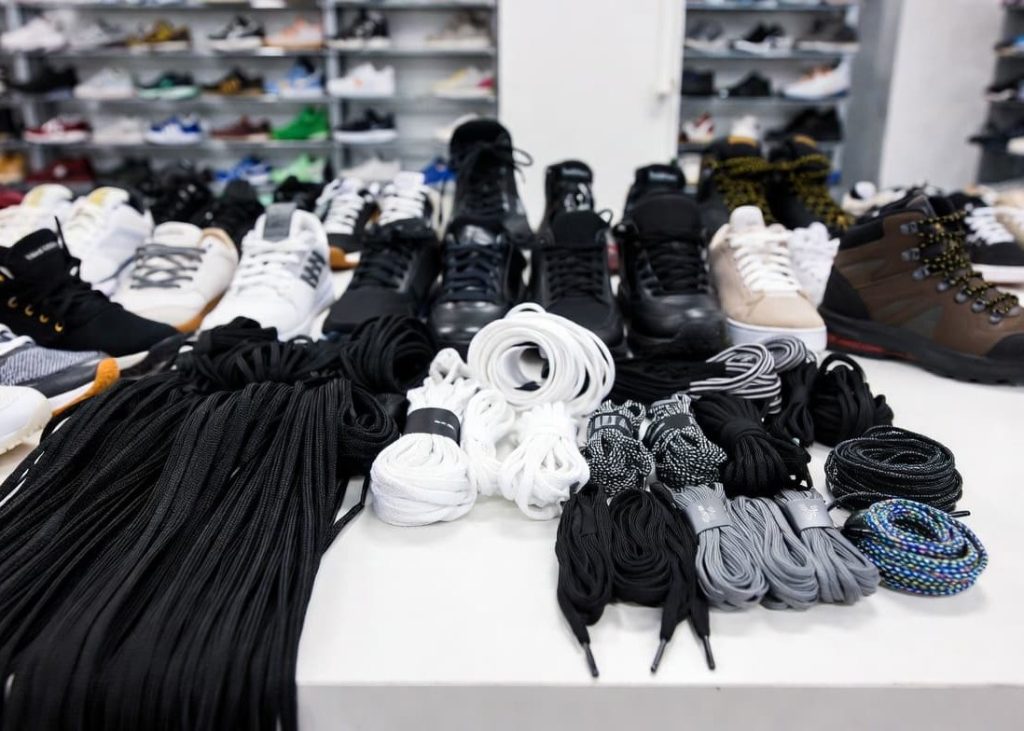
Not all shoelaces are created equally. Different footwear categories require different lace constructions depending on the intended function, appearance requirements, and consumer expectations. The lace selected for a running shoe differs significantly from the lace used in a formal leather shoe or an industrial safety boot.
As footwear design continues to become more specialized, lace engineering has also advanced considerably. Modern shoelaces are developed to improve performance, increase durability, enhance convenience, reduce weight, support sustainability goals, and strengthen brand identity.
The most common lace categories used in footwear manufacturing include flat laces, round laces, oval laces, elastic laces, decorative fashion laces, and reflective performance laces.
Pro Tip: Use loop lacing in performance footwear requiring enhanced heel lockdown.
Flat Laces
Flat laces remain the most widely used lace construction in global footwear manufacturing. They are especially common in athletic footwear, casual sneakers, school shoes, skate shoes, and many lifestyle products. Their popularity comes from their ability to balance comfort, appearance, and functional performance.
The wider surface area of a flat lace distributes pressure more evenly across the foot compared with narrower lace constructions. This improves wearer comfort, particularly during extended use. The increased contact area also creates greater friction between lace surfaces, helping knots remain secure during walking, running, and other physical activities.
From a manufacturing perspective, flat laces are relatively easy to handle during both manual and automated lacing operations. Their shape allows operators to identify twisting defects quickly, improving visual consistency across production lines.
Flat laces also provide an excellent surface for decorative printing and branding. Many athletic brands incorporate logos, slogans, or reflective graphics directly onto flat lace surfaces to strengthen product identity. Because flat laces combine functionality, comfort, and versatility, they remain the preferred choice for many high-volume footwear categories worldwide.
Key Control Points
- Maintain consistent lace width
- Prevent edge fraying
- Verify knot retention performance
- Control color consistency between batches
Pro Tip: Apply straight bar lacing for premium fashion and formal footwear categories.
Round Laces
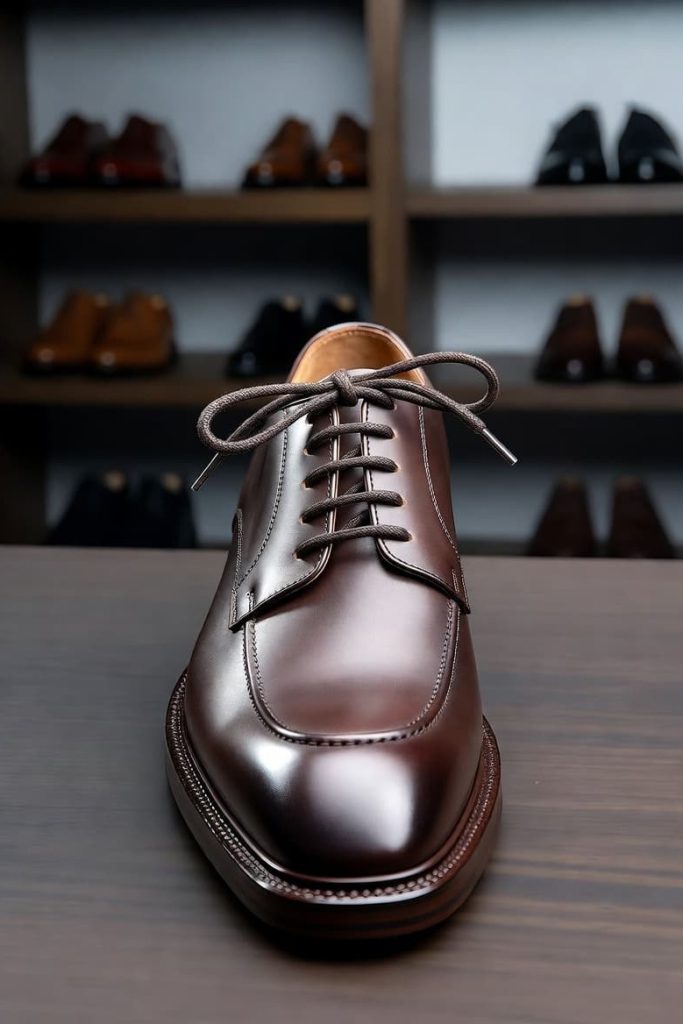
Round laces are commonly associated with formal footwear, hiking boots, safety footwear, and outdoor products. Unlike flat laces, round constructions provide a more refined appearance and often offer superior abrasion resistance in demanding environments.
In formal footwear, round laces contribute to a cleaner and more sophisticated aesthetic. Wax-coated round cotton laces are particularly popular because they maintain shape well, resist fraying, and create an elegant visual presentation that complements premium leather uppers.
In outdoor and industrial footwear, round laces serve a different purpose. Their construction allows them to move smoothly through metal hooks and eyelets while maintaining high tensile strength. This makes them suitable for repeated tightening and loosening in harsh usage conditions.
Round laces are also less likely to trap dirt and debris compared with wider lace constructions, making them practical for outdoor applications where environmental exposure is common. Because of their versatility, durability, and premium appearance, round laces remain an important component across multiple footwear categories.
Key Control Points
- Verify uniform roundness
- Ensure smooth surface finish
- Inspect wax coating consistency
- Confirm aglet attachment quality
Pro Tip: Perform final tongue alignment checks immediately before inspection.

Oval Laces
Oval laces were developed to combine the advantages of both flat and round lace constructions. Today, they are commonly used in performance athletic footwear where comfort, fit stability, and knot security are critical.
The oval profile allows the lace to sit comfortably against the foot while reducing localized pressure points. At the same time, the shape creates enough friction to help maintain knot security during high levels of physical activity.
Many running shoes, training shoes, football boots, and court sports footwear utilize oval laces because they remain stable during movement without creating excessive bulk. Athletes often prefer oval laces because they balance comfort and performance more effectively than traditional round constructions.
From a manufacturing perspective, oval laces also support modern footwear designs that prioritize lightweight construction and dynamic fit systems. As athletic footwear technology continues to evolve, oval laces have become increasingly common in premium performance categories.
Key Control Points
- Maintain consistent oval profile
- Prevent deformation during handling
- Verify dimensional stability
- Control elasticity variation where applicable
Pro Tip: Protect finished laced footwear from handling damage before packing.
Elastic Laces
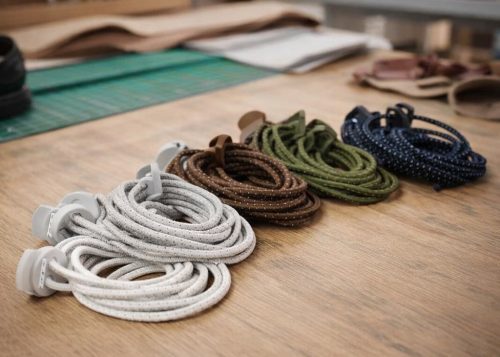
Elastic laces have become increasingly popular as footwear brands focus on convenience and ease of use. Unlike traditional lace systems, elastic laces stretch during entry and recover once the foot is inside the shoe. This allows users to wear and remove footwear quickly without repeated tying and untying.
Children’s footwear was among the earliest categories to adopt elastic lacing systems because they simplify footwear usage for young consumers. However, the technology has expanded significantly and is now used in adaptive footwear, recovery footwear, travel footwear, senior footwear, and hands-free footwear concepts.
Modern elastic lacing systems often work together with locking devices that allow consumers to adjust fit while eliminating the need for traditional bows. This combination improves convenience while maintaining adequate support. product performance.
Manufacturers pay particular attention to stretch performance and recovery characteristics when selecting elastic laces because these properties directly affect long-term product performance.
Key Control Points
- Verify stretch and recovery performance
- Prevent overstretching during assembly
- Inspect lock system compatibility
- Maintain elasticity consistency
Pro Tip: Include lace presentation standards in operator training programs.
Decorative and Fashion Laces
While many shoelaces are designed primarily for functionality, fashion-oriented footwear frequently uses decorative laces as an important styling element. In these products, the lace becomes part of the overall design language and contributes significantly to the visual identity of the shoe.
Fashion brands often experiment with different lace constructions, textures, finishes, and colors to create unique consumer appeal. Satin laces, rope-style laces, oversized laces, metallic laces, velvet-finished laces, and printed laces are common examples found in lifestyle, fashion, and luxury footwear categories.
Unlike performance-focused lace systems, decorative laces may not always prioritize durability or athletic functionality. Instead, manufacturers focus on appearance, texture, color consistency, and how the lace complements the upper materials.
For example, a premium fashion sneaker may use oversized flat laces to create a bold visual statement, while a luxury women’s footwear product may use satin ribbon-style laces to enhance elegance and fashion appeal. In such products, the lace becomes an extension of the design rather than merely a fastening mechanism.
Because decorative laces are highly visible, footwear factories implement strict visual quality standards. Surface contamination, shade variation, texture inconsistency, and finishing defects become immediately noticeable and can significantly affect perceived product quality.
Key Control Points
- Protect decorative surfaces during handling
- Verify color consistency across production lots
- Prevent scratching of specialty finishes
- Maintain texture uniformity
Pro Tip: Maintain approved visual reference samples at every lacing workstation.
Reflective and Performance Laces
As performance footwear continues to evolve, lace technology has advanced beyond traditional fastening functions. Many modern athletic brands now use engineered laces that contribute to both performance and safety.
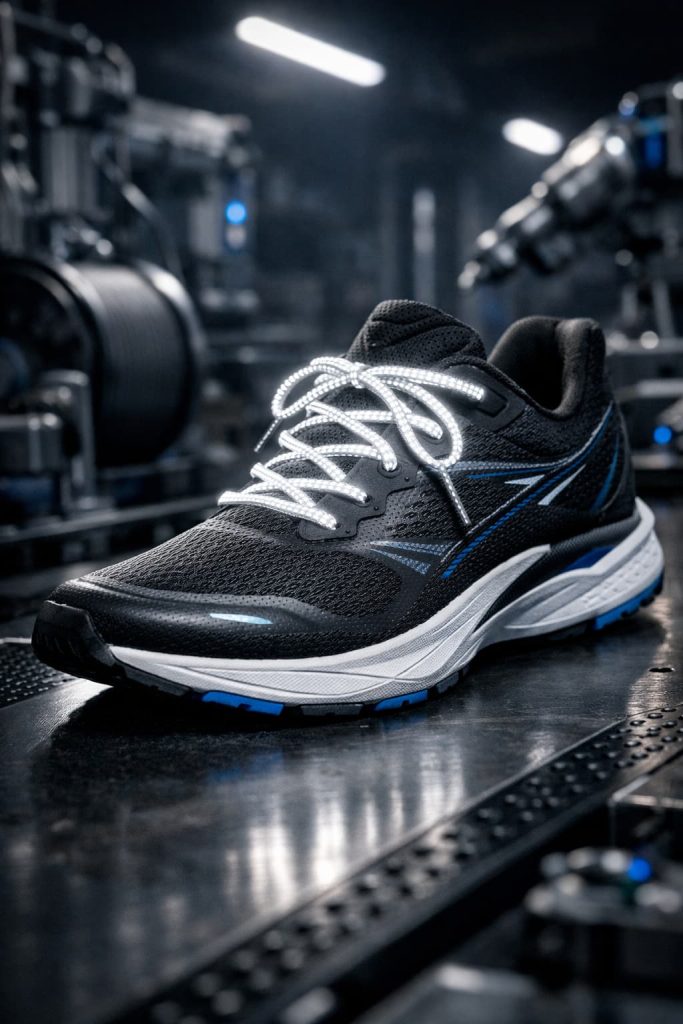
Reflective laces are one example. These laces incorporate reflective yarns or coatings that improve visibility under low-light conditions. Running footwear, trail shoes, and cycling footwear commonly use reflective lace systems to enhance user safety during early morning or evening activities.
Performance laces may also incorporate lightweight fibers, moisture-resistant coatings, stretch zones, and specialized constructions designed to improve fit retention during dynamic movement. Some engineered laces are specifically developed to reduce overall shoe weight, supporting the industry’s ongoing pursuit of lighter athletic products.
In premium performance categories, footwear brands increasingly work directly with lace suppliers to develop customized solutions tailored to specific sports and consumer requirements. As a result, modern shoelaces often function as engineered performance components rather than simple accessories.
Key Control Points
- Verify reflective performance consistency
- Inspect coating adhesion quality
- Ensure dimensional stability
- Maintain tensile strength requirements
Pro Tip: Inspect aglets before production to prevent threading difficulties.


Leather Laces in Footwear Manufacturing
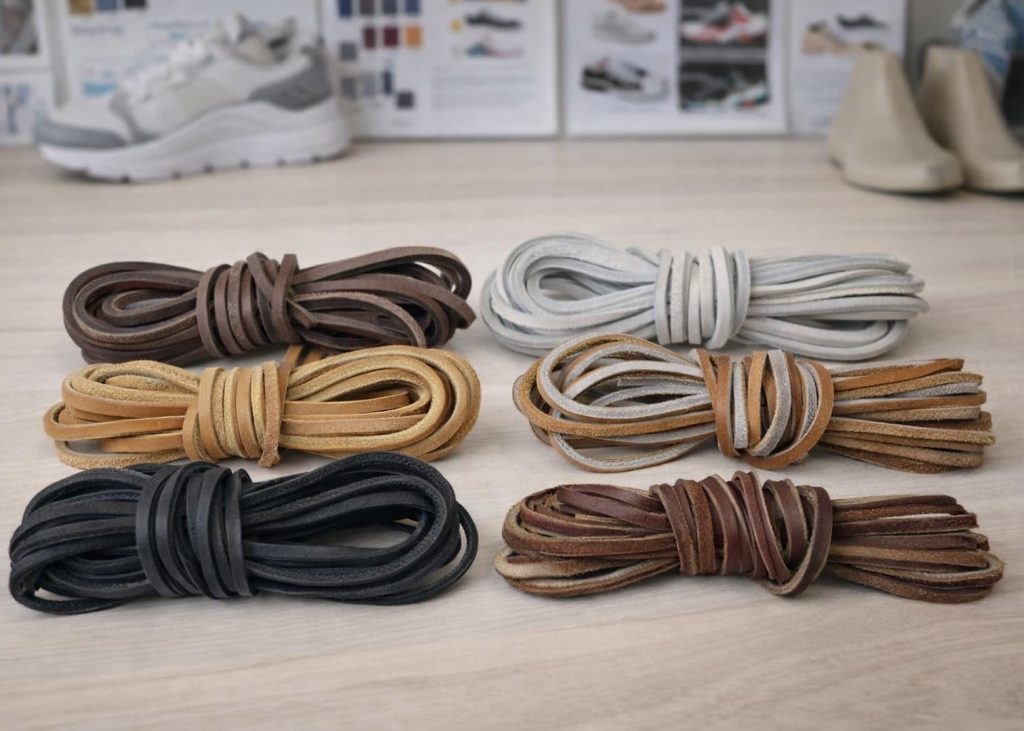
Leather laces occupy a unique position within the footwear industry because they combine functional performance with a distinctive premium appearance. Unlike textile-based laces, leather laces are manufactured from natural or synthetic leather strips that are cut, finished, and treated to achieve specific performance characteristics. They are commonly associated with premium casual footwear, boat shoes, moccasins, outdoor footwear, heritage boots, and handcrafted leather products where aesthetics and craftsmanship play a significant role in product identity.
Many footwear brands use leather laces to reinforce an authentic, rugged, or luxury image. The natural texture, grain variation, and aging characteristics of leather create a visual appeal that cannot be easily replicated by conventional textile laces. Over time, leather laces often develop a patina that complements the appearance of leather uppers, making them particularly popular in premium lifestyle and outdoor footwear categories.
From a functional perspective, leather laces offer good strength and durability when properly manufactured and maintained. However, their performance characteristics differ from polyester or nylon laces. Leather tends to stretch slightly during use, especially when exposed to moisture. Consequently, footwear developers must account for this behavior when specifying lace length and fit requirements.
Boat shoes are among the most common applications for leather laces. In these products, leather lace systems often run continuously through the collar area, serving both decorative and fit-adjustment functions. Similarly, heritage boots and handcrafted leather footwear frequently use round or flat leather laces to enhance the premium handcrafted appearance of the finished product.
The manufacturing process for leather laces typically begins with the selection of suitable leather. Full-grain leather, top-grain leather, nubuck, and suede may all be used depending on the desired appearance and performance requirements. The leather is cut into narrow strips, processed to achieve consistent width, and treated with oils, waxes, or protective coatings to improve flexibility and durability.
Because leather is a natural material, quality control becomes particularly important. Variations in thickness, color, grain structure, and stretch behavior can affect lace performance and presentation. Therefore, manufacturers carefully inspect leather lace materials before production to ensure consistency.
Common testing requirements for leather laces include tensile strength evaluation, flex resistance testing, color fastness assessment, abrasion resistance verification, and elongation measurement. Outdoor and boat shoe applications may also require moisture resistance testing because repeated exposure to water can influence leather performance.
While leather laces generally cost more than conventional textile laces, many brands consider the additional expense worthwhile because of the premium image and craftsmanship they convey. As a result, leather laces continue to remain an important option within premium footwear manufacturing.
Common Applications
- Boat shoes
- Moccasins
- Heritage boots
- Outdoor footwear
- Casual leather shoes
- Handcrafted premium footwear
Common Leather Types Used
- Full-grain leather
- Top-grain leather
- Nubuck leather
- Suede leather
- Oiled leather
- Synthetic leather alternatives
Main Properties
- Premium appearance
- Natural texture and grain
- Good durability
- Flexible fit adjustment
- Develops attractive patina over time
Typical Testing Requirements
- Tensile strength testing
- Flex resistance testing
- Abrasion resistance testing
- Color fastness testing
- Moisture resistance testing
- Elongation testing
Key Control Points
- Prevent drying and cracking during storage
- Maintain consistent leather thickness
- Verify color matching between batches
- Control stretch characteristics
- Inspect cut-edge quality
- Ensure proper oil or wax treatment
Pro Tip: Use loop lacing in performance footwear requiring enhanced heel lockdown.
Common Lace Materials Used in Footwear Manufacturing
Although lace construction plays an important role in footwear performance, material selection often has an even greater impact on durability, appearance, flexibility, moisture resistance, and consumer satisfaction.
Footwear manufacturers select lace materials according to product category, intended use, cost targets, and brand expectations. The same lace construction can behave very differently depending on the yarns used during manufacturing.
The most common lace materials used across the footwear industry include polyester, cotton, nylon, and technical performance fibers.
Pro Tip: Use loop lacing in performance footwear requiring enhanced heel lockdown.
Polyester Laces
Polyester is currently the most widely used shoelace material in global footwear manufacturing. Its popularity comes from its ability to balance durability, appearance, performance, and cost efficiency.
Polyester fibers offer excellent resistance to moisture absorption, making them suitable for both athletic and casual footwear. They also maintain color well, allowing manufacturers to produce bright and consistent shades that remain stable throughout the product lifecycle.
Because polyester resists stretching better than many natural fibers, it provides reliable fit retention and consistent knot performance. These characteristics make polyester particularly attractive for running shoes, basketball footwear, training shoes, and lifestyle sneakers.
From a manufacturing perspective, polyester is also highly adaptable. It can be woven into flat, round, oval, reflective, and elastic lace constructions while maintaining good production efficiency. For these reasons, polyester remains the preferred material for many major global footwear brands.
Key Control Points
- Verify yarn quality consistency
- Maintain color uniformity
- Monitor tensile performance
- Control weaving quality
Pro Tip: Apply straight bar lacing for premium fashion and formal footwear categories.

Cotton Laces
Cotton laces continue to be widely used in casual footwear, retro sneakers, and formal footwear despite the growing popularity of synthetic materials. Their appeal comes from their natural appearance, soft feel, and premium aesthetic qualities.
Many consumers associate cotton laces with authenticity and craftsmanship, particularly in heritage-inspired footwear products. Cotton also accepts dyes effectively, allowing manufacturers to achieve rich and attractive color variations.
In formal footwear, wax-coated cotton laces are especially popular. The wax treatment improves durability, reduces fraying, and creates a cleaner appearance that complements polished leather uppers.
However, cotton absorbs moisture more readily than synthetic fibers. As a result, manufacturers must carefully control storage conditions and material handling to prevent quality issues. Despite these limitations, cotton remains an important material in premium and fashion-oriented footwear categories.
Key Control Points
- Maintain color matching standards
- Control moisture exposure
- Verify weave consistency
- Inspect wax coating quality
Pro Tip: Perform final tongue alignment checks immediately before inspection.
Nylon Laces
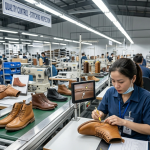
Nylon is widely recognized for its exceptional strength and abrasion resistance. These characteristics make it particularly suitable for outdoor footwear, hiking footwear, work boots, and performance applications.
Compared with many other materials, nylon provides higher tensile strength and excellent resistance to repeated friction. This allows nylon laces to withstand demanding environments where footwear experiences frequent tightening, loosening, and exposure to rough surfaces.
Outdoor footwear manufacturers often favor nylon because of its ability to perform reliably under challenging conditions. The material also provides good flexibility, allowing users to achieve secure fit adjustments without excessive stiffness.
While nylon is sometimes more expensive than polyester, its durability advantages justify its use in applications where performance and longevity are critical.
Key Control Points
- Control surface smoothness
- Verify abrasion resistance performance
- Maintain dimensional stability
- Monitor tensile strength consistency
Pro Tip: Include lace presentation standards in operator training programs.


Technical Fiber and Kevlar Laces
Certain footwear categories require lace performance beyond what traditional materials can provide. Safety footwear, military footwear, industrial boots, and specialized outdoor products often use technical fibers such as Kevlar or other high-performance materials.
These advanced fibers offer exceptional tensile strength, heat resistance, and cut resistance. As a result, they help maintain lace integrity in environments where conventional materials might fail.
Although technical fiber laces represent a relatively small segment of the overall footwear market, they play a critical role in industries where worker safety and product reliability are essential.Because of their specialized applications, technical fiber laces often undergo additional testing and certification requirements before approval for production use.
Key Control Points
- Prevent contamination during handling
- Verify compliance with technical specifications
- Maintain supplier certification records
- Monitor high-strength performance
Pro Tip: Protect finished laced footwear from handling damage before packing.
Selecting the Correct Lace for Different Footwear Categories
Choosing the correct lace is not simply a matter of appearance. The lace must support the functional requirements of the footwear while aligning with consumer expectations and brand positioning.
Footwear developers consider multiple factors when selecting lace systems, including durability, comfort, weight, aesthetics, ease of use, environmental exposure, and retail presentation. Different footwear categories therefore require different lace solutions.
Sports Footwear
Sports footwear places significant demands on lace performance because athletes frequently subject their footwear to rapid movements, directional changes, and repeated impact forces. For this reason, sports footwear commonly uses flat or oval polyester laces. These constructions provide excellent knot security, good comfort, and reliable performance during physical activity.
Performance footwear brands often prioritize lightweight constructions and moisture-resistant materials to support athletic performance while minimizing unnecessary weight. The lace system must also work effectively with the shoe’s fit architecture, helping maintain foot stability without creating pressure points.
Key Control Points
- Support athletic fit systems
- Prioritize knot retention
- Maintain lightweight construction
- Ensure moisture resistance
Casual Footwear
Casual footwear balances functionality with everyday comfort and visual appeal. Consumers expect laces that are easy to adjust, comfortable to wear, and aesthetically compatible with the overall product design.
Flat polyester laces remain common in casual footwear because they offer versatility and cost efficiency. However, fashion-oriented products may use cotton, decorative, or oversized lace constructions to enhance styling. Because casual footwear is often worn for extended periods, comfort and appearance usually receive equal consideration during lace selection.
Key Control Points
- Support overall product styling
- Balance comfort and aesthetics
- Ensure easy adjustment
- Maintain color consistency
Formal Footwear
Formal footwear prioritizes elegance, simplicity, and premium appearance. As a result, manufacturers commonly use round wax-coated cotton laces that complement polished leather uppers.
The goal is not to create aggressive visual contrast but rather to support a refined and sophisticated appearance. Lace thickness, sheen, and finish are carefully controlled to maintain harmony with the overall product design.
Because consumers often associate formal footwear with quality craftsmanship, lace presentation becomes particularly important.
Key Control Points
- Ensure refined presentation
- Maintain premium appearance
- Control wax coating consistency
- Verify color matching
Outdoor and Hiking Footwear
Outdoor footwear faces challenging environmental conditions including moisture, dirt, abrasion, and repeated tension cycles. Therefore, lace durability becomes a primary concern.
Manufacturers frequently use round nylon or high-strength polyester laces designed to withstand harsh conditions. These laces must perform reliably even after prolonged exposure to demanding environments. Outdoor products also commonly use specialized lacing hardware such as hooks and locking systems that require compatible lace constructions.
Key Control Points
- Verify hardware compatibility
- Prioritize durability
- Ensure abrasion resistance
- Maintain weather performance
Safety Footwear
Safety footwear operates in environments where reliability is critical. Workers depend on their footwear throughout long shifts, often under demanding conditions.
As a result, manufacturers prioritize high-strength lace materials capable of resisting abrasion, heat, and repeated tension. In some cases, technical fiber laces may be required to meet specific industry standards. The lace system must support both comfort and workplace safety without compromising durability.
Key Control Points
- Ensure workplace reliability
- Verify compliance requirements
- Maintain tensile strength
- Support long-term durability
Performance Footwear
Modern performance footwear focuses on maximizing athletic efficiency. Consequently, brands increasingly use engineered lace systems developed specifically for individual sports.
These systems may incorporate lightweight fibers, stretch zones, reflective elements, or customized constructions that support dynamic movement patterns. The lace becomes part of the overall performance package rather than merely a closure system.
Key Control Points
- Verify performance requirements
- Reduce unnecessary weight
- Support dynamic movement
- Maintain fit consistency
Eyelet Inspection Before Lacing
Before lacing begins, footwear factories inspect eyelets to ensure they are properly installed and free from defects. Eyelet quality directly affects threading efficiency, lace durability, and final presentation.
Misaligned eyelets can create uneven lace angles and distort the appearance of the shoe. Sharp edges may damage the lace during threading or consumer use. Loose eyelets can create long-term durability concerns and negatively affect product quality perception. For these reasons, many factories perform dedicated eyelet inspections before lacing operations begin.
Key Control Points
- Ensure consistent spacing
- Verify eyelet alignment
- Inspect attachment security
- Check for sharp edges
Lace Preparation Before Threading
Proper preparation improves lacing efficiency and reduces the likelihood of defects. Before threading begins, operators organize laces according to size, style, and production requirements.
The preparation stage typically includes untangling lace bundles, checking aglet condition, verifying lengths, and removing defective materials. In premium production environments, operators may also straighten laces to improve final presentation quality. Well-organized preparation supports both productivity and visual consistency.
Key Control Points
- Maintain clean handling conditions
- Remove defective laces
- Verify lace lengths
- Prevent size mixing
Lacing Methods Used in Footwear Manufacturing
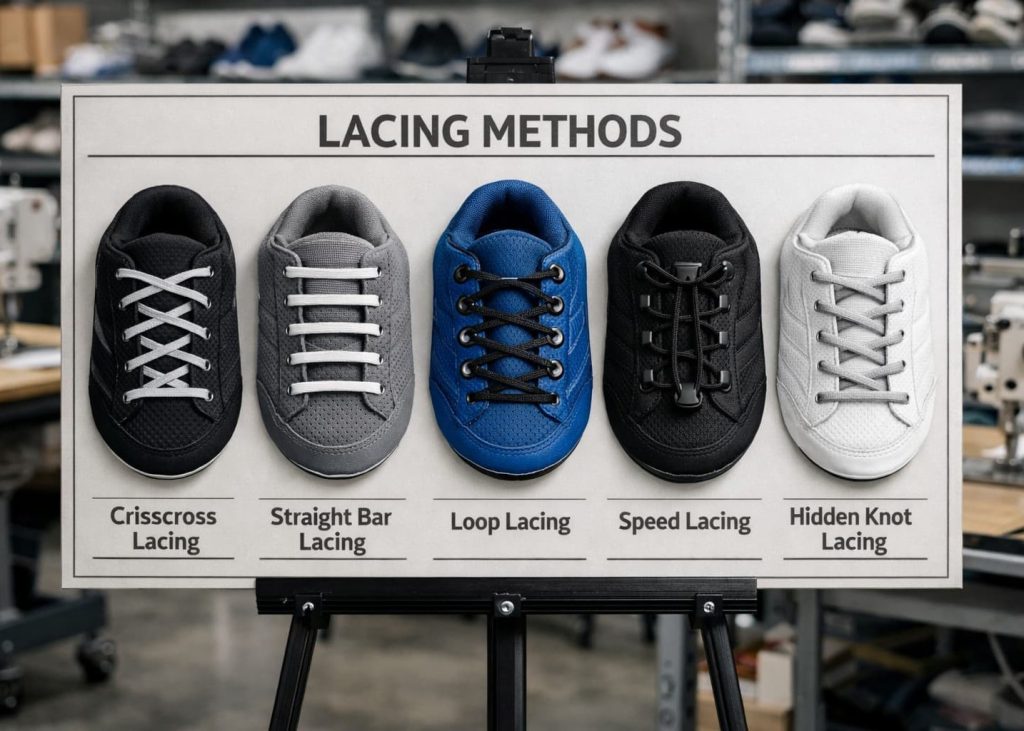
The lacing method selected for a shoe affects far more than appearance. Different lacing patterns influence fit adjustment, pressure distribution, heel retention, ease of use, and overall consumer experience.
Consequently, footwear brands specify not only the type of lace to be used but also the exact threading pattern that must be followed during production.
The choice of lacing method depends on the footwear category, intended performance requirements, target consumer, and brand presentation standards. Some methods prioritize simplicity and comfort, while others focus on premium appearance or enhanced foot lockdown.
Crisscross Lacing
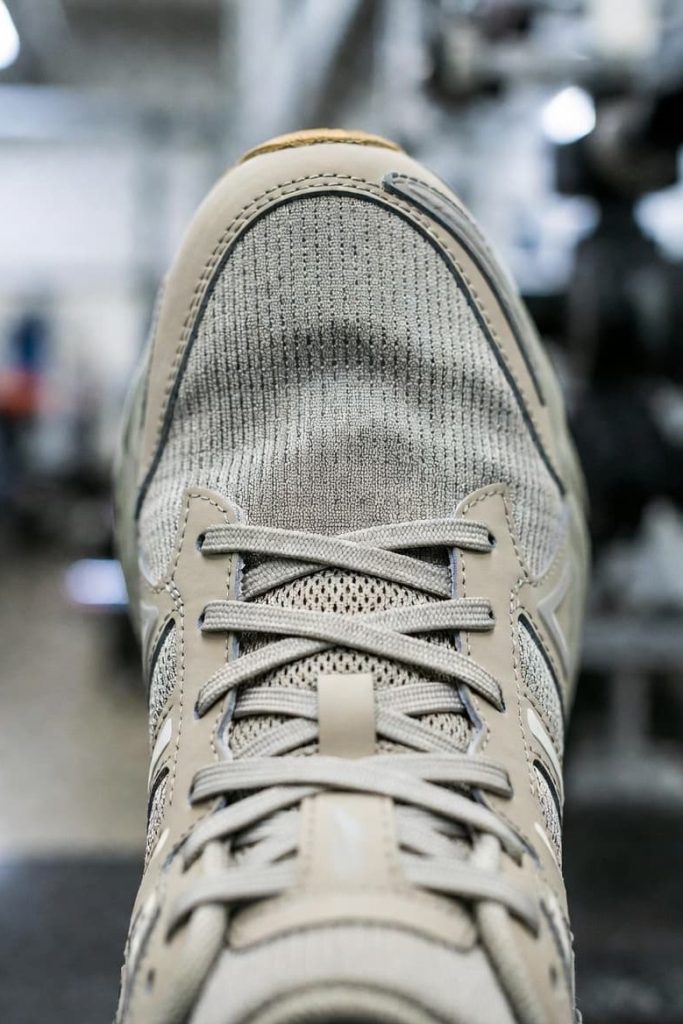
Crisscross lacing is by far the most common lacing method used throughout the global footwear industry. This traditional pattern involves crossing the lace diagonally between opposing eyelets from the bottom of the shoe to the top.
The popularity of crisscross lacing comes from its balance of simplicity, functionality, and manufacturing efficiency. Consumers are familiar with the pattern, making fit adjustment intuitive and convenient. At the same time, the design distributes pressure relatively evenly across the foot, helping maintain comfort during everyday use.
Manufacturing facilities also favor crisscross lacing because it can be performed quickly and consistently on high-volume production lines. Most athletic footwear, casual shoes, school shoes, and general-purpose footwear categories use this method as their standard lacing pattern.
Key Control Points
- Verify left-right symmetry
- Maintain equal crossover spacing
- Prevent lace twisting
- Ensure balanced tension
Straight Bar Lacing
Straight bar lacing creates a cleaner and more refined appearance by displaying horizontal lace bars across the upper while hiding much of the diagonal routing beneath the eyelet rows.
This method is commonly used in premium sneakers, fashion footwear, and formal footwear where aesthetics play a major role in consumer perception. The clean visual appearance aligns well with minimalist design philosophies and luxury product positioning.
Although straight bar lacing requires more threading time and greater operator attention than standard crisscross lacing, the improved appearance often justifies the additional effort. Many premium footwear brands specify straight bar lacing because it enhances shelf appeal and supports a more sophisticated presentation.
Key Control Points
- Prevent uneven tension distribution
- Maintain parallel lace alignment
- Ensure consistent spacing
- Verify hidden routing accuracy
Loop Lacing
Loop lacing is frequently used in performance footwear because it improves heel lockdown and fit stability. The method creates additional friction points that help secure the foot more effectively during movement.
Running shoes, trail shoes, hiking footwear, and other athletic products often use loop lacing near the top eyelets. By reducing heel movement inside the shoe, loop lacing helps minimize friction-related discomfort and improves overall stability. Athletes and serious runners often appreciate the additional support provided by this lacing configuration, particularly during long-distance activities or demanding terrain conditions.
Key Control Points
- Preserve consumer comfort
- Maintain loop consistency
- Avoid excessive tightening
- Verify heel lockdown performance
Speed Lacing Systems
Speed lacing systems eliminate the need for traditional bow tying by using pull cords, locking devices, or mechanical adjustment systems. These solutions are increasingly common in outdoor footwear, trail running shoes, children’s footwear, and specialized performance products.
The primary advantage of speed lacing is convenience. Users can quickly tighten or loosen footwear with a single motion, making the system particularly attractive for activities requiring rapid adjustment.
From a manufacturing standpoint, speed lacing systems require additional component management and assembly controls. However, the convenience benefits often justify the increased complexity. Many modern outdoor footwear brands have adopted speed lacing as a differentiating feature that enhances both usability and product innovation.
Key Control Points
- Confirm durability requirements
- Verify locking mechanism performance
- Ensure smooth lace movement
- Prevent accidental release
Hidden Knot and Slip-On Lacing Systems
The growing popularity of hands-free footwear has increased the use of hidden knot and slip-on lacing systems. These designs prioritize convenience while maintaining a clean external appearance.
Instead of visible bows, the lace system is concealed within the shoe structure or combined with elastic components that allow easy entry and removal. Many travel shoes, lifestyle sneakers, adaptive footwear products, and hands-free footwear models utilize this approach.
Consumers increasingly appreciate footwear that combines traditional fit adjustment with modern convenience features. As a result, hidden lacing systems continue to gain popularity across multiple footwear categories.
Key Control Points
- Ensure consistent presentation
- Maintain hidden knot security
- Prevent internal discomfort
- Verify elastic recovery performance
Lace Threading Process on Production Lines
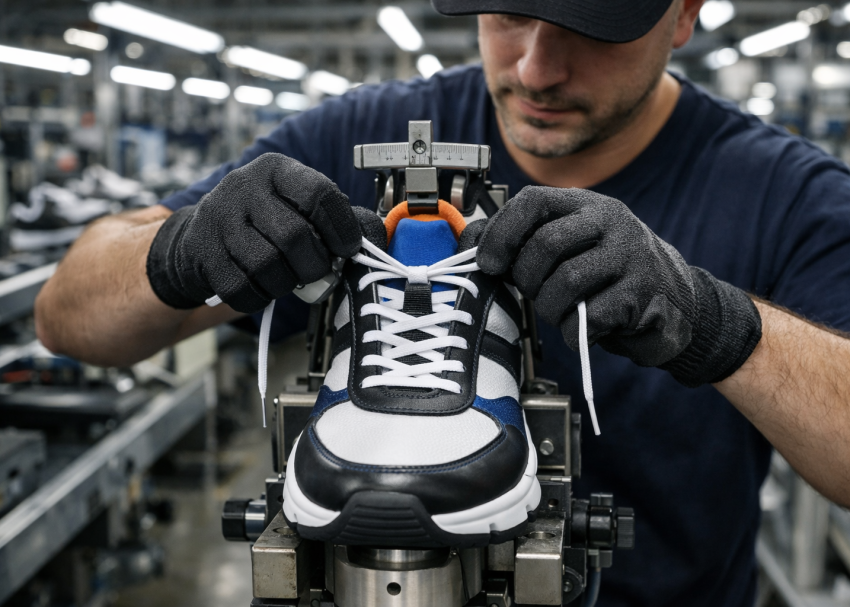
Once the appropriate lacing method has been selected, operators begin the threading process according to approved brand specifications. Although threading appears straightforward, maintaining consistency across thousands of pairs requires careful attention to detail.
Operators typically start at the bottom eyelets and progress upward while ensuring equal lace length remains available on both sides. Throughout the process, they monitor lace orientation, tension balance, and threading accuracy.
Even small deviations can become highly visible after the shoe reaches retail environments. Therefore, factories often provide visual reference samples and work instructions to standardize execution across production lines.
In automated environments, programmable threading systems perform many of these tasks with minimal operator intervention. Nevertheless, final visual verification remains essential regardless of the production method used.
Key Control Points
- Verify presentation consistency
- Follow approved threading sequence
- Maintain equal lace lengths
- Prevent lace twisting
Tension Control During Lacing
Tension control is one of the most important factors influencing both appearance and functionality. Excessive tension can distort the upper, alter shoe shape, and create undesirable pressure points. Insufficient tension, on the other hand, can produce a loose and untidy appearance that negatively affects retail presentation.
Factories therefore establish visual standards that help operators apply consistent tension throughout the lacing process. These standards often include approved samples showing acceptable lace positioning, throat opening dimensions, and tongue exposure.
Proper tension allows the shoe to maintain its intended shape while creating a clean, balanced appearance that aligns with brand expectations.
Key Control Points
- Support proper presentation standards
- Avoid upper distortion
- Maintain balanced throat opening
- Control lace tightness consistently
Tongue Positioning and Alignment
Tongue positioning significantly influences final appearance because consumers naturally focus on the central area of the shoe during evaluation. A misaligned tongue immediately creates the impression of poor manufacturing quality even if the rest of the shoe meets specifications.
Many footwear brands specify exact tongue exposure requirements and logo visibility standards. The tongue must remain centered while maintaining a consistent relationship with the surrounding lace structure.
Some footwear designs incorporate tongue loops or retention systems that help maintain positioning during wear and transportation. Nevertheless, proper alignment during production remains essential.
Key Control Points
- Maintain visual symmetry
- Center tongue accurately
- Prevent folding and wrinkling
- Verify logo visibility
Bow Formation and Brand Presentation Standards
After threading and tension adjustment are complete, operators form the final bow according to brand presentation requirements. This stage has a surprisingly large impact on retail appearance because consumers often notice the bow before examining other details.
Brands establish standards covering loop size, knot style, bow angle, lace end length, and overall symmetry. These requirements help ensure every pair presented to consumers delivers a consistent visual experience.
For premium products, operators may receive specialized training to achieve highly uniform bow presentation. Some brands even provide measurement guides and visual templates to support consistency. Well-executed bow formation contributes significantly to shelf appeal and perceived product quality.
Key Control Points
- Follow approved presentation standards
- Maintain symmetrical loops
- Ensure equal lace end lengths
- Prevent loose knots
Lace Testing Requirements in Footwear Manufacturing
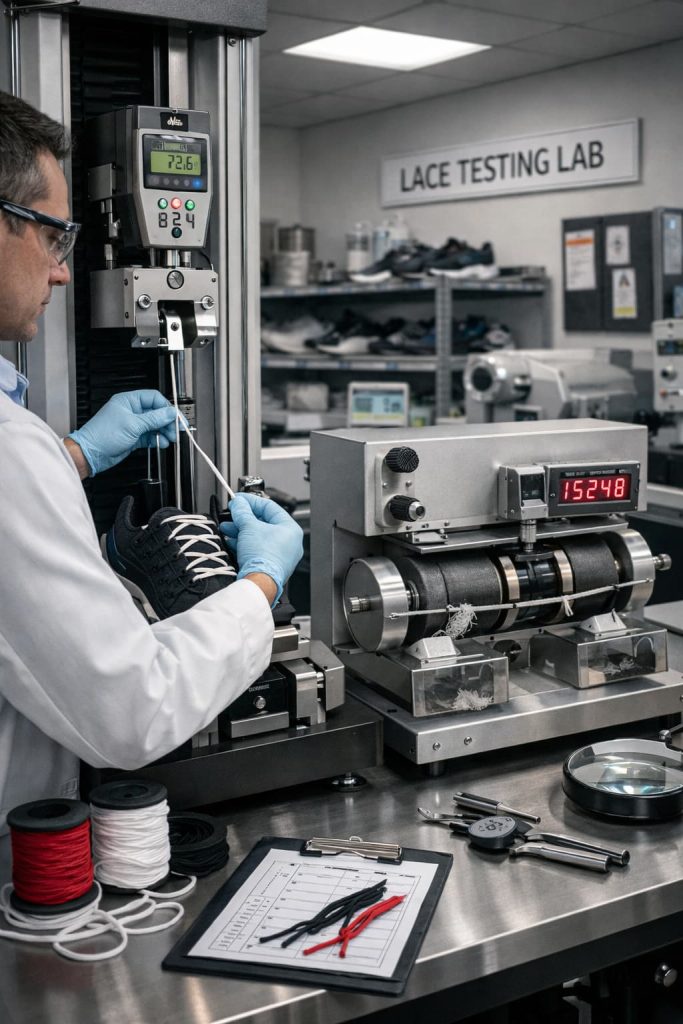
Laces may appear simple, but they are subjected to significant stresses throughout the life of a shoe. Consequently, footwear brands implement rigorous testing programs to verify performance before approving materials for production.
Testing requirements vary depending on footwear category, intended use, and brand standards. However, several core tests are commonly applied across the industry. Tensile strength testing evaluates the maximum force a lace can withstand before breaking. This test is particularly important for athletic, outdoor, and safety footwear where high loads may occur during use.
Knot security testing measures the lace’s ability to remain tied during repeated movement. Since consumers frequently judge lace performance based on whether knots remain secure, this test plays a critical role in material selection.
Abrasion resistance testing evaluates how well the lace withstands friction against eyelets, hooks, and surrounding components. Durable laces must maintain performance even after repeated adjustment cycles. Color fastness testing verifies resistance to moisture, perspiration, washing, rubbing, and ultraviolet exposure. This helps ensure appearance remains consistent throughout the product lifecycle.
Abrasion resistance testing evaluates how well the lace withstands friction against eyelets, hooks, and surrounding components. Durable laces must maintain performance even after repeated adjustment cycles. Color fastness testing verifies resistance to moisture, perspiration, washing, rubbing, and ultraviolet exposure. This helps ensure appearance remains consistent throughout the product lifecycle.
Aglet pull testing evaluates attachment strength to prevent separation during normal use. Because consumers frequently handle lace ends, aglet durability directly affects perceived quality. For elastic lace systems, manufacturers also conduct stretch and recovery testing to verify long-term performance.
Key Control Points
- Reject non-compliant materials
- Follow approved test standards
- Monitor supplier consistency
- Maintain testing records
Automated Lacing Systems in Modern Footwear Factories
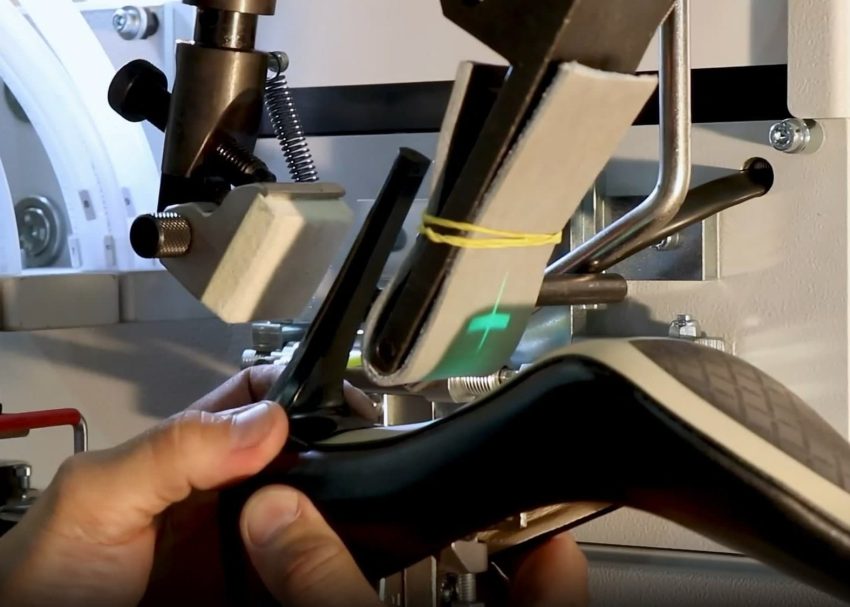
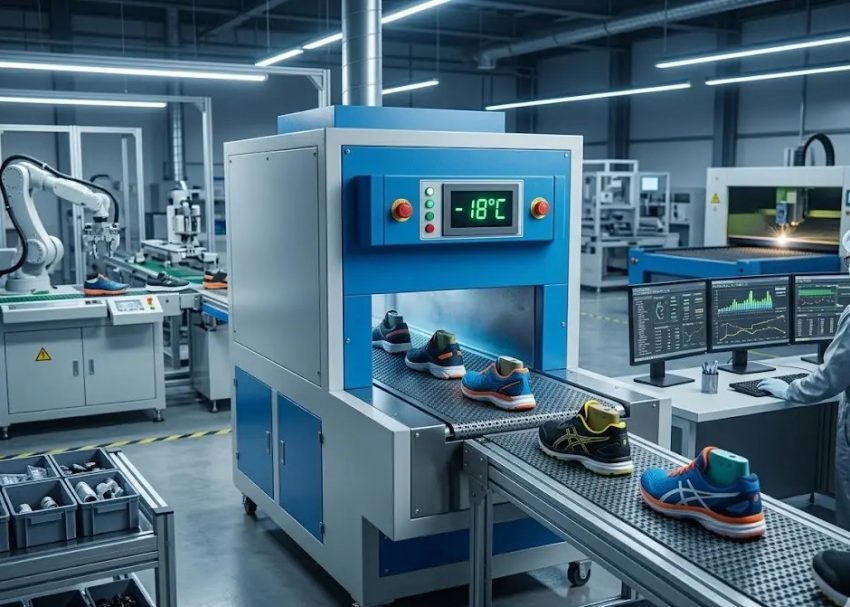
As labor costs rise and production volumes increase, many footwear manufacturers have adopted automated lacing technologies. These systems improve consistency, reduce operator dependency, and increase production efficiency.
Automated lacing equipment may include lace feeding mechanisms, robotic threading systems, tension control devices, and vision inspection technology. Advanced systems can automatically verify lace routing, detect defects, and ensure presentation consistency.
Automation offers significant benefits for high-volume athletic footwear production where standardization is essential. However, premium and luxury footwear categories often continue to rely on skilled manual operators because they provide greater flexibility and aesthetic control.
The future of footwear manufacturing will likely involve greater integration between automation, machine vision, and data-driven quality monitoring.
Key Control Points
- Prevent feeding system jams
- Calibrate equipment regularly
- Verify tension consistency
- Monitor threading accuracy
Pro Tip: Use automated lacing stations for high-volume athletic footwear production to improve consistency and reduce labor variation.
Common Lacing Defects and Prevention
Despite standardized procedures, lacing defects can still occur during production. Because the lace area is highly visible, even minor defects can affect perceived product quality. Twisted laces are among the most common issues. These occur when operators fail to maintain proper lace orientation during threading. Uneven lace lengths can also create visual imbalance and reduce consumer satisfaction.
Other common defects include incorrect threading patterns, loose knots, tongue misalignment, damaged aglets, contamination marks, and inconsistent bow formation. Preventing these defects requires operator training, visual standards, routine inspections, and effective process controls.
Key Control Points
- Protect finished footwear from contamination
- Remove twisted lace sections immediately
- Verify lace length balance
- Inspect bow formation carefully
Quality Inspection After Lacing
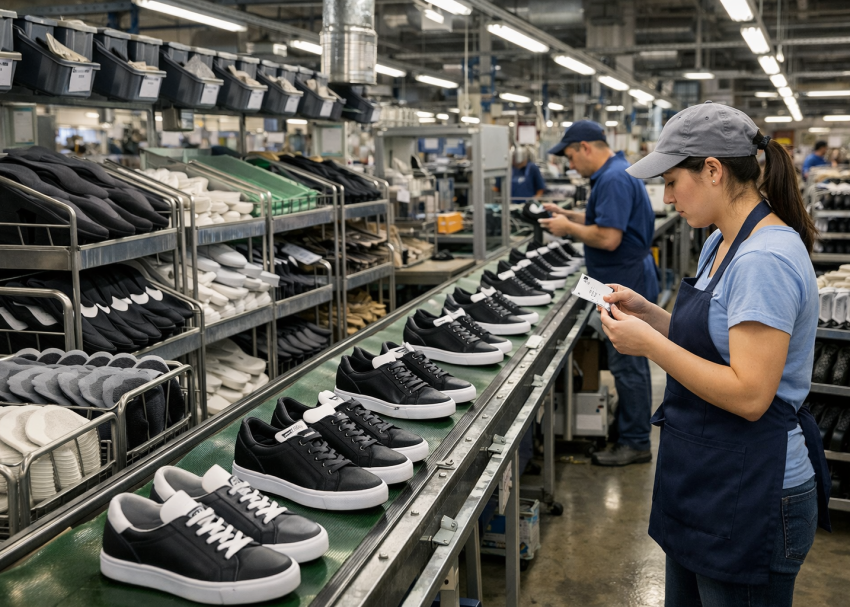
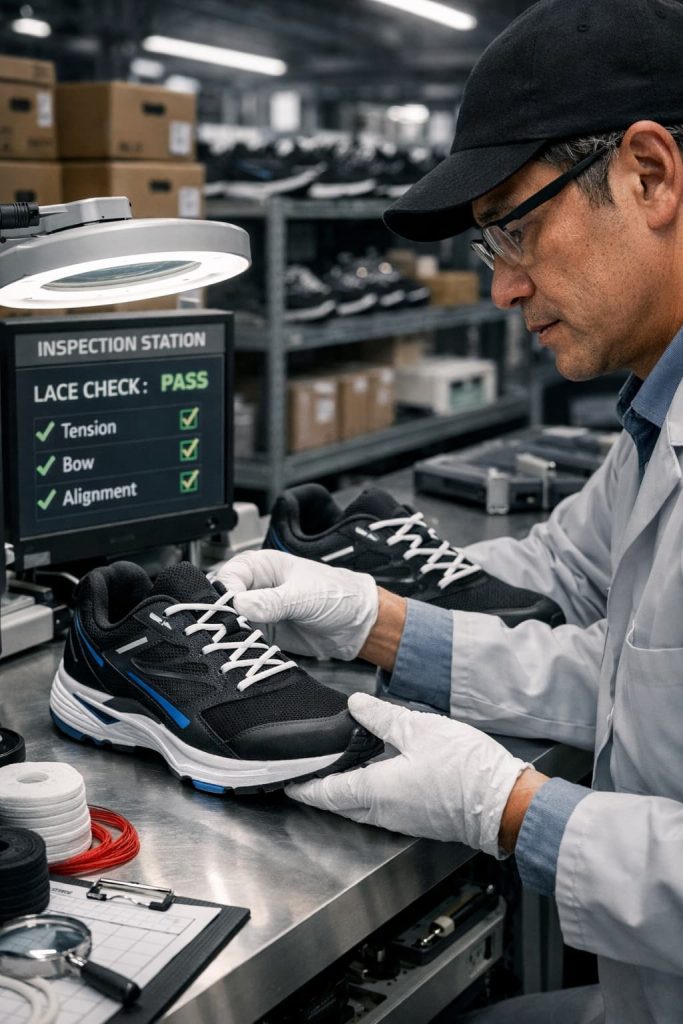
Following completion of the lacing process, footwear undergoes dedicated inspection before proceeding to final packing operations. Inspectors evaluate both technical compliance and visual presentation.
The inspection process typically includes verification of lace specifications, threading accuracy, tension consistency, tongue positioning, bow symmetry, cleanliness, and overall appearance. Left and right shoes are often compared side by side to identify subtle differences.
The inspection process typically includes verification of lace specifications, threading accuracy, tension consistency, tongue positioning, bow symmetry, cleanliness, and overall appearance. Left and right shoes are often compared side by side to identify subtle differences.
Many factories now supplement manual inspection with digital imaging systems capable of detecting asymmetry and presentation defects automatically. However, human evaluation remains essential because visual perception plays a significant role in footwear quality assessment. Only after passing these inspections does footwear proceed to final inspection and packaging.
Key Control Points
- Ensure retail-ready appearance
- Compare pairs side by side
- Verify presentation standards
- Inspect under approved lighting
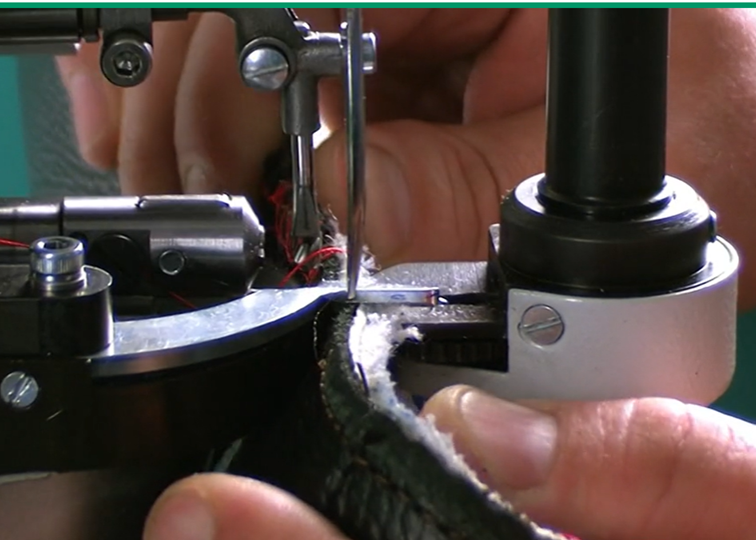
Impact of Lacing on Consumer Perception and Brand Value
Consumers frequently form opinions about footwear quality within seconds of seeing a product. As a result, lacing has a direct influence on brand perception, retail appeal, and purchasing decisions.
Well-executed lacing communicates attention to detail, manufacturing precision, and product quality. Clean presentation, symmetrical bows, centered tongues, and consistent tension create a premium appearance that enhances consumer confidence.
Poorly executed lacing produces the opposite effect. Uneven presentation can make an otherwise high-quality shoe appear inexpensive or poorly manufactured. This demonstrates why brands invest significant resources in developing detailed lacing standards and presentation guidelines.
Ultimately, lacing serves as a bridge between manufacturing quality and consumer perception. It is one of the final opportunities for footwear manufacturers to create a positive first impression before the product reaches the marketplace.
Conclusion
Lacing represents far more than a simple fastening operation within footwear manufacturing. It is a carefully controlled process that combines functionality, aesthetics, retail presentation, consumer convenience, and brand identity. From selecting the correct lace material and construction to controlling tension, threading methods, and final bow presentation, every stage contributes to the overall quality of the finished product.
Modern footwear manufacturing continues to evolve through the adoption of engineered lace systems, automated lacing technologies, and increasingly sophisticated quality controls. Nevertheless, the fundamental objective remains unchanged: delivering footwear that performs well, looks exceptional, and creates a positive first impression for consumers.
As the final visible touch before inspection and packaging, lacing plays a critical role in transforming an assembled shoe into a retail-ready product that reflects the standards and reputation of the brand behind it.
Next Blog in the Series, Final Inspection in Footwear Manufacturing – Full Shoe Assembly Series. In the next article, we will examine the final inspection process used by footwear manufacturers to verify workmanship, appearance, functionality, packaging readiness, and shipment approval before products leave the factory.

Frequently Asked Questions – FAQs
Why is lacing important in footwear manufacturing?
Lacing affects fit, functionality, appearance, retail presentation, and consumer perception.
Which lace type is most common in athletic footwear?
Flat and oval polyester laces are the most widely used due to their comfort and knot retention properties.
Why are round laces preferred in formal footwear?
Round laces provide a cleaner, more elegant appearance that complements premium leather footwear.
What are speed lacing systems?
Speed lacing systems use locking mechanisms that allow quick adjustment without traditional bow tying.
What tests are commonly performed on footwear laces?
Common tests include tensile strength, knot security, abrasion resistance, color fastness, aglet pull, and elastic recovery testing.
What is the most common lacing defect?
Twisted laces are among the most common defects and can significantly affect retail presentation.
Can lacing affect consumer purchasing decisions?
Yes. Consumers often judge footwear quality based on visual presentation, including lace appearance and symmetry.