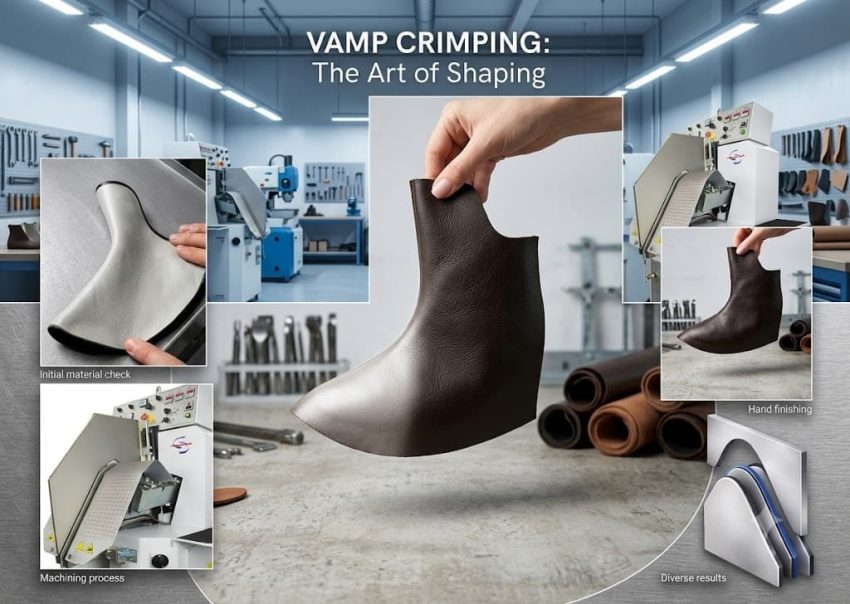
Crimping / Blocking Vamp Component in Footwear: Process of Different Crimping Methods
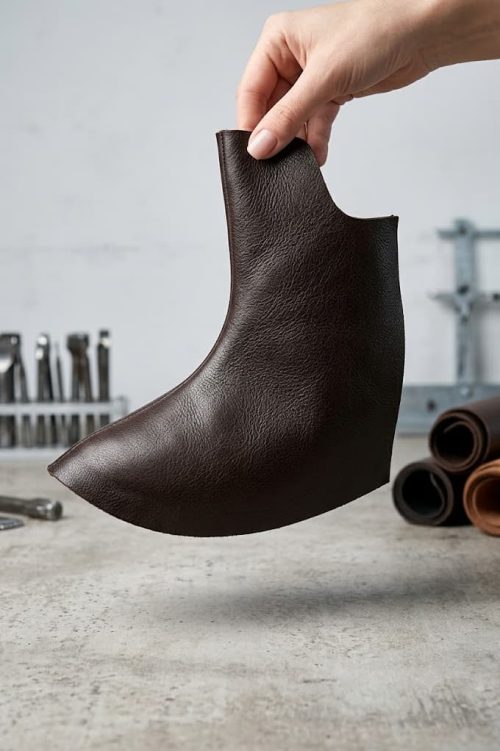
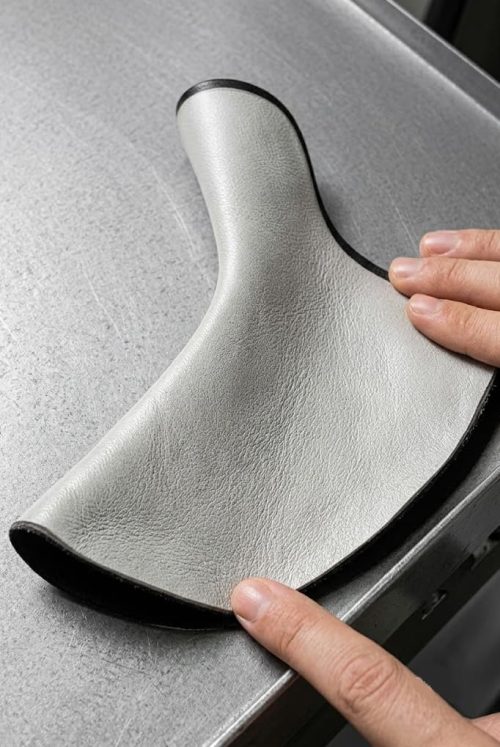
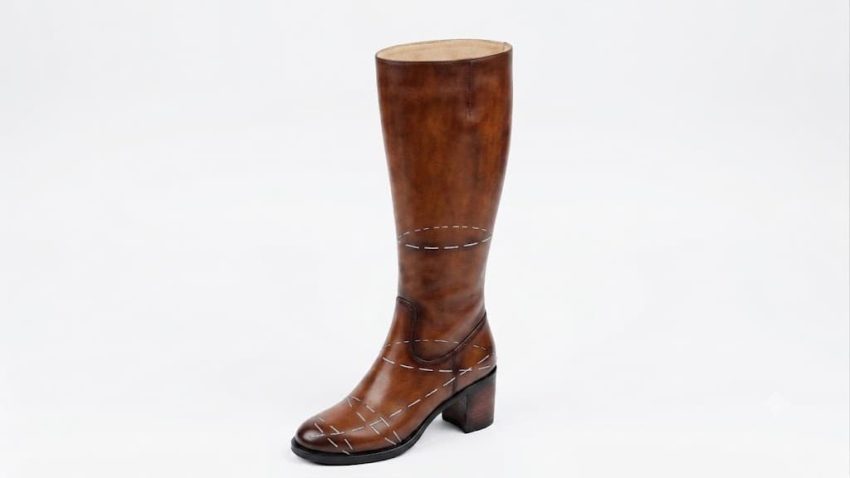
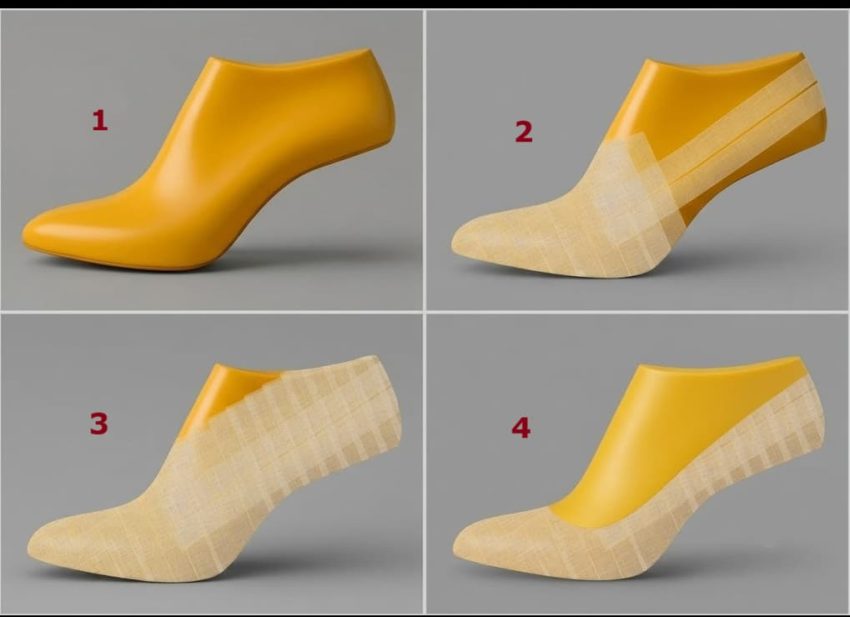
A leather vamp starts as a flat component, but the finished upper must follow the three-dimensional shape of the last. Therefore, some vamp constructions need pre-forming before lasting. Crimping the vamp component creates this controlled three-dimensional shape and helps the leather follow the last more naturally.
Crimping becomes especially important for long vamps, boot vamps and long single-piece vamp constructions. In these designs, the leather must accommodate a larger area of the last. If the production team relies only on lasting to create the shape, the vamp may develop excessive tension or unwanted wrinkles. Crimping also referred as Blocking.
In addition, manufacturers use half crimping for plug and plain vamps. Here, the main objective is not deep forming. Instead, the process controls the vamp shape and helps prevent wrinkles during lasting. The designer should select the crimping method during the development stage. The last shape, vamp design and leather character all influence this decision.
What Is a Crimping Vamp Component?
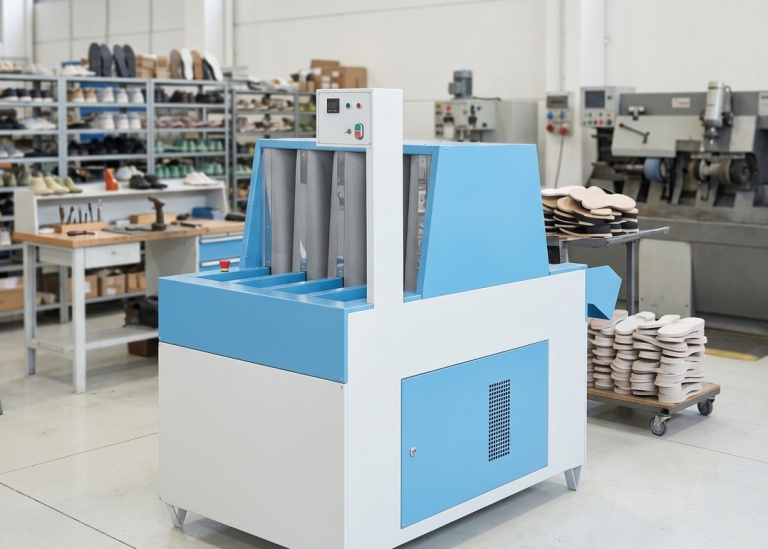
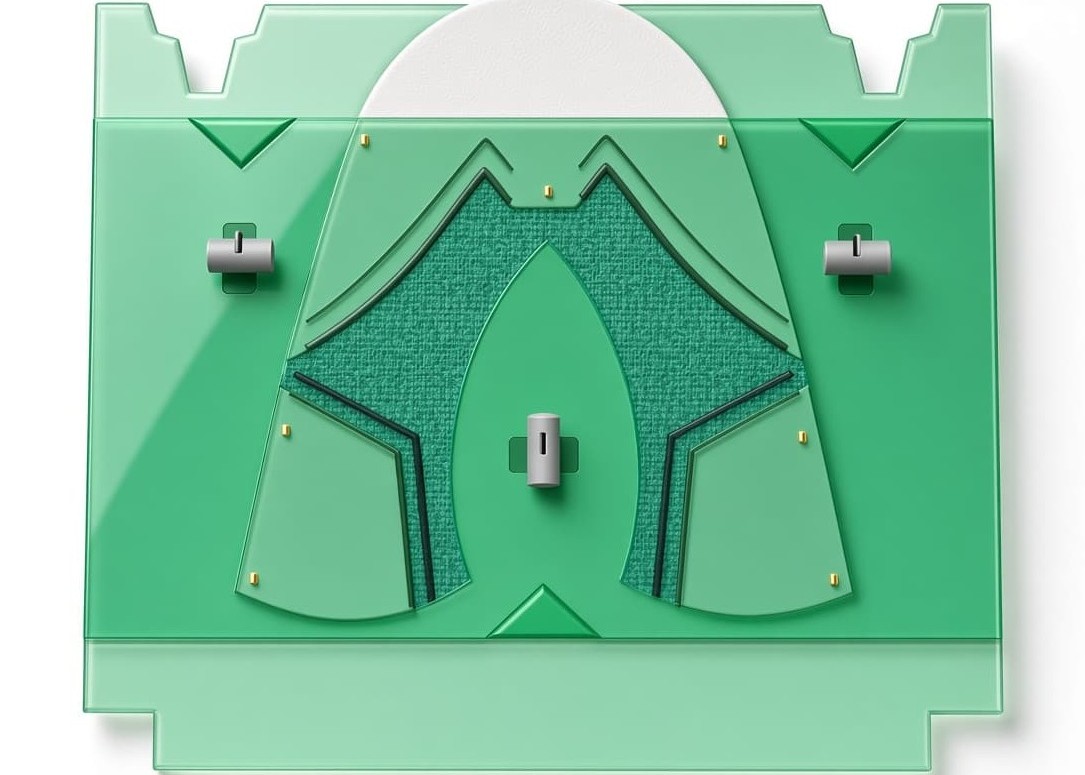
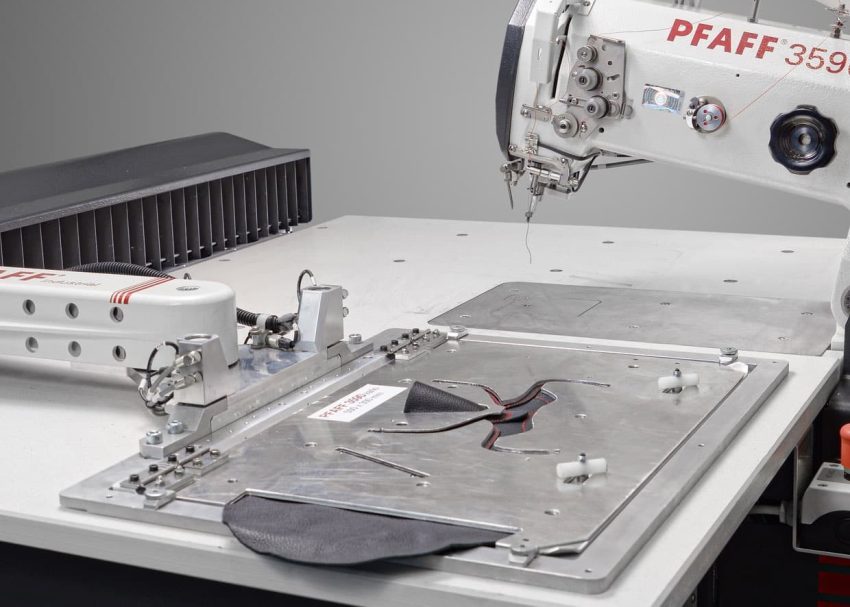
Vamp crimping forms a flat leather component into a controlled three-dimensional shape. The process uses a crimping backer, conditioning, heat, forming pressure, crimping blades or plates, and cooling. Each factor affects the final result. Therefore, the factory must control the complete process rather than focus only on machine pressure. The key factors include:
- Leather stretch direction
- Backer cutting/stretch direction
- Combined leather and backer thickness
- Crimping blade shape
- Centre and side plate adjustment
- Temperature
- Dwell time
- Conditioning
- Forming pressure
- Cooling and ageing
As a result, proper crimping starts with pattern and material preparation and continues through machine setup and final inspection.
Pro Tips:
Control leather stretch direction — Correct cutting direction is essential for predictable forming.
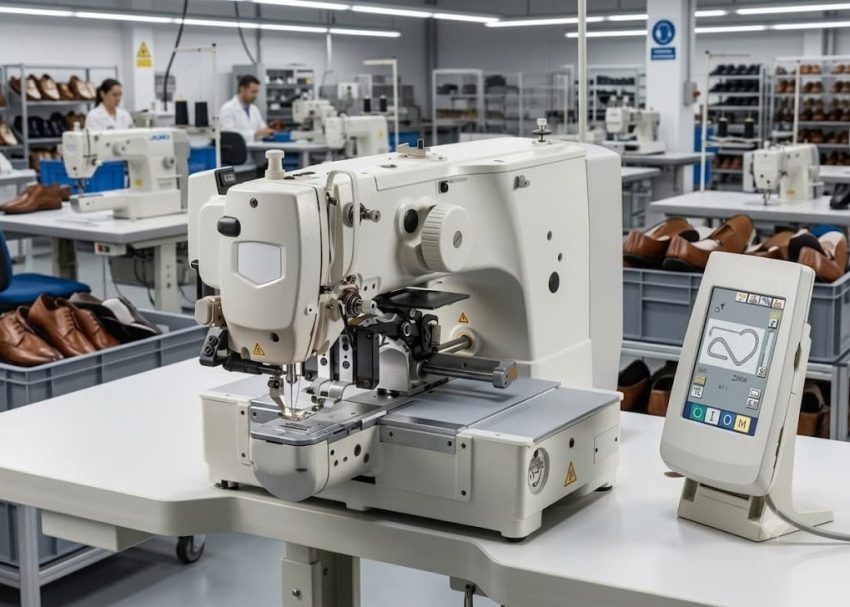
Two Main Types of Vamp Crimping
There are two principal approaches used for leather vamp components.
| Type | Main Application | Main Purpose |
|---|---|---|
| Full Crimping | Long vamps, boots and long single-piece vamps | Create substantial 3D shape |
| Half Crimping | Plug and plain vamps | Control shape and reduce wrinkles |
The decision to crimp a component as a pair or as a single component depends on the footwear design and the character of the leather. This decision should be established during the design and development stage rather than changed arbitrarily during production.
Pro Tips:
Match the backer direction — Backer stretch direction must support the required crimping movement.

Full Crimping for Long Vamps and Boots
Full crimping creates a deeper and more extensive three-dimensional shape. Therefore, factories commonly use it for long vamp components, boots and extended single-piece vamps. Two main production methods can achieve this result.
Method 1: Extra Allowance and Recutting
This conventional method starts with a vamp cut larger than its final dimensions.
Process Flow
Extra-Allowance Cutting → Backer Attachment → Mulling/Conditioning → Hot Crimping → Ageing/Cold Setting → Shaped Block → Accurate Recutting
First, the cutting department uses Blocker Vamp which has additional allowance to the pattern. The extra material gives the leather room to change during forming.
- Next, the operator attaches the crimping backer. The operator must position both the leather and backer correctly because their stretch directions directly affect the final shape.
- After that, the team mulls or conditions the component. The conditioning process prepares the leather for controlled forming.
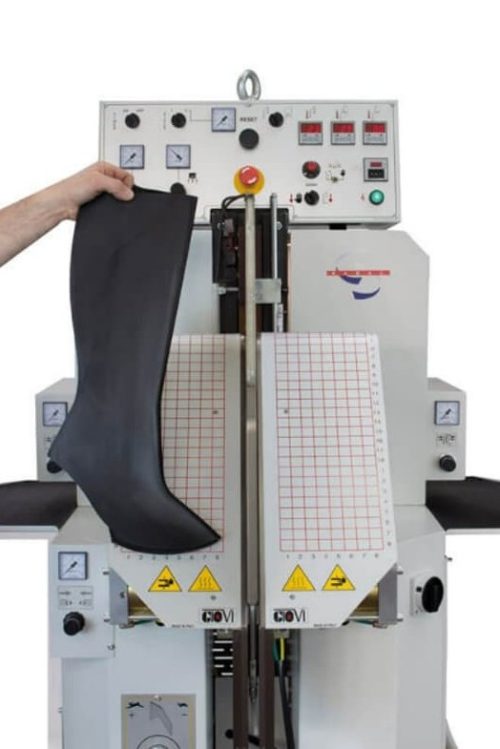
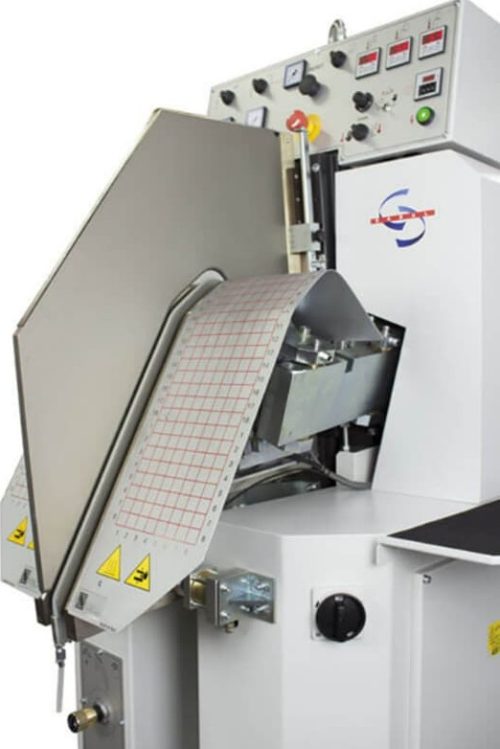
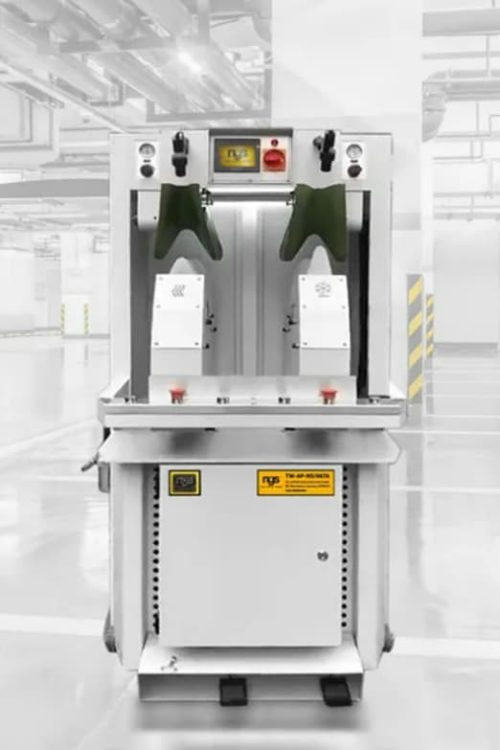
- Then, the operator places the component into the crimping machine. Heat and pressure form the vamp around the required shape.
- After hot crimping, the factory can age the component or keep it cold in the shaped block. This stage helps the leather retain the new shape.
- Finally, the operator recuts the formed vamp with an accurate die. The die removes the original excess allowance and establishes the final component dimensions.
Pro Tips:
Control combined thickness — Uneven leather and backer thickness can produce uneven crimping.
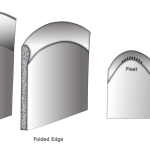
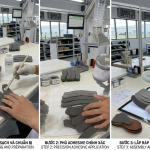
Method 2: Net Cut and Advanced Hot & Cold Crimping
Modern crimping machines can follow a different process. In this method, the factory cuts the vamp close to its final dimensions before forming.
Process Flow
Net Cutting → Backer Attachment → Conditioning → Hot Crimping → Cold Crimping/Setting → Finished Component
- First, the factory cuts the vamp to the required net dimensions. Then, the operator attaches the crimping backer and conditions the leather.
- Next, the machine applies heat and forming pressure. After hot forming, the machine applies controlled cold forming or cooling to help stabilize the shape.
- Because the process maintains accurate dimensions, the factory can eliminate the separate recutting operation.
However, this method requires tighter process control. The pattern, leather thickness, backer, blade geometry, plate gap, temperature and dwell time must all work correctly.
Pro Tips:
Select the correct blade profile — Normal, medium and deep profiles should be selected according to the last and design.
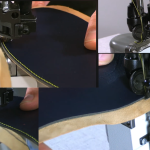
Leather Stretch Direction and Backer Direction
Leather stretch direction plays a major role in vamp crimping. The operator must also consider the cutting direction of the crimping backer. Leather stretches differently along different directions. Consequently, the cutting direction influences how the vamp moves during forming.
The backer also controls the movement of the leather. Therefore, the production team must establish the correct leather and backer directions during pattern development. Incorrect direction can cause:
- Improper vamp shape
- Uneven forming
- Wrinkles
- Excessive tension
- Left and right differences
- Poor shape retention
For this reason, the pattern engineer should define both directions before production begins.
Pro Tips:
Set both sides equally — Centre-to-side plate gaps must be accurately matched.
Combined Leather & Backer Thickness
The overall thickness of the leather vamp together with the backer is another critical factor. The crimping machine is forming a combined construction—not just the leather by itself. If the thickness varies significantly across the component or between left and right components, the forming pressure and plate relationship will change. Uneven thickness can result in:
- Improper crimping
- Uneven shape
- Incorrect forming depth
- Surface marking
- Poor shape retention
- Left/right variation
For consistent production, leather thickness and backer thickness should therefore be controlled and considered when establishing the machine and blade settings.
Pro Tips:
Avoid excessive closing — A smaller gap can damage or mark the leather.
Crimping Blade Shapes
Crimping blades or forming plates are not necessarily one standard shape. Different blade shapes are available according to the last and design requirement.
The required blade geometry depends on how much curvature or depth is required in the finished vamp. For long vamps and boots, it is ideal for a factory to have at least three basic blade/forming profiles available:
- Normal crimping blade — for standard forming depth
- Medium crimping blade — for increased forming
- Deep crimping blade — for deeper three-dimensional shaping
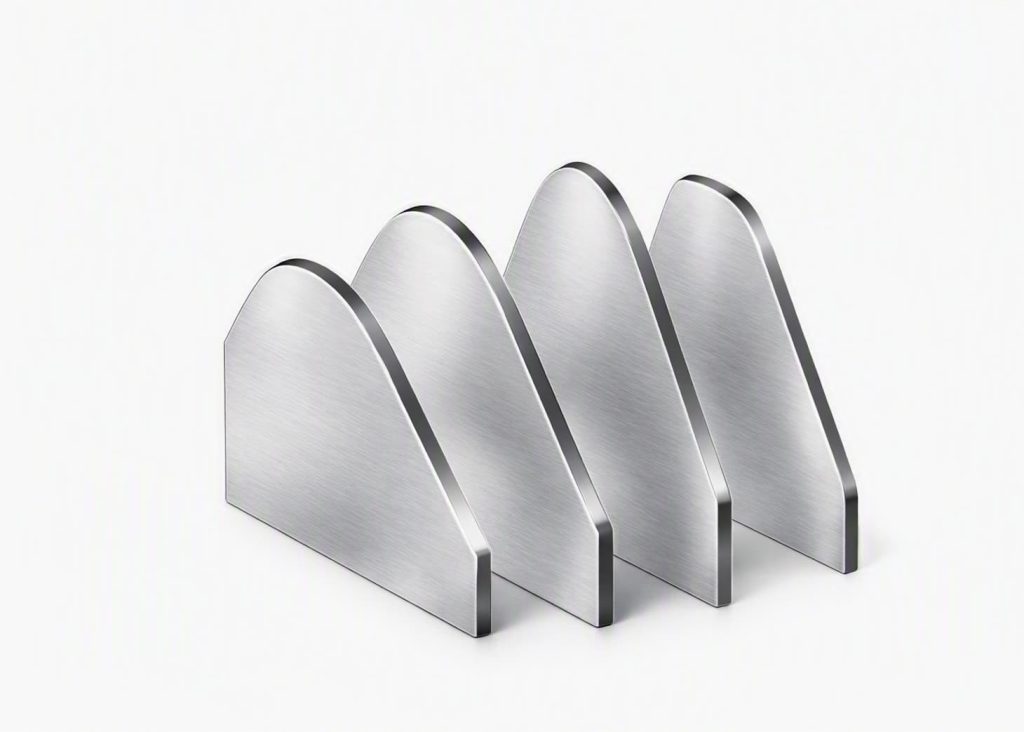
Having different blade profiles allows the production team to select the forming geometry that best matches the last and footwear design. The blade shape should not be selected independently from the product. It should be developed against the actual last and required vamp shape.
Pro Tips:
Validate temperature and dwell time — Heat and forming time must be developed for the specific leather.
Crimping Blade/Plate Adjustment
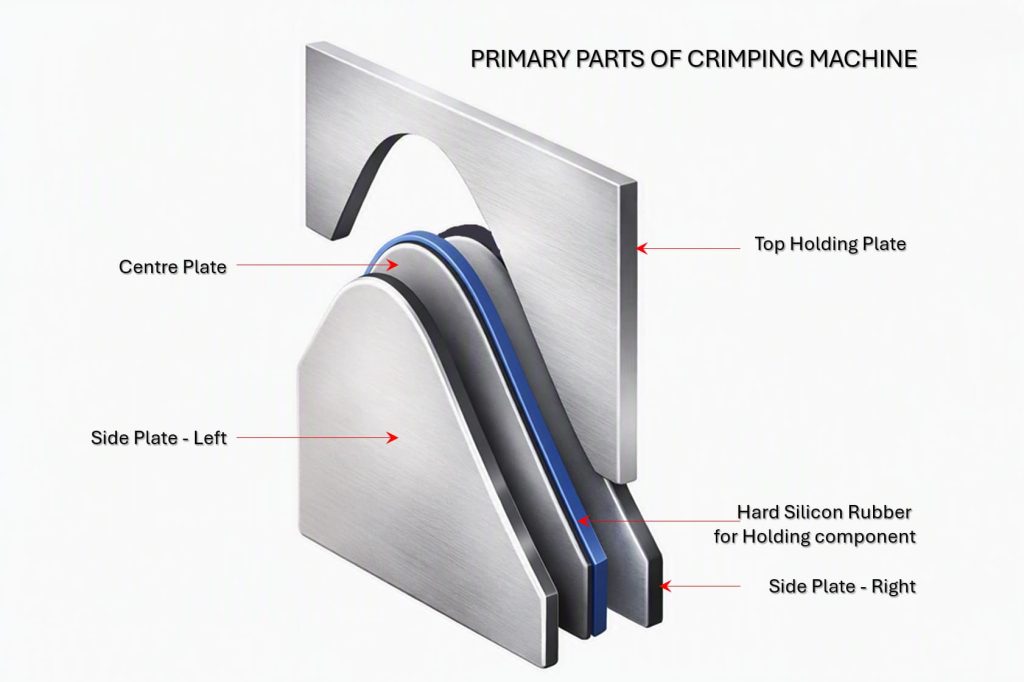
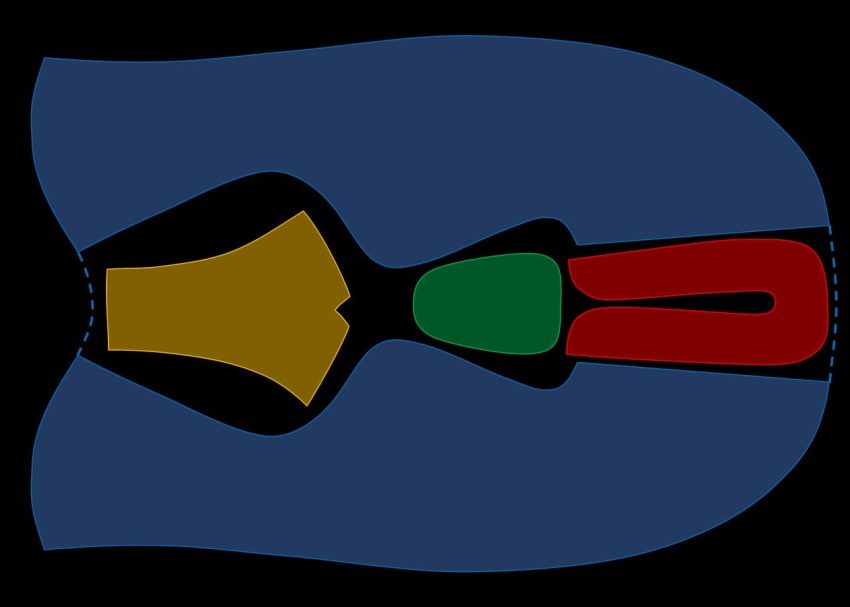
Even with the correct blade shape, machine adjustment is crucial. The gap between the centre plate and side plates must be accurately adjusted on both sides. The relationship between these plates determines how the leather is compressed and formed. An uneven gap can produce an uneven vamp shape. The basic principle is:
Correct & Equal Gap → Controlled Forming → Consistent Shape
If the gap is too close, excessive compression can occur and may damage or mark the leather. If the gap is too large, insufficient forming pressure is generated and the desired shape may not be achieved. Therefore, centre-to-side plate adjustment should be checked carefully during machine setup and whenever the crimping tooling or product changes.
Pro Tips:
Decide pair or single crimping early — The crimping method should be established during design development according to the leather and construction.
Temperature & Dwell Time
Temperature and dwell time are extremely critical parameters in leather crimping. Too much heat can damage the leather, affect its surface or change its appearance. Insufficient heat may prevent the leather from accepting the required shape.
Insufficient heat may prevent the leather from accepting the required shape. Similarly, dwell time must be controlled. The leather needs sufficient time under the required forming conditions, but excessive dwell can create unnecessary stress or heat exposure.
Different leathers require different settings. For example, grain leather, cow leather, suede and nubuck can respond differently depending on their:
- Softness
- Thickness
- Finish
- Fibre structure
- Natural stretch
- Required vamp shape
- Required forming depth
Therefore, temperature and dwell time should be developed and validated for each leather and product, rather than using one universal setting.
Half Crimping for Plug and Plain Vamps
Half crimping provides controlled forming rather than the deeper forming required for long boot vamps. Factories commonly use this process for plug and plain vamp components. The main objective is to help the vamp follow the last and avoid wrinkles during lasting. The basic process follows:
Component Cutting → Backer Attachment → Conditioning → Controlled Crimping → Cold Setting → Lasting
The designer determines the forming area according to the vamp pattern and last. Furthermore, correct leather direction, backer direction, thickness and machine adjustment remain important even with half crimping.
Full vs Half Crimping
| Feature | Full Crimping | Half Crimping |
|---|---|---|
| Typical use | Long vamps & boots | Plug & plain vamps |
| Forming area | Larger/deeper | Controlled/partial |
| Main objective | Establish 3D shape | Reduce wrinkles |
| Blade requirement | Normal/medium/deep profiles | Design-specific |
| Recutting | Required in conventional method | Generally not the main purpose |
| Design consideration | Last + vamp geometry | Last + wrinkle control |
Conclusion
Crimping the vamp component connects two-dimensional pattern cutting with three-dimensional footwear construction. The process gives the leather a controlled shape before lasting and can improve conformity, appearance and wrinkle control.
Ultimately, successful vamp crimping depends on the complete process. Leather stretch direction, backer direction, combined thickness, blade profile, plate adjustment, temperature and dwell time all influence the final result. Therefore, the best crimping process starts during design development and continues through accurate production control.


FAQs – Frequently Asked Questions
Crimping is a forming process used to introduce controlled three-dimensional shape into a footwear component, particularly a vamp, before lasting
Full crimping forms a substantial portion of the vamp into the required three-dimensional shape and is especially useful for long vamps and boot constructions.
Extra allowance provides material for dimensional changes during forming. After the component is shaped, it can be accurately recut to the final pattern.
Net-cut crimping starts with a component cut close to its final dimensions. With a suitably developed advanced forming process, the component can be crimped without a subsequent recutting operation.
Half crimping is controlled or partial forming of a vamp component. It is commonly used to improve conformity and reduce wrinkles during lasting.
The backer supports and controls the component during forming and helps produce more predictable shape and dimensional stability.
Conditioning prepares the material to accept the required deformation more consistently while reducing the risk of poor forming or material damage.
No. The requirement depends on the vamp construction, material, last geometry, design and lasting method. Some components can be shaped sufficiently during lasting without a separate crimping operation.