Footwear Last Form Taking with Adhesive Strips: From 3D Last to 2D Pattern
Footwear Manufacturing Insights
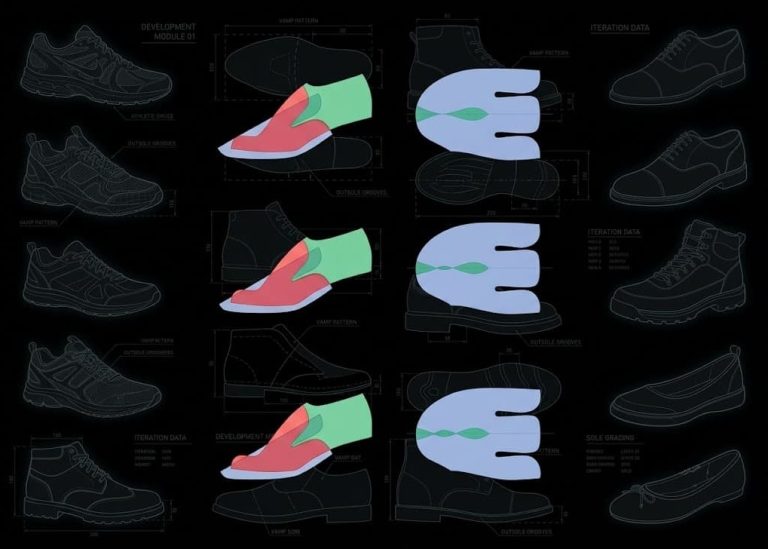
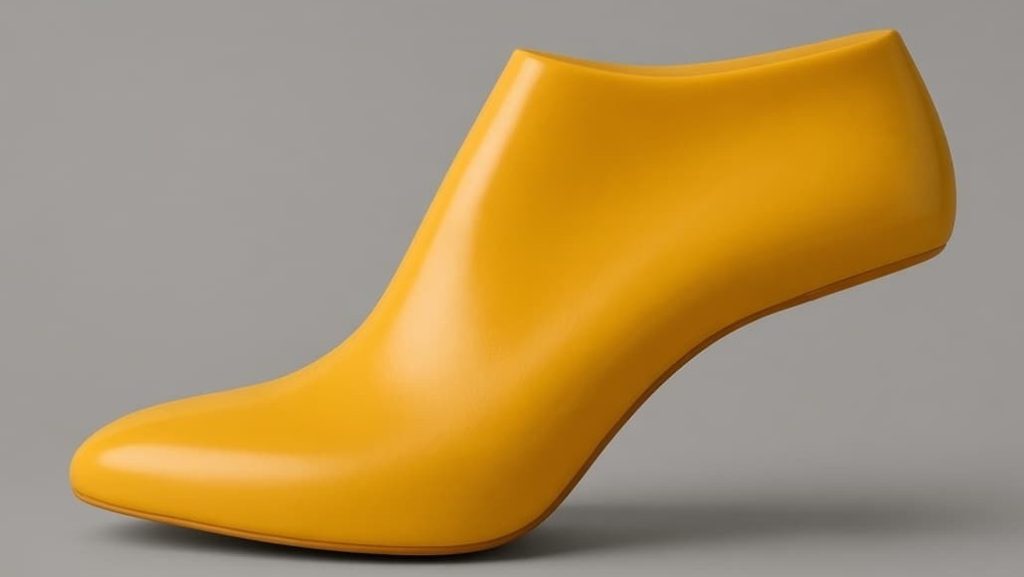
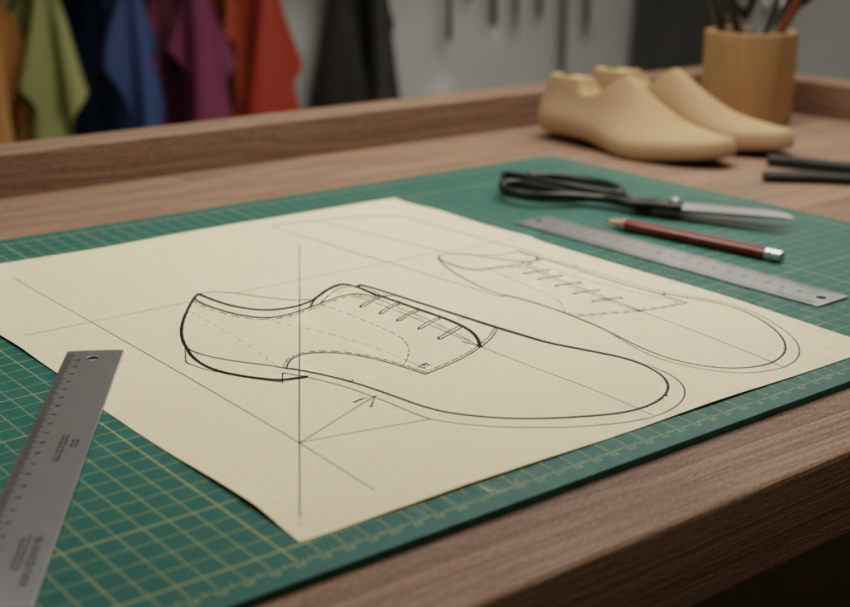
Footwear pattern development often requires converting the three-dimensional shape of a last into a two-dimensional form. While vacuum-forming and other modern techniques are widely used, the traditional adhesive-strip method remains a simple and useful approach for understanding last geometry.
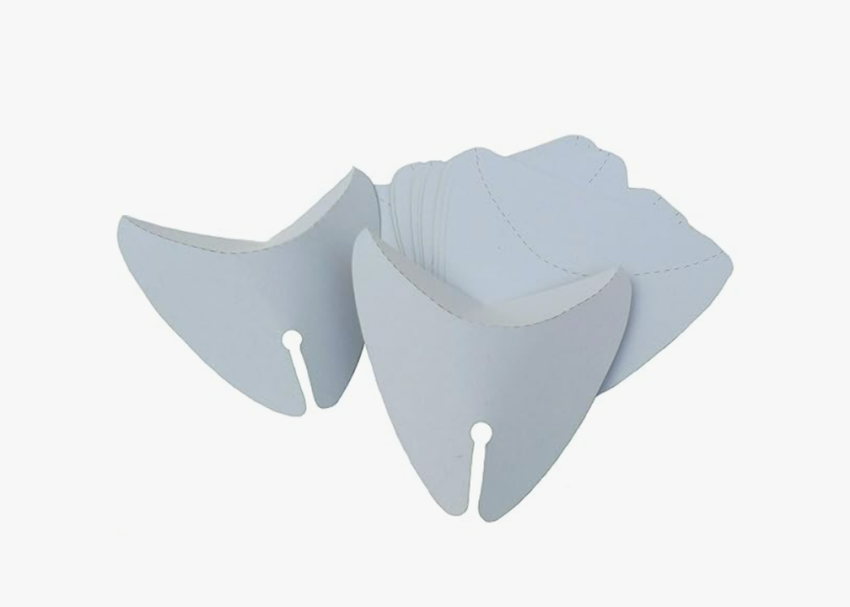
The method uses narrow strips of adhesive paper applied over the last surface. By carefully covering the required areas, trimming the material and transferring the resulting form, the modeller can develop a workable representation of the last for pattern construction.


How the Adhesive-Strip Method Works
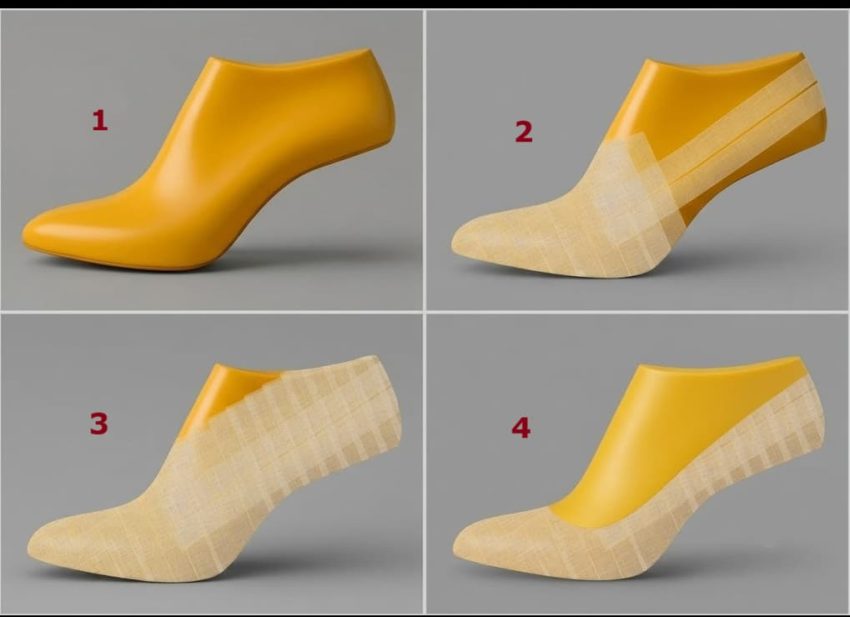
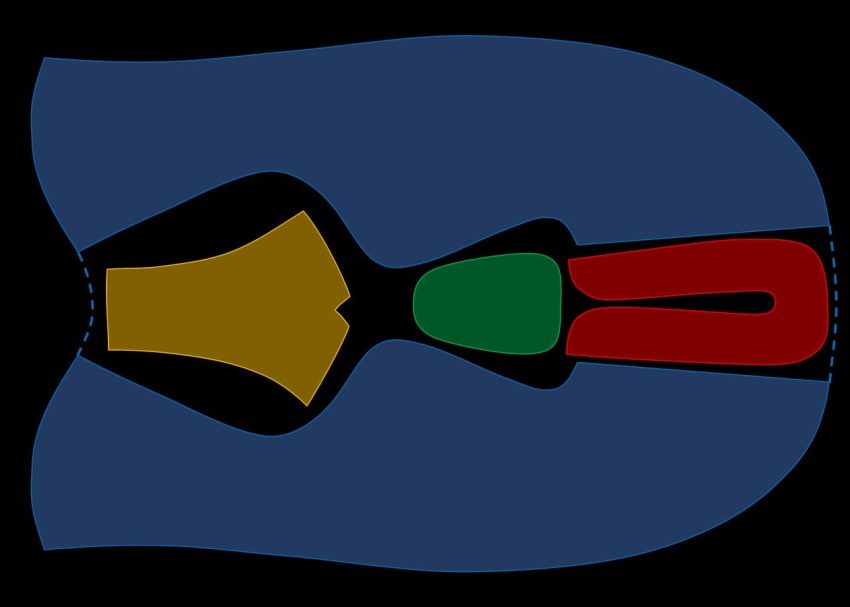
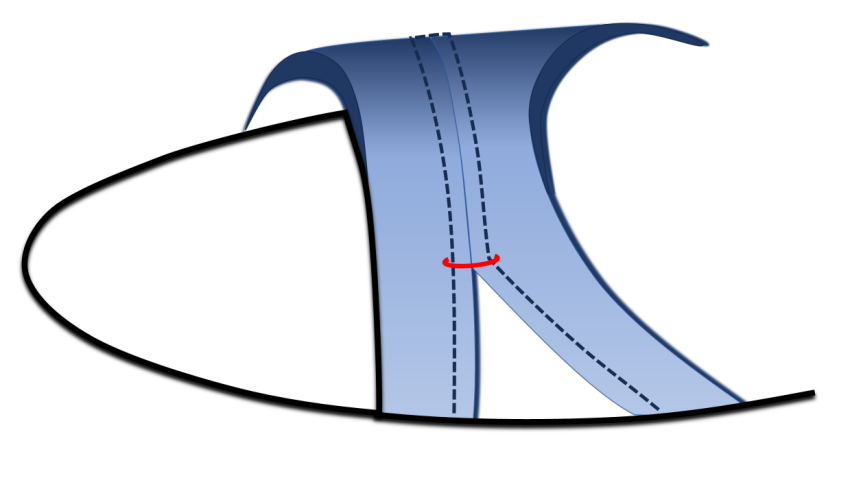
The process begins by enclosing the selected portion of the last with two side strips. These strips establish the basic boundaries and help control the shape of the form.
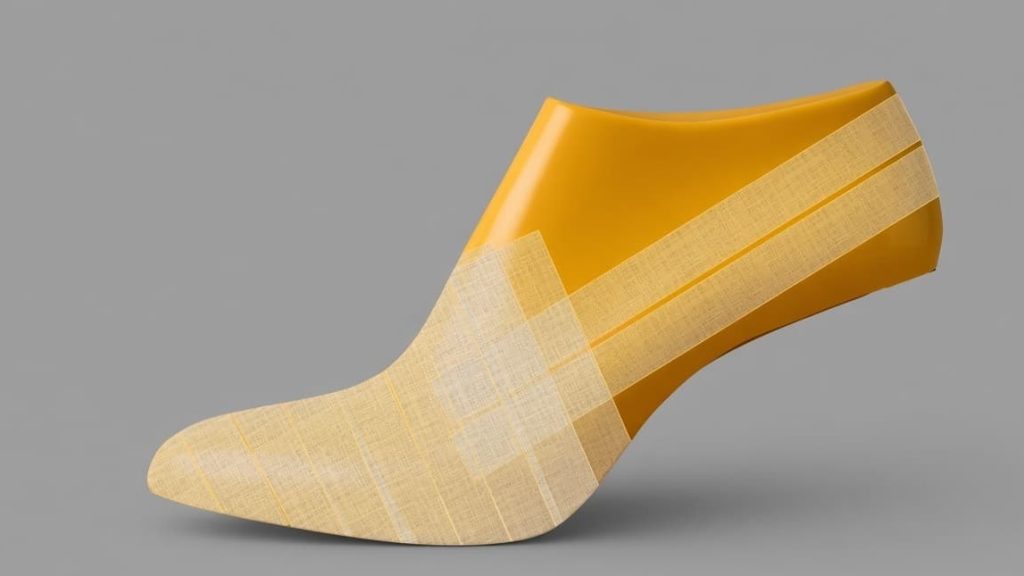
1. Enclose the Last
The adhesive strips are positioned along the sides of the last so that the main working area is enclosed. The strips should follow the last’s contours without creating unnecessary distortion.
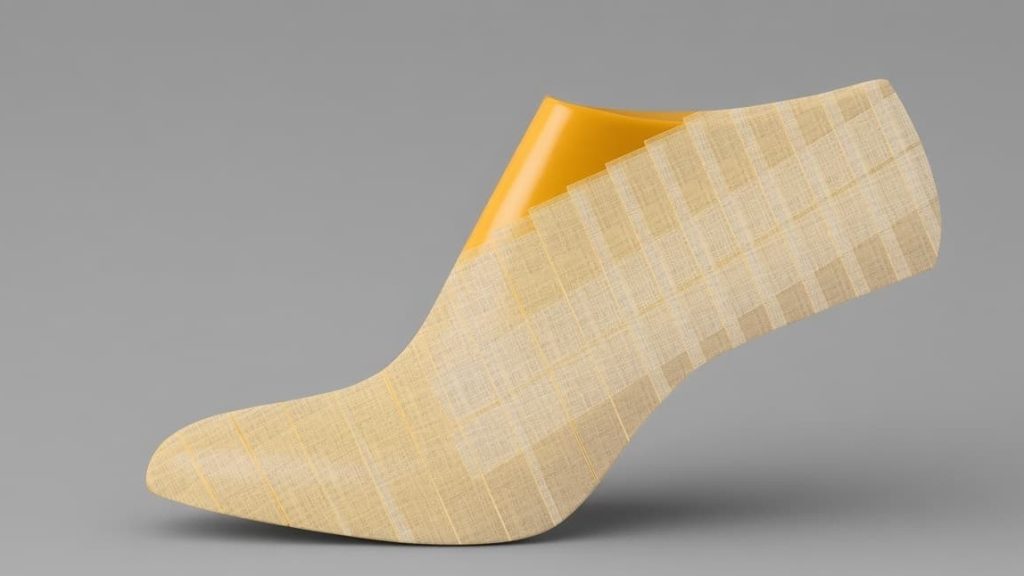
2. Fill the Sides and Backpart
Additional strips are applied across the sides and backpart, progressively filling the required surface. Depending on the pattern being developed, it may not be necessary to cover the entire last. For example, a court-shoe pattern may require only the principal area relevant to its design.
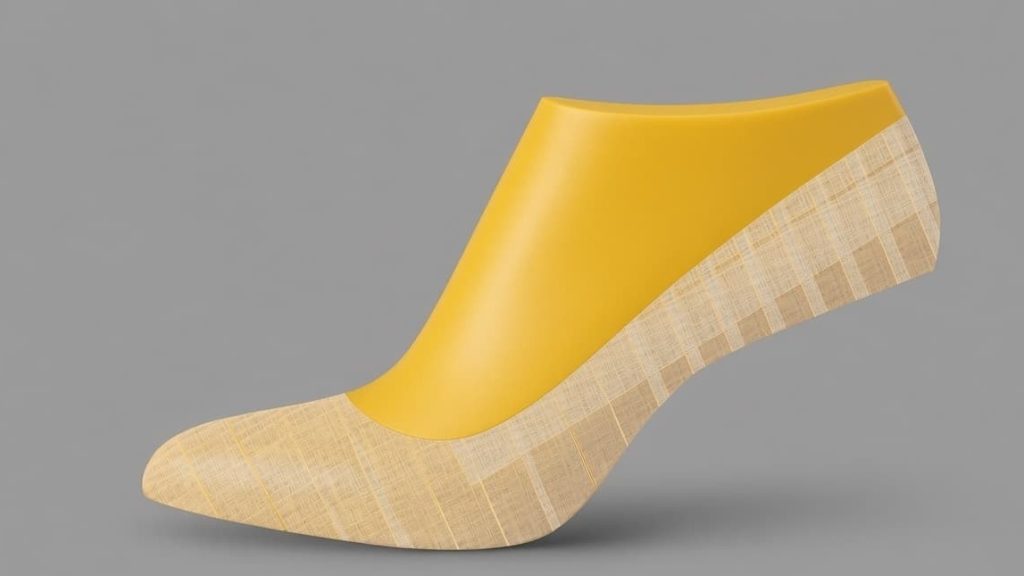
3. Trim to the Model
Once the required surface has been covered, the adhesive material is trimmed according to the model or intended pattern area. This produces a controlled three-dimensional form that can subsequently be opened out into a two-dimensional representation.
The Important Stretch Question
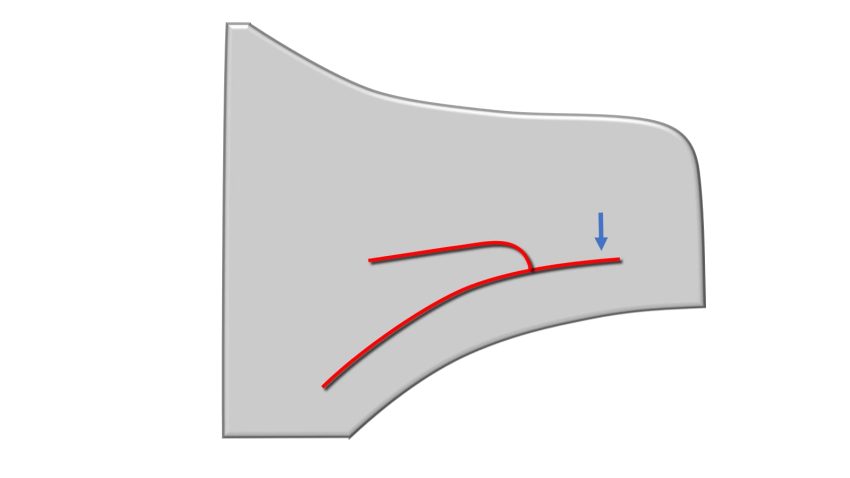
One technical consideration is the amount of stretch introduced into the paper strips during application. There are two practical approaches.
- Allow controlled stretching: This recognizes that leather and other upper materials can also stretch and conform around the last.
- Remove stretch beforehand: The strips are applied with stretch eliminated as much as possible to prevent later springing, twisting or dimensional change.
The appropriate approach depends on the material, pattern-development method and desired fitting characteristics.

Why This Method Still Matters
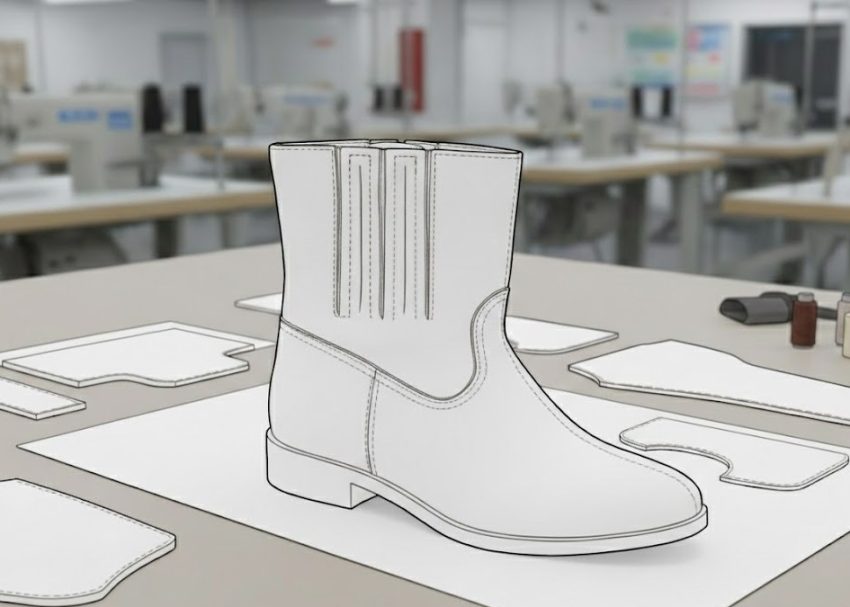
Although digital modelling and vacuum techniques have become important in modern footwear development, adhesive-strip form taking provides a direct understanding of last shape, surface development, distortion and pattern balance.
Key Technical Points
- Use narrow strips that conform smoothly to the last.
- Establish the side boundaries before filling the surface.
- Cover only the area required for the pattern where appropriate.
- Trim accurately against the model.
- Control strip tension during application.
- Consider material stretch when deciding the working method.

Conclusion
The adhesive-strip technique is a straightforward bridge between the 3D last and 2D footwear pattern. More than a traditional craft method, it helps the pattern maker understand how a curved last surface must be controlled, opened and developed for accurate upper construction.