Leather Outsole Bends for Premium Footwear: Physical Properties, Types, Country Traditions & Selection Guide
Introduction
Leather outsole bends occupy a special position in premium footwear manufacturing. Long before synthetic sole compounds became dominant, leather was one of the principal materials used to construct durable shoe bottoms. Even today, traditional leather outsoles remain closely associated with high-quality dress shoes, bespoke footwear, welted construction and luxury shoemaking.
However, not every leather bend offers the same performance. Hide selection, tanning, thickness, fibre structure, drying and finishing all influence the final material. Therefore, footwear manufacturers must evaluate each bend against the shoe’s construction and quality requirements.
Country of origin also attracts attention in premium footwear sourcing. Argentine, Italian, English, Indian and Mexican bends may reflect different tanning traditions and commercial offerings. Nevertheless, origin alone does not guarantee quality.
This guide explains how leather outsole bends are produced, which physical properties matter, how manufacturers can evaluate them and what buyers should consider when comparing suppliers. It also covers through-coloured bends for extra-premium footwear.
A leather bend should be evaluated according to measurable material characteristics and the intended footwear construction rather than country of origin alone.
What Is a Leather Outsole Bend?
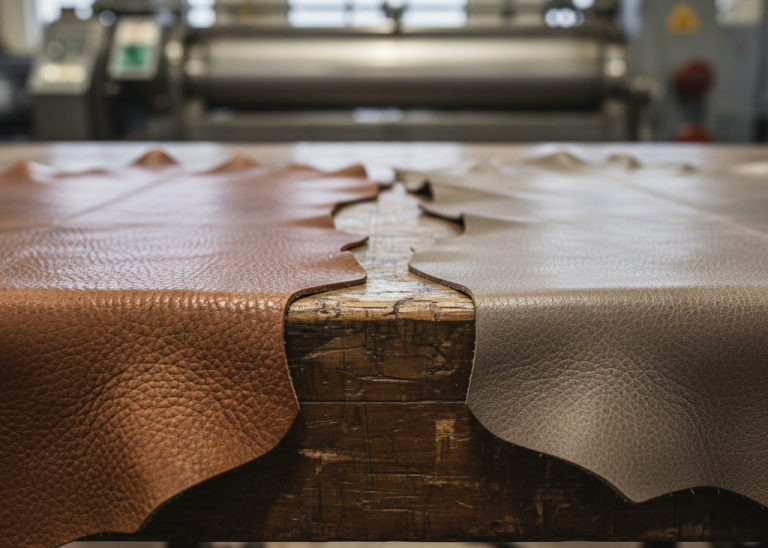
A leather bend is the central rear or butt section of a cattle hide. This area generally provides substantial leather with a useful fibre structure for traditional sole production.
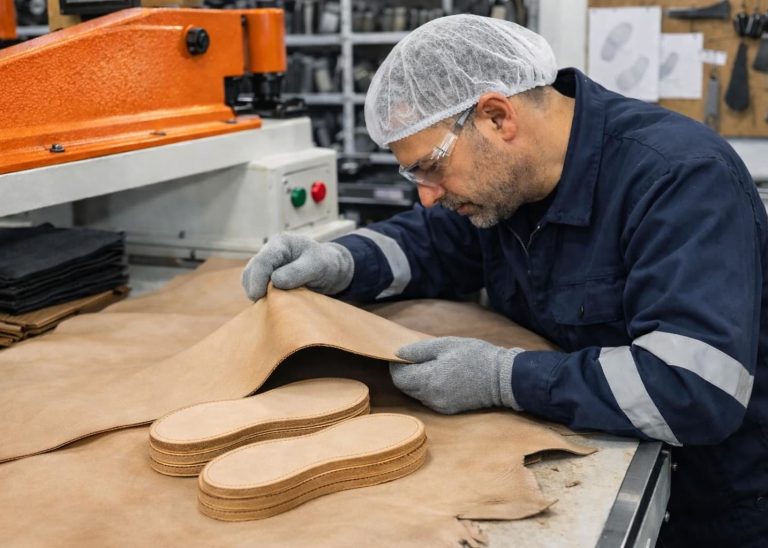
Tanneries process selected bends into sole leather. Footwear factories then cut the finished leather into outsole shapes and prepare those components for assembly.
The bend is the raw material section; the outsole is the shoe component manufactured from it. This distinction matters when buyers compare supplier descriptions and technical specifications.
Therefore, a leather bend does not automatically represent a finished outsole. It is the raw material from which an outsole can be produced. The exact processing route varies by tannery and product.
However, the objective remains the same: produce leather with the required substance, firmness, durability and finishing characteristics.
Hide to Outsole Flow
Hide
↓
Soaking
↓
Liming
↓
Tanning
↓
Tanned Sole Leather
↓
Cutting
↓
Finished Sole

Traditional Tanning remains associated with Outsole leather production – Marfil
Why Are Bends Used for Premium Leather Outsoles?
Premium shoemakers choose leather sole materials for both functional and aesthetic reasons. A well-selected bend can provide the substance required for traditional constructions while supporting a clean, refined outsole finish.
The material also responds to cutting, stitching, shaping and edge finishing. These characteristics matter when factories manufacture Goodyear welted, hand-welted and other traditional leather-soled shoes.
Nevertheless, leather requires suitable care and may absorb moisture during use. Manufacturers should select the bend according to the intended product rather than assuming that every leather sole suits every application.
Important selection considerations include:
Appearance: Affects colour, edge finishing and the final presentation.
Material substance: Supports the intended outsole thickness and profile.
Firmness and temper: Influence cutting, handling and flexibility.
Mechanical strength: Helps the leather withstand manufacturing and use.
Wear behaviour: Influences resistance to surface abrasion.
Dimensional stability: Supports consistent cutting and assembly.
How Leather Outsole Bends Are Produced
The production of outsole leather begins with raw hide selection. Hide quality is important because the final leather cannot completely eliminate structural variations that originate in the raw material.
Raw Hide Selection
Tanneries select hides according to factors such as size, substance, fiber structure and defect level. The butt or bend area is particularly valuable because of its relatively compact structure.
Beamhouse Preparation
The raw hide undergoes preparation processes such as soaking, liming, fleshing and other operations intended to clean and prepare the hide for tanning.
Tanning
Traditional sole leather has a strong association with vegetable tanning. Vegetable tanning uses tannins derived from plant materials. Different tannin sources and tanning processes can influence the resulting leather’s firmness, colour, temper and working characteristics. The tanning duration and process control can also affect the final material structure.
Splitting and Thickness Control
Leather may be adjusted to achieve the required thickness. Thickness consistency is important because outsole cutting and shoe assembly require predictable material dimensions.
Drying and Conditioning
Drying has an important influence on leather characteristics.
The way leather is dried can influence firmness, shrinkage, dimensional behaviour and final temper..
Stuffing and Conditioning
Depending on the tannage and product specification, leather may receive conditioning or stuffing treatments. These treatments influence handling characteristics, flexibility and finishing behaviour.
Pressing and Finishing
Leather may be pressed, plated, finished or otherwise conditioned to achieve the required surface and dimensional characteristics.
Grading
Finally, bends are inspected and graded according to the tannery’s commercial and technical criteria.
This stage is important because two bends produced from the same general tanning system may still differ in quality or usable area..
Physical Properties of Leather Outsole Bends
Physical properties are among the most important factors when selecting outsole leather. A footwear manufacturer should not evaluate a bend only by appearance or hand feel. Where the application is critical, physical testing and production trials should support the material decision.
Thickness
Thickness determines a significant part of the outsole’s substance, stiffness and finished profile. Traditional leather outsoles can be substantially thicker than many modern sheet or molded sole materials. However, the required thickness depends on:
- Shoe construction
- Shoe category
- Desired flexibility
- Outsole design
- Welt construction
- Insole and midsole configuration
- Finishing requirements
Thickness should therefore be specified according to the final shoe construction rather than using a single universal value.
Temper
Temper is a practical leather-industry description of how leather feels when handled, bent or flexed.
Two leathers with similar thickness can feel very different because their fiber structure, tannage and finishing differ.
For outsole leather, temper influences:
- Cutting
- Skiving
- Stitching
- Flexibility
- Edge finishing
- Assembly behaviour
Hardness
Hardness describes resistance to indentation or deformation under a defined test condition. In practical footwear terms, harder leather generally feels firmer. However, the hardest material is not automatically the most suitable.
An outsole needs sufficient firmness to maintain shape and resist wear while still allowing the shoe to flex appropriately during walking.
Density and Fiber Compactness
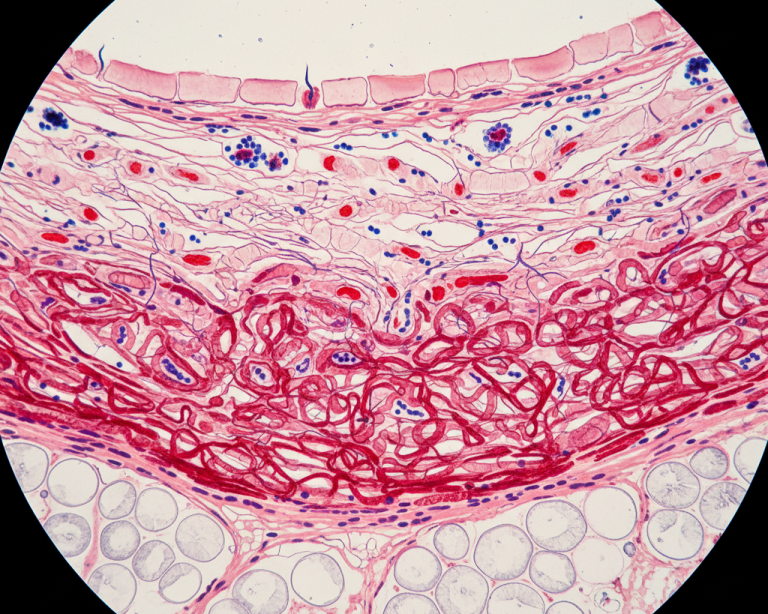
Density relates to how compact the leather structure is. A compact fiber structure can contribute to resistance against compression and wear. The bend area is naturally valued for its relatively substantial structure, but processing also influences the final density and firmness.
For manufacturers, density should be considered together with hardness and temper rather than evaluated independently.
Tensile Strength
Tensile strength indicates the resistance of leather to breaking when subjected to pulling force. For outsole leather, tensile performance can provide information about the structural strength of the material.
Testing should be carried out according to a defined method because test results depend on specimen preparation, direction, conditioning and test parameters.
Tear Strength
Tear strength measures resistance to the propagation of a tear.
This property becomes particularly relevant around areas where the leather experiences mechanical stress.
Outsole leather used in stitched constructions must tolerate stresses introduced by cutting, stitching and repeated flexing.
Abrasion Resistance
The outsole continuously contacts the walking surface.
Abrasion resistance therefore has a direct relationship with service wear.
However, actual shoe wear depends on several variables, including:
- Walking surface
- User weight
- Walking pattern
- Shoe construction
- Outsole thickness
- Leather finishing
- Moisture exposure
- Maintenance
Laboratory abrasion results should therefore be interpreted alongside actual footwear trials.
Flex Resistance
The forepart of a shoe bends repeatedly during walking. Leather outsole material must therefore tolerate repeated flexing without unacceptable cracking, splitting or structural deterioration. Flex performance can be influenced by tanning, conditioning, thickness and finishing.
Compression Resistance
During walking, the outsole is repeatedly compressed against the ground.
Leather with appropriate fiber structure and firmness can resist excessive permanent deformation.
Compression behaviour becomes particularly relevant when maintaining the intended geometry of a traditional leather outsole.
Water Absorption
Leather is a natural material and can absorb moisture. Water absorption is therefore an important consideration when leather outsoles are used in environments where wet conditions are expected. Water absorption should be evaluated using a defined laboratory method where necessary.
For example, ASTM D1815 provides a method related to water absorption of leather. Laboratory static absorption results should not be interpreted as a complete simulation of a shoe walking through rain or wet ground.
Dimensional Stability
Leather can change dimension because of moisture, drying and environmental exposure.
Dimensional stability is particularly important during manufacturing because changes in size or shape can influence:
- Cutting accuracy
- Stitching
- Sole alignment
- Edge finishing
- Shoe assembly
Edge-Finishing Behaviour
Premium leather outsoles are often finished at the edge. The edge may be dyed, burnished, polished, inked or otherwise finished depending on the shoe style. The leather’s structure and firmness influence how cleanly the edge can be shaped and finished. This is one reason why material selection is not only about laboratory strength. Manufacturing behaviour also matters.
Important Physical Properties at a Glance
| Property | What It Describes | Importance in Outsole Leather |
|---|---|---|
| Thickness | Material substance | Sole profile, stiffness and durability |
| Density | Fiber compactness | Wear and compression behaviour |
| Hardness | Resistance to indentation | Firmness and walking feel |
| Temper | Practical firmness and flexibility | Cutting, assembly and flexibility |
| Tensile Strength | Resistance to pulling | Structural durability |
| Tear Strength | Resistance to tear propagation | Mechanical and stitching stress |
| Abrasion Resistance | Resistance to surface wear | Potential outsole service life |
| Flex Resistance | Resistance to repeated bending | Forepart durability |
| Compression Resistance | Resistance to deformation | Shape retention |
| Water Absorption | Moisture uptake | Wet-condition behaviour |
| Dimensional Stability | Resistance to dimensional change | Production consistency |
| Edge-Finishing Behaviour | Response during edge processing | Premium outsole appearance |
Important Note
There is no single universal value that suits every leather outsole. Buyers should agree on test methods and acceptance limits with their supplier.
How to Evaluate a Leather Outsole Bend
A professional evaluation should combine visual inspection, physical inspection and production trials.
Visual Inspection
Inspect the bend for:
- Surface defects
- Scars
- Insect damage
- Veins
- Loose grain
- Uneven texture
- Thickness variation
- Stains
- Excessive wrinkles
- Weak areas
The usable area should also be considered because a bend may have good average quality but contain defects that reduce cutting yield.
Physical Inspection
It includes:
- Thickness measurement
- Hardness measurement
- Moisture assessment
- Tensile testing
- Tear testing
- Abrasion testing
- Flex testing
- Water absorption testing
- Dimensional stability testing
The exact test program should be based on the product requirement.
Production Trial
Laboratory testing alone does not show every manufacturing characteristic.
A production trial can reveal how the bend behaves during:
- Clicking
- Cutting
- Skiving
- Assembly
- Edge shaping
- Burnishing
- Finishing
- Flexing
For premium footwear, the final decision should consider both laboratory results and production behaviour.
Common Defects in Outsole Bends
Leather is a natural material, so some variation is unavoidable. Common defects or areas requiring attention include:
- Loose grain
- Scars
- Veins
- Insect damage
- Holes
- Cuts
- Excessive wrinkles
- Uneven substance
- Colour variation
- Excessive belly influence
- Weak fiber areas
- Surface damage
- Excessive moisture variation
- Edge defects
The importance of a defect depends on its location.
A small defect in an area outside the cutting pattern may have little impact on production yield. The same defect located in the forepart of a large outsole pattern may make the bend unsuitable for that particular cutting plan.
Therefore, leather grading should consider both material quality and cutting yield.
Country of Origin
Argentine Leather Outsole Bends
Argentina has a long association with cattle production and leather manufacturing, and Argentine vegetable-tanned leather is used in a variety of footwear applications. This outsole bends are available from specialist tanneries producing vegetable-tanned leather for soles, welts and related footwear components.
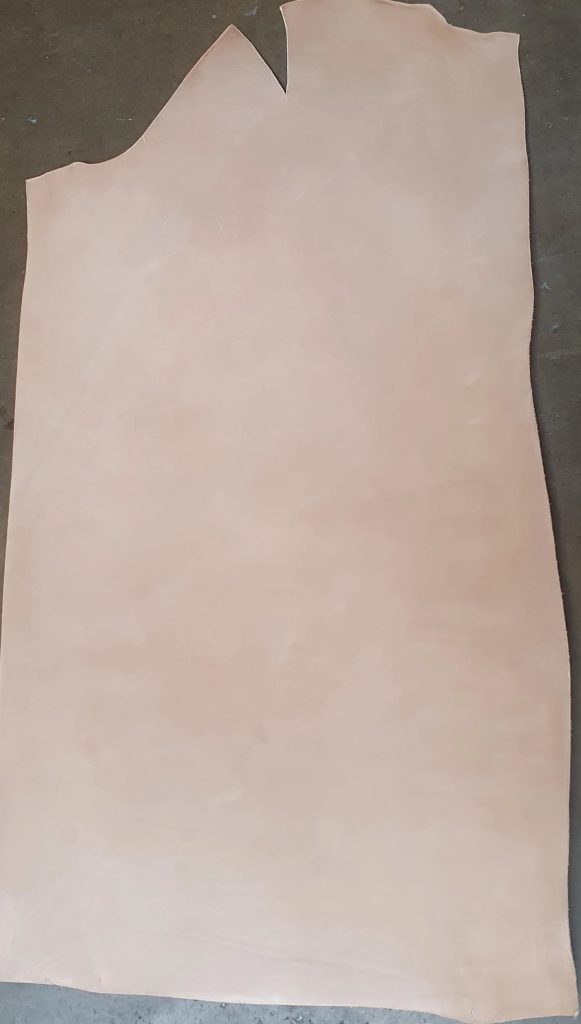
One example is Arlei, which operates leather production facilities in Argentina and has products associated with vegetable-tanned bends and footwear sole applications. Commercial Argentine bends can vary significantly according to tannery, hide selection, tannage, thickness, finishing and grading.
Therefore, “Argentine bend” should be understood as an origin or commercial category rather than a universal technical specification. When evaluating Argentine bends, footwear manufacturers should request the specific tannery specification and verify:
- Thickness
- Temper
- Tannage
- Density
- Colour
- Finishing
- Test results
- Available sizes
- Grade
- Cutting yield
Through-Coloured Leather Outsole Bends for Extra-Premium Footwear
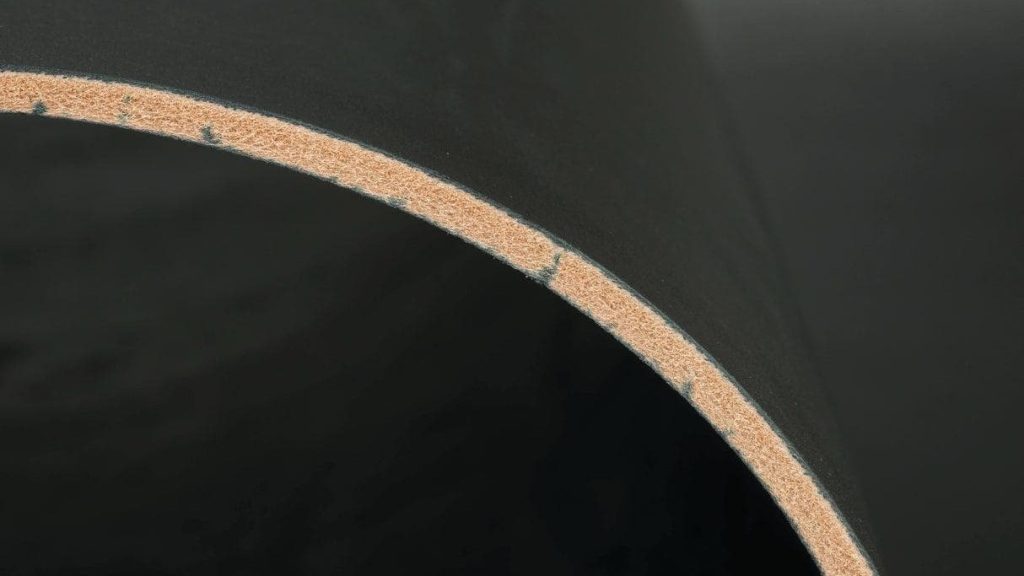
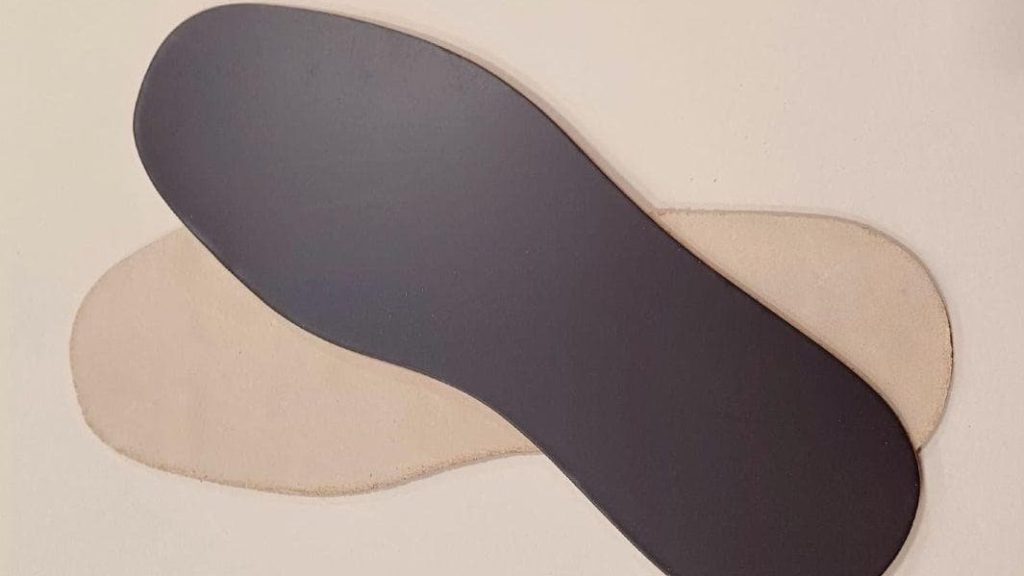
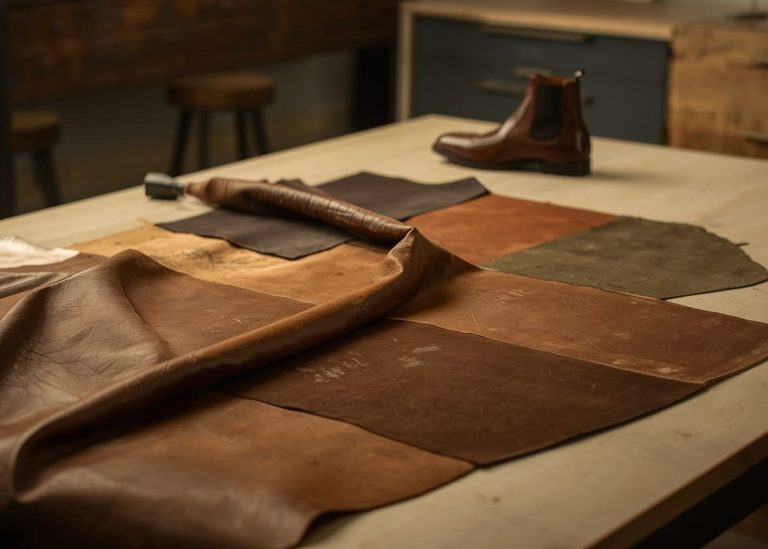
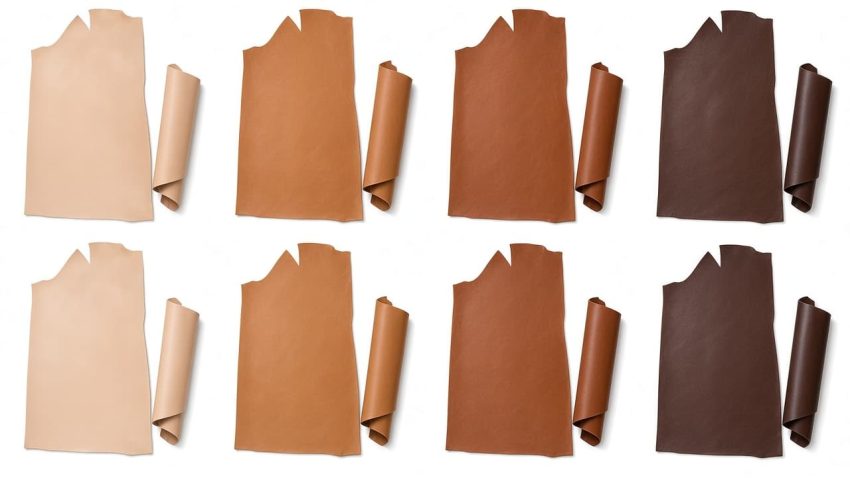
Most natural vegetable-tanned outsole bends arrive in beige, tan or light-brown crust shades. The exact colour depends on the tanning and processing methods. Shoe factories often use these natural bends as a base and apply colour during bottom finishing to match the brand’s requirements.
However, some extra-premium footwear collections require a different approach. Brands may specify through-coloured leather outsole bends, which carry colour throughout the leather’s thickness. This approach helps manufacturers achieve a more consistent appearance across the outsole surface and exposed edges.
What Are Through-Coloured Bends?
Leather tanneries introduce colour during processing to help it penetrate the leather’s thickness. The degree of penetration depends on the dyeing method and the supplier’s specification.
This feature becomes particularly useful when shoemakers bevel, trim, shape or burnish an outsole. These operations expose the leather’s cross-section. Consequently, a through-coloured bend can help maintain a closer colour match between the outsole surface and its finished edges.
For premium dress shoes, this consistency can improve the overall appearance, especially when the design highlights a coloured outsole edge.
Italian Leather for Premium Footwear
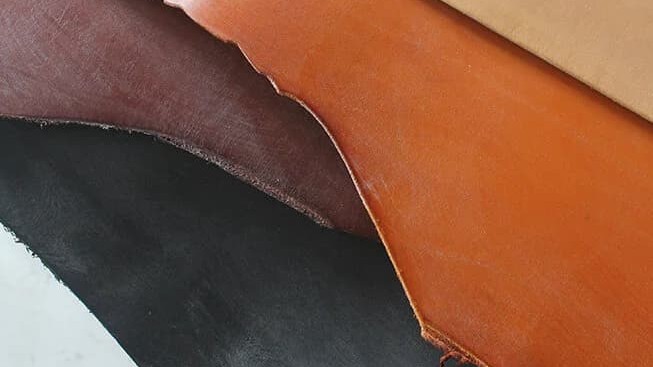
Gruppo Conciario C.M.C. International is an Italian tannery based in the San Miniato area of Tuscany. Its official website lists leather for soles, heels, insoles and welts among its footwear-related products.
For brands considering CMC for premium outsole bends, buyers should request the current product catalogue and confirm the availability of through-coloured bends directly with the supplier. They should also clarify available colours, dye penetration, thickness, technical specifications and minimum order quantities.
The supplier’s exact product specification matters because not every bend necessarily has the same colour treatment or physical properties.
Takeaway
Natural crust bends give shoe factories flexibility to apply colour during bottom finishing. By contrast, through-coloured bends offer a useful alternative when brands require a closer colour match between the outsole surface and exposed edges. Therefore, manufacturers should select the material according to the shoe design, finishing process and approved technical specification.
Italian Leather Outsole Bends
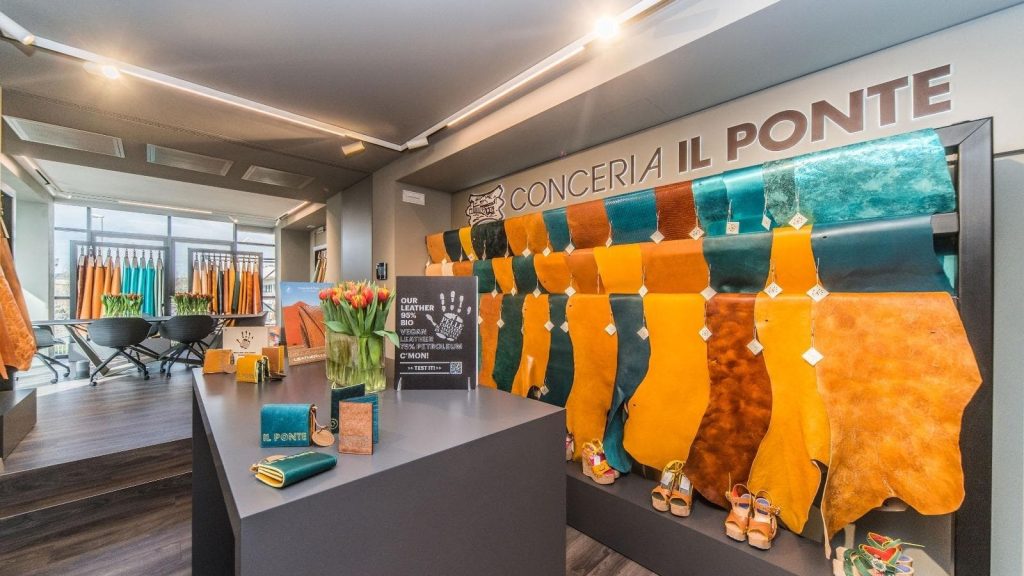
Italy has a strong leather-processing tradition and a large footwear industry ranging from industrial production to luxury and artisanal footwear. Italian sole leather suppliers produce materials for premium footwear where consistency, finishing and controlled manufacturing characteristics are important.
FA.I.T. Adriatica, for example, produces leather soles and other footwear-related leather components and has operated in the sector since the middle of the twentieth century.
Italian leather bends can differ considerably between suppliers because tanning chemistry, finishing and product specifications are not standardized simply by country.
For footwear manufacturers, Italian-origin material may be selected when a particular tannery’s specification provides the required combination of:
- Thickness
- Firmness
- Surface appearance
- Edge behaviour
- Finishing characteristics
- Dimensional stability
- Production consistency
The appropriate material should therefore be evaluated at tannery and specification level.
English Leather Outsole Bends
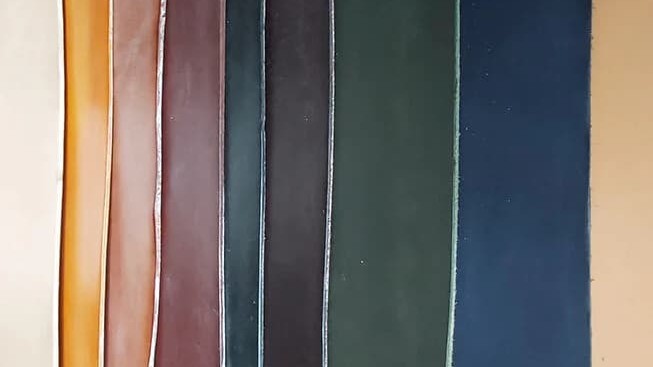
English sole leather is strongly associated with traditional oak-bark tanning. One of the best-known traditional examples is J&FJ Baker & Co., an English tannery with a long history of producing oak-bark-tanned leather.
Oak-bark tanning is a slow traditional process in which oak bark tannins are used to tan the leather. The resulting leather is associated with traditional bespoke and high-end shoemaking. The appeal of English oak-bark sole leather is not simply the word “English.” Its characteristics are connected to the specific tannage, raw material selection, long processing approach and finishing practices used by the tannery.
The resulting material can provide the firm structure and traditional working characteristics sought for certain premium shoe constructions. However, it should not be assumed that every English leather product has the same characteristics. Product specification remains more important than country label alone.
Indian Leather Outsole Bends
India has a significant leather and footwear manufacturing industry, including production of vegetable-tanned leather and sole-related materials.
Indian sole leather may be produced from locally available hides and can also exist alongside imported sole leather from other leather-producing countries.
Indian leather manufacturers work across a broad range of specifications, so it is important not to treat “Indian bend” as one uniform material.
For production use, buyers should evaluate:
- Hide selection
- Tanning method
- Thickness
- Firmness
- Density
- Surface condition
- Flex performance
- Water absorption
- Finishing
- Production yield
India also has formal leather standards, including specifications for vegetable-tanned sole leather.
For manufacturers buying Indian bends, the most useful approach is therefore to define the required technical specification and then qualify the supplier against it.
Mexican Leather Outsole Bends
Mexico has an established leather-processing and footwear manufacturing sector. Mexican tanneries produce vegetable-tanned sole leather and related footwear materials.
For example, Marfil Tannery publishes vegetable-tanned sole products and provides technical information relating to sole leather thickness and finishing options. Esmar is another Mexican leather producer associated with vegetable-tanned leather and sole bend products.
As with other origins, Mexican leather bends can vary according to tannery, tanning chemistry, raw hide selection, thickness and finishing. The buyer should therefore evaluate the actual product specification rather than assuming that country of origin predicts performance.
Italian vs Argentine vs English vs Indian vs Mexican Bends
The following table is intended as a descriptive comparison of common commercial traditions, not as a ranking.
Origin / Tradition | Common Association | Tanning / Production Context | Typical Buying Consideration |
Argentine | Cattle leather and vegetable-tanned sole materials | Strong cattle and leather-processing base | Hide quality, tannage, substance and consistency |
Italian | Premium leather processing and footwear | Broad range of specialized tanning and finishing systems | Surface, finishing, consistency and specification |
English | Traditional oak-bark sole leather | Long-established traditional sole leather tanning | Tannage, firmness, traditional construction compatibility |
Indian | Large leather and footwear manufacturing sector | Vegetable-tanned sole leather and diverse leather production | Specification, consistency, testing and production yield |
Mexican | Established leather and footwear industry | Vegetable-tanned sole and footwear leather production | Thickness, finishing, tannage and supplier specification |
Note
There is no universal technical rule that makes one country’s bend automatically superior to another. A specific tannery’s product may outperform another tannery’s product for one application while being less suitable for another.
Selecting Leather Bends for Different Shoe Constructions
Different footwear constructions place different demands on outsole leather.
Leather Bends vs Other Outsole Materials
It is only one of several materials available for footwear outsoles.
Material | Typical Characteristics | Common Applications |
Leather Bend | Natural fiber structure, firm feel, traditional appearance | Premium dress shoes, welted footwear |
Rubber | High traction and water resistance potential | Casual, outdoor and work footwear |
EVA | Lightweight and cushioning | Sports and casual footwear |
TPU | Tough, abrasion-resistant thermoplastic | Performance and casual footwear |
PU | Cushioning and lightweight construction | Comfort and casual footwear |
TPR | Thermoplastic rubber characteristics | Casual and general footwear |
Leather remains relevant because it provides a combination of traditional appearance, craftsmanship, edge-finishing potential and material character that is difficult to reproduce exactly with molded synthetic materials. At the same time, synthetic materials may provide advantages in areas such as weight, cushioning, waterproofing and manufacturing efficiency. The correct material depends on the shoe’s intended function and construction.
Why Leather Bends Still Matter in Modern Footwear
Modern footwear offers manufacturers a wide range of synthetic sole materials, yet leather outsole bends continue to occupy an important position in premium footwear. The reason is not simply tradition.
Leather provides a distinctive combination of natural fiber structure, firmness, working characteristics and visual appearance. It can be cut, shaped, stitched, burnished and finished in ways that are particularly suited to traditional footwear construction.
For premium footwear manufacturers, the value of a leather outsole often comes from how the material works as part of the complete shoe.
The leather must cooperate with the:
- Last
- Insole
- Welt
- Midsole
- Outsole
- Stitching
- Heel
- Edge finishing
- Shoe flex pattern
Therefore, the best material specification is not necessarily the material with the highest individual laboratory value.
It is the material that provides the required combination of performance, manufacturability, appearance and construction compatibility.
Final Thoughts
Leather outsole bends remain an important material for premium footwear because the bend portion of the hide provides a substantial and relatively compact fiber structure suitable for sole leather applications.
Traditional vegetable tanning remains strongly associated with leather soles, although tanning methods and product specifications vary between suppliers. It is a controlled footwear material whose properties must match the construction, manufacturing process and performance requirements of the finished shoe.