Leather Veneer (Stacked Leather): How It Is Made and Used in Footwear
What Is Leather Veneer (Stacked Leather)?
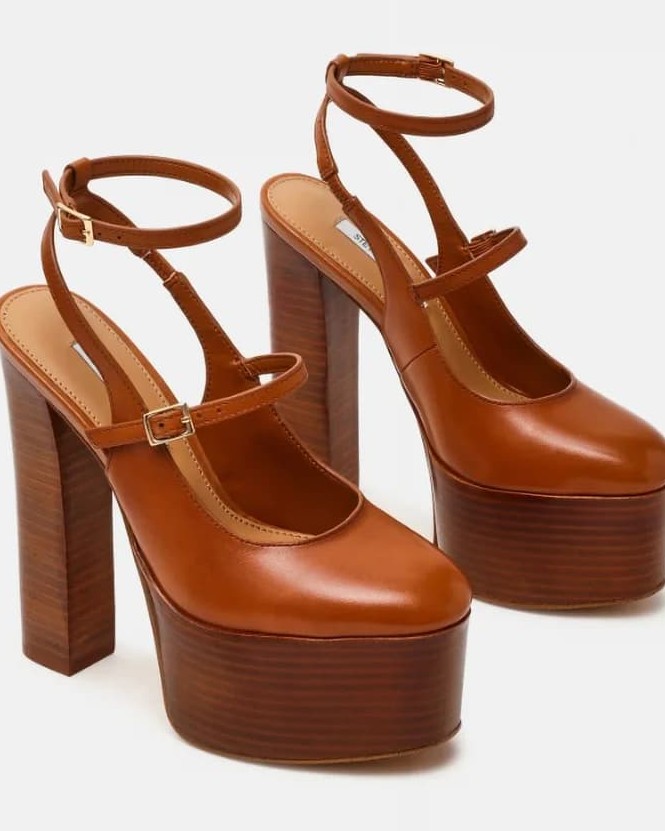
Leather veneer, often called stacked leather veneer, is a thin leather material produced by laminating several leather strips and then splitting the assembled material into controlled-thickness veneers. Manufacturers commonly use these veneers to create the appearance and feel of stacked leather without building an entire heel from thick outsole leather bends.
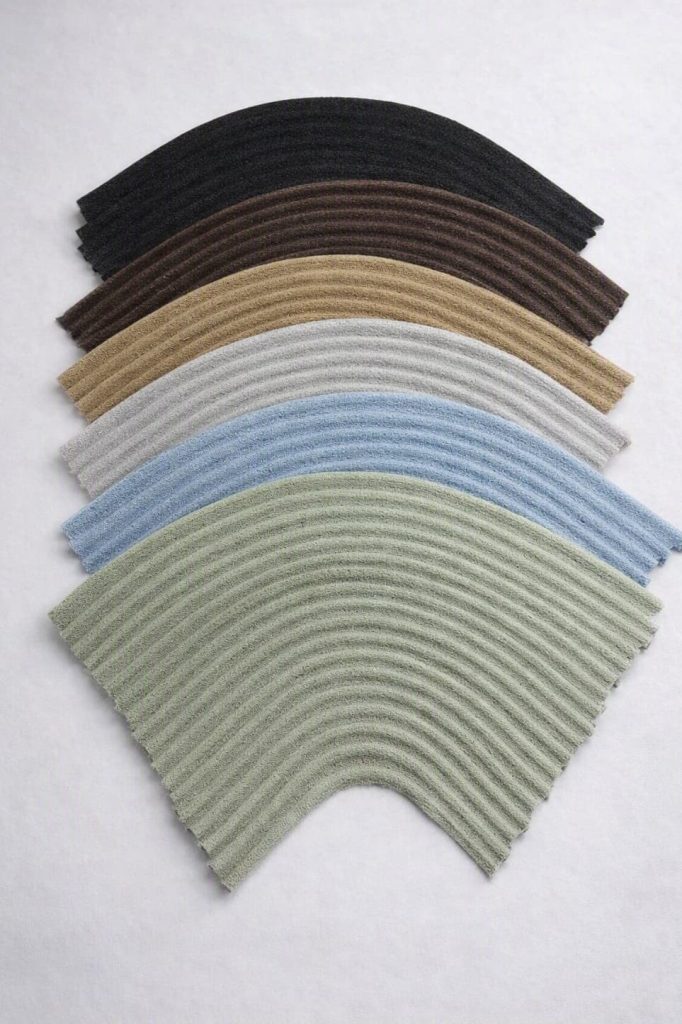
The material offers an attractive genuine-leather cross-section and comes in several colors, including natural, black, brown, and other shades. Footwear manufacturers mainly use leather veneer for premium footwear, heel components, decorative applications, and constructions that require a genuine stacked-leather appearance with lower weight than traditional stacked leather bends.
How Leather Veneers Are Made
The production process starts with suitable outsole bends, such as Argentine, Italian, Mexican or Indian Buff bends. Manufacturers often select an inferior grade or lower visual selection because the finished component exposes the leather cross-section rather than the original grain surface.
Outsole Bends as Raw Material
Manufacturers use outsole bends as the primary raw material. Argentine, Italian, Mexican, Buff bends and other suitable bends can provide the required leather density and thickness for veneer production.
The manufacturer does not necessarily need premium grain appearance because the process removes or alters the original surface, while the leather cross-section becomes the important visible characteristic.
Cutting Into Strips
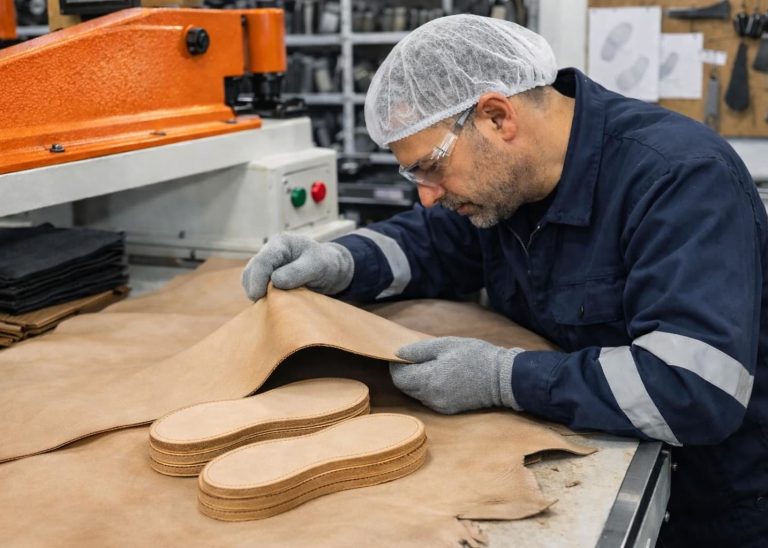
The leather bend gets cut into several strips of suitable width and length. The strip dimensions depend on the intended veneer production process and final application. Accurate cutting helps maintain consistent assembly and reduces unnecessary material waste.
Snuffing or Roughing the Grain and Surface
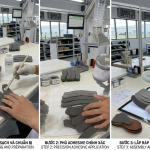
Workers buff the grain and surface of the leather strips before bonding. This preparation removes the smooth surface and creates a better bonding surface. Proper surface preparation plays a major role in achieving strong and uniform adhesion between the leather layers.
Pro Tips: Select suitable outsole bends with consistent density and structure.
Primer and Adhesive Application
The production line applies the required primer and adhesive to the prepared leather surfaces. The exact chemical system depends on the leather, production conditions, and required bond performance. Uniform adhesive application helps prevent weak areas, excessive adhesive build-up, and inconsistent veneer quality.
Heavy Hydraulic Pressing
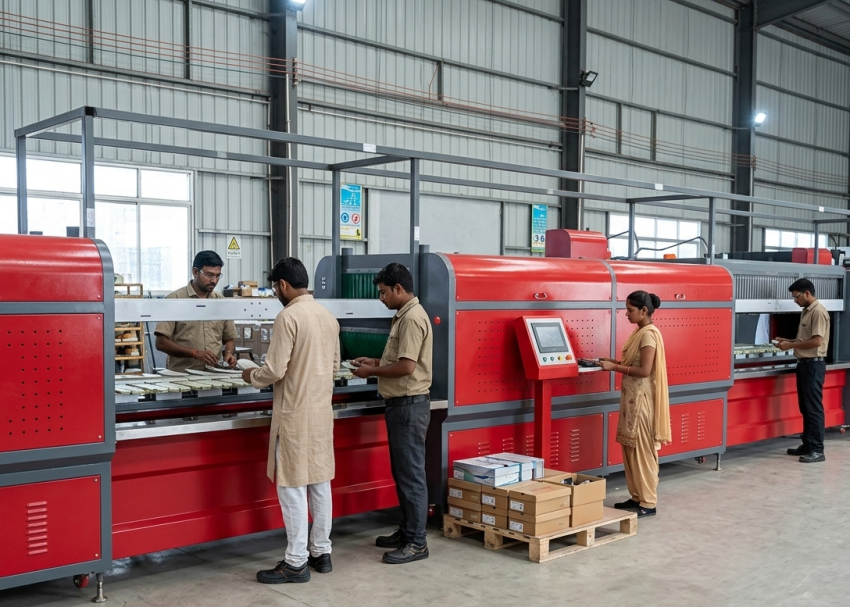
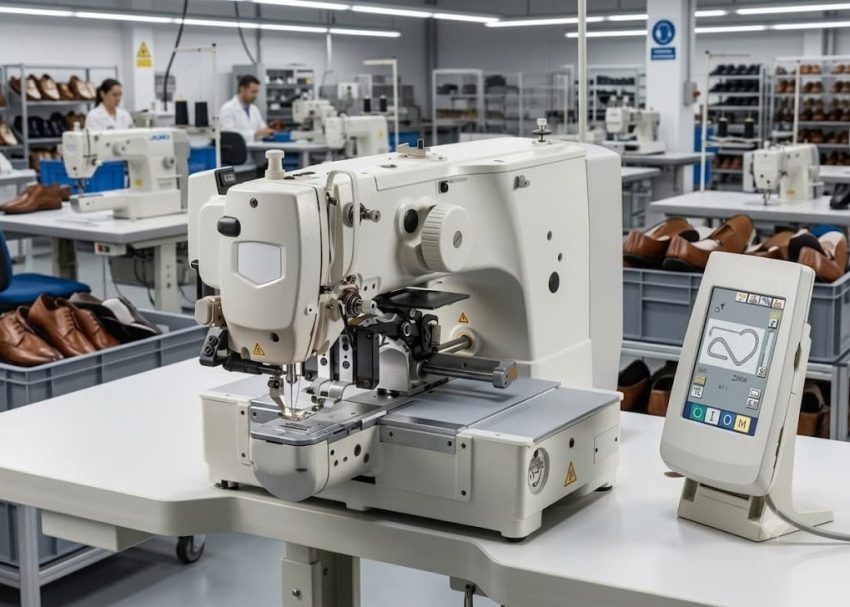
Workers assemble the prepared strips and place them into a heavy hydraulic press. The press applies controlled pressure to consolidate the leather layers and adhesive into a stable laminated strip. This stage creates the thick assembled leather material that will later become the veneer.
Splitting to the Required Thickness
The assembled leather strip then passes through a precision heavy duty splitting machine. The machine splits the laminated material into thin leather veneers according to the required specification. Typical veneer thickness can range from approximately 0.8 mm to 2.0 mm, depending on the application and construction requirements. This splitting operation provides much better thickness control than trying to obtain very thin material directly from a single leather bend.
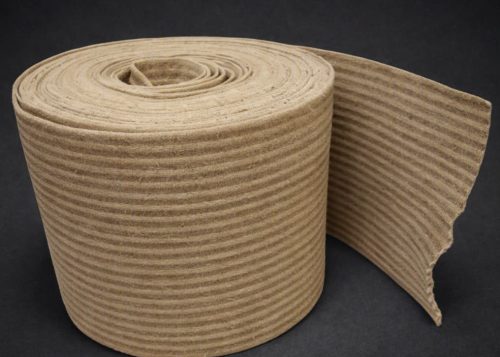
Joining Veneers Into Rolls
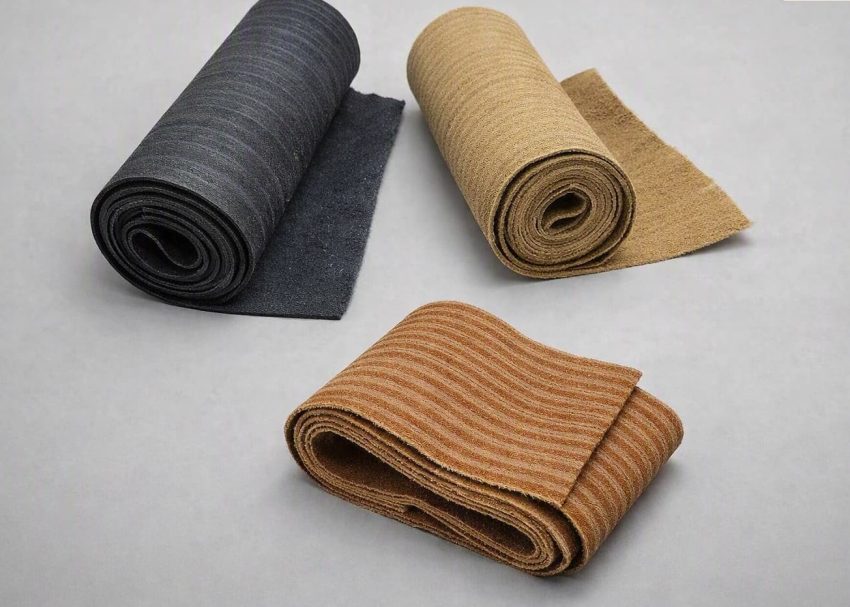
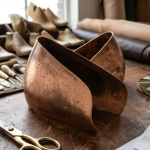
Individual split veneers can be joined end-to-end to create continuous lengths. Manufacturers then wind these joined veneers into rolls for convenient handling, storage, and subsequent footwear production. Roll production also makes the material easier to feed into certain automated or continuous manufacturing processes.
Pro Tips: Buff the bonding surfaces properly to remove the grain and improve adhesion.
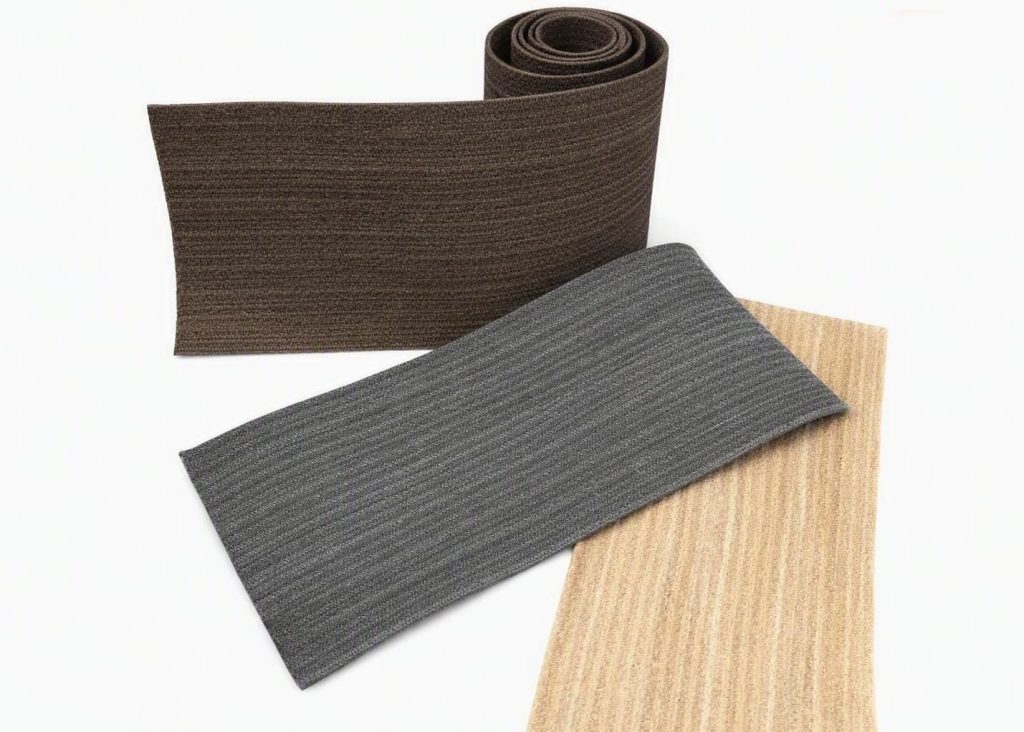
Available Leather Veneer Colors
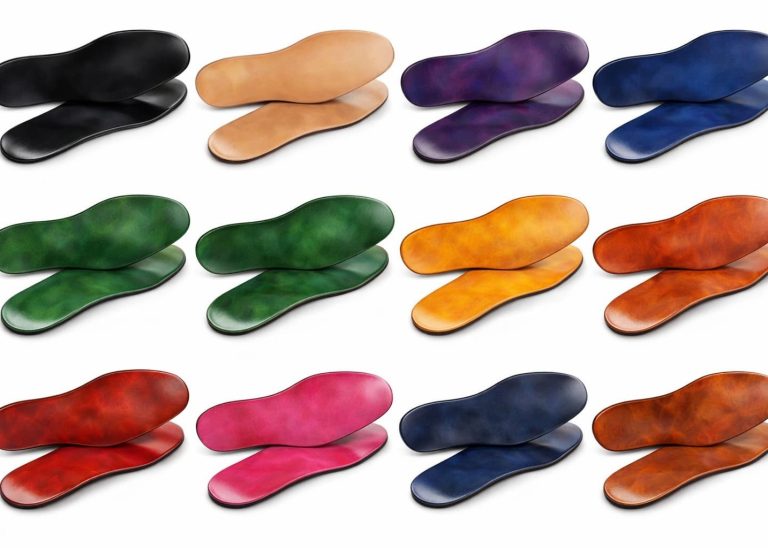
Leather veneer does not have to remain in its natural leather color. Manufacturers can supply veneers in different shades according to the footwear design.
Common options include:
- Natural
- Brown
- Black
- Dark brown
- Other specified colors
Color consistency becomes particularly important when the exposed veneer edge forms a visible part of the heel or footwear component.
Pro Tips: Apply primer and adhesive uniformly to avoid weak or excessively thick areas.
Traditional Stacked Leather vs. Leather Veneer
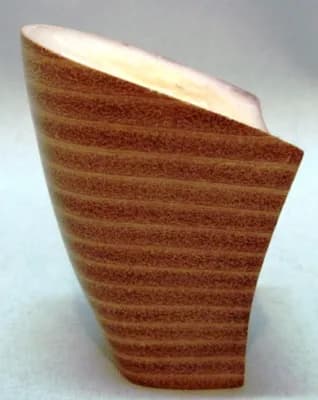
Traditionally, manufacturers produced stacked leather heels by directly stacking and bonding relatively thick leather bends. This construction creates an authentic and attractive leather appearance, but it also adds considerable weight and material cost.
Leather veneer provides an alternative approach. The manufacturer uses a much thinner leather layer as the visible leather element and can combine it with another structural material.
| Feature | Stacked Leather Bends | Leather Veneer |
|---|---|---|
| Basic material | Thick leather bends | Laminated and split leather |
| Construction | Multiple thick leather layers | Thin leather veneer |
| Weight | Higher | Lower |
| Material consumption | Higher | Lower |
| Cost | High | Still relatively expensive |
| Thickness control | Moderate | More precise |
| Appearance | Genuine stacked leather | Genuine leather veneer appearance |
| Design flexibility | Moderate | Higher |
| ABS heel integration | Not Possible | Can be incorporated into suitable constructions |
Pro Tips: Control hydraulic pressing conditions for consistent layer consolidation.
Leather Veneer With ABS Molded Heels
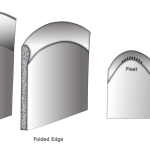
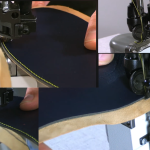
One important advantage of leather veneer is its potential use with ABS molded heel constructions. Instead of making the complete heel from stacked leather bends, manufacturers can use an ABS molded structure for the required strength and geometry while incorporating leather veneer to provide the premium leather appearance.
This approach can reduce overall weight compared with a traditional solid stacked-leather construction while maintaining the desired leather finish. The molding process requires appropriate control of temperature, pressure, leather preparation, adhesive compatibility, and veneer positioning to prevent damage, separation, wrinkles, or deformation.
Pro Tips: Maintain splitting accuracy when producing 0.8–2.0 mm veneers.
Why Use Leather Veneer?
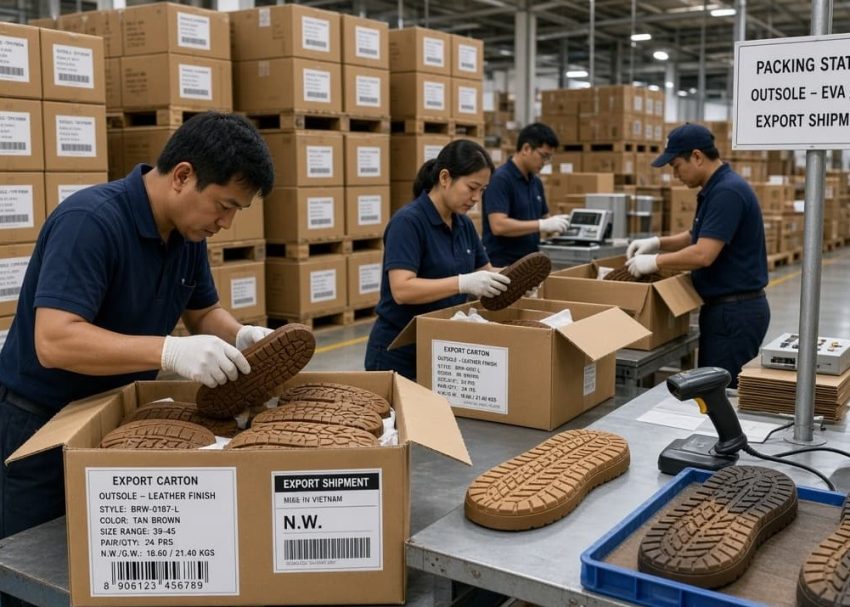
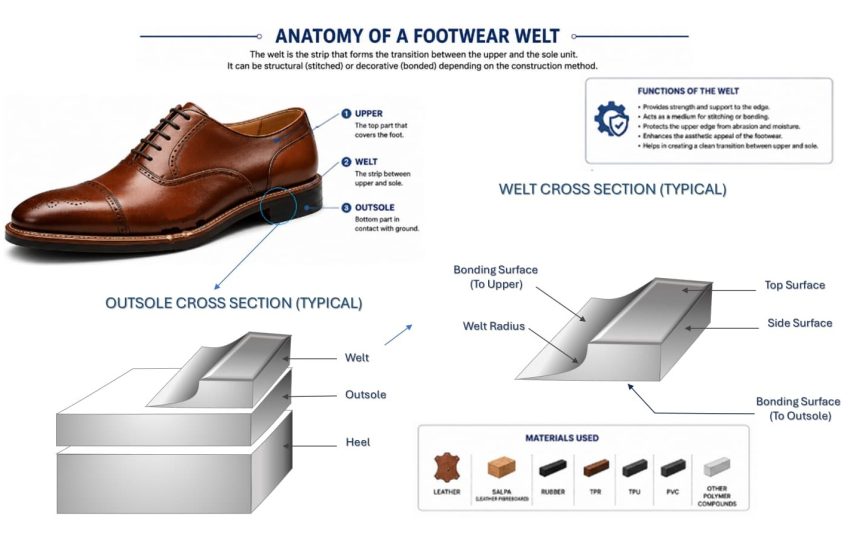
Leather veneer still costs more than many synthetic alternatives, but premium footwear manufacturers accept the additional cost when genuine leather appearance and material authenticity justify it.
Its main benefits include:
- Genuine leather material
- Lower weight than traditional stacked leather construction
- Controlled veneer thickness
- Attractive exposed leather cross-section
- Multiple color options
- Suitable for premium footwear
- Compatible with selected molded heel constructions
- Better material utilization than thick stacked bends
Pro Tips: Inspect joined rolls carefully because poorly joined sections can cause production interruptions or visible defects.
Quality Control Points
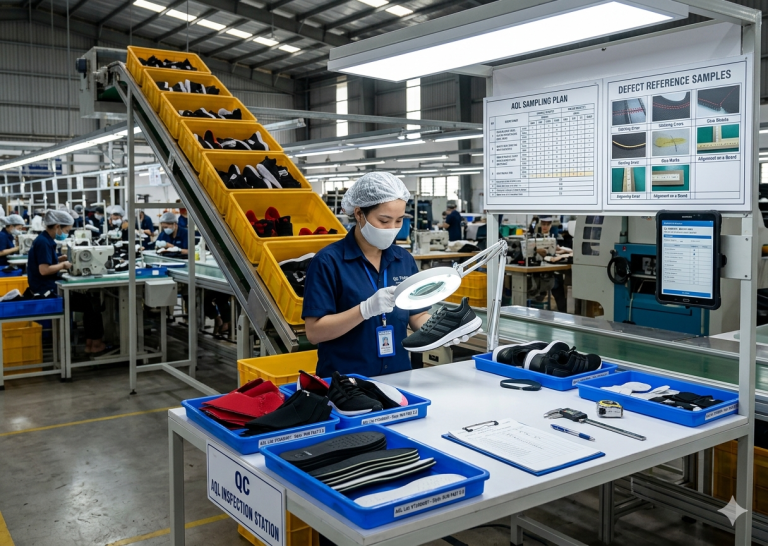
Manufacturers should inspect the veneer for:
- Consistent thickness
- Strong layer bonding
- Clean splitting
- No delamination
- Uniform color
- Proper strip joining
- Smooth surface
- Consistent width
- No excessive adhesive
- No cracks or weak areas
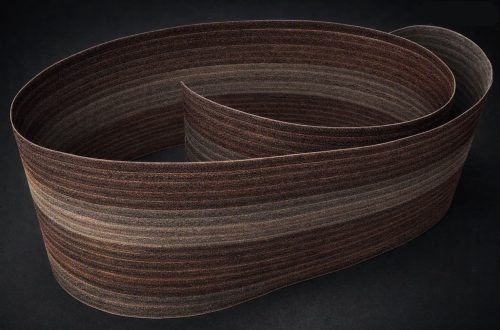
Thickness control deserves particular attention, especially when the veneer will cover a molded heel or another precisely dimensioned footwear component.
Conclusion
Leather veneer provides footwear manufacturers with a practical way to achieve a genuine stacked-leather appearance while reducing weight and improving thickness control. The process starts with outsole bends, cuts them into strips, prepares the surfaces, bonds and presses the strips, and finally splits the assembled material into thin veneers.
For manufacturers seeking the visual character of stacked leather without the full weight and bulk of traditional stacked bends, leather veneer offers a valuable balance between genuine leather appearance, production flexibility, and structural efficiency.
FAQs – Frequently Asked Questions
Leather veneer is a thin leather sheet or strip used individually or in layers to create a thicker leather component.
Yes. Genuine, stacked leather uses layers of real leather. However, some products marketed as stacked leather may contain synthetic or composite layers, so material specifications should be checked.
It is commonly used for heels, heel lifts, wedges, soles.
Layering provides better control over thickness and allows manufacturers to create a distinctive exposed leather-layer appearance.
The assembled layers can be trimmed, shaped, sanded, polished, stained, or coated according to the required footwear appearance.