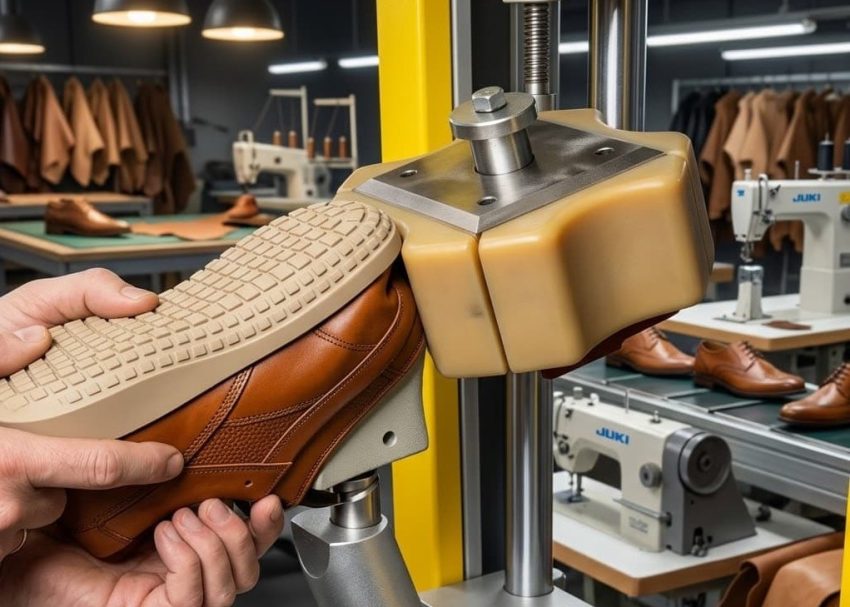
Last Removal (De-Lasting) in Footwear Manufacturing – Full Shoe Assembly Series
By the time a shoe reaches the end of the ageing stage, its adhesives have largely stabilized, internal stresses have begun to equalize, and the overall structure has achieved the dimensional stability required for further processing. However, one critical component still remains inside the footwear: the last.
Throughout lasting, sole attachment, pressing, chilling, and ageing operations, the last serves as the foundation that supports the shoe’s shape. It defines the toe profile, heel contour, instep volume, and overall geometry while ensuring that every component conforms to the intended design. Removing this support structure may appear straightforward, yet it is one of the most sensitive handling operations in footwear manufacturing.
The de-lasting process marks the transition from a mechanically supported product to a self-supporting one. During this moment, the footwear must retain the shape developed throughout assembly while adapting to the absence of the internal form that created it. Any excessive extraction force, improper machine setting, damaged last, or poor handling technique can compromise heel stability, distort upper materials, create wrinkles, or alter critical fit dimensions.
For this reason, leading footwear manufacturers approach de-lasting as a controlled engineering process rather than a simple removal operation. Extraction speed, force application, last condition, footwear construction, and operator practices must all be carefully managed to preserve product integrity and maintain consistency across production.
Once the last is successfully removed, the shoe can settle into its final free-standing geometry and proceed to finishing, inspection, and preparation for shipment.
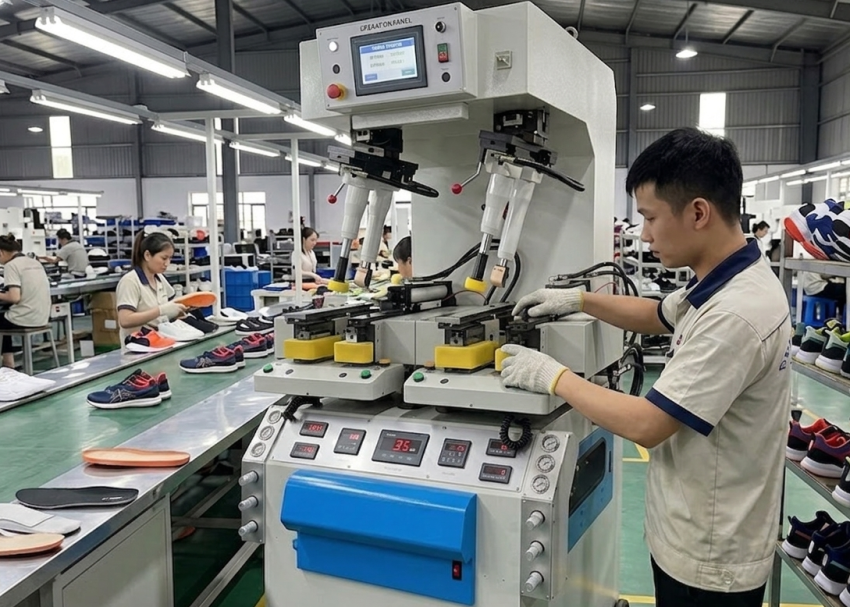
Understanding the Purpose of De-Lasting
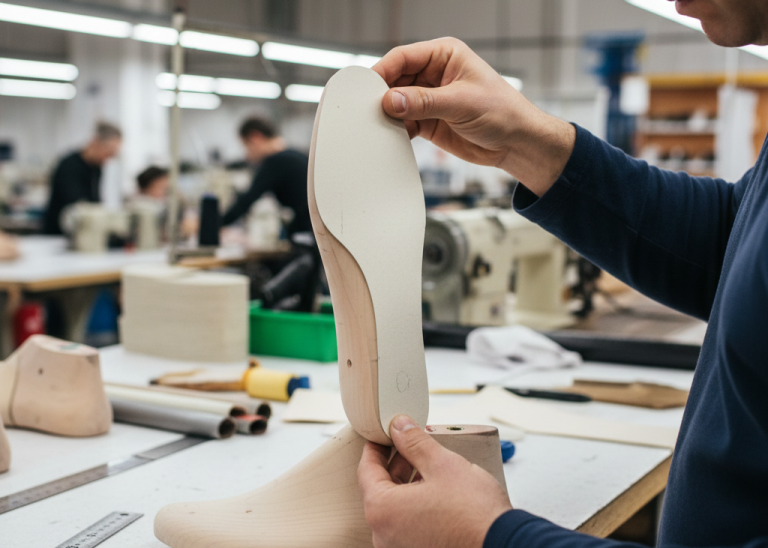
The footwear last serves as the foundation of shoe construction. Throughout stitching, lasting, sole attachment, and ageing operations, it supports the upper materials and maintains the desired dimensions. Every important fitting characteristic of the shoe—including toe shape, ball girth, heel contour, instep volume, and overall silhouette—is established around the last.
After ageing is completed, the structural role of the last has largely been fulfilled. Adhesives have cured sufficiently, counters have stabilized, toe puffs have retained their molded shape, and the upper materials have adapted to the required form. At this stage, the last must be removed so the footwear can progress to finishing operations.
The challenge is that the shoe transitions from a fully supported structure to a self-supporting structure. During this transition, internal stresses begin to redistribute. If the extraction process is too aggressive, these stresses may release unevenly and alter the shape that was carefully created during assembly.
This is why de-lasting must be performed gradually and consistently. The objective is not simply to remove the last but to preserve every dimensional characteristic established during previous manufacturing stages.
Key Control Points
- Verify ageing time completion before extraction
- Confirm adhesive curing requirements are achieved
- Ensure shoe identification matches last size
- Remove footwear from ageing area carefully
Expert Tip: Use extraction force data as an early warning indicator for last wear.
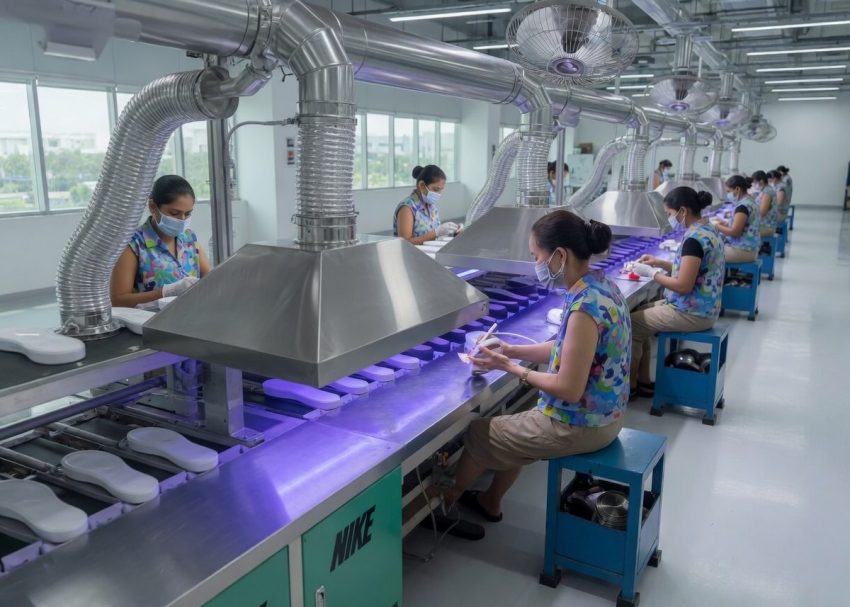
How Automatic De-Lasting Machines Work
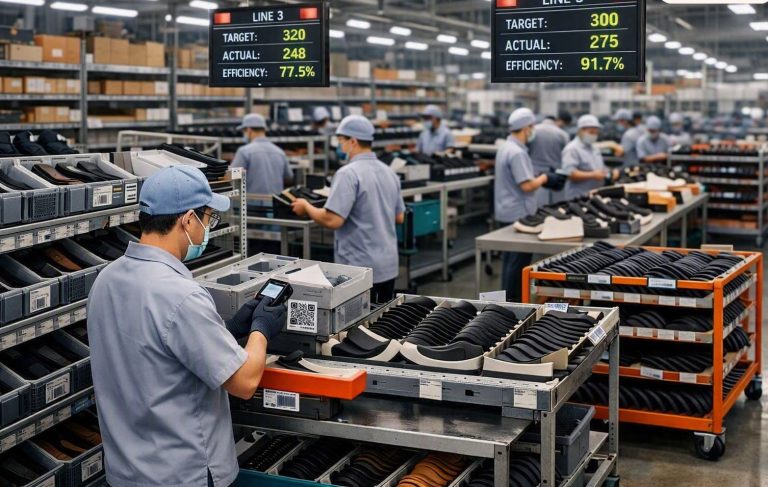
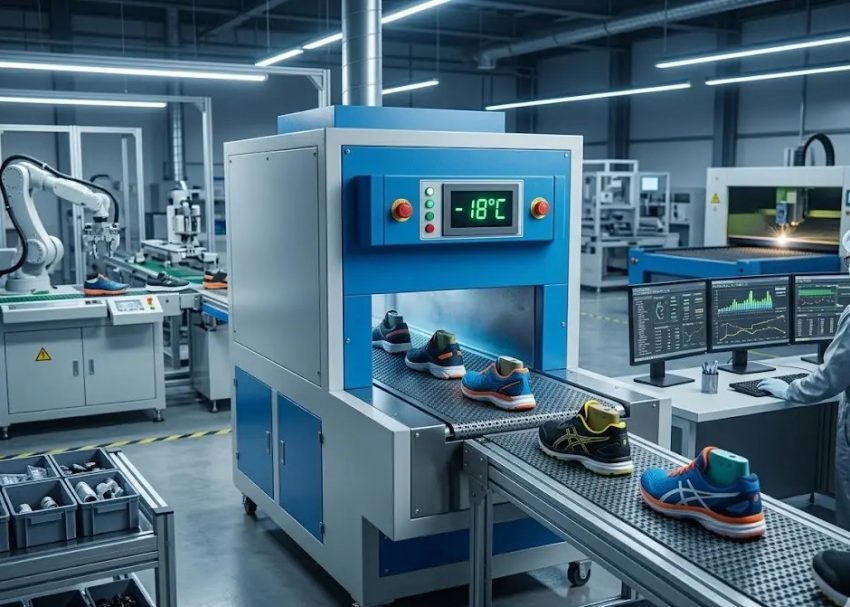
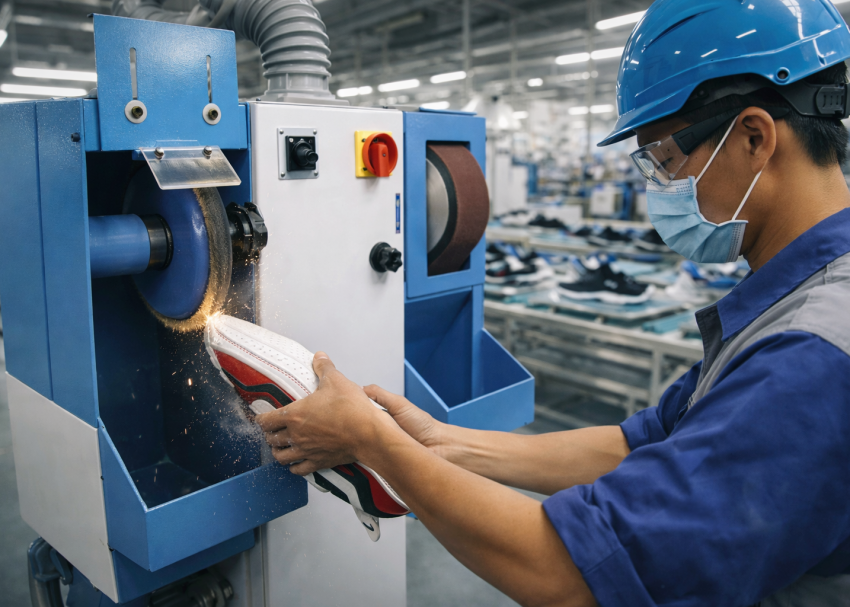
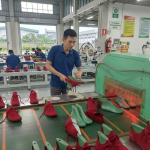
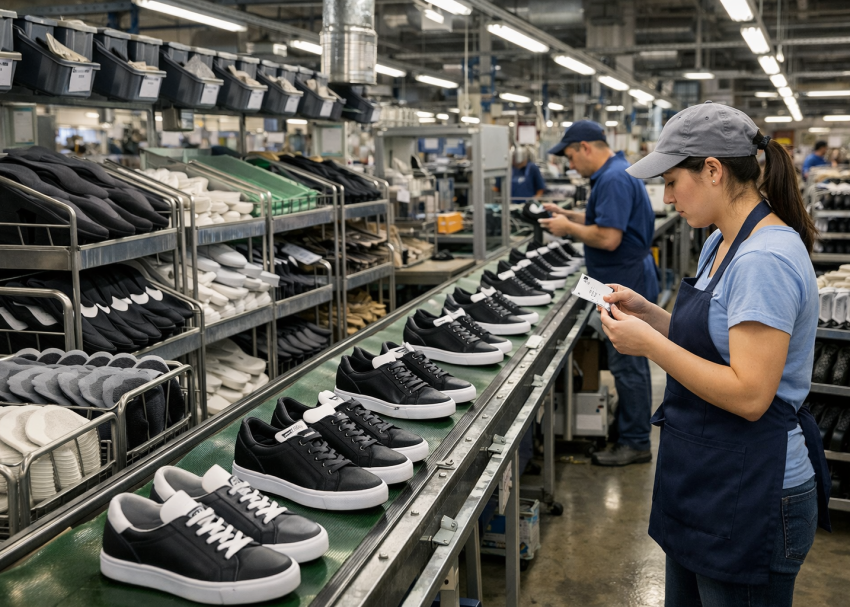
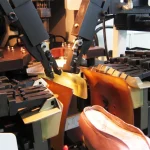
Modern athletic footwear factories typically use automatic de-lasting machines because production volumes demand high efficiency and consistent extraction performance. These machines are specifically designed to remove the last while minimizing stress on the upper and bottom assembly.
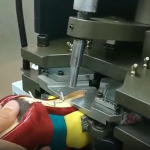
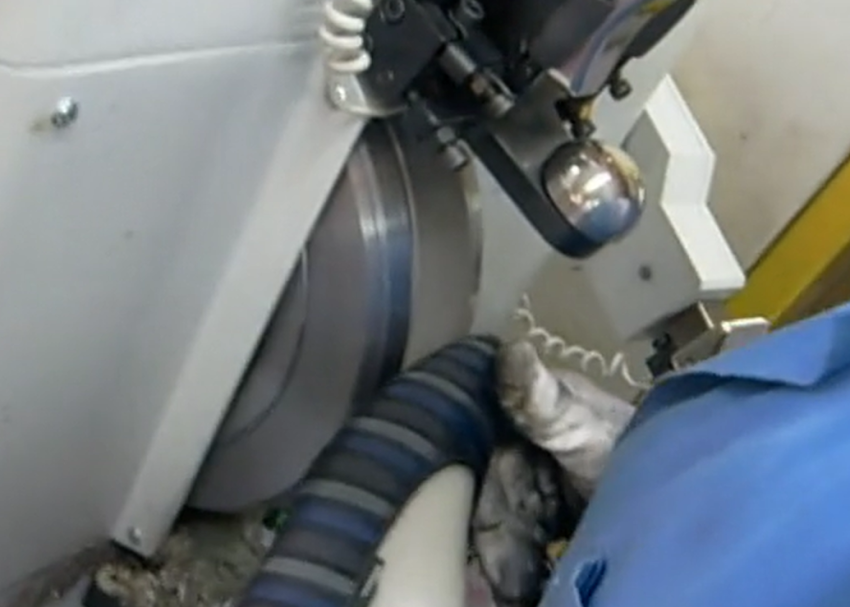
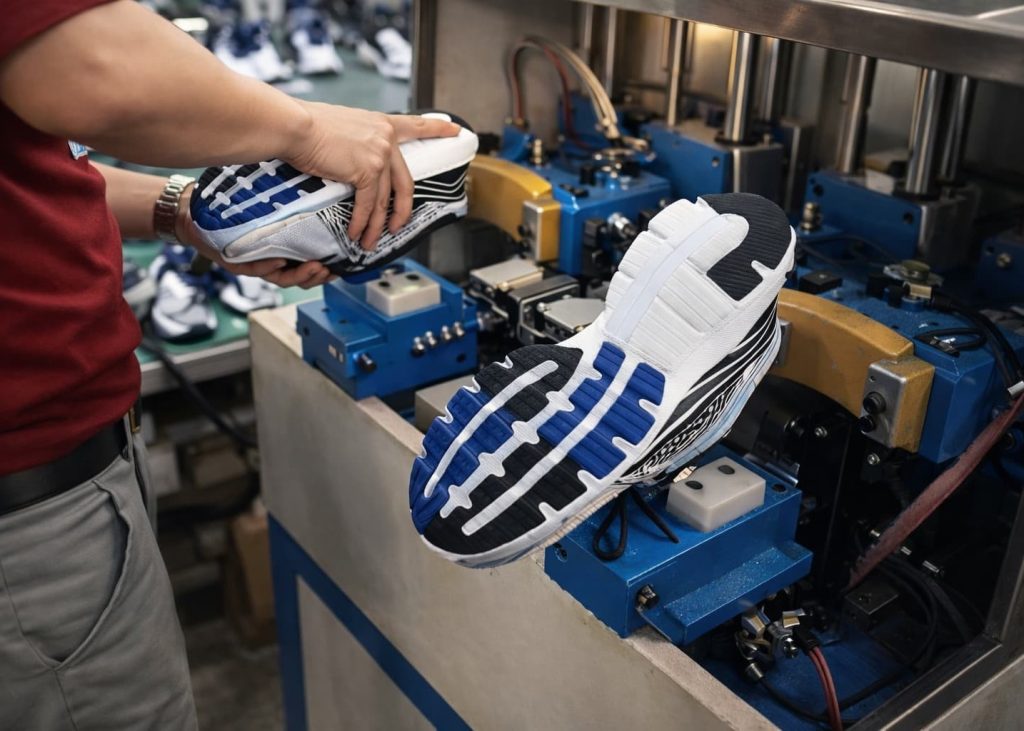
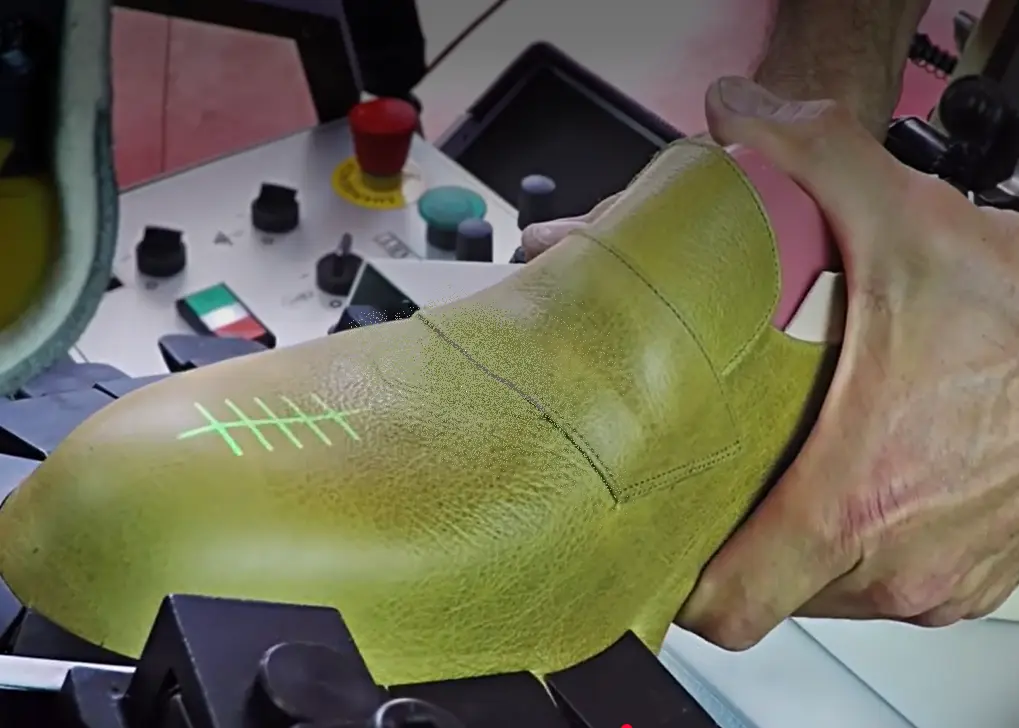
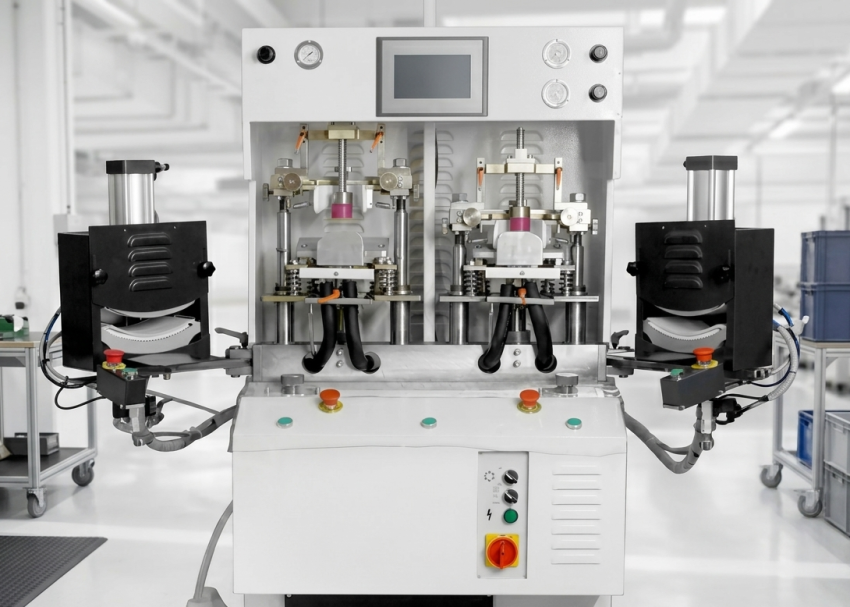
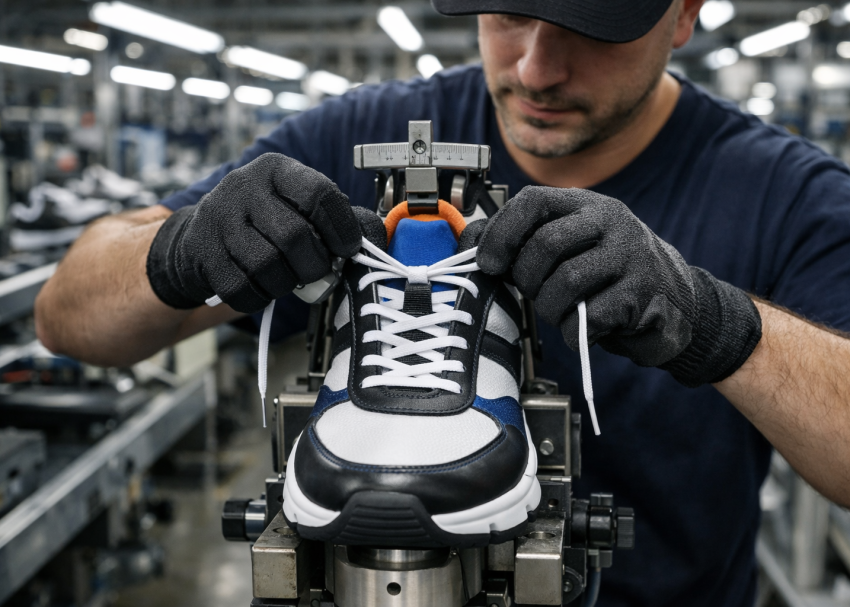
The process begins by positioning the shoe securely within the machine. Stabilizing components hold the shoe body in place while extraction mechanisms engage the heel section of the last. Rather than pulling the last abruptly, the machine applies controlled force through a programmed movement sequence.
As the extraction cycle begins, the last gradually separates from the shoe cavity. The machine continuously maintains alignment between the last and the shoe, preventing twisting or uneven force distribution. This controlled movement protects critical structural areas such as the heel counter, collar, quarter panels, and toe box.
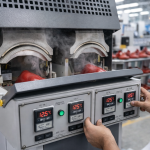
Modern equipment often includes pneumatic or servo-controlled systems that allow engineers to adjust extraction speed and force according to footwear type. Running shoes, safety footwear, and casual products may all require different settings because material stiffness and structural reinforcement vary significantly between categories.
Running shoes, safety footwear, and casual products may all require different settings because material stiffness and structural reinforcement vary significantly between categories.
Key Control Points
- Calibrate extraction force regularly
- Verify machine alignment daily
- Adjust settings by footwear category
- Monitor clamp pressure to avoid marking uppers
Pro Tip: Inspect heel counters immediately after removal rather than during finishing.
Manual De-Lasting Operations in Specialty Footwear
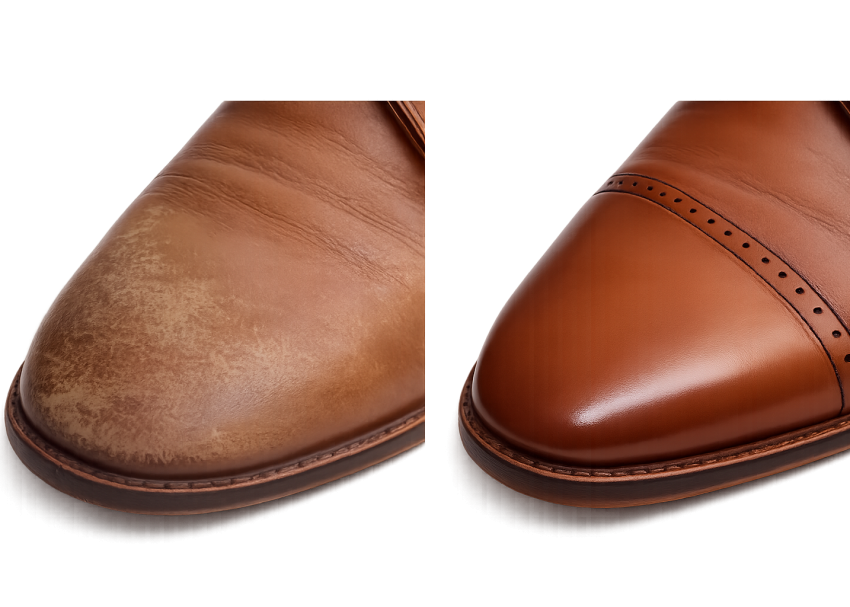
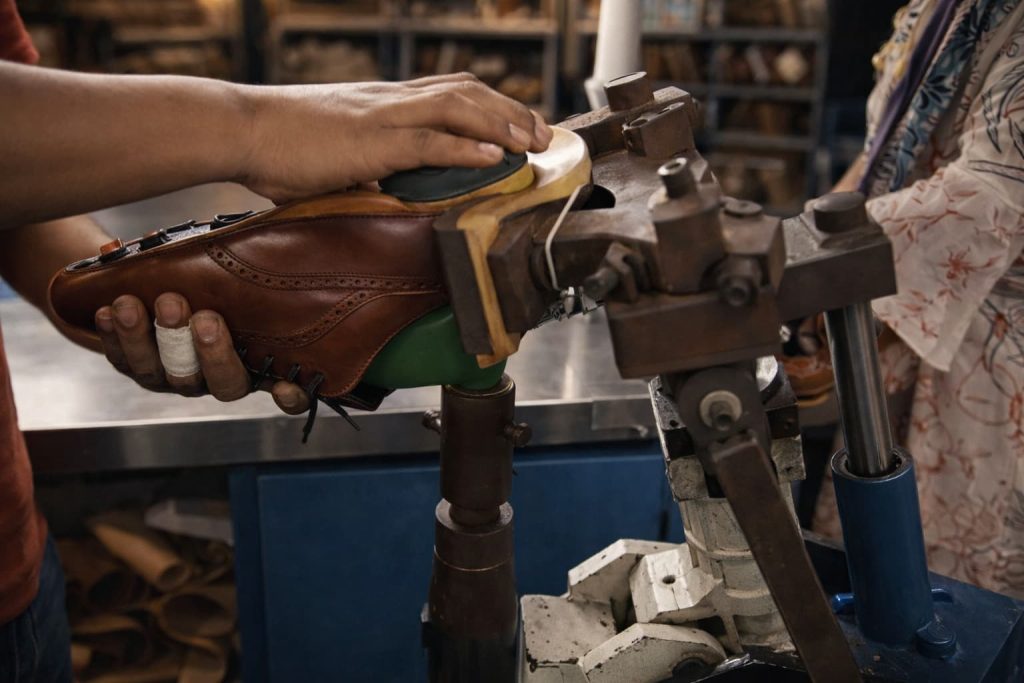
Despite advances in automation, manual de-lasting continues to play an important role in many footwear factories. Premium leather footwear, development samples, orthopedic products, luxury shoes, and small-batch production often require manual extraction methods.
In these situations, experienced operators use specially designed extraction tools to remove the last gradually. Unlike automatic systems, manual operations rely heavily on operator skill and experience. The worker must understand how the shoe responds during extraction and adjust force application accordingly.
One advantage of manual de-lasting is the ability to react immediately to unusual resistance. If the operator senses excessive friction or abnormal movement, corrective action can be taken before damage occurs. This level of feedback is difficult for conventional automated systems to replicate.
However, manual operations also introduce variability. Different operators may apply different extraction techniques, resulting in inconsistent outcomes. For this reason, factories that rely on manual de-lasting invest heavily in operator training and standardized work procedures.
The objective remains identical to automated extraction: remove the last while preserving the shape, appearance, and structural integrity of the footwear.
Key Control Points
- Standardize extraction procedures
- Train operators on force application
- Avoid twisting during removal
- Use approved extraction tools only
Pro Tip: Separate machine programs by footwear category.
The Complete De-Lasting Process Flow
A successful de-lasting operation follows a systematic sequence. The process begins before the machine cycle starts and continues through immediate post-extraction inspection. After ageing, operators verify that the footwear has completed all required stabilization periods. Shoes are then transferred to the de-lasting area and checked for correct model, size, and production status. Any footwear showing visible assembly defects is segregated before extraction.
Once positioned in the machine, the shoe body is stabilized carefully. The extraction mechanism engages the last and begins the removal cycle. Force is applied progressively rather than suddenly. As the last moves out of the shoe cavity, the upper materials gradually relax and redistribute internal tension.
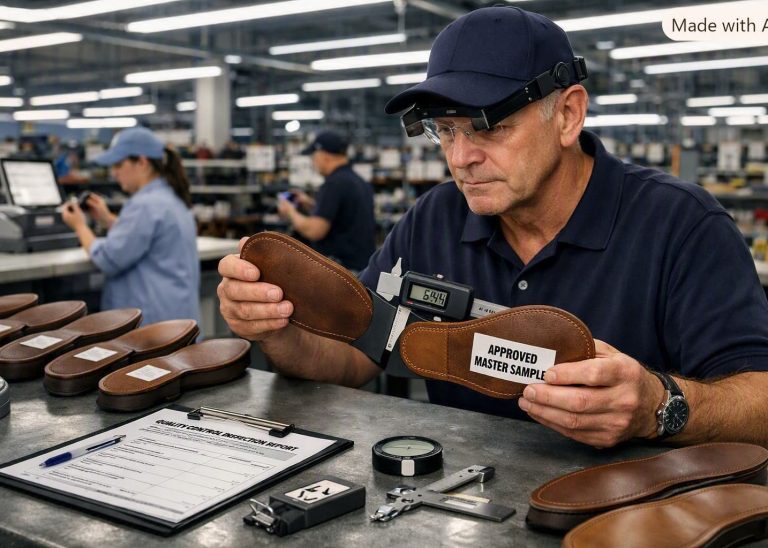
Immediately after removal, operators perform a visual assessment. This inspection is critical because shape-related defects are easiest to identify while the footwear is still adjusting to its unsupported condition.
Any evidence of heel collapse, upper wrinkling, or toe distortion must be addressed immediately.
Key Control Points
- Verify assembly completion before extraction
- Follow standardized extraction sequence
- Conduct immediate post-removal inspection
- Return lasts for cleaning and maintenance
Pro Tip: Polish lasts regularly to reduce internal friction.
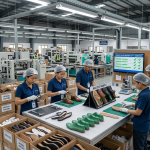
Why Heel Counters and Upper Materials Are Vulnerable During De-Lasting
Among all footwear components, heel counters, Topline and upper materials face the greatest risk during de-lasting. These areas are highly dependent on controlled force application and proper process conditions.
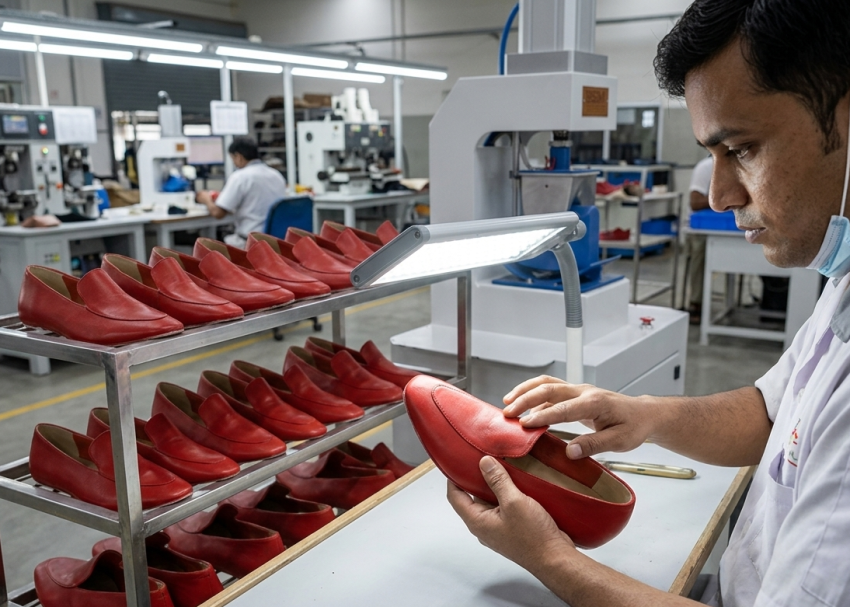
Heel counters are designed to maintain rearfoot shape and provide structural support. During lasting and ageing, the counter conforms tightly around the last geometry. If excessive extraction force is applied, the counter may deform before it has sufficient opportunity to stabilize naturally. Once deformation occurs, shape recovery is often impossible.
Upper materials face a different challenge. Leather, synthetic materials, knit constructions, and coated textiles all contain residual tension from lasting operations. When the last is removed, these tensions begin to equalize. Uneven force application can create wrinkles, folds, or localized stretching.
Footwear engineers therefore focus heavily on extraction smoothness. The goal is to allow the shoe structure to transition gradually from supported to unsupported conditions while maintaining dimensional stability throughout the process.
Key Control Points
- Monitor heel counter stability closely
- Avoid rapid extraction movements
- Check upper tension distribution
- Verify collar and quarter alignment
Pro Tip: Review ageing conditions whenever de-lasting defects increase.

Common De-Lasting Defects and Their Root Causes
Several quality issues can originate during de-lasting. While the visible defect appears at extraction, the root cause often begins earlier in the assembly process. Heel collapse and Topline Distortion are the most serious defects. These problems may result from insufficient counter activation, inadequate cooling, poor ageing conditions, or excessive extraction force.
Toe distortion often occurs when upper tension is released unevenly. In many cases, incorrect lasting conditions contribute to the problem before de-lasting begins. Upper wrinkling typically develops when soft materials encounter sudden force changes during extraction. Similarly, collar deformation may occur when stabilization systems fail to support the shoe properly.
Key Control Points
- Analyze defects by production line
- Monitor recurring extraction issues
- Investigate upstream process influence
- Track defect trends weekly
Pro Tip: Monitor left-right shoe symmetry immediately after extraction.
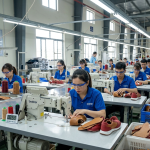
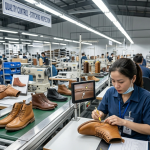
Importance of Last Condition and Maintenance
The condition of the last has a direct impact on de-lasting performance. Every extraction cycle creates small amounts of wear, and over time these effects accumulate. Scratches, dents, rough surfaces, and worn edges increase friction between the last and internal shoe components. Higher friction increases extraction force requirements and raises the probability of damage.
Well-managed factories operate structured last maintenance programs that include cleaning, polishing, dimensional verification, and scheduled replacement. These activities ensure consistent extraction performance across thousands of production cycles.
Many high-volume factories now track last usage electronically, allowing maintenance teams to identify heavily used lasts before performance deteriorates. A proactive maintenance strategy significantly reduces extraction-related defects and improves shape consistency across production lots.
Key Control Points
- Polish lasts regularly
- Remove damaged lasts immediately
- Monitor wear patterns continuously
- Maintain last tracking systems
Pro Tip: Train operators to recognize abnormal extraction resistance.
Conclusion
Last removal is often viewed as a simple extraction activity, yet it remains one of the most important shape-preservation operations in footwear manufacturing. The process represents the moment when the shoe transitions from mechanical support to structural independence. Every decision made during this stage influences appearance, fit, durability, and customer satisfaction.
Successful de-lasting depends on much more than machine capability. Ageing quality, last condition, extraction force, operator skill, maintenance practices, and inspection standards must work together to produce consistent results. When these factors are controlled effectively, footwear retains the exact geometry established during lasting and enters finishing operations in optimal condition.
In the next article of the Full Shoe Assembly Series, we will discuss Stage Inspection – Assembly in Footwear Manufacturing, covering inline quality checkpoints, defect prevention systems, inspection standards, and assembly process control methods.
Pro Tip: Include de-lasting performance in preventive maintenance audits.
Frequently Asked Questions – FAQs
What is de-lasting in footwear manufacturing?
De-lasting is the process of removing the footwear last from the completed shoe after ageing and assembly stabilization.
Why is de-lasting important in shoe production?
Proper de-lasting maintains shoe shape, prevents counter collapse, and protects upper appearance before finishing operations.
What machines are used for last removal?
Factories use automatic de-lasting machines, pneumatic pull systems, servo-controlled extractors, and manual pullers depending on product type.
What defects occur during poor de-lasting?
Common defects include heel collapse, toe distortion, upper wrinkling, lining damage, collar deformation, and shape imbalance.
Why does last condition affect de-lasting quality?
Scratched or worn lasts increase extraction friction and raise the risk of upper damage and structural distortion.
How do factories control extraction force?
Modern factories use programmable extraction systems, calibrated pneumatic settings, and force monitoring systems.
What happens after de-lasting?
After last removal, footwear enters finishing operations including cleaning, sock insertion, lacing, polishing, inspection, and packing.