Footwear Wedges: Types, Materials, Construction, Manufacturing & Quality Control
Introduction
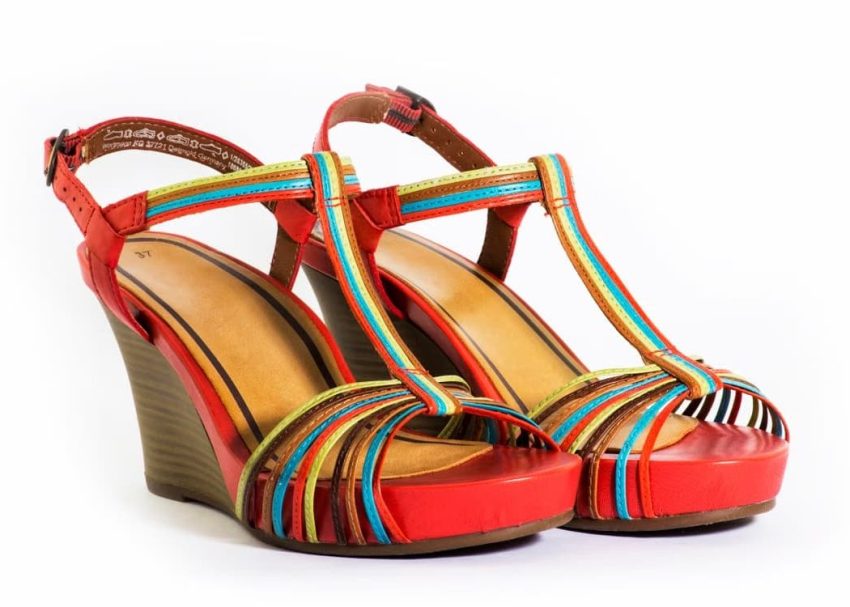
Footwear wedges combine elevation and underfoot support through a continuous or substantially continuous raised structure extending from the forefoot towards the rearfoot. Unlike footwear with a separate heel and forepart sole, a wedge distributes its geometry across a larger portion of the shoe’s bottom unit.
Manufacturers use wedges in casual footwear, sandals, fashion shoes, comfort footwear and selected occupational designs. However, their performance depends on more than appearance. Material density, wedge geometry, structural stiffness, attachment integrity and outsole grip all influence durability and wearer stability.
Types of Footwear Wedges
Footwear designers classify wedges according to their geometry, materials and intended application. In particular, the main design distinction concerns how the raised structure extends beneath the foot and interacts with the outsole and upper.
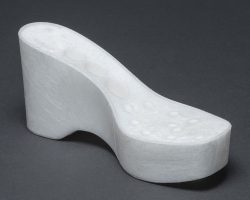
Full wedge
Provides a continuous raised profile from the forefoot towards the rearfoot. Its height difference and longitudinal profile determine the shoe’s elevation and underfoot geometry.
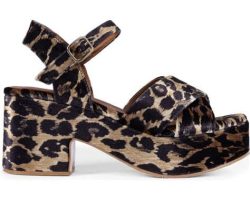
Platform wedge
Combines a relatively thick forepart platform with a raised rear section. As a result, this arrangement can reduce the difference between forefoot and rearfoot thickness compared with a wedge without a platform.
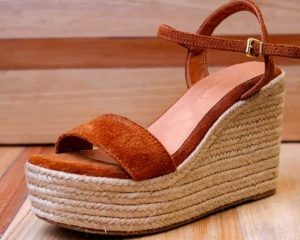
Espadrille-style wedge
Commonly combines a shaped core with textile or decorative natural-fibre rope wrapping. The covering creates its characteristic appearance, although the structural core usually carries the main load.
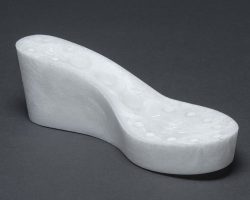
Moulded wedge
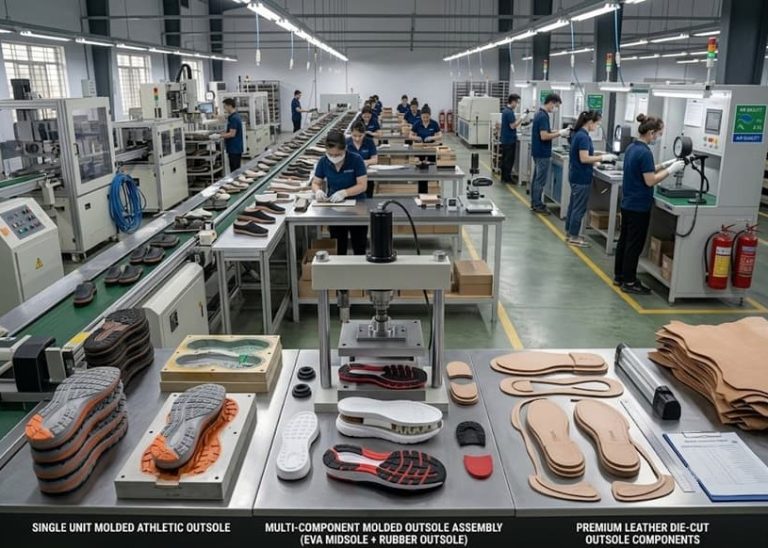
Uses shaped materials such as EVA or polyurethane. This manufacturing approach allows producers to achieve repeatable contours, integrated features and controlled surface geometry.
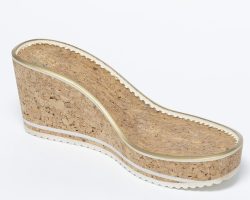
Cork or cork-composite wedge
Uses natural cork or an engineered cork composite, sometimes with a polymer binder or supporting core. Therefore, manufacturers must consider density, cohesion and moisture protection when selecting this material.
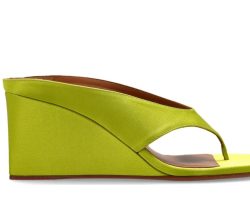
Wrapped or covered wedge:
Uses a structural wedge body with a leather, synthetic, textile, film or decorative outer covering to achieve the desired appearance.
These categories can overlap. For example, a manufacturer may produce a platform wedge from EVA and finish its surface with a synthetic wrap.
Wedge Anatomy and Structural Design
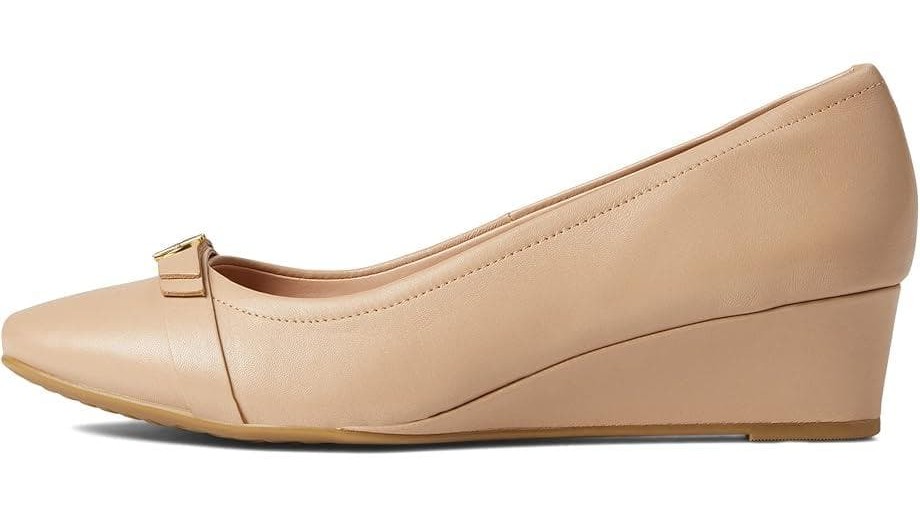
A wedge bottom unit consists of several interacting components rather than one decorative shape.
The wedge body provides the principal volume and establishes the height profile. Its geometry affects foot position, available contact area and load distribution during standing and walking. Meanwhile, the footbed or insole supports the foot and may incorporate cushioning, contouring or a lasting platform. The outsole, in contrast, provides ground contact, traction and abrasion resistance.
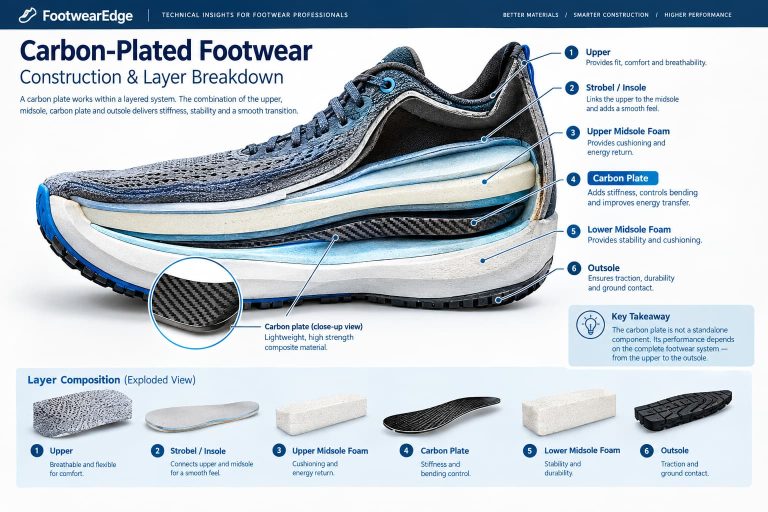
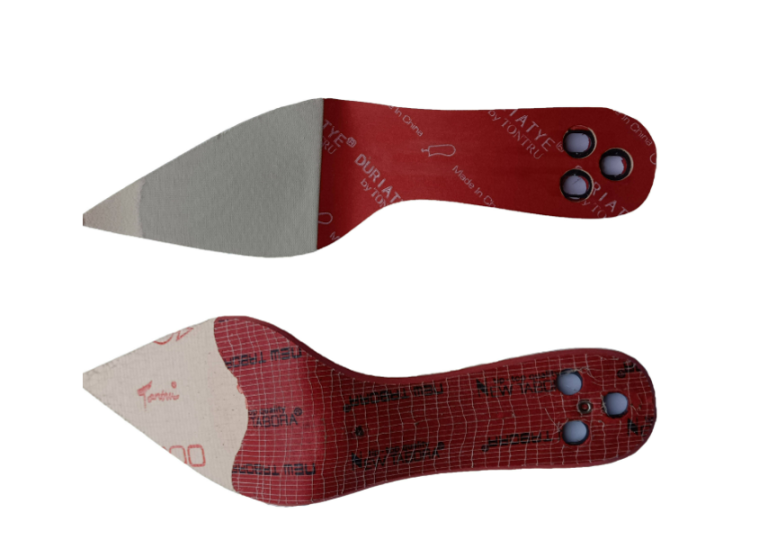
Depending on the design, manufacturers may also incorporate a midsole, reinforcing inserts, a shank or stiffening element, a top covering and a decorative wrap. However, not every construction requires all these components.
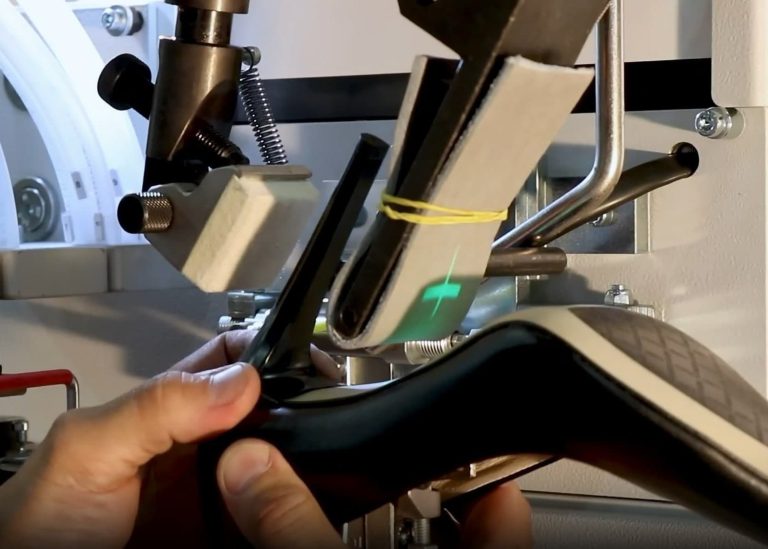
The wedge’s overall dimensions and stiffness also influence its response to uneven loading. For instance, a narrow contact region, uncontrolled deformation or unsuitable material selection may contribute to instability. A stiff insert can help control bending where necessary. However, excessive rigidity may reduce the intended flexibility.
Materials Used in Footwear Wedges
Material selection depends on weight, cushioning, compression behaviour, dimensional stability, finishing requirements, cost and the intended service conditions.
Material | Typical advantages | Key considerations |
EVA | Lightweight, cushioning, readily moulded | Compression set, density consistency and dimensional stability |
Polyurethane (PU) | Can provide cushioning, support and moulded detail | Formulation, processing control, hydrolysis resistance where relevant |
Cork and cork composites | Natural appearance, low weight in suitable constructions | Cohesion, edge damage, moisture exposure and dimensional consistency |
Rubber | Traction, abrasion resistance and durable ground contact | Higher weight in many formulations and potentially greater stiffness |
Wood or engineered wood | Distinctive appearance and rigid construction | Moisture response, cracking, finishing and attachment design |
TPU and other thermoplastics | Useful for defined shapes, reinforcement or structural features | Hardness, flex behaviour, bonding compatibility and moulding requirements |
However, material names alone do not establish performance. For example, two EVA or PU compounds can behave differently because of formulation, density, hardness, cell structure and processing conditions.
Manufacturers can also combine different materials within one wedge assembly. A hybrid design may use a lightweight core, a rubber outsole and a decorative outer covering. This approach can balance weight, grip and appearance, provided the manufacturer selects compatible materials for each interface.
Wedge Construction and Attachment Methods
Manufacturers produce wedges either as single moulded components or as assemblies of several layers. The selected construction influences dimensional accuracy, weight, repairability and the number of potential failure interfaces.
In a one-piece moulded construction, the manufacturer forms the wedge profile directly inside a mould. This method can reduce assembly operations and improve dimensional consistency when the factory controls tooling, material preparation and processing parameters.
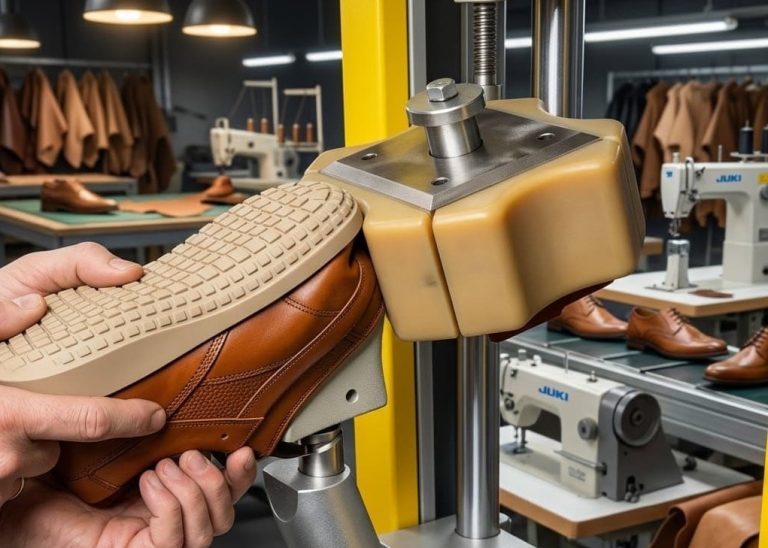
In contrast, a layered construction combines the wedge body with a midsole, outsole, footbed or reinforcement. Manufacturers commonly use adhesive bonding for compatible material combinations. However, they may select mechanical fixing or alternative joining methods for specific designs. In every case, the joining method must suit the materials, surface condition and expected loading.
For wrapped constructions, workers apply the covering around the wedge body and finish it along the edges or sole interface. During this operation, they must control material tension and adhesive application. Otherwise, the finished component may develop wrinkles, uneven tension, exposed edges or adhesive contamination.
Typical attachment approaches include:
For closed-shoe constructions, ISO 17708:2018 provides a whole-shoe method for evaluating upper-to-sole adhesion and certain layer-separation failures. However, manufacturers must check the method’s applicability and specimen preparation against the actual wedge assembly. The standard does not establish a universal wedge-strength requirement.
Structural Performance and Quality Control
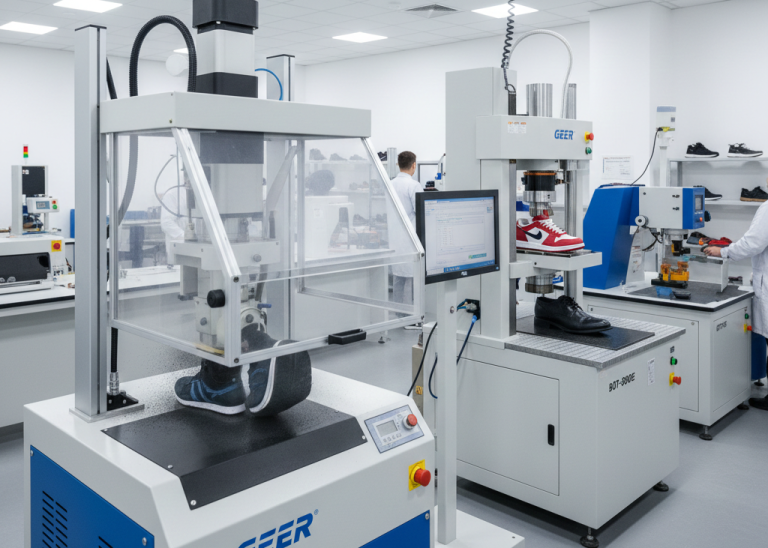
Wedge quality must be evaluated at both component and finished-shoe levels. A visually acceptable wedge can still suffer from excessive deformation, cracking, poor attachment or inadequate ground-contact performance.
Inspection should focus on the complete design and its intended use.
Quality characteristic | What to inspect or measure |
Dimensional accuracy | Wedge height, length, width, profile and left-right consistency |
Material consistency | Specified density or hardness, visible voids, contamination and surface defects |
Structural integrity | Cracks, splits, local collapse, excessive deformation and damage around inserts |
Attachment quality | Separation, gaps, incomplete bonding, loose fasteners and exposed interfaces |
Surface finish | Wrinkles, uneven wrapping, colour mismatch, mould marks and trimming defects |
Functional performance | Grip, abrasion, flex behaviour where applicable, and finished-shoe stability |
Conclusion
Footwear wedges are integrated structural systems in which geometry, material selection, construction and attachment work together. Their quality cannot be judged by appearance or material hardness alone.
Reliable wedge footwear starts with a design suited to the intended use, continues through controlled manufacturing and bonding, and is verified through appropriate inspection and testing. By linking component specifications with validated process controls and product-specific acceptance criteria, manufacturers can improve consistency, durability and finished-shoe performance.