Lining Trimming in Upper Footwear Manufacturing – Stitching Process Series
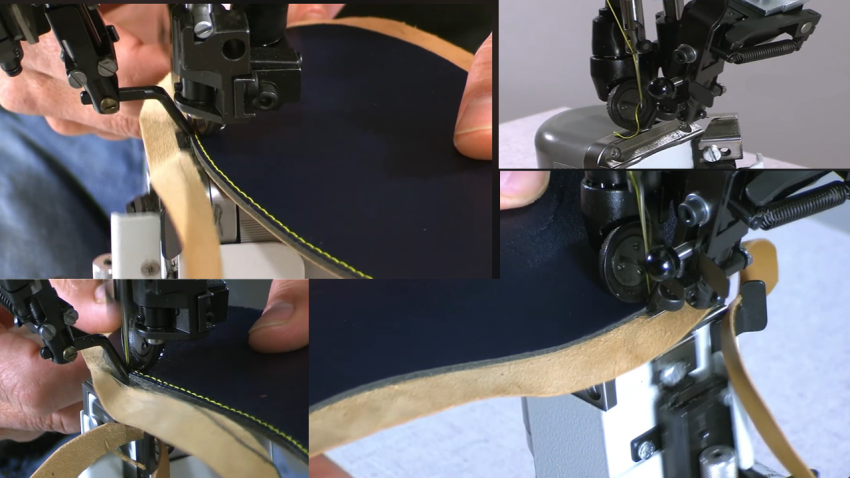
Lining trimming is a critical finishing operation in upper preparation. After lamination and folding, excess lining extends beyond the upper edge. Therefore, precise trimming ensures clean alignment, improves appearance, and supports accurate stitching in subsequent operations.
Lining Trimming Process in Upper Manufacturing
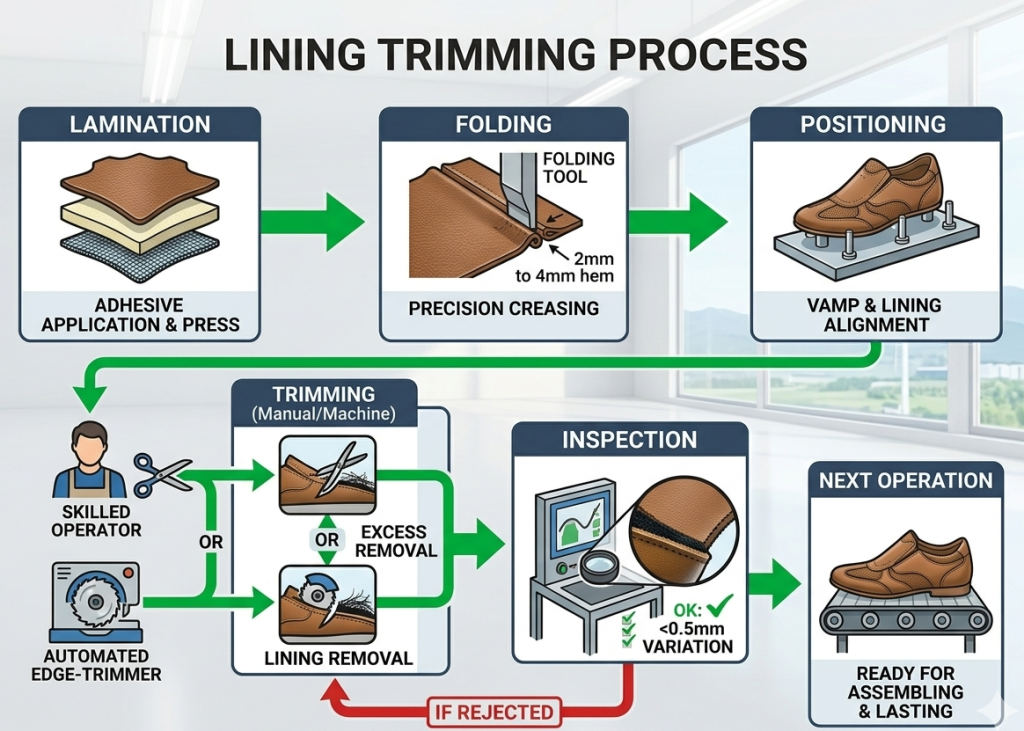
Lining trimming refers to removing excess lining material so that it matches the exact contour of the upper edge. Typically, this operation follows lamination, folding, or stitching preparation stages where lining overhang is unavoidable.
This step is essential because excess lining creates bulk, affects seam accuracy, and leads to poor visual finish. Moreover, uneven edges can cause stitching deviations and discomfort during wear. Hence, controlled trimming directly impacts both quality and productivity.
In practice, operators first secure the upper component. Then, they identify the excess lining beyond the edge. Depending on production scale and material type, trimming is performed manually or using machines. Finally, operators verify that the trimmed edge aligns uniformly with the upper.
Key Control Points:
- Ensure lining overhang is visible and accessible before trimming
- Maintain consistent edge distance without cutting into upper material
- Avoid fraying or uneven cuts, especially on synthetic linings
- Perform visual inspection for alignment accuracy
Courtesy: DUERKOPP ADLER
Pro Tip :
Use guide attachments to maintain consistent trimming margin
Conduct periodic operator skill evaluation
Manual Lining Trimming
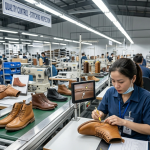
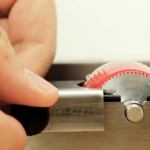
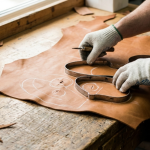
Manual trimming is carried out using scissors or hand knives. This method is widely used in low-volume production, sample rooms, and for complex shapes where machine trimming is difficult.
Operators hold the upper firmly and trim along the edge using steady hand movement. Although manual trimming offers flexibility, it depends heavily on operator skill. Therefore, inconsistency risk increases if proper training is not ensured.
However, manual trimming is beneficial for delicate materials and intricate designs where machine access is limited. It also allows better control in curved or tight areas.
Key Control Points:
- Use sharp tools to avoid jagged edges
- Maintain steady hand positioning for uniform trimming
- Avoid over-cutting into upper material
- Train operators for consistent trimming standards
Pro Tip : Always match blade type with material (leather vs synthetic)
Machine-Based Lining Trimming
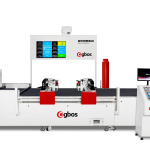
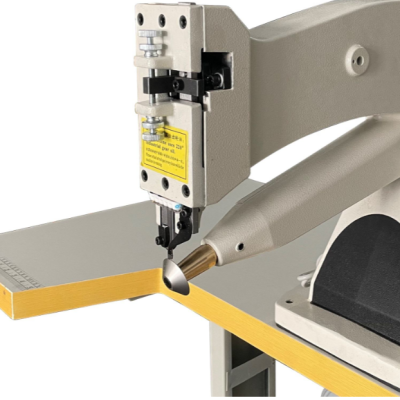
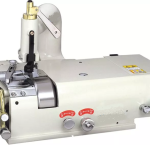
Machine trimming improves consistency, speed, and productivity. It is commonly used in mass production environments where uniformity is critical.
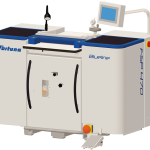
In this process, the upper is fed into a trimming machine equipped with rotating blades or cutting systems. The machine trims excess lining precisely along the edge. As a result, it reduces operator dependency and improves output consistency.
Courtesy : BSM
Additionally, machine trimming minimizes fatigue and increases efficiency. However, proper machine setting and maintenance are essential to prevent defects such as uneven cuts or material damage.
Key Control Points:
- Adjust blade position according to upper thickness
- Ensure consistent feeding speed
- Regularly check blade sharpness
- Avoid excessive pressure during trimming
Pro Tip : Implement inline inspection after trimming operation
Stitching Machine with Trimmer Attachment
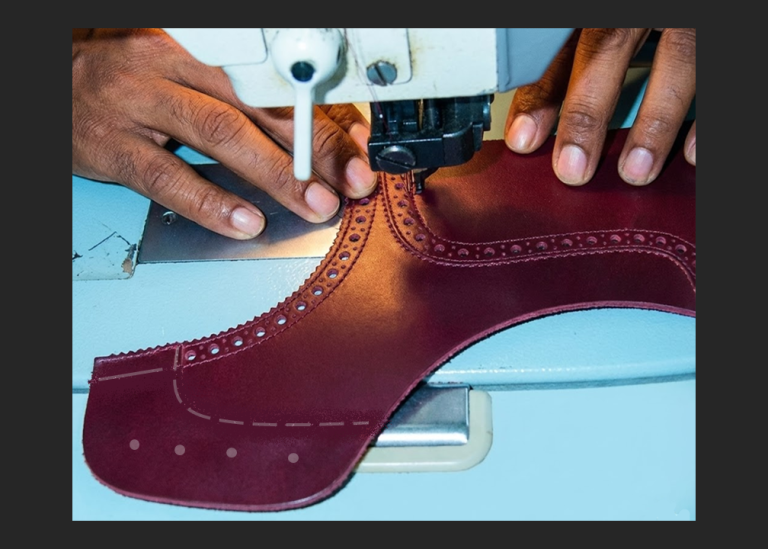
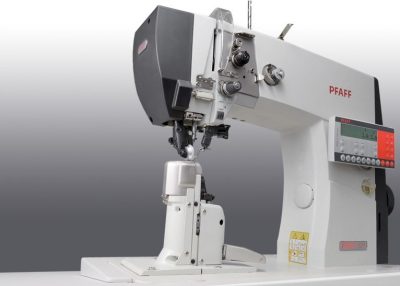
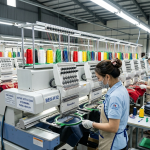
In advanced setups, stitching machines are equipped with trimmer attachments. These machines perform stitching and trimming simultaneously, improving process efficiency.
During operation, the machine stitches the upper while trimming excess lining along the seam line. This reduces handling time and ensures precise alignment between stitching and trimming.
This method is particularly useful in high-volume production where cycle time reduction is critical. However, synchronization between stitching and trimming must be properly controlled.
Key Control Points:
- Synchronize trimming blade with stitch line
- Maintain consistent stitch margin
- Regularly calibrate machine settings
- Inspect for edge damage after trimming
Pro Tip :
Maintain spare blades to avoid production delays
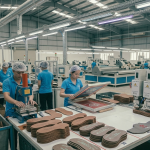
Use lighting fixtures to improve edge visibility
Common Defects in Lining Trimming
Improper trimming can lead to multiple quality issues affecting both appearance and performance.
- Uneven edge alignment
- Over-trimming (cutting into upper material)
- Frayed lining edges
- Bulkiness due to insufficient trimming
These defects often arise from poor operator skill, incorrect machine settings, or dull blades. Therefore, proper monitoring is essential.
Key Control Points:
- Inspect edges after trimming
- Replace worn-out blades regularly
- Train operators on defect identification
- Standardize trimming guidelines
Pro Tip :
Standardize trimming allowance for each product type
Combine trimming with stitching wherever possible to reduce handling
Frequently Asked Questions – FAQs
1. Why is lining trimming important in footwear manufacturing?
It ensures clean edges, improves appearance, and supports accurate stitching operations.
2. Can lining trimming be fully automated?
Yes, in high-volume production, automatic trimming machines are widely used.
3. What tools are used for manual trimming?
Scissors and hand knives are commonly used.
4. What is the main risk in lining trimming?
Over-cutting into upper material and uneven edges.
5. How to improve trimming consistency?
Use machines, proper blade settings, and operator training.
6. Which materials are difficult to trim?
Synthetic linings and stretch materials require careful handling.
7. When to use stitching machines with trimmer attachment?
In high-volume production where cycle time reduction is critical.
Explore other Stitching Process Series
- Stitching Process in Footwear Manufacturing: From Cutting to Closing Assembly in Shoe Production
- Component Marking After Cutting/Clicking–Stitching Process Series
- Component Embroidery in Footwear Manufacturing–Stitching Process Series
- Component Splitting in Footwear Manufacturing–Stitching Process Series
- Reinforcement (Backers & Tapes) Process in Footwear Manufacturing – Stitching Process Series
- Component Printing in Footwear Manufacturing – Stitching Process Series
- Nosew Application in Footwear Manufacturing – Stitching Process Series
- Component Folding in Footwear Manufacturing – Stitching Process Series
- Stitching Assembly Process in Upper Manufacturing (Part 1)– Stitching Process Series
- Stitching Assembly Defects, Line Balancing & Productivity (Part 2)– Stitching Process Series
- Cementing in Upper Manufacturing (Stitching Support Process)– Stitching Process Series