Component Skiving in Footwear Manufacturing–Stitching Process Series
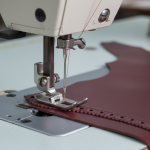
Component skiving is a critical pre-stitching operation in footwear manufacturing. It directly influences stitch quality, seam strength, folding accuracy, and final product aesthetics. Therefore, improper skiving leads to bulkiness, poor folding, and visible defects in finished shoes.
In modern factories, skiving is controlled through precision machines, trained operators, and strict inspection standards to ensure consistency across large production volumes.
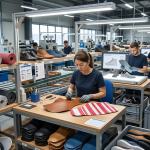
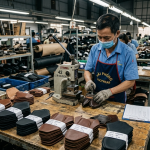
Component Skiving
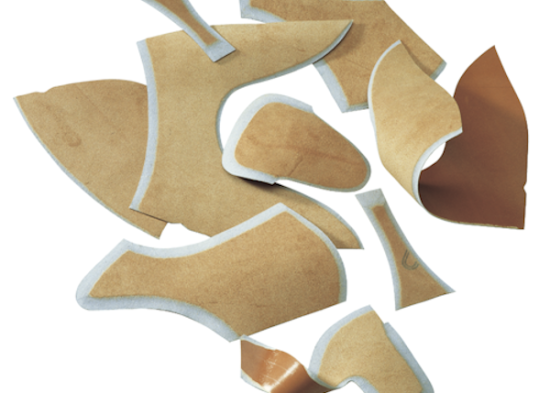
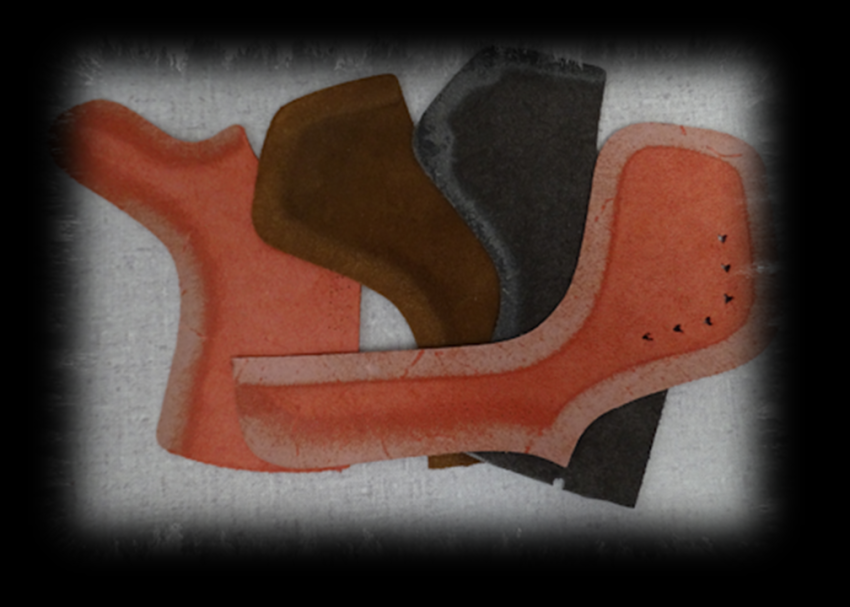
Component skiving is the controlled thinning of material edges—primarily leather and synthetic components—before stitching or folding. It ensures smooth joining, reduces bulk, and improves flexibility in critical areas such as seams and folds.
From a production standpoint, skiving is essential because thick edges create uneven seams, needle breakage, and poor bonding during folding operations. Moreover, consistent thickness ensures uniform appearance across all pairs, which is critical for branded footwear.
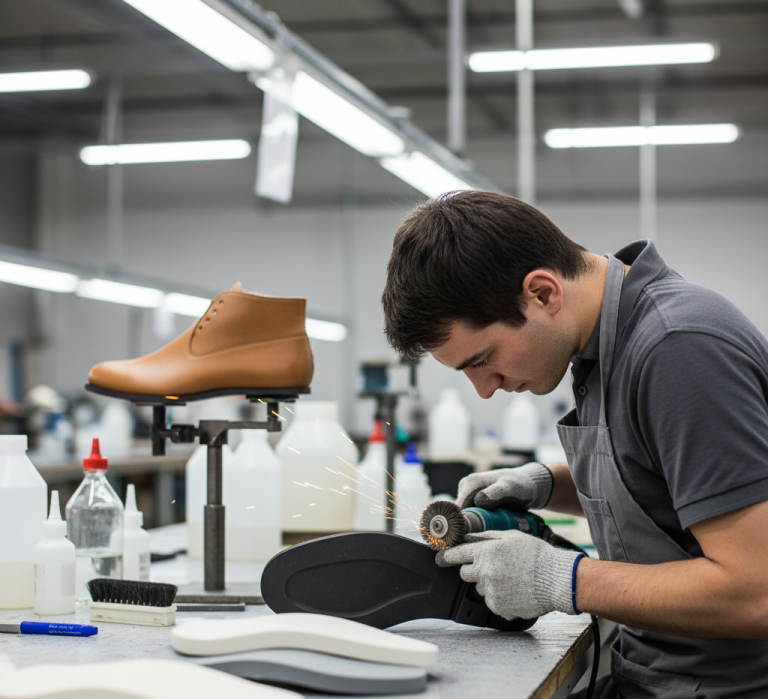
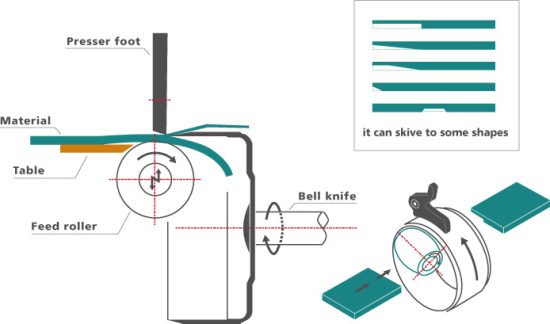
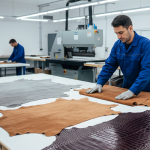
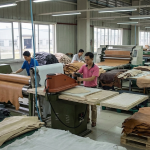
In factory execution, operators feed components into a skiving machine where a rotating knife trims the underside of the material. Depending on the requirement, skiving can be straight, feathered, or stepped. Additionally, machine settings such as feed speed, knife angle, and pressure foot are adjusted based on material type and thickness.
Key Control Points:
- Maintain uniform skiving width and depth across batches
- Avoid over-skiving, which weakens material strength
- Ensure knife sharpness to prevent rough edges
- Match skiving type with stitching/folding requirement
Pro Tip :
Use separate machine settings for leather and synthetic materials
Train operators to identify early signs of over-skiving
Types of Skiving
Skiving types in footwear manufacturing are not only defined by shape but also by application in construction. Therefore, selecting the correct type directly affects seam strength, appearance, and durability.
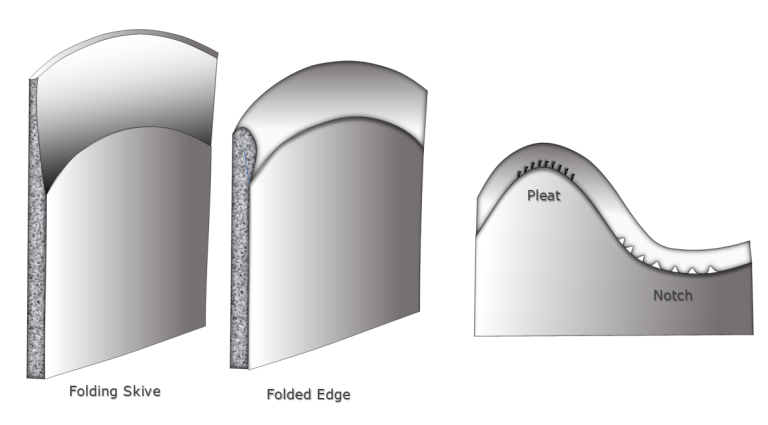
Folding Skiving
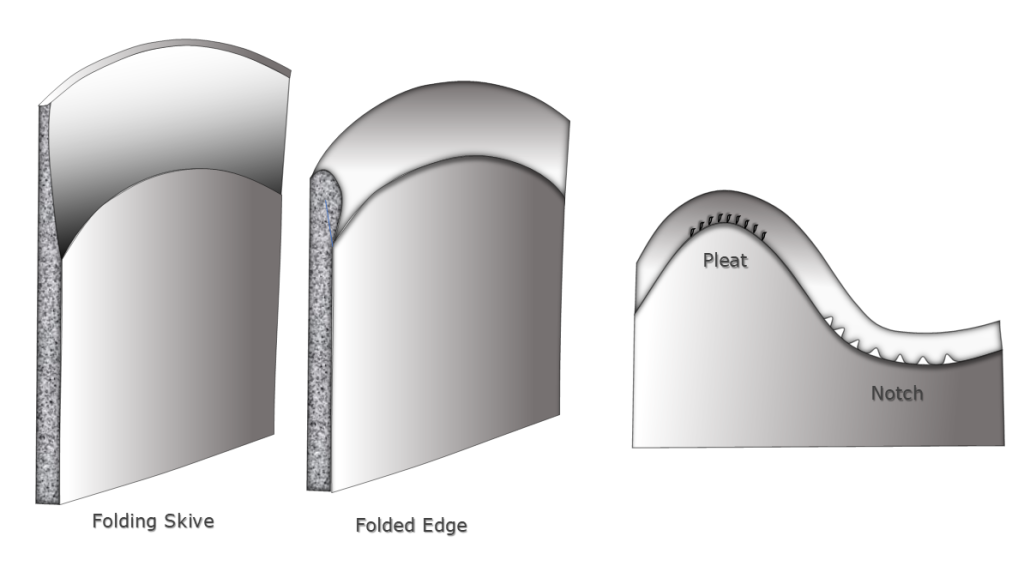
Folding skiving is applied where component edges are folded inward to create clean, finished edges. It is widely used in uppers, collars, and toplines.
In execution, operators perform feather skiving, gradually reducing thickness toward the edge. This allows smooth folding without creating visible ridges. Additionally, adhesive bonding becomes more effective due to reduced bulk.
Key Control Points:
- Maintain gradual feather transition for smooth folding
- Ensure uniform skiving width along full edge
- Avoid over-thinning at fold line
- Align skiving with folding margin specification
Lap / Underlay Skiving
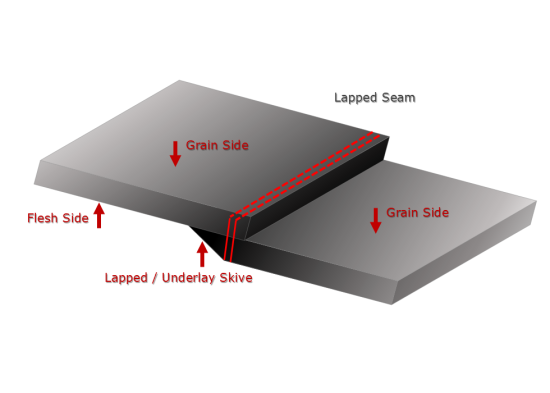
Lap skiving is used when one component overlaps another, such as panel joining in uppers.
In practice, the overlapping edge is skived to reduce thickness, ensuring the joint remains flat after stitching. This prevents bulky seams and improves visual consistency.
Key Control Points:
- Maintain consistent thickness at overlap zone
- Ensure proper alignment with stitching margin
- Avoid sharp thickness variation at lap edge
- Match skiving depth with material combination
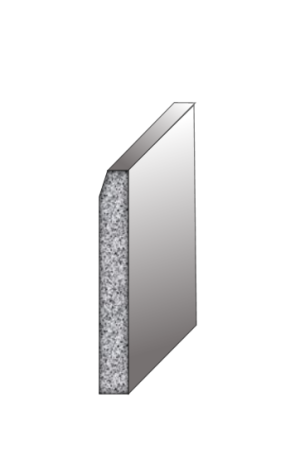
Raw Edge Skiving
Raw edge skiving is applied where edges remain exposed without folding, especially in casual or open-edge designs.
Here, light skiving reduces edge thickness slightly to improve appearance while maintaining strength. Operators must ensure edges remain clean and smooth.
Key Control Points:
- Avoid excessive thinning to maintain durability
- Ensure smooth edge finish without fraying
- Maintain uniform edge thickness
- Control knife sharpness to prevent rough cuts
Pro Tip :
Avoid using basic machines for foam or laminated materials
Standardize skiving width templates for each style
Grain Skiving
Grain skiving removes material from the top (grain side) instead of the flesh side. It is used in specialized constructions and design effects.
In execution, this requires high precision because the grain surface defines product aesthetics. Therefore, only skilled operators handle this process.
Key Control Points:
- Protect grain surface from damage
- Maintain consistent depth without cutting through
- Use fine-adjusted machine settings
- Perform trial runs before production
Matrix Splitting
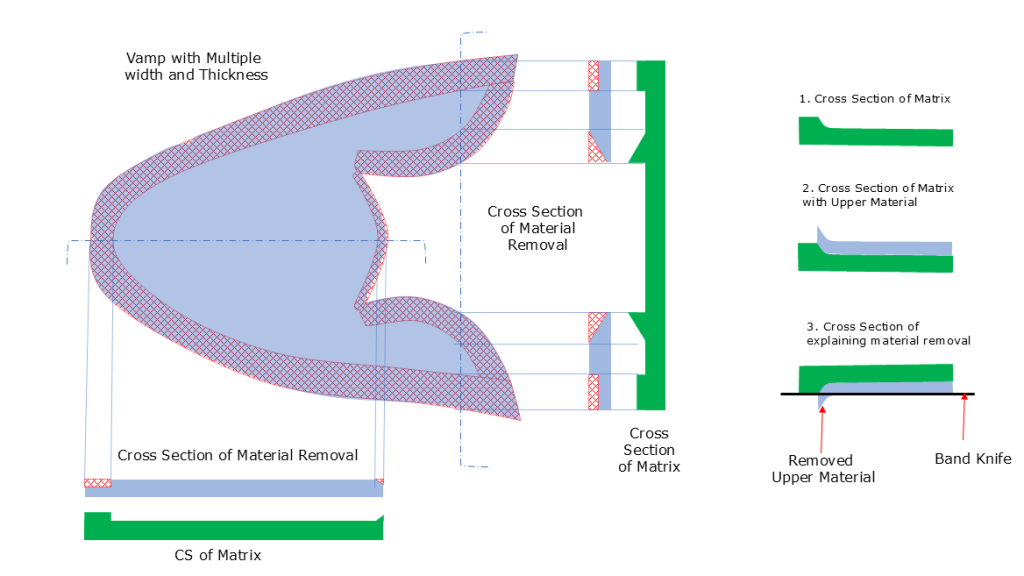
Matrix splitting reduces thickness across the entire component rather than only edges. It is commonly used for thick leather or multilayer materials.
In factories, splitting machines are used instead of standard skiving machines. This ensures uniform thickness throughout the component.
Key Control Points:
- Maintain uniform thickness across full surface
- Avoid uneven splitting marks
- Calibrate machine regularly
- Match thickness with design requirement
Closed Seam Skiving
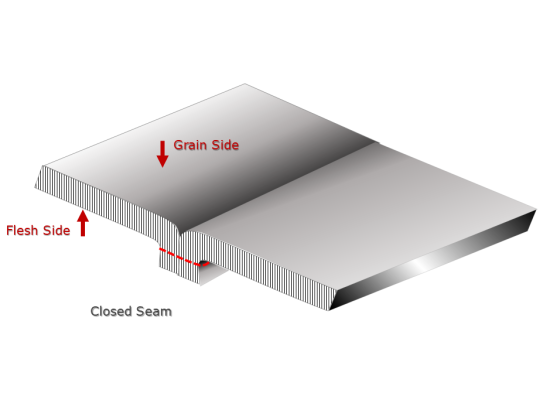
This seam skiving is applied in constructions where seams are enclosed inside layers. Edges are skived to reduce bulk within the seam, ensuring smooth internal finishing and comfort.
Key Control Points:
- Maintain balanced thickness on both joining edges
- Avoid internal bulk formation
- Ensure compatibility with stitching type
- Prevent seam visibility from outside
Pro Tip :
Maintain a skiving parameter chart for each product style
Replace or sharpen knives at defined intervals
Types of Skiving Machines
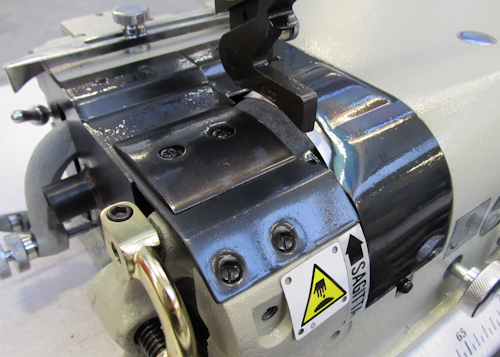
Skiving machines vary based on automation level, material handling capability, and precision control. Therefore, selecting the right machine improves both quality and productivity.
Manual Skiving Tools
Manual tools include hand knives used for small-scale operations or sampling. Operators manually control thickness and angle, which requires high skill. However, consistency is limited compared to machines.
Key Control Points:
- Use only for sampling or low-volume work
- Maintain sharp blade condition
- Ensure skilled operator handling
- Avoid use for bulk production
Basic Bell Knife Skiving Machine
This is the most commonly used machine in footwear factories. It uses a rotating circular knife (bell knife) with manual adjustments for thickness and width. It is suitable for leather and standard synthetic materials.
Key Control Points:
- Regular knife sharpening is essential
- Adjust pressure foot based on material
- Maintain steady feed speed
- Ensure proper dust extraction
Heavy-Duty Skiving Machines
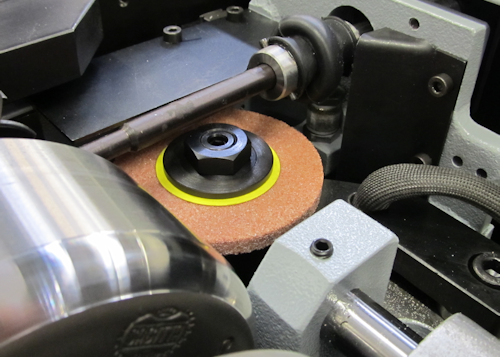
These machines are designed for thick materials such as heavy leather, safety shoes, and industrial footwear. They feature stronger motors, wider feed systems, and enhanced durability.
Key Control Points:
- Use for thick or multilayer materials
- Avoid overloading standard machines
- Ensure proper machine calibration
- Monitor motor performance
Pro Tip :
Track machine performance and downtime regularly
Train operators to identify material behavior differences
Servo-Controlled Skiving Machines
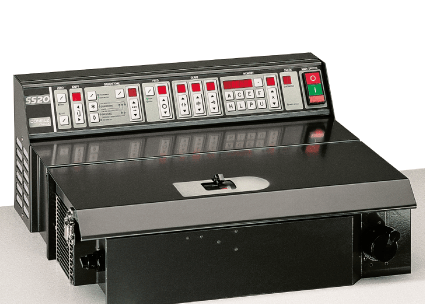
These machines offer better precision through servo motors controlling feed and knife movement. They are ideal for high-end footwear where consistency is critical.
Key Control Points:
- Program settings based on material type
- Ensure operator training for digital controls
- Maintain calibration for accuracy
- Use for precision components
Automatic / CNC Skiving Machines
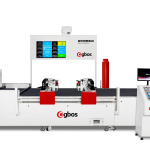
Advanced factories use CNC or automated skiving machines integrated with production lines.These machines ensure repeatability, reduce operator dependency, and improve productivity.
Key Control Points:
- Use for high-volume production
- Ensure proper programming and setup
- Monitor consistency across batches
- Maintain preventive maintenance schedule
Why Different Machines Are Used for Different Materials
Different materials behave differently under skiving conditions. Therefore, machine selection is critical.
- Leather: Requires sharp knives and controlled pressure
- Synthetic materials: Need slower speeds to prevent melting
- Foam-backed materials: Require stable feeding to avoid delamination
- Thick materials: Need heavy-duty machines
Key Control Points:
- Match machine type with material characteristics
- Adjust speed and pressure accordingly
- Perform trials before bulk production
- Maintain separate settings for each material
Pro Tip :
Use trial runs before starting bulk production
Standardize skiving templates for repeatability
Material Considerations
Different materials behave differently during skiving. Therefore, understanding material characteristics is essential for achieving consistent results.
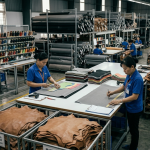
Leather responds well to skiving but requires precise control to avoid tearing. Synthetic materials, on the other hand, may melt or fray if machine settings are incorrect. Furthermore, laminated or foam-backed materials require special handling to prevent delamination.
In practice, operators adjust knife sharpness, speed, and pressure depending on material type. For example, soft leather requires gentle pressure, while synthetic materials may need slower speeds to prevent heat buildup.
Key Control Points:
- Adjust settings for each material type
- Prevent heat damage in synthetic materials
- Avoid tearing in soft or thin leather
- Test skiving on sample pieces before bulk production
Expert Insight:
Always perform first-piece approval before bulk production
Use servo machines for premium products requiring precision
Skiving for Folding Operations
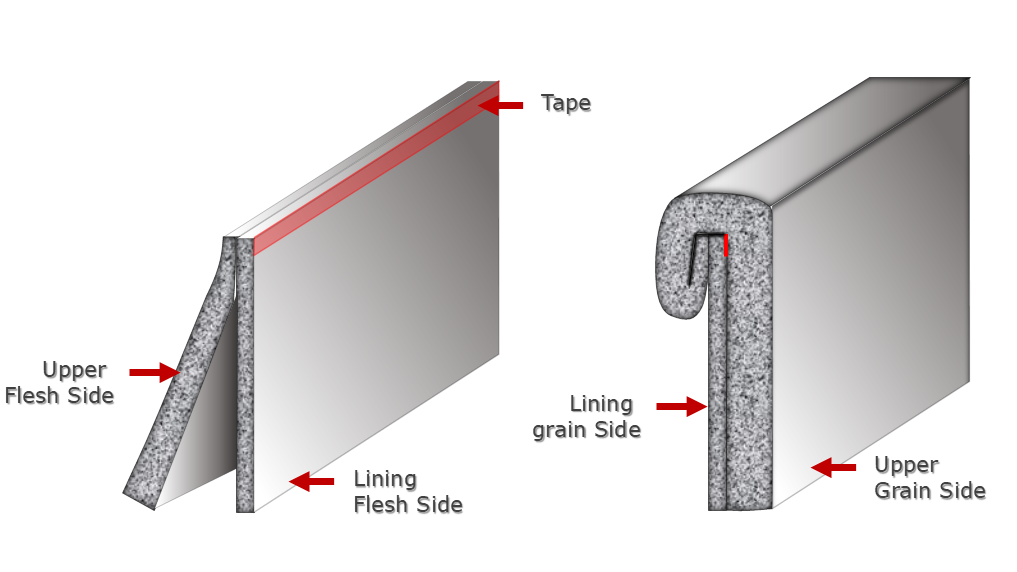
Skiving plays a vital role in folding operations, where material edges are turned inward for clean finishing. Without proper skiving, folds become bulky and uneven.
In execution, feather skiving is commonly applied to folding edges. This reduces thickness gradually, allowing smooth folding without visible ridges. Additionally, adhesive application becomes more effective on properly skived surfaces.
Operators must ensure consistent skiving width along the entire edge. Any variation leads to uneven folds, which directly affects product quality and appearance.
Key Control Points:
- Maintain consistent skiving width for uniform folding
- Ensure smooth feather edge for clean finish
- Avoid over-thinning, which weakens fold strength
- Coordinate skiving with adhesive application process
Expert Insight:
Monitor operator performance regularly
Integrate skiving quality checks into inline inspection
Quality Inspection in Skiving
Quality inspection ensures that skived components meet required specifications before moving to stitching. It prevents defects from progressing further in production.
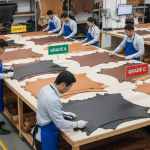
Inspectors check skiving width, thickness, smoothness, and consistency across components. Additionally, they verify that no cuts, tears, or uneven edges are present. Visual inspection combined with tactile checks is commonly used.
In high-volume factories, standard samples are maintained as references. Operators and inspectors compare production output against these standards to ensure consistency.
Key Control Points:
- Check uniform thickness across edges
- Inspect for rough or uneven skiving marks
- Reject components with cuts or damage
- Use standard samples for comparison
Expert Insight: Use feather skiving for folding and lap skiving for overlapping seams
Global Skiving Machine Suppliers
Fortuna GmbH
Germany-based manufacturer known for high-precision skiving and splitting machines. Widely used in premium footwear factories. Machines are durable, accurate, and suitable for leather processing.
Website: https://www.fortuna-gmbh.de
Fratelli Alberti
Italy-based company specializing in leather processing machinery. Known for advanced bell knife skiving machines with high precision and reliability for luxury footwear production.
Web: https://www.fratellialberti.com/en/skiving-machines/
Camoga
Italy-based manufacturer offering a wide range of leather cutting and skiving machines. Strong presence in global footwear factories with robust and efficient solutions.
Website: https://www.camoga.it
Sagitta Officina Meccanica
Italy-based company producing high-performance skiving machines. Known for innovation, precision engineering, and suitability for both leather and synthetic materials.
Website: https://www.sagitta.it/
Nippy Sewing Machine Co.
Japan-based company known for compact and highly reliable skiving machines. Widely used in Asia for both leather and synthetic footwear production.
Website: https://www.nippy.co.jp
Taizhou Hongda Machinery
China-based manufacturer offering cost-effective skiving machines. Popular in mass production factories due to affordability and decent performance.
Website: http://www.chinahongda.com
Yamata Sewing Machine
China-based global supplier of industrial sewing and skiving machines. Known for economical solutions suitable for mid-scale footwear factories.
Website: https://www.yamata.com
Golden Wheel Sewing Machine
Taiwan-based company producing high-quality industrial machines. Known for durable skiving machines with consistent performance in footwear production.
Website: https://www.golden-wheel.com
Expert Insight: Maintain separate machines or settings for leather vs synthetic
Frequently Asked Questions – FAQs
1. What is the purpose of skiving in footwear manufacturing?
It reduces material thickness at edges to improve stitching, folding, and overall finish.
2. Which materials require skiving?
Primarily leather and synthetic upper materials, especially in stitching and folding areas.
3. What happens if skiving is not done properly?
It leads to bulky seams, poor folding, and reduced product quality.
4. Which machine is commonly used for skiving?
Bell knife skiving machines are widely used in footwear factories.
5. Can skiving damage materials?
Yes, incorrect settings can cause tearing, uneven edges, or heat damage.
6. How is skiving quality checked?
Through visual inspection, thickness checks, and comparison with standard samples.
Explore other Stitching Process Series
- Stitching Process in Footwear Manufacturing: From Cutting to Closing Assembly in Shoe Production
- Cutting/Clicking in Footwear Stitching – Stitching Process Series
- Cut Component inspection after cutting/clicking – Stitching Process Series
- Cut Component Pairing & Match Marking After Cutting / Clicking-Stitching Process Series
- Cut Component Stamping After Cutting / Clicking – Stitching Process Series
- Cut Component Bundling After Cutting/Clicking-Stitching Process Series
- Component Marking After Cutting/Clicking–Stitching Process Series
- Component Branding in Footwear Manufacturing–Stitching Process Series
- Component Embroidery in Footwear Manufacturing–Stitching Process Series