Chilling Operations in Outsole Process: Outsole (Stock Fitting) Assembly Series
After Outsole Pressing, the bonded outsole assembly remains warm because of heat activation and pressing. The next operation is Chilling, which rapidly reduces the assembly temperature and stabilises the bonded components before further handling.
In the previous blog, Outsole Pressing Operations in Outsole Process: Outsole (Stock Fitting) Assembly Series, we discussed how controlled pressure ensures proper contact between the bonded components. Chilling follows this operation and helps maintain that achieved alignment while the adhesive stabilises.
The general principles, equipment construction, and adhesive-related aspects of chilling were already explained in detail in our Full Shoe Assembly Series article, Chilling in Footwear Manufacturing. Therefore, this article focuses specifically on chilling requirements within the Outsole (Stock Fitting) Assembly process.
Expert Tip: Integrate chiller capacity with the pressing and inspection line to avoid bottlenecks.
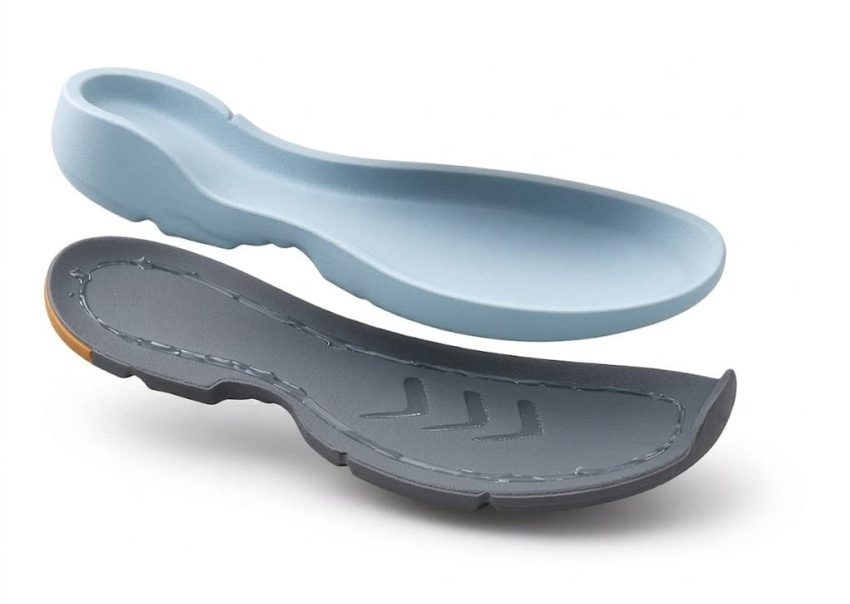
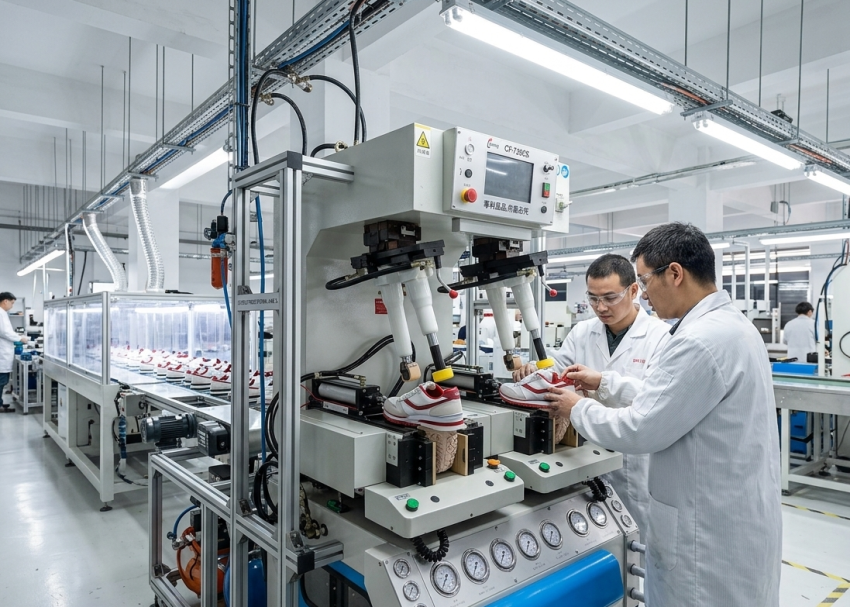
Chilling in Stock Fitting Operations
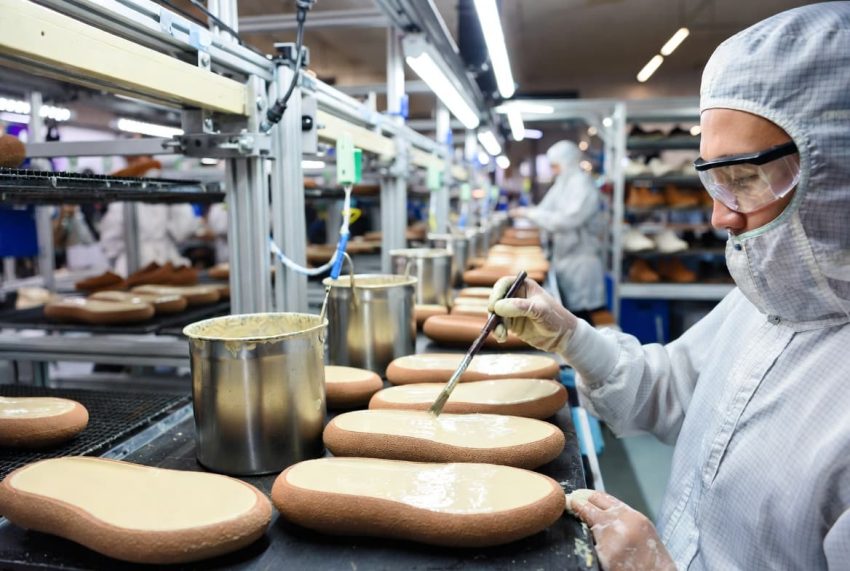
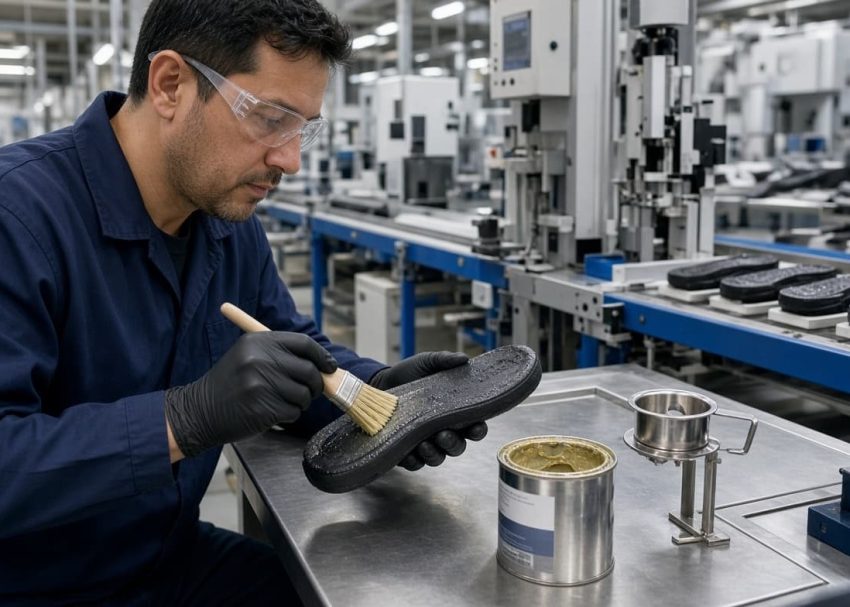
In stock fitting, components such as outsole rubber, midsoles, shanks, welts, and other sole-unit components may undergo heating, adhesive application, activation, and pressing. Immediately after pressing, these components can remain warm and slightly flexible.
If operators move, stack, or handle the assembly too early, the components can shift from their intended position. Chilling provides controlled cooling and helps the assembly retain its correct geometry.
Expert Tip: Transfer sole assemblies to chilling immediately after pressing.
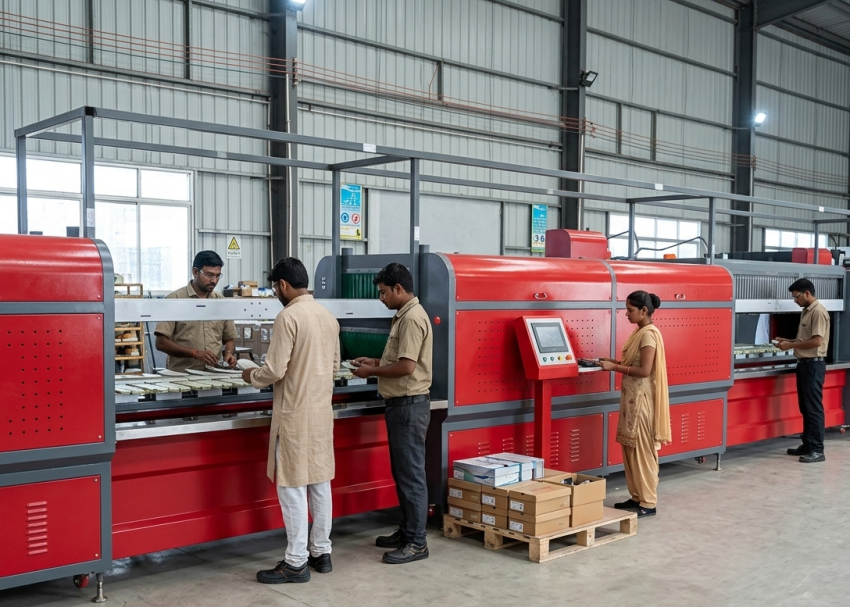
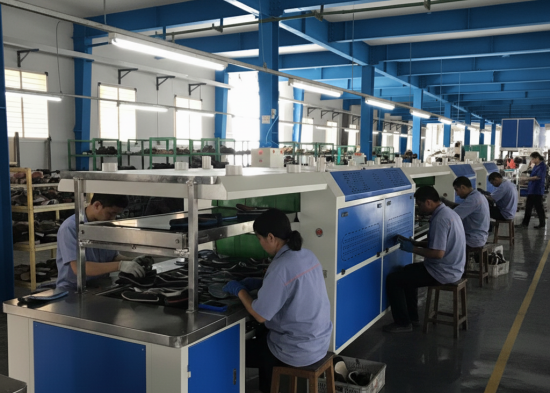
Process Execution
A typical stock-fitting chilling sequence is:
Outsole Pressing → Transfer → Controlled Chilling → Temperature Stabilisation → Exit Check → Stage Inspection II
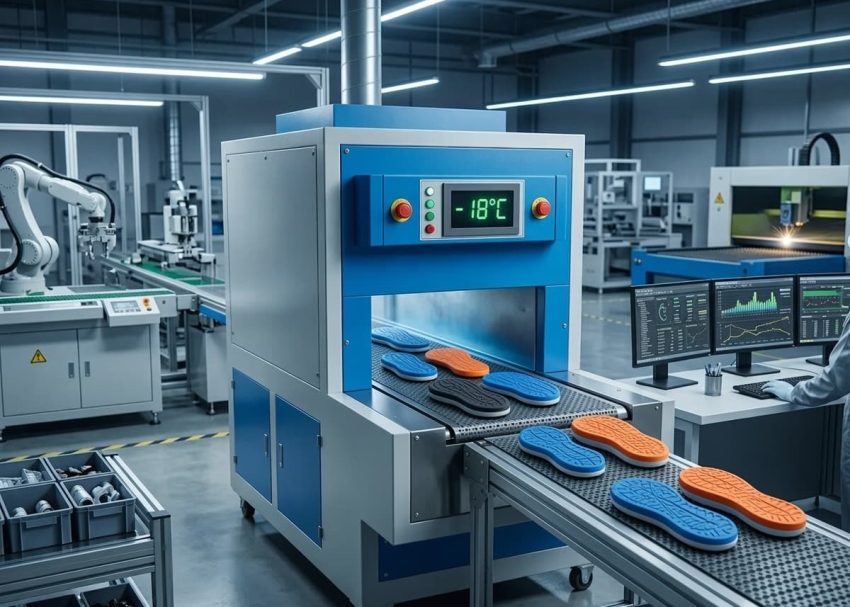
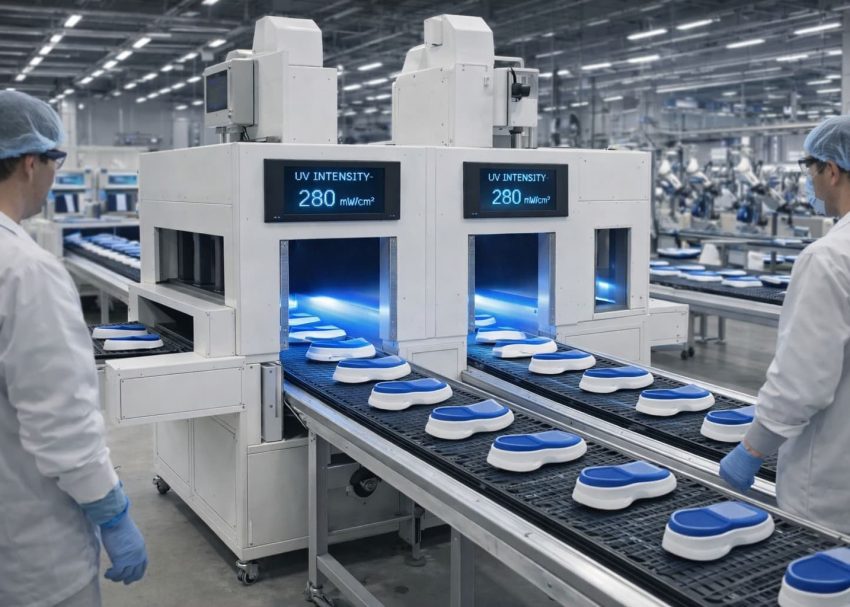
High-volume factories generally use a tunnel or conveyor chiller, allowing continuous production. Smaller operations may use a cooling chamber or batch-type system. The cooling conditions should be established during process validation based on the adhesive system, sole material, component thickness, and production requirements.
Expert Tip: Do not reduce chilling time simply to increase line output.
Critical Process Controls
The most important controls in stock-fitting chilling are:
- Temperature: Maintain the approved cooling range.
- Exposure Time: Provide sufficient cooling before handling.
- Conveyor Speed: Maintain the validated dwell time.
- Product Spacing: Allow consistent airflow around each assembly.
- Exit Temperature: Verify that the product has reached the required condition.
Expert Tip: Maintain consistent product spacing.

Stock-Fitting Quality Considerations
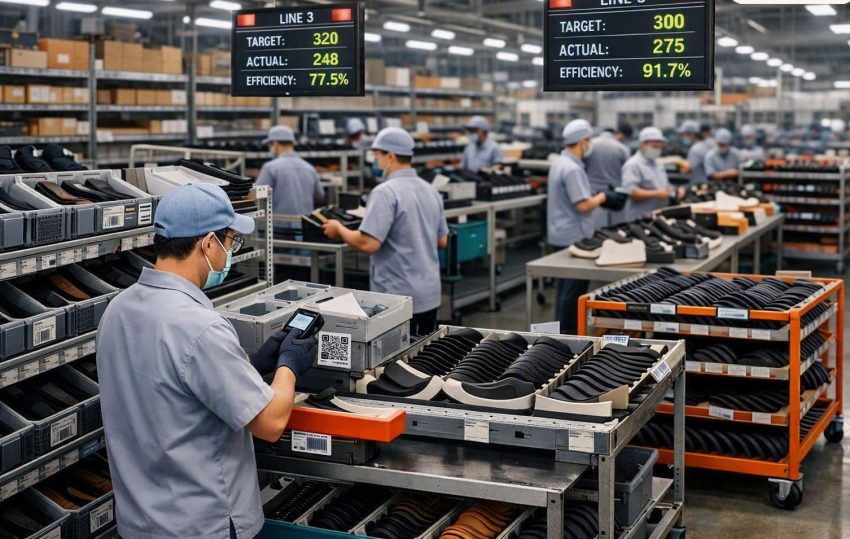
The main objective is not simply to make the sole unit cold. Instead, chilling should stabilize the assembly without creating thermal shock or unnecessary production delays. Inspectors should particularly watch for:
- Outsole or component movement
- Distortion of sole geometry
- Uneven cooling
- Inadequate stabilisation
- Handling marks immediately after chilling
When a defect occurs, the factory should first verify temperature, dwell time, conveyor speed, and product loading before changing adhesive or pressing parameters.
Expert Tip: Check actual product temperature rather than relying only on machine settings.
Equipment Used
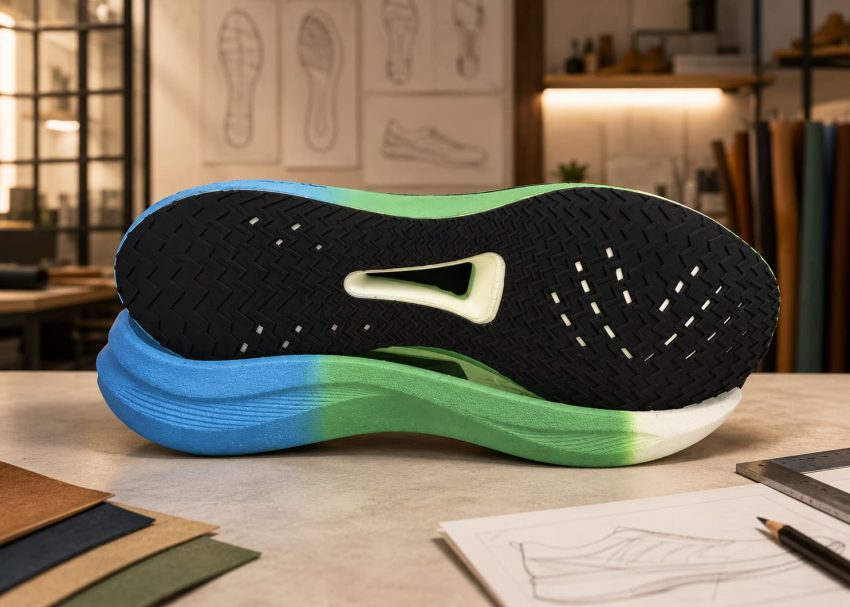
The principal equipment remains:
- Tunnel Chiller – preferred for continuous high-volume production.
- Conveyor Chiller – suitable where flexible line integration is required.
- Cooling Chamber – useful for smaller batches and specialised production.
Detailed equipment principles and general chilling technology are covered in our Full Shoe Assembly Series article and therefore are not repeated here.
Expert Tip: Revalidate chilling whenever adhesive, outsole material, or construction changes.
Conclusion
Chilling is a short but important stabilisation operation within Outsole (Stock Fitting) Assembly. Its primary purpose is to preserve the alignment achieved during pressing while reducing residual heat and preparing the sole assembly for inspection and subsequent handling.
Since the general chilling technology has already been discussed in the Full Shoe Assembly Series, the key focus here is process control at the stock-fitting stage—particularly temperature, exposure time, conveyor speed, spacing, and product exit condition.
In the next article, we move to “Stage Inspection II – Assembly Inspection Operations in Outsole Process: Outsole (Stock Fitting) Assembly Series,” where we will examine the inspection controls applied after the sole components have been pressed and chilled.
Frequently Asked Questions (FAQs)
It reduces residual heat and stabilises the sole assembly before further handling.
Temperature, exposure time, conveyor speed, product spacing, and exit temperature.
Tunnel chillers are commonly preferred because they provide continuous and controlled cooling.
Improper temperature, excessive thermal change, or incorrect handling can contribute to distortion.
Normally immediately after outsole pressing and before Stage Inspection II
No. Parameters should be validated according to the adhesive, outsole material, construction, and product requirements.
The broader chilling technology is covered in Chilling in Footwear Manufacturing – Full Shoe Assembly Series Read the Full Shoe Assembly Chilling article