Ironing and Wrinkle Chasing in Footwear Manufacturing – Full Shoe Assembly Series
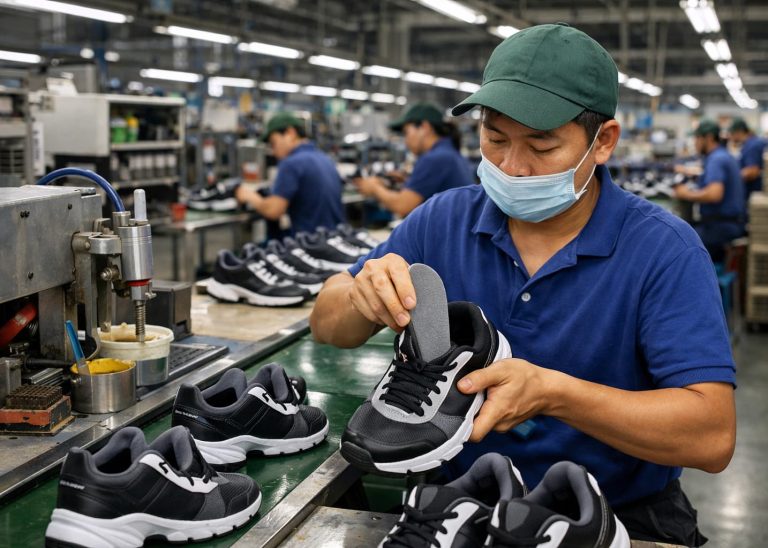
In the previous blog of TheFootwearEdge Full Shoe Assembly Series, we discussed Toe Pounding / Setting in Footwear Manufacturing, where the focus was stabilizing the toe shape and improving upper conformity after lasting operations. However, even after proper toe setting, premium footwear uppers may still show minor wrinkles, loose grain appearance, or handling marks caused during lasting, adhesive activation, and assembly movement.
Therefore, footwear factories perform the Ironing / Wrinkle Chasing process before intermediate finishing operations. This stage helps smooth the upper surface, stabilize leather grain appearance, and improve overall product presentation before creams, sprays, dyes, and final polishing are applied.
In modern footwear manufacturing, wrinkle chasing is particularly important for premium leather footwear because even small surface wrinkles can affect perceived product quality.
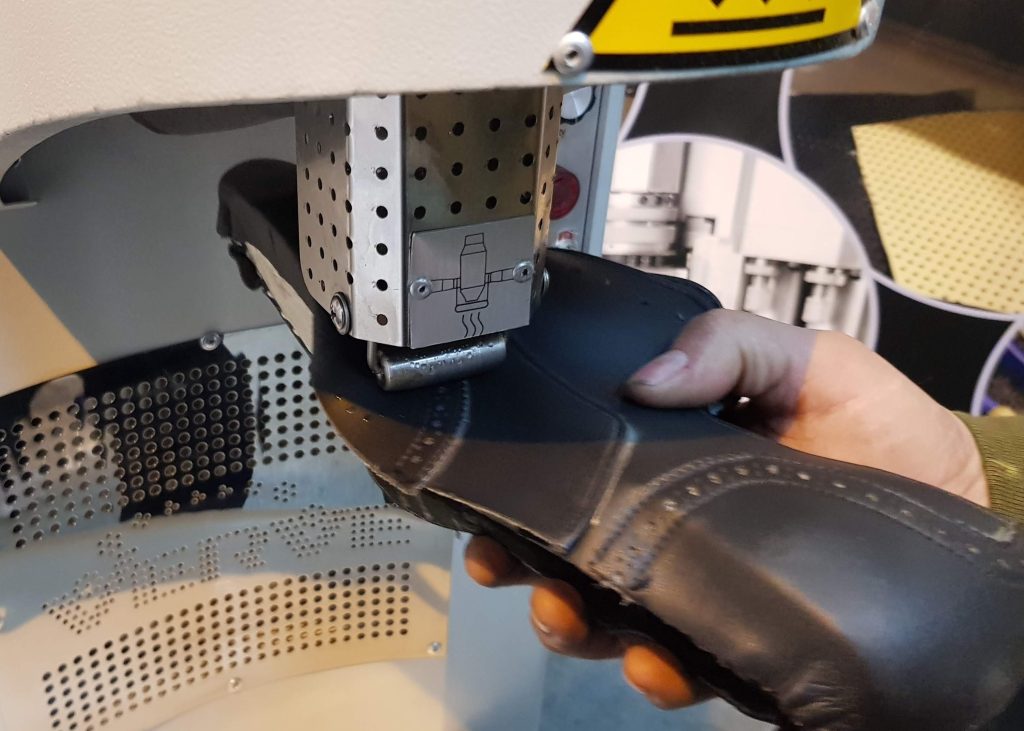
Consequently, factories carefully balance heat, pressure, and operator technique to remove wrinkles without damaging leather texture or changing upper dimensions.
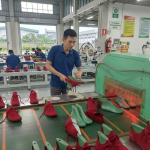
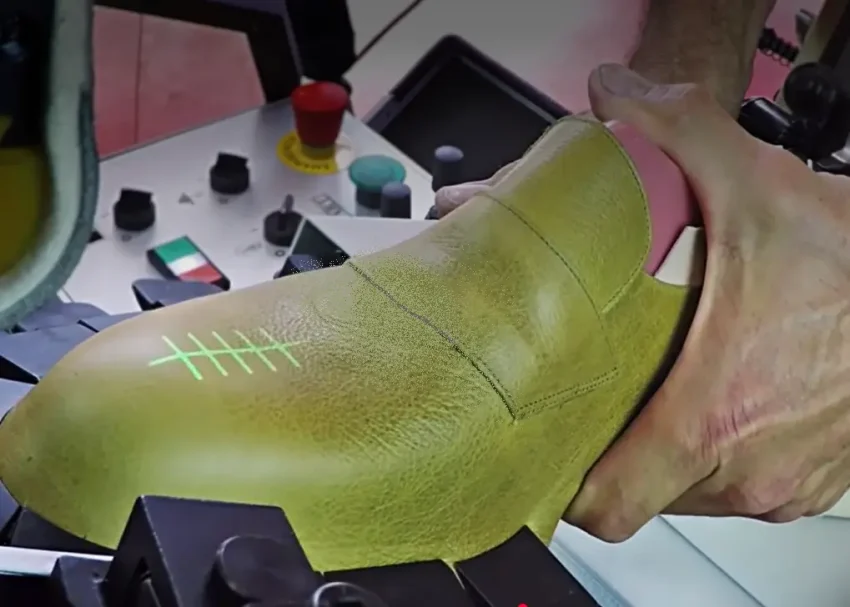

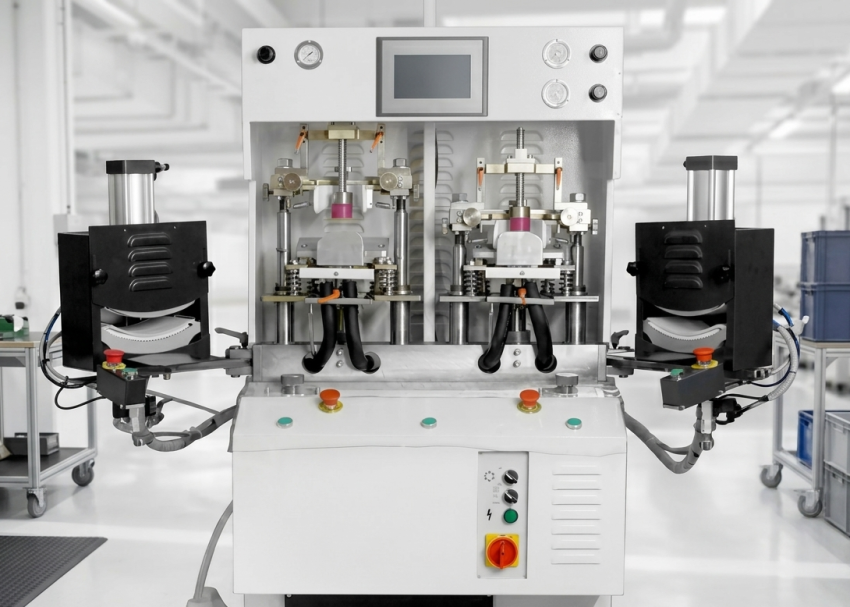
Purpose of Ironing / Wrinkle Chasing
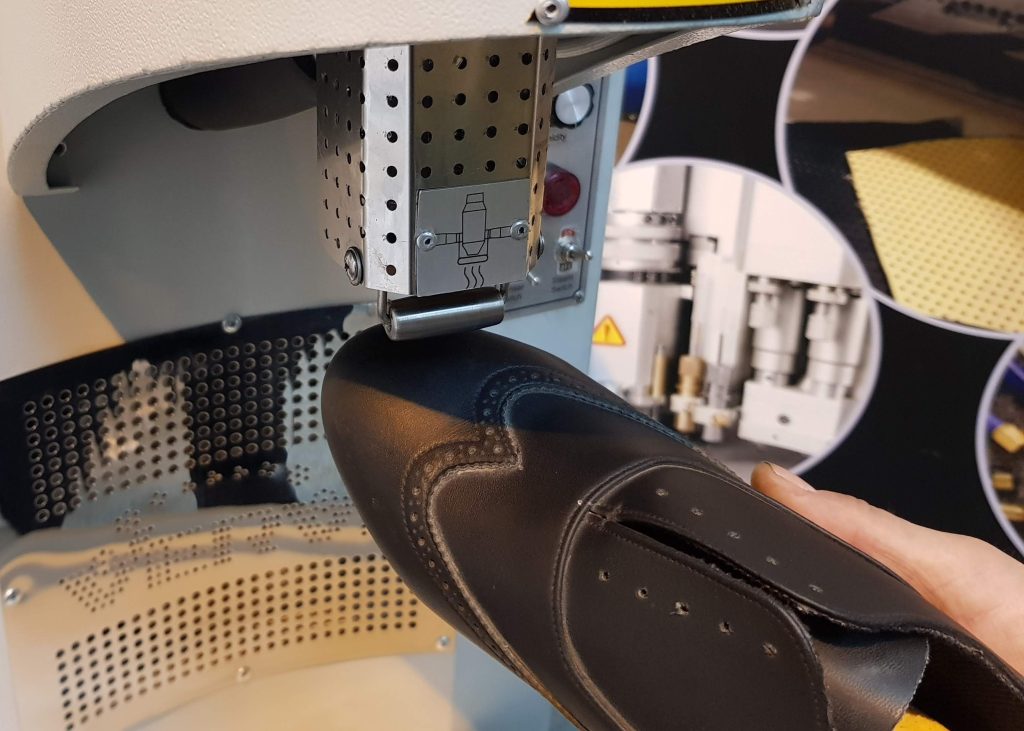
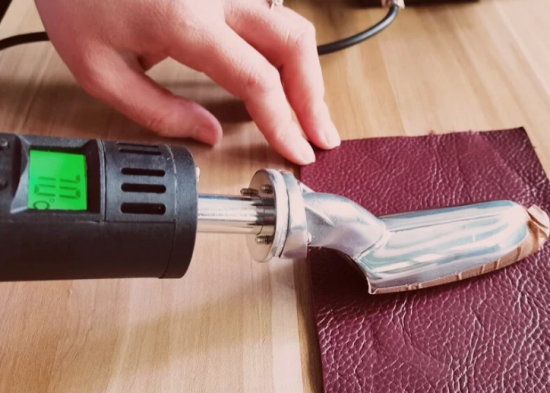
Ironing or wrinkle chasing is a finishing preparation process used to remove residual wrinkles and improve upper surface smoothness after shoe assembly operations. During lasting and shaping, leather fibers stretch around the last under tension. Once the upper stabilizes, some areas begin relaxing unevenly, creating visible wrinkles or loose grain zones.
The wrinkle chasing process relaxes these stressed fibers under controlled heat and pressure so the upper surface becomes smoother and visually balanced. At the same time, factories must preserve the natural grain appearance of the leather because excessive correction can create artificial shine or grain collapse.
This process becomes especially important for Premium Leather shoes, Dress Footwear, Soft Leather uppers, Fashion Footwear and High Visibility Vamp Designs. Factories normally complete wrinkle chasing after Toe pounding, Seat Setting, Last stabilization.
However, the process must finish before Cream application, Spray finishing, Final polishing, Packing inspection.
Key Control Points
- Ensure shoe stabilization before processing
- Identify wrinkle severity correctly
- Avoid excessive heat exposure
- Maintain pair appearance consistency
Expert Tip: Allow shoes to stabilize briefly after lasting before wrinkle chasing begins.
Residual Wrinkle Formation in Footwear Uppers
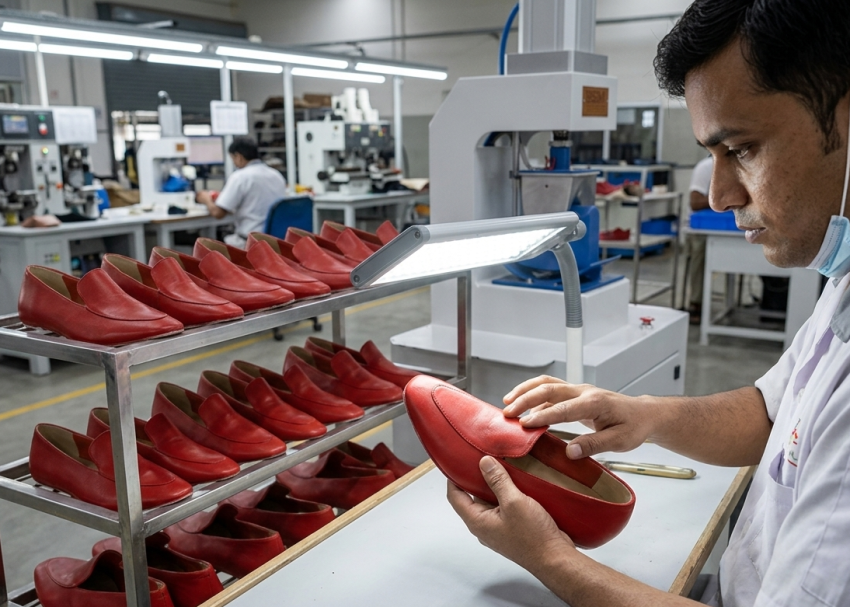
Residual wrinkles develop because upper materials experience continuous stretching, compression, and recovery during stitching and assembly operations. During lasting, leather fibers stretch tightly around the last shape. Later, when tension gradually reduces, some fibers attempt to recover their original position, producing visible wrinkles or loose grain areas.
Natural leather behavior also varies across different hide sections. Belly areas usually stretch more than shoulder or backbone areas, which makes wrinkle formation inconsistent across the upper surface.
Several production conditions increase wrinkle formation risk. Excessive lasting tension may overstress the leather, while uneven adhesive activation can create localized shrinkage after cooling. Similarly, improper moisture conditioning reduces upper flexibility and increases surface stress marks.
Wrinkles commonly appear in Vamp Flex zones, Quarter transition areas, Toe side walls, Lace stay edges. Factories must distinguish between removable surface wrinkles and permanent structural defects because not all surface irregularities can be corrected successfully.
Key Control Points
- Separate cosmetic and structural wrinkles
- Monitor sensitive leather areas carefully
- Check material softness before processing
- Reject permanently damaged uppers early
Pro Tip: Use lower heat with continuous movement instead of aggressive localized heating.
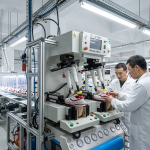
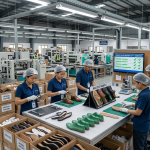
Manual Ironing Process
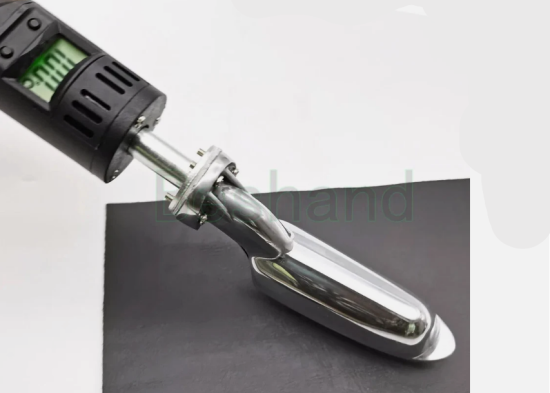
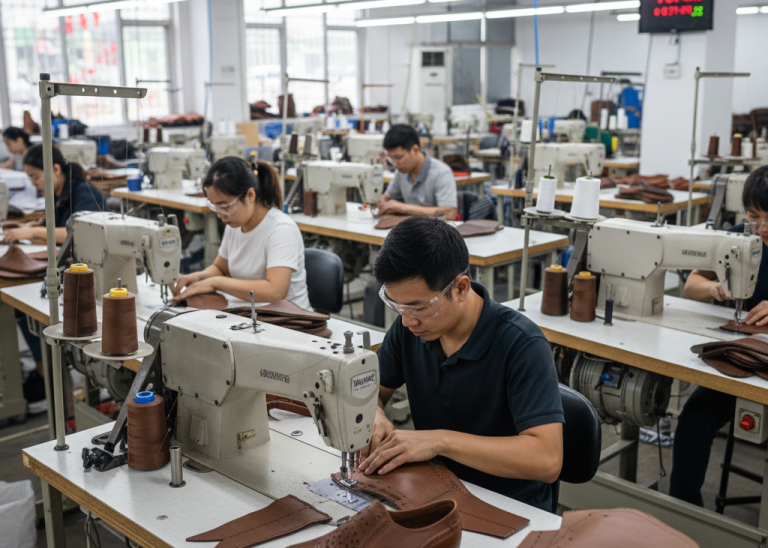
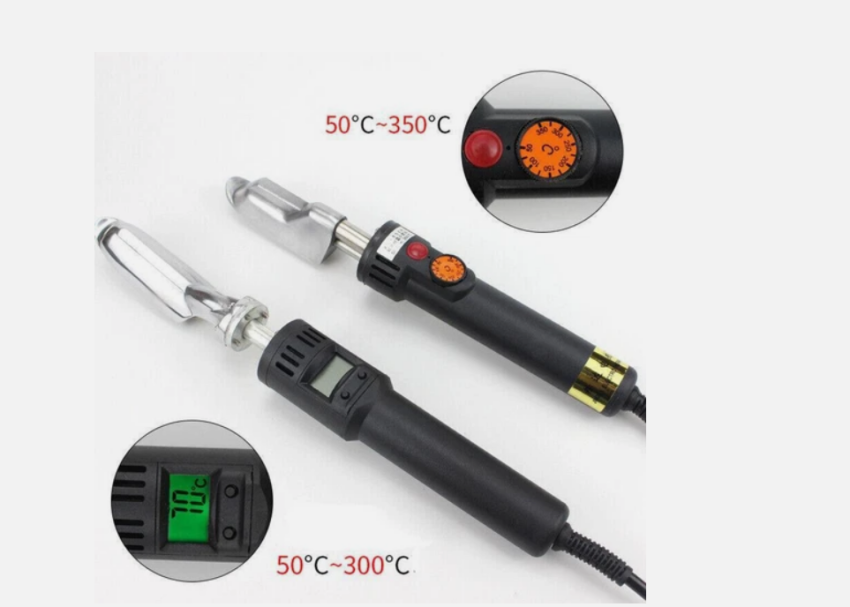
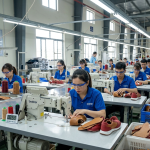
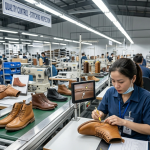
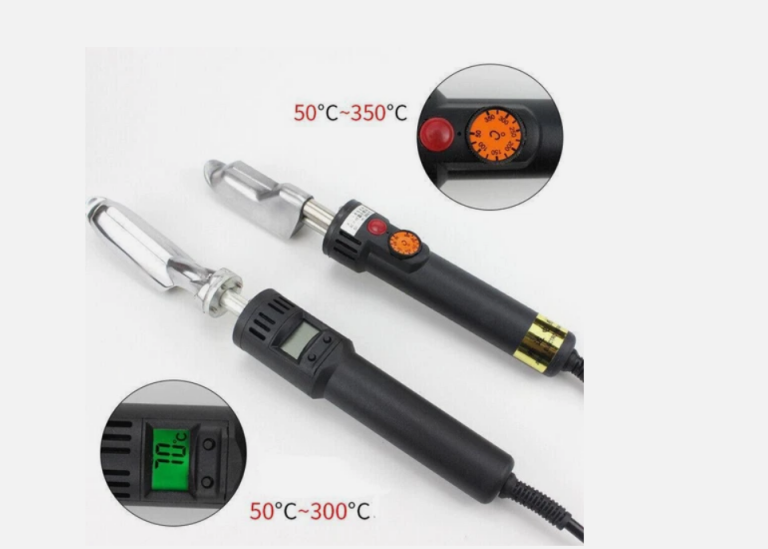
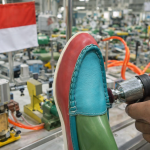
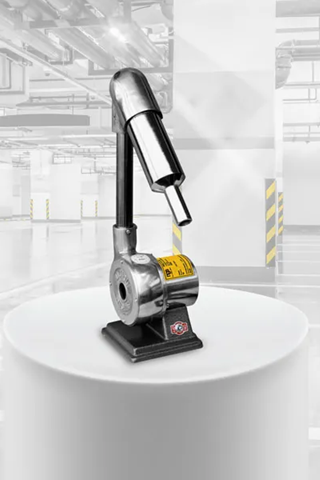
Manual ironing remains widely used in premium footwear factories because it provides localized wrinkle correction with high operator control. Skilled operators use temperature-controlled footwear irons to smooth specific wrinkle areas without affecting surrounding upper sections.
The operator first studies wrinkle direction and material sensitivity. Controlled heat then softens the leather fibers temporarily, allowing the wrinkle to relax gradually. While applying moderate pressure, the operator continuously moves the iron along the wrinkle direction to smooth the surface without damaging the grain structure.
This process requires strong operator skill because excessive heat or stationary contact can quickly create Gloss patches, Grain flattening, Burn marks & Surface hardening. For premium leather programs, factories normally prefer lower heat with controlled movement rather than aggressive correction.
This approach protects the natural leather appearance while improving surface smoothness. Manual ironing is especially useful for Luxury Footwear, Small wrinkle zones, Delicate leather articles & final touch-up operations.
Key Control Points
- Verify iron temperature regularly
- Maintain continuous iron movement
- Avoid concentrated pressure
- Use clean Teflon iron surfaces
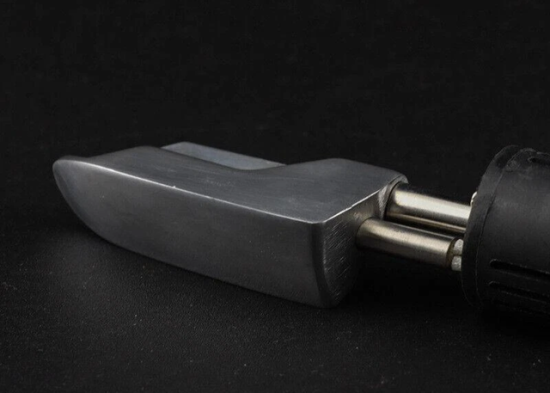
Pro Tip: Use angled LED lighting for better wrinkle visibility during inspection.

Heat Control and Grain Setting
Heat control is the most critical factor in wrinkle chasing because leather reacts rapidly to excessive temperature exposure. Proper heat relaxes leather fibers temporarily and improves surface smoothness. However, overheating permanently damages leather structure and appearance.
Factories establish temperature standards according to Leather thickness, Material thickness, Surface coating, Color sensitivity and Finish chemistry. Thin fashion leathers normally require lower temperatures, while coated materials tolerate slightly higher heat exposure. Patent materials and synthetics require even tighter control because their coatings may bubble or separate under excessive heat.
One major objective of wrinkle chasing is grain setting. During this stage, the process stabilizes leather texture and improves visual consistency while maintaining the natural grain character. Premium footwear should appear smooth but still retain authentic leather texture.
Excessive heat may cause Grain collapse, Artifical shine, Surface hardnening, Color variation and coating damage.Therefore, factories continuously monitor heat exposure and compare pair appearance under inspection lighting.
Key Control Points
- Use material-specific temperature standards
- Avoid over-flattening leather grain
- Monitor gloss consistency carefully
- Compare left and right shoes continuously
Pro Tip: Maintain separate temperature standards for coated and uncoated materials.
Common Defects and Quality Inspection
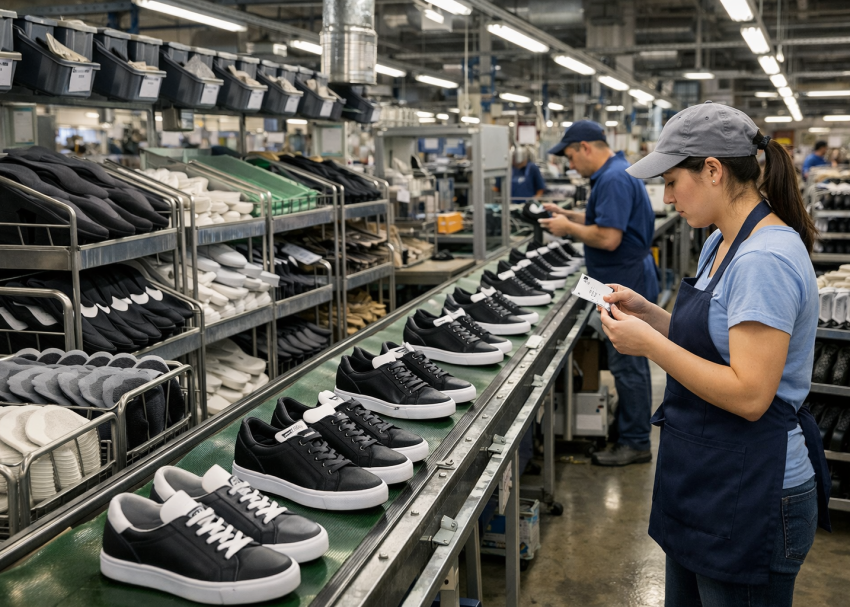
Although wrinkle chasing improves footwear appearance significantly, poor process control may create serious cosmetic defects. Therefore, factories inspect the shoes carefully before moving into intermediate finishing operations.
One common defect is gloss patch formation caused by excessive heat or pressure. Another major issue is grain collapse, where the natural leather texture becomes permanently flattened. Factories also monitor for surface burns, upper distortion, and wrinkle reappearance after cooling. Quality inspectors evaluate:
- Surface smoothness
- Grain consistency
- Pair symmetry
- Shape stability
- Color consistency
- Wrinkle visibility
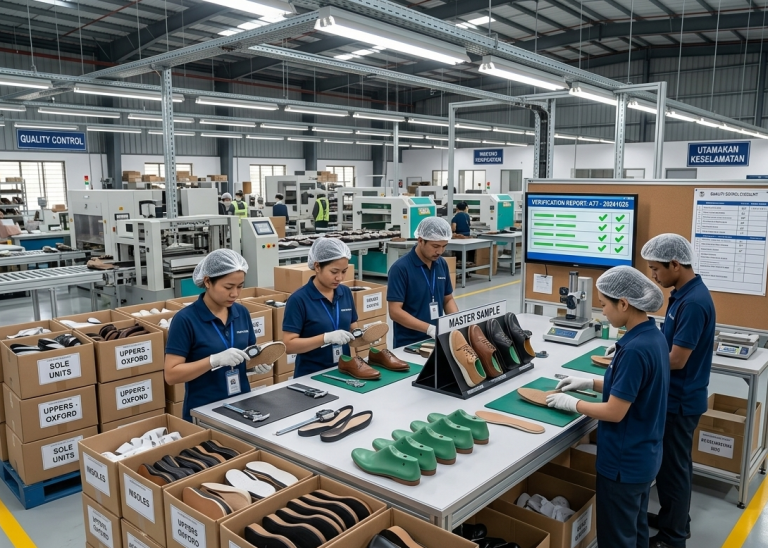
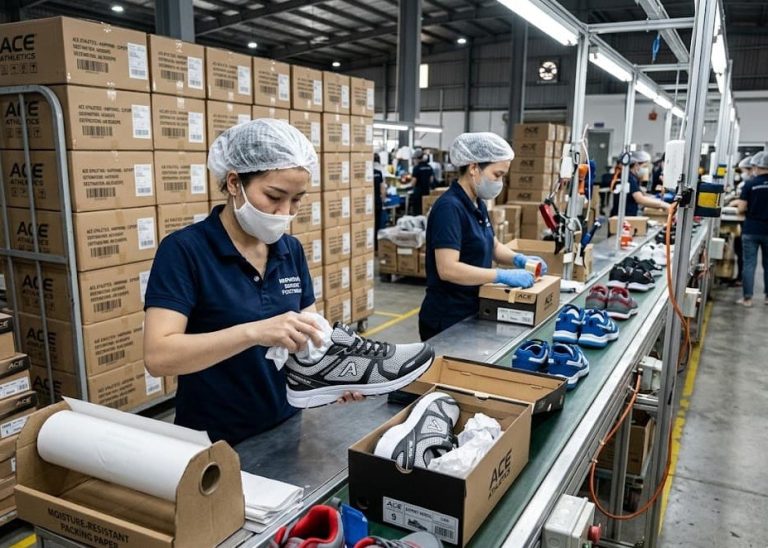
Inspection lighting is extremely important because wrinkles and gloss variation become more visible under angled LED lighting conditions. Factories frequently use – Reference sample comparison, Inline inspection, Random QA audits and Pair comparison racks.
Key Control Points
- Inspect under standardized lighting
- Reject over-processed uppers immediately
- Monitor recurring defect trends
- Verify pair matching carefully
Pro Tip: Test new leather articles before bulk production because tanning chemistry changes heat behavior.
Conclusion
Ironing / Wrinkle Chasing is a critical appearance correction process in footwear manufacturing because it directly influences premium visual quality and customer perception. Proper wrinkle chasing improves surface smoothness, stabilizes grain appearance, and prepares the upper for intermediate finishing operations.
Successful wrinkle chasing depends on balanced heat application, controlled pressure, material understanding, and operator skill. Excessive correction can permanently damage the upper surface, while insufficient correction leaves visible wrinkles that reduce product value.
In the next blog of TheFootwearEdge Full Shoe Assembly Series, we will discuss Intermediate Finishing (Creams / Sprays / Dyes) in Footwear Manufacturing, including finishing chemicals, spray systems, polishing methods, and surface protection standards.
Frequently Asked Questions – FAQs
What is wrinkle chasing in footwear manufacturing?
Wrinkle chasing is a finishing process used to remove surface wrinkles and improve upper smoothness using controlled heat and pressure.
Why do wrinkles appear after lasting?
Wrinkles appear because leather fibers relax after stretching during lasting and shaping operations.
Which footwear areas commonly develop wrinkles?
Wrinkles commonly appear in the vamp, quarter transition, flex zones, and toe side areas.
Can excessive ironing damage leather?
Yes. Excessive heat may create gloss patches, grain collapse, burns, or surface hardening.
Why is manual ironing still important?
Manual ironing provides precise localized correction for delicate premium leather footwear.
How do factories inspect wrinkle chasing quality?
Factories inspect surface smoothness, pair symmetry, grain consistency, and gloss balance under controlled lighting.