Toe Gathering Stitching (Strobel-Specific) in Footwear Manufacturing – Full Shoe Assembly Series
In the previous blog, Feeding to Assembly Line in Footwear Manufacturing – Full Shoe Assembly Series, we explained how factories transfer prepared uppers into the assembly section in a controlled and organized manner. After feeding, several preparation operations stabilize the upper before lasting and bottom assembly begin. Among these operations, toe gathering stitching plays a highly important role in Strobel construction.
In Strobel footwear manufacturing, operators must control excess upper material in the toe area before they perform final Strobel stitching. Therefore, factories use toe gathering stitching to reduce fullness evenly and prepare the upper for smooth lasting. When operators execute this process correctly, the upper fits naturally over the last without wrinkles or distortion.
Moreover, proper gathering improves appearance consistency, fitting accuracy, and upper stability. However, poor gathering creates visible wrinkles, uneven toe shape, and tension imbalance during lasting. As a result, factories must standardize stitch placement, gathering ratio, and machine tension carefully.
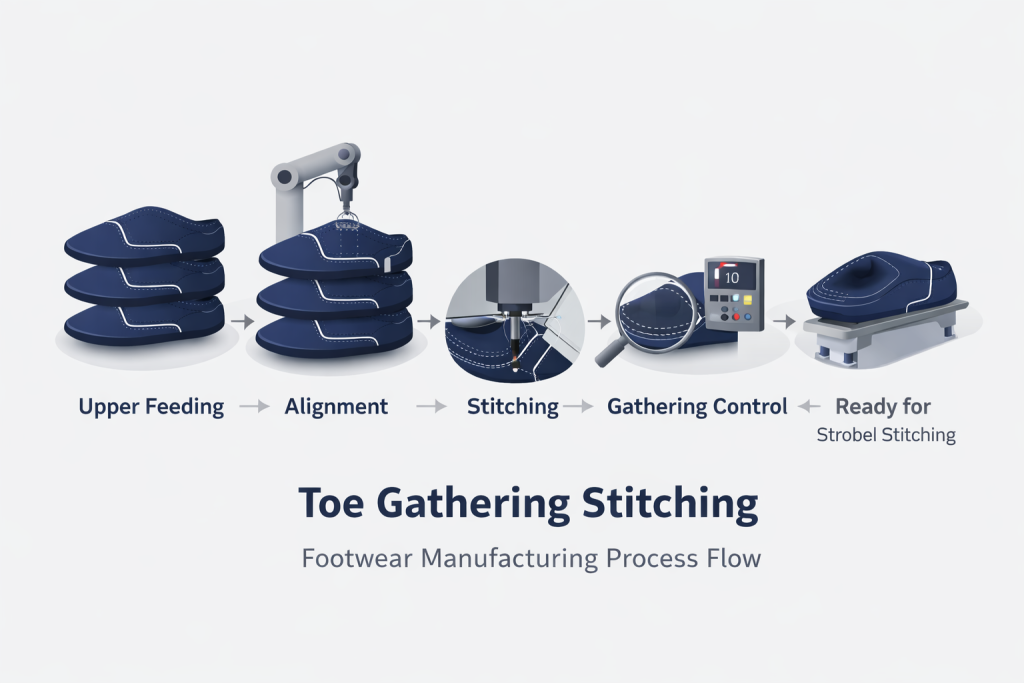
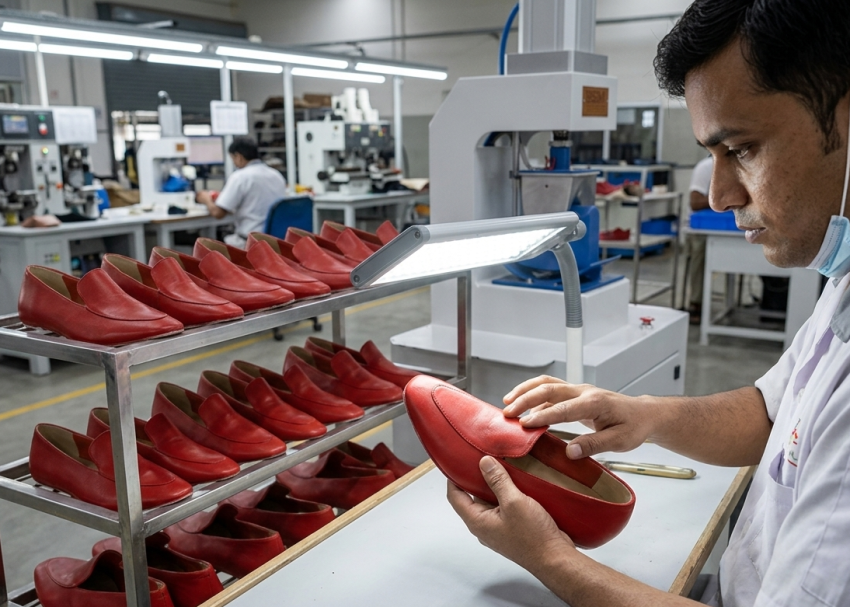
Toe Gathering Stitching (Strobel-Specific)
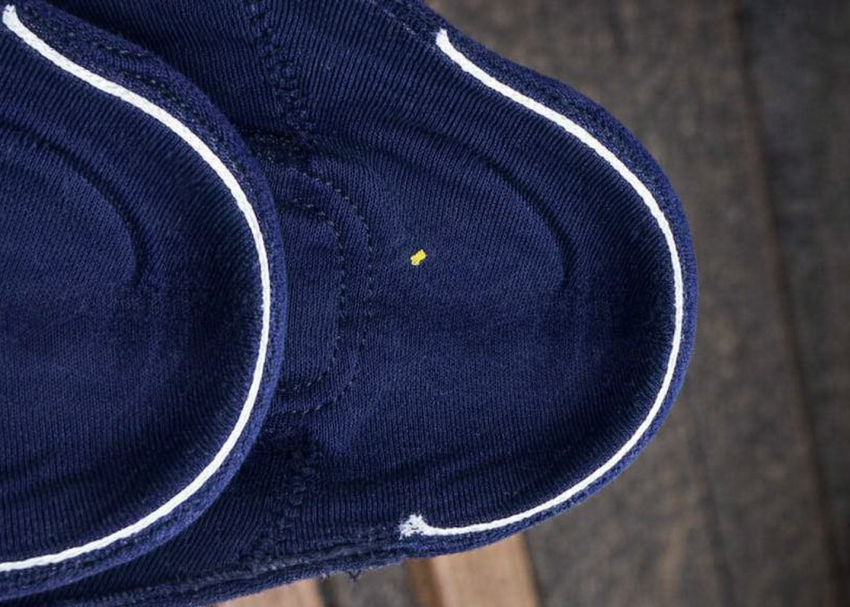
Toe gathering stitching is a controlled stitching operation that reduces excess upper material in the toe region before Strobel stitching begins. In most factories, operators create this gathering effect by using stitching tension together with braided tape, cord, or controlled thread pull. Consequently, the upper becomes easier to shape during lasting.
In Strobel construction, the upper connects directly to the Strobel insole through stitching. Therefore, the upper must follow the last shape accurately. Since the toe area contains additional material curvature, factories must reduce this excess material evenly before assembly continues.
Toe gathering stitching improves both fitting performance and visual appearance. Furthermore, it prevents toe wrinkles, uneven pressure distribution, and upper distortion during lasting. Without controlled gathering, the upper may collapse unevenly around the toe cap area.
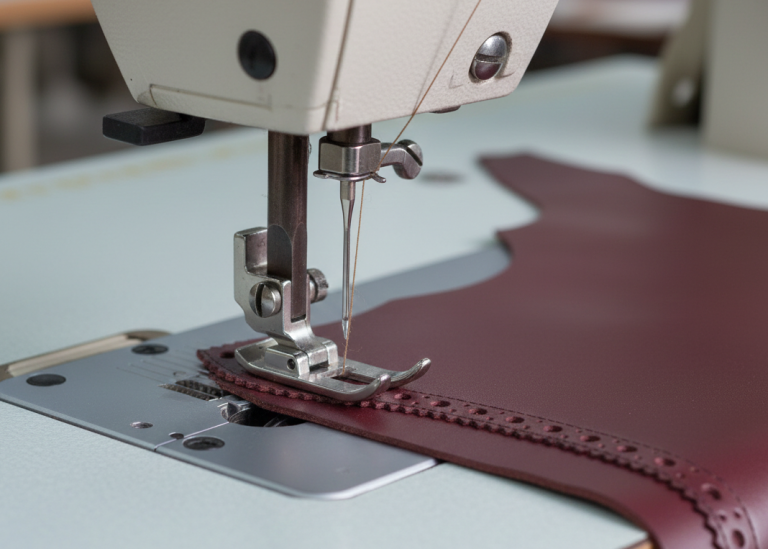
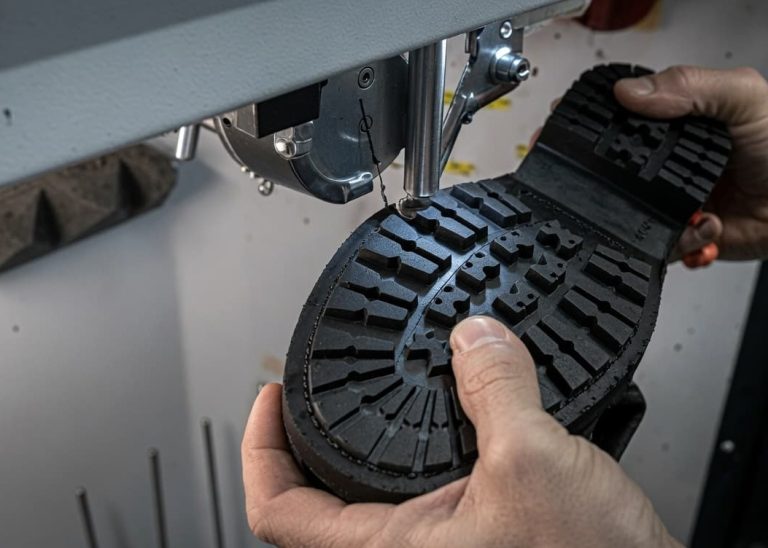
During production, operators align the upper centerline carefully before stitching begins. Next, they sew along the predefined toe margin area while controlling stitch tension and gathering ratio continuously. In many factories, operators use gathering tape or cord to distribute tension more evenly across the toe section.
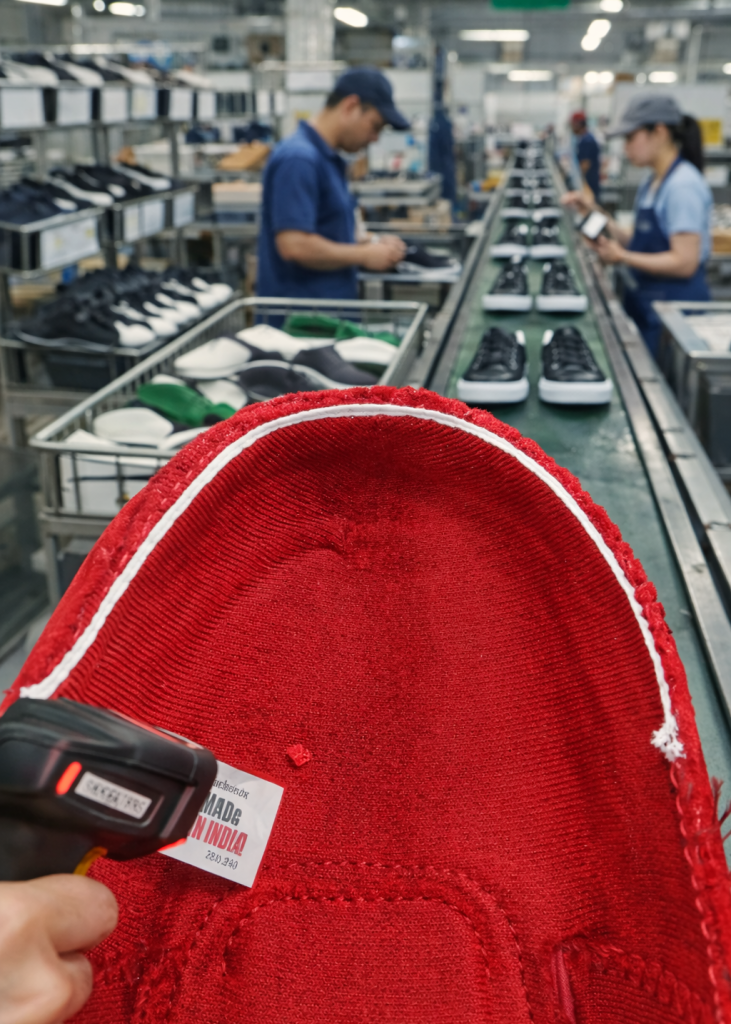
After stitching, inspectors verify the gathered shape visually and compare both shoes for symmetry. Finally, operators transfer the upper to the Strobel stitching operation.
Key Control Points:
- Maintain gathering reduction between 5–10%
- Align toe centerline accurately before stitching
- Keep stitch path consistent on both shoes
- Avoid excessive tension that creates surface wrinkles
Expert Tip: Always conduct first-piece approval before bulk production

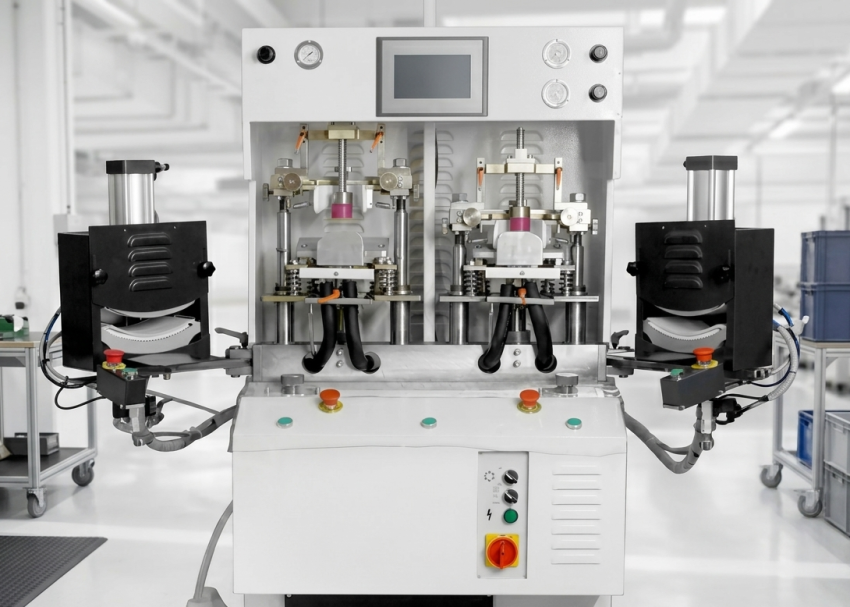
Machine Setup for Toe Gathering
Machine setup directly affects gathering quality, stitch consistency, and material control. Therefore, factories must standardize machine parameters before production starts. Most factories use flat-bed or post-bed industrial sewing machines equipped with gathering adjustments or guiding attachments.
Proper setup allows operators to maintain stable stitch formation and controlled material reduction. In contrast, incorrect setup creates uneven gathering, irregular stitch spacing, and upper distortion. Consequently, factories conduct machine verification checks at the beginning of every production shift.
Operators first adjust stitch length according to upper material type and required gathering ratio. Next, they set thread tension carefully to create controlled pulling without damaging the upper surface. When factories use braided tape or cord, operators install additional guides to maintain tape positioning during stitching.
Many factories also perform trial stitching on sample uppers before bulk production starts. During this stage, technicians verify gathering percentage, stitch appearance, and material behavior. If the result does not meet standards, they adjust feed balance, tension, or stitch length immediately.
Key Control Points:
- Verify stitch length before every production batch
- Maintain stable upper feeding during stitching
- Check thread tension regularly during operation
- Conduct first-piece approval before bulk production
Pro Tip: Use contrasting thread during trials to check stitch path clearly
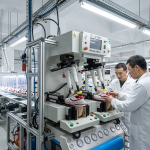
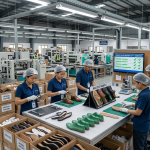
Material Behavior During Gathering
Different upper materials respond differently to toe gathering stitching. Leather, synthetic, mesh, and knit materials each have unique stretch and recovery characteristics.
Understanding material behavior is essential to avoid defects. For example, natural leather allows controlled gathering but may show surface wrinkles if over-tensioned. Synthetic materials may resist gathering, leading to uneven folds. Mesh or knit materials are highly sensitive and can deform if tension is not properly controlled.
The importance of this understanding lies in adjusting process parameters based on material type. Without this adjustment, the same machine settings cannot deliver consistent results across different styles.
During execution, operators must observe how the material reacts during stitching. Adjustments in thread tension, stitch length, or gathering ratio are made accordingly. In some cases, pre-conditioning of material (humidity or softening) improves results.
Key Control Points:
- Adjust parameters based on material type
- Avoid over-tensioning sensitive materials
- Conduct pre-production trials for each material
- Monitor surface appearance during stitching
Pro Tip: Maintain separate machine settings for different materials

Stitch Placement and Alignment
Accurate stitch placement is critical in toe gathering. The stitch line must follow a predefined path along the toe margin to ensure uniform gathering. Incorrect placement leads to uneven material distribution, causing distortion during lasting. Therefore, alignment with design specifications is essential.
The importance of this step lies in maintaining symmetry and shape consistency. Even a slight deviation in stitch position can result in visible asymmetry between left and right shoes.
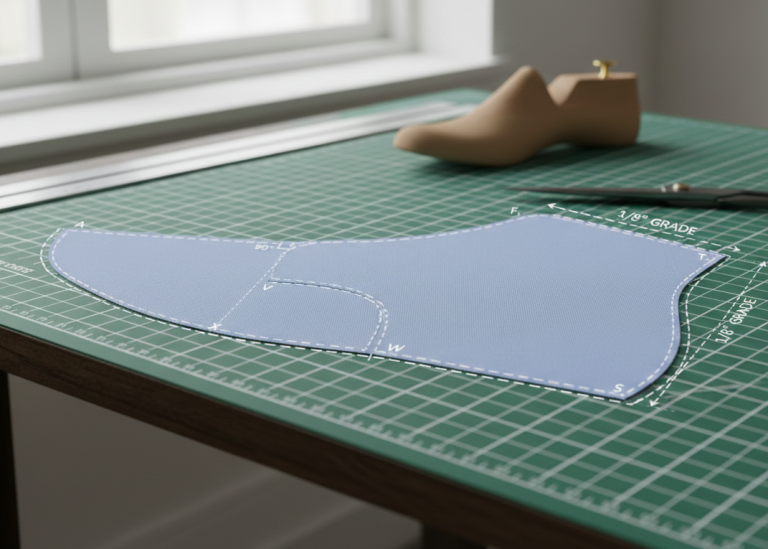
Operators align the upper using marking guides or templates. The stitch is applied at a consistent distance from the edge, ensuring uniform gathering across the entire toe area. Visual checks are performed continuously to confirm alignment.
Key Control Points:
- Maintain consistent distance from edge
- Use guides for accurate alignment
- Ensure symmetry between left and right uppers
- Continuously monitor stitch path during operation
Pro Tip: Train operators on visual defect identification
Gathering Ratio Control
The gathering ratio defines how much material is reduced during the stitching process. Typically, a 5–10% reduction is applied, depending on design and material. This parameter is one of the most critical aspects of toe gathering. Too little gathering results in excess material and wrinkles, while excessive gathering causes tightness and distortion.
The importance of ratio control lies in achieving the correct balance between fit and appearance. It directly affects how the upper sits on the last during assembly. Operators control the ratio through stitch tension, stitch length, and manual handling of the material. In some setups, guides or attachments assist in maintaining consistency.
Key Control Points:
- Maintain defined gathering ratio (5–10%)
- Measure gathered vs original length
- Adjust machine settings as needed
- Ensure consistency across production batches
Pro Tip: Use templates or guides to reduce operator dependency

Defects and Troubleshooting
Toe gathering stitching can lead to several defects if not properly controlled. Common issues include wrinkles, uneven gathering, broken stitches, and material distortion. Understanding these defects is essential for maintaining quality. Each defect has a root cause linked to machine settings, material behavior, or operator handling.
The importance of troubleshooting lies in minimizing rework and rejection. Early detection prevents defects from reaching later stages where correction becomes difficult.
During execution, operators and supervisors inspect the gathered area visually and physically. Any irregularity is immediately addressed. Machine adjustments, retraining, or material changes are implemented as corrective actions.
Key Control Points:
- Inspect for wrinkles and uneven gathering
- Monitor stitch integrity and tension
- Identify root cause of defects quickly
- Implement corrective actions immediately
Pro Tip: Monitor humidity conditions for sensitive materials
Conclusion
Toe gathering stitching is a critical preparatory step in Strobel construction. It ensures proper material distribution, prevents defects, and supports smooth lasting. By controlling stitch parameters, material behavior, and gathering ratio, factories can achieve consistent quality and fit.
In the next blog, we will cover Strobel Stitching Process in Footwear Manufacturing – Full Shoe Assembly Series, where the gathered upper is stitched to the Strobel insole, forming the base structure of the shoe.
Pro Tip: Standardize gathering ratio for repeat styles

Frequently Asked Questions – FAQs
1. What is the purpose of toe gathering stitching?
It reduces excess material in the toe area to ensure smooth fitting over the last.
2. What is the standard gathering ratio?
Typically between 5–10%, depending on material and design.
3. Can all materials be gathered equally?
No, different materials require different machine settings and handling.
4. What happens if gathering is uneven?
It leads to wrinkles, distortion, and poor shoe appearance.
5. Is special machinery required?
Standard industrial sewing machines with proper setup or attachments can be used.
6. How is quality checked?
Through visual inspection, measurement of gathering ratio, and symmetry checks.
Pro Tip: Record machine settings for future reference