Secondary Cement Coating Operations in Outsole Process: Outsole (Stock Fitting) Assembly Series
In the previous blog, Primary Cement Coating Operations in Outsole Process, we covered the fundamentals of adhesive preparation, surface condition, application technique, drying, and general quality controls. These principles also apply to the secondary coat and should be followed according to the approved adhesive specification.
However, secondary cement coating has a different purpose. It is applied over the properly dried primary coat to build the required total adhesive film and improve bonding reliability. Therefore, the focus should not be on simply applying “more glue.” Instead, the factory must achieve the correct additional adhesive film without excessive build-up.
The secondary coat becomes particularly important for outsole materials and footwear constructions that require higher bond strength or greater resistance to flexing and peeling.
Key Control Points
- Follow the adhesive supplier’s specified two-coat system.
- Apply the second coat only after the primary coat reaches the required drying condition.
- Build the adhesive film progressively rather than applying excessive adhesive.
- Maintain complete coverage of the approved bonding area.
Why a Secondary Coat Is Required
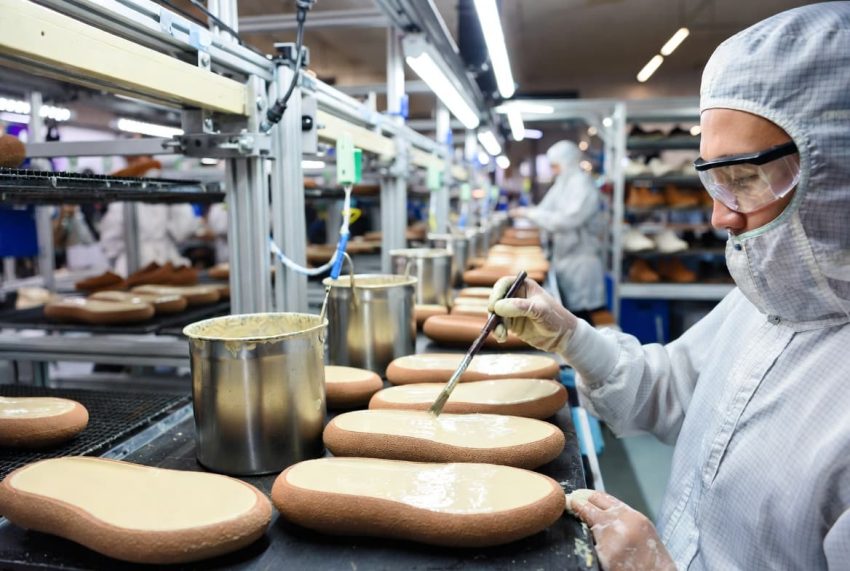
A second adhesive coat is normally introduced when one coat does not provide sufficient adhesive film or bonding reliability for the specified construction.
During the primary coating, part of the adhesive may penetrate or interact with the prepared surface. Consequently, the remaining adhesive film may not provide the required final thickness after drying. The secondary coat restores the adhesive film to the specified level and creates a more consistent bonding interface.
This approach is especially useful for difficult outsole compounds, demanding footwear applications, and constructions requiring higher durability. It can also improve coverage where the first coat has been partially absorbed by the material.
However, the secondary coat should only be used when required by the approved process. An unnecessary second coat does not automatically produce a stronger bond. Excessive adhesive can instead create a soft adhesive layer, longer drying requirements, squeeze-out, or poor bonding performance.
Expert Tip:
Do not assume two coats always mean stronger bonding. The adhesive system must be validated.
Use the same adhesive specification approved for the primary/secondary system.

Secondary Coat Application
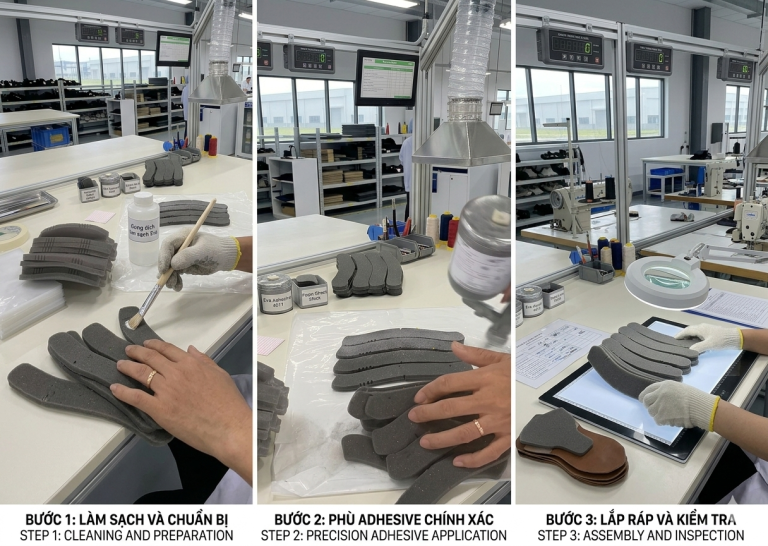
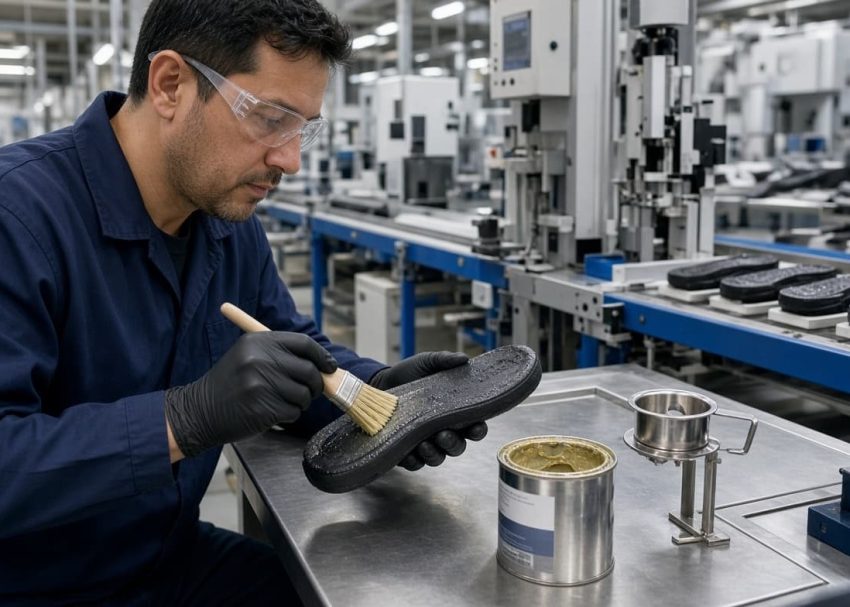
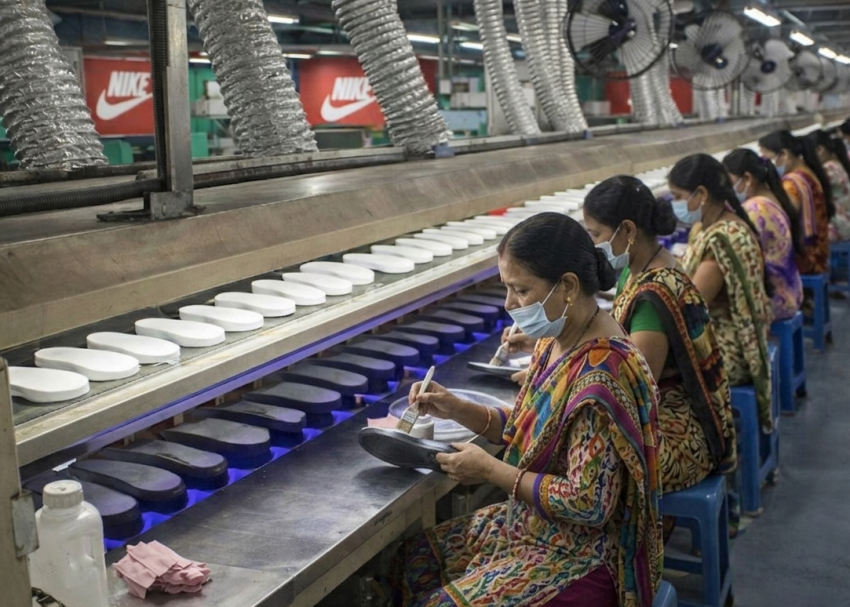
The application method generally follows the same principles described in the Primary Cement Coating blog. The unique requirement is controlling the relationship between the first and second coats.
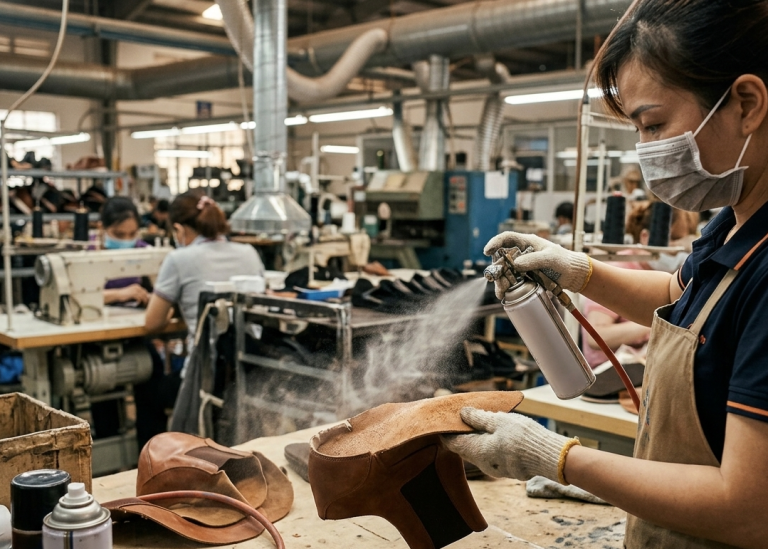
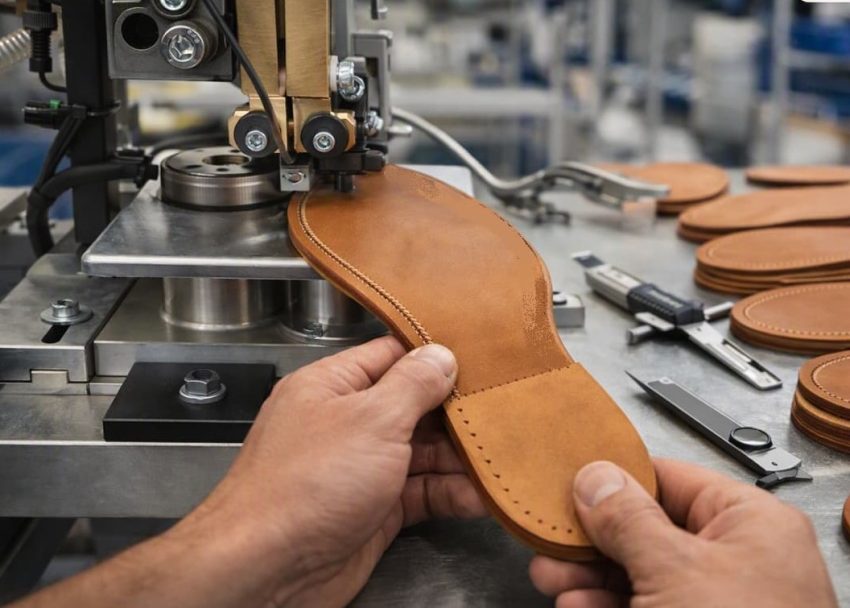
The operator should apply the second coat uniformly over the designated bonding area without disturbing the dried primary layer. Excessive brushing can soften or redistribute the first coat, while insufficient application can leave areas with inadequate adhesive build-up.
For production consistency, the factory should define the application method, adhesive quantity, coating direction, and acceptable coverage standard in the work instruction. Where the construction contains different bonding zones, the secondary coat may also require specific application limits. Operators should therefore follow the approved pattern rather than automatically coating every visible outsole surface.
Expert Tip:
Monitor the total process window, from first coat through activation.
Train operators to recognize film build, not simply adhesive color or wet appearance.

Inter-Coat Drying and Process Timing
The most critical timing issue in secondary cementing is the period between the primary and secondary coats. The first coat must reach the specified drying condition before the second coat is applied. If the second coat is applied too early, solvents can become trapped between the adhesive layers. This may create poor drying, blistering, or reduced bond performance during activation.
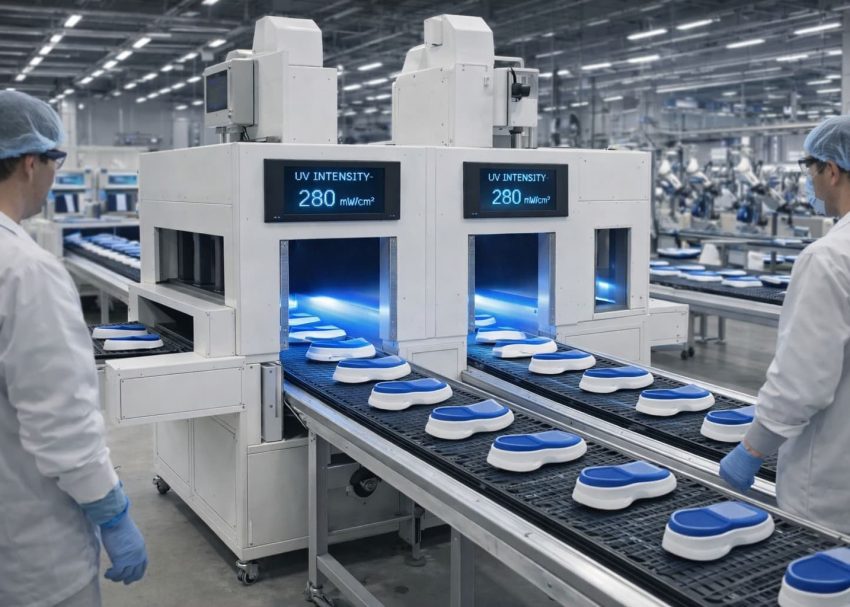
After the secondary coat, the adhesive must again reach the required condition before entering the activation process. At the same time, the factory should avoid unnecessarily long delays because adhesive systems have defined open-time and activation windows. Therefore, secondary coating should be integrated with the production line rather than treated as an isolated operation.
Expert Tip:
Record adhesive batch and process conditions when investigating bonding variation.
What Makes Secondary Coating Different?
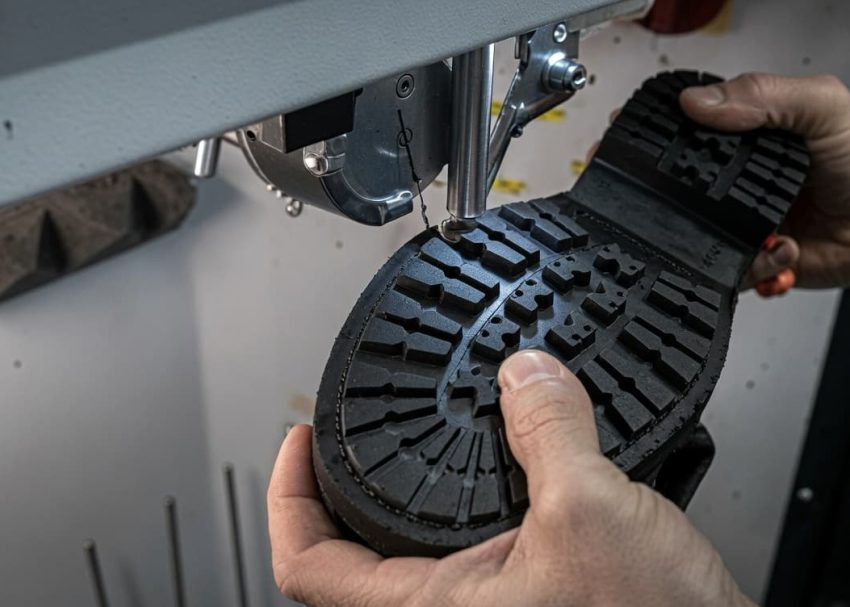
The main difference is that secondary coating is a film-building operation, not a surface-preparation operation. The primary coat establishes the initial adhesive interface. The secondary coat then develops the required adhesive film for the final bonding system. Consequently, process decisions should consider the combined result of both coats rather than evaluating the second coat independently.
If the primary coat is already properly controlled, the secondary operation should remain simple: correct timing, correct quantity, uniform coverage, and controlled drying.
This also means factories should avoid adding unnecessary process variation. Any change in adhesive quantity, drying time, coating pattern, or activation timing should be evaluated through appropriate bonding tests before implementation.
Conclusion
Secondary cement coating should be viewed as a controlled adhesive film-building operation rather than a repetition of primary cementing. Its value comes from achieving the required total adhesive film, particularly for difficult materials and demanding footwear constructions.
Next Blog: Drying and Activation Operations in Outsole Process: Outsole (Stock Fitting) Assembly Series — covering how controlled drying and activation prepare the adhesive system for outsole attachment.
Frequently Asked Questions (FAQs)
No. A second coat is required only when specified by the approved adhesive system or footwear construction. It is commonly used where higher bond strength, improved film build, or better bonding reliability is required.
Applying the second coat too early can trap solvents between the adhesive layers. This may cause poor drying, blistering, or reduced bond strength after activation. Therefore, the recommended inter-coat drying time must be maintained.
No. Excessive adhesive can create an overly thick or soft adhesive film, increase drying time, and cause adhesive squeeze-out or poor bonding performance. The objective is to achieve the specified total adhesive film thickness, not maximum adhesive quantity.