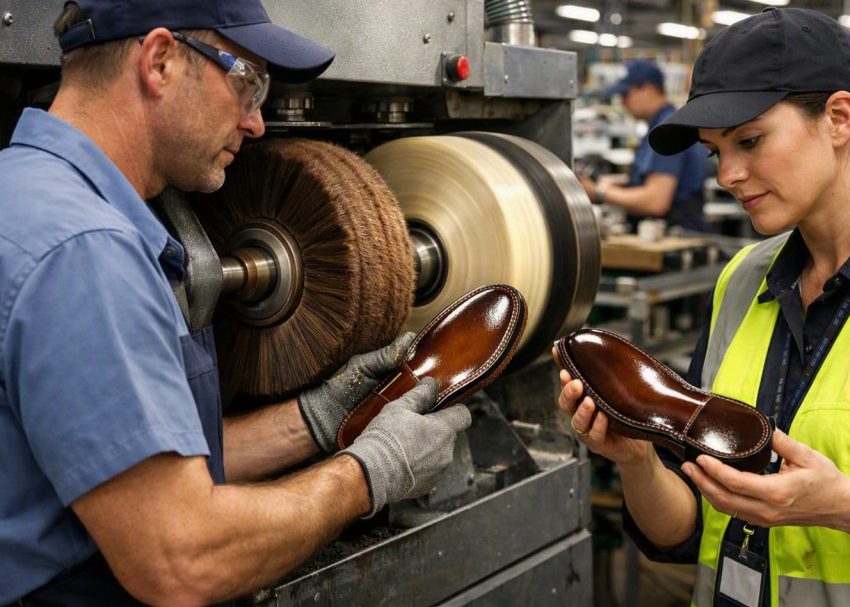
Brushing & Polishing Operations in Outsole Process: Outsole (Stock Fitting) Assembly Series
In the previous blog, Repairing and cleaning provide the final cosmetic preparation before outsole enters final inspection. . The next important finishing stage is brushing and polishing, where the outsole receives its final visual treatment.
Brushing and polishing improve shine, lustre, colour depth and overall appearance. The operation becomes especially important for premium and formal footwear, where even small differences in gloss can affect final appearance approval.
Wax plays an important role in this process. Depending on the required colour and finish, factories may use natural, black, brown, synthetic or carnauba-based polishing waxes. Technical footwear-finishing references also identify black, brown and natural coloured waxes and carnauba polishing wax for final brushing.
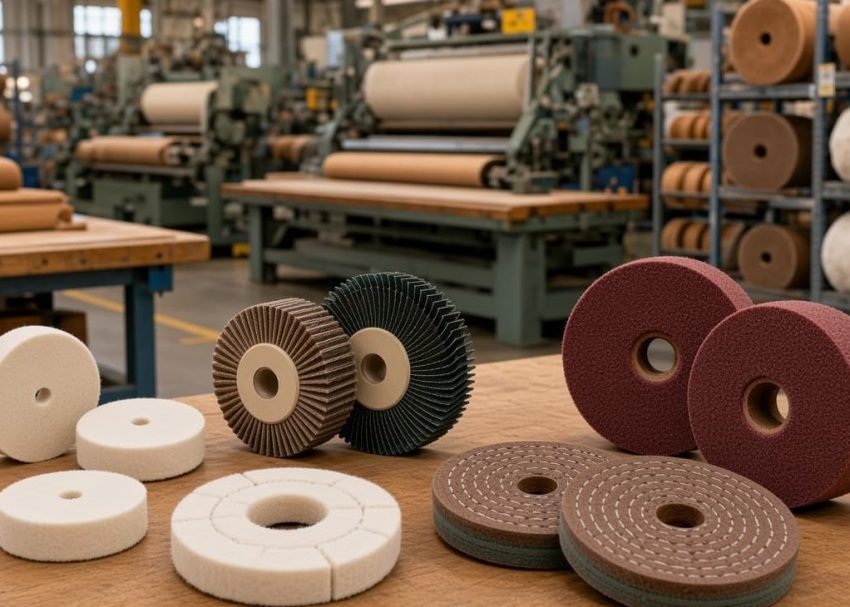
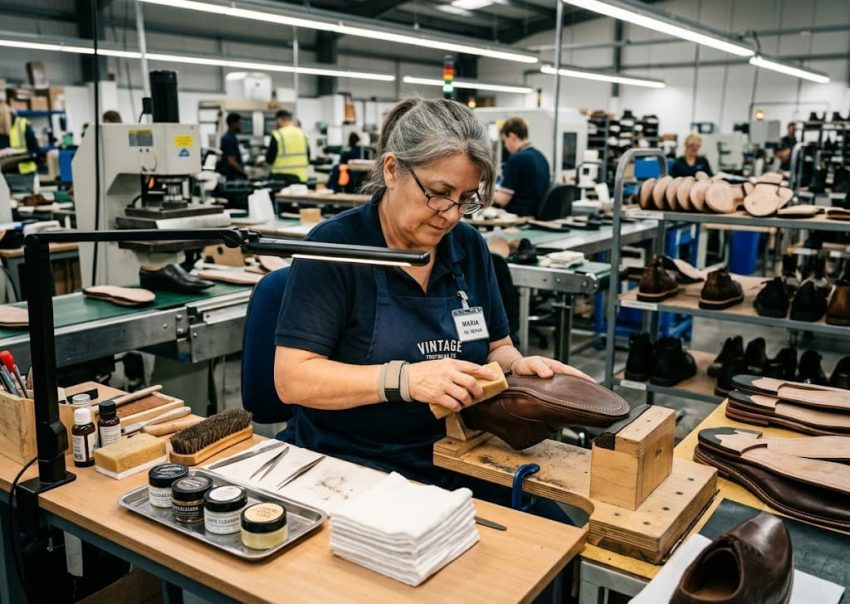
Brush Types and Their Application
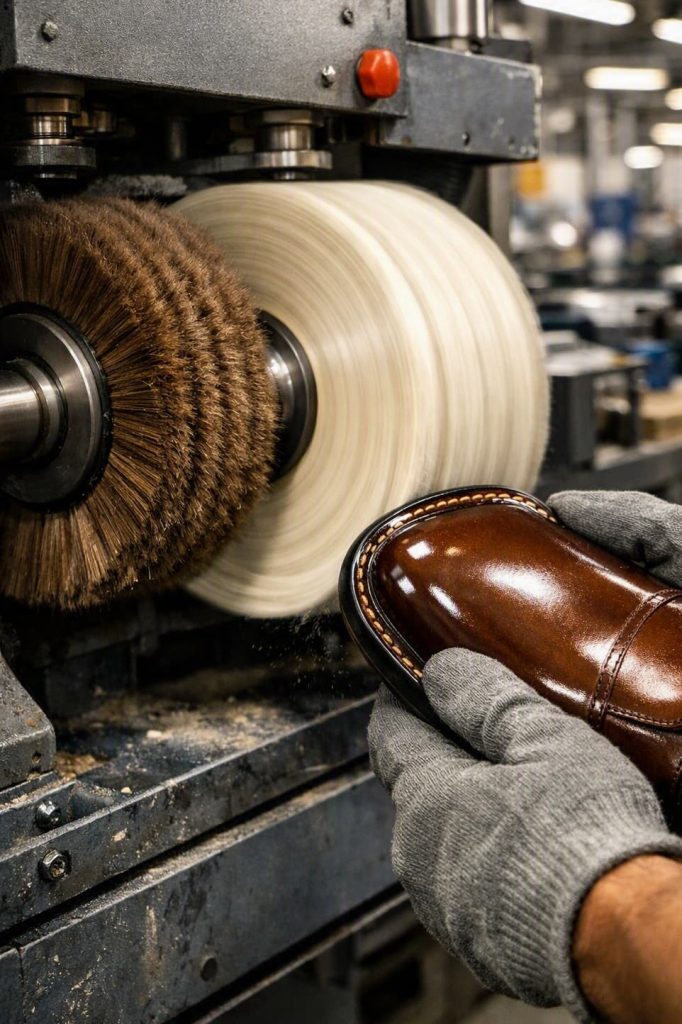
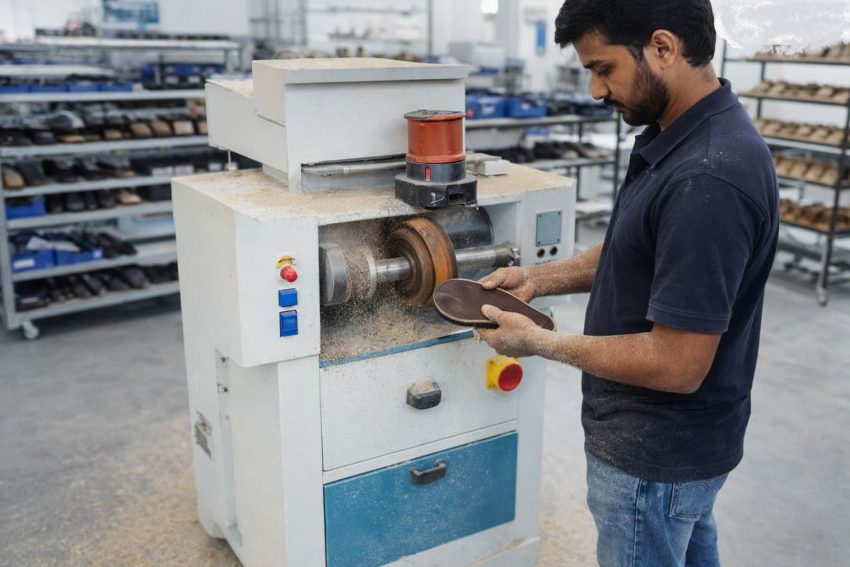
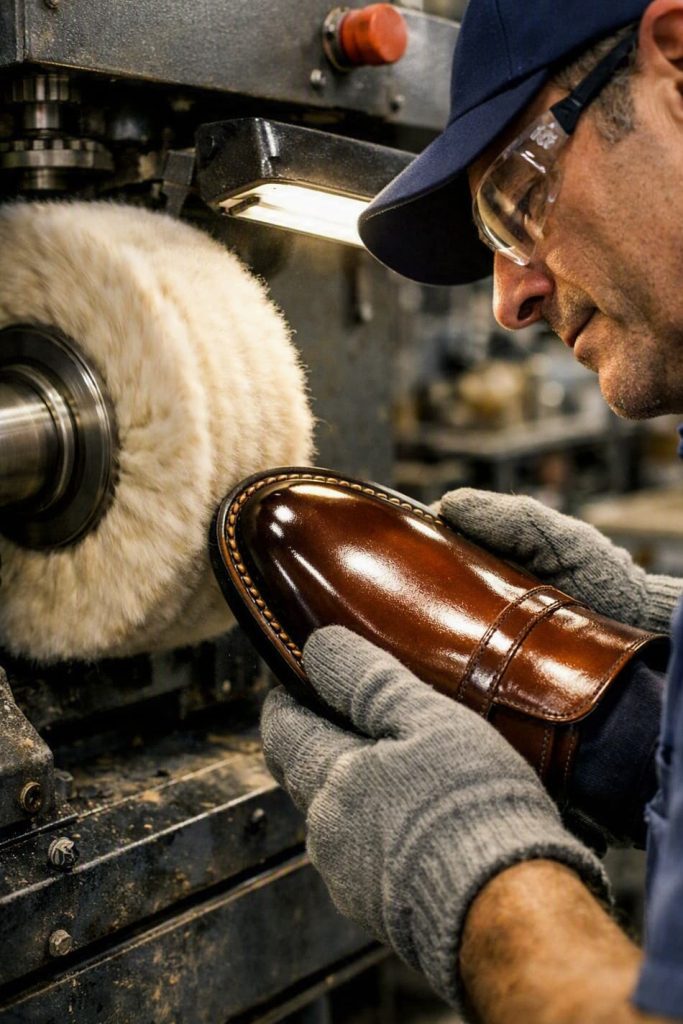
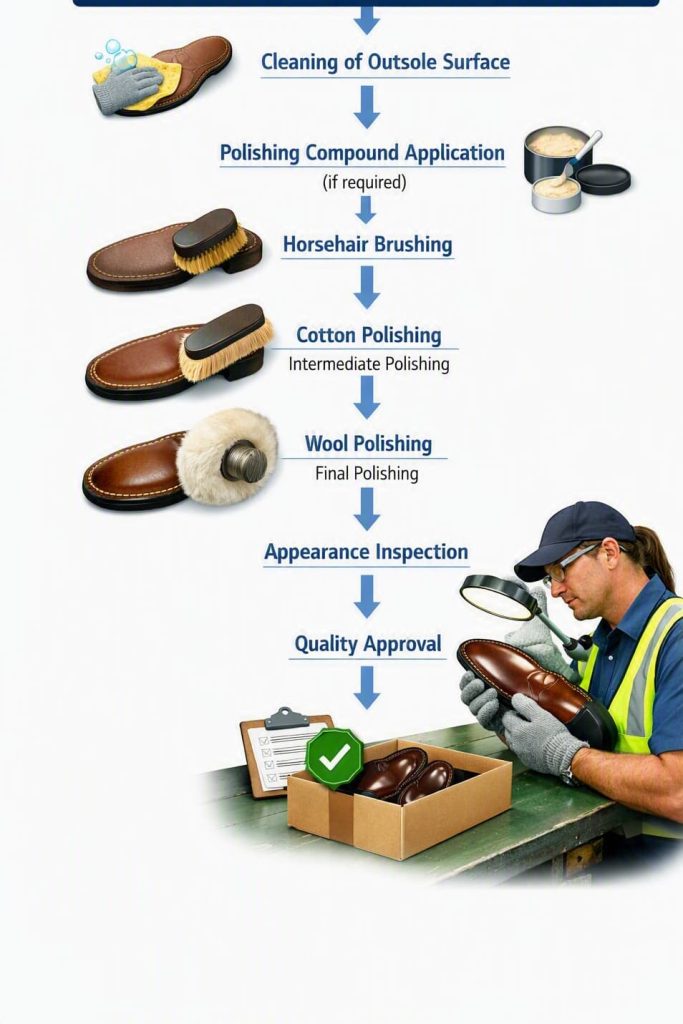
Different brush materials create different finishing effects. Horsehair brushes provide gentle brushing and are suitable where a natural, controlled lustre is required. Cotton brushes provide stronger polishing action and help distribute coloured or abrasive wax. Wool brushes are commonly used for the final high-gloss operation, particularly with carnauba-based wax.
The sequence depends on the outsole material and required appearance. A typical process uses cotton for intermediate polishing and wool for final polishing.
Key Control Points
- Select brush material according to the required finish.
- Keep brushes clean and free from excessive wax buildup.
- Maintain consistent speed and pressure.
- Replace worn or contaminated brushes.
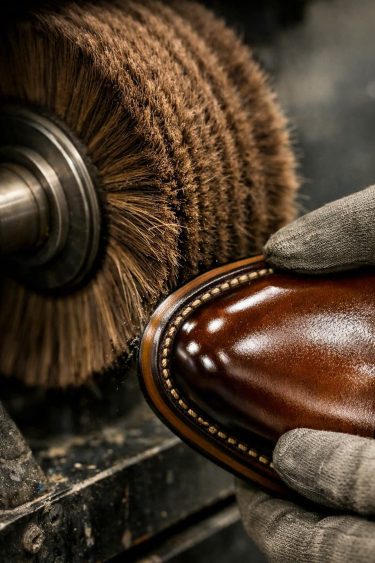
Expert Tip: Maintain separate brushes for different wax colours.
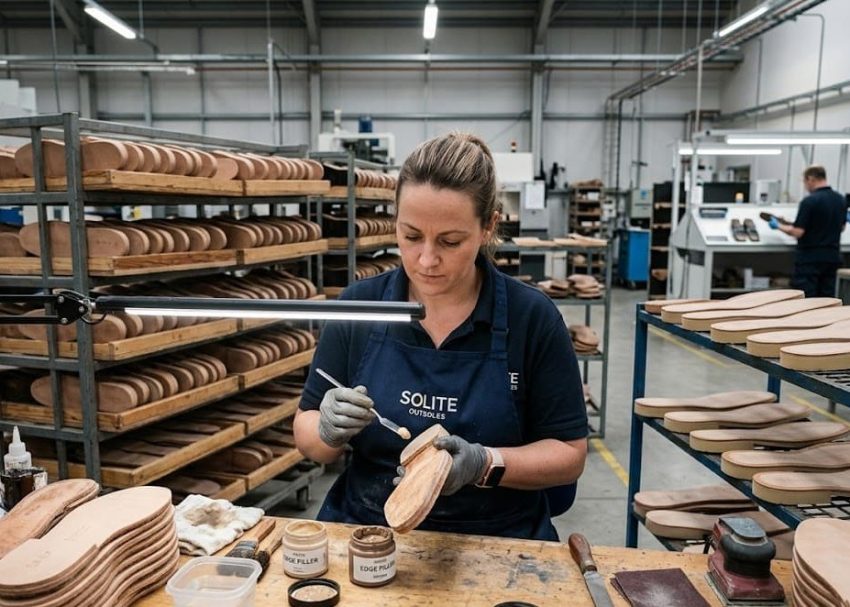
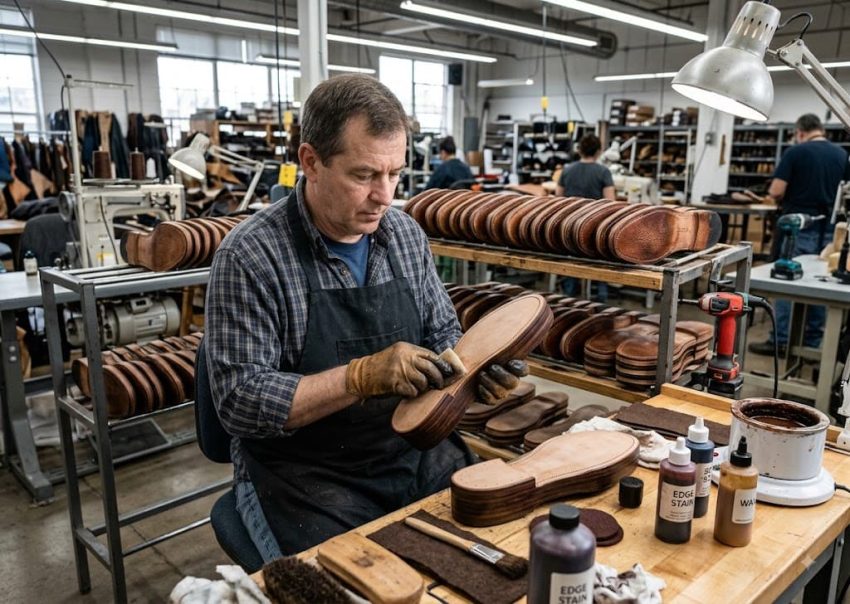
Wax Selection: Colour and Finish
Wax selection must match both the outsole colour and the required appearance.
Black wax is normally used for black finishes, while brown wax suits brown and related shades. Natural or neutral wax can be used where colour alteration is not required. Carnauba wax is widely used as a final polishing wax because it helps produce a hard, high-gloss finish.
Factories should not select wax only by colour. The wax formulation, hardness, compatibility with the existing finish and desired gloss level must also be considered. For premium production, the approved wax should be defined in the product finishing specification.
Key Control Points
- Match wax colour with the approved outsole shade.
- Use natural/neutral wax where colour change is undesirable.
- Use carnauba-based wax when a high-gloss finish is specified.
- Validate new wax against an approved sample before production.
Expert Tip: Never mix black and brown wax on the same brush.
How Often Should Wax Be Applied to the Brush?
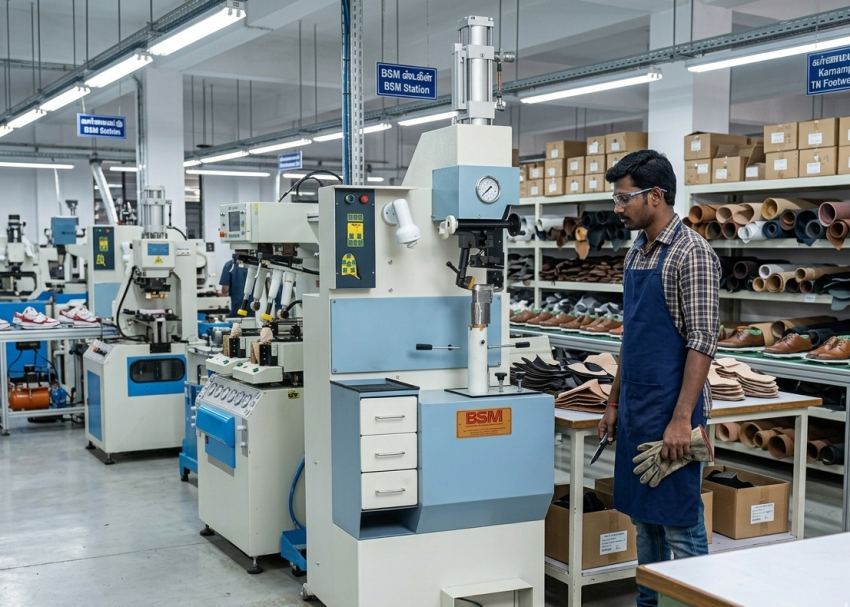
Wax should not be continuously or excessively loaded onto the brush. Excess wax can contaminate the brush, create uneven gloss, transfer colour and increase cleaning requirements. Instead, the operator should apply a small quantity of wax and replenish it when the brush no longer produces the required finish. Technical footwear-finishing procedures also recommend applying a small quantity of wax to the brush before brushing.
There is therefore no fixed universal interval such as every 10 or 20 pairs. The correct frequency depends on brush size, machine RPM, wax type, outsole material, production quantity and visual result.
Key Control Points
- Start with a small quantity of wax.
- Reapply only when polishing performance reduces.
- Avoid heavy wax accumulation on the brush.
- Establish the practical interval during line trials.
Expert Tip: Record approved wax type and colour in the finishing specification.

Surface Temperature and Shine Control
Brushing generates friction, which helps spread and activate the wax. However, excessive pressure, speed or brushing time can generate unnecessary heat and cause uneven gloss or finish damage.
Operators should maintain standardized machine settings and use light, consistent pressure. The finished outsole should show uniform shine without streaks, dark patches or visible wax deposits.
Key Control Points
- Control RPM and brushing pressure.
- Avoid excessive heat generation.
- Check gloss consistency during production.
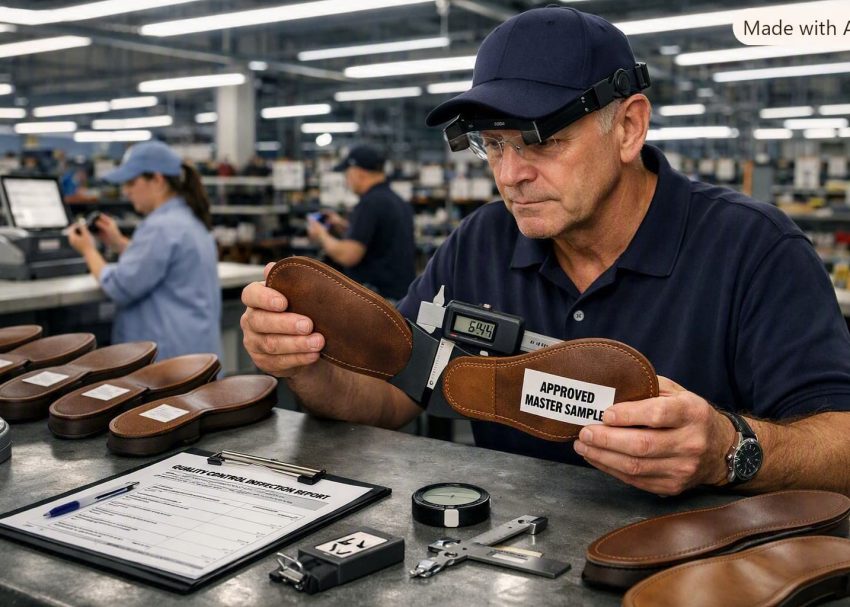
- Compare production pairs with the approved master sample.
Expert Tip: Clean brushes before changing colour.
Conclusion
Brushing and polishing provide the final aesthetic character to the outsole. Correct brush selection, controlled wax application, suitable wax colour and proper machine settings work together to produce consistent shine, lustre, colour depth and premium appearance.
Next in the Outsole (Stock Fitting) Assembly Series: Final Inspection Operations in Outsole Process — inspecting the final outsoles before sending to the full shoe assembly.
Expert Tip:
Check the first-off pair before starting bulk production.
Monitor brush condition throughout the shift
Frequently Asked Questions (FAQs)
Brushing removes light surface marks, enhances appearance, and prepares the outsole for final inspection.
Horsehair and wool brushes are preferred because they produce a natural, high-quality finish without damaging the leather.
Cotton brushes improve gloss, distribute polishing compounds evenly, and create a uniform surface finish.
Yes. Excessive pressure or prolonged polishing can generate heat, causing discoloration, streaks, or finish deterioration.
Brushes should be replaced whenever wear, contamination, or reduced polishing performance affects product quality.
Uneven shine caused by inconsistent brushing pressure, worn brushes, or contaminated polishing compounds.
Inspectors compare the finished outsole with approved master samples under standardized lighting conditions.
Expert Tip:
Avoid excessive wax; more wax does not automatically mean more shine.
Use a clean wool brush for the final gloss stage.