Multi-Color and Multi-Component Sole Moulding in Footwear
Introduction
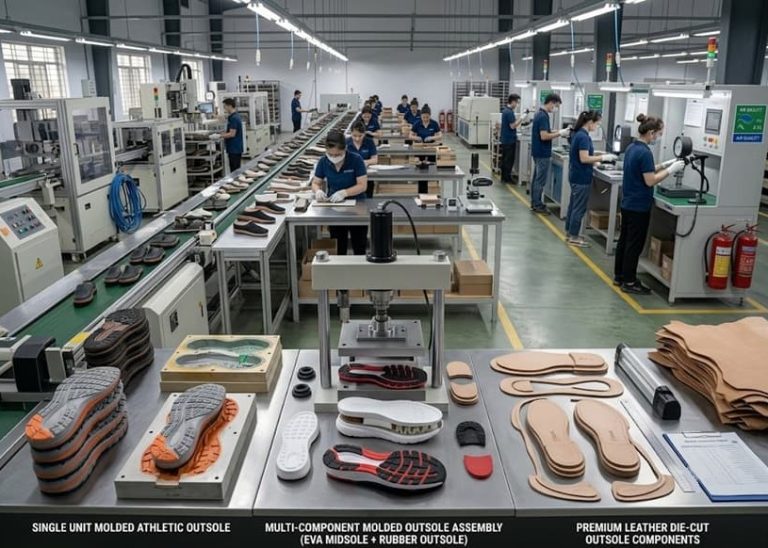
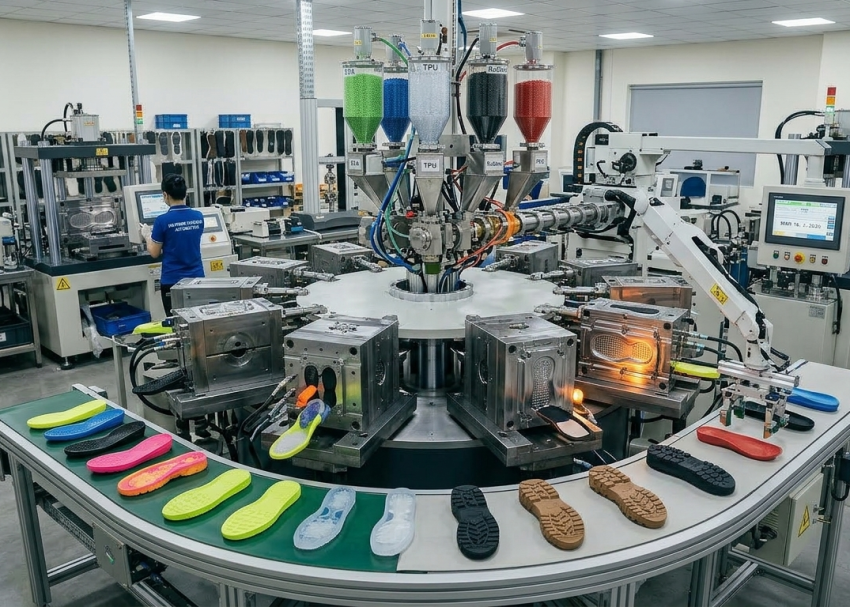
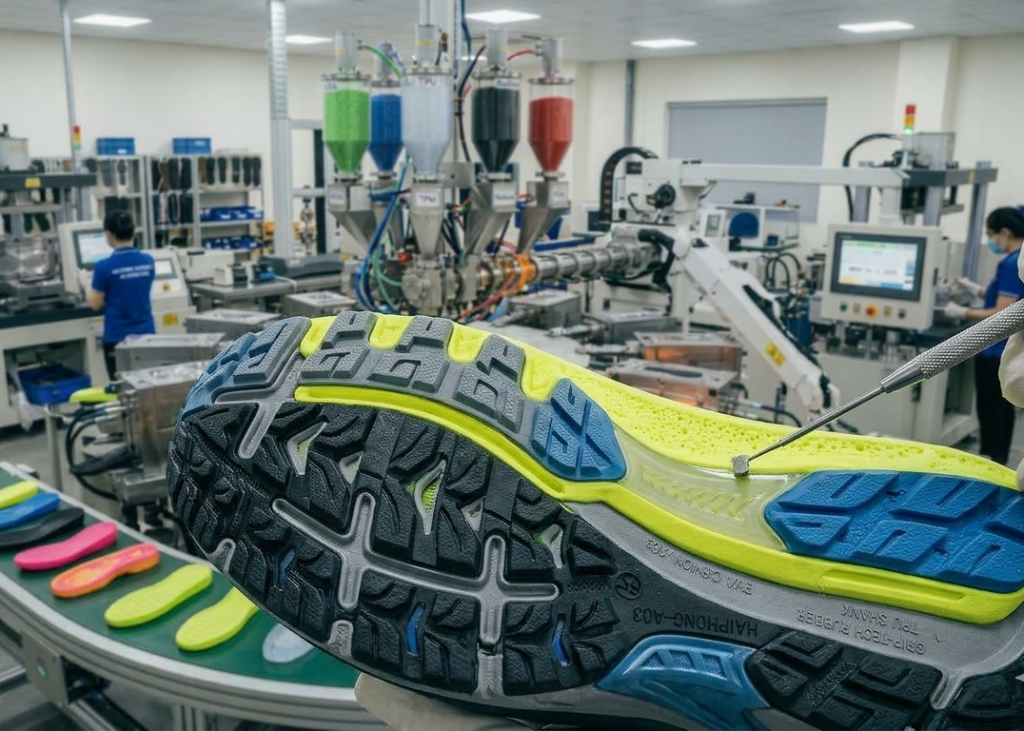
Multi-color and multi-component sole moulding has become one of the most important technologies in modern footwear manufacturing. Instead of producing different sole parts separately and bonding them later, manufacturers can mould multiple colors and materials directly in one moulding cycle.
As a result, footwear brands can achieve better aesthetics, stronger bonding, and improved performance. Moreover, this process significantly reduces manual assembly operations.
Today, factories producing sports footwear, sandals, safety shoes, and casual shoes widely use this technology. Common multi-component sole combinations include:
- EVA + Rubber
- TPU + EVA
- PVC + TPR
Each combination delivers different performance characteristics such as cushioning, abrasion resistance, traction, and flexibility.

EVA + Rubber Multi-Component Sole
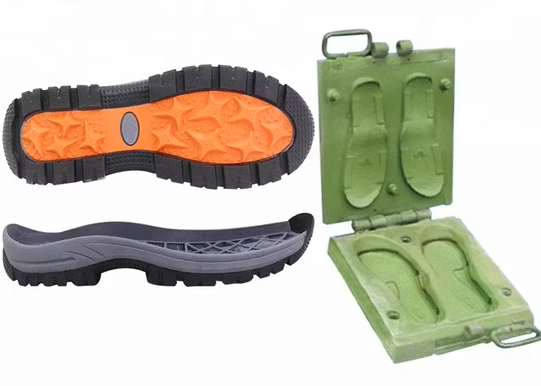
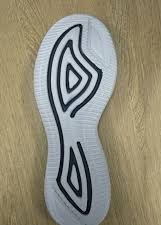
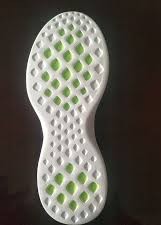
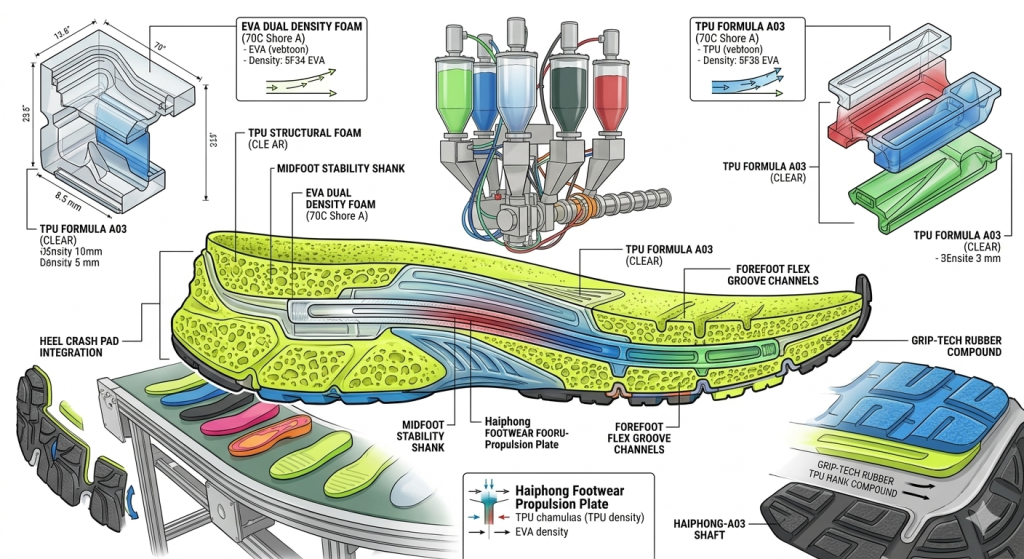
The EVA + Rubber sole structure is one of the most widely used combinations in sports footwear.
Typically, the EVA midsole provides cushioning, while the rubber outsole delivers abrasion resistance and grip. Because EVA is lightweight and rubber is durable, the combination offers an excellent balance between comfort and performance.
Typical Structure
| Layer | Material | Function |
|---|---|---|
| Midsole | EVA foam | Cushioning and lightweight |
| Outsole | Rubber | Traction and abrasion resistance |
Manufacturing Process
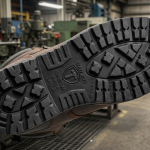
First, EVA pellets are foamed and moulded to form the midsole. Then, the rubber compound is injected or compressed into the outsole mould cavity.
During moulding, the materials bond mechanically or chemically, creating a single integrated sole structure. Multi-color effects can also be achieved by injecting EVA compounds of different colors into the mould cavity.

Typical Process Parameters (Range)
- EVA mould temperature: 150–180°C
- Rubber mould temperature: 160–190°C
- Injection pressure: 70–120 bar
- Cycle time: 3–6 minutes
Expert Tip : Footwear engineers should always design sufficient mechanical locking structures between EVA and rubber. Because EVA has low surface energy, mechanical interlocking patterns greatly improve bonding strength.
TPU + EVA Multi-Component Sole
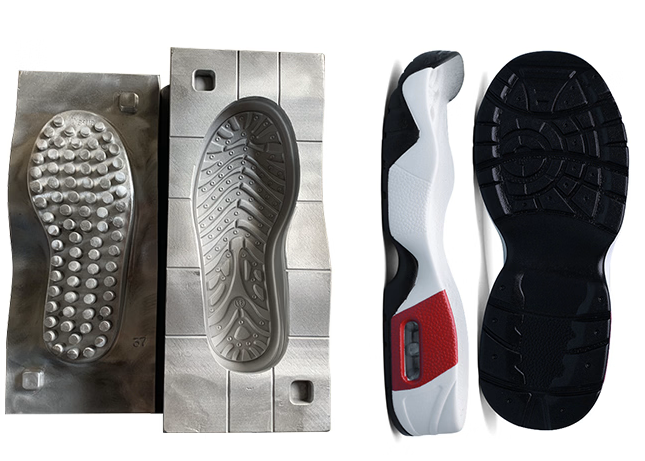
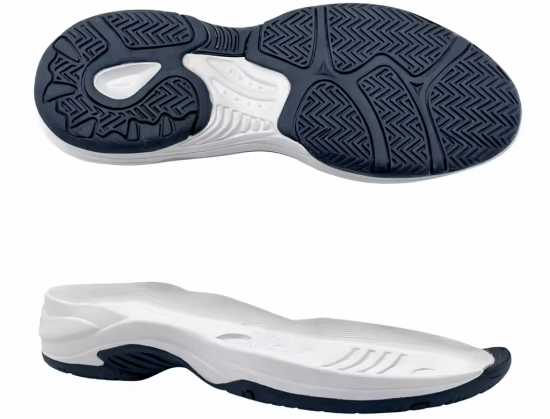
The TPU + EVA sole combination is commonly used in high-performance sports shoes. In this design, the EVA midsole absorbs impact, while TPU inserts provide structural support, torsional stability, and durability. Consequently, many running and training shoes use TPU components in the heel or midfoot area.
Production Process
The manufacturing process usually follows a two-shot injection sequence.
- EVA midsole is moulded first.
- TPU components are injected into dedicated mould cavities.
- Both materials fuse during moulding.
Typical Processing Conditions
- TPU melt temperature: 190–220°C
- EVA mould temperature: 150–180°C
- Injection pressure: 80–130 bar
- Cooling time: 30–90 seconds
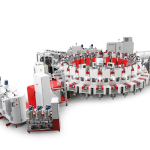
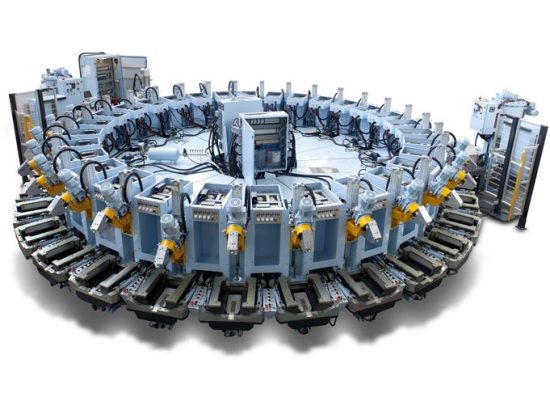
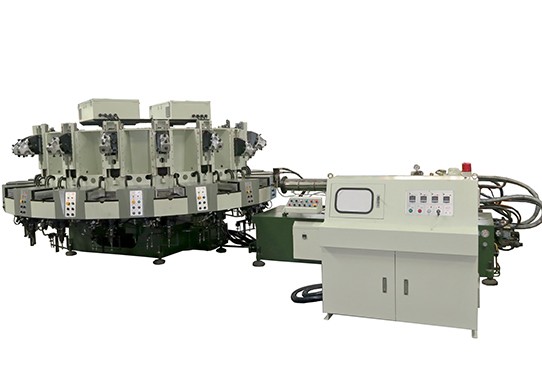
Modern rotary injection machines allow precise positioning of TPU elements inside EVA structures
Advantages
- Excellent durability
- Good energy return
- High abrasion resistance
- Strong structural support
Best Practices : When designing TPU inserts, avoid sharp corners or thin ribs. Instead, use rounded transitions because TPU shrinkage may create stress points during cooling.
PVC + TPR Multi-Color Injection Sole
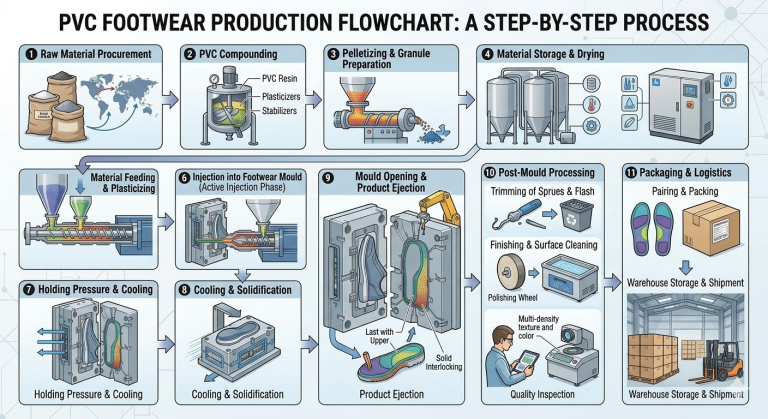
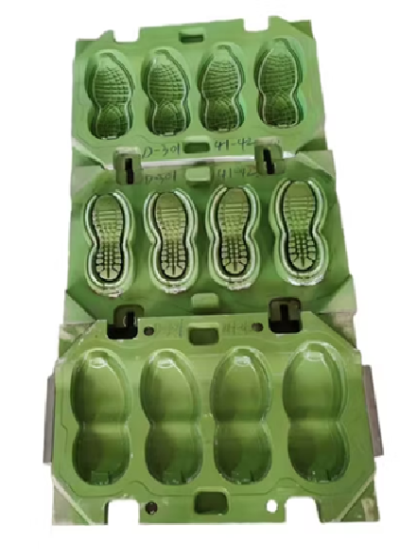
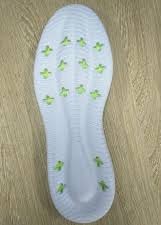
PVC and TPR combinations are widely used in sandals, slippers, and casual footwear. This technology allows footwear manufacturers to produce two-color soles with flexible traction zones and decorative elements.
Material Characteristics
| Material | Properties |
|---|---|
| PVC | Cost-effective, good mouldability |
| TPR | Rubber-like flexibility and traction |
Because both materials are thermoplastic, they bond well during injection moulding.
Typical Processing Parameters
- PVC melt temperature: 160–190°C
- TPR melt temperature: 170–210°C
- Injection pressure: 80–140 bar
- Cooling time: 40–70 seconds
Typical Machine Configuration
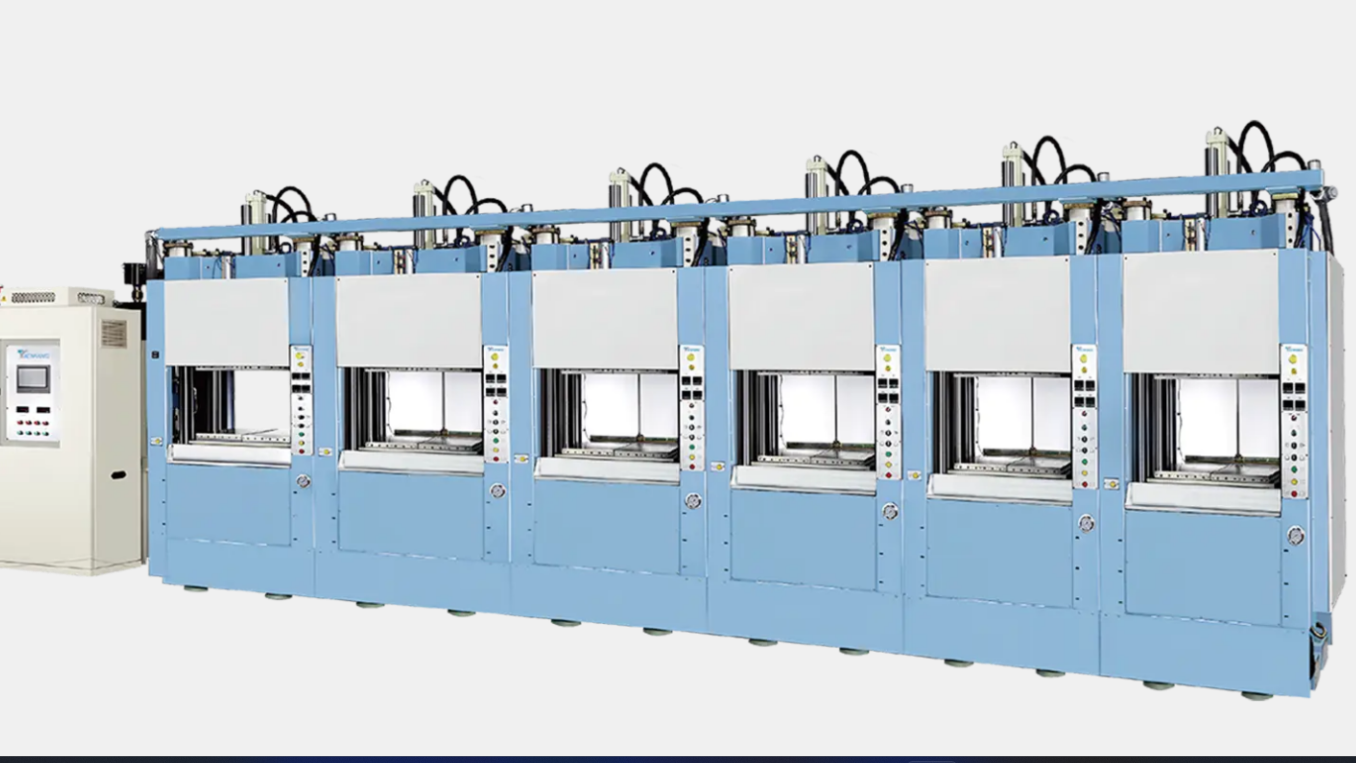
- Rotary injection moulding machine
- Multiple injection stations
- Independent temperature control for each material
Without these features, color bleeding may occur during injection.
Best Practices : To achieve clean color separation, mould designers should incorporate material flow barriers or shut-off features inside the mould.
Key Advantages of Multi-Component Sole Moulding
1. Greater Design Freedom
Designers can create complex patterns, logos, and color combinations directly in the sole.
2. Stronger Material Bonding
Because materials fuse during moulding, delamination risk is significantly reduced compared with glued constructions.
3. Reduced Assembly Cost
Since multiple components are moulded simultaneously, manufacturers eliminate several manual bonding steps.
4. Improved Production Efficiency
Rotary machines allow factories to produce multiple pairs per cycle, thereby increasing productivity.
5. Better Product Performance
Multi-component soles combine the best properties of different materials, such as cushioning, grip, flexibility, and durability.
Common Production Defects and Solutions
| Defect | Cause | Solution |
|---|---|---|
| Color bleeding | Poor mould design | Improve shut-off design |
| Delamination | Low bonding strength | Add mechanical locking |
| Short shot | Low injection pressure | Increase pressure |
| Surface defects | Incorrect temperature | Optimize mould temperature |

Major Multi-Component Sole Moulding Machine Manufacturers
Below are some leading global machinery suppliers used by footwear factories.
DESMA – USA
DESMA is one of the world’s most recognized manufacturers of footwear injection moulding machines. The US company develops advanced direct-soling and injection systems used to manufacture safety footwear, sports shoes, and molded soles. Their rotary injection machines support PU, TPU, rubber, and thermoplastic materials. DESMA machines are widely used by major footwear brands and OEM factories due to their high automation, accurate dosing systems, and consistent product quality.
King Steel Machinery – Taiwan
King Steel Machinery manufactures injection moulding equipment for PVC, TPR, Rubber and thermoplastic footwear production. Their rotary machines are commonly used for producing molded sandals, slippers, and boots. The company focuses on strong mechanical construction, reliable injection control, and consistent production quality suitable for large-scale manufacturing.
Tien Kang Machinery
Tien Kang produces EVA injection machines designed for slippers, sandals, midsoles, and outsole components. Their multi-station machines provide stable temperature control and high production efficiency, making them popular among footwear manufacturers.
Main Group – Italy
Main Group Technologies is an Italian manufacturer specializing in direct injection and moulding machines for the footwear industry. Their equipment is widely used for PU, TPU, PVC, and rubber sole production. Main Group machines are known for flexible configuration, multi-density sole capability, and energy-efficient design. Many European and Asian footwear manufacturers use Main Group systems for high-volume sole injection production.
CTM Machinery
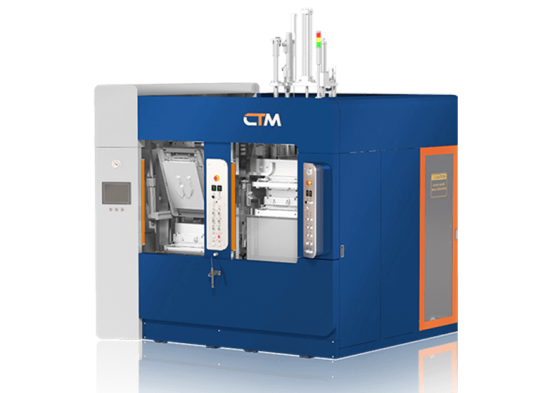
CTM Machinery specializes in EVA foam moulding and rubber injection machines used in footwear factories worldwide. Their machines are known for durability, high output capacity, and stable production performance.
Kou Yi Iron Works – Taiwan
Kou Yi Iron Works is a Taiwanese manufacturer known for PVC and TPR footwear injection machines. Their equipment is widely used in factories producing molded sandals, slippers, and casual footwear. Kou Yi machines are appreciated for durable mechanical design, simple maintenance requirements, and stable injection systems that allow continuous high-volume production.
Dongguan Kingstone Machinery – China
Dongguan Kingstone Machinery supplies thermoplastic injection machines for PVC, EVA, and TPU footwear manufacturing. Their machines are widely used for molded boots and sandals. Kingstone focuses on automated rotary tables, high-efficiency heating systems, and flexible mould configurations that allow factories to produce multiple footwear styles with minimal downtime.

Future Trends in Multi-Component Sole Manufacturing
The footwear industry continues to innovate in this area. Therefore, manufacturers are increasingly adopting:
- 3-component injection moulding
- Smart injection machines with PLC control
- Robotic sole handling systems
- IoT-enabled production monitoring
- Sustainable bio-based materials
Consequently, multi-component sole moulding will remain a critical technology for performance footwear and high-value products.
Conclusion
Multi-color and multi-component sole moulding enables footwear manufacturers to produce high-performance, visually appealing, and durable soles in a single production process. By combining materials such as EVA, rubber, TPU, PVC, and TPR, manufacturers can optimize both comfort and durability. As footwear designs continue to evolve, this technology will play an even more important role in modern footwear manufacturing systems.
FAQs
What is multi-component sole moulding?
Multi-component moulding is a manufacturing process where two or more materials are injected into a single mould cavity to form a combined sole structure.
Why are EVA and rubber used together?
EVA provides lightweight cushioning, while rubber offers high abrasion resistance and traction.
Is TPU better than rubber for soles?
TPU offers higher durability and flexibility, whereas rubber provides better traction in some conditions.
Which footwear uses multi-component soles?
This technology is commonly used in sports shoes, safety shoes, casual footwear, and sandals.

Explore other Outsole Materials Posts
- Overview of Moulded Shoe Construction in Footwear Manufacturing
- Direct Injection Moulding in Footwear: Process, Materials, Machinery and Industrial Applications
- PVC Injection Moulding in Footwear Manufacturing : Process, Machines, Technical Parameters, and Industrial Applications
- Polyurethane (PU) Direct Injection Moulding in Footwear – A Complete Guide for Footwear Manufacturing
- EVA Soles in Footwear: Compression vs Injection Moulding
- Rubber Sole Manufacturing: Pressing and Injection Moulding: Complete Technical Guide
- Reinforced Reaction Injection Moulding (R-RIM and S-RIM) in Footwear Manufacturing
- Vulcanised Shoe Construction and Manufacturing Process
- TPU and TPR Injected Outsoles Manufacturing Process – Detailed Technical Guide
- Dual Density PU Sole Manufacturing Process – A Detailed Technical Guide
- Footwear Outsole Materials: Complete Comparison Guide for PVC, PU, TPU, EVA, Rubber, Vulcanised & Leather