Footwear Outsole Materials: Complete Comparison Guide for PVC, PU, TPU, EVA, Rubber, Vulcanised & Leather
Footwear outsole material plays a crucial role in determining the performance, durability, comfort, and cost of a shoe. Each material offers unique characteristics, and therefore, selecting the right outsole compound is a key decision in footwear product development.
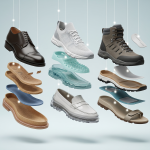
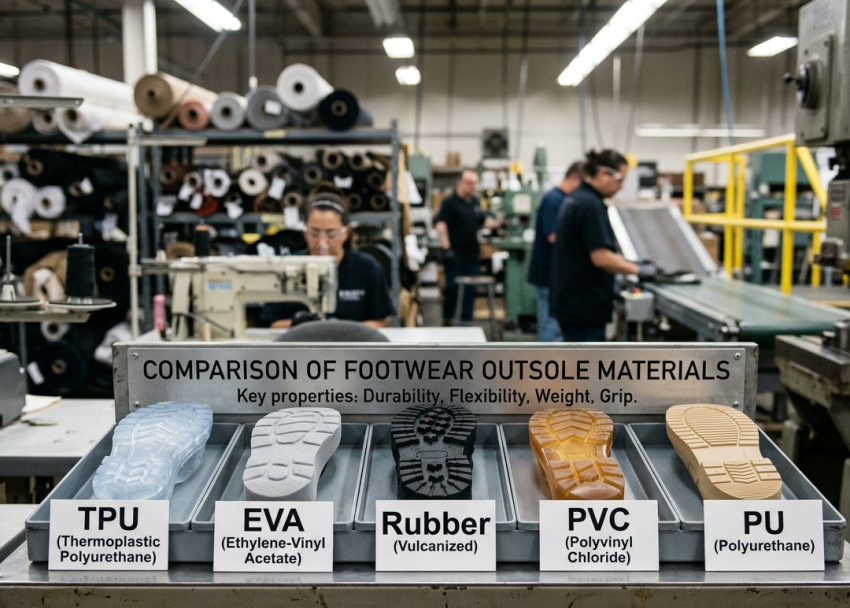
Modern footwear manufacturing uses a wide range of outsole materials such as PVC, PU, TPU, TPR, EVA, Rubber, Vulcanized Rubber, and Leather. While synthetic materials dominate high-volume production, leather outsole remains important in premium and formal footwear.
In this article, we provide a complete technical comparison of all major outsole materials, including:
- Physical properties (with value ranges)
- Advantages and disadvantages
- Cost comparison
- Typical applications
- Engineering selection guidance
Best Practices : Balance Cost with Performance, Not Just Price
Low-cost materials like PVC may reduce initial cost, but higher wear rates can increase long-term replacement costs.

Major Footwear Outsole Materials Overview
| Material | Full Form / Type | Typical Process |
|---|---|---|
| PVC | Polyvinyl Chloride | Injection Moulding |
| PU | Polyurethane | Direct Injection / Pouring |
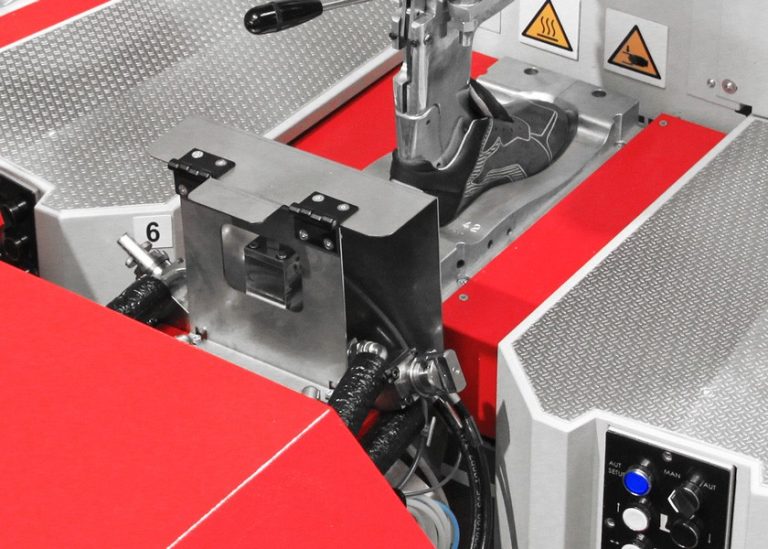
| TPU | Thermoplastic Polyurethane | Injection Moulding |
| TPR | Thermoplastic Rubber | Injection Moulding |
| EVA | Ethylene Vinyl Acetate | Compression / Injection |
| Rubber | Natural / Synthetic Rubber | Compression Moulding |
| Vulcanized Rubber | Cross-linked Rubber | Vulcanization |
| Leather | Natural Leather (Vegetable / Chrome tanned) | Cutting |
Expert Tip : Match Material with End-Use Application
Always select outsole material based on actual usage conditions such as walking, running, industrial work, or formal wear to avoid performance failure.

Physical Properties Comparison (With Values + Characteristics)
The following table combines engineering values and qualitative ratings (Low / Medium / High) for better understanding.
Note: Values vary depending on compound formulation and processing conditions.
| Property | PVC | PU | TPU | TPR | EVA | Rubber | Vulcanized Rubber | Leather |
|---|---|---|---|---|---|---|---|---|
| Density (g/cm³) | High (1.30–1.45) | Medium (0.45–0.75) | Medium (1.10–1.25) | Medium (0.90–1.20) | Very Low (0.15–0.35) | High (1.10–1.30) | High (1.15–1.35) | Medium (0.80–1.10) |
| Hardness (Shore A) | High (70–95) | Medium (55–75) | High (70–95) | Medium (60–85) | Low (30–60) | Medium (60–80) | Medium–High (65–85) | – |
| Abrasion Resistance (DIN mm³) | Medium (180–250) | Medium (120–180) | Very High (30–80) | Medium (120–200) | Low (200–350) | High (60–120) | High (70–110) | Medium (150–250) |
| Tensile Strength (MPa) | Medium (10–25) | Medium–High (12–35) | High (30–50) | Medium (8–20) | Low (5–15) | Medium (15–25) | Medium–High (18–30) | Medium (10–25) |
| Elongation at Break (%) | Medium (200–350) | High (300–600) | Very High (400–650) | Medium–High (250–450) | Medium (150–300) | Very High (400–700) | High (350–650) | Medium |
| Flex Resistance | Medium | High | Very High | High | Medium | Very High | Very High | Very High |
| Compression Set (%) | High (30–45) | Medium (20–35) | Medium (25–35) | High (30–45) | Very High (35–55) | Low (15–30) | Low (15–25) | High (40–60) |
| Slip Resistance | Medium | Good | Excellent | Good | Medium | Excellent | Excellent | Medium |
| Temperature Resistance (°C) | Low (-10 to 60) | Medium (-20 to 80) | High (-30 to 120) | Medium (-20 to 70) | Medium (-40 to 60) | High (-30 to 120) | Very High (-40 to 140) | Low(-10 to 60) |
| Weight Characteristic | Heavy | Medium | Medium | Medium | Very Light | Heavy | Heavy | Medium |
| Water Resistance | High | High | High | Medium | Medium | High | Very High | Low |
| Breathability | Low | Low | Low | Low | Medium | Low | Low | Very High |
Best Practices : Prioritize Abrasion Resistance for Outdoor Footwear
For hiking, safety, or industrial shoes, choose TPU or rubber to ensure longer life under rough and abrasive surfaces.
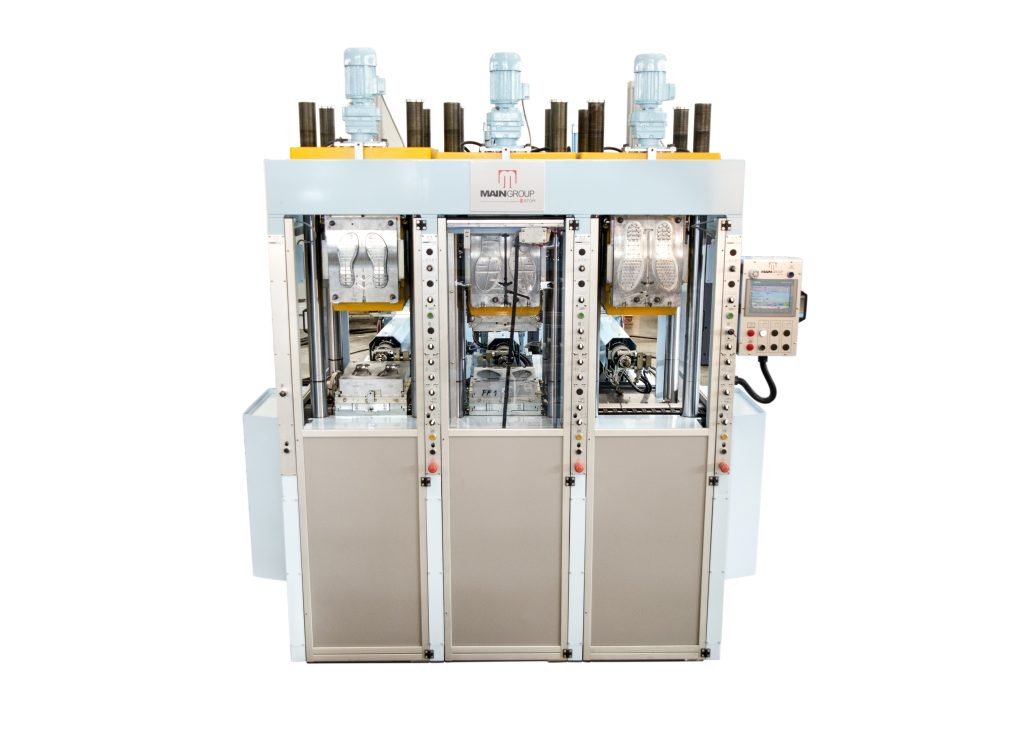
Advantages & Disadvantages of Each Outsole Material
Each outsole material is selected based on its specific performance benefits & limitations
| Material | Key Advantages | Key Disadvantages |
|---|---|---|
| PVC | Low cost, easy processing, suitable for mass production | Heavy, poor cold flexibility, environmental concerns |
| PU | Excellent cushioning and comfort, lightweight | Hydrolysis in humid conditions |
| TPU | Superior abrasion resistance and durability | Higher cost |
| TPR | Flexible and rubber-like feel with thermoplastic processing | Moderate durability compared to TPU |
| EVA | Extremely lightweight with excellent shock absorption | Poor abrasion resistance |
| Rubber | Outstanding grip and durability | Heavy and longer processing cycle |
| Vulcanized Rubber | Strong cross-linking provides long life and wear resistance | High energy consumption, slower production |
| Leather | Premium look, breathability, natural comfort, elegant finish | Low water resistance, higher cost, limited durability on rough surfaces |
Best Practices : Use EVA Only Where Weight Matters Most
EVA is excellent for lightweight comfort, but avoid using it alone in high-wear areas due to its low abrasion resistance.
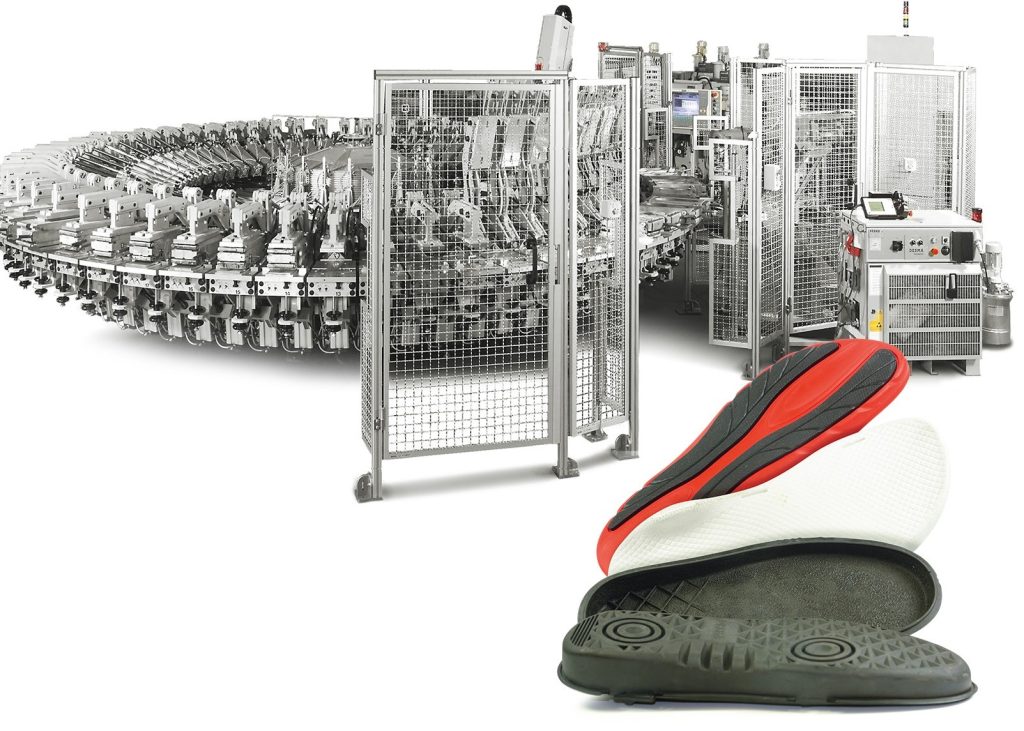
Cost Comparison & Application of Outsole Materials
Cost plays a major role in material selection, especially for large-scale footwear production & its Applications.
| Material | Cost Level | Application |
|---|---|---|
| PVC | Very Low | Slippers, rain boots |
| EVA | Low | Running shoes, sandals, Performance |
| TPR | Low to Medium | Casual and kids footwear |
| Rubber | Medium | Outdoor, trekking, industrial shoes |
| PU | Medium | Safety shoes, formal shoes |
| Leather | Medium to High | Formal shoes, dress shoes, luxury footwear |
| TPU | High | Sports and performance footwear |
| Vulcanized Rubber | Medium to High | Canvas shoes, sneakers |
Best Practices : Combine Materials for Balanced Performance
Hybrid constructions like EVA + rubber or PU + TPU help achieve the right balance of cushioning, grip, durability, and cost efficiency.
Why Leather Outsole is Still Important
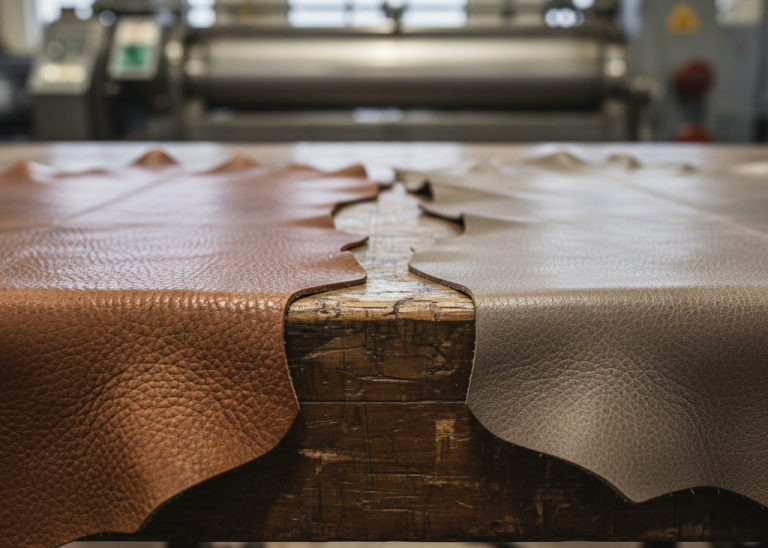
Although synthetic materials dominate modern footwear, leather outsole continues to be used in premium footwear segments.
Key Reasons:
- Provides natural breathability
- Offers elegant and premium appearance
- Delivers comfortable foot feel over time
- Preferred in formal and luxury footwear
However, leather is not suitable for wet or rugged conditions, which limits its application.
Best Practices : Focus on Slip Resistance for Safety Applications
Rubber and TPU outsoles provide superior traction and should be prioritized for workplaces, industrial environments, and wet surfaces.
Hybrid Outsole Combinations
Most footwear brands combine materials to achieve optimal performance.
| Combination | Purpose |
|---|---|
| EVA + Rubber | Cushioning + Grip |
| PU + TPU | Comfort + Durability |
| EVA + TPU | Lightweight + Strength |
| Leather + Rubber Insert | Premium look + Slip resistance |
Best Practices : Consider Hydrolysis Resistance in PU Selection
When using PU outsoles, ensure proper formulation and storage, especially in humid environments, to reduce hydrolysis-related degradation.


Quick Comparison Summary
| Requirement | Best Material |
|---|---|
| Lightweight | EVA |
| Durability | TPU / Rubber |
| Grip | Rubber / TPU |
| Cushioning | EVA / PU |
| Premium Look | Leather |
| Low Cost | PVC |
Best Practices : Use TPU for High-Performance Footwear
TPU is ideal for sports and performance shoes due to its excellent abrasion resistance, flexibility, and long-term durability.
Conclusion
Each outsole material offers a unique combination of performance, durability, cost, and aesthetics. While EVA and PU provide comfort, TPU and rubber deliver durability and grip, and leather adds premium value and breathability. Therefore, selecting the right outsole material depends on:
- Product category
- Performance requirements
- Cost targets
- Brand positioning
In practice, many footwear manufacturers use hybrid constructions to achieve the best balance of all properties.
Best Practices : Avoid Leather Outsoles in Wet Conditions
Leather outsoles offer premium aesthetics but perform poorly in wet environments due to low water resistance and reduced grip.
Expert Tips
Evaluate Temperature Resistance for Export Markets
For cold climates, avoid PVC and use TPU or rubber to ensure flexibility and prevent cracking at low temperatures.
Control Compression Set for Long-Term Comfort
Materials with high compression set, like EVA, may lose cushioning over time, so consider PU or rubber for durability.
Use Rubber Pods in High-Wear Zones
Instead of full rubber outsoles, use rubber inserts in heel and forefoot areas to improve durability without increasing weight.
Consider Sustainability Trends in Material Selection
Increasingly, brands prefer recycled TPU, bio-based EVA, and eco-friendly PU to meet global sustainability requirements.
Always Validate Material with Wear Testing
Lab values are useful, but real-life wear testing is essential to confirm outsole performance under actual usage conditions.

FAQs – Frequently Asked Questions
Which outsole material is best for formal shoes?
Leather is widely used for formal shoes due to its premium appearance and comfort.
Which material offers the best durability?
TPU and rubber provide excellent durability and abrasion resistance.
Is leather outsole suitable for daily use?
Leather is suitable for formal use but not ideal for rough or wet conditions.
Which outsole is the lightest?
EVA is the lightest and widely used in sports footwear.
Why do brands combine outsole materials?
To balance cushioning, durability, grip, and cost.
Best Practices : Optimize Hardness Based on Product Category
Select lower hardness for comfort footwear and higher hardness for durability-focused footwear such as safety or outdoor shoes.
Explore other Outsole Materials Posts
- Overview of Moulded Shoe Construction in Footwear Manufacturing
- Direct Injection Moulding in Footwear: Process, Materials, Machinery and Industrial Applications
- PVC Injection Moulding in Footwear Manufacturing : Process, Machines, Technical Parameters, and Industrial Applications
- Polyurethane (PU) Direct Injection Moulding in Footwear – A Complete Guide for Footwear Manufacturing
- EVA Soles in Footwear: Compression vs Injection Moulding
- Rubber Sole Manufacturing: Pressing and Injection Moulding: Complete Technical Guide
- Multi-Color and Multi-Component Sole Moulding in Footwear
- Reinforced Reaction Injection Moulding (R-RIM and S-RIM) in Footwear Manufacturing
- Vulcanised Shoe Construction and Manufacturing Process
- TPU and TPR Injected Outsoles Manufacturing Process – Detailed Technical Guide
- Dual Density PU Sole Manufacturing Process – A Detailed Technical Guide