
Footwear Heels: Types, Materials, Construction, Manufacturing & Testing
Introduction
Footwear heels are important structural components that influence shoe height, appearance, stability and durability. From slender stiletto heels to broad block heels and traditional stacked heels, each design requires careful material selection, construction and attachment.
During walking, a heel must withstand repeated loading while remaining securely attached to the shoe. Its performance depends on several factors, including material properties, geometry, internal reinforcement, the heel seat and the shank construction.
For footwear developers and manufacturers, successful heel engineering balances appearance with structural strength, dimensional accuracy and manufacturing feasibility. By controlling these factors, manufacturers can reduce heel breakage, detachment, misalignment and other production defects.
Types of Footwear Heels
Footwear heels vary in shape, height, construction and intended application. Each design creates different requirements for appearance, ground contact and structural performance.
Stiletto Heel

A stiletto is a slender, high heel with a relatively small ground-contact area. Because of its narrow geometry, designers must carefully consider structural strength and reinforcement. Depending on the construction, an internal metal pin or other reinforcement may improve support.
Block Heel
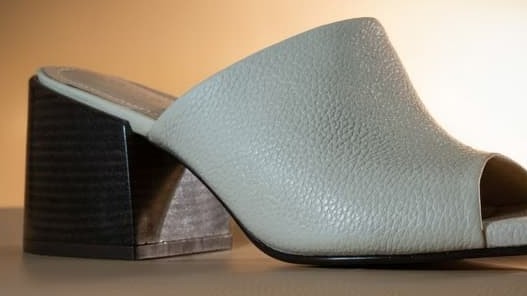
A block heel has a wider profile than a stiletto. Consequently, it generally provides a broader supporting base and suits sandals, dress shoes, boots and casual footwear.
Kitten Heel
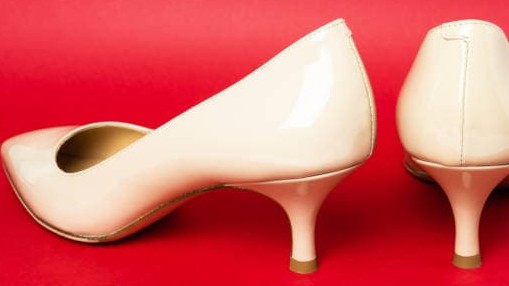
A kitten heel is relatively low and typically has a slim profile. Although it provides less elevation than many high heels, accurate positioning and secure attachment remain essential.
Flared Heel
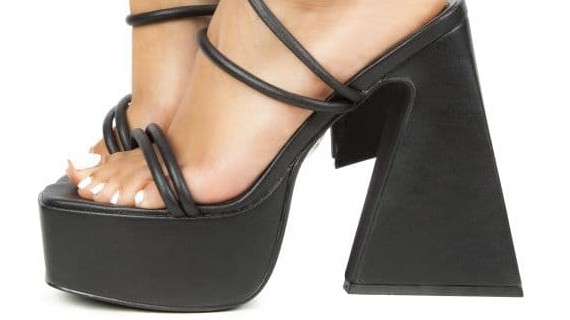
A flared heel widens toward the bottom. This shape can increase the ground-contact area while retaining a narrower upper profile.
Cone Heel
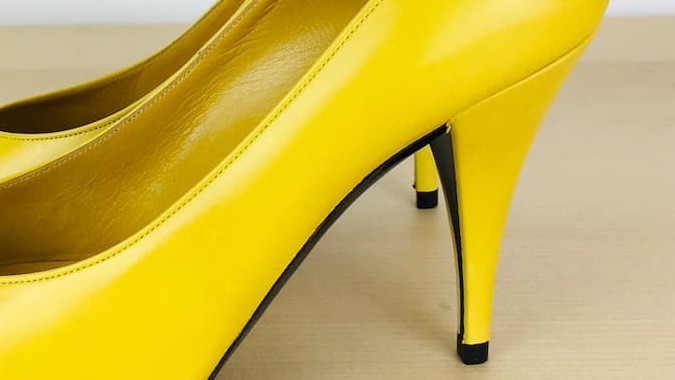
A cone heel has a tapered, cone-like shape. Its cross-section and attachment design must suit the intended loading conditions.
Cuban Heel
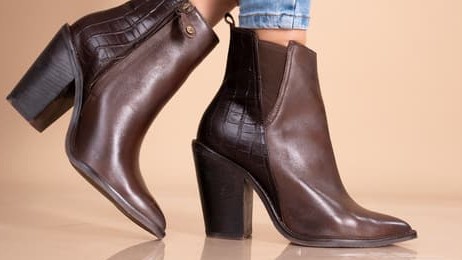
A Cuban heel typically features a relatively broad profile and a distinctive angled shape. Manufacturers commonly use this style in boots and selected dress or fashion footwear.
Louis Heel
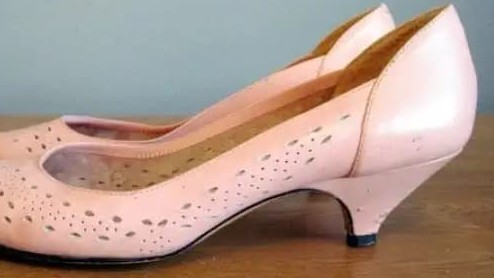
A Louis heel features a curved or sculpted profile often associated with formal footwear. Accurate molding or machining helps maintain its characteristic shape.
Stacked Heel
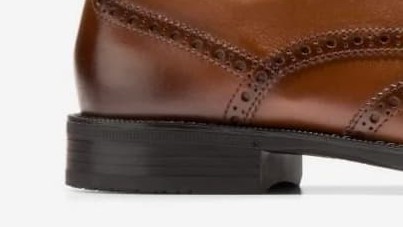
A stacked heel consists of multiple layers, traditionally leather or leather-based materials. Manufacturers bond or mechanically assemble these layers before shaping them. Consistent layer alignment and finishing help maintain appearance and dimensional accuracy.
Covered Heel
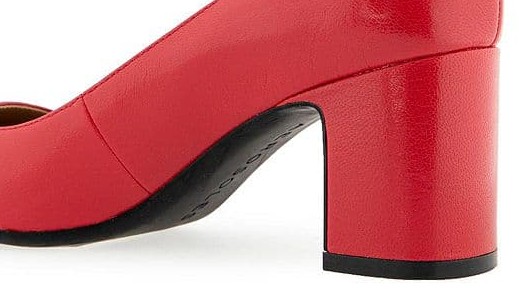
A covered heel has an outer layer of leather, synthetic leather or textile over a structural component. While the covering provides the final appearance, the underlying heel supplies the required shape and support.
Heel Construction and Main Components
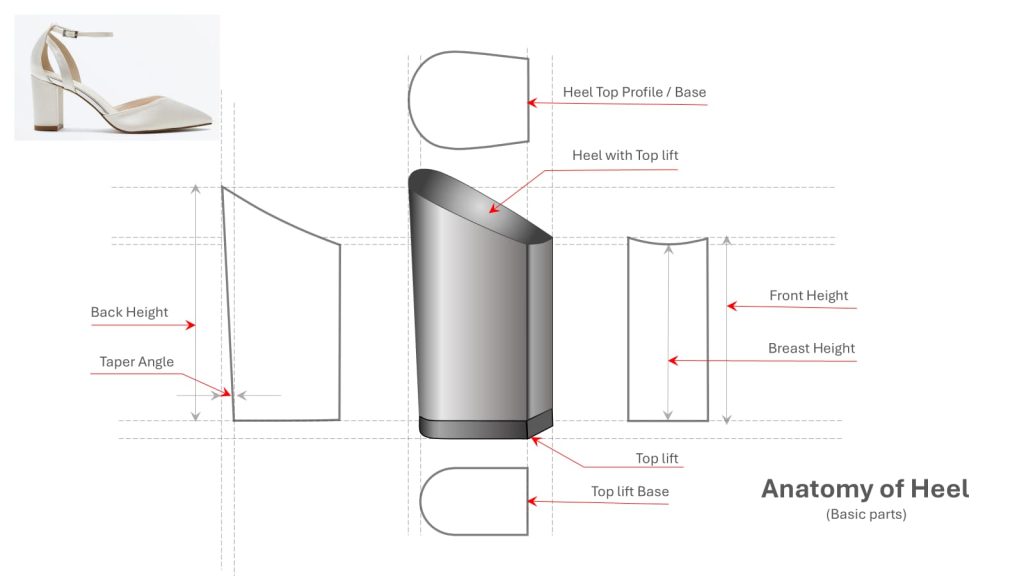
A heel does more than add height to a shoe. Its functional areas work together to transfer loads and maintain the intended footwear geometry.
The exact arrangement depends on the heel style and footwear category. For example, a slender molded heel may need reinforcement that a broad, solid heel does not require. Similarly, stacked heels need controls for their individual layers and interfaces, unlike single-piece molded heels.
Materials Used for Footwear Heels
Manufacturers select heel materials according to geometry, strength, weight, appearance, production method and cost. Since each material offers different properties, no single option suits every heel design.
| Material | Typical application | Key considerations |
|---|---|---|
| ABS | Molded heels | Moldability, stiffness and dimensional stability |
| PC/ABS | Selected structural components | Toughness, stiffness and processing requirements |
| Nylon (PA) | Selected structural components | Mechanical properties and moisture-related dimensional changes |
| TPU | Selected heel and footwear components | Hardness, flexibility and wear performance |
| Wood/Masonite | Traditional and shaped heels | Machining, moisture and dimensional stability |
| Leather or fibre layers | Stacked heels | Layer consistency, bonding and finishing |
| Metal reinforcement | Selected heel constructions | Strength, geometry, corrosion protection and secure integration |
| Rubber | Top pieces and ground-contact parts | Abrasion, grip and wear resistance |
These examples describe general applications rather than universal material specifications. Actual performance depends on the selected grade, formulation, component geometry and processing conditions.
More importantly, manufacturers must evaluate the complete heel assembly. Even a strong heel material cannot compensate for inadequate attachment, unsuitable reinforcement or poor process control.
Heel Manufacturing Processes
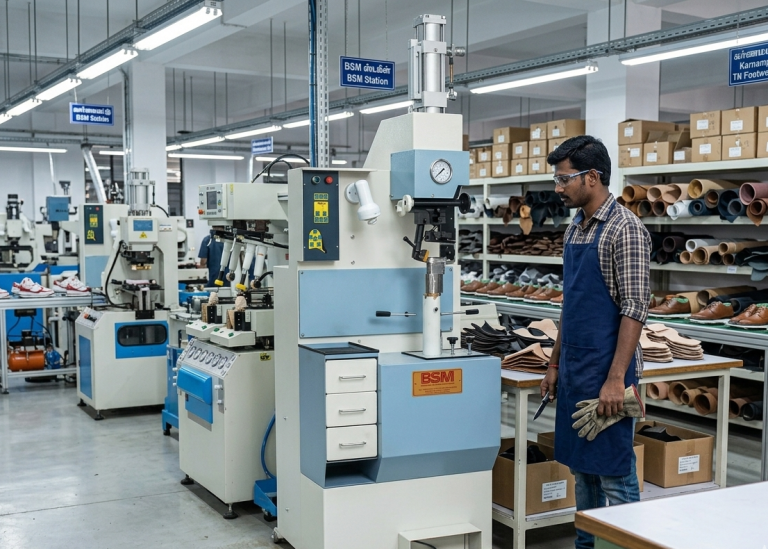
Heel manufacturing varies with the material and construction. For instance, molded plastic heels require different operations and controls from wooden or stacked heels.
Molded Plastic Heels
Injection molding is a common process for thermoplastic heel components. The production sequence typically includes these steps:
Throughout production, mold condition, material consistency, processing parameters and cooling influence the final geometry and surface quality.
Wooden / Masonite Heels
Manufacturers produce wooden heels through cutting, machining, shaping and sanding. However, variations in moisture condition and material consistency can affect machining quality and dimensional stability.
After shaping, the heel may receive a coating, covering or other surface treatment to meet the product specification.
Stacked Heels
Stacked heel production begins with layer preparation and alignment. Manufacturers then bond or mechanically assemble the layers before pressing, machining, sanding and finishing the component.
Consistent layer thickness and accurate alignment help prevent visible defects and dimensional variation.
Heel Attachment Methods
Secure heel attachment is essential because the connection must withstand repeated loading during use. Manufacturers generally select mechanical fixation, adhesive bonding or a combination of both.
Mechanical Attachment
Depending on the design, nails, screws, pins or dowels secure the heel to the shoe structure. Correct positioning, insertion and engagement help maintain the intended attachment strength.
Adhesive Attachment
Adhesives bond compatible heel and footwear materials. To achieve reliable bonding, manufacturers must control surface preparation, adhesive compatibility, application, activation, pressing and curing.
Combined Attachment
Some constructions combine adhesive bonding with mechanical fixation. This approach must be validated against the actual heel geometry and footwear assembly.
Ultimately, the appropriate method depends on the heel type, materials, reinforcement, heel seat and intended performance requirements. Therefore, any significant change to the heel material, attachment design or shank construction should trigger an engineering review and retesting when necessary.
Heel Geometry and Structural Performance
Heel height alone cannot determine structural performance. Width, profile, attachment position, reinforcement and compatibility with the shoe’s last and shank also influence the complete construction.
During walking, heels experience compression, bending, shear, impact and repeated fatigue loading. A narrow heel presents different structural demands from a broad block heel. In addition, changes in cross-section, reinforcement or attachment interfaces can create local stress concentrations.
For this reason, engineers must evaluate the heel as part of the complete footwear system. Its performance depends on the heel component, attachment method, supporting shoe structure and intended conditions of use.
Important design considerations include:
Heel Testing and Applicable Standards
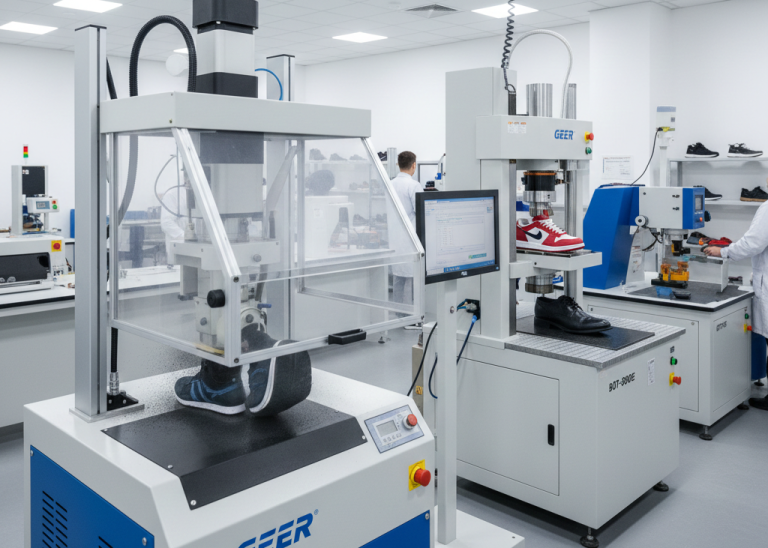
Heel testing helps assess whether the construction meets defined performance requirements. The correct test depends on the footwear type, heel design, material and customer specification.
| Test area | Purpose |
|---|---|
| Whole-shoe heel attachment | Evaluates heel attachment and related backpart properties in applicable women’s medium- and high-heeled footwear |
| Heel pin holding strength | Measures the force required to pull a heel pin from a heel within the method’s scope |
| Heel fatigue resistance | Evaluates resistance to repeated small impacts associated with walking |
| High-heel detachment | Measures the longitudinal load required to detach applicable high heels from footwear |
According to the cited ISO records, ISO 22650:2018 was confirmed in 2023, ISO 19956:2004 was confirmed in 2024, and ISO 19957:2021 is published and under systematic review. Before specifying a test, check the applicable edition and its current status.
Important: A test method does not automatically establish a universal pass/fail value for every shoe. Instead, acceptance limits should come from the applicable product standard, customer specification or approved test protocol. Laboratories must also confirm that the selected method suits the particular construction.
Common Heel Defects and Quality Control
Heel defects may originate from material selection, component manufacturing, attachment or final assembly. Identifying the likely cause helps the factory select the correct corrective action.
| Defect | Possible cause | Control measure |
|---|---|---|
| Heel detachment | Weak attachment or inadequate process control | Validate attachment and bonding/fixation |
| Heel cracking | Material weakness or stress concentration | Review geometry, material and reinforcement |
| Uneven heel height | Molding or machining variation | Inspect critical dimensions |
| Heel misalignment | Incorrect positioning during assembly | Use positioning fixtures and alignment checks |
| Top-piece loosening | Inadequate retention | Check construction and retention performance |
| Cover peeling | Poor preparation or adhesive compatibility | Validate surface preparation and adhesive process |
| Surface defects | Molding, handling or finishing issues | Improve process control and inspection |
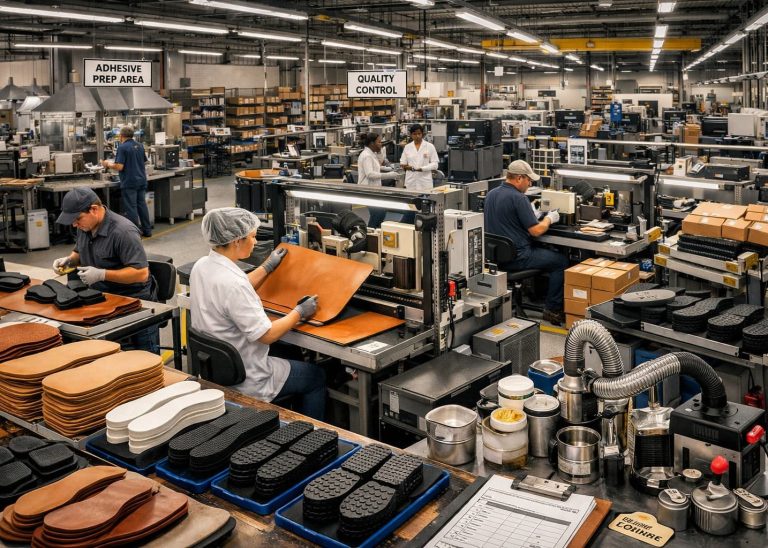
Quality control should begin with incoming inspection and continue through in-process and final checks. At each stage, verify material identification, dimensions, surface condition, reinforcement where applicable, attachment alignment and finished appearance.
Visual inspection alone may not reveal every structural weakness. Consequently, critical heel constructions also need suitable functional testing to verify attachment and performance.
Conclusion
Footwear heels combine design, material selection, manufacturing and structural engineering. Their performance depends on more than the strength of the heel material: geometry, reinforcement, attachment and the supporting shoe structure all contribute to the finished result.
For footwear developers and manufacturers, the most reliable approach is to define the construction carefully, control critical production dimensions and validate attachment and structural performance against the appropriate requirements. This helps improve consistency, reduce defects and support reliable footwear production.