Avoid Tight Curves in Press Knife Design: A Simple Change That Extends Die Life
Footwear Manufacturing Insights
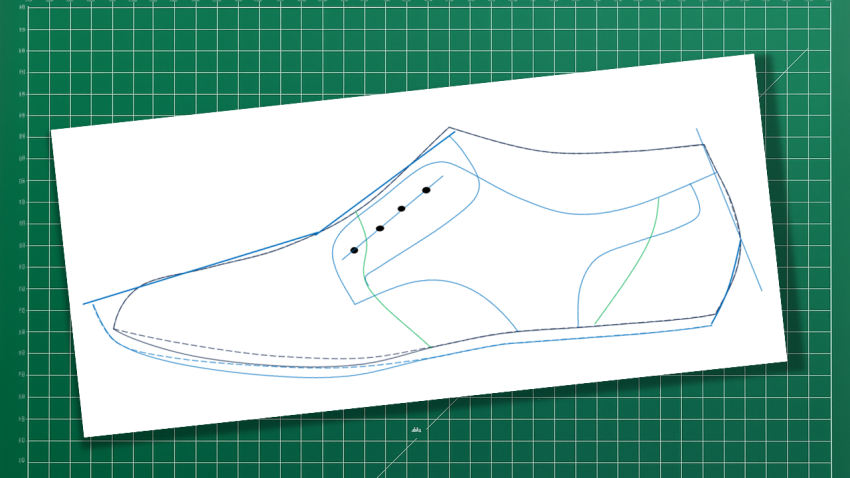
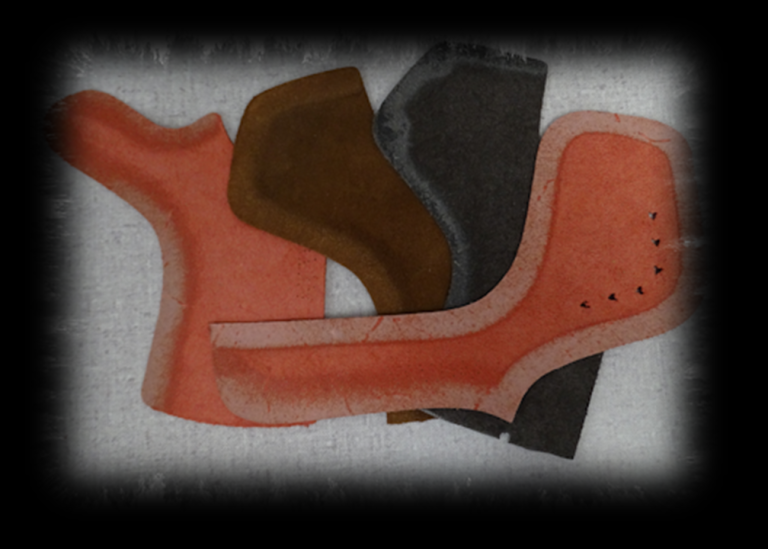
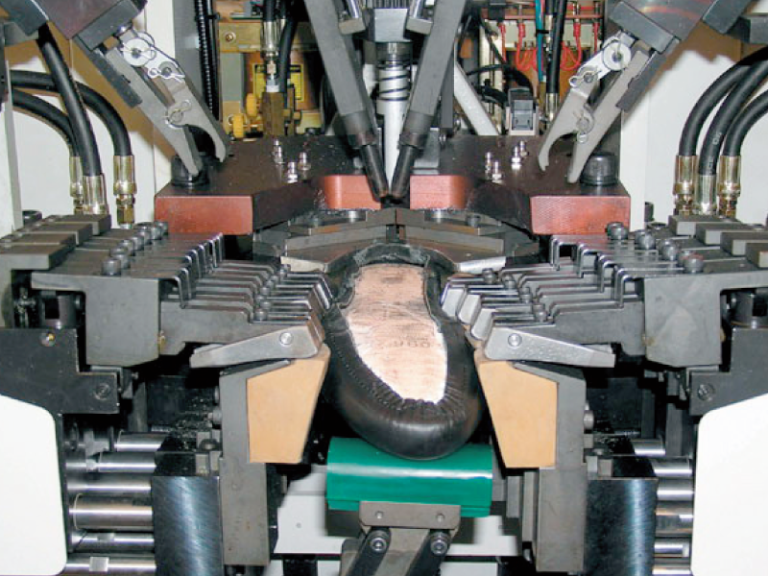
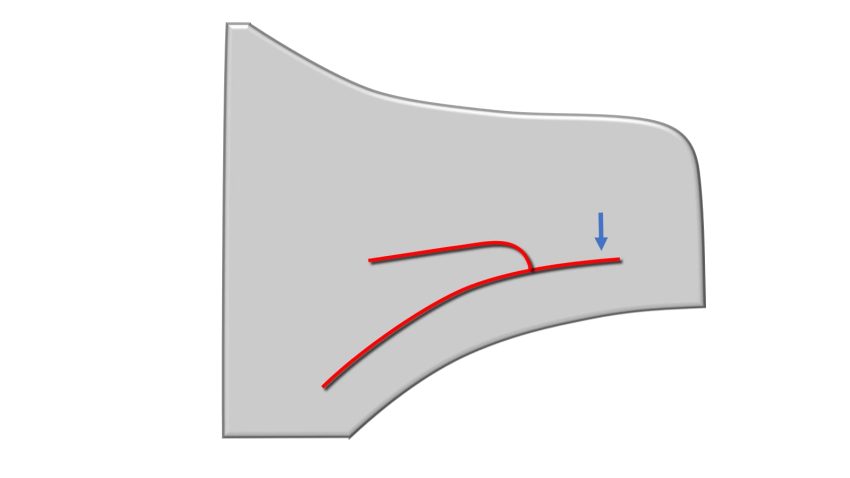
In footwear die making, every bend in a press knife affects cutting performance. While product designers often focus on achieving complex shapes, die makers know that extremely tight internal curves can create unnecessary manufacturing and production problems.
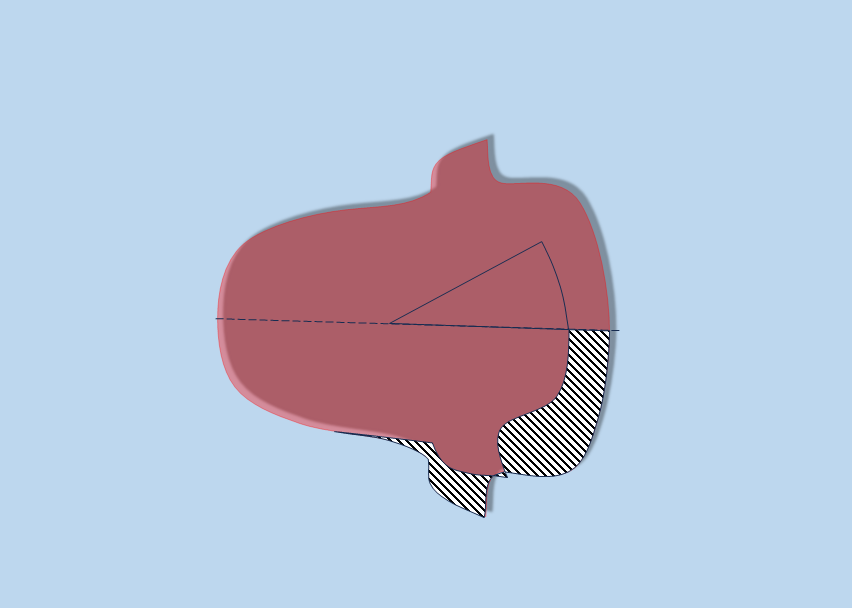
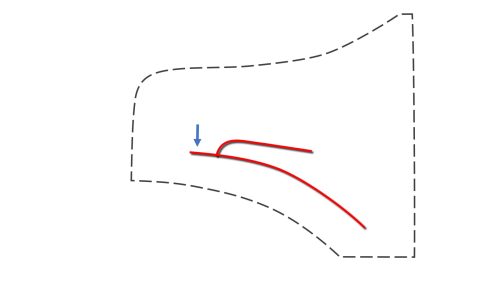
A simple modification—replacing a very tight curve with a straight relief cut—can significantly improve die durability, material ejection, and cutting consistency without affecting the final shoe component. This small design adjustment is widely recommended in professional press knife manufacturing because it reduces stress on both the cutting rule and the material.
Why Tight Curves Create Problems
Very tight-radius curves are difficult to manufacture accurately using bandknife steel. During forming, the knife experiences high internal stress, making it more susceptible to distortion or deformation.
The challenge continues during production. After cutting, the material tends to become trapped inside the narrow curved section instead of ejecting cleanly. This increases production interruptions and can eventually damage the cutting die.
Common issues include:
- Difficult die manufacturing
- Material sticking inside the knife
- Poor scrap ejection
- Frayed or rough cut edges
- Bent or warped press knives
- Reduced die service life
The Better Solution: Use a Simple Relief Cut
Instead of forcing the knife into an extremely tight curve, replace that section with a simple straight incision or relief cut.
This approach offers several advantages:
- Reduces stress during knife bending
- Improves scrap and material ejection
- Produces cleaner cut edges
- Minimizes knife distortion
- Simplifies die manufacturing
- Extends press knife life
- Reduces maintenance costs
In most footwear components, this small modification has little or no impact on the appearance or functionality of the finished part while greatly improving manufacturing efficiency.
Best Practices for Footwear Die Makers
When designing press knives:
- Balance product aesthetics with manufacturability.
- Avoid extremely small inside radii whenever possible.
- Add relief cuts where functional requirements permit.
- Consider material ejection during die design—not only cutting geometry.
- Review difficult curves before die production begins.
Expert Tip : A die that is easier to manufacture is usually easier to maintain. Designing for smooth material flow and scrap ejection often delivers greater productivity than pursuing unnecessarily complex cutting profiles.
Conclusion
Simple design decisions can have a significant impact on cutting performance. Replacing very tight curves with a straight relief cut reduces manufacturing difficulty, improves material ejection, minimizes knife damage, and increases die life. For footwear manufacturers, this represents a practical example of Design for Manufacturability (DFM), where small changes lead to better quality, lower maintenance, and more efficient production.