TPU and TPR Injected Outsoles Manufacturing Process – Detailed Technical Guide
Thermoplastic outsole materials such as TPU (Thermoplastic Polyurethane) and TPR (Thermoplastic Rubber) are widely used in modern footwear manufacturing. These materials combine the elasticity of rubber with the processing advantages of thermoplastics, enabling high-volume production using injection molding technology.
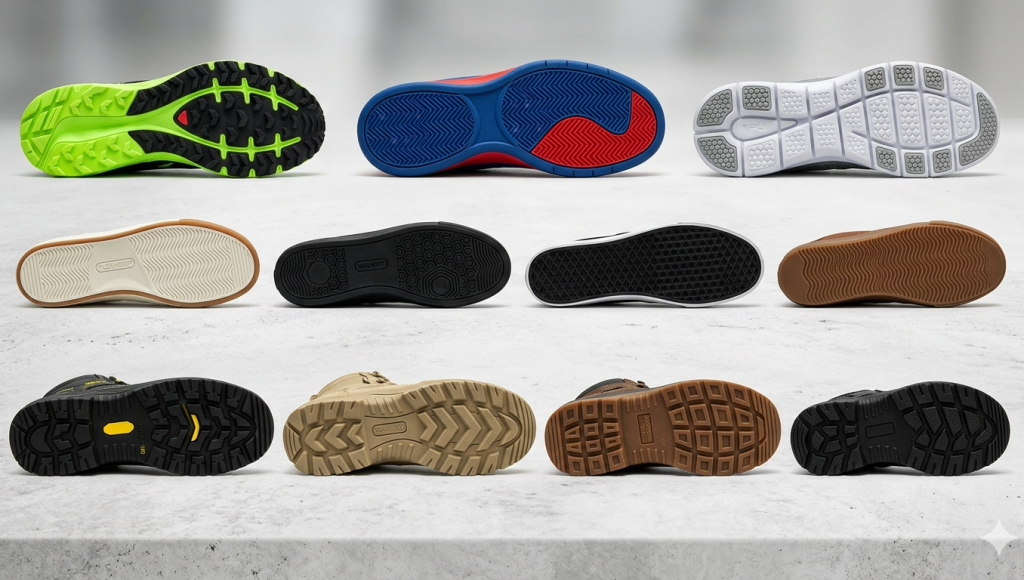
Footwear manufacturers use TPU and TPR for producing:
- Sports shoe outsoles
- Casual footwear soles
- Safety shoe outsoles
- Sandals and slippers
- Fashion footwear
These materials offer excellent abrasion resistance, flexibility, slip resistance, and durability, making them ideal for high-performance outsole applications.
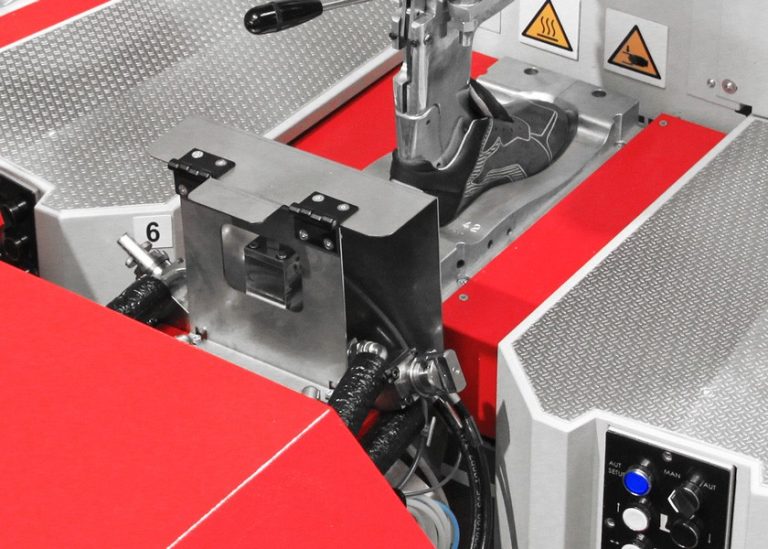
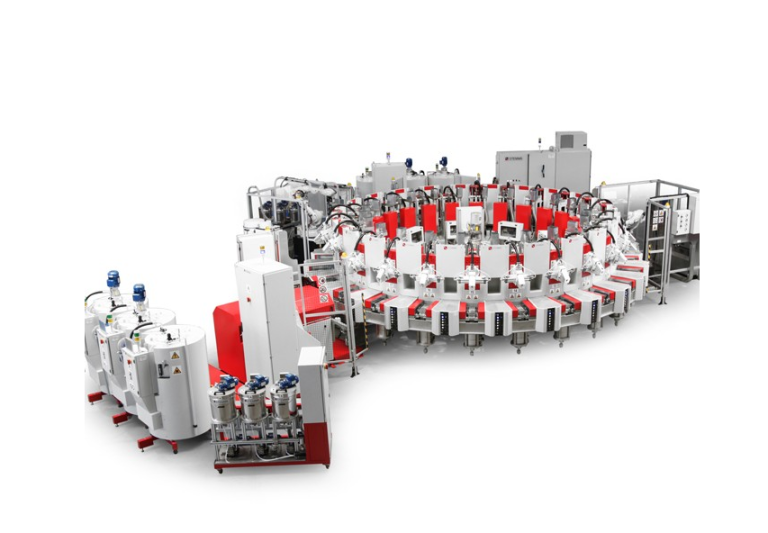
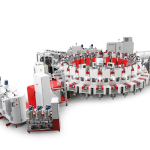
TPU / TPR Outsole Injection Moulding Machines
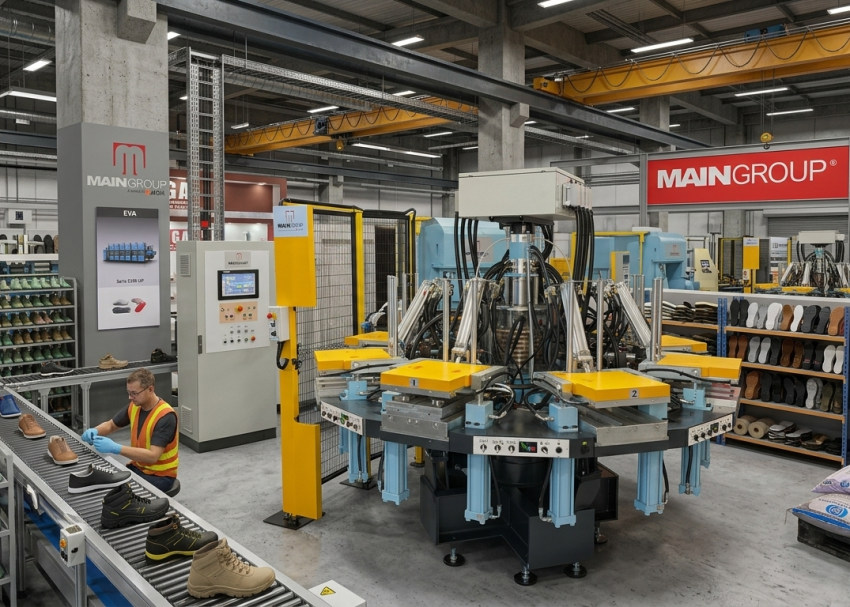
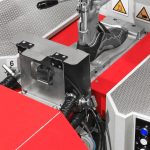
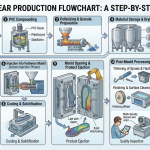
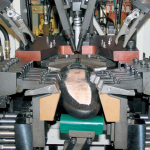
Modern thermoplastic injection machines use servo motors, PLC controls, and rotary tables to achieve high productivity. A typical outsole injection machine can produce 150–250 pairs per hour depending on outsole complexity and material type
Expert Tip : Always dry TPU material before processing
Raw Material Preparation
TPU and TPR are supplied in pellet or granule form. Before molding, the material must be dried to remove moisture. Typical drying conditions:
| Material | Drying Temperature | Drying Time |
|---|---|---|
| TPU | 80–110°C | 2–4 hours |
| TPR | 60–80°C | 1–2 hours |
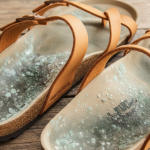
Moisture removal prevents defects such as, Air bubbles, Silver Streaks & surface Voids. Drying equipment commonly used includes hopper dryers and dehumidifying dryers.
Plasticizing Process
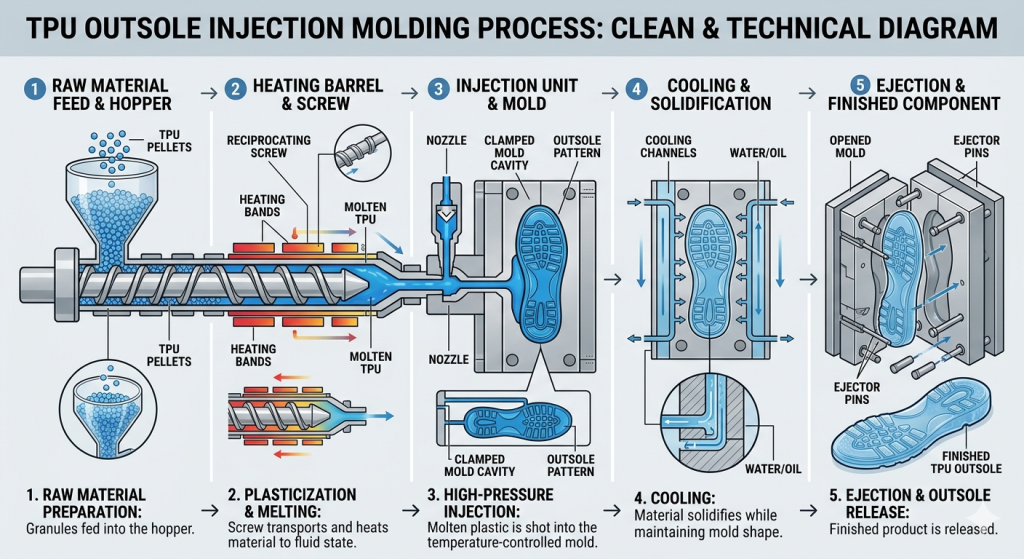
The pellets are fed into the hopper of the injection molding machine. Inside the barrel:
- A rotating screw melts the polymer
- Heater bands increase temperature gradually
- The melt becomes homogeneous
Typical TPU temperature profile:
| Barrel Zone | Temperature |
|---|---|
| Feed zone | 170 – 190°C |
| Compression zone | 180 – 210°C |
| Metering zone | 190 – 220°C |
| Nozzle | 200 – 230°C |
TPU is sensitive to overheating, therefore stable temperature control is critical for consistent outsole quality.
Best Practices : Maintain stable mold temperature
Injection into Outsole Mold
Once melted, the screw pushes the molten material into the outsole mold cavity. Typical injection parameters:
- Injection pressure: 35 – 120 MPa
- Holding pressure: 50 – 80% of injection pressure
- Injection speed: Medium speed for balanced flow
- Back pressure: 0.3 – 1.5 MPa
The injection stage ensures, complete mold filling, sharp tread patterns & uniform density distribution
Mold Temperature Control
Mold temperature strongly influences outsole quality. Typical mold temperature ranges:
| Material | Mold Temperature |
|---|---|
| TPU | 15 – 60°C |
| TPR | 20 – 40°C |
Cooling channels inside the mold circulate water to maintain stable temperatures and improve surface finish.
Best Practices : Ensure proper mold venting
Cooling and Solidification
Once the mold cavity is filled, the molten polymer begins to solidify. Cooling time is 10 – 60 seconds depending on outsole thickness.
Cooling systems include, water cooling channels, mold cooling plates & central cooling systems. Efficient cooling increases productivity and dimensional stability.
Mold Opening and Ejection
After cooling, The mold opens automatically, Ejector pins push the outsole out & Operator or robot removes the outsole. Post-molding operations include, surface finishing, trimming flash & quality inspection
Best Practices : Use nitrided screws to reduce wear
Typical Injection Machine Specifications
Typical outsole injection machine configuration:
| Parameter | Typical Range |
|---|---|
| Clamping force | 80 – 150 tons |
| Injection pressure | up to 1500 kg/cm² |
| Screw diameter | 50 – 70 mm |
| Injection volume | 500 – 800 cc |
| Mold stations | 8 – 24 |
Machines with multiple mold stations improve productivity by allowing continuous production.
Types of TPU and TPR Outsole Injection Machines
Rotary Injection Machines
Most commonly used in footwear factories. Advantages:
- High production capacity
- Multi-station molds
- Automated demolding
Typical stations:
12 Stations
18 Stations
24 Stations
36 Stations
Vertical Injection Machines
Used for smaller components such as:
- Heels
- Small outsole units
- Accessories
Advantages:
- Compact design
- Lower investment cost
Multi-Color Injection Machines
Used to produce:
- Dual-density outsoles
- Multi-color fashion soles
- Decorative outsole designs
Common combinations:
- TPU + TPU
- TPU + TPR
- TPU + Rubber
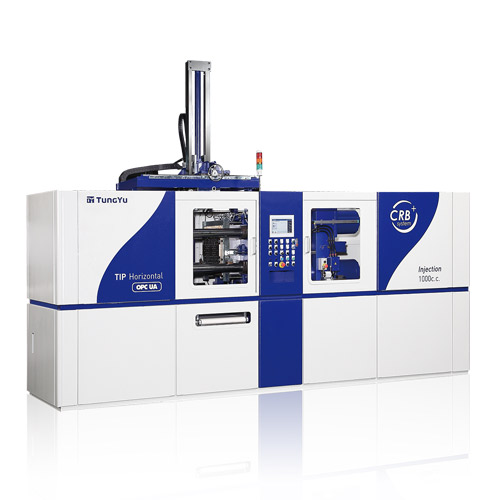
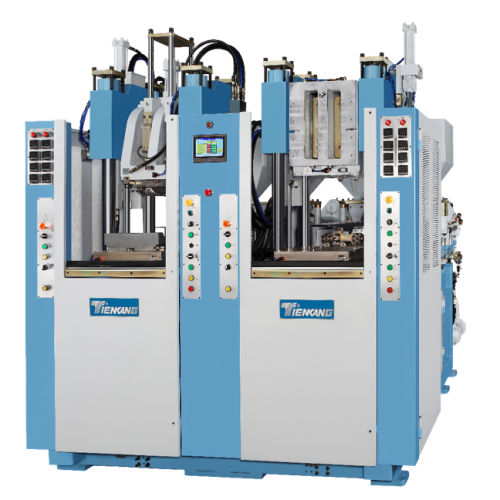
Courtesy:tienkang
Best Practices : Monitor injection pressure carefully

Common Defects in TPU and TPR Outsoles
| Defect | Cause |
|---|---|
| Short shot | Low injection pressure |
| Flash | Excess injection pressure |
| Burn marks | Poor mold venting |
| Flow marks | Low mold temperature |
| Air bubbles | Moisture in material |
Process optimization and proper mold design help eliminate these defects.
Merits and Demerits of TPU and TPR Outsoles
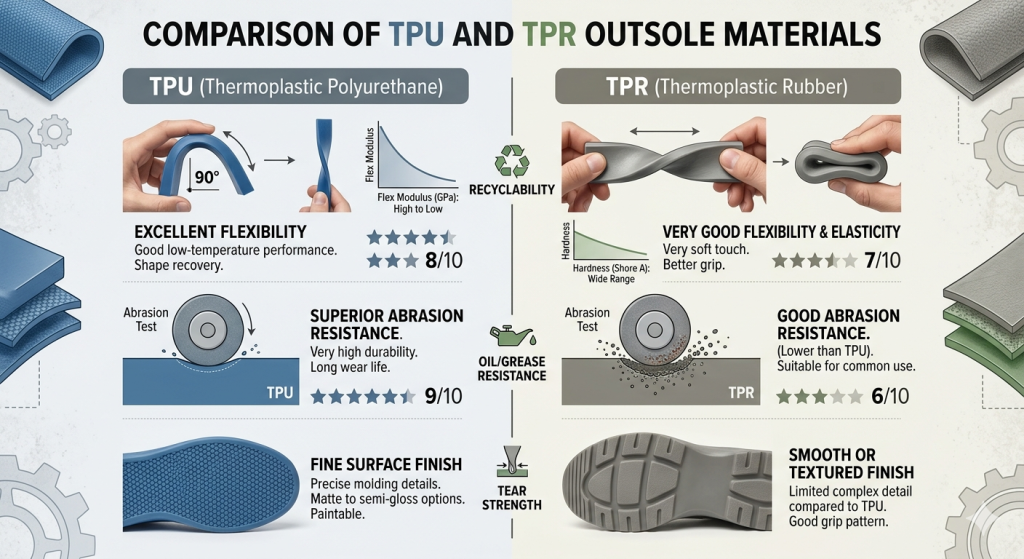
Both TPU (Thermoplastic Polyurethane) and TPR (Thermoplastic Rubber) are widely used in outsole manufacturing. However, each material has specific advantages and limitations. Therefore, footwear designers must select the material based on performance requirements, cost targets, and product positioning.
The following table compares the key merits and demerits of TPU and TPR outsoles.
| Property / Factor | TPU Outsoles | TPR Outsoles |
|---|---|---|
| Abrasion resistance | Excellent abrasion resistance suitable for sports footwear | Moderate abrasion resistance suitable for casual footwear |
| Durability | Very high durability and long wear life | Moderate durability |
| Flexibility | High elasticity even at low temperatures | Good flexibility but slightly lower than TPU |
| Transparency | Can be transparent or translucent for fashion designs | Usually opaque |
| Slip resistance | Very good grip on various surfaces | Good grip but lower than TPU |
| Weight | Slightly heavier than EVA but still lightweight | Lightweight |
| Processing cost | Higher processing cost | Lower production cost |
| Raw material cost | Expensive compared to TPR | More economical material |
| Weather resistance | Excellent resistance to oil, chemicals, and weather | Moderate resistance |
| Recyclability | Fully recyclable thermoplastic | Recyclable thermoplastic |
| Application | High-performance sports shoes, safety shoes | Casual shoes, sandals, fashion footwear |
In summary, TPU is preferred for performance footwear, while TPR is widely used for cost-sensitive footwear products.
Best Practices : Material Selection Insight
Choose TPU for high abrasion resistance and durability in performance footwear. Select TPR for cost-effective production in casual and high-volume footwear segments.
Physical Properties of TPU and TPR Materials
Understanding the physical properties of TPU and TPR is essential for selecting the correct outsole material during footwear development.
The following table presents the typical physical property ranges for both materials used in outsole injection molding.
| Property | TPU (Thermoplastic Polyurethane) | TPR (Thermoplastic Rubber) |
|---|---|---|
| Density | 1.10 – 1.25 g/cm³ | 0.90 – 1.10 g/cm³ |
| Hardness | 70A – 75D Shore | 50A – 95A Shore |
| Tensile strength | 25 – 50 MPa | 5 – 15 MPa |
| Elongation at break | 400 – 700% | 200 – 500% |
| Abrasion resistance | 20 – 40 mm³ loss (very high resistance) | 80 – 150 mm³ loss |
| Flex resistance | Excellent flex fatigue resistance | Good flex resistance |
| Temperature resistance | –35°C to 80°C | –20°C to 60°C |
| Melt processing temperature | 180 – 230°C | 160 – 200°C |
| Compression set | Very low | Moderate |
| Chemical resistance | Excellent oil and chemical resistance | Moderate resistance |
These physical properties explain why TPU outsoles are widely used in premium athletic footwear, whereas TPR is often selected for casual footwear where cost efficiency is important.
Best Practices : Process Control Insight
Maintain stable temperature and proper drying to avoid defects in TPU molding. Consistent injection pressure and cooling improve outsole quality and repeatability.

Conclusion
TPU and TPR injection molding technology has transformed modern footwear outsole manufacturing. These thermoplastic materials offer the perfect balance between performance, durability, and manufacturing efficiency.
With advanced rotary injection machines and automated molding systems, footwear factories today can produce high-quality outsoles at extremely high volumes while maintaining excellent design flexibility.
As footwear technology continues to evolve, TPU and TPR materials will remain key materials for innovative outsole development.
Best Practices : Design Engineering Insight
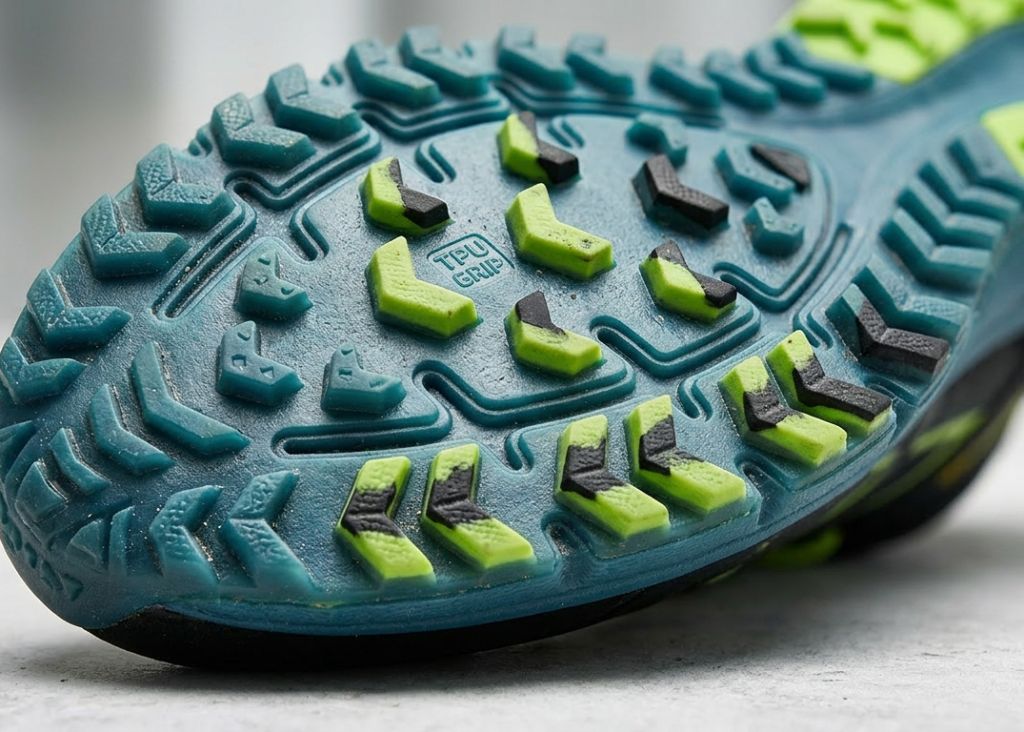
Use TPU for complex tread patterns and transparent outsole designs. TPR is suitable for simpler designs with lower tooling and production cost.
Major Global TPU/TPR Moulding Machine Suppliers
DESMA – USA
DESMA is one of the world’s most recognized manufacturers of footwear injection moulding machines. The US company develops advanced direct-soling and injection systems used to manufacture safety footwear, sports shoes, and molded soles. Their rotary injection machines support PU, TPU, rubber, and thermoplastic materials. DESMA machines are widely used by major footwear brands and OEM factories due to their high automation, accurate dosing systems, and consistent product quality.
Main Group – Italy
Main Group Technologies is an Italian manufacturer specializing in direct injection and moulding machines for the footwear industry. Their equipment is widely used for PU, TPU, PVC, and rubber sole production. Main Group machines are known for flexible configuration, multi-density sole capability, and energy-efficient design. Many European and Asian footwear manufacturers use Main Group systems for high-volume sole injection production.
Tien Kang Machinery
Tien Kang produces EVA injection machines designed for slippers, sandals, midsoles, and outsole components. Their multi-station machines provide stable temperature control and high production efficiency, making them popular among footwear manufacturers.
King Steel Machinery – Taiwan
King Steel Machinery manufactures injection moulding equipment for PVC, TPR, Rubber and thermoplastic footwear production. Their rotary machines are commonly used for producing molded sandals, slippers, and boots. The company focuses on strong mechanical construction, reliable injection control, and consistent production quality suitable for large-scale manufacturing.
CTM Machinery
CTM Machinery specializes in EVA foam moulding and rubber injection machines used in footwear factories worldwide. Their machines are known for durability, high output capacity, and stable production performance.
Kou Yi Iron Works – Taiwan
Kou Yi Iron Works is a Taiwanese manufacturer known for PVC and TPR footwear injection machines. Their equipment is widely used in factories producing molded sandals, slippers, and casual footwear. The Kou Yi machines are appreciated for durable mechanical design, simple maintenance requirements, and stable injection systems that allow continuous high-volume production.
Dongguan Kingstone Machinery – China
Dongguan Kingstone Machinery supplies thermoplastic injection machines for PVC, EVA, and TPU footwear manufacturing. Their machines are widely used for molded boots and sandals. Kingstone focuses on automated rotary tables, high-efficiency heating systems, and flexible mould configurations that allow factories to produce multiple footwear styles with minimal downtime.
Tung Yu (Taiwan)
Tung Yu manufactures hydraulic presses and compression moulding machines widely used for rubber outsole production.
Best Practices : Production Efficiency Insight
Rotary injection machines significantly increase output and reduce cycle time. Optimized mold cooling ensures faster production and consistent product quality.
Frequently Asked Questions (FAQs)
What is the difference between TPU and TPR outsoles?
TPU outsoles provide higher abrasion resistance, durability, and transparency, making them suitable for performance footwear. TPR outsoles are more cost-effective and flexible, making them ideal for casual and fashion footwear.
What temperature is used for TPU injection molding?
Typical TPU processing temperatures range between 180°C and 230°C, depending on hardness and formulation.
What is the production capacity of outsole injection machines?
Modern outsole injection machines can produce approximately 150–250 pairs per hour depending on the number of mold stations and outsole complexity.
Why must TPU be dried before injection molding?
TPU absorbs moisture easily. If moisture is present during molding, it can cause, Bubbles, surface defects & reduced mechanical strength. Drying ensures consistent product quality.
Can TPU and TPR be recycled?
Yes. Both TPU and TPR are thermoplastic materials, meaning they can be re-melted and reprocessed, making them more environmentally friendly than thermoset materials.
Best Practices : Quality Control Insight
Monitor moisture levels and venting to prevent bubbles and burn marks. Regular machine calibration ensures uniform outsole density and performance.
Explore other Outsole Materials Posts
- Overview of Moulded Shoe Construction in Footwear Manufacturing
- Direct Injection Moulding in Footwear: Process, Materials, Machinery and Industrial Applications
- PVC Injection Moulding in Footwear Manufacturing : Process, Machines, Technical Parameters, and Industrial Applications
- Polyurethane (PU) Direct Injection Moulding in Footwear – A Complete Guide for Footwear Manufacturing
- EVA Soles in Footwear: Compression vs Injection Moulding
- Rubber Sole Manufacturing: Pressing and Injection Moulding: Complete Technical Guide
- Multi-Color and Multi-Component Sole Moulding in Footwear
- Reinforced Reaction Injection Moulding (R-RIM and S-RIM) in Footwear Manufacturing
- Vulcanised Shoe Construction and Manufacturing Process
- Dual Density PU Sole Manufacturing Process – A Detailed Technical Guide
- Footwear Outsole Materials: Complete Comparison Guide for PVC, PU, TPU, EVA, Rubber, Vulcanised & Leather