Welcome to The FootwearEdge
We are your dedicated resource for Global Footwear Industry Analysis. Our platform bridges the gap between industry professionals, learners, and enthusiasts. Are you a student, a factory technician, or a designer? If so, you will find valuable insights here..
Outsole Attaching Operations in Outsole Process: Outsole (Stock Fitting) Assembly Series
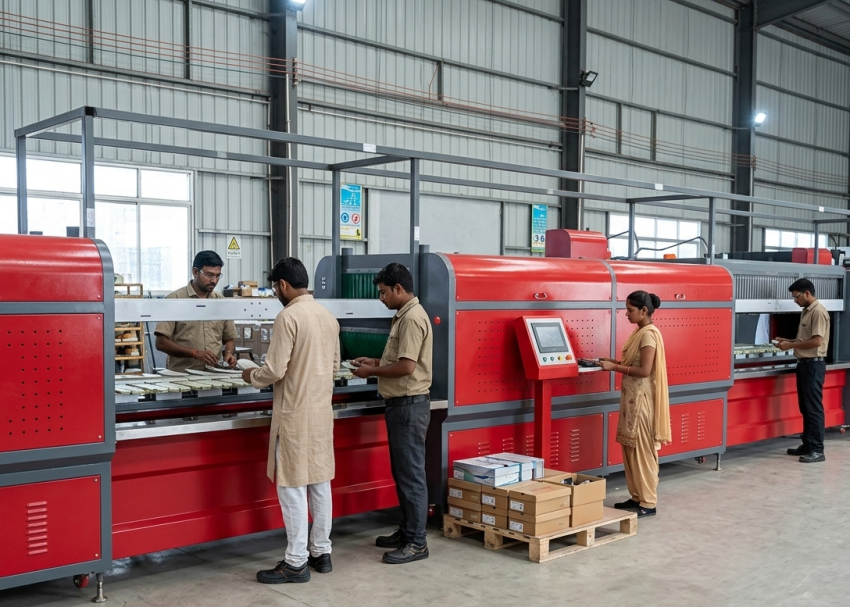
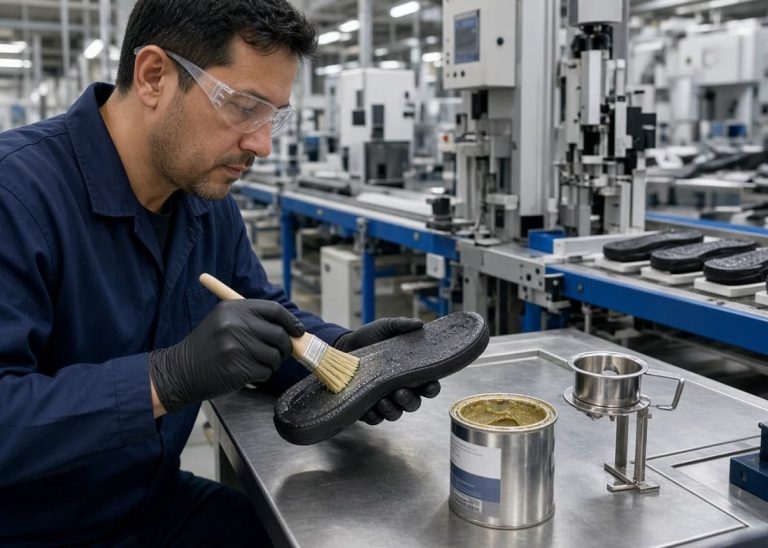
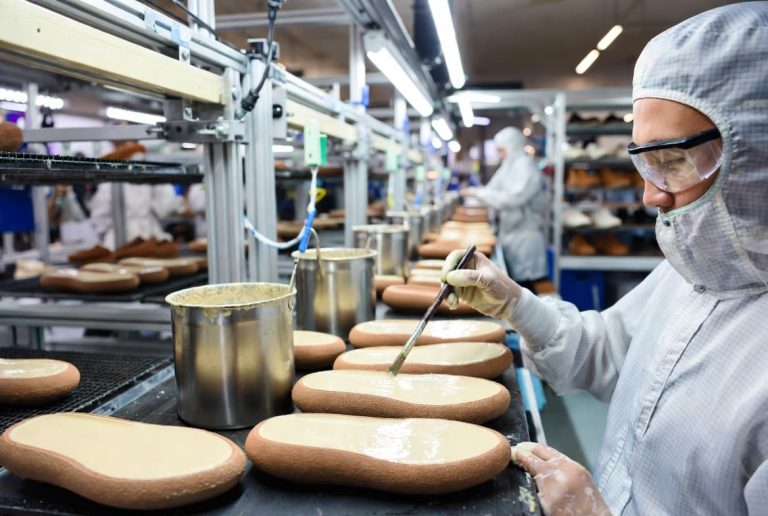
In the previous article, Drying and Activation Operations in Outsole Process, we discussed how adhesive-coated components are dried and activated to achieve the required tack before bonding. Once activation is complete, the adhesive surfaces remain effective only for a limited open time, making the next operation critical. The next stage is Outsole Attaching, where activated outsole components are accurately assembled into a complete sole unit before pressing. Unlike the shoe assembly department, this operation does not attach the outsole to the upper. Instead, it joins components such as the rubber…
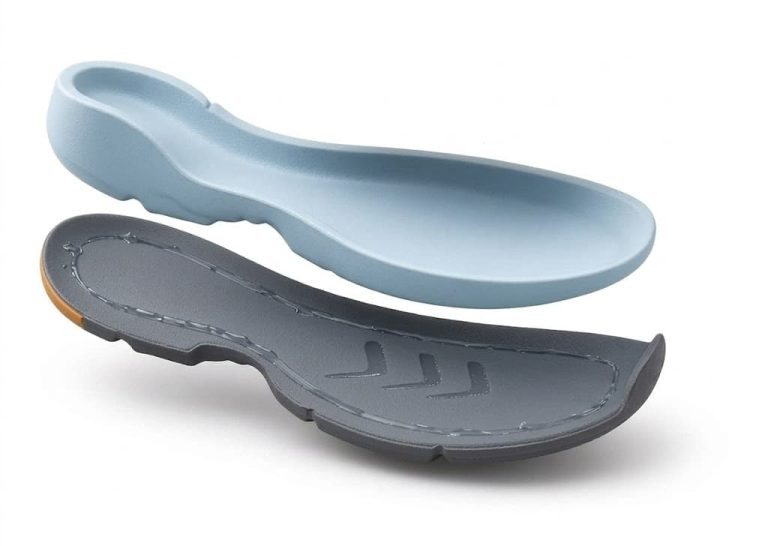
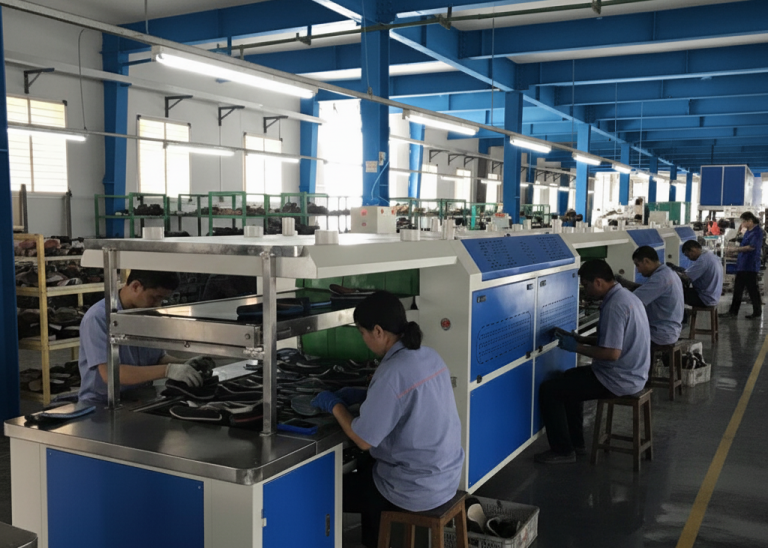
Feeding to Assembly Line Operations in Outsole Process: Outsole (Stock Fitting) Assembly Series
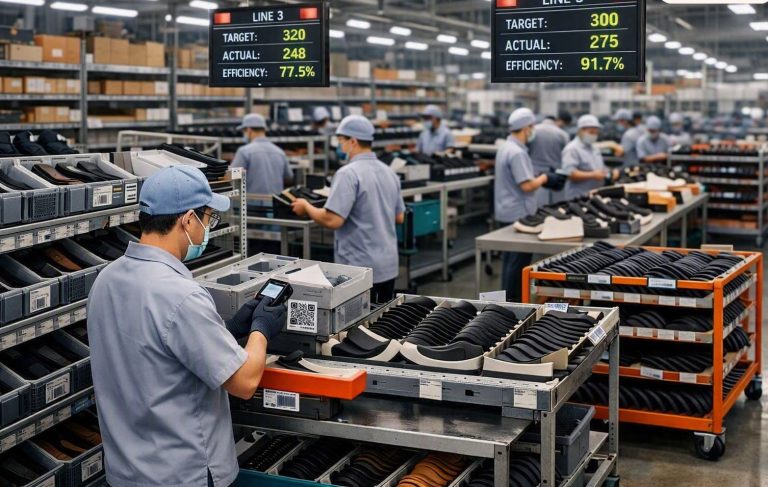
In the previous blog, Kitting Operations in Outsole Process, we discussed how all required outsole components are collected, verified, and organized into complete production kits before manufacturing begins. Once each kit is approved, the next critical step is feeding it…
Avoid Tight Curves in Press Knife Design: A Simple Change That Extends Die Life
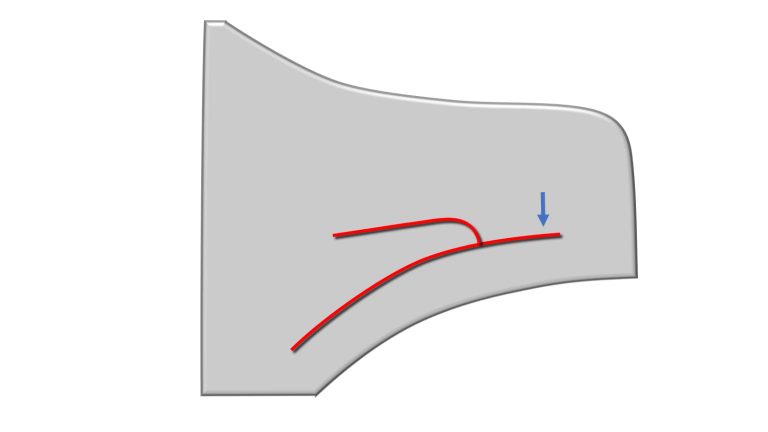
Footwear Manufacturing Insights In footwear die making, every bend in a press knife affects cutting performance. While product designers often focus on achieving complex shapes, die makers know that extremely tight internal curves can create unnecessary manufacturing and production problems….
Transfer Foil Operations in Outsole Process: Outsole (Stock Fitting) Assembly Series
In the previous blog, Kitting Operations in Outsole Process, we discussed how paints enhance outsole appearance by adding decorative colors, branding, and protective finishes. Painting provides flexibility for creating attractive outsole designs while maintaining production efficiency. The next decorative operation…
Kitting Operations in Outsole Process: Outsole (Stock Fitting) Assembly Series
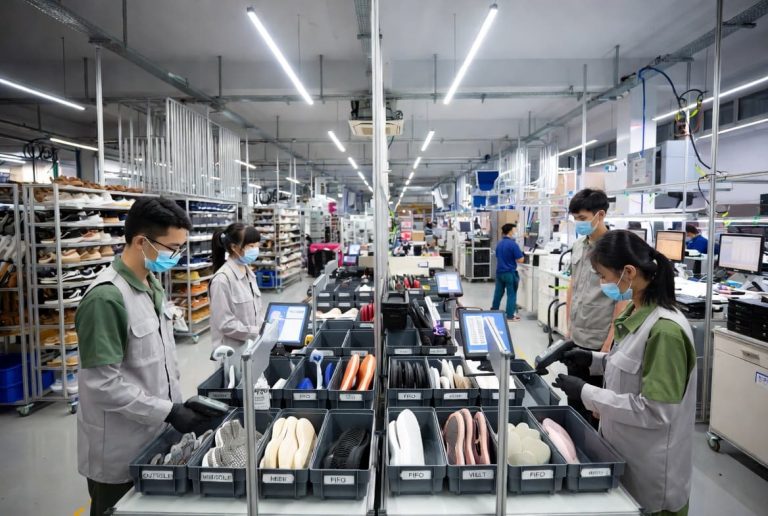
In the previous blog, Painting Operations in Outsole Process, we explored how decorative foil enhances the appearance and value of footwear components before assembly. Once decorative processes are completed and approved, the next step is Kitting Operations, where all outsole…
Painting Operations in Outsole Process: Outsole (Stock Fitting) Assembly Series
In the previous blog, Wheeling Operations in Outsole Process, we explained how wheeling removes flash and smooths outsole edges before finishing. Once the outsole is clean and dimensionally correct, the next operation is painting. This process enhances the outsole’s appearance…
Wheeling Operations in Outsole Process: Outsole (Stock Fitting) Assembly Series
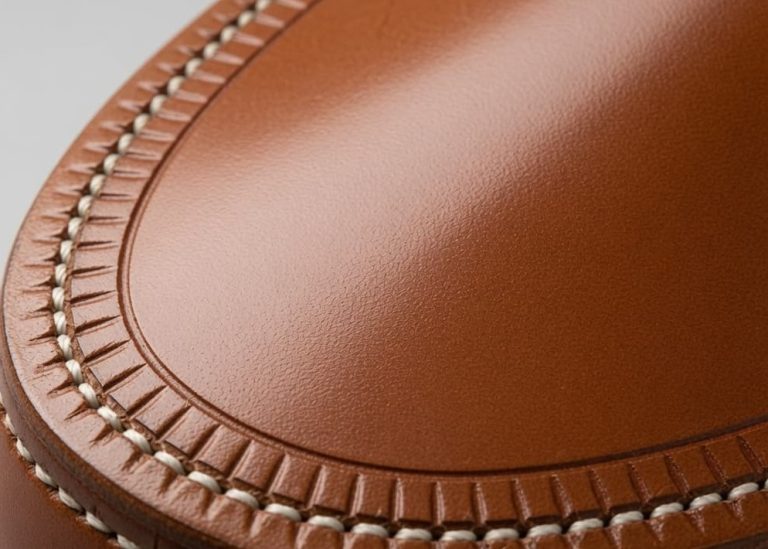
Premium leather footwear is recognized not only for its materials but also for the fine details that distinguish it from mass-produced shoes. After completing the Outsole Stitching Operations, the outsole often undergoes additional decorative finishing processes that enhance its appearance…