Welcome to The FootwearEdge
We are your dedicated resource for Global Footwear Industry Analysis. Our platform bridges the gap between industry professionals, learners, and enthusiasts. Are you a student, a factory technician, or a designer? If so, you will find valuable insights here..
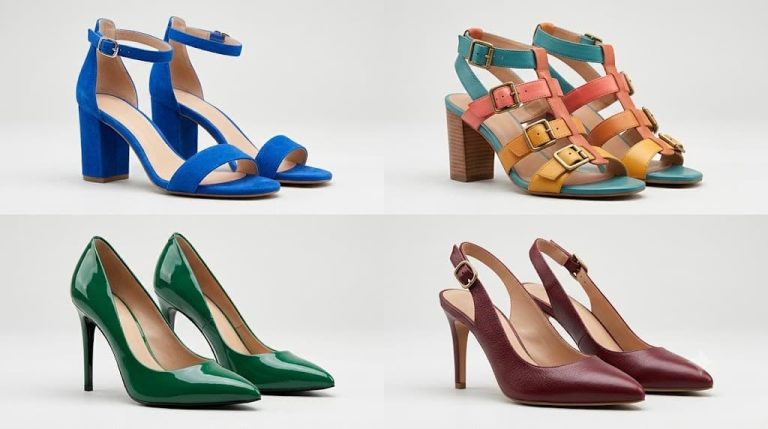
Footwear Heels: Types, Materials, Construction, Manufacturing & Testing
Introduction Footwear heels are important structural components that influence shoe height, appearance, stability and durability. From slender stiletto heels to broad block heels and traditional stacked heels, each design requires careful material selection, construction and attachment. During walking, a heel must withstand repeated loading while remaining securely attached to the shoe. Its performance depends on several factors, including material properties, geometry, internal reinforcement, the heel seat and the shank construction. For footwear developers and manufacturers, successful heel engineering balances appearance with structural strength, dimensional accuracy and manufacturing feasibility. By controlling…
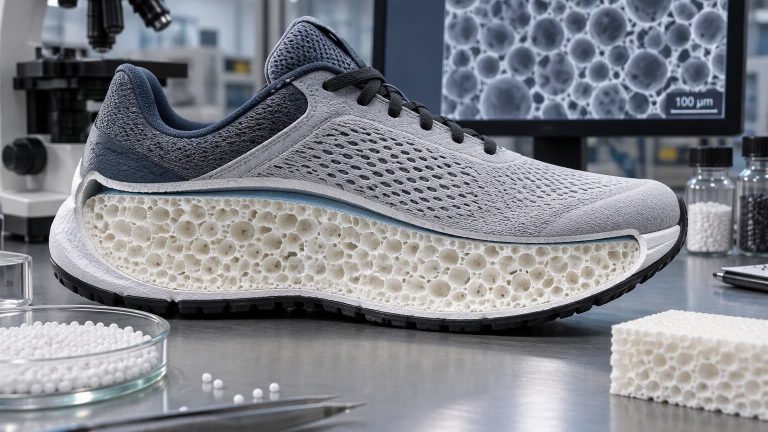
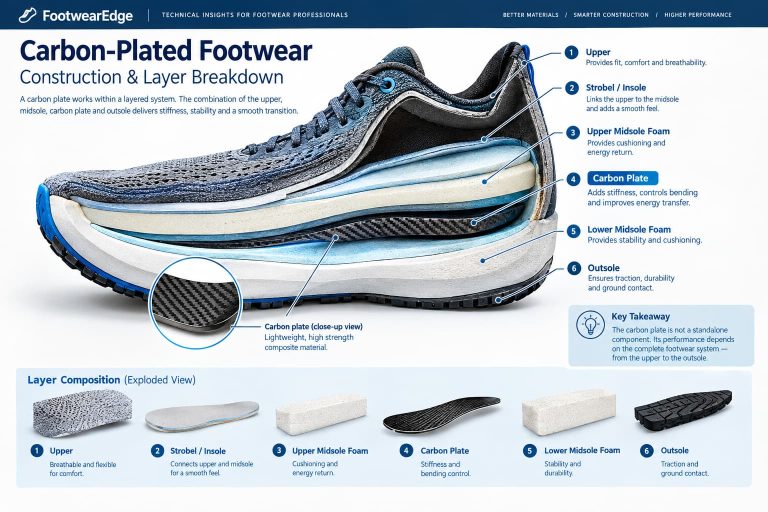
Carbon Plates in Footwear: Construction, Function, Materials and Manufacturing
Carbon plates have become an important structural component in modern performance footwear, particularly in racing and high-performance running shoes. A carbon-fiber-reinforced plate can increase the shoe’s longitudinal bending stiffness while adding relatively little weight compared with many conventional structural materials….
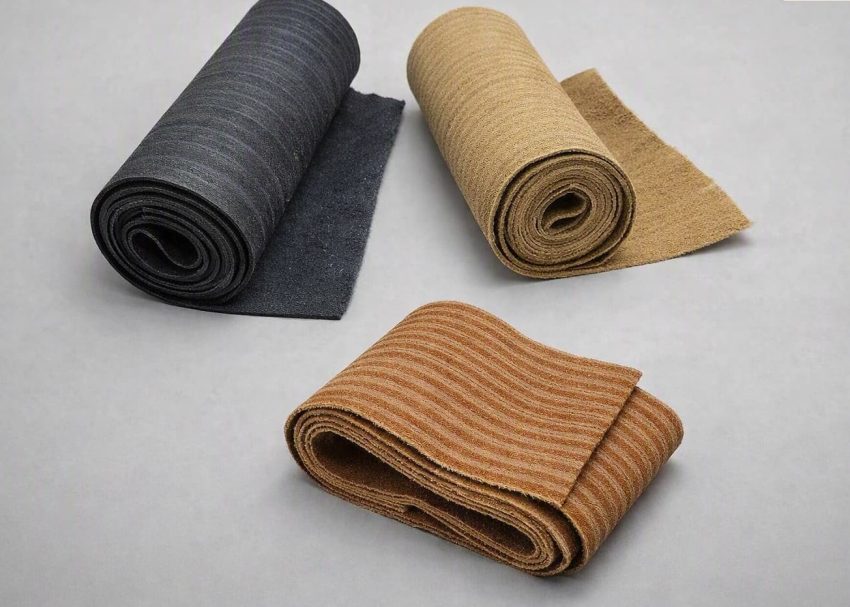
Leather Veneer (Stacked Leather): How It Is Made and Used in Footwear
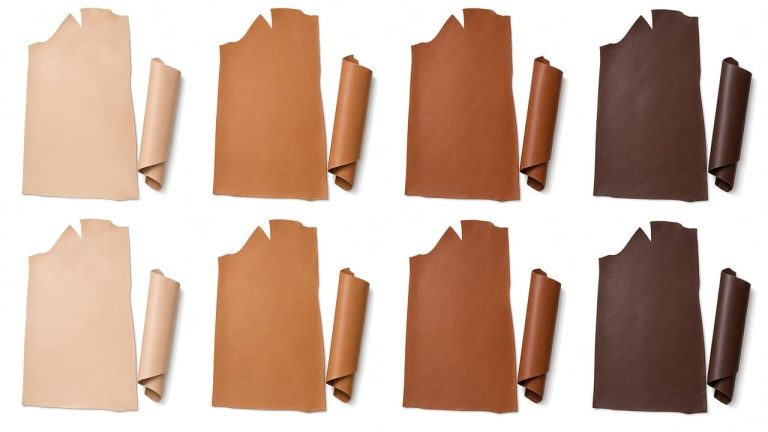
What Is Leather Veneer (Stacked Leather)? Leather veneer, often called stacked leather veneer, is a thin leather material produced by laminating several leather strips and then splitting the assembled material into controlled-thickness veneers. Manufacturers commonly use these veneers to create…
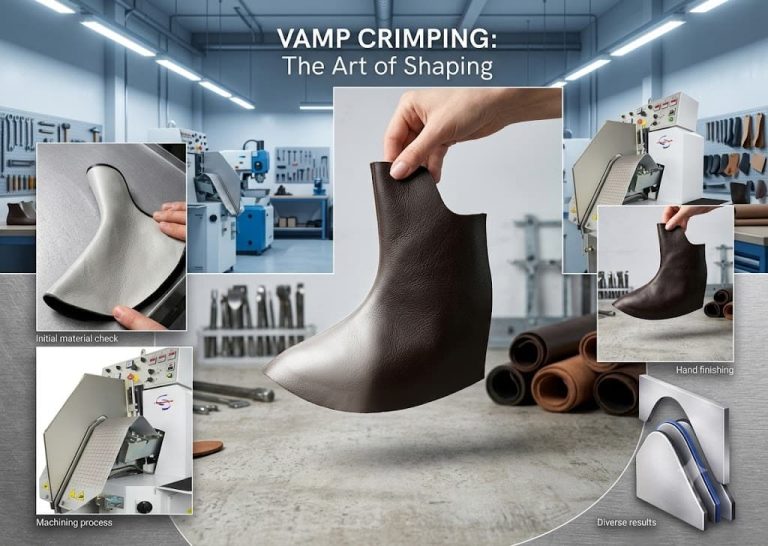
Crimping / Blocking Vamp Component in Footwear: Process of Different Crimping Methods
A leather vamp starts as a flat component, but the finished upper must follow the three-dimensional shape of the last. Therefore, some vamp constructions need pre-forming before lasting. Crimping the vamp component creates this controlled three-dimensional shape and helps the…
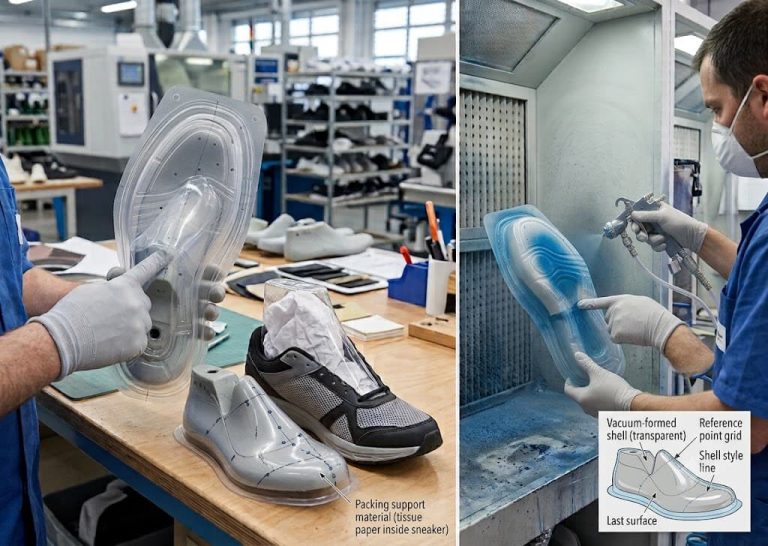
Vacuum Forming in Footwear: Last Masking, Style Development, Last Marking & Packing Support
Vacuum forming is a thermoforming process in which a heated thermoplastic sheet is drawn tightly over a three-dimensional form using vacuum pressure. In footwear manufacturing, the shoe last itself can be used as the forming reference, allowing the plastic shell…
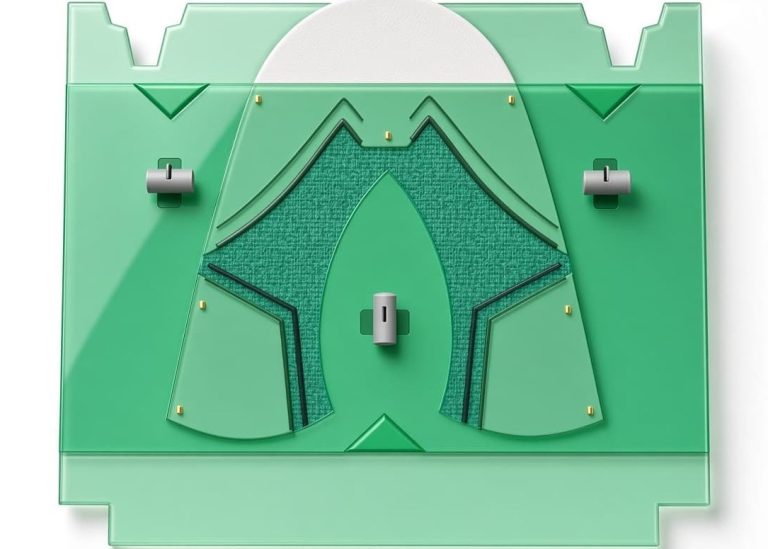
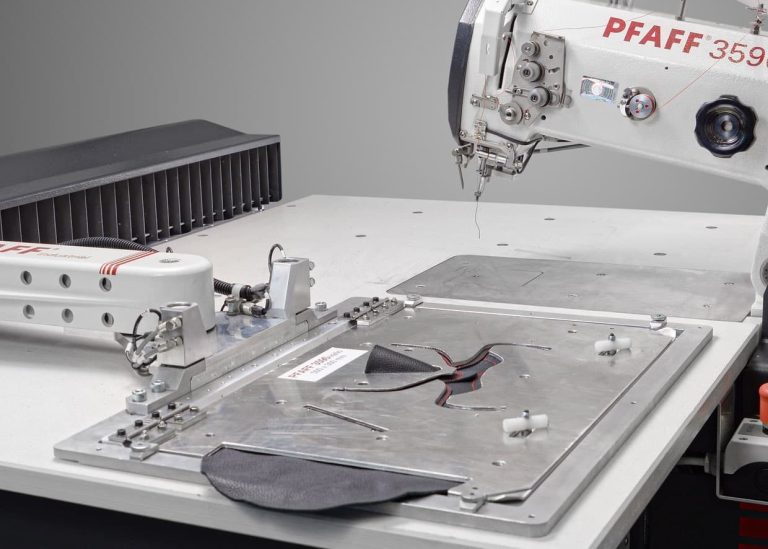
Computerized Footwear Stitching Fixtures: Pallets, Templates, Materials, Design & Manufacturing
In computerized footwear stitching, the sewing machine is only one part of the system. The machine controls the needle movement, stitch sequence, speed, and programmed sewing path, but another component plays an equally important role in achieving repeatable results: the…
Computerized Stitching Machines for Footwear Manufacturing: Types, Efficiency and Applications
Computerized stitching has become an important technology in footwear manufacturing because it can improve stitching consistency, repeatability and production efficiency. Unlike conventional sewing, where the operator controls most of the material movement manually, a computerized machine can follow a programmed…