Welcome to The FootwearEdge
We are your dedicated resource for Global Footwear Industry Analysis. Our platform bridges the gap between industry professionals, learners, and enthusiasts. Are you a student, a factory technician, or a designer? If so, you will find valuable insights here..
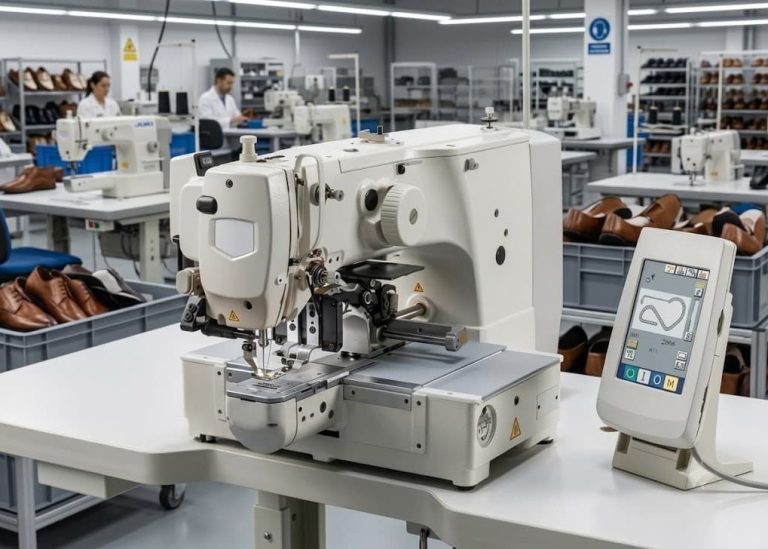
Computer Stitching in Footwear Manufacturing: Technology, Process, Applications & Production Benefits
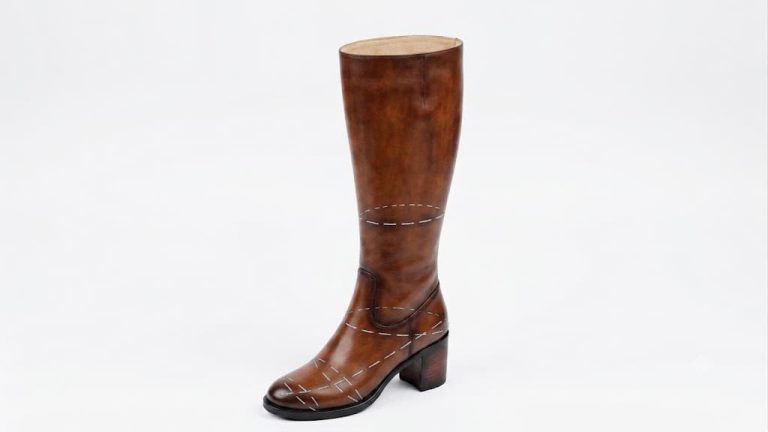
Computer stitching in footwear manufacturing has transformed many footwear sewing operations by bringing programmable control, repeatability, and greater accuracy to processes that traditionally depended heavily on operator skill. Instead of manually guiding every stitch line, a computer-controlled stitching machine can follow a predefined stitching path and reproduce the same operation across multiple footwear components. This technology is particularly valuable when footwear designs contain repetitive stitching, decorative patterns, logos, accurately positioned seam lines, or complex stitch paths. However, successful computer stitching is not determined by the machine alone. Pattern engineering, material…
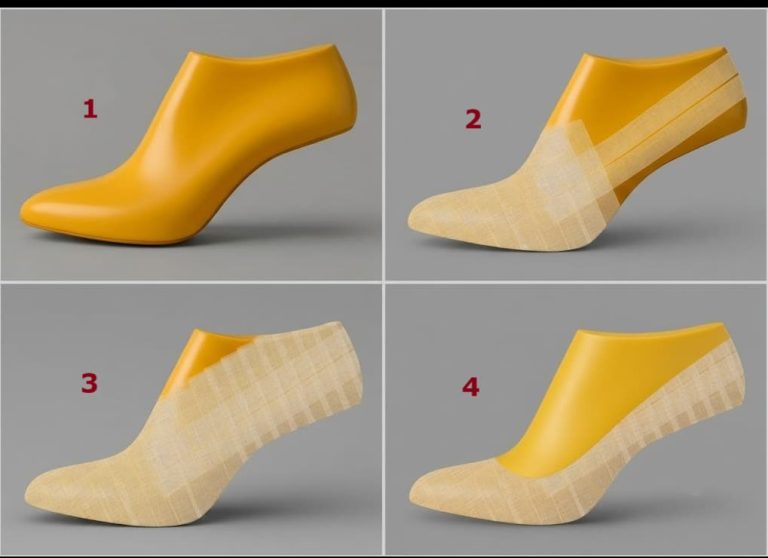

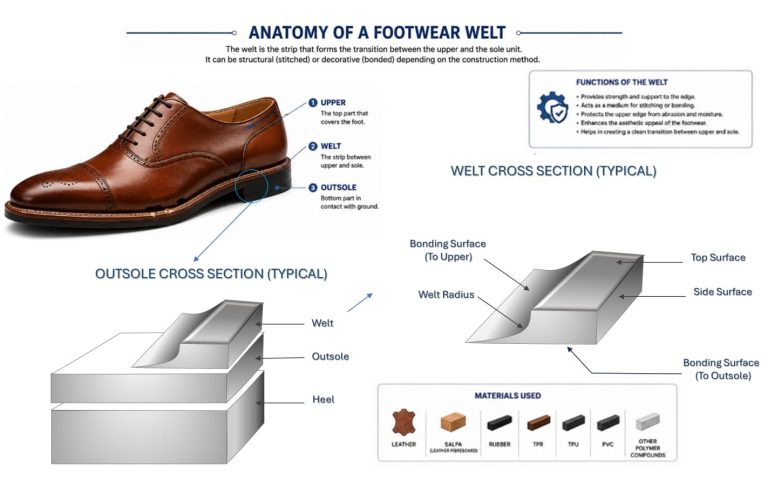
The Complete Guide to Footwear Welts: Types, Materials, Construction, Manufacturing & Design Engineering
The welt is far more than a decorative strip around the edge of a shoe. It influences the appearance, durability, repairability, and manufacturing process of footwear. In traditional constructions, such as Goodyear welting, it forms a structural connection between the…
Multiple Cutting Knives in Footwear Manufacturing: Improving Cutting Efficiency
Footwear Manufacturing Insights In footwear manufacturing, productivity often depends on how efficiently upper components are cut. Multiple cutting knives are specially designed cutting dies that allow several upper sections to be cut simultaneously in a single press stroke. This technique…
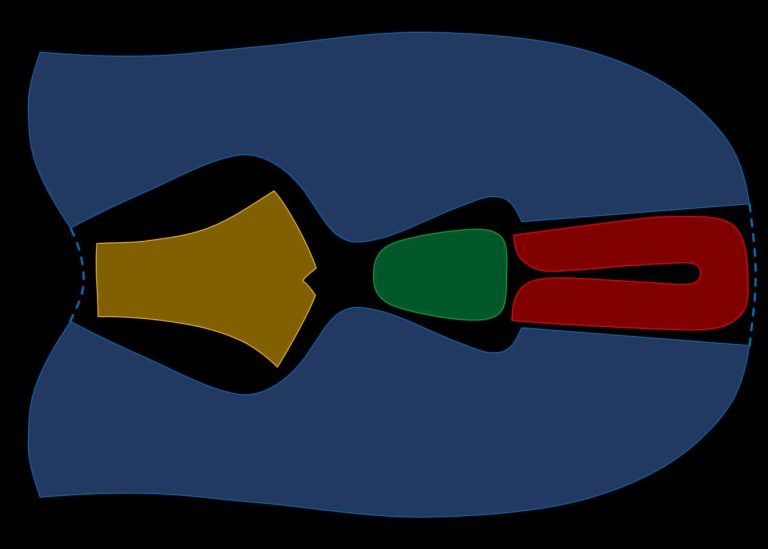
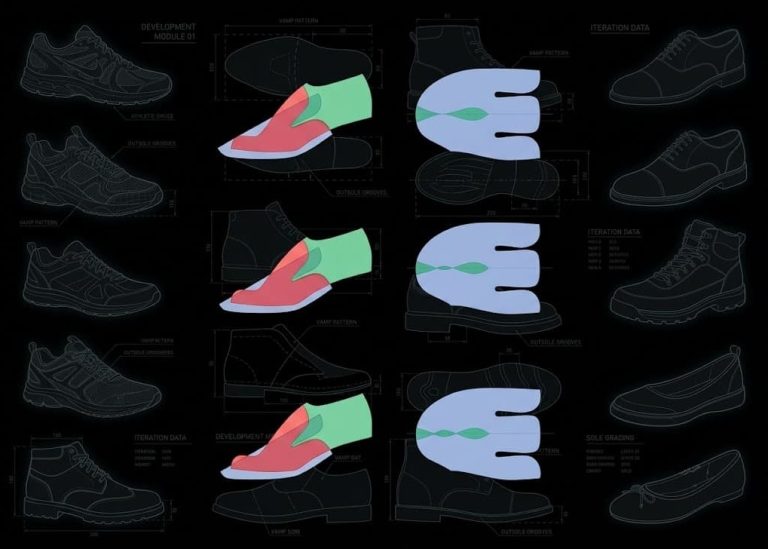
How to Identify the Correct Breakline in Footwear Pattern Engineering
Improving Upper Fit, Material Distribution, and Pattern Accuracy – Footwear Manufacturing Insights In footwear pattern engineering, identifying the correct breakline is one of the most critical yet experience-dependent tasks. The breakline determines how the upper wraps around the last, directly…
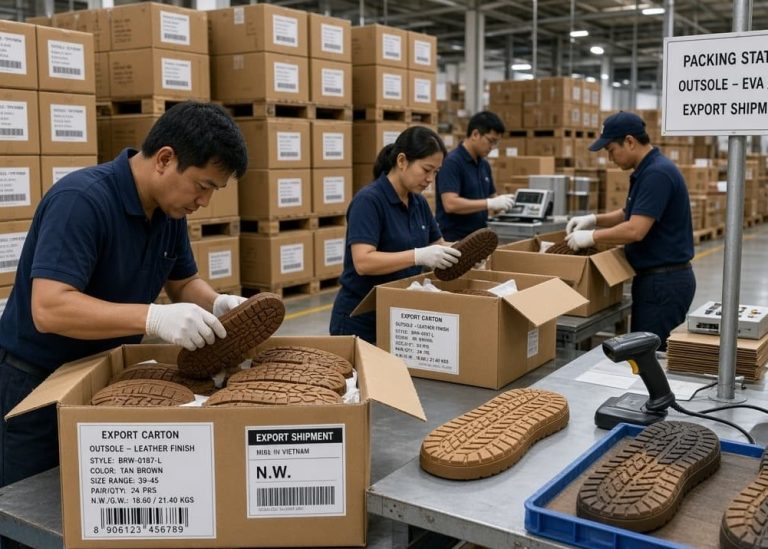
Packing Operations in Outsole Process: Outsole (Stock Fitting) Assembly Series
In the previous blog, we discussed Final Inspection Operations in Outsole Process, where every outsole passed the last quality verification before release. Only approved outsoles are transferred to the packing department. Packing is much more than placing outsoles inside a…
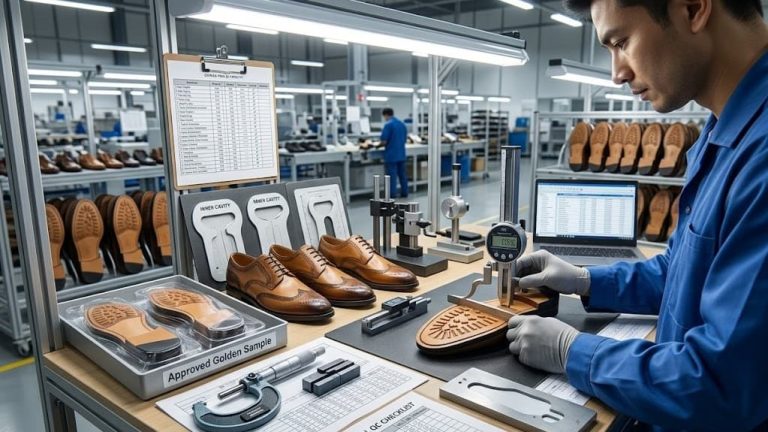
Final Inspection Operations in Outsole Process: Outsole (Stock Fitting) Assembly Series
In our previous blog, Brushing and polishing improve shine, lustre, colour depth and overall appearance. The operation becomes especially important for premium and formal footwear, where even small differences in gloss can affect final appearance approval. Therefore, the manufacturing process…
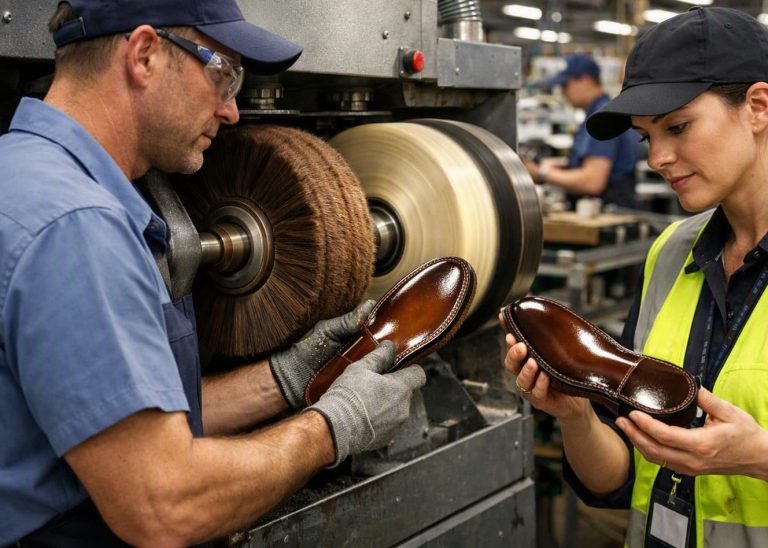
Brushing & Polishing Operations in Outsole Process: Outsole (Stock Fitting) Assembly Series
In the previous blog, Repairing and cleaning provide the final cosmetic preparation before outsole enters final inspection. . The next important finishing stage is brushing and polishing, where the outsole receives its final visual treatment. Brushing and polishing improve shine,…