Cut Component Stamping After Cutting/Clicking-Stitching Process Series
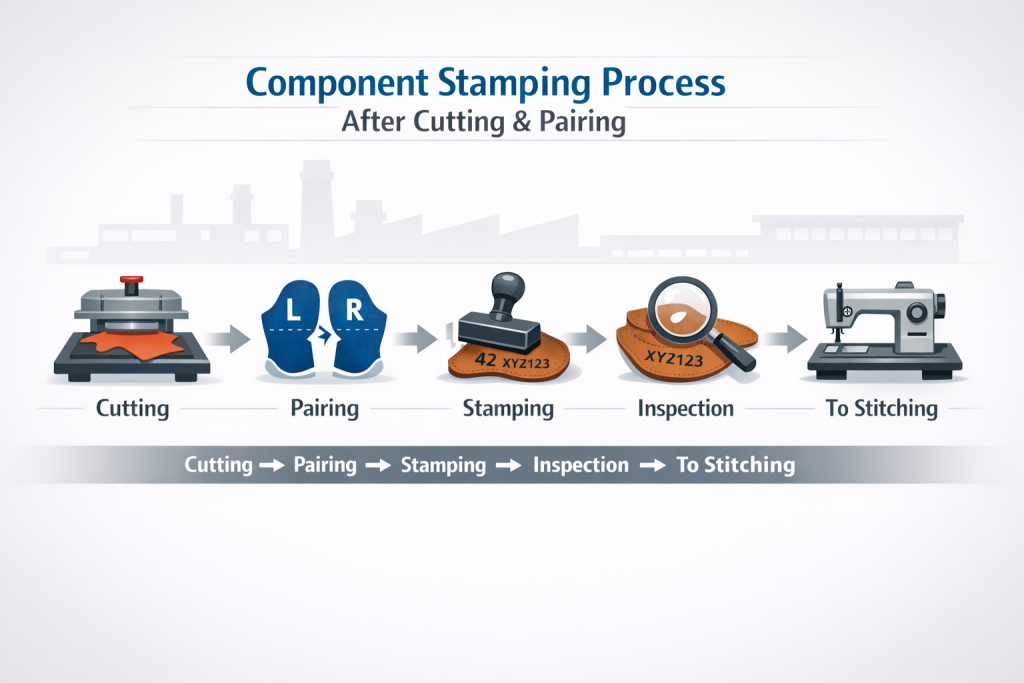
In the previous blog, Cut Component Pairing & Match Marking After Cutting / Clicking-Stitching Process Series, we ensured that left and right components match in shade and grain. Once pairing is completed, the next critical step is component stamping, which establishes identification and traceability throughout production.
Stamping ensures that every component carries the necessary information to move accurately through stitching without confusion, mixing, or process errors.
Pro Tip : Always perform stamping immediately after pairing to avoid mixing
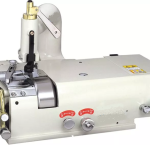
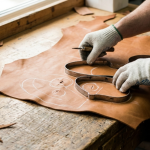
1. Purpose of Component Stamping
Component stamping provides identification details on each cut part to ensure traceability throughout production. These markings stay with the component from cutting to stitching and final assembly.
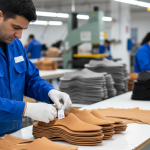
After cutting and pairing, multiple components from different sizes, colors, and styles are handled simultaneously on the shop floor. Without clear identification, operators cannot differentiate between similar-looking parts. As a result, wrong size assembly, mixing of models, and production delays can occur.
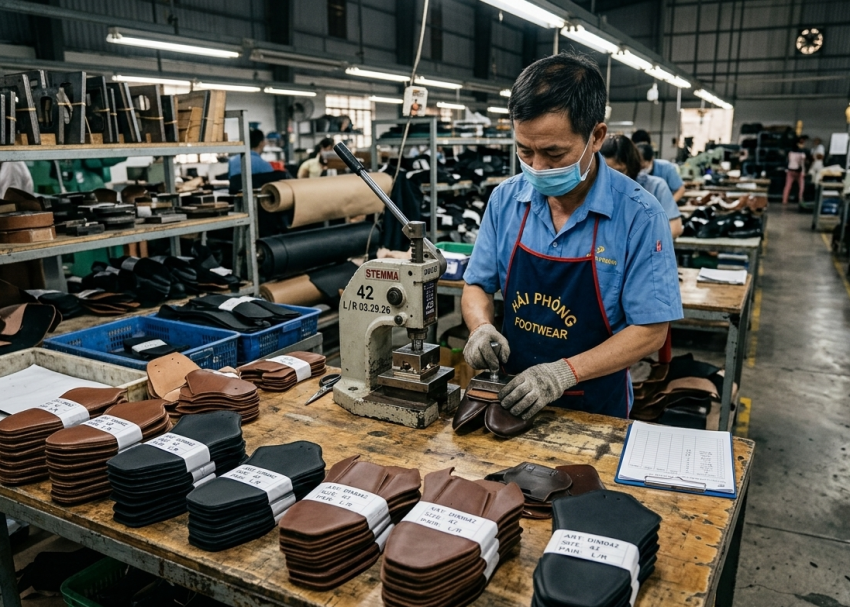
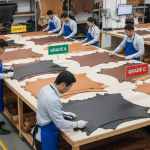
In practice, stamping is carried out immediately after cutting or right after pairing and match marking. Operators apply markings using standardized formats so that every department can easily interpret the information.
Key Control Points:
- Ensure every component is stamped without exception
- Maintain clear and readable marking
- Use standardized identification format
- Verify stamping immediately after application
Pro Tip : Use sample reference boards for stamping format consistency
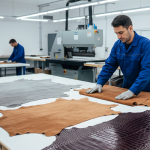
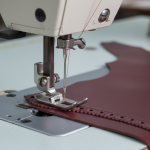
2. Types of Information Marked on Components
Stamping includes essential identification data required for process control and tracking. The information must be consistent, easy to read, and aligned with factory production systems.
Typically, each component carries size, left/right indication, and model or style reference. In addition, batch or lot numbers are used to trace the component back to the cutting stage. This becomes critical when quality issues arise and root cause analysis is required.
Operators must ensure that the correct information is stamped on the correct component. Even a small error in marking can result in mismatching during stitching, leading to rejection or rework.
Key Control Points:
- Cross-check size before stamping
- Clearly mark left and right components
- Maintain consistency in style and batch codes
- Avoid duplication or missing information
Pro Tip : Introduce double-check system for size and model verification
3. Hidden Marking Method
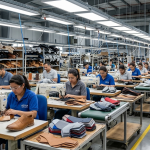
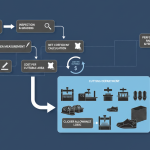
Hidden marking is a technique where identification is applied in areas that remain invisible after shoe assembly. This method is widely used to maintain product aesthetics while ensuring traceability.
In execution, operators stamp or mark on the flesh side of leather or inner surfaces of synthetic components. The marking location is predefined so that it does not interfere with stitching lines or folding areas.
This method is especially important for premium footwear where visible markings are not acceptable. At the same time, markings must remain accessible to operators during stitching.
Key Control Points:
- Place marking only on non-visible areas
- Ensure visibility during stitching operations
- Avoid marking on fold or seam lines
- Follow standard marking location guidelines
Pro Tip : Use color-coded stamps for faster identification in high-volume lines
4. Ink Stamping Method
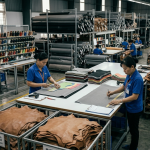
Ink stamping is the most commonly used method in footwear factories due to its speed and simplicity. It involves applying ink-based marks using rubber stamps or automated systems.
Operators use fast-drying industrial ink to prevent smudging during handling. The pressure applied during stamping must be controlled to ensure clear and uniform marking without spreading.
This method is suitable for leather, synthetic, and fabric components, provided the correct ink type is selected. However, improper ink quality or excessive application can lead to unclear markings or contamination.
Key Control Points:
- Use quick-dry, non-smudge ink
- Control ink quantity to avoid spreading
- Maintain uniform stamping pressure
- Allow sufficient drying time before handling
Pro Tip : Maintain dedicated stamping stations to avoid confusion
5. Heat Embossing Method
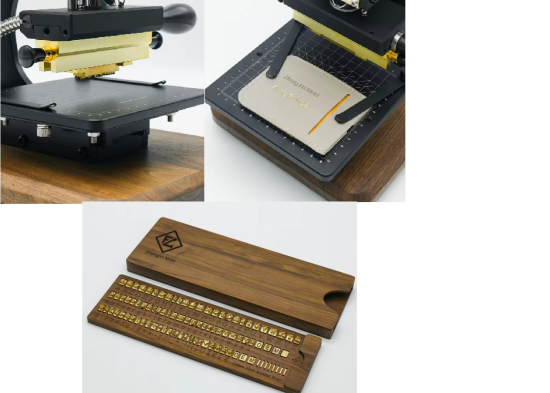
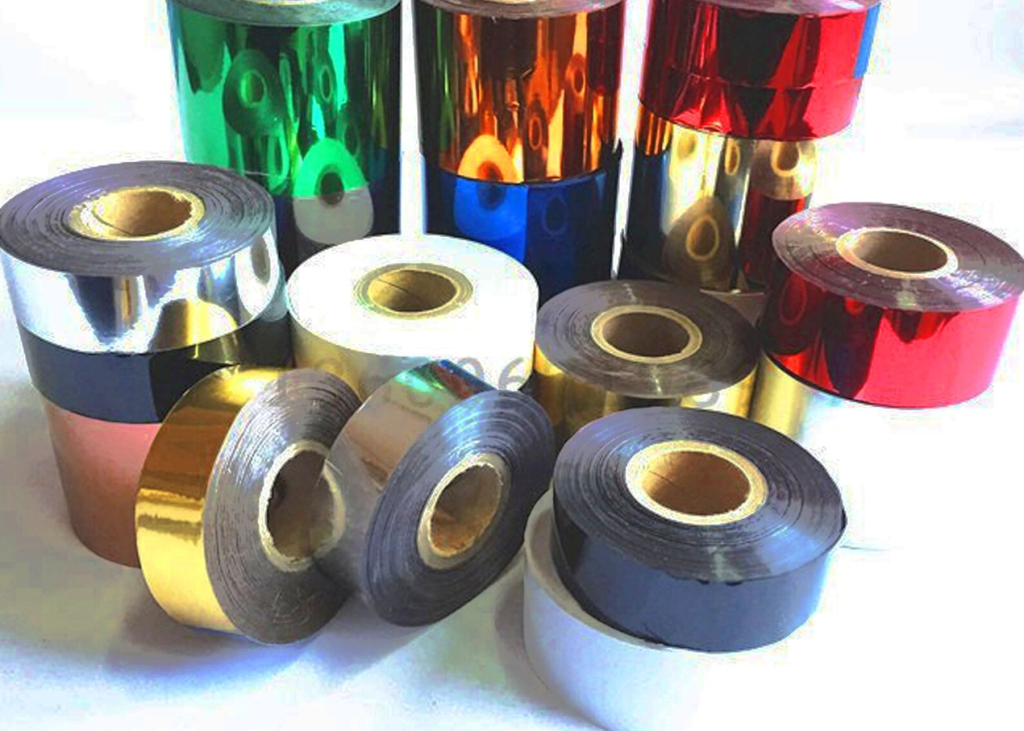
Heat embossing creates permanent markings by applying heat and pressure to the material surface. Unlike ink stamping, this method does not use any external marking substance.
In practice, embossing machines press heated dies onto leather components to create visible impressions. This method is preferred for high-end or export footwear where durability and clean appearance are required.
Although embossing provides long-lasting results, it requires precise control of temperature and pressure. Excess heat can damage material, while insufficient pressure leads to unclear marking.
Key Control Points:
- Maintain correct temperature settings
- Ensure uniform pressure application
- Avoid overheating delicate materials
- Verify clarity of embossed marking
Expert Insight: Conduct hourly random audits for stamping accuracy
6. Stamping Tools and Equipment
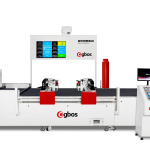
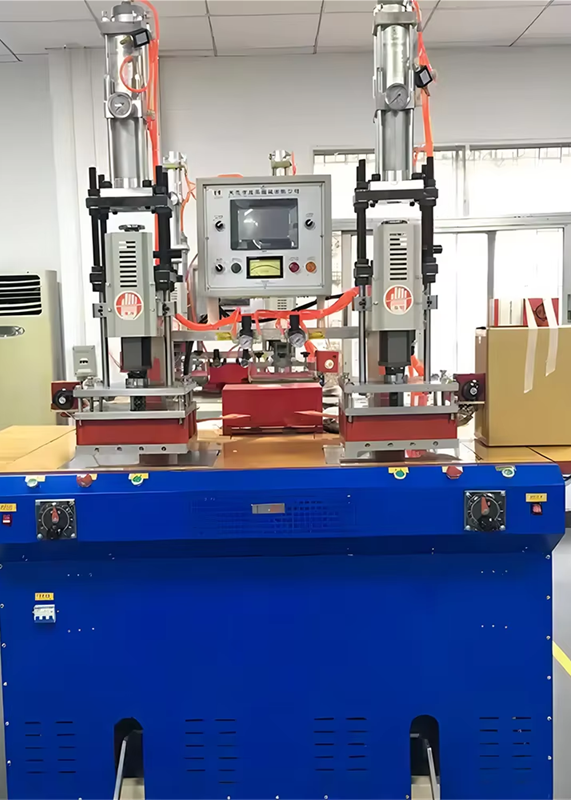
Stamping tools range from simple manual stamps to semi-automatic and automated systems depending on factory scale and production volume.
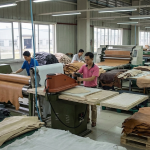
Manual rubber stamps are widely used due to flexibility and low investment. However, for higher efficiency and consistency, factories use pneumatic or automated stamping machines. Heat embossing machines are specifically used for leather applications.
Regular maintenance of tools is essential to ensure clarity and consistency. Worn-out stamps or poorly maintained machines can lead to unclear or incorrect markings.
Key Control Points:
- Clean stamping tools regularly
- Replace worn-out stamps on time
- Calibrate machines periodically
- Ensure consistent output across shifts
Expert Insight: Avoid stamping near stitch lines to prevent visibility issues
7. Common Issues in Component Stamping and Control Measures
Component stamping can create downstream issues if not properly controlled. Common problems include unclear marking, wrong information, and missing stamps.
These issues typically occur due to operator error, poor ink quality, or lack of standardization. For example, excessive ink leads to smudging, while low pressure results in faint markings.
Factories must implement inline inspection and standard operating procedures to prevent such issues. Early detection at this stage avoids major problems during stitching and assembly.
Key Control Points:
- Reject components with unclear stamping
- Standardize stamping procedures across lines
- Train operators regularly
- Conduct periodic audits and checks
Expert Insight: Integrate stamping data with production tracking systems
Frequently Asked Questions – FAQs
1. Is component stamping mandatory in all footwear factories?
Yes, especially in mass production where multiple sizes and styles run simultaneously.
2. What is the best method for leather components?
Ink stamping and heat embossing are commonly used depending on product requirement.
3. Can stamping affect material quality?
Improper pressure or heat can damage materials, so control is essential.
4. Why is hidden marking important?
It ensures traceability without affecting product appearance.
5. What happens if stamping is missing?
It can lead to mixing of sizes, wrong assembly, and rejection.
6. Can stamping replace pairing?
No, stamping and pairing serve different purposes and both are required.
7. How to ensure stamping accuracy?
Use standardized formats, trained operators, and regular inspection.
Expert Insight: Conduct hourly random audits for stamping accuracy

Explore other Stitching Process Series
- Stitching Process in Footwear Manufacturing: From Cutting to Closing Assembly in Shoe Production
- Raw Material Receipt in Footwear Stitching – Complete Factory Control Guide
- The Raw Material Inspection in Footwear Stitching – Stitching Process Series
- Raw Material Preparation for Cutting in Footwear Stitching – Stitching Process Series
- Cutting/Clicking in Footwear Stitching – Stitching Process Series
- Cut Component inspection after cutting/clicking – Stitching Process Series
- Cut Component Pairing & Match Marking After Cutting / Clicking-Stitching Process Series