PEBA in Footwear: Material Properties, Foam Manufacturing, Testing & Quality Control
Introduction
Polyether Block Amide (PEBA) is a high-performance thermoplastic elastomer used in premium running shoes and competitive athletic footwear. Its combination of low weight, flexibility and resilience makes it suitable for footwear that requires lightweight construction and responsive cushioning.
Footwear manufacturers use PEBA in both solid thermoplastic components and expanded foam structures. Most notably, PEBA foam provides lightweight cushioning in performance midsoles. Manufacturers can also use selected PEBA grades in structural components, depending on the required stiffness and flexibility.
However, the polymer alone does not determine performance. Foam density, cell structure, component geometry and processing conditions also influence the finished product. Therefore, footwear developers should evaluate the complete material and component system before selecting a PEBA grade.
What Is PEBA?
PEBA is a block copolymer that combines rigid polyamide segments with flexible polyether segments. The polyamide blocks provide strength and structural integrity, while the polyether blocks contribute flexibility and elastic behaviour. By adjusting their chemistry and proportions, manufacturers can produce grades with different stiffness, hardness and mechanical properties.
Commercial PEBA materials, including the Pebax® family, offer different grades for specific processing and performance requirements.
In addition, some grades contain bio-based building blocks derived from renewable feedstocks, such as castor oil.
However, the bio-based content varies by grade, so manufacturers should verify each claim against the supplier’s documentation.
For footwear applications, the correct grade is essential. Its hardness, stiffness, processing behaviour and mechanical properties directly influence the finished component.
Applications of PEBA in Footwear
PEBA supports several footwear applications because manufacturers can select grades with different combinations of weight, flexibility, resilience and structural support.
Midsole foam
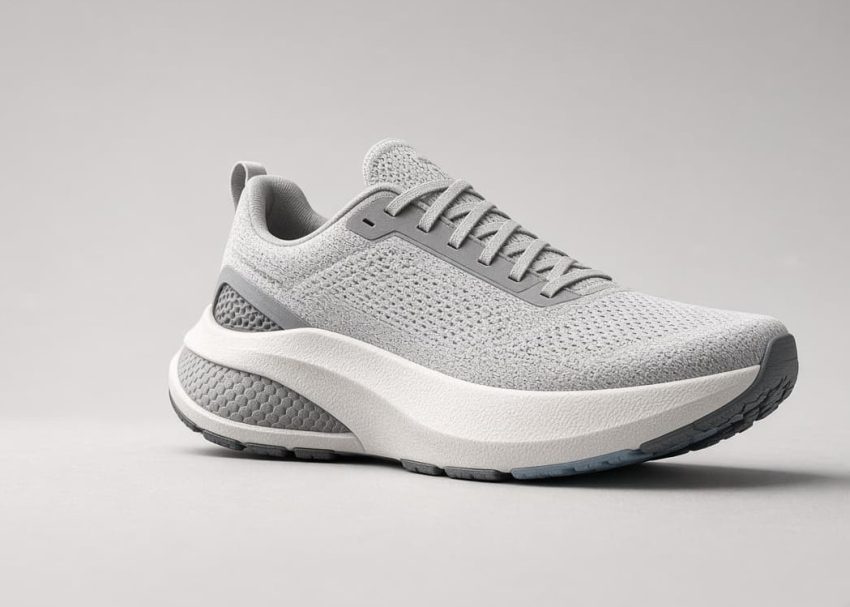
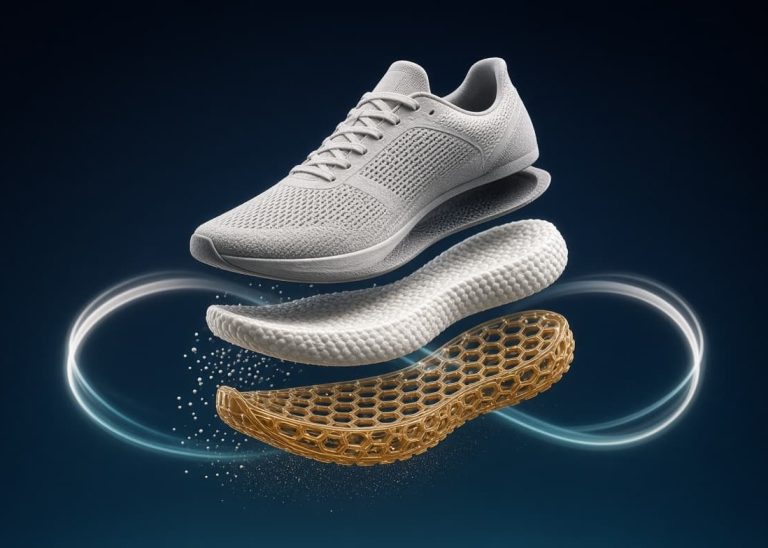
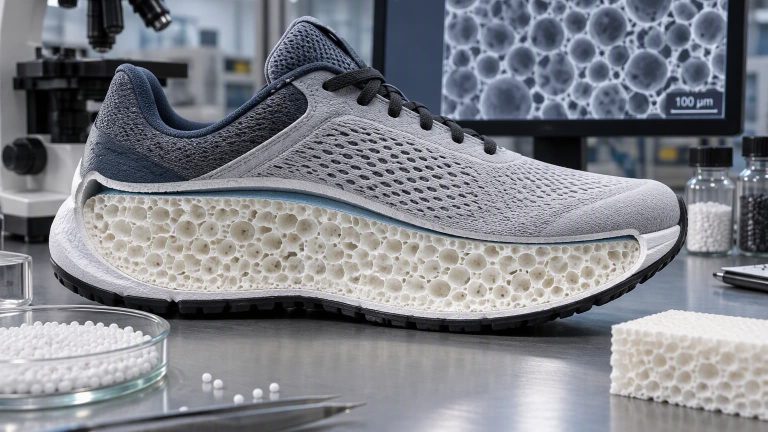
Expanded PEBA is widely used in premium running and racing shoes. Its low-density cellular structure and elastic response can provide lightweight cushioning and high resilience. Consequently, footwear designers often consider PEBA for products that prioritise responsiveness and reduced weight.
Propulsion and support components
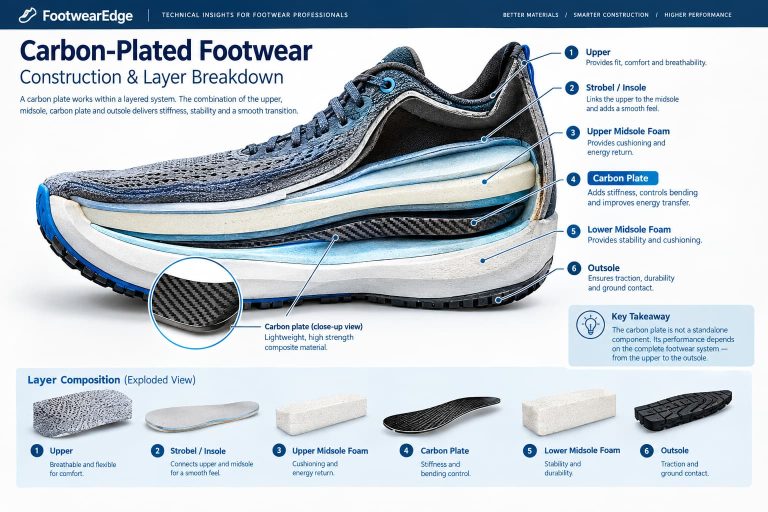
Manufacturers can injection-mould selected solid PEBA grades into propulsion plates, torsion elements and structural inserts. These components help control bending, torsional stiffness and force transmission through the shoe. Furthermore, reinforced grades can provide greater rigidity where the design requires additional support.
Heel counters and other components
Selected PEBA grades also suit heel counters and other structural parts that require low weight, flexibility and impact resistance. However, the appropriate grade depends on the component’s shape, stiffness and support requirements.
For further information, see Arkema’s athletic footwear materials guide.
Key Material Properties of PEBA
PEBA’s main advantage lies in its combination of properties rather than in any single characteristic. However, the exact performance depends on the grade, formulation and component design.
PEBA Foam Manufacturing Process
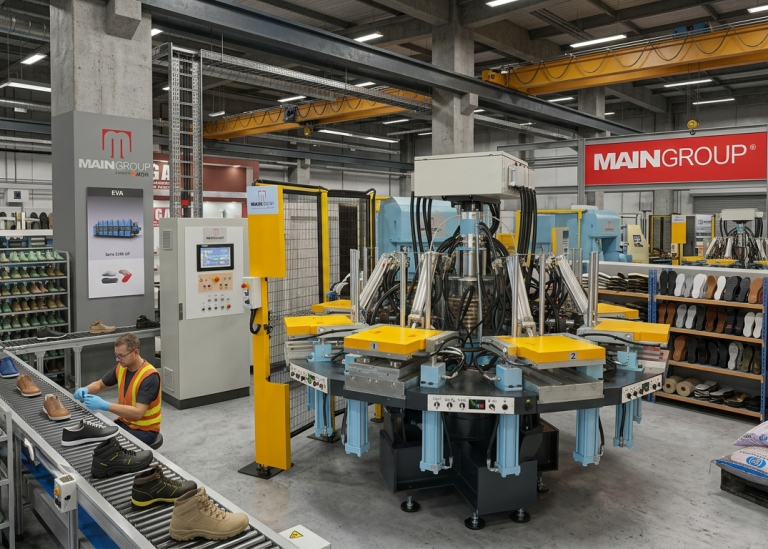
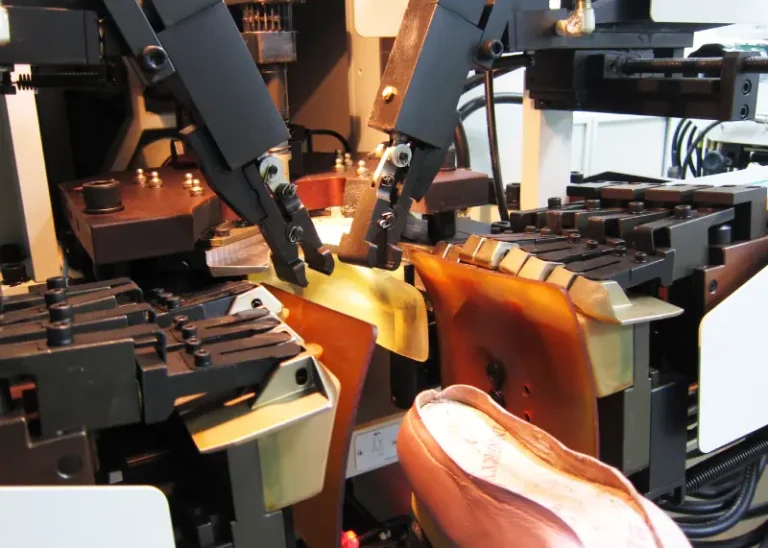
This foam manufacturing requires careful control of polymer processing, gas incorporation, expansion and dimensional stability. The exact process varies according to the selected grade and foaming technology.
1. Raw material preparation
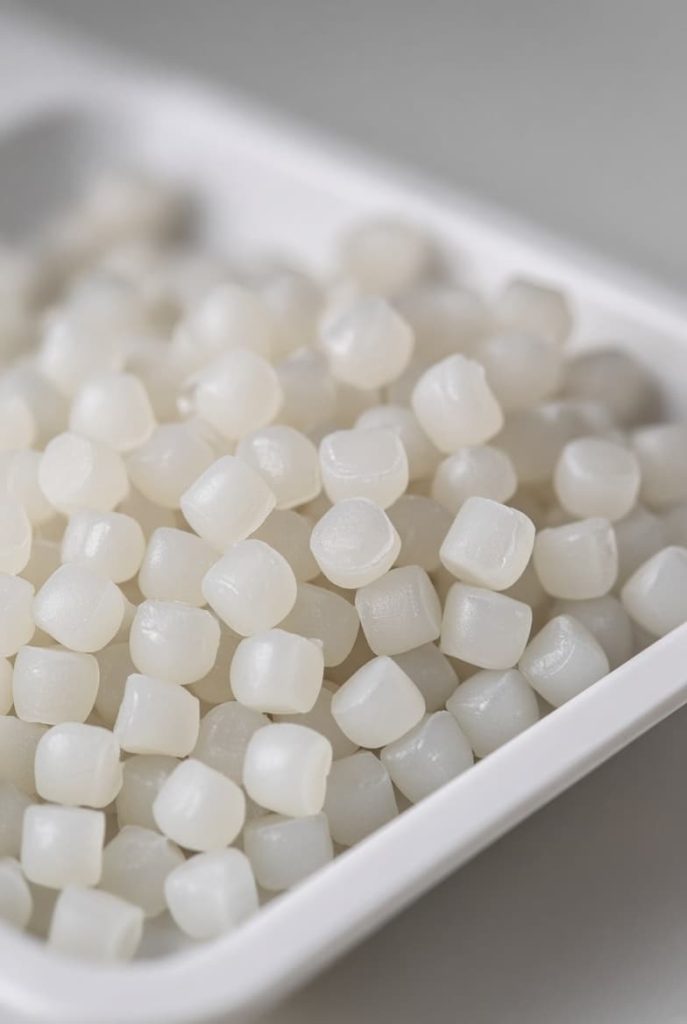
First, manufacturers receive and identify the PEBA pellets against the approved material specification. They should follow the supplier’s recommendations for storage, moisture control and any required drying. Excess moisture can interfere with melt processing and affect material quality.
Incoming inspections should verify the material grade, batch identification, pellet appearance and supplier documentation.
2. Polymer melting and processing
Next, manufacturers heat and process the material within the recommended temperature range. They must control temperature, residence time, melt condition and contamination to prevent degradation and inconsistent results.
For solid injection-moulded components, manufacturers must also control mould temperature, injection conditions, cooling and dimensional shrinkage.
3. Foam expansion
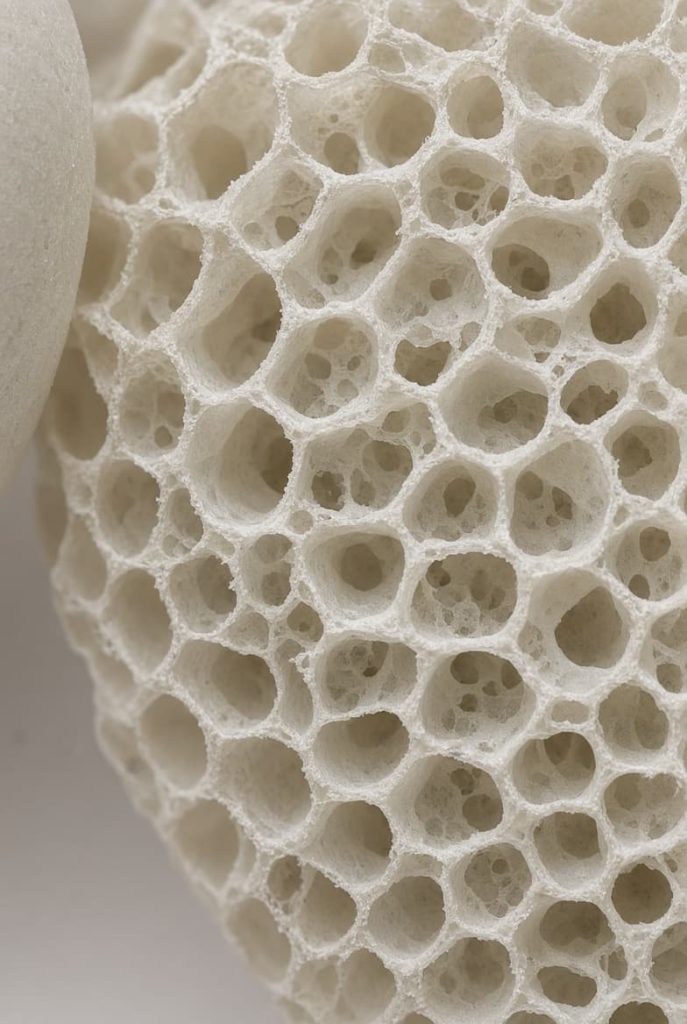
Manufacturers can produce PEBA foam using supercritical-fluid technology, chemical foaming or other grade-specific methods. For example, supercritical foaming introduces gases such as nitrogen or carbon dioxide under controlled pressure and temperature conditions. Changes in processing conditions then promote gas nucleation and cell growth, creating an expanded cellular structure.
Successful expansion requires a balance between expansion ratio, cell size, cell distribution and dimensional stability. Otherwise, unsuitable processing conditions can cause uneven expansion, excessive cell growth, surface defects or inconsistent density.
For a detailed explanation of this technology, see our dedicated guide to Supercritical Foam in Footwear
Moulding and stabilization
Depending on the technology, manufacturers form, expand or stabilize the foam in a mould or another processing system.
Cooling and conditioning then help the component develop more stable dimensions before final inspection.
During production, manufacturers should monitor the following parameters:
Physical Testing and Quality Control
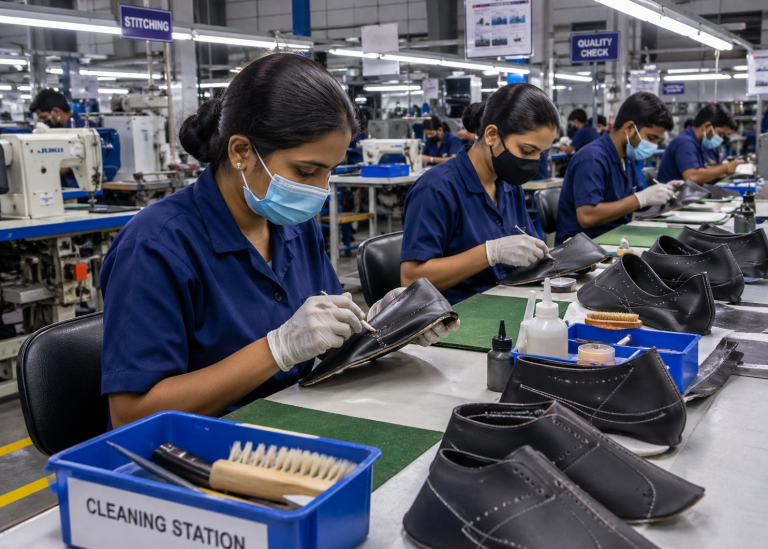
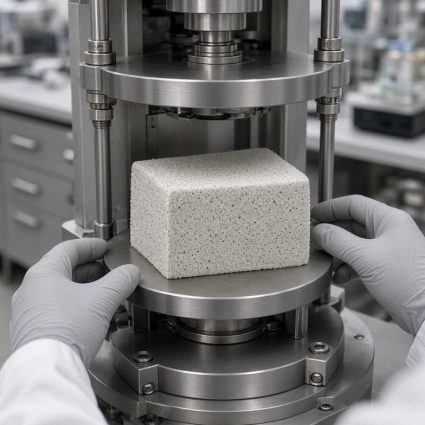
Footwear manufacturers must test PEBA foam against the approved material specification, customer requirements and intended application. Because grades and foam constructions differ, no single set of acceptance limits applies universally.
Test or property | Purpose | Relevant method or reference |
Density | Checks foam expansion and material consistency | ISO 845 |
Hardness | Evaluates resistance to indentation | ISO 48-4 or an agreed foam-specific method |
Compression set | Measures permanent deformation after compression | ISO 1856 |
Tensile properties | Evaluates strength and elongation where applicable | ISO 37 for suitable rubber-like materials; select an appropriate specimen method |
Flex resistance | Assesses resistance to repeated bending | SATRA TM92 or another agreed footwear flex method, where applicable |
Resilience or rebound | Evaluates elastic recovery under a defined impact method | Select a suitable method for the material and specimen |
Dimensional stability | Checks shrinkage and dimensional changes | Approved internal or customer-specific procedure |
Fatigue or repeated compression | Evaluates changes after cyclic loading | Agreed laboratory or customer-specific protocol |
These methods provide starting points for test selection rather than universal requirements. Before testing, confirm the current edition, specimen requirements and applicability with the laboratory.
PEBA vs EVA vs TPU vs Supercritical Foam
EVA (Ethylene-Vinyl Acetate), PEBA and TPU (Thermoplastic Polyurethane) are polymer materials used in footwear cushioning.
Supercritical foaming, in contrast, is a foam manufacturing technology that uses a fluid such as nitrogen or carbon dioxide under supercritical conditions to produce a cellular structure.
Therefore, supercritical foam is not a separate polymer and should not be compared with PEBA, EVA and TPU as though all four were equivalent materials.
TPU, EVA and PEBA can each offer different cushioning, resilience, durability and processing characteristics.
Their final performance depends on the formulation, density, cell structure and manufacturing method.
Supercritical foaming can be used with suitable polymer systems to create lightweight foam with controlled cellular structures.
Comparison factor | PEBA foam | EVA foam |
Classification | Polymer-based foam | Polymer-based foam |
Typical footwear use | Premium running and racing midsoles | General cushioning and lightweight midsoles |
Weight potential | Very low with suitable expansion | Low with suitable expansion |
Resilience | Often high in performance grades | Formulation-dependent |
Compression performance | Depends on grade and foam design | Depends on formulation and density |
Manufacturing considerations | Grade-specific processing and foam control | Established footwear foaming methods |
Cost considerations | Generally premium | Often economical |
Which Is Best for Footwear?
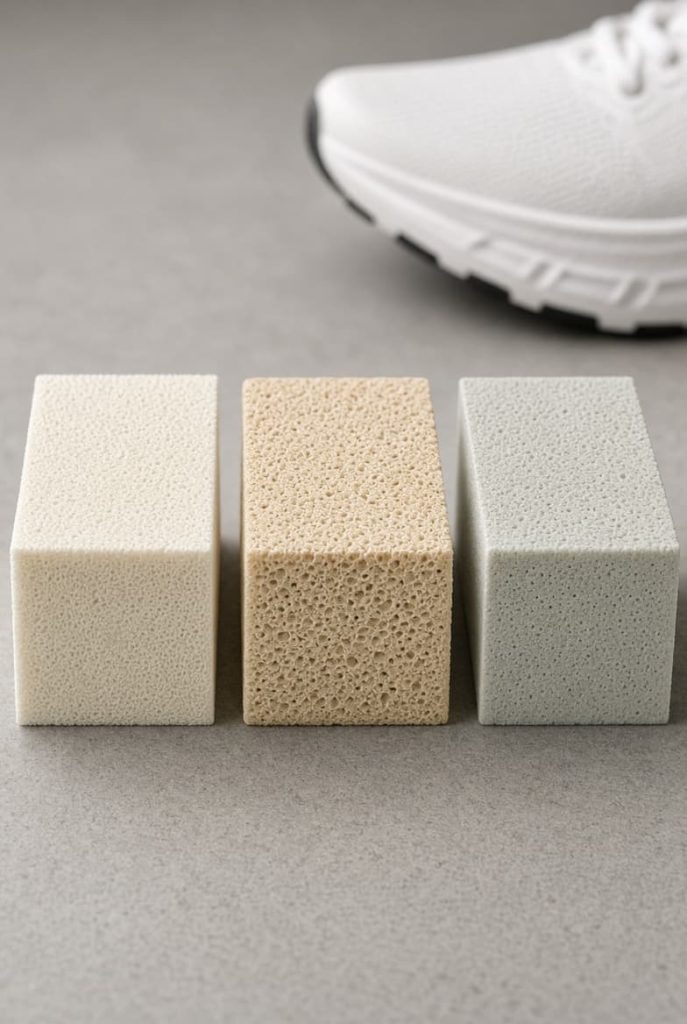
PEBA foam is often selected for premium performance footwear when low weight and responsive cushioning are priorities. EVA remains widely used because of its versatility and cost-effectiveness, while TPU foam can offer a useful combination of resilience and durability, depending on the grade.
Supercritical foaming should be evaluated as a processing option rather than a direct competitor to these polymers. For example, a midsole may be made from supercritical-foamed PEBA or supercritical-foamed TPU. The correct comparison is therefore between the finished foam systems—such as conventional EVA foam, supercritical-foamed PEBA and supercritical-foamed TPU—using consistent density, hardness, compression, rebound and fatigue tests.
For footwear developers, the best option is the material and process combination that meets the product’s cushioning, weight, durability, manufacturability and cost requirements.
Limitations and Selection Considerations
Despite its advantages, PEBA is not automatically the best choice for every footwear product. Its material cost can exceed that of conventional midsole materials. In addition, manufacturers need suitable equipment, validated processing conditions and effective quality control to achieve consistent results.
Foam performance also depends on component geometry, cell structure, hardness and density. Although a lower-density foam can reduce weight, it may not provide sufficient support or durability if engineers do not design the construction appropriately.
Before approving a PEBA grade, footwear developers should evaluate:
By assessing these factors together, manufacturers can determine whether PEBA offers a meaningful advantage for the intended footwear application.
Conclusion
PEBA is an important material in high-performance footwear because its polymer structure combines flexibility, strength, low weight and elastic recovery. In expanded midsoles, these properties can support responsive cushioning and lightweight shoe designs. Meanwhile, solid PEBA components offer opportunities for structural support and controlled stiffness.
However, consistent performance requires more than selecting the right polymer. Manufacturers must control material preparation, processing conditions, foam morphology, component design and physical testing. By establishing grade-specific specifications and a repeatable quality-control plan, footwear manufacturers can evaluate PEBA objectively and identify where it offers an advantage over alternative materials.
FAQs – Frequently Asked Questions
Explore More Insole Related Articles

References and Further Reading
- Polymer structure, grade flexibility and material characteristics – Arkema – Pebax® Elastomer Family
- Footwear applications, foam technologies and structural components – Arkema – Athletic Footwear Materials
- Energy return, material technology and sports applications – Arkema – Pebax® Technology
- Cellular plastics and rubbers: determination of apparent density – ISO 845
- Flexible cellular polymeric materials: determination of compression set – ISO 1856
- Rubber, vulcanized or thermoplastic: determination of tensile stress-strain properties – ISO 37