Ultimate Guide to Fitting Kids’ Shoes: Ensuring Healthy Growth and Comfort
Estimated Reading Time: ~ 5 minutes
Introduction: Why Proper Shoe Fitting Matters for Growing Feet
As parents, we all want our kids to run, jump, and play without a care in the world. But did you know that the right shoe fit plays a crucial role in supporting their developing feet? From toddlers taking their first steps to active preteens, choosing and fitting footwear correctly can prevent discomfort, promote natural growth, and avoid long-term issues. In this comprehensive guide, we’ll dive into everything you need to know about selecting and fitting shoes for children, drawing from time-tested practices that prioritize comfort and health. Whether you’re shopping for everyday sneakers or special occasion styles, these insights will help you make informed choices.
Categories of Kids’ Footwear
The world of children’s shoes is diverse, with sizes and styles tailored to different growth phases. Common groupings include:
- Infants: Sizes 1-6 for little ones, focusing on flexibility.
- Children’s: Sizes 8½-12, blending playfulness with structure.
- Misses and growing girls: Sizes 11-3 and 2½-10, introducing more mature looks.
- Little gents and boys: Sizes 8½-13½ and 2½-7, built for adventure.
These categories aren’t rigid—extremes like big boys’ sizes extend into men’s ranges. Modern kids’ feet grow larger than past generations, so always prioritize current measurements over age-based assumptions.
Step-by-Step Measuring Process
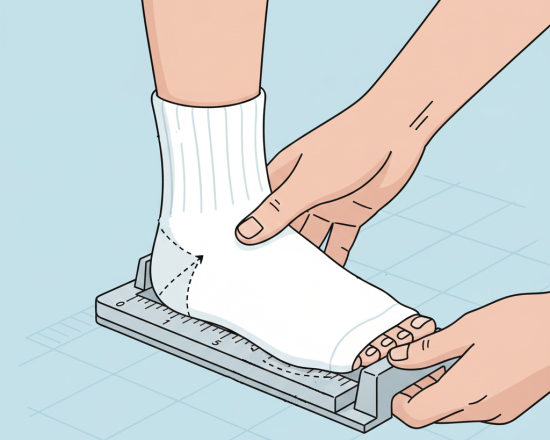
Accurate measuring is the foundation of a great fit. Here’s how to do it right:
- Pull socks away from toes to avoid bunching.
- Measure both feet while the child stands.
- Base size on the longer or wider foot, ensuring full toe extension.
- Check heel-to-ball alignment for balance.
- Examine old shoes for wear patterns to gauge growth.
- Feel inside old shoes for abrasion signs, indicating if replacements are overdue.
- Quick visual inspection of old shoes reveals clues about foot habits.
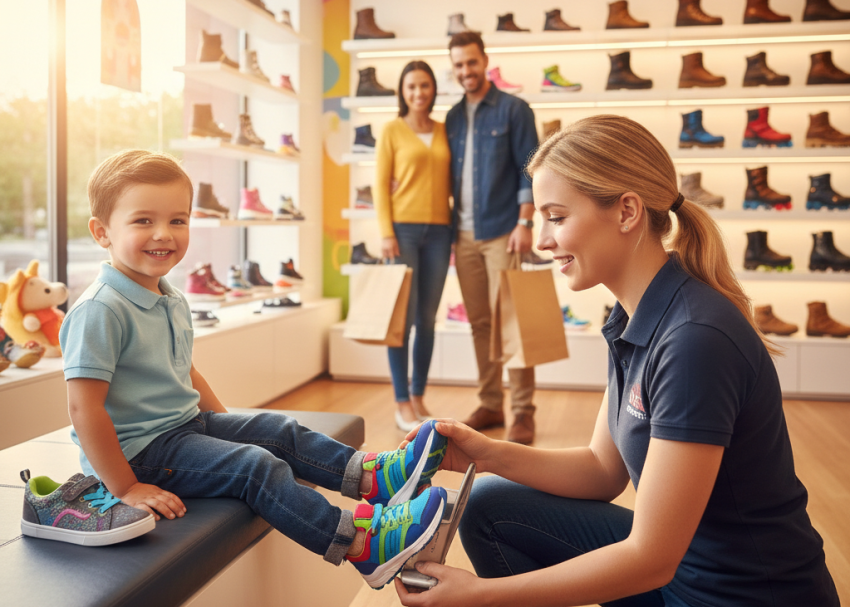
This process mirrors adult fitting but adds extra care for growth allowances. Never guess sizes based on age—always fit in person.
Understanding Kids’ Shoe Shapes and Lasts
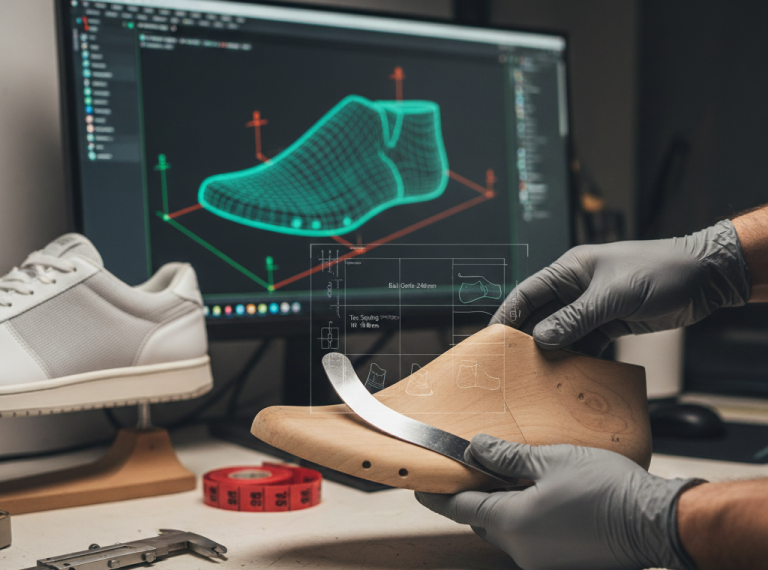
Shoe shapes, or lasts, evolve as kids grow. Early designs are straight and round, but older styles incorporate curves and profiles for appeal. Toe shapes influence freedom: square for roominess, oval for balance, wall-toe for straight edges, or receding for taper. The goal? Shoes that allow natural toe movement without constriction, adapting to inflated designs while maintaining health.


Achieving the Perfect Length Fit
Length is critical—built-in allowances (about two sizes in basics, less in dress styles) account for growth and flex. Test by ensuring space for forward movement without excess. Avoid over-sizing, as it disrupts balance and causes slippage. Proper length prevents creases from shortening the shoe prematurely.
Importance of Heel-to-Ball Alignment
This fit ensures the foot’s joints match the shoe’s flex points. Mismatch leads to faulty tread and strain. Diagrams show how same-length shoes can differ in overall feel if this alignment is off—always check for a natural position.
Throat Fit: Room for Growth
The throat (top opening) should allow pencil space behind the heel when pushed forward. This accommodates expansion without tightness, reducing irritation. Patterns like bluchers offer more yield for growing feet.
Width Fit Essentials
Snug widths are a no-go—opt for pinch-tested roominess (quarter-inch extra material). Check big toe joint height and tread width to distribute pressure evenly. Narrow fits yield the foot, not the shoe, risking malformation.

Additional Fit Checks: Socks and Toe Boxes
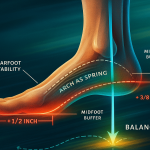
- Socks: Ensure half-inch extra length for full toe freedom; avoid short ones that bunch.
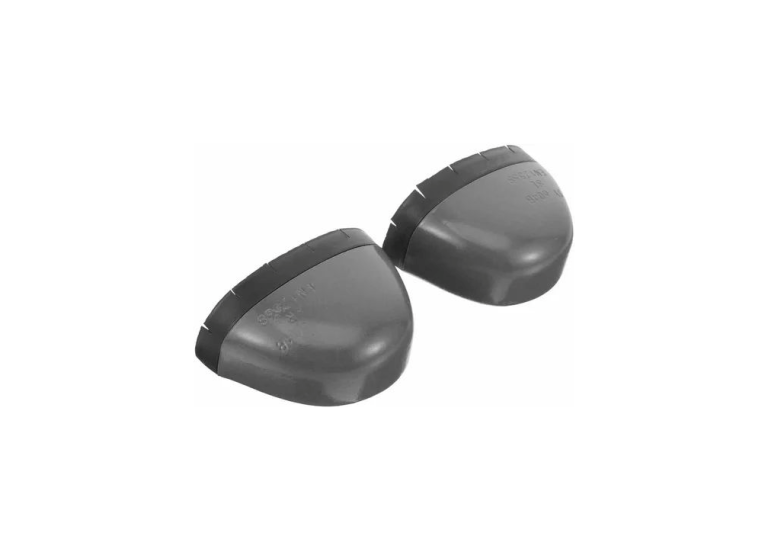
- Toe Boxes: Protect toes and maintain shape; raised, rounded designs are ideal for durability.
How Long Should Kids’ Shoes Last?
Durability withstands 20,000 daily steps—equivalent to eight miles of rough play. Focus on outgrowing, not outwearing; check regularly to avoid hazards.
Heel Fit Specifics
Allow mild space for growth; counters maintain shape, not lock heels. Modern materials soften naturally.
Popular Footwear Styles and Types
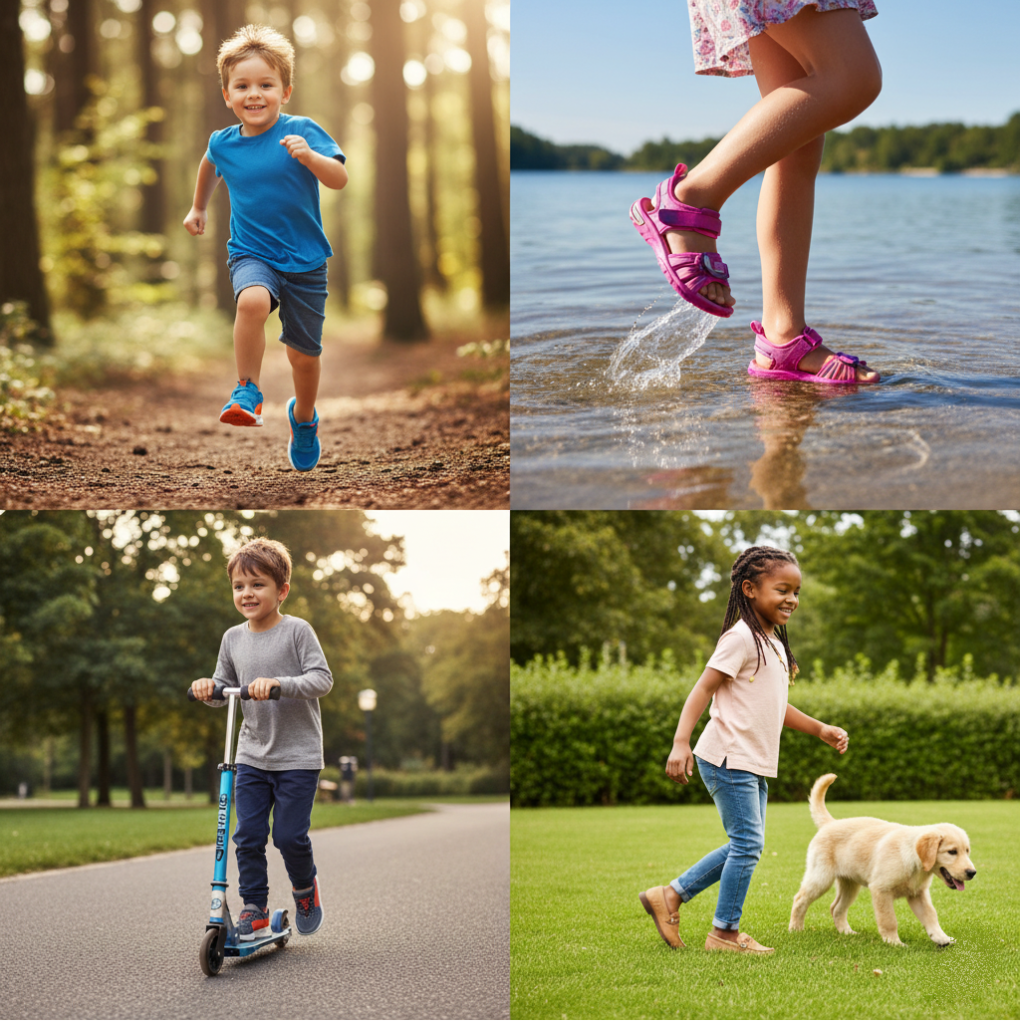
- Sneakers: Versatile but watch traction.
- Sandals: Freedom-focused, underused in some regions.
- Joggers: Sound for growth, tapered toes possible.
- Loafers: Convenient, but may lose shape sockless.
- Thick Soles: Cushy yet frictional. Patterns vary—function first.
Who Decides on Styles?
Kids influence post-age 6, especially colors and brands. Guide compromises for fit.
When to Introduce Higher Heels for Girls
Delay to 9-10; start low (10/8-12/8) for occasions, balancing maturity and health.
Tracking Growth with Records
Maintain cards for reminders; check toes, throat, freedom to prevent outgrown issues—75% of kids wear them too long.
In conclusion, fitting kids’ shoes is about nurturing healthy habits from the start. Regular checks and informed choices ensure comfort and joy in every step. Share your experiences in the comments!