Footwear Manufacturing Process: Heat Setting in Full Shoe Assembly — Properties, Requirements and Process Control
Heat setting forms a critical stabilization stage in the footwear manufacturing process. During lasting, operators stretch the upper over the last and force flat materials into a complex three-dimensional geometry. However, the upper does not automatically retain this shape. Internal stresses remain inside the material after forming.
Therefore, manufacturers apply controlled heat and moisture to relax the material structure and create permanent set. When technicians control this process correctly, the upper maintains its designed shape after last removal. Conversely, insufficient heat setting leads to distortion, poor fitting, and structural instability.
This article explains the material behavior, testing methods, factory controls, and practical requirements for effective heat setting during full shoe assembly.
Heat Setting Within the Full Shoe Assembly Process
Heat setting normally takes place after lasting and before last removal. At this stage, the upper experiences maximum stress because stretching, toe puff activation, and counter forming have already occurred.
During heating, moisture and temperature soften the material structure. As cooling begins, molecular bonds stabilize in the new shape. Consequently, the upper develops permanent deformation instead of elastic recovery.
Because every material reacts differently, technicians must adjust parameters according to:
- Leather type and finish
- Coated fabric construction
- Reinforcement stiffness
- Shoe design and pattern allowance
- Last shape and toe spring requirement
In practice, heat setting directly influences final shoe geometry.
Effects of Improper Heat Setting
When factories fail to achieve adequate permanent set, defects appear immediately after last removal or during wear testing.
Common problems include distortion of the topline, flattening of the tongue, vamp collapse, and fall-in behind the toe puff. In addition, heel pitch may increase while toe spring reduces, which changes walking comfort and visual balance.
Furthermore, poor heat setting often causes featherline irregularity and uneven tension distribution across the upper. As a result, even well-constructed shoes may fail appearance inspection.
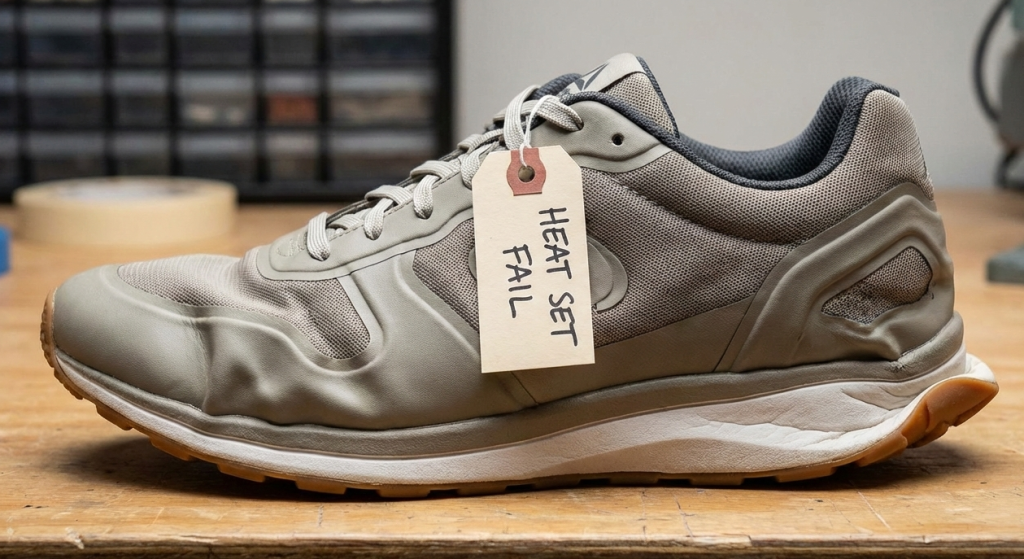
Expert Advice: Many factories attempt to solve distortion by adjusting lasting pressure. However, the root cause frequently lies in insufficient heat setting rather than lasting technique.


Material Plasticity and Permanent Set
Heat setting performance depends mainly on plasticity — the ability of a material to retain deformation after stress removal.
Elastic materials attempt to return to their original shape. Plastic materials retain the new form after treatment. Therefore, technicians aim to increase plastic deformation while controlling damage to surface finish.
Leather generally responds well because heat and moisture relax collagen fiber structure. Meanwhile, PU-coated fabrics and poromerics require higher temperatures and longer stabilization periods.
Consequently, factories must validate each material before bulk production begins.
SATRA Dome Plasticity Test — Laboratory Evaluation Method
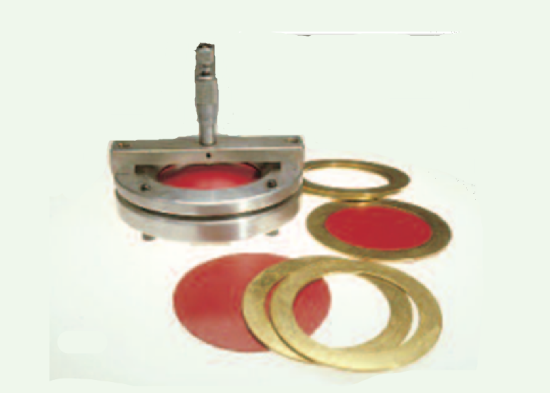
The Dome Plasticity Apparatus allows technicians to simulate lasting deformation under controlled laboratory conditions. Manufacturers mainly use this method during material approval and R&D trials.
Test Principle
Technicians cut a circular specimen approximately 10 cm in diameter. After conditioning, they bond the sample to a brass ring and mount it on the apparatus with the grain surface facing upward.
Next, the domed former stretches the material and increases surface area by roughly fifteen percent. The apparatus then undergoes a defined heat-setting cycle.
After heating, technicians allow controlled cooling and measure dome height at several recovery intervals. These readings help determine how much permanent set the material retains.
Recovery Measurement
Measurements typically occur after:
- 1 minute
- 5 minutes
- 30 minutes
- Extended recovery up to 7 days
Leather stabilizes relatively quickly. However, synthetic materials continue recovering for several days, which explains why longer observation periods remain essential.
Interpretation of Results
A permanent set above 75% indicates strong shape retention suitable for lasting operations. Values below 55% signal high risk of deformation after last removal.
Pro Tip: Always compare results across different heat-setting temperatures instead of testing only one condition. Small temperature changes often produce large improvements in permanent set.

SATRA Linear Set Meter — Production Floor Control
Although the Dome Plasticity test provides accurate analysis, factories require faster evaluation during daily production. Therefore, the Linear Set Meter offers a practical shop-floor solution.
The instrument stretches a material strip by approximately ten percent in one direction. After heat setting and recovery, technicians measure retained deformation directly using calibrated scales.
Testing Approach
Technicians prepare two strips:
- Along direction
- Across direction
This comparison helps identify directional behavior caused by backing fabric or fiber alignment.
After clamping the strip, operators apply controlled stretch and run the heat-setting cycle. Following cooling, they allow recovery for about thirty minutes before recording the final reading.
Result Classification
The scale divides results into Good, Medium, and Poor zones.
Good results confirm adequate stabilization. Medium readings require monitoring, while Poor results demand immediate parameter adjustment.
Pro Tip: Always test both directions. Many coated fabrics show acceptable results along direction but fail across direction, which later causes asymmetric distortion in finished shoes.
Heat Setting Equipment and Production Parameters
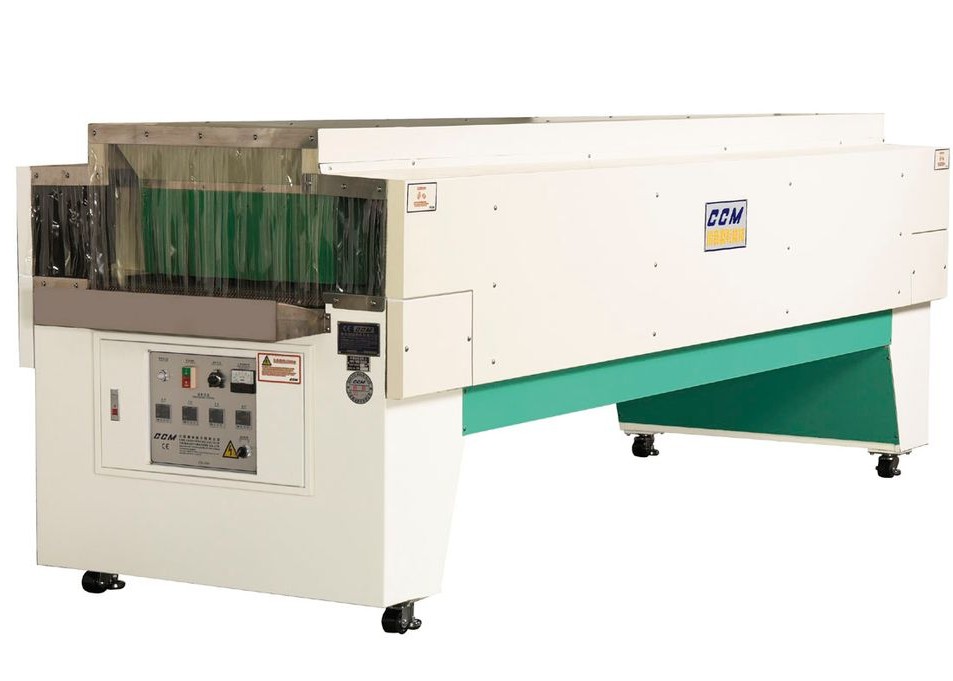
Heat-setting machines vary across factories, yet operating principles remain similar.
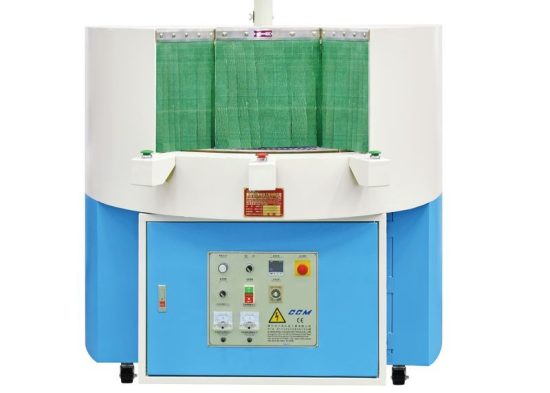
Rotary Heat Setters
Rotary systems combine steam heating followed by dry-air stabilization. Grain leather typically requires moderate steam temperature followed by higher dry-air exposure. PU patent leather usually needs lower temperatures to prevent surface damage.
Coated fabrics often require higher dry-air temperatures because moisture penetration remains limited.
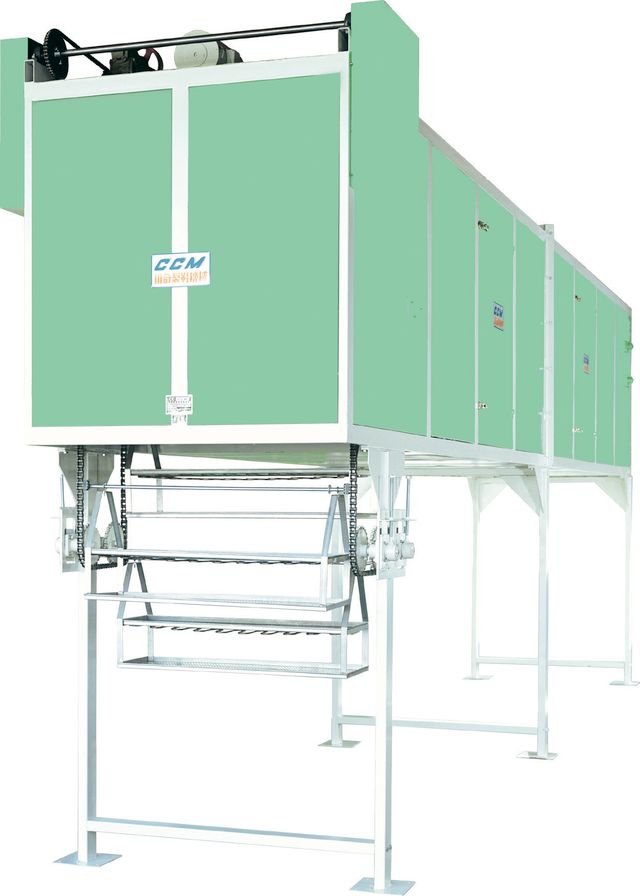
High Velocity Air Jet (HVA) Systems
HVA systems circulate hot air at high speed, which produces uniform heating and shorter cycle times. These systems suit modern high-volume production environments.
However, technicians must carefully balance airflow and temperature to avoid localized overheating.
Pro Tip: Do not increase temperature immediately when results appear poor. First verify dwell time and moisture balance because uneven heating often creates misleading results.
Practical Factory Control and Troubleshooting
When technicians observe poor permanent set, they should systematically review process variables. Increasing dwell time usually improves results more safely than increasing temperature.
Additionally, material storage conditions influence heat-setting performance. Excessively dry materials often show poor plasticity. Therefore, conditioning before production improves consistency.
Engineers should also verify compatibility between upper material and reinforcement components such as toe puffs and counters.
Conversely, when results remain consistently high, factories may reduce cycle time slightly to improve productivity and reduce energy usage.
Expert Best Practices for Footwear Technologists
Successful factories treat heat setting as a controlled engineering process rather than a routine heating step.
- Validate every new upper material before bulk production.
- Monitor heat-setting performance periodically during production.
- Record temperature and dwell time for traceability.
- Avoid excessive heat that may damage finish or shrink materials.
- Coordinate lasting, reinforcement activation, and heat setting as one integrated system.
Conclusion
Heat setting determines whether footwear retains its intended structure after lasting. Laboratory testing establishes suitable parameters, while factory-level testing ensures consistent execution.
When technicians actively control heat setting, they minimize distortion, stabilize shoe geometry, and improve overall product quality. Ultimately, proper heat setting supports both manufacturing efficiency and long-term footwear performance.