Footwear Manufacturing Insights: Moccasin Pattern Engineering and Vamp Fitting in Lasting
Footwear construction methods such as moccasin and Oxford with Vamp shoes require a different engineering approach compared to conventional lasted footwear. In these constructions, material behavior, pattern shaping, and lasting technique directly influence fit, appearance, and durability.
Unlike standard upper assembly, moccasin and Oxford Vamp designs depend heavily on controlled leather moulding and accurate seam positioning. Small deviations during pattern preparation or lasting often result in poor fitting, puckering, or structural imbalance.
Understanding these principles helps factories achieve consistent results while reducing manual corrections during production.
Posts you may like


Design Principles of Moccasin Shoes
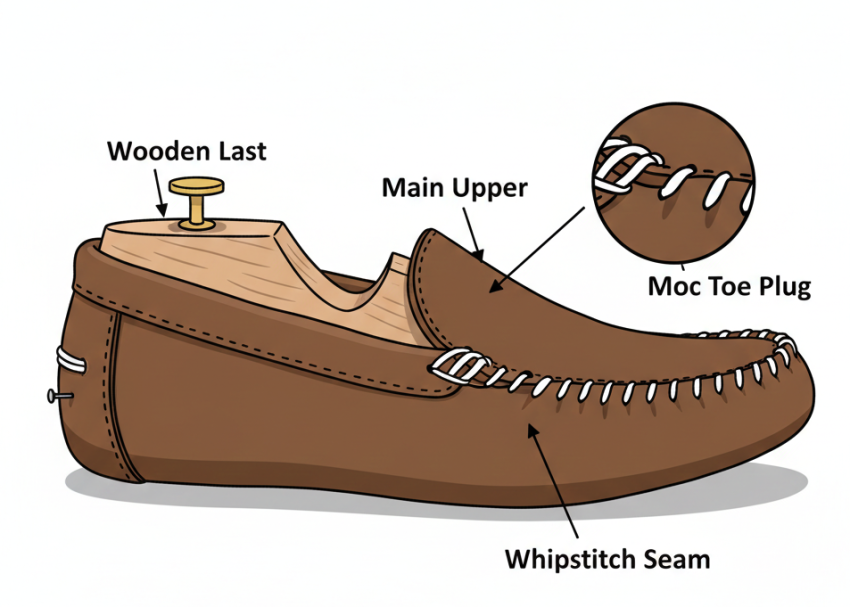
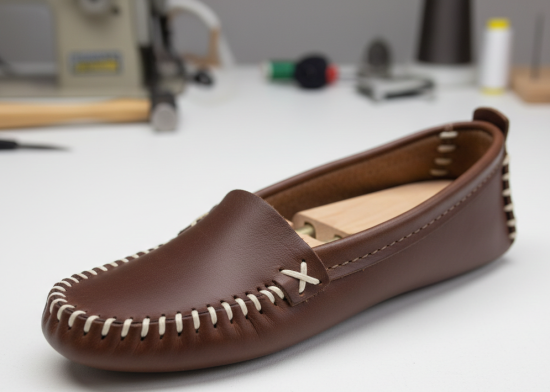
Moccasin construction (Genuine Handsewn) differs fundamentally from conventional footwear because the upper wraps around the foot and forms part of the bottom structure. Therefore, pattern creation cannot rely entirely on standard bottom construction knowledge.
Leather Moulding Over the Last (Genuine Handsewn)
Instead of shaping components separately, a well-mulled soft leather piece is pulled directly over the last. Moisture and heat assist the material in adapting to the last shape.
During this process:
- Leather is stretched and moulded over the last
- The material is temporarily fixed using tacks
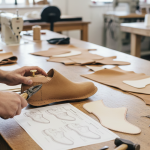
- Pattern contours are drawn directly after shaping
- Excess material is trimmed following the defined lines
This approach allows the upper to naturally follow foot contours rather than forcing shape through rigid pattern geometry.
Back Part Adaptation
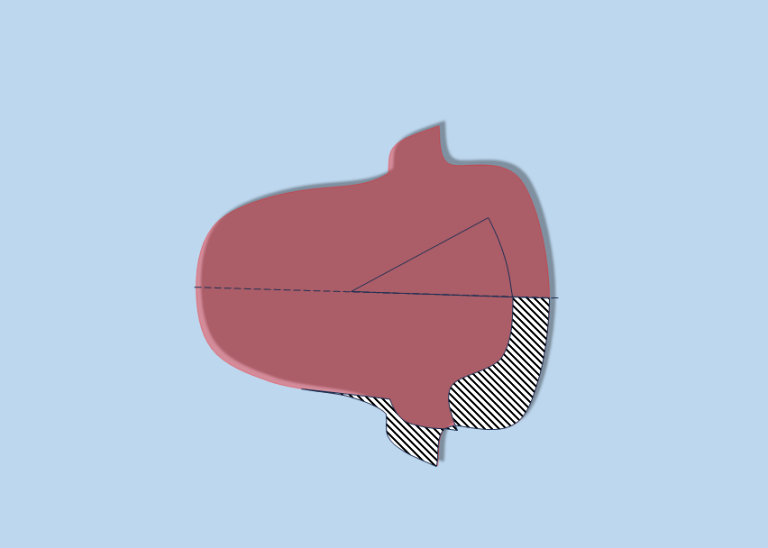
To allow the rear section of the upper to hug the last correctly, controlled cuts or relief incisions may be introduced in the tread area. These adjustments remove tension and help the material settle smoothly along the sides.
After shaping, the vamp plug is joined to the upper using hand stitching or interlaced seams — a process still widely used because it provides better shape control than automated stitching in certain moccasin styles.
Manufacturing Insights: Extreme last shapes should be avoided in moccasin construction. Since adaptation capability is limited, excessive curvature leads to wrinkles and inconsistent fitting.

Hole Spacing and Lacing Alignment in Moccasin Construction
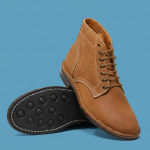
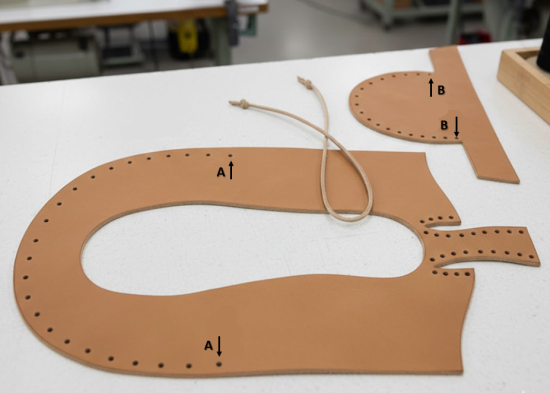
When lacing systems are added, the hole spacing between vamp and plug cannot remain identical. Because both components have different curvature radii, equal spacing causes puckering during tightening.
Proper engineering requires:
- Different hole distances on opposing sides
- Measured distribution based on flattened pattern length
- Controlled proportional spacing to maintain symmetry
Factories often determine spacing by measuring the developed length of each component and dividing it by the required number of holes.
Production Benefit : Correct hole distribution prevents distortion during lacing and maintains clean visual alignment across the apron area.


Good Fitting to Vamp During Lasting for Oxford Shoes
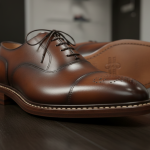
Vamp front footwear, especially Oxford styles, presents a common lasting difficulty. The vamp area sits lower on the last compared to the toe, making it challenging to pull the vamp smoothly into position.
If lasting follows the natural vamp line, tension concentrates at the junction between vamp and quarter.
Quarter Adjustment Technique
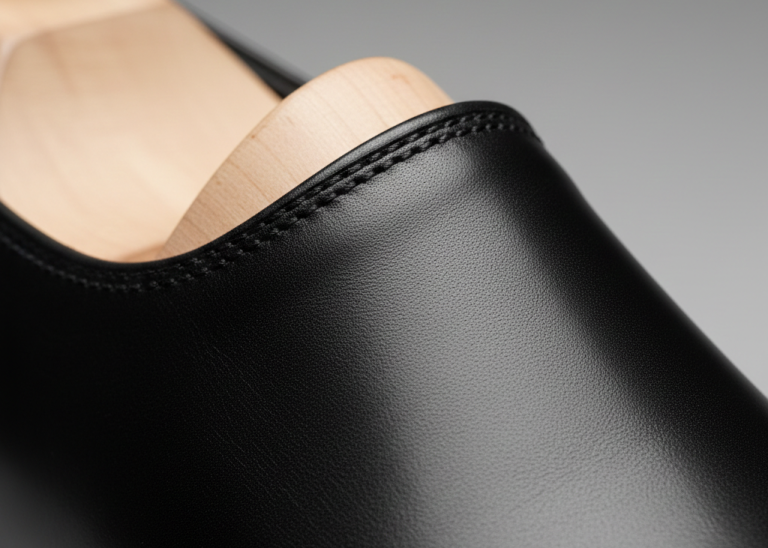
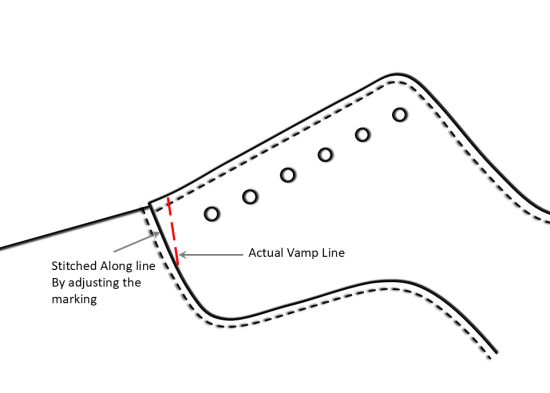
Lasting performance improves significantly when the quarter section is slightly sprung away from the vamp centerline before stitching.
Instead of stitching along the normal vamp line:
- The seam is positioned slightly inward
- A controlled directional change is introduced
- Material tension distributes more evenly between front and back sections
This adjustment creates smoother lasting and prevents sharp directional stress points.
Manufacturing Advantages
- Improves Vamp fitting accuracy
- Reduces wrinkling near vamp junction
- Enhances visual symmetry
- Minimizes re-lasting corrections
- Improves wearer comfort
Expert Insights: Many Vamp fitting problems originate from pattern alignment rather than operator skill. Small seam-position corrections during pattern engineering eliminate repeated factory adjustments later.

Conclusion
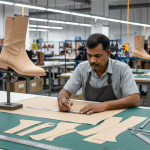
Moccasin and Vamp constructions highlight how footwear quality depends on engineering understanding rather than machine capability alone. Proper leather moulding, controlled plug attachment, proportional hole spacing, and intelligent seam positioning all contribute to better fit and durability.
Factories that integrate these techniques during pattern development achieve smoother lasting operations, improved aesthetics, and more consistent production outcomes.