Common Foot Problems from Ill-Fitting Shoes: A Guide to Prevention and Proper Fitting
Estimated Reading Time: ~8 minutes
Introduction: Why Ill-Fitting Shoes Cause Foot Problems
Ever laced up shoes that pinched just right—until your feet screamed by lunch? It’s a common tale. Foot problems from ill-fitting shoes plague millions, transforming casual walks into wincing ordeals. Blisters, bunions, and beyond: poor fits disrupt balance, invite infections, and erode comfort.
This content unpacks key foot problems from ill-fitting shoes. We’ll cover causes, symptoms, remedies, and pro tips for prevention. Fun fact: Proper fitting averts up to 80% of issues, according to podiatry pros.
Understanding Calluses and Corns
Calluses thicken as nature’s armor against steady pressure, say under the ball from stilettos or along edges from rigid soles. They’re protective but turn tender on sensitive spots, mimicking a pebble’s poke.
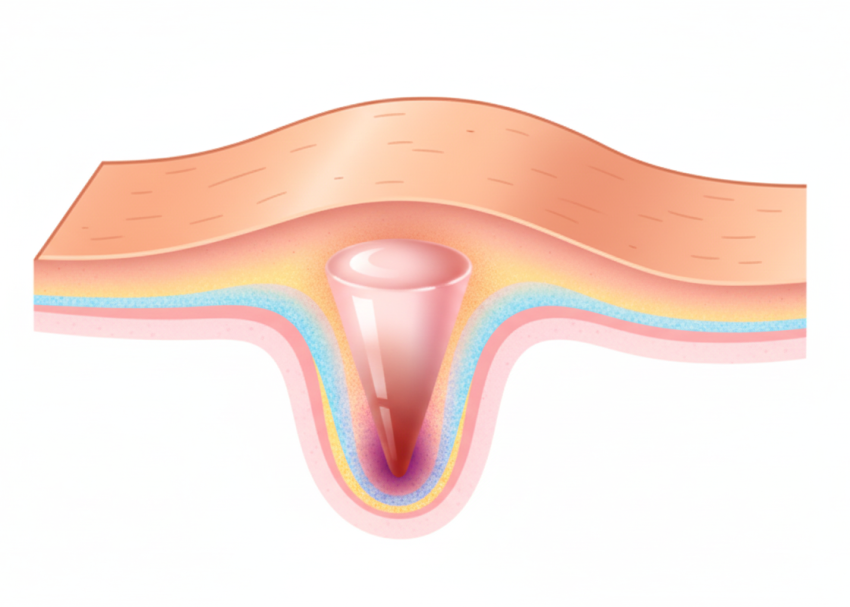
Corns amp the agony: Hard ones boast cone-shaped “roots” (nuclei) drilling deep, sparking sharp jabs—prime on little toe sides from narrow confines. Soft corns, whitish and damp, fester between squeezed toes, fueled by constant rubbing.
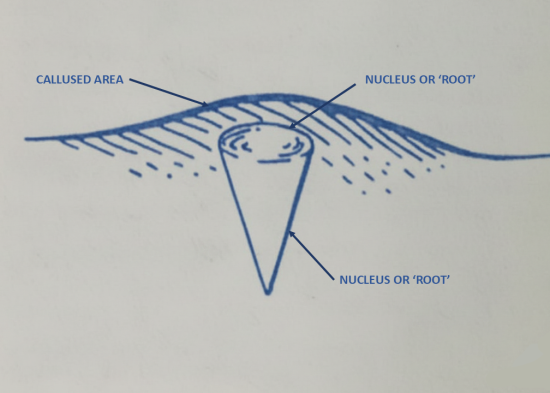
However, if ignored, these escalate—much like the viral culprits below.
Pro Tip: For mild cases, soak in warm soapy water, then pumice gently—avoid aggressive filing to prevent cracks. Podiatrists trim roots safely; skip caustic “cures,” which scar more than solve. Over-the-counter donut pads relieve pressure instantly..
Plantar Warts: Viral Invaders in Cramped Toes
Not friction-born, plantar warts burrow inward on soles or heels, courtesy of HPV lurking in moist spots like locker rooms. They masquerade as corns but reveal black “seed” dots under paring.
Tight shoes exacerbate by trapping sweat, aiding spread. Pain? A deep bruise under weight. Unlike corns, excision bleeds—lasers offer precise, bloodless zaps from dermatologists.
Best Practice: Flip-flops in public wet zones curb contagion. Fit breathable, wide shoes to dry toes fast—pair with salicylic acid plasters for home care, but pros handle stubborn ones.
Transitioning onward, moisture doesn’t just breed warts—it ignites infections too.
Ingrown Toenails and Athlete’s Foot: Moisture Traps from Poor Ventilation
Cramped, unvented shoes brew bacterial broth, turning minor rubs into major foot problems from ill-fitting shoes.
Tackling Ingrown Toenails
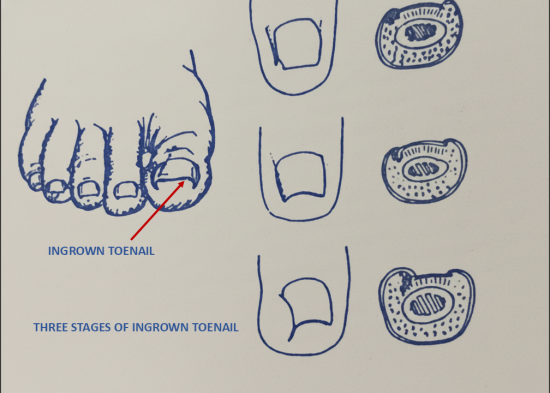
Big toes suffer most: Nails curve into flesh from shoes too short or corner-clipped too deep. Three stages unfold—mild swelling, embedding inflammation, pus-drenched infection—each step a stabbing torment.
Sweaty confines soften nails, worsening curl. Halt it: Straight-across trims and roomy toe boxes.
Pro Tips : Epsom salt soaks ease early swelling; if pus appears, podiatrist incision drains safely. Post-fix, cotton gloves aid straight growth—prevents 70% recurrences.
Athlete’s Foot: Itchy Rashes from Damp Designs
Tinea pedis itches between toes with red, blistering rashes, thriving in non-breathable linings. Chrome-tanned leathers spark allergies; rubber traps humidity, fraying fabrics and odors.
Blisters weep, scaling spreads—walk barefoot? Contagion city. Antifungals knock it out, but swap to veggie-tanned hides.
External link: Master moisture with the American Podiatric Medical Association’s athlete’s foot toolkit.
Beyond bugs, sweat sabotages solo—let’s sweat the details.
Excessive Perspiration: The Silent Saboteur of Shoe Lifespan
Hyperhidrosis floods feet, corroding fits and amplifying foot problems from ill-fitting shoes. Sweat’s 98% water hauls 2% acids/salts, eroding uppers into bacterial havens.
Odors and Deterioration: Not Just “Foot Funk”
Bromidrosis? Tech-speak for smells—mostly shoe-sourced from soaked linings feeding fungi. Tight closures trap it, cracking leathers over months.
Pro Tip: Air shoes 48 hours between wears; cedar trees absorb excess. Mesh sneakers and wool socks wick 60% more—odor’s arch-nemesis.
For diabetics, stakes soar: “Insensitive feet” numb pain, hiding tacks or seams that ulcerate. Fitters, probe gently—if disclosed, shun wrinkles, tight laces; inspect linings thrice.
Transition: Perspiration strains arches next—imbalances that fatigue fast.
Arch Problems: Flat Feet, High Arches, and the Imbalance Effect
Arches distribute loads; mismatch them, and foot problems from ill-fitting shoes cascade into fatigue and form.
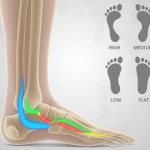
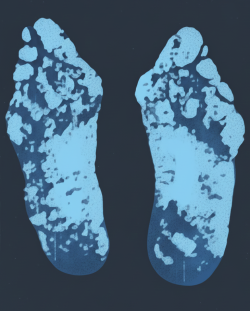
Simple footprint test reveals pes planus: Full-contact prints signal the need for supportive insoles to combat fatigue
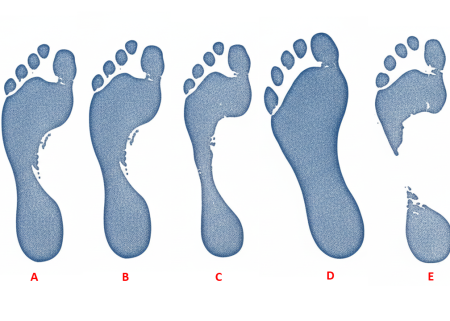
Pes Planus: The Flat Foot Fatigue
Congenital flats (pes planus) function fine but overload shanks, rolling ankles (pronation) into shin aches. No curve? Chronic drag.
Sole prints reveal: Wet-trace shows full contact vs. healthy void. Orthotics redistribute; rocker soles ease roll.
Pro Tip : Footprint test at home—if flat, add gel insoles. Avoid rigid arches—cushion prevents 50% fatigue.
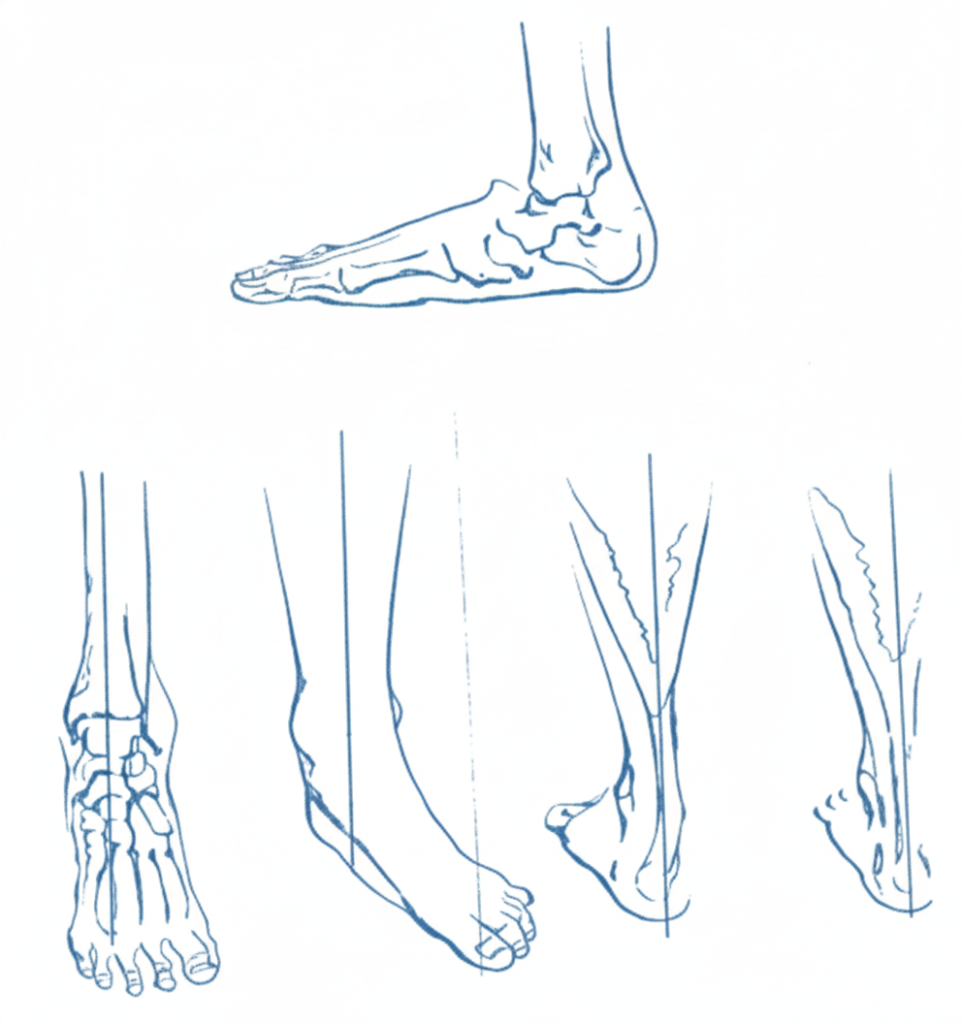


Foot Fatigue and Burning Sensations: Overload Alerts
Every foot tires, but excess load signals trouble: Muscles/tendons slacken, yielding “workout” woes like dragging gaits. High heels or thin soles scorch via pavement friction—forward slides ignite ball-of-foot burns.
Metatarsalgia? Ball pain from short shoes or weights; pads cushion met heads.
Best Practice: Metatarsal pads (bar or donut) offload—affiliate link: Try these on Amazon. For burns, low-heel traction grips ground sans slide. Rotate pairs to rest tissues.
Pes Cavus: High Arches and Claw Toes
High-arched feet concentrate weight on the heel and ball, curling toes into a claw shape and forming thick calluses. Extra-depth shoes and toe spacers prevent worsening. Severe cases benefit from custom orthotics or minor surgery. Wide vamps and soft uppers are non-negotiable for daily comfort.
Pro Tip: Toe spacers unkink early; wide vamps prevent rub—fits like gloves for high insteps.
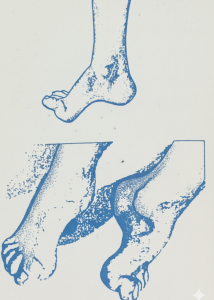

Rigid Feet: Stiff Joints from Silent Wear
Arthritis or old injuries can fuse foot joints, turning every step stiff and cautious. Flexible rocker soles and cushioned midsoles mimic lost motion. Avoid rigid dress shoes; choose soft, bendable styles instead. Regular gentle stretching keeps remaining mobility and dramatically reduces end-of-day ache.
Arches set the stage—now, the big toe’s big drama.
Hallux Valgus and Bunions: The Big Toe Betrayal
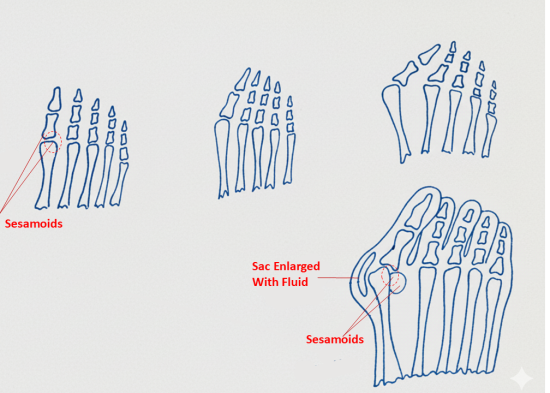
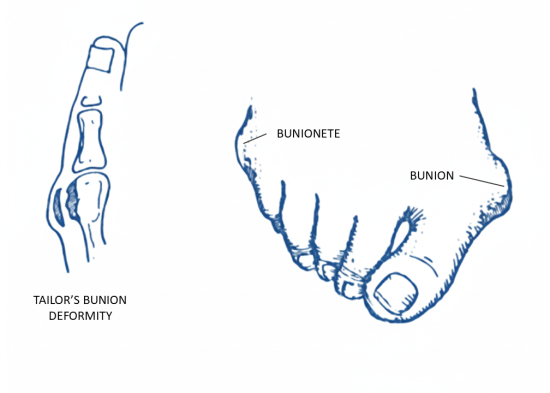
Hallux valgus veers the big toe outward, spawning bunions amid V-joints.
From Childhood Squeeze to Adult Ache
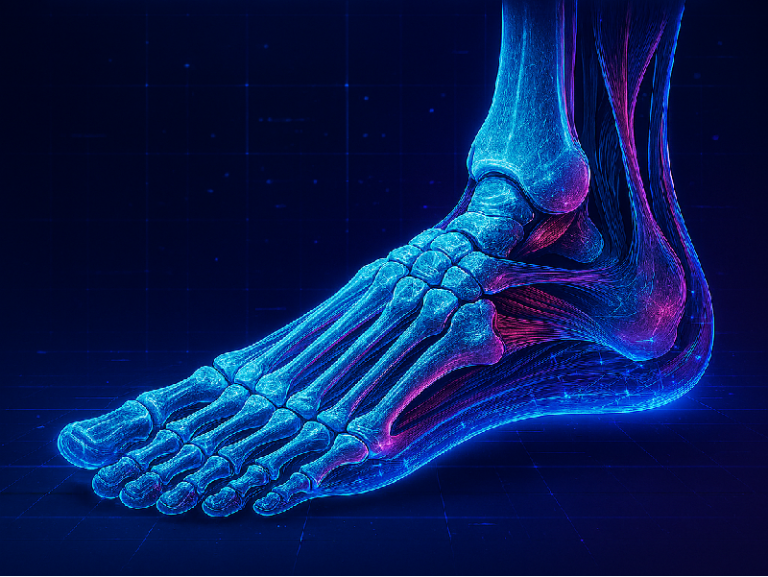
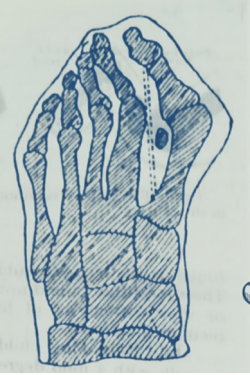
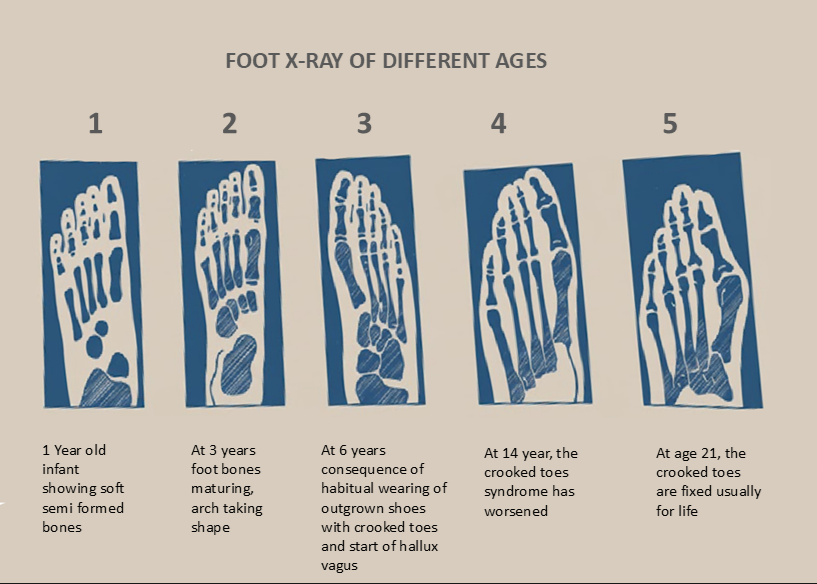
X-rays show hallux valgus often starts in childhood from narrow shoes. By adulthood the big toe angles sharply outward, forming a painful bunion. Early wide toe boxes can halt progression; adult correction usually requires surgery (85 % success rate). Daily toe spacers and calf stretches help manage symptoms until surgery becomes an option.
Bunion Inflammation and Tailor’s Twist
Bursae balloon at joints, pulsing red. Tailor’s? Pinky-side from crossed sits—pocket vamps cradle.
Achilles ties in: Low/flat heels shorten tendons, straining calves—hallux pulls.
Pro Tip: Calf stretches (wall leans, 30s holds) loosen; toe spacers daily. Bluchers with pockets slash pressure 50%; veggie-tanned avoids irritants.
External link: Bunion blueprint from Mayo Clinic.
Bent toes beckon next—hammer time.
Hammer Toes: Bent and Buried in Bad Fits
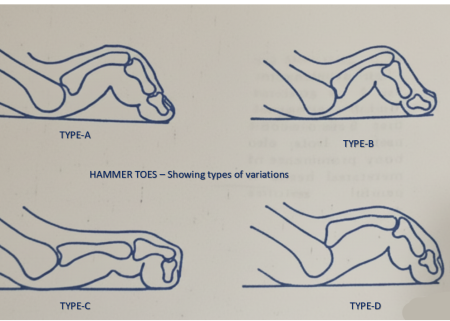
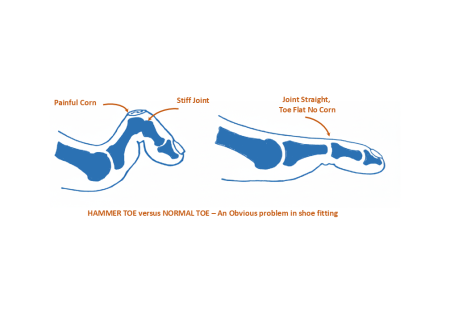
Hammer toes bend permanently at the middle joint, creating painful corns where they rub the shoe top. Four stages range from flexible to rigid. Low-vamp shoes, corn pads, and toe splints slow worsening. Genetics play a role, but pointed or short shoes accelerate the problem—choose square or round toe boxes every time.
Pro Tip: Low-vamps dodge; pad corn tops. No self-splints—docs prescribe wedges. Kids’ out-toeing? Benign often, but scan for pronation ties.
Conclusion: Step Into Smarter Shoe Choices
Foot problems from ill-fitting shoes—from corns to claws—stem from squeezes, sweats, and strains. But armed with this manual’s wisdom, prevention prevails: Measure annually, width-first; ally with fitters/podiatrists.