Mold in the Footwear Industry: Complete Scientific and Practical Guide
Estimated Reading Time: ~ 8 minutes
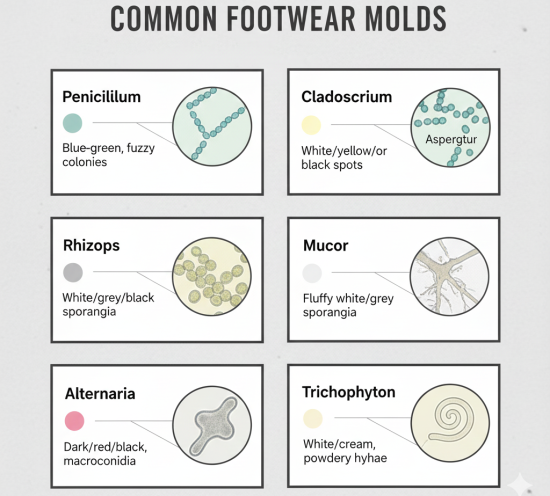
Scientific Classification: Types of Mold Found in Footwear
| Mold Species | Common Name | Colour on Shoes | Preferred Material | Toxin Produced | Health Risk Level |
|---|---|---|---|---|---|
| Aspergillus niger | Black mold | Jet black | Genuine leather, PU, glue, cardboard | None (usually) | Medium |
| Aspergillus flavus / parasiticus | Yellow-green mold | Yellow → Green | Leather, cotton lining, starch | Aflatoxin B1 (carcinogenic) | Very High |
| Penicillium spp. | Green/blue mold | Turquoise-green | Leather, textiles, paper | Mycophenolic acid | High |
| Rhizopus nigricans | Bread mold / White fuzzy | White → Grey | Leather, rubber, cardboard | None | Low |
| Alternaria alternata | Dark spot mold | Brown-black | Synthetic mesh, EVA, rubber | Alternariol | Medium |
| Trichoderma spp. | Fast-growing green | Bright green | Wood pallets, cardboard, glue | Trichothecenes | High |
| Cladosporium spp. | Olive-black mold | Dark olive | Rubber outsoles, synthetic leather | None | Low |
| Fusarium spp. | Pink-red mold | Pink → Purple | Cotton canvas, insoles | Fumonisins | High |

Good Mold vs Harmful Mold
| Beneficial Molds | Application |
|---|---|
| Penicillium roqueforti / camemberti | Blue cheese production |
| Penicillium chrysogenum | Produces penicillin (antibiotic) |
| Aspergillus oryzae / sojae | Soy sauce, miso, sake fermentation |
| Rhizopus oligosporus | Tempeh production |
→ These are never found in footwear factories – any visible mold on shoes is harmful.or warehouses
Pro Tip: If you can see mold with the naked eye, it has already released millions of spores. Immediate isolation is mandatory.
How Mold Grows – Step-by-Step Lifecycle on Footwear Materials
- Spore landing (invisible) – spores are always in the air (10,000–100,000 per m³ in tropical factories)
- Germination (6–12 hours) – when RH > 62 % and temperature 25–35 °C
- Hyphae growth (24–48 hours) – thread-like structures penetrate leather pores
- Visible colony (48–96 hours) – white fuzzy → coloured spores
- Sporulation (5–10 days) – billions of new airborne spores released
Preferred Materials & Formation Sites
| Material | Mold Affinity | Typical Formation Location |
|---|---|---|
| Genuine bovine leather | Extremely high | Upper, lining, insole, tongue |
| PU coated leather | Very high | Creases, stitching holes |
| Cardboard shoe boxes | Extremely high | Inside walls, bottom |
| EVA & Phylon midsoles | Medium | When contaminated with sweat |
| Cotton canvas | High | Linings, laces |
| Rubber outsoles | Low | Only if organic dirt or sweat present |
| Nylon / Polyester mesh | Medium | When starch sizing is present |
Documented Damage & Case Studies
Public case studies & reports:

- SGS 2024 Footwear Mold Report → https://www.sgs.com/en/webinars/2021/11/mold-prevention-in-the-softlines-supply-chain
- Bureau Veritas Consumer Products 2023 White Paper → https://www.prnewswire.com/news-releases/new-mold-prevention-breakthrough-by-bureau-veritas-has-potential-to-significantly-reduce-losses-for-leather-and-textile-manufactures-184219911.html
Average global rejection rate due to mold in footwear containers: 3.8 % (SGS & Bureau Veritas 2024 data)
Best Practice: Require every supplier to submit a “Mold Prevention Declaration” with every shipment, including RH charts from warehouse and container.
Critical Control Points in the Footwear Supply Chain
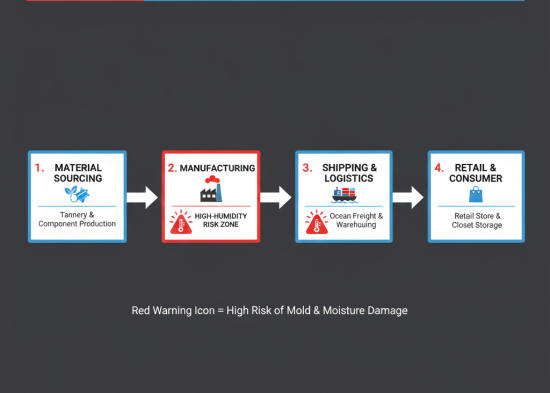
| Stage | Typical RH | Risk Level | Common Failure Mode |
|---|---|---|---|
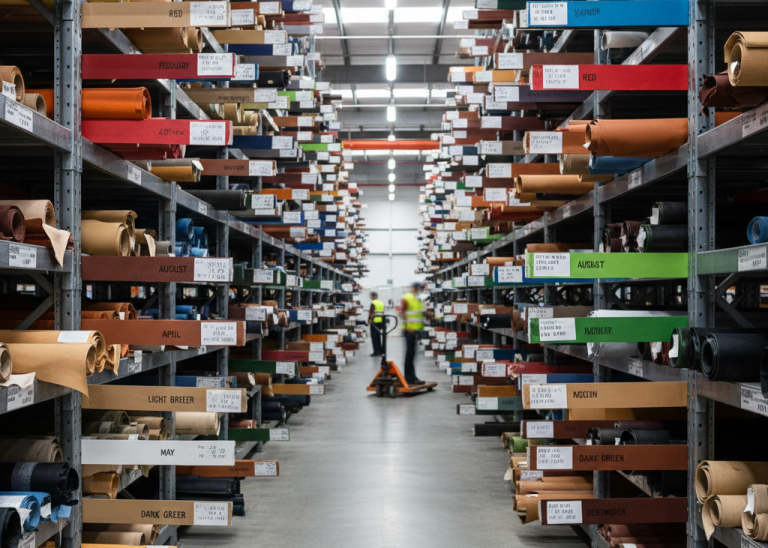
| Raw material warehouse | 75–90 % | High | Leather rolls stored on wooden pallets |
| Production floor | 65–85 % | Very High | Sweat from workers + no filtered compressed air |
| Finished goods warehouse | 70–95 % | Critical | No dehumidification during rainy season |
| Sea freight container | 85–100 % | Extreme | Condensation due to day-night temperature swing |

Professional Prevention Protocol – Industry Standard
Warehouse & Factory Environment Control
- Maintain RH ≤ 55 % (≤ 50 % recommended)
- Use only plastic pallets (never wood) – minimum 15 cm off floor, 50 cm from walls
- Daily calibrated temperature & humidity logging
- Install Humidifiers to maintain required RH
Pro Tip: Install wireless IoT sensors (e.g., Sensirion or ELPRO systems) that send SMS alerts when RH > 57 % for more than 6 hours.
Production Line Controls
- Add EU REACH & EPA-registered anti-mold additives to water-based glues (0.3–0.8 %)
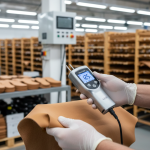
- Control moisture content of all paper materials ≤ 8 % before packing
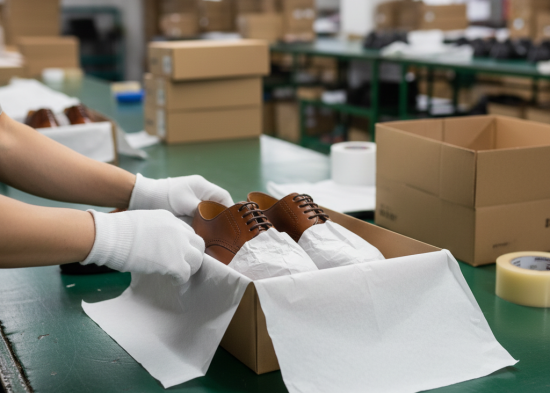
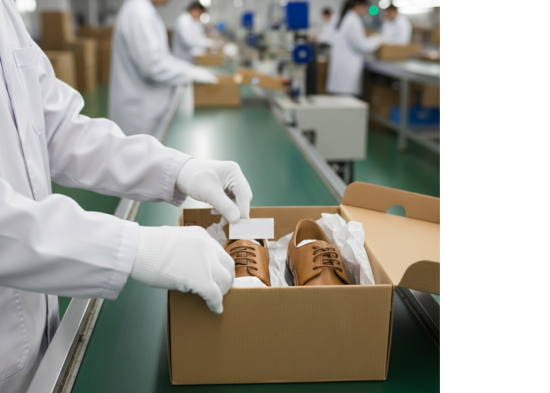
- Mandatory full-finger glove policy during final packing
Leading Professional Solutions
SGS (Global Testing and Certification Leader)
Official website: https://www.sgs.com/en/services/mold-prevention
Key products & services:
- Advanced laboratory testing for mycotoxins and spore detection
- Comprehensive mold prevention testing for material resistance and chemical agent compliance
- On-site factory assessments measuring moisture, humidity, ventilation and housekeeping
- Training programs on mold causes and prevention strategies
- Supply chain audits to minimize financial losses from recalls
Bureau Veritas (Worldwide Inspection and Audit Specialist)
Official website: https://www.cps.bureauveritas.com/needs/extended-storage-risk-mitigation-program Key products & services:
- On-site audits with CAPA (Corrective and Preventive Actions) recommendations
- Extended Storage Risk Mitigation Program for mold contamination checks in warehouses
- Factory Mold Prevention Program including building assessments, production area maintenance and chemical control
- Product inspections for mold, insects and moisture in cartons and pallets
- Performance and chemical testing aligned with REACH, CPSIA and client RSLs
BSN Fresh&Biodry® (China & Southeast Asia Market Leader)
Official website: https://bsn-group.com/
Key products:
- Full factory mold audit + RCA report + staff training
- AEM9988 anti-mold spray (direct shoe treatment)
- AEM9988-3 water-based warehouse space disinfectant
- Anti-mold wrapping paper & LDPE bags (6-month protection when sealed)
- Container desiccant poles (CaCl₂ + super-absorbent polymer)
Micro-Pak Distribution Ltd (Global Packaging Innovator)
Official website: https://www.micropakltd.com
Key products & services:
- On-site training & certification program
- Micro-Pak® Enhanced Anti-Mold Stickers & Sheets (EPA registered, bluesign® approved)
- Micro-Pak® Container Desiccant Poles (up to 350 % absorption)
- Digital Mold Risk Assessment Platform
Other Leading Solutions: Clariant AG and Multisorb Technologies
Clariant AG Official website: Key products & services:
- Advanced anti-mold chips and moisture control solutions for packaging
- Sustainable formulations for food, pharma and footwear applications
- Integrated active packaging with mold inhibitors
Multisorb Technologies Official website: https://www.multisorb.com/ Key products & services:
- Smart anti-mold desiccants and sorbents for containers
- Data analytics-enabled monitoring systems
- Customized solutions for electronics and textiles alongside footwear
Best Practice: Combine SGS or Bureau Veritas audits for compliance with BSN/Micro-Pak products for daily prevention, and Clariant/Multisorb for advanced packaging. This multi-vendor approach ensures comprehensive coverage and >99 % mold-free outcomes for Tier-1 brands in 2025.
UV-C Technology for Mold Control
| Method | Effectiveness | Limitations |
|---|---|---|
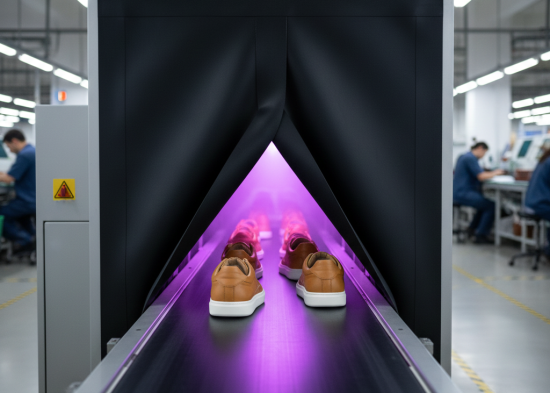
| UV-C conveyor tunnels | 99.99 % surface kill | No penetration into boxes or leather pores |
| Autonomous UV-C warehouse robots | 99.9 % on exposed surfaces | High cost, requires empty warehouse |
| UV-C + ozone combination | Extremely high | Ozone residue regulations in EU/US |
Pro Tip: Use UV-C only as a supplementary measure. Primary defense must always be humidity control + chemical prevention.
Complete Footwear Mold Prevention Checklist (Factory Audit Standard)
- Warehouse RH ≤ 55 % year-round
- All paper materials moisture ≤ 8 % max (tested with moisture meter)
- Plastic pallets only
- Anti-mold paper or stickers inside every shoe box
- Minimum 10 × 1.2 kg container desiccant poles per 40 ft container
- Temperature & RH data logger in warehouse & every container
- No bare-hand contact with finished shoes
- Monthly ATP (Adenosine Triphosphate) swab + mold spore count testing
- Install Humidifiers to maintain RH
Downloadable checklist PDF: https://www.micropakltd.com/resources/mold-prevention-checklist
Conclusion
Mold remains the single largest preventable cause of quality claims and chargebacks in the footwear industry. Factories and brands that implement comprehensive, multi-layer prevention systems (environmental control + SGS/Bureau Veritas audits + BSN Fresh&Biodry products + Micro-Pak sheets & poles + Clariant/Multisorb innovations + strict protocols) consistently achieve mold rejection rates below 0.2 % – a 15–20× improvement.
For factory audits, product trials or customized prevention programs contact:
SGS → www.sgs.com/en/services/mold-prevention
Bureau Veritas → www.bureauveritas.com/cps
BSN Fresh&Biodry → www.gzbsn.com
Micro-Pak → www.micropakltd.com
Clariant AG → www.clariant.com
Multisorb Technologies → www.multisorb.com