
Footwear Sizing System and Fittings
Estimated Reading Time: ~4 minutes
Footwear Sizing System and Fittings
Choosing the right shoe is not only about style — it is about health and comfort. Five different sizing systems are used around the world. This guide explains each system, how to convert between them, how width works, and how to measure correctly so you never buy the wrong size again.
The Five Shoe Sizing Systems
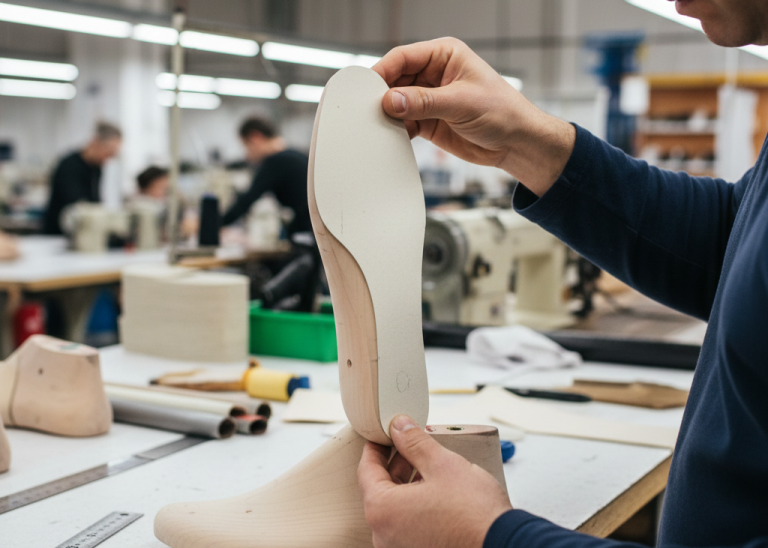
Five main systems are used globally. Four systems measure the inside length of the shoe last (the mould). Only Mondopoint measures the real foot length in millimetres. Knowing the differences helps when you shop online or travel.
| System | What it measures | Distance between whole sizes | Half sizes? | Most common countries |
|---|---|---|---|---|
| UK (English) | Length of the last | 8.47 mm | Yes | UK, Australia, India, South Africa |
| US Men | Length of the last | 8.47 mm | Yes | USA, Canada |
| US Women | Length of the last | 8.47 mm | Yes | USA, Canada |
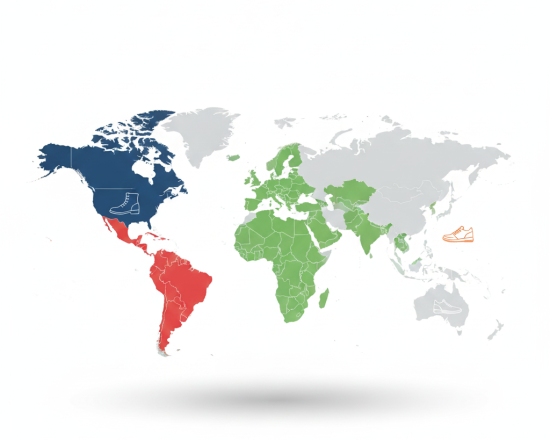
| EU (Paris Point) | Length of the last | 6.66 mm | Rare | Europe, Middle East, Asia, Latin America |
| Mondopoint | Actual foot length (mm) | 5 mm or 7.5 mm | No | China, Japan, Korea, ski boots, military |
Shoe Width (Fittings) – Very Important for Comfort
Many people choose the correct length but forget width. Poor width causes pain, blisters and foot problems. Width is measured around the widest part of the foot (the joint area). Wider feet need D, E or EE fittings.
| System | Narrow → Wide (Women) | Narrow → Wide (Men) | Increase per step |
|---|---|---|---|
| UK | A → B → C → D → E → EE → EEE → EEEE | 1 → 2 → 3 → 4 → 5 → 6 → 7 → 8 | ~6 mm |
| USA | AAAA → AAA → AA → A → B → C → D → E → EE → EEE | A → B → C → D → E → EE | 4.76 mm |
| EU | 0 → 1 → 2 → 3 → 4 → 5 → 6 → 7 → 8 | Same | 5 mm |
| Mondopoint | Second number e.g. 260/98 | Same | direct mm |
Pro Tip: If your foot is wide, go half a size up and choose a wide fitting instead of a longer narrow shoe
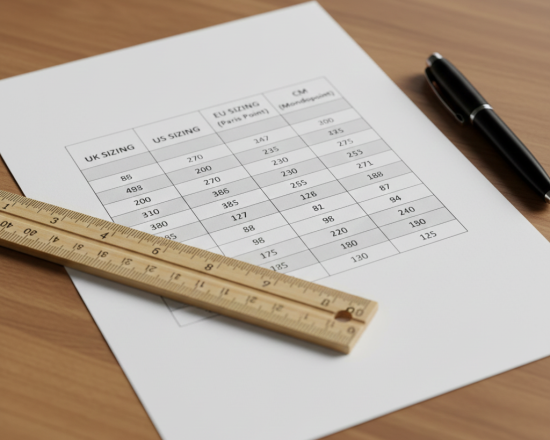
Shoe Size Conversion Chart (Foot Length in mm and cm)
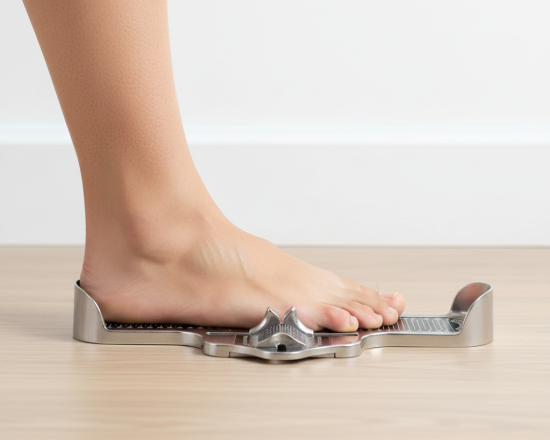
Use your real foot length in millimetres for the most accurate size. Measure from heel to longest toe while standing. Add 8–12 mm extra space at the front for comfort.
| Foot Length (mm) | Foot Length (cm) | UK Men | UK Women | US Men | US Women | EU | Mondopoint |
|---|---|---|---|---|---|---|---|
| 220 | 22.0 | 3 | 2 | 4 | 5½ | 35 | 220 |
| 230 | 23.0 | 4½ | 3½ | 5½ | 7 | 37 | 230 |
| 240 | 24.0 | 6 | 5 | 7 | 8½ | 39 | 240 |
| 250 | 25.0 | 7 | 6 | 8 | 9½ | 40-41 | 250 |
| 260 | 26.0 | 8 | 7 | 9 | 10½ | 42 | 260 |
| 270 | 27.0 | 9½ | 8 | 10½ | 11½ | 43-44 | 270 |
| 280 | 28.0 | 10½ | – | 11½ | – | 45 | 280 |
| 290 | 29.0 | 11½ | – | 12½ | – | 46-47 | 290 |
Best Practice : Always check the brand’s own size chart. Some brands run small or large.
Children’s Footwear Sizing System
Children’s feet grow quickly – about 1 full size every 3–4 months when young. Shoes that are too small can damage growing bones. Always leave extra room for movement and growth.
| Age Group | UK Range | EU Range | US Range | Extra space needed |
|---|---|---|---|---|
| Babies | 0 – 4 | 16 – 19 | 0 – 5 | 10-12 mm |
| Toddlers | 5 – 8 | 20 – 25 | 6 – 9 | 12-15 mm |
| Small children | 9 – 13 | 26 – 33 | 10 – 2 | 12-15 mm + growth |
| Youth | 1 – 6 | 34 – 39 | 3 – 8 | 10 mm |
Pro Tip: Measure children’s feet every 3 months. Buy one full size larger than current measurement.

How Factories Make All Sizes (Grading Rules)
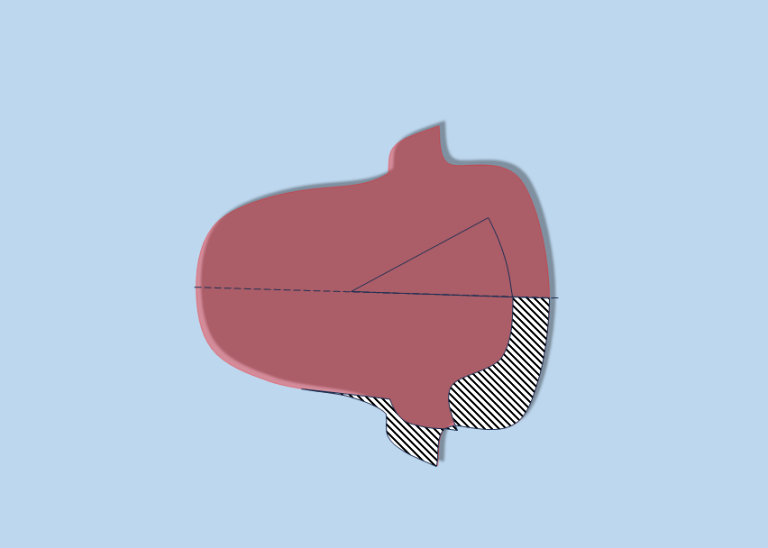
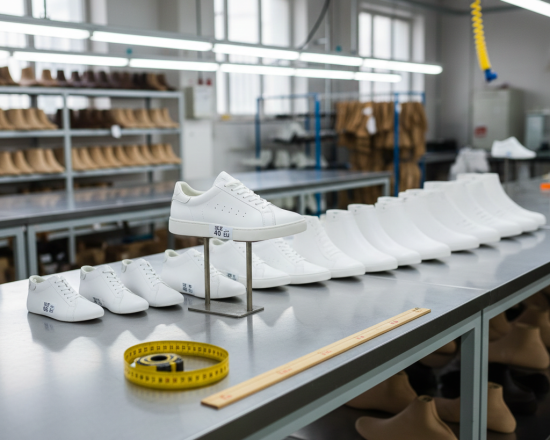
Factories make one sample size (usually UK 7 or EU 40) and then “grade” it up and down using fixed numbers. These rules keep proportions correct for every size.
| System | Length increase per whole size | Joint girth increase | Children (small sizes) |
|---|---|---|---|
| UK / US | 8.47 mm | 6.35 mm | about 5 mm |
| EU | 6.66 mm | 5 mm | 4-5 mm |
| Mondopoint | 5 mm or 7.5 mm | Width +2-3 mm | same |
Best Practice: Narrow fittings are often lengthened 1-2 mm; wide fittings are sometimes shortened slightly.
Simple Tips for Perfect Shoe Fit
Follow these easy steps to get shoes that feel good all day:
- Mondopoint is the most accurate system (uses real mm)
- Measure feet at the end of the day (feet become bigger)
- Stand up when measuring – weight adds length
- Measure both feet – one is usually longer
- Leave 8-12 mm empty space at the front
- For children: leave 12-17 mm total space
- Wide feet? Choose wider fitting instead of longer shoe